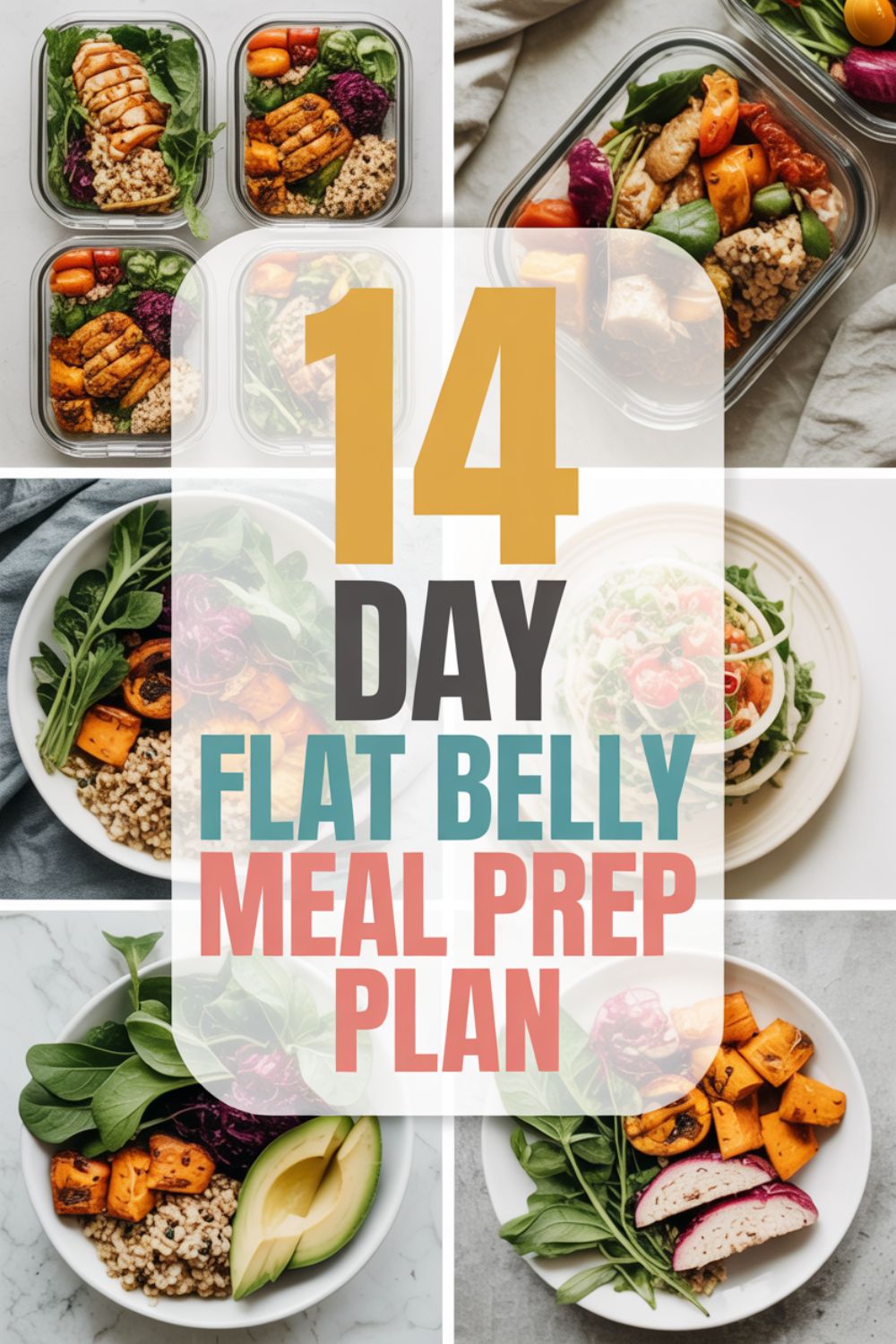
14-Day Flat Belly Meal Prep Plan
Let’s be honest—scrolling through Instagram at midnight while your stomach growls isn’t exactly the best meal planning strategy. I’ve been there, standing in front of the fridge at 9 PM, wondering how adults manage to feed themselves three times a day without turning into stressed-out zombies. That’s when I discovered the magic of meal prepping, and specifically, how a structured two-week plan could actually flatten my belly without making me feel like I was living on celery sticks and sadness.
This isn’t your typical diet torture chamber. What I’m about to share with you is a realistic, actually-doable meal prep plan that focuses on reducing bloating, supporting digestion, and yes, helping you achieve that flatter belly you’ve been working toward. The best part? You won’t need a culinary degree or a second mortgage to make it happen.
Why Meal Prepping Actually Works for a Flatter Belly
Here’s the thing about meal prep that nobody tells you—it’s not just about having food ready. Research from Harvard’s Nutrition Source shows that people who prep meals ahead of time consistently make healthier choices and maintain better portion control. Think about it: when you’re starving after work, you’re way more likely to demolish an entire pizza than to carefully measure out a balanced meal.
But the real game-changer for belly fat? Consistency. When you prep your meals, you’re controlling exactly what goes into your body. No hidden sodium bombs that make you bloat like a balloon. No mystery ingredients that mess with your digestion. Just clean, whole foods that your body actually knows how to process efficiently.
💡 Pro Tip:
Prep your veggies Sunday night, and you’ll thank yourself all week when dinner comes together in fifteen minutes instead of an hour.
According to a study published in the International Journal of Behavioral Nutrition and Physical Activity, individuals who plan their meals are more likely to have better diet quality and lower body weight. The research found that meal planners consumed more fruits and vegetables while maintaining healthier overall eating patterns.
The Science Behind the Flat Belly Formula
You’ve probably heard a thousand times that abs are made in the kitchen. Well, they’re not wrong, but it’s not just about crunches and calorie counting. Your digestive system is ridiculously complex, and belly bloating often comes from inflammation, poor gut health, and erratic eating patterns rather than actual fat.
When you meal prep with the right foods, you’re essentially giving your digestive system a predictable schedule. Your gut bacteria love routine, FYI. Studies have shown that eating at consistent times helps regulate your metabolism and reduces bloating. Plus, when you’re in control of ingredients, you can avoid the common culprits: excess sodium, artificial sweeteners, and processed foods that make your stomach puff up like a balloon animal.
Harvard Health Publishing notes that adequate protein intake—typically around 0.8 grams per kilogram of body weight for sedentary adults—helps maintain muscle mass while supporting metabolism. When you’re prepping meals, hitting these protein targets becomes way easier than winging it every day.
Understanding Your Macros Without Losing Your Mind
I’m not going to bore you with a nutrition lecture, but understanding macros is actually simpler than it sounds. You need protein to maintain muscle and keep you full, healthy fats for hormone regulation, and complex carbs for energy. The magic ratio for a flat belly? Roughly 40% carbs, 30% protein, and 30% healthy fats.
But here’s where most people mess up—they either go too low on carbs and feel like garbage, or they eat too much and wonder why they’re not seeing results. When you meal prep, you can portion everything out ahead of time, so you’re not guessing or ending up with a plate that’s 80% pasta and 20% everything else.
Speaking of balanced meals, if you’re looking for inspiration, Get Full Recipe for high-protein breakfast bowls that keep you satisfied until lunch. These bowls hit that sweet spot of protein, fiber, and healthy fats that your body actually craves.
“I started this 14-day plan thinking I’d be starving by day three. Instead, I felt amazing, my energy levels were through the roof, and my jeans fit better by the end of week two. My favorite part? Not having to think about what to eat every single day.” — Jessica R., tried the meal prep plan
Getting Your Kitchen Ready (The Unsexy But Necessary Part)
Before you start chopping vegetables like you’re training for MasterChef, let’s talk about equipment. You don’t need fancy gadgets, but having the right basics makes everything SO much easier. I learned this the hard way after trying to meal prep with three mismatched Tupperware containers and a dull knife. Not my finest moment.
First things first: invest in good quality storage containers. Glass is my personal favorite because you can see what’s inside, they don’t stain, and you can reheat directly in them. I use these glass meal prep containers with the snap-lock lids—they’re literally the only ones that haven’t betrayed me by leaking salad dressing all over my bag.
Essential Tools That’ll Save Your Sanity
A sharp chef’s knife is non-negotiable. Seriously, trying to dice an onion with a dull knife is both dangerous and rage-inducing. I swear by this ceramic chef’s knife because it stays sharp forever and makes vegetable prep feel less like a workout.
Sheet pans are your best friend for batch cooking. You can roast an entire week’s worth of vegetables in one go. I use these heavy-duty aluminum sheet pans that don’t warp in high heat, which is a game-changer when you’re roasting at 425°F.
And here’s something nobody talks about: get yourself a good food scale. This digital kitchen scale has been clutch for actually understanding portion sizes. Turns out my “eyeballing” skills were giving me portions that were, uh, generous at best.
💡 Quick Win:
Label everything with dates using these erasable labels. Future you will be grateful when you can actually remember when you made that quinoa.
Meal Prep Essentials Used in This Plan
Physical Products:
- Premium Glass Meal Prep Containers Set – Leak-proof, microwave-safe, and they stack beautifully in the fridge. The portion dividers are clutch for keeping proteins and veggies separate.
- Digital Food Scale with Nutritional Calculator – Takes the guesswork out of portions. The built-in calorie counter is surprisingly accurate and saves you from doing math.
- Stainless Steel Spice Jar Set – Magnetic backs stick to your fridge, so they’re always within reach. Game-changer for seasoning meal prep without digging through cabinets.
Digital Resources:
- Complete Flat Belly Recipe eBook – 100+ recipes specifically designed for reducing bloat and supporting digestion. Includes shopping lists and prep timelines.
- Macro Tracking Made Simple Course – Short video series that actually explains macros without making your brain hurt. Includes customizable meal planning templates.
- Meal Prep Sunday Checklist Bundle – Printable planners, grocery lists, and prep schedules that keep you organized without overwhelming you.
Your 14-Day Flat Belly Blueprint
Alright, let’s get into the actual plan. I’m breaking this down week by week because trying to prep two weeks of food at once is overwhelming and kinda impractical unless you have a second refrigerator. Trust me on this.
Week One: Building Your Foundation
The first week is all about getting your body adjusted to clean eating without shocking your system. We’re focusing on anti-inflammatory foods, plenty of fiber, and keeping sodium in check. You’ll notice I’m heavy on lean proteins, leafy greens, and complex carbs—the holy trinity of flat belly eating.
Monday through Wednesday: Start with breakfast egg muffins loaded with spinach and bell peppers. These little guys are perfect because you can grab two, microwave for 45 seconds, and you’re out the door. Lunch is grilled chicken with quinoa and roasted Brussels sprouts. Dinner keeps it simple with baked salmon, sweet potato, and a massive salad.
For those mornings when you need something grab-and-go, try these overnight oats variations that prep in mason jars. Throw in some chia seeds for extra fiber, and your digestive system will send you thank-you notes.
Thursday through Sunday: Switch it up with turkey and vegetable stir-fry over brown rice. The trick here is using coconut aminos instead of soy sauce—way less sodium, same umami flavor. Breakfast rotates to Greek yogurt parfaits with berries and a sprinkle of granola. Keep dinners light with lean proteins and vegetables.
💡 Pro Tip:
Batch cook your proteins Sunday afternoon—grill all your chicken, bake your salmon, and you’re set. Just season differently throughout the week so you don’t get bored.
If you’re feeling ambitious mid-week, these Buddha bowl combinations are incredible for using up whatever vegetables you have hanging around. Plus, they look stunning on Instagram, which is basically half the battle, right?
Week Two: Stepping It Up
By week two, your body’s adjusted, and we can get a bit more creative. This is where meal prep gets fun because you’ve got the basics down, and you can start experimenting with flavors.
Days 8-10: Bring in some variety with turkey meatballs paired with zucchini noodles. Make a big batch of meatballs on Sunday—I use this mini muffin tin to portion them perfectly, and they freeze beautifully. Breakfast is protein smoothie bowls topped with granola and fresh fruit.
The beauty of zucchini noodles is that they don’t make you feel sluggish like regular pasta. If you don’t have a spiralizer yet, this handheld spiralizer works just as well and doesn’t take up your entire kitchen drawer.
Looking for more veggie-forward options? Check out these Mediterranean-inspired grain bowls that are packed with chickpeas, cucumber, tomatoes, and a killer tahini dressing. Your taste buds won’t know what hit them.
Days 11-14: Finish strong with grilled shrimp and cauliflower rice stir-fry. IMO, cauliflower rice gets a bad rap, but when you season it right, it’s honestly delicious. The key is not overcooking it—nobody wants mushy cauliflower pretending to be rice.
For breakfast during these final days, rotate back to those egg muffins but switch up the vegetables. Add some mushrooms, swap spinach for kale, throw in some diced tomatoes. Same prep method, totally different flavor profile.
“Week two was when everything clicked for me. I stopped thinking of meal prep as a chore and started seeing it as self-care. Plus, my digestion has never been better. No more 3 PM bloat that made me want to unbutton my jeans!” — Marcus T., meal prep enthusiast
Between meals, if you’re looking for smart snacking options, these high-protein snack ideas keep you satisfied without derailing your progress. The almond butter energy balls are stupid easy to make and taste like dessert.
Navigating Common Meal Prep Pitfalls
Let’s talk about the stuff that usually trips people up, because I’ve made literally every mistake in the meal prep handbook.
The “I’m So Bored of Chicken” Crisis
Yeah, eating the same grilled chicken five days straight is about as exciting as watching paint dry. Here’s the fix: prep your proteins plain, then add different sauces and seasonings throughout the week. Monday’s chicken gets a lemon-herb situation, Wednesday’s gets buffalo sauce, Friday’s goes Mediterranean with olive oil and oregano.
I keep these small sauce containers in my meal prep rotation specifically for this. Pack your sauce separately, add it right before eating, and boom—variety without the extra work.
For more protein rotation ideas, definitely explore these lean protein preparation methods that’ll keep your meals interesting without complicated recipes.
When Food Goes Bad Before You Eat It
Nothing worse than opening your Thursday lunch container and finding questionable lettuce. Some foods just don’t store well for five days, and that’s okay. Here’s what I’ve learned: berries get mushy, avocados turn brown, and leafy greens get slimy unless you store them properly.
Trick for keeping greens fresh? Paper towels and these produce storage bags. Layer paper towels in the container to absorb excess moisture, and your spinach will stay crisp all week. For avocados, squeeze some lemon juice on them before storing, or just buy them at different ripeness levels and let them mature throughout the week.
The Shopping Strategy That Actually Works
Grocery shopping for meal prep is its own special skill. You can’t just wander the aisles hoping inspiration strikes—that’s how you end up with random ingredients that don’t go together and a cart full of impulse buys.
I shop in zones. First stop: produce section for all the vegetables and fruits. Then protein—chicken breasts, salmon, eggs, Greek yogurt. Next up: grains and legumes. Finally, I grab any pantry staples I’m running low on. This systematic approach keeps me from forgetting stuff and prevents that annoying second trip to the store mid-week.
Here’s something that changed my life: this magnetic notepad lives on my fridge, and I write down items as I run out. By the time Sunday rolls around, I have a ready-made shopping list instead of trying to remember what I need while standing in the store.
💡 Quick Win:
Shop seasonally for vegetables—they’re cheaper, taste better, and your wallet will thank you. Winter squash in December, asparagus in spring, tomatoes in summer. Follow the seasons, follow the savings.
If you’re struggling with grocery list organization, check out these budget-friendly meal prep shopping lists that break down exactly what you need without the guesswork.
Making It Work With Your Actual Life
Here’s the reality check: you’re not going to be perfect, and that’s completely fine. Some weeks you’ll nail every meal. Other weeks, you’ll get takeout on Wednesday and feel guilty about the prepped food sitting in your fridge. It happens to everyone.
The goal isn’t perfection—it’s consistency over time. Even if you only meal prep dinners and wing breakfast and lunch, that’s still better than winging everything. Progress over perfection, always.
Social Life Survival Guide
Your friends will definitely give you grief about bringing your prepped meals to gatherings. Here’s my approach: I eat my prepped meals most days, but I don’t let it control my social life. If there’s a birthday dinner or work lunch, I go and enjoy myself without stress.
One trick that helps: if you know you have plans on Wednesday, skip prepping Wednesday lunch and just prep for the other four days. Flexibility is your friend here. The point is to make meal prep work for your life, not make your life work around meal prep.
For those inevitable social situations, having these portable meal prep options in your back pocket means you can bring your food without looking like you’re carrying a three-course meal in Tupperware.
Tools & Resources That Make Cooking Easier
Time-Saving Kitchen Gadgets:
- Instant Pot Pressure Cooker – Cooks a week’s worth of chicken in 20 minutes. Also doubles as a rice cooker, steamer, and slow cooker. Total kitchen workhorse.
- Professional Vegetable Chopper – Dices an entire week of vegetables in under ten minutes. My hands no longer smell like onions permanently.
- Compact Food Processor – Perfect for making sauces, dressings, and energy balls without pulling out the massive blender. Small enough to leave on the counter.
Helpful Digital Resources:
- Flat Belly Meal Prep Video Series – Watch-and-learn format showing exactly how to prep each recipe. Includes real-time tips and troubleshooting.
- Customizable Meal Planning Templates – Drag-and-drop meal planner that syncs with your calendar. Auto-generates shopping lists based on your selections.
- Nutrition Macro Calculator Spreadsheet – Plug in your stats, get personalized macro targets. Tracks your daily intake without the annoying app notifications.
Troubleshooting Common Issues
Even with the best laid plans, stuff goes sideways. Here are the most common problems I’ve encountered and how to actually fix them.
Your Food Tastes Bland AF
This usually happens when people under-season their food because they’re worried about sodium. But here’s the thing—you can make food taste amazing without dumping salt on everything. Fresh herbs, citrus juice, vinegars, and spices are your secret weapons.
I keep this herb garden kit on my windowsill year-round. Fresh basil, cilantro, and parsley transform boring chicken into something you’d actually want to eat. Plus, growing herbs is weirdly satisfying and way cheaper than buying those sad plastic containers from the grocery store.
Garlic powder, smoked paprika, cumin, and everything bagel seasoning are my ride-or-die spices. They make literally everything taste better, and you can buy them in bulk to save money.
You’re Still Hungry After Meals
If you’re finishing your prepped meals and immediately raiding the pantry, your portions are probably off. Most people either don’t include enough protein or they skimp on healthy fats thinking they’re saving calories.
Each meal should have a palm-sized portion of protein, a fist-sized portion of complex carbs, and at least a tablespoon of healthy fats. Add as many non-starchy vegetables as you want—they’re basically free calories and keep you full.
For satisfying meal combinations that actually keep you full, these balanced macro-friendly meals hit all the right notes without leaving you hungry an hour later.
Beyond the 14 Days: Making This Sustainable
So you’ve crushed these two weeks, your belly feels flatter, your energy is better, and you’re wondering what’s next. The beauty of this system is that it’s designed to become a lifestyle, not just a temporary fix.
After your initial 14 days, you’ll have learned which meals you love, which ones were just okay, and which ones you never want to see again. Use that knowledge. Keep the winners, ditch the losers, and start experimenting with new recipes that fit the same formula: lean protein, complex carbs, healthy fats, and tons of vegetables.
Building Your Recipe Rotation
I recommend having about 10-15 go-to meals that you rotate through. This gives you enough variety to not get bored but keeps things simple enough that you’re not constantly learning new recipes. Think of it like a greatest hits album—you know all the songs, they’re reliable, and you never get tired of them.
Start collecting recipes that fit your lifestyle. Love quick breakfasts? Focus on grab-and-go options. Enjoy cooking? Explore more elaborate dinner recipes. The key is finding what works for YOUR life, not what works for some influencer with a professional kitchen and a full-time meal prep assistant.
For ongoing inspiration without the overwhelm, these seasonal meal prep variations keep your rotation fresh while using ingredients that are actually in season and affordable.
💡 Pro Tip:
Keep a “recipe graveyard” note on your phone for meals that didn’t work out. Sounds morbid, but it’ll save you from making the same mistakes twice.
Adapting to Your Goals
Maybe after these 14 days, you want to focus more on building muscle. Or perhaps you need to accommodate food allergies or preferences. The framework stays the same—you’re just adjusting the specifics.
More muscle building? Increase your protein portions and add more calorie-dense foods like nuts, nut butters, and whole grains. Trying to drop more weight? Keep portions consistent but increase your vegetable intake to add volume without extra calories. The beauty of understanding the basics is that you can customize everything.
Need plant-based alternatives? These vegan protein bowl recipes prove that you absolutely don’t need meat to hit your protein goals. Tofu, tempeh, and legumes are all-stars when prepared correctly.
Frequently Asked Questions
Can I really see results in just 14 days?
Honestly? Yes, but not magical transformations. Most people notice reduced bloating, better energy, and clothes fitting more comfortably within the first week. The real visible changes—like actual fat loss—take longer, usually 4-6 weeks of consistent effort. But those initial wins in how you feel are totally worth it and keep you motivated to continue.
What if I mess up and eat off-plan?
First, stop calling it “messing up”—that mindset is exactly what derails people. One meal or even one day off your plan isn’t going to undo everything. Just get back to your prepped meals at the next opportunity. Progress isn’t linear, and being too rigid usually backfires harder than just being flexible from the start.
Do I need to count calories on this plan?
Not necessarily. The portion guidelines (palm-sized protein, fist-sized carbs, thumb-sized fats) work for most people without needing to count every calorie. That said, if you’re not seeing results after a few weeks, tracking for a week can be eye-opening—you might be underestimating portions or missing hidden calories in sauces and dressings.
How long does meal prep actually take each week?
Once you get the hang of it, 2-3 hours on Sunday covers you for most of the week. First few times might take longer because you’re figuring out your system. My best time-saver? Multitask like crazy—while chicken is baking, chop vegetables. While rice is cooking, prep your breakfast containers. Work smarter, not harder.
Can I freeze these meals or do they need to stay refrigerated?
Most meals in this plan stay fresh refrigerated for 4-5 days, which covers your work week. If you want to prep more, absolutely freeze some portions—especially soups, meatballs, and cooked proteins. Just thaw them in the fridge overnight before you need them. Avoid freezing things with high water content like cucumbers and lettuce—they turn into sad, mushy disasters.
Your Flat Belly Journey Starts Now
Look, I’m not going to pretend that meal prepping is always fun or that it magically solves every food-related problem in your life. Some weeks you’ll crush it, other weeks you’ll order pizza on Wednesday and call it a mental health day. Both scenarios are completely valid.
What this 14-day plan does is give you a solid foundation. You’ll learn how your body responds to consistent, clean eating. You’ll figure out which meals you genuinely enjoy versus which ones you’re forcing down just because they’re “healthy.” You’ll develop systems that work for YOUR schedule, not someone else’s idealized version of meal prep perfection.
The flat belly part? That’s almost a side effect of treating your body with respect and feeding it foods that actually support your health. When you reduce inflammation, support your digestion, and maintain consistent eating patterns, your body responds by letting go of excess bloat and gradually reducing stubborn belly fat.
Start with one week. If it feels overwhelming, just prep dinners. If that works, add in lunches. Build slowly, adjust as needed, and remember that this is about creating sustainable habits, not suffering through another restrictive diet that you’ll abandon by next month.
You’ve got this. Your future self—the one with the flatter belly, better energy, and zero decision fatigue about what to eat—is already thanking you for starting today.