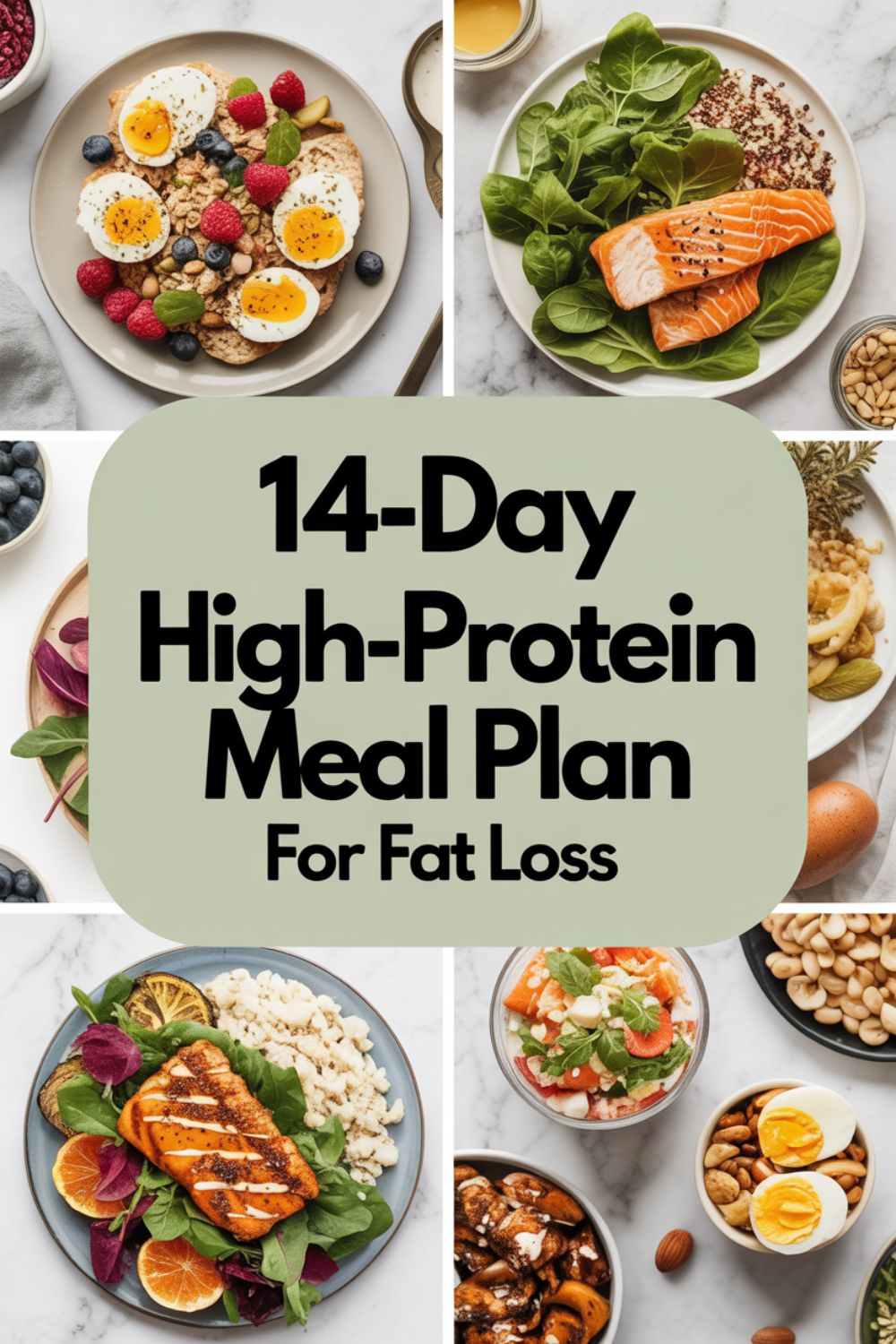
14-Day High-Protein Meal Plan for Fat Loss
Look, I get it. You’ve probably heard a thousand times that protein is the magic bullet for fat loss. But here’s the thing—most meal plans either bore you to tears with endless chicken breast or leave you so hungry you’re raiding the pantry at midnight. This 14-day plan? It’s different. I’ve put together something that actually works without making you feel like you’re living in a perpetual state of deprivation.
Fat loss doesn’t have to mean suffering through bland food or complicated recipes that require a culinary degree. What you need is a solid game plan, realistic portions, and meals that keep you satisfied long enough that you’re not thinking about your next snack every 30 minutes. That’s exactly what this plan delivers.
Why High-Protein Diets Actually Work for Fat Loss
Before we jump into the meal plan, let’s talk science for a second. I’m not going to overwhelm you with jargon, but understanding why protein works makes sticking to the plan way easier.
Research shows that higher protein intake does several impressive things for your body during fat loss. First off, protein increases something called diet-induced thermogenesis—basically, your body burns more calories just digesting protein compared to carbs or fats. Second, it cranks up satiety hormones while dialing down hunger hormones. Translation? You feel fuller longer and aren’t constantly battling cravings.
The real kicker is that protein helps preserve your muscle mass while you’re in a calorie deficit. When you lose weight, you want to lose fat, not muscle. Studies demonstrate that consuming protein at levels exceeding the standard recommendations protects lean mass during weight loss. This matters because muscle tissue burns more calories at rest than fat tissue does.
According to nutrition research, aiming for 1.2 to 1.6 grams of protein per kilogram of body weight daily can provide improvements in appetite control, body composition, and overall fat loss results. That’s roughly double what most people eat on a typical diet.
Pro Tip: Don’t stress about hitting exact protein numbers every single day. Aim for consistency over perfection. If you hit your target 80% of the time, you’re golden.
Setting Up Your Kitchen for Success
Real talk: meal prep can feel overwhelming if you’re starting from scratch. But once you get your kitchen dialed in, the whole process becomes almost automatic. I’m talking less than two hours on a Sunday afternoon to set yourself up for the entire week.
First things first—invest in quality storage containers. Glass containers with snap-lock lids are my personal favorite. They don’t stain, they don’t hold onto weird smells, and you can see exactly what’s inside without playing fridge Tetris. I use these glass meal prep containers religiously because they’re microwave-safe and stackable.
Next up, you need a reliable food scale. I know, I know—weighing food sounds tedious. But here’s the thing: eyeballing portions is where most people completely derail their progress. Get a digital scale that measures in both grams and ounces, and you’ll never have to guess again.
Essential Prep Tools That Make Life Easier
A slow cooker or Instant Pot is basically mandatory for efficient protein prep. Toss in chicken breasts or a beef roast in the morning, and by evening you’ve got perfectly tender protein ready to portion out. Zero babysitting required.
For quick veggie prep, I swear by a quality chef’s knife and a cutting board with compartments. Sharp knives make chopping vegetables actually enjoyable instead of a frustrating chore. Plus, you’re less likely to accidentally mangle your fingers.
If you’re prepping grains or roasting proteins, grab a few silicone baking mats. They’re reusable, nothing sticks to them, and cleanup becomes stupidly easy. No more scrubbing burnt quinoa off sheet pans at midnight.
Meal Prep Essentials Used in This Plan
Physical Products
- Premium Glass Meal Prep Containers (5-Pack) – Airtight, microwave and dishwasher safe, portion-control markings
- Digital Kitchen Scale with Tare Function – Accurate to 1 gram, compact design, easy-to-read display
- 6-Quart Programmable Slow Cooker – Set it and forget it, perfect for batch cooking proteins
Digital Resources
- High-Protein Recipe Collection (PDF Bundle) – 50+ tested recipes with macros calculated
- Meal Prep Video Masterclass – Step-by-step tutorials for efficient batch cooking
- Printable Grocery Shopping Lists – Organized by week, saves time at the store
Join Our Community
Connect with thousands of people following this plan. Get daily tips, swap recipes, and stay motivated. Join our WhatsApp group for real-time support and accountability.
The 14-Day Meal Plan Breakdown
Alright, let’s get into the actual plan. I’ve structured this to give you variety without requiring you to cook 14 completely different meals. Smart meal prep means making components that you can mix and match throughout the week.
Week One: Building the Foundation
The first week focuses on establishing your routine and getting comfortable with higher protein intake. Your body might need a few days to adjust, especially if you’re coming from a carb-heavy diet.
Day 1-3: Start with simple proteins like grilled chicken breast, baked salmon, and turkey. Pair these with roasted vegetables—broccoli, Brussels sprouts, and bell peppers work great. For carbs, stick with sweet potatoes and quinoa. These are the building blocks that you’ll rotate through the week.
Breakfast could be something like Greek yogurt with berries and a scoop of protein powder, or scrambled eggs with spinach and turkey sausage. Get Full Recipe. The key is hitting 25-30 grams of protein first thing in the morning to kickstart your metabolism.
Day 4-7: Now we switch things up to keep your taste buds interested. Introduce lean ground beef for taco bowls, shrimp stir-fry, and baked cod. The protein sources change, but the structure stays the same—protein, vegetables, smart carbs.
Quick Win: Prep all your vegetables on Sunday night. Wash, chop, and store them in containers at eye level in your fridge. You’ll actually use them instead of watching them turn to compost.
For variety in your morning routine, try overnight oats made with protein powder and chia seeds. Get Full Recipe. Or whip up a batch of egg muffins loaded with vegetables that you can grab on busy mornings.
Speaking of breakfast ideas, you might also love trying out some high-protein pancakes or a Mediterranean egg scramble for weekend mornings when you have a bit more time. These add variety without derailing your progress.
Week Two: Leveling Up Your Game
By week two, you should have your prep routine down. Now we can introduce slightly more complex flavors and combinations.
Day 8-10: Time for some international flair. Think teriyaki chicken with edamame, Greek-style turkey meatballs with cucumber salad, and blackened tilapia with cauliflower rice. These dishes pack serious flavor without adding unnecessary calories.
The beauty of this phase is that you’re proving to yourself that high-protein eating doesn’t mean boring eating. You can have bold flavors and still hit your macros. I particularly love the Greek turkey meatballs—they’re so good that my non-dieting friends request them for regular dinners. Get Full Recipe.
“I tried this plan after struggling with constant hunger on other diets. The protein kept me full, and I lost 12 pounds in the first month without feeling deprived. The meal prep tips alone were worth it.” – Sarah M., Community Member
Day 11-14: The home stretch. By now, you know what you like and what keeps you satisfied. This is when you can start customizing based on your preferences. Maybe you discovered you love salmon and can’t stand ground turkey. Perfect—adjust accordingly.
One of my go-to meals during this phase is a protein-packed Buddha bowl with grilled chicken, roasted chickpeas, mixed greens, and tahini dressing. It hits all the right notes—crunchy, creamy, satisfying. Get Full Recipe.
If you’re looking for more inspiration during this phase, check out these complete 30-day meal plans or explore quick high-protein snack ideas that complement your main meals perfectly. Building a rotation of reliable recipes prevents burnout.
Protein Sources That Don’t Suck
Let’s be honest—if I told you to eat plain chicken breast three times a day, you’d probably last about four days before ordering pizza. Variety isn’t just the spice of life; it’s the difference between success and giving up.
Animal-Based Proteins
Chicken breast is the obvious choice, but don’t sleep on chicken thighs. Yes, they have slightly more fat, but they’re also way more flavorful and harder to overcook. A meat thermometer ensures you never serve rubber again—aim for 165°F for chicken.
Fish is criminally underused in most meal plans. Salmon, cod, tilapia, and tuna all pack serious protein with the bonus of omega-3 fatty acids. Canned tuna and salmon are budget-friendly options that work great for quick lunches. Just watch the sodium in canned versions.
Lean beef, turkey, and pork tenderloin round out your options. Ground turkey is versatile but can be dry—mix in some diced onions and spices to keep it moist and interesting.
Plant-Based Options
Even if you’re not vegetarian, incorporating plant proteins adds fiber and different nutrients to your diet. Lentils, chickpeas, and black beans are all protein powerhouses. A cup of cooked lentils delivers about 18 grams of protein plus a ton of fiber.
Tofu gets a bad rap from people who’ve only had it prepared badly. Press it properly with a tofu press, marinate it overnight, and bake it until crispy. Game changer. Tempeh and edamame are also solid choices that bring different textures to your meals.
Greek yogurt and cottage cheese are sneaky protein sources. A cup of Greek yogurt can pack 20+ grams of protein. Use it as a sour cream substitute, mix it into smoothies, or top it with nuts for a quick snack.
For plant-based meal ideas, you might want to explore vegan high-protein bowls or vegetarian meal prep recipes that show you don’t need meat at every meal to hit your protein targets.
Navigating Common Challenges
Every meal plan looks great on paper. Reality tends to throw curveballs. Let’s talk about the stuff that actually trips people up and how to handle it.
The Hunger Games (Especially Week One)
Your first few days eating higher protein might feel weird. You might actually feel hungrier initially as your body adjusts from running on quick-burning carbs to more sustained energy. This is normal. Drink more water, add extra vegetables for volume, and give it a week.
If you’re genuinely starving between meals, you might need to slightly increase your calories. Losing fat requires a calorie deficit, but too aggressive of a cut backfires. Drop 300-500 calories below maintenance, not 1000+.
Eating Out Without Losing Your Mind
You don’t need to become a hermit to lose fat. When eating out, scan the menu for grilled proteins, ask for vegetables instead of fries, and request dressing on the side. Most restaurants will accommodate reasonable requests.
Mexican restaurants? Skip the tortilla chips, order fajitas with extra meat and vegetables. Italian? Grilled chicken or fish with a side salad instead of pasta-heavy dishes. Asian? Stir-fries with extra protein and light sauce work great.
The point isn’t to be perfect. It’s to make choices that generally align with your goals without making dining out a source of stress.
Pro Tip: Check restaurant menus online before you go. Decide what you’ll order ahead of time when you’re not starving and staring at pictures of loaded nachos.
The Weekend Danger Zone
Weekends wreck more progress than any other factor. Your routine changes, social events pop up, and suddenly it’s Sunday night and you’ve undone five days of solid work.
Here’s what works: keep at least one weekend meal prepped and ready. If you know Saturday brunch is happening, make Friday dinner and Sunday lunch your structured meals. This gives you flexibility without completely abandoning the plan.
Also, one indulgent meal isn’t going to destroy everything. It’s the “well I already messed up so might as well keep going” mentality that causes real damage. Enjoy your meal, move on, get back to your plan at the next opportunity.
Tools & Resources That Make Cooking Easier
Time-Saving Kitchen Gadgets
- Instant-Read Meat Thermometer – Never overcook protein again, saves guesswork
- Vegetable Spiralizer – Make veggie noodles in seconds, adds variety to meals
- Blender Bottle for Shakes – Mix protein shakes smoothly without chunks
Planning & Tracking Resources
- Macro Calculator Spreadsheet – Customized to your stats, automatic calculations
- Weekly Meal Planning Template – Print and fill in, stick on your fridge
- Progress Tracking Journal (PDF) – Log meals, workouts, measurements, photos
Community Support
Join our Facebook accountability group for daily motivation, recipe swaps, and success stories. Plus, get exclusive access to live Q&A sessions with nutrition coaches.
Meal Timing and Frequency
You’ve probably heard conflicting advice about meal timing. Some people swear by six small meals. Others preach intermittent fasting. Here’s the truth: total daily protein and calories matter way more than when you eat them.
That said, spreading protein throughout the day seems to optimize muscle preservation. Nutrition experts suggest aiming for 25-30 grams of protein per meal if you’re eating three times daily. This provides consistent amino acid availability for your muscles.
IMO, three solid meals plus one or two small snacks works best for most people. It provides structure without requiring you to eat every two hours like some bodybuilder from the 1990s.
Pre and Post-Workout Nutrition
If you’re working out while following this plan—which you should be for best results—protein timing around training matters a bit more. Having protein within a few hours before and after your workout supports recovery.
A simple pre-workout option is Greek yogurt with fruit eaten 1-2 hours before training. Post-workout could be a protein shake with a banana, or one of your regular meals if timing works out. Don’t overthink it—consistency beats perfect timing every single time.
For athletes or serious gym-goers, exploring pre-workout meal ideas and post-workout recovery recipes can fine-tune your results. But for most people just trying to lose fat, simply eating adequate protein throughout the day does the job.
Adapting the Plan for Your Lifestyle
This plan is a template, not a prison sentence. You need to make it work for your actual life, not some idealized version where you have unlimited time and zero responsibilities.
Budget-Friendly Modifications
Salmon and steak are great, but they’re expensive. Eggs, canned tuna, Greek yogurt, and chicken thighs cost way less and still deliver solid protein. Frozen vegetables are just as nutritious as fresh and usually cheaper. Buying protein powder in bulk saves money long-term.
Dried beans and lentils are ridiculously cheap. A pound of dried lentils costs maybe two bucks and provides multiple meals worth of protein and fiber. Batch cook them on Sunday and use throughout the week.
Dietary Restrictions and Allergies
Dairy-free? Use coconut yogurt or almond milk alternatives. Many protein powders come in vegan versions made from pea, rice, or hemp protein. Gluten-free? This plan is already mostly gluten-free since it focuses on whole proteins and vegetables rather than bread and pasta.
Vegetarian or vegan? You’ll rely more heavily on legumes, tofu, tempeh, seitan, and plant-based protein powders. The structure stays the same—you’re just swapping protein sources. Consider vegetarian high-protein meal plans specifically designed for plant-based eaters.
Limited Cooking Skills
You don’t need to be a chef. Most of this plan uses basic cooking methods: grilling, baking, or pan-frying proteins, then roasting or steaming vegetables. If you can follow basic instructions and use a timer, you can handle this.
Start with the simplest recipes and build confidence. A beginner’s cookbook for healthy eating can walk you through fundamental techniques. YouTube is also packed with free cooking tutorials for every skill level.
“I couldn’t even boil pasta when I started. Three months later, I’m meal prepping like a pro and down 18 pounds. If I can do this, literally anyone can.” – Marcus J., Community Member
Supplements: What Actually Helps
Before someone tries to sell you 47 different supplements, let me be clear: whole food should be your priority. That said, a few supplements can make hitting your protein targets easier.
Protein Powder
A quality whey protein powder or plant-based protein blend is convenient for mornings when you’re rushed or post-workout when you need quick protein. Look for options with minimal ingredients—protein, maybe some flavoring, that’s it. Skip the ones with 30 ingredients you can’t pronounce.
Whey protein digests quickly and has an excellent amino acid profile. Plant proteins work great too, though you might need slightly more to get equivalent amino acids. Neither is “better”—choose based on your preferences and dietary restrictions.
What You Probably Don’t Need
Fat burners are mostly caffeine and marketing. Save your money. BCAAs are unnecessary if you’re eating enough protein from whole foods. Pre-workouts are just expensive caffeine with some B vitamins—drink coffee instead.
Multivitamins can fill small gaps, but they don’t compensate for a poor diet. Focus on eating varied, whole foods first. If you’re truly deficient in something specific, that’s worth addressing with targeted supplementation under guidance from your doctor.
Tracking Progress Beyond the Scale
The scale is a tool, but it’s a lying tool that tells incomplete stories. Water retention, hormone fluctuations, recent carb intake, bathroom habits—all of these affect the number you see. Don’t let daily scale weight dictate your self-worth or determine if the plan is working.
Better Progress Metrics
Take measurements: waist, hips, thighs, arms. Measure the same time each week under similar conditions. Fat loss shows up in measurements even when the scale barely budges.
Progress photos beat the scale every time. Take photos every two weeks in the same lighting, same poses, same clothes. Side-by-side comparisons reveal changes your eyes miss in the mirror.
Similar Posts
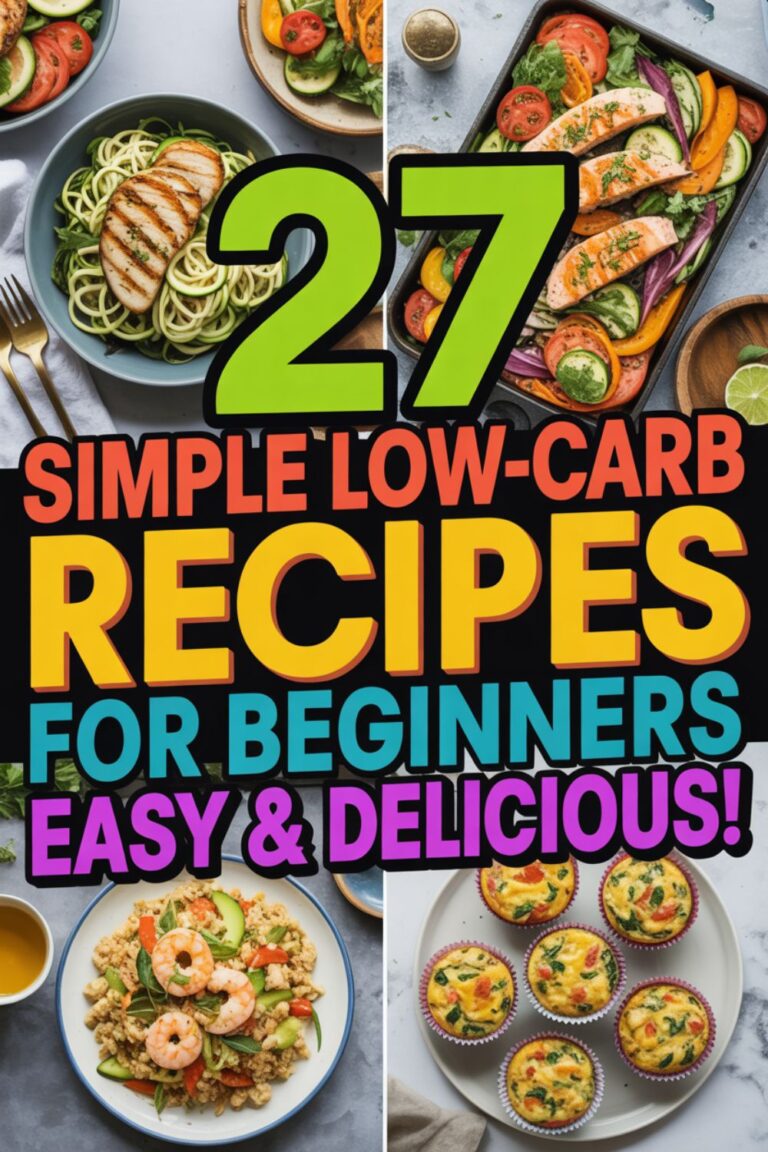
27 Simple Low-Carb Recipes for Beginners
27 Simple Low-Carb Recipes for Beginners 27 Simple Low-Carb Recipes for Beginners Look, I get it. You’re standing in your kitchen right now, staring at a bag of pasta you can’t eat anymore, wondering if low-carb means you’ll be gnawing on celery sticks for the rest of your life. Spoiler alert: it doesn’t. I’ve been…
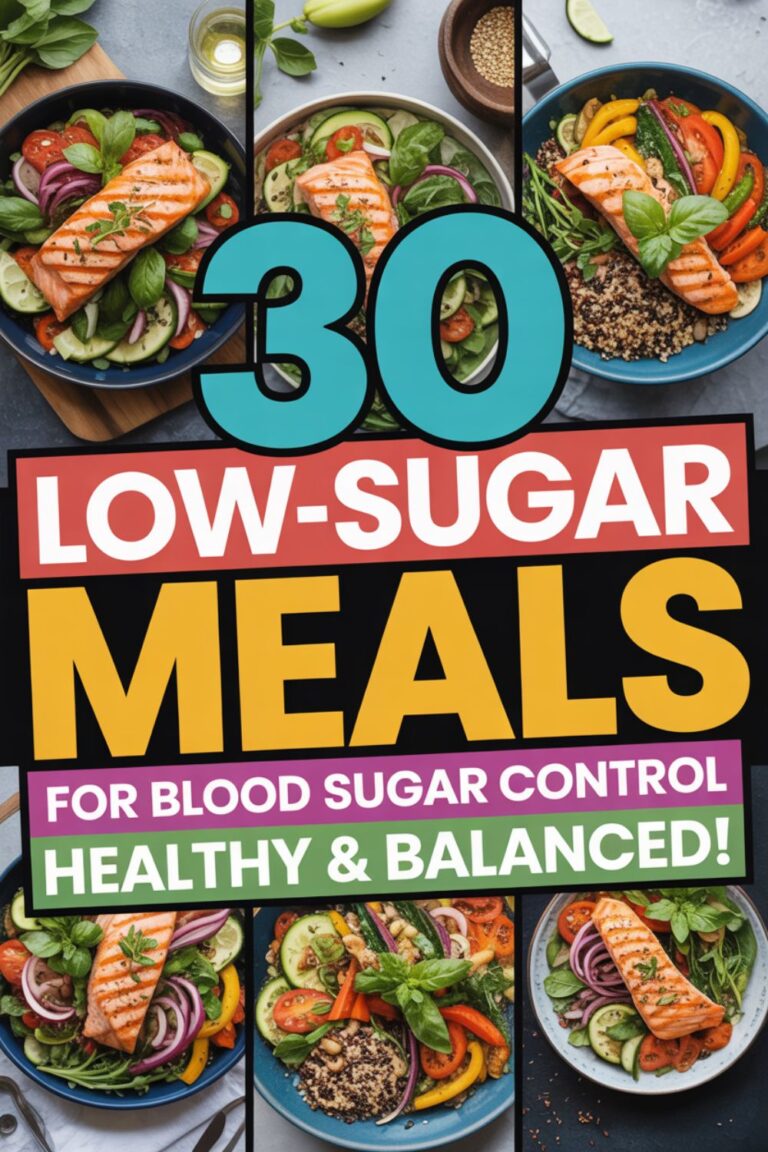
30 Low-Sugar Meals for Blood Sugar Control
30 Low-Sugar Meals for Blood Sugar Control 30 Low-Sugar Meals for Blood Sugar Control Look, I get it. You’ve been told to “watch your blood sugar,” and now you’re staring at your pantry like it’s a minefield. Bread? Suspect. Pasta? Traitor. That innocent-looking banana? Apparently, it’s plotting against you. Here’s the thing though—eating for stable…
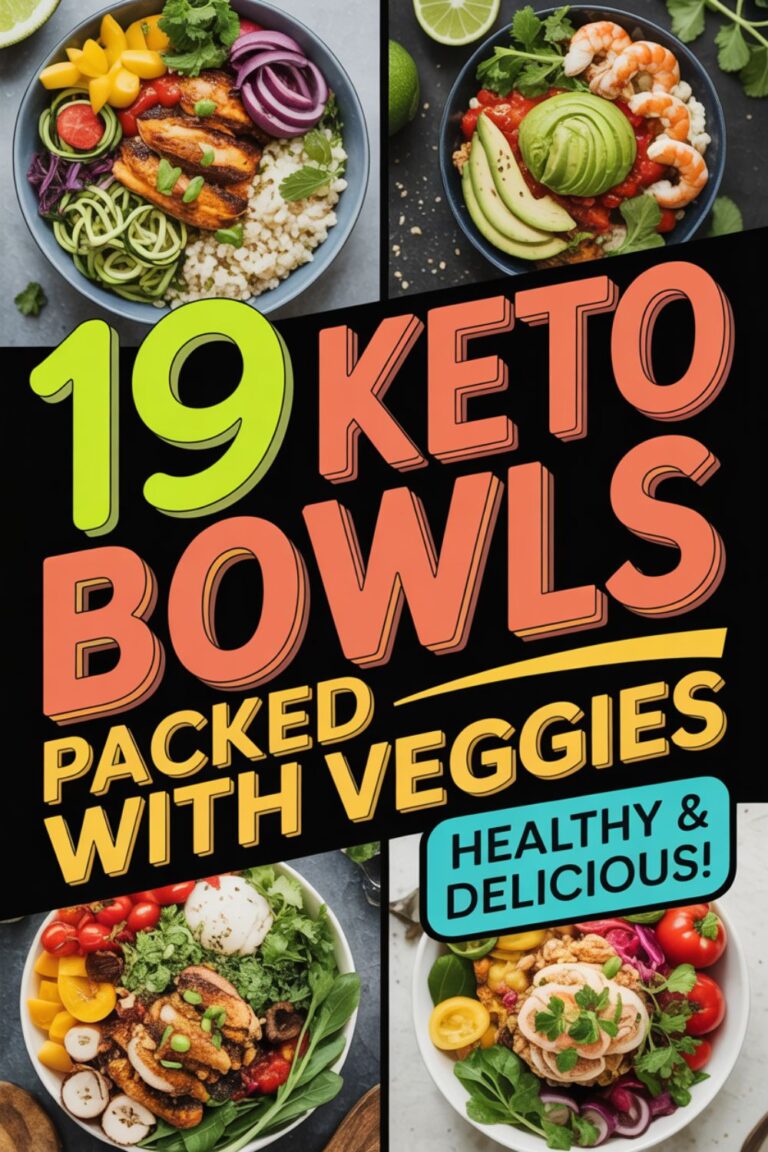
19 Keto Bowls Packed with Veggies
19 Keto Bowls Packed with Veggies 19 Keto Bowls Packed with Veggies Look, I’m just going to say it—keto bowls saved my weeknight sanity. When you’re juggling work, life, and trying to actually eat something that doesn’t come from a drive-thru window, these veggie-packed bowls are like having a cheat code for staying on track….