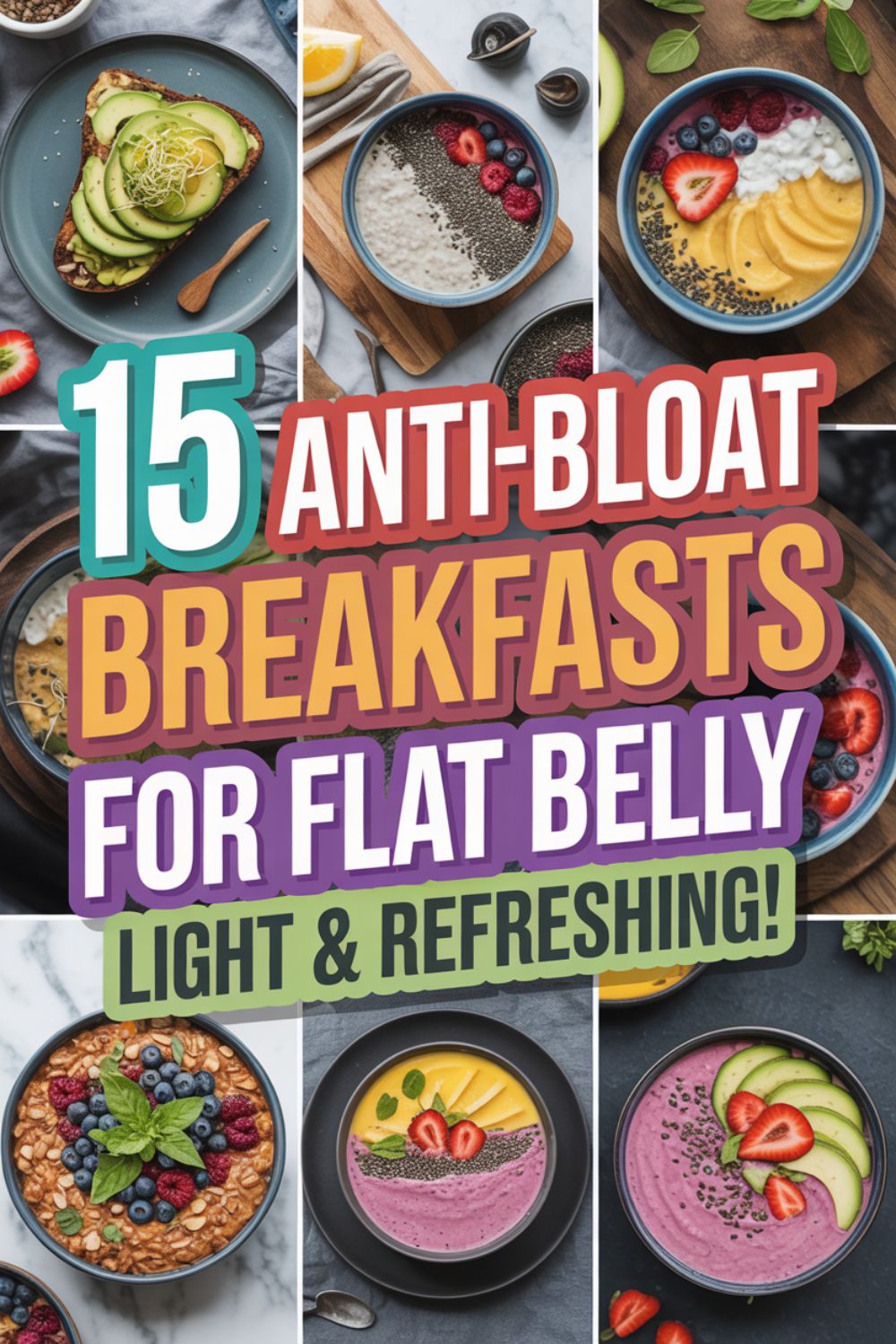
15 Anti-Bloat Breakfasts for Flat Belly
Look, I get it. You wake up feeling great, then halfway through breakfast, boom—your pants feel tighter and your stomach’s doing that uncomfortable balloon thing. Been there, dealt with that, and honestly, it’s the worst way to start your day.
Here’s the thing though: breakfast doesn’t have to be your enemy. In fact, it can be your secret weapon against bloating. I’ve spent way too many mornings experimenting with different combinations (yes, I’m that person), and I’ve finally cracked the code on what actually works. No magic pills, no weird cleanses—just real food that keeps your belly happy and flat.
These 15 breakfasts aren’t just random meals I threw together. They’re based on ingredients that actually help reduce bloating and support digestive health. Think fiber-rich foods that keep things moving, probiotics that balance your gut bacteria, and hydrating ingredients that prevent that water-retention puffiness.
Why Your Breakfast Might Be Making You Bloated
Before we jump into the good stuff, let’s talk about what’s probably going wrong. Most traditional breakfast foods are basically bloat bombs waiting to explode. White bread toast? That’s refined carbs that your gut struggles to process. Sugary cereal? Hello, inflammation and gas. Even that innocent-looking bagel can leave you feeling five months pregnant by 10 AM.
The culprits are usually high-FODMAP foods, excessive sodium, or ingredients that trigger inflammation in your gut. According to Mayo Clinic, certain foods contain complex fibers that ferment in your gut, causing gas and that uncomfortable stretched feeling.
But here’s where it gets interesting—some foods actually do the opposite. They contain natural enzymes, probiotics, and anti-inflammatory compounds that help your digestive system work smoothly. That’s what we’re focusing on today.
The 15 Best Anti-Bloat Breakfasts
1. Overnight Oats with Ginger and Blueberries
This is my go-to when I need something I can grab straight from the fridge. Oats contain beta-glucan fiber that helps reduce inflammation while keeping your digestive system regular. The ginger? That’s your anti-bloat superstar. It relaxes your intestinal muscles and reduces inflammation in your colon, making everything flow smoother.
I prep mine in mason jars Sunday night—dump in half a cup of rolled oats, a cup of unsweetened almond milk, a teaspoon of fresh grated ginger, and a handful of blueberries. By morning, it’s ready to eat cold or warmed up. The blueberries add natural sweetness plus antioxidants that fight gut inflammation. Get Full Recipe.
If you’re serious about meal prepping breakfasts that won’t leave you bloated, check out this 14-Day Flat Belly Meal Prep Plan. It’s got tons of make-ahead options that actually taste good.
2. Papaya and Greek Yogurt Bowl
Papaya has this enzyme called papain that basically pre-digests protein for you. Sounds weird, I know, but it works. Combine it with Greek yogurt (which is loaded with probiotics), and you’ve got a breakfast that supports healthy gut bacteria while breaking down food efficiently.
I cut up fresh papaya, top it with plain Greek yogurt, and sprinkle some pumpkin seeds for crunch. The key is using plain yogurt—the flavored stuff is packed with sugar that’ll just make bloating worse. Trust me on this one.
3. Scrambled Eggs with Spinach and Avocado
Eggs are low-FODMAP and easy to digest, making them perfect for sensitive stomachs. Spinach adds fiber without the gas-producing compounds found in cruciferous veggies like broccoli. And avocado? That’s your potassium powerhouse that helps balance sodium levels and prevents water retention.
I scramble two eggs in a non-stick pan, throw in a handful of baby spinach at the end, and top with half a sliced avocado. Takes maybe 5 minutes total. Sometimes I add a pinch of turmeric for extra anti-inflammatory benefits—it makes the eggs this gorgeous golden color too.
Looking for more protein-packed morning options? This 21-Day High-Protein Meal Plan has some killer breakfast ideas that’ll keep you full without the bloat.
4. Green Smoothie with Pineapple and Cucumber
Here’s where people usually mess up smoothies—they add too much fruit, turning it into a sugar bomb. My version keeps things balanced with mostly greens and just enough pineapple for sweetness. Pineapple contains bromelain, an enzyme that’s so good at breaking down proteins, it’s literally used as a meat tenderizer. In your gut, it helps digest food faster and reduces bloating.
Blend one cup spinach, half a cucumber (which is 96% water for hydration), half a cup of pineapple, and unsweetened coconut water. The cucumber keeps you hydrated, which prevents that puffy, water-retention bloat. I use my high-speed blender to make it super smooth—no chunks.
5. Chia Seed Pudding with Banana
Chia seeds are basically tiny fiber bombs in the best way possible. When they soak in liquid, they create this gel that slows digestion and keeps blood sugar stable. Bananas add potassium and prebiotics that feed your good gut bacteria.
Mix three tablespoons chia seeds with one cup almond milk and half a mashed banana. Let it sit overnight in the fridge. By morning, you’ve got this pudding-like texture that’s honestly addictive. Sometimes I top it with a drizzle of raw honey and some sliced almonds for crunch.
For more gut-friendly meal ideas that focus on fiber and probiotics, check out this 7-Day Gut Healing Plan. It’s packed with recipes designed to reduce inflammation and support digestive health.
6. Smoked Salmon with Cucumber Slices
When I’m feeling fancy (or just need something different), this is my jam. Salmon is loaded with omega-3 fatty acids that reduce inflammation throughout your body, including your gut. Plus, it’s high-protein and super filling without being heavy.
I lay smoked salmon on cucumber slices, add a tiny dollop of Greek yogurt or dairy-free cream cheese, and sprinkle some fresh dill. The cucumbers provide hydration and fiber, while the salmon gives you quality protein that won’t sit like a rock in your stomach. Just make sure to choose low-sodium smoked salmon—the regular stuff is salt city.
7. Quinoa Breakfast Bowl with Berries
Yeah, I know quinoa for breakfast sounds weird, but hear me out. It’s gluten-free, high in protein and fiber, and way gentler on your digestive system than wheat-based cereals. Cook it in unsweetened almond milk instead of water, and it tastes like a warm, comforting porridge.
I cook half a cup quinoa in almond milk, top with mixed berries (strawberries, blueberries, raspberries), and add a sprinkle of cinnamon. The berries are packed with polyphenols that help relieve IBS symptoms like bloating. Plus, they taste amazing and make you feel like you’re eating dessert for breakfast.
8. Kefir Smoothie with Mango
Kefir is like yogurt’s cooler cousin—it has even more probiotic strains that support gut health. Studies show it can reduce bloating significantly, especially for people with digestive issues. I blend it with frozen mango, a handful of spinach, and some fresh ginger.
The mango adds sweetness and vitamin C, while the ginger brings those anti-inflammatory properties we talked about earlier. FYI, if you’re lactose intolerant, there are dairy-free kefir options made from coconut water that work just as well. I pour mine into a insulated tumbler for my commute.
Speaking of gut health, if you’re dealing with ongoing digestive issues, this 21-Day Gut Healing Meal Plan offers a comprehensive approach to resetting your digestive system with anti-inflammatory recipes.
9. Almond Butter on Rice Cakes with Sliced Strawberries
When I need something super quick and my stomach’s already feeling sensitive, this is it. Rice cakes are low-FODMAP and easy to digest. Almond butter gives you healthy fats and protein, while strawberries add fiber and antioxidants without causing gas.
Two rice cakes, a tablespoon of almond butter on each, topped with sliced strawberries. That’s it. Sometimes I add a tiny drizzle of honey if I need extra energy. The whole thing takes 2 minutes to throw together, and my stomach always feels happy afterward.
10. Turmeric Scramble with Zucchini
Turmeric contains curcumin, which has been studied extensively for its effects on IBS and bloating. The research shows it can help regulate your digestive system and reduce inflammation. I whisk a quarter teaspoon of turmeric into my eggs before scrambling, then add grated zucchini.
Zucchini is mostly water and fiber, so it keeps you hydrated and regular without causing gas. I cook mine in a ceramic non-stick skillet with just a touch of olive oil. The eggs turn this beautiful golden color from the turmeric, and honestly, it tastes way better than it sounds.
11. Peppermint Tea with Oat Bran Muffin
Peppermint tea is a game-changer for bloating. It relaxes your intestinal muscles and helps gas pass through your system more easily. I pair it with a homemade oat bran muffin that’s packed with fiber but won’t cause the bloating issues you get with wheat.
I bake a batch of muffins on Sunday using oat bran, mashed banana, and a touch of maple syrup. Keep them in an airtight container, grab one with your tea, and you’re set. The warm tea plus the fiber from the muffin gets everything moving in the right direction. I make my tea in a glass teapot so I can see the leaves unfurl—it’s oddly satisfying.
For those looking to balance blood sugar while reducing bloat, check out this 7-Day Blood Sugar-Friendly Meal Plan. It includes breakfast options that keep energy stable without triggering digestive issues.
12. Coconut Yogurt with Kiwi and Almonds
If dairy makes you bloat (it does for a lot of people), coconut yogurt is your friend. It’s got probiotics without the lactose. Kiwi has been studied as a digestive aid for people with IBS and constipation—it actually has laxative effects that keep you regular without being harsh.
I use plain coconut yogurt (the unsweetened kind), top it with two sliced kiwis, and sprinkle some sliced almonds. The almonds add crunch and healthy fats that help you absorb nutrients better. It’s refreshing, light, and never leaves me feeling heavy or bloated.
13. Green Tea with Avocado Toast on Gluten-Free Bread
Green tea is packed with antioxidants called catechins that are easily absorbed in your gut and help prevent bloating. It also has natural caffeine that acts as a mild laxative—not in a scary way, just enough to keep things moving.
I pair my green tea with mashed avocado on gluten-free bread. The avocado provides potassium, fiber, and healthy fats, while gluten-free bread (I use one made from brown rice) is easier on sensitive stomachs than wheat. Sometimes I top it with everything bagel seasoning for extra flavor. Brew your tea in a temperature-controlled kettle at 175°F—boiling water makes green tea bitter.
14. Banana Pancakes with Cinnamon
These are literally just mashed banana and eggs. That’s it. Two eggs, one ripe banana, mashed together and cooked like pancakes. They’re naturally sweet, gluten-free, and so easy to digest. The banana provides prebiotics that feed your good gut bacteria, plus potassium that combats water retention.
I cook them in a griddle pan with a tiny bit of coconut oil. Sprinkle with cinnamon (which also helps regulate blood sugar), and you’ve got a breakfast that tastes indulgent but keeps your belly flat. IMO, these are better than regular pancakes anyway.
Want more breakfast inspiration that supports overall wellness? The 7-Day Hormone-Balancing Meal Plan includes morning meals designed to support women’s health while reducing inflammation and bloating.
15. Celery Juice with Almond Flour Toast
Okay, I was skeptical about celery juice at first—it seemed like one of those trendy things that doesn’t actually work. But celery is 95% water and contains antioxidants that help reduce gut inflammation. It’s also a natural diuretic that helps flush out excess water and sodium.
I juice about 4-5 stalks of celery in my cold-press juicer, drink it first thing, and follow it up with almond flour toast topped with mashed avocado. Almond flour is gluten-free, low-carb, and doesn’t cause the bloating issues associated with regular bread. Plus, it’s packed with protein and healthy fats.
Meal Prep Essentials Used in This Plan
Let’s be real—the difference between actually making these breakfasts and just thinking about them usually comes down to having the right stuff on hand. Here’s what makes my morning routine actually doable:
Physical Products:- Glass meal prep containers – These keep overnight oats and chia pudding fresh all week without any weird plastic taste
- High-speed blender – Worth every penny for smooth smoothies with zero chunks
- Ceramic non-stick pan – Makes scrambled eggs and pancakes without the toxic coating nonsense
- 30-Day Flat Belly Meal Plan – Complete breakfast, lunch, and dinner plans designed to reduce bloating
- 14-Day Gut Reset Plan – Quick recipes when you’re short on time but need gut-healing meals
- 21-Day Anti-Inflammatory Meal Plan – Perfect if you’re new to eating for digestive health
Tips for Making Anti-Bloat Breakfasts Work for You
Here’s what nobody tells you about eating to reduce bloating: it’s not just about the food. Yeah, the ingredients matter, but how and when you eat makes a huge difference too.
First off, eat slowly. I know, I know—you’re rushed in the morning. But scarfing down food means swallowing air, which leads to bloating. Take actual bites, chew your food, put your fork down between bites. It feels weird at first, but your stomach will thank you.
Second, drink water throughout the day, not just with meals. A lot of bloating is actually from dehydration—your body holds onto water when it thinks there’s a shortage. Counterintuitive, right? Keep a insulated water bottle with you and sip consistently.
Third, pay attention to portions. Even healthy, anti-bloat foods can cause issues if you eat too much. Start with smaller portions and see how you feel. You can always eat more if you’re still hungry.
For those dealing with ongoing digestive challenges, the 30-Day Gut Reset Meal Plan provides a structured approach with recipes designed specifically for healing and reducing bloat.
Tools & Resources That Make Cooking Easier
I’m all about working smarter, not harder. These are the things that actually save me time and make anti-bloat eating sustainable:
Kitchen Tools:- Mini food processor – Perfect for making almond butter, grinding chia seeds, or chopping veggies in seconds
- Silicone baking mats – I use these for everything from roasting veggies to making pancakes. Zero sticking, zero scrubbing
- Cold-press juicer – If you’re serious about celery juice or green juice in general, this is the investment that matters
- 30-Day High-Protein Meal Plan – Combines fat loss with digestive health for sustainable results
- 7-Day Heart-Healthy Meal Plan – Great for overall wellness while keeping calories in check
- 30-Day Anti-Inflammatory Meal Plan for Women – Specifically designed for women’s digestive and hormonal health
Understanding the Science Behind Anti-Bloat Foods
Let’s get slightly nerdy for a second because understanding why these foods work makes it easier to stick with them. When you eat foods high in natural digestive enzymes like papain (papaya) and bromelain (pineapple), you’re basically giving your digestive system extra help breaking down proteins and moving food through your gut.
Probiotics from yogurt, kefir, and fermented foods introduce beneficial bacteria that improve your gut microbiome. A healthy gut microbiome means less gas, better nutrient absorption, and reduced inflammation. Research published in medical journals shows that probiotics can significantly reduce bloating and digestive discomfort.
Then there’s fiber—but not all fiber is created equal. Soluble fiber from oats, chia seeds, and bananas absorbs water and forms a gel that slows digestion and prevents blood sugar spikes. This type of fiber generally doesn’t cause the gas and bloating that insoluble fiber can trigger in sensitive people.
Anti-inflammatory foods like ginger, turmeric, and green tea work by calming inflammation in your gut lining. When your gut is inflamed, it struggles to digest food properly, leading to bloating, discomfort, and irregular bowel movements. Reducing that inflammation creates a smoother digestive process.
If you’re looking for meals that combine all these principles—digestive enzymes, probiotics, anti-inflammatory ingredients, and the right types of fiber—check out the 7-Day Anti-Inflammatory Meal Plan. It’s designed to reduce belly fat while supporting optimal digestion.
Common Breakfast Mistakes That Cause Bloating
Even with the best intentions, it’s easy to sabotage yourself. Here are the mistakes I see constantly (and definitely made myself before figuring this out):
Mistake #1: Adding too much fruit to smoothies. Yes, fruit is healthy, but dumping three bananas, a cup of mango, and berries into one smoothie is basically a sugar bomb. Your gut has to work overtime to process all that fructose, leading to gas and bloating. Stick to one serving of fruit per smoothie.
Mistake #2: Using flavored yogurt. I cannot stress this enough—flavored yogurt is candy in a cup. The added sugars feed bad bacteria in your gut, causing bloating and inflammation. Always go for plain, unsweetened yogurt and add your own fruit for sweetness.
Mistake #3: Drinking coffee on an empty stomach. Coffee stimulates acid production, which can irritate your gut lining if there’s no food to buffer it. Have some food first, then enjoy your coffee. Or switch to green tea, which is gentler on your digestive system.
Mistake #4: Eating too fast. Your brain needs about 20 minutes to register fullness. Eating quickly means you’re likely overeating, plus you’re swallowing air that contributes to bloating. Slow down, chew thoroughly, and put your phone away while you eat.
For structured meal plans that help you avoid these common pitfalls, the 21-Day Flat Belly Reset Plan provides clear guidelines and recipes that prevent bloating while supporting weight loss.
Frequently Asked Questions
Can I drink coffee with these anti-bloat breakfasts?
Coffee itself can irritate your digestive system, especially on an empty stomach. If you can’t give it up (trust me, I get it), have your breakfast first and wait about 30 minutes before drinking coffee. Better yet, try green tea—it has caffeine but also contains compounds that actually help reduce bloating rather than cause it.
How long does it take to see results from eating anti-bloat breakfasts?
Most people notice a difference within 3-5 days of consistently eating these types of breakfasts. Your digestive system responds pretty quickly to changes in diet, especially when you’re removing trigger foods and adding gut-friendly ingredients. That said, if you’re dealing with chronic bloating or digestive issues, give it at least two weeks and consider keeping a food journal to track what works best for you.
Are these breakfasts suitable if I have IBS?
Many of these breakfasts follow low-FODMAP principles, which often helps people with IBS. However, everyone’s triggers are different. Foods like papaya, pineapple, eggs, and rice are generally well-tolerated, while others might cause issues depending on your specific sensitivities. Start slowly, introduce one new breakfast at a time, and pay attention to how your body responds.
Can I meal prep these breakfasts for the whole week?
Absolutely! Overnight oats, chia pudding, and pre-made pancakes all store beautifully for 4-5 days in the fridge. Smoothie ingredients can be prepped in individual bags and frozen—just dump and blend in the morning. Hard-boiled eggs last a week, and you can pre-cut veggies for scrambles. The key is using good airtight containers and not adding ingredients that get soggy (like fresh fruit) until you’re ready to eat.
What if I’m not hungry for breakfast?
Not everyone wakes up ravenous, and that’s totally fine. If you’re not hungry first thing, start with something light like the celery juice or green tea with a small snack. Or try a smoothie that you can sip over an hour rather than sitting down to a full meal. The goal is to support your digestive system without forcing yourself to eat when you’re genuinely not hungry—intuitive eating matters more than strict breakfast rules.
Making It Stick: Real Talk About Sustainable Changes
Look, I could give you all the recipes in the world, but if they’re not realistic for your actual life, you won’t stick with them. So let’s talk about making this sustainable.
You don’t need to eat perfectly anti-bloat breakfasts every single day. Start with 3-4 days a week and see how you feel. Maybe you do overnight oats Monday, Wednesday, and Friday, and eat whatever on other days. That’s fine. Small, consistent changes beat perfection every time.
Also, don’t be afraid to modify these recipes. If you hate papaya, use pineapple instead. If almond butter isn’t your thing, try sunflower seed butter. The principles matter more than the exact ingredients—focus on digestive enzymes, probiotics, anti-inflammatory foods, and hydrating ingredients.
Batch cooking is your best friend. Spend 30 minutes on Sunday prepping ingredients, and you’ll thank yourself all week. Cook a big batch of quinoa, chop vegetables, portion out overnight oats, prep smoothie bags. Future you will be grateful.
And here’s something nobody talks about: your stress levels affect bloating just as much as food does. If you’re stressed while eating, your digestion suffers. Take a few deep breaths before breakfast, sit down instead of eating standing up, and try to create a calm morning routine. It sounds woo-woo, but it genuinely makes a difference.
Wrapping This Up
Bloating sucks. There’s no way around it. But it doesn’t have to be your default morning experience. These 15 anti-bloat breakfasts aren’t magic—they’re just smart combinations of ingredients that support healthy digestion instead of sabotaging it.
The real secret is consistency. Pick 3-4 of these breakfasts that sound good to you, make them part of your regular rotation, and pay attention to how your body responds. Everyone’s different, so what works perfectly for me might need tweaking for you. That’s normal.
Start simple. Maybe just try the overnight oats this week and see how you feel. Add the papaya yogurt bowl next week. Build gradually instead of overhauling your entire breakfast routine overnight. Small changes compound into big results.
And remember, reducing bloating isn’t just about looking less puffy—it’s about feeling comfortable in your body, having better energy, and supporting your overall digestive health. You deserve to start your day feeling good, not spending the morning uncomfortable and self-conscious.
So grab your meal prep containers, stock up on some anti-bloat ingredients, and give your gut the support it needs. Your stomach will thank you, your energy levels will improve, and you’ll actually start looking forward to breakfast again. Trust the process, pay attention to your body, and adjust as needed. You’ve got this.
Similar Posts
15 High-Protein Anti-Inflammatory Breakfasts to Transform Your Mornings
15 High-Protein Anti-Inflammatory Breakfasts to Transform Your Mornings 15 High-Protein Anti-Inflammatory Breakfasts to Transform Your Mornings Look, I get it. You’re tired of waking up feeling like your joints have been marinating in rusty nails overnight, and you’re pretty sure your morning bagel isn’t doing you any favors. The truth is, what you eat for…
25 Heart-Healthy Breakfasts for Weight Management
25 Heart-Healthy Breakfasts for Weight Management 25 Heart-Healthy Breakfasts for Weight Management Look, I’m not going to tell you breakfast is magical. But after years of experimenting with morning meals and watching my weight fluctuate like a stock market chart, I’ve learned something crucial: what you eat in those first few hours can set the…
30 Gut-Friendly Breakfasts for Energy
30 Gut-Friendly Breakfasts for Energy | Plan Pretty Plates 30 Gut-Friendly Breakfasts for Energy Published on Plan Pretty Plates | Updated January 2026 Your gut isn’t just responsible for digesting last night’s dinner—it’s basically running the show when it comes to energy levels, mood, immune function, and even how well you sleep. So why are…
20 Low-Carb Breakfasts That Keep You Full All Morning
20 Low-Carb Breakfasts That Keep You Full All Morning 20 Low-Carb Breakfasts That Keep You Full All Morning Let me guess—you’re tired of feeling like you need a mid-morning snack an hour after breakfast, right? That familiar rumble in your stomach by 10 AM is not just annoying; it’s your body telling you that your…