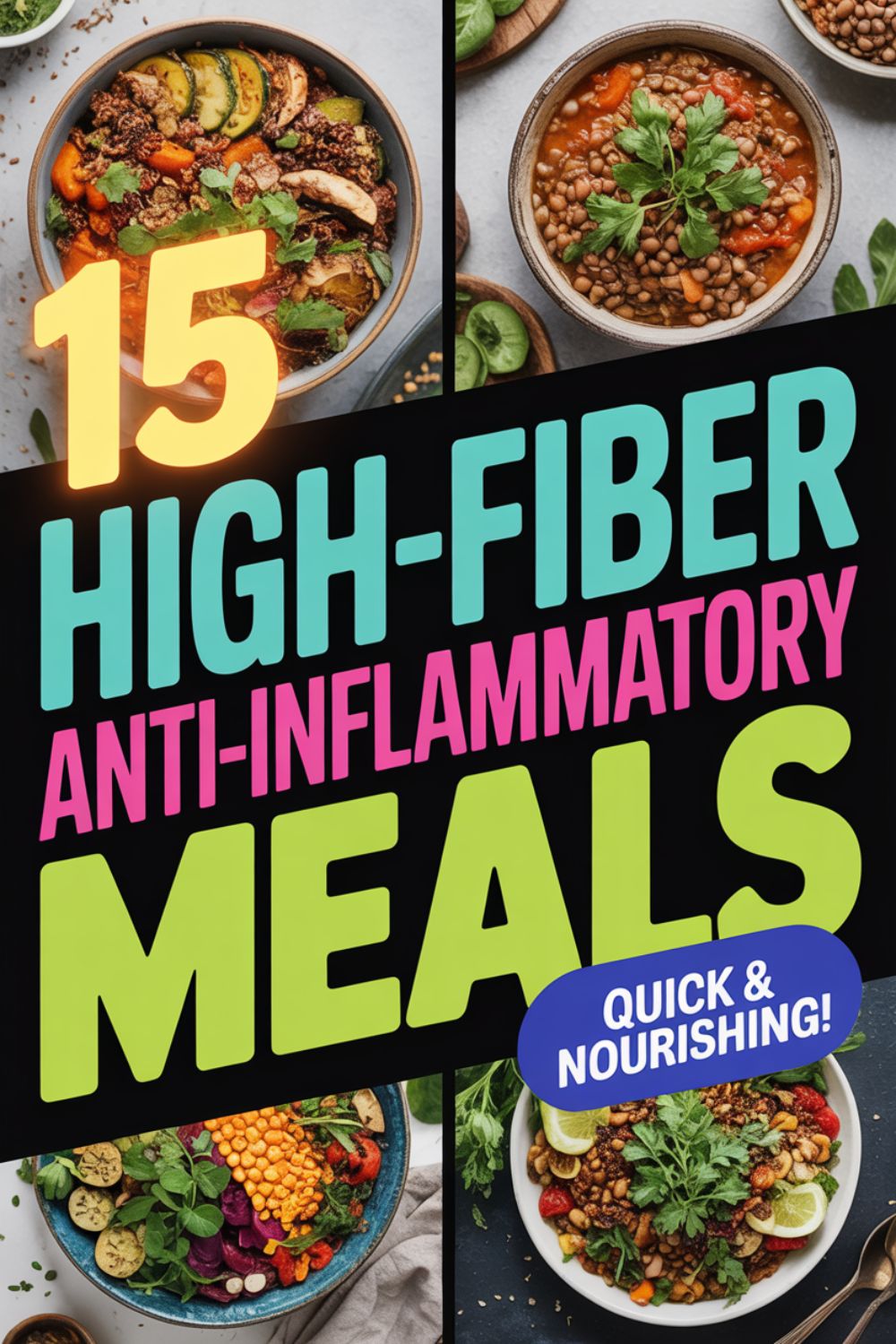
15 High-Fiber Anti-Inflammatory Meals That Actually Taste Good
Look, I’m not going to pretend that eating for your health always sounds exciting. When someone mentions “anti-inflammatory” and “high-fiber” in the same sentence, most people’s minds jump straight to cardboard-flavored health food that tastes like punishment. But here’s the thing—fighting inflammation and loading up on fiber doesn’t mean you’re stuck eating bland, boring meals that make you question your life choices.
I’ve spent years figuring out how to make meals that actually help my body feel good without sacrificing flavor. After dealing with my own inflammation issues—hello, achy joints and that annoying brain fog—I realized that food could either be my medicine or my enemy. Spoiler alert: I chose medicine, but the delicious kind.
The science backs this up too. Research from Harvard Health shows that fiber-rich foods help reduce chronic inflammation by feeding beneficial gut bacteria, which produce compounds that naturally fight inflammation. Plus, foods high in fiber keep you full longer, preventing overeating and the inflammation that comes with extra weight.
Why Fiber and Anti-Inflammatory Foods Matter (The Quick Version)
Before we get into the meals, let’s talk about why this combo is such a big deal. Chronic inflammation is basically your body’s alarm system stuck on high alert. It’s linked to everything from heart disease to diabetes to that stubborn belly fat that won’t budge. According to Johns Hopkins Medicine, an anti-inflammatory diet rich in fiber can help get that alarm system back under control.
Fiber does double duty here. It feeds the good bacteria in your gut, which then produce short-chain fatty acids that actively fight inflammation. Plus, it slows digestion, helps control blood sugar, and keeps you satisfied so you’re not reaching for inflammatory junk food an hour after eating.
The best part? You don’t need to eat like a rabbit to get these benefits. You just need to be smart about what you’re putting on your plate.
Meal 1: Overnight Oats with Berries and Walnuts
This is my go-to when I know the morning is going to be chaotic. You literally just throw everything in a jar the night before, and boom—breakfast is waiting for you. Oats are loaded with beta-glucan, a type of soluble fiber that’s been shown to lower inflammation markers.
I use these wide-mouth mason jars for prep because they’re the perfect size and actually seal properly—no soggy bag situations in your fridge. Just combine rolled oats, chia seeds, your milk of choice, a handful of blueberries or raspberries, and some chopped walnuts. The chia seeds add extra fiber and omega-3s, which are anti-inflammatory superstars.
Honestly, berries are nature’s candy with benefits. They’re packed with anthocyanins, compounds that research shows can reduce inflammatory markers associated with heart disease. Plus, they make your breakfast actually pretty to look at.
If you’re looking for more protein-packed morning options, check out this 14-day high-protein meal plan that includes breakfast ideas that’ll keep you full until lunch.
Meal 2: Mediterranean Quinoa Bowl with Chickpeas
I’m pretty sure quinoa is the overachiever of the grain world. It’s technically a seed, but who’s counting? One cup gives you 5 grams of fiber and all nine essential amino acids. Add some chickpeas to the mix, and you’re looking at serious fiber numbers—around 12 grams of fiber per cup of chickpeas.
The beauty of this bowl is that it’s completely customizable. I usually start with cooked quinoa, add a can of drained chickpeas, throw in cucumbers, cherry tomatoes, red onion, and top it with a tahini-lemon dressing. Sometimes I’ll add some feta if I’m feeling fancy.
For the dressing, I whisk together tahini, lemon juice, garlic, and a splash of olive oil. Speaking of olive oil, get yourself a good quality one. I’ve been using this organic extra virgin olive oil and it’s genuinely worth the extra few bucks—the flavor is actually noticeable.
Meal 3: Salmon with Roasted Sweet Potato and Broccoli
Salmon is basically the poster child for anti-inflammatory eating, thanks to its high omega-3 content. Pair it with sweet potato and broccoli, and you’ve got a fiber-packed meal that tastes like you actually tried.
Sweet potatoes have about 4 grams of fiber per medium potato, plus they’re loaded with beta-carotene. Broccoli brings another 2.4 grams of fiber per cup and contains sulforaphane, which research suggests inhibits inflammatory compounds in your body.
My lazy trick? I line a sheet pan with these parchment paper sheets, toss everything with olive oil and seasonings, and roast it all together. One pan, minimal cleanup, maximum flavor. The sweet potato takes about 25 minutes at 425°F, so I add the salmon and broccoli halfway through. Get Full Recipe.
For more heart-healthy meal ideas that keep calories in check, you might want to explore this 7-day heart-healthy meal plan.
Meal 4: Black Bean and Sweet Potato Tacos
Who says anti-inflammatory meals can’t be fun? These tacos are proof that you can eat for your health without feeling like you’re missing out. Black beans are fiber royalty—one cup has 15 grams of fiber plus plant-based protein that helps reduce saturated fat intake when you swap it for meat.
I roast cubed sweet potatoes until they’re crispy on the outside, mash some black beans with cumin and garlic, and pile everything into corn tortillas with avocado, cilantro, and a squeeze of lime. The corn tortillas add extra fiber compared to flour, and avocado brings healthy monounsaturated fats that also fight inflammation.
If you want to get fancy, I recommend this cast iron tortilla warmer—it keeps your tortillas perfectly warm and pliable while you’re eating. Game changer for taco night.
Meal 5: Lentil Soup with Spinach and Tomatoes
Lentils are ridiculously underrated. One cup of cooked lentils packs 16 grams of fiber and a solid amount of protein. They’re also dirt cheap, which is a bonus when you’re trying to eat healthy on a budget.
This soup is basically my comfort food when I need something warm and filling but don’t want to feel sluggish afterward. I sauté onions, garlic, and carrots, add dried lentils, vegetable broth, canned tomatoes, and throw in a bunch of spinach at the end. The whole thing comes together in about 30 minutes.
A good Dutch oven makes a huge difference for soups like this—heat distribution is way more even, and you can go from stovetop to oven if needed. Plus they look cool sitting on your stove, which counts for something.
Speaking of gut-friendly meals, if you’re dealing with digestive issues, this 7-day gut-healing plan includes recipes specifically designed to support your digestive system while fighting inflammation.
Meal 6: Chia Seed Pudding with Almond Butter
This one’s technically a breakfast or snack, but it’s so satisfying it could be a light meal. Two tablespoons of chia seeds have 10 grams of fiber—that’s insane for such a tiny ingredient. They’re also loaded with omega-3 ALA, which has anti-inflammatory properties.
Mix chia seeds with almond milk (or any milk you prefer), add a drizzle of maple syrup and vanilla extract, and let it sit overnight. In the morning, top it with almond butter and some sliced banana or berries. The almond butter adds healthy fats and makes it actually filling.
I’m obsessed with this organic chia seed brand because the seeds are consistently high quality and don’t have that weird dusty taste some cheaper brands have.
Meal Prep Essentials Used in This Plan
Here’s what actually makes my life easier when I’m prepping these meals:
- Glass meal prep containers with dividers – They don’t stain, microwave safely, and keep different components separate
- High-speed blender – Essential for smoothies, dressings, and blending soups to creamy perfection
- Quality chef’s knife – Chopping vegetables is way less annoying with a sharp knife that actually works
- 7-Day Anti-Inflammatory Meal Plan Digital Guide – Complete shopping lists and prep schedules that take the guesswork out
- High-Fiber Recipe Collection eBook – 50+ recipes with nutritional breakdowns and substitution ideas
- Meal Prep Masterclass Video Series – Step-by-step tutorials for batch cooking and storage techniques
Want to connect with others following anti-inflammatory meal plans? Join our WhatsApp community for daily tips, recipe swaps, and motivation.
Meal 7: Stuffed Bell Peppers with Brown Rice and Lentils
Bell peppers are the edible bowls we didn’t know we needed. They’re high in vitamin C, which is an antioxidant that helps reduce oxidative stress—one of the main triggers for inflammation. Fill them with a mixture of brown rice, lentils, diced tomatoes, and spices, and you’ve got a complete meal.
Brown rice has about 3.5 grams of fiber per cup compared to white rice’s measly 0.6 grams. Combined with lentils, you’re easily hitting 10+ grams of fiber per serving. I usually prep these on Sunday and reheat them throughout the week. Get Full Recipe.
The trick is to partially cook your peppers first so they’re not crunchy in the final dish. Five minutes in the microwave or a quick parboil works perfectly.
Meal 8: Greek Yogurt Parfait with Flaxseed and Berries
Greek yogurt is protein-packed and contains probiotics that support gut health, which is crucial for managing inflammation. I layer it with ground flaxseed, mixed berries, and a sprinkle of granola for crunch.
Flaxseed is another omega-3 powerhouse with 2 grams of fiber per tablespoon. But here’s the key—you have to grind it. Whole flaxseeds just pass through your system without releasing their nutrients. I use this little spice grinder to grind them fresh each week.
One of our community members, Sarah, mentioned she tried adding this to her morning routine along with the meals from our 30-day anti-inflammatory meal plan, and she noticed significantly less joint pain within two weeks.
Meal 9: Whole Wheat Pasta with Walnut Pesto and Vegetables
Yes, you can still eat pasta. Just swap to whole wheat, which has triple the fiber of regular pasta—about 6 grams per cup versus 2 grams. The fiber slows down digestion and helps prevent those blood sugar spikes that trigger inflammation.
Instead of traditional basil pesto, I make a walnut version. Walnuts have 10 times the omega-3s of olive oil, making them serious inflammation fighters. Blend walnuts, basil, garlic, parmesan, and olive oil, then toss with cooked pasta and whatever vegetables you have—zucchini, cherry tomatoes, and spinach work great.
The food processor I use makes pesto in literally 30 seconds. Worth every penny for how often I use it.
Meal 10: Buddha Bowl with Tempeh and Roasted Vegetables
Buddha bowls are basically permission to throw everything healthy in one bowl and call it a meal. I start with a base of mixed greens, add roasted sweet potato, Brussels sprouts, and carrots, then top with crumbled tempeh and a tahini dressing.
Tempeh is fermented soy, which means it’s easier to digest than regular tofu and contains probiotics. It’s also high in fiber and protein. Brussels sprouts are in the cruciferous vegetable family, which are known for their anti-inflammatory compounds.
Roasting vegetables makes them infinitely better. I toss them with olive oil, salt, and whatever spices sound good, then roast at 425°F until they’re caramelized. Get Full Recipe.
Looking for more balanced energy throughout the day? These blood sugar-friendly meals pair perfectly with an anti-inflammatory approach and keep energy crashes at bay.
Meal 11: White Bean and Kale Soup
This soup is proof that simple can be spectacular. White beans—cannellini or navy—have about 12 grams of fiber per cup and are loaded with antioxidants. Kale brings vitamins K, A, and C, plus it’s another cruciferous vegetable with anti-inflammatory properties.
I sauté garlic and onion, add vegetable broth, canned white beans, and chopped kale. A squeeze of lemon at the end brightens everything up. It’s the kind of soup that tastes even better the next day after the flavors have melded together.
If you’re batch cooking soups, invest in some freezer-safe containers. I portion everything out, freeze, and have instant healthy meals when I don’t feel like cooking.
Meal 12: Baked Falafel with Whole Wheat Pita and Hummus
Traditional falafel is deep-fried, but baking them still gives you that crispy exterior without the inflammatory oils. Made from ground chickpeas, these are naturally high in fiber and protein. One serving gives you around 8 grams of fiber.
Serve them in whole wheat pita with hummus, cucumber, tomatoes, and tahini sauce. The combination of chickpeas in both the falafel and hummus means serious fiber and plant-based protein. Plus, tahini is made from sesame seeds, which contain sesamin and sesamolin—compounds with anti-inflammatory effects.
I make these using a food processor to break down the chickpeas, then form them into patties and bake at 375°F for about 25 minutes, flipping halfway.
For more complete meal plans that support digestive health, check out this 14-day gut reset plan with quick recipes that fit into busy schedules.
Meal 13: Raspberry Chia Smoothie Bowl
Smoothie bowls are basically permission to eat ice cream for breakfast, except it’s actually good for you. Raspberries have 8 grams of fiber per cup—they’re one of the highest-fiber fruits out there. They’re also rich in polyphenols like ellagic acid, which research shows has anti-inflammatory effects.
Blend frozen raspberries, banana, chia seeds, almond milk, and a scoop of protein powder until thick. Pour into a bowl and top with sliced fruit, granola, coconut flakes, and a drizzle of almond butter. The chia seeds add thickness and extra fiber.
I use these frozen fruit bags because they’re pre-portioned and way cheaper than buying fresh berries that go bad in two days.
Meal 14: Barley Risotto with Mushrooms and Peas
Barley is an underrated grain that has 6 grams of fiber per cooked cup—way more than white rice. It’s also rich in beta-glucan, the same soluble fiber found in oats that helps reduce inflammation.
I make this risotto style, slowly adding vegetable broth and stirring until the barley is creamy. Mushrooms add umami flavor and contain beta-glucans of their own, while peas bring extra fiber and protein. A splash of white wine and some parmesan at the end makes it taste fancy without the work.
This is one of those meals that feels indulgent but is actually supporting your health. That’s my favorite kind of meal, honestly.
Tools & Resources That Make Cooking Easier
These are the things that genuinely changed my meal prep game:
- Instant Pot or pressure cooker – Cuts cooking time in half for grains and legumes
- Quality storage containers with labels – Organization is half the battle with meal prep
- Kitchen scale for portions – Takes the guesswork out of serving sizes and calorie counting
- Anti-Inflammatory Grocery Shopping Guide – Printable lists organized by store section to save time and money
- Inflammation Tracker Journal – Digital tool to track symptoms and identify trigger foods
- Seasonal Meal Planning Templates – Customizable weekly planners with built-in grocery lists
These tools, combined with the right recipes, make anti-inflammatory eating actually sustainable instead of another failed diet attempt.
Meal 15: Almond-Crusted Baked Cod with Asparagus
Cod is a lean fish that’s mild enough for people who claim they don’t like fish. The almond crust adds fiber, healthy fats, and a satisfying crunch. Almonds are also anti-inflammatory thanks to their vitamin E content and monounsaturated fats.
I coat the cod in crushed almonds mixed with herbs, bake it at 400°F for about 12 minutes, and serve it alongside roasted asparagus. Asparagus has about 3 grams of fiber per cup and contains inulin, a prebiotic fiber that feeds your beneficial gut bacteria.
The easiest way to crush almonds? Put them in a zip-top bag and whack them with a rolling pin. Therapeutic and effective. Though if you’re doing this regularly, a nut chopper makes life easier.
If you’re focused on fat loss while fighting inflammation, this 21-day high-protein meal plan for lean muscle combines anti-inflammatory principles with optimal protein distribution.
Making It All Work in Real Life
Here’s the truth—having 15 recipes is great, but if you try to make all of them in one week, you’ll burn out faster than a cheap candle. Instead, pick 3-4 that sound good, make those your rotation, and swap in new ones as you get comfortable.
The meals I’ve shared here are deliberately simple because complicated recipes don’t get made. They sit in your Pinterest board while you eat takeout. These are designed to actually happen in your kitchen with ingredients you can find at a regular grocery store.
Meal prep is your best friend here. Spending an hour on Sunday cooking grains, roasting vegetables, and prepping proteins means you’re assembling meals during the week, not cooking from scratch every night. That’s sustainable. That’s how this actually works long-term.
For those starting out, this 21-day anti-inflammatory meal plan for beginners walks you through the basics with shopping lists and prep guides that make the transition way less overwhelming.
Speaking of meal prep, there are some great meal plans that combine these principles. The 14-day flat belly meal prep plan focuses on reducing inflammation and bloating through strategic food combinations.
Frequently Asked Questions
How quickly will I see results from an anti-inflammatory diet?
Most people notice changes within 2-3 weeks, though it varies. You might experience reduced bloating and better energy first, with more significant improvements in joint pain or skin issues taking 4-6 weeks. Consistency is key—sporadic healthy eating won’t give you the same benefits as a sustained approach.
Can I eat these meals if I’m trying to lose weight?
Absolutely. High-fiber meals naturally promote weight loss because they keep you fuller longer and stabilize blood sugar, which reduces cravings. Just pay attention to portion sizes, especially with calorie-dense ingredients like nuts and olive oil. The anti-inflammatory benefits often lead to reduced water retention and bloating, which shows up on the scale pretty quickly.
Do I need to buy organic ingredients for these recipes?
Not necessarily. While organic can reduce exposure to pesticides, the most important thing is eating more fruits, vegetables, and whole grains—period. If budget is a concern, prioritize organic for the “dirty dozen” (berries, leafy greens, etc.) and buy conventional for items with thick skins like avocados and bananas.
What if I don’t like some of these ingredients?
Swap them out. Don’t like lentils? Try black beans. Can’t stand kale? Use spinach or Swiss chard. The key principles—high fiber, omega-3s, colorful vegetables, whole grains—can be applied with whatever ingredients you actually enjoy eating. A meal plan only works if you’ll stick to it.
How much fiber should I aim for each day?
The recommended daily intake is 25 grams for women and 38 grams for men, though most Americans get less than half that. These meals will get you close to or over that goal. Just increase fiber gradually if you’re coming from a low-fiber diet to avoid digestive discomfort. And drink plenty of water—fiber needs water to work properly.
The Bottom Line
Fighting inflammation through food doesn’t have to be complicated or taste like punishment. These 15 meals prove you can eat for your health while actually enjoying what’s on your plate. They’re built around ingredients that science backs—foods rich in fiber, omega-3s, antioxidants, and anti-inflammatory compounds that your body actually needs.
The real magic happens when these meals become your normal rotation instead of something you try for two weeks before giving up. Start with a few favorites, get comfortable with meal prep, and gradually expand your repertoire. Your body will thank you with better energy, reduced inflammation, and probably a few pounds lost along the way.
Remember, you’re not looking for perfection here. You’re looking for progress. If you eat anti-inflammatory meals most of the time, you’ve got plenty of room for the occasional pizza or ice cream without derailing everything. It’s about balance, not deprivation.
Now get in that kitchen and start cooking. Your future self—the one with less joint pain, better digestion, and more energy—is going to be really grateful you did.