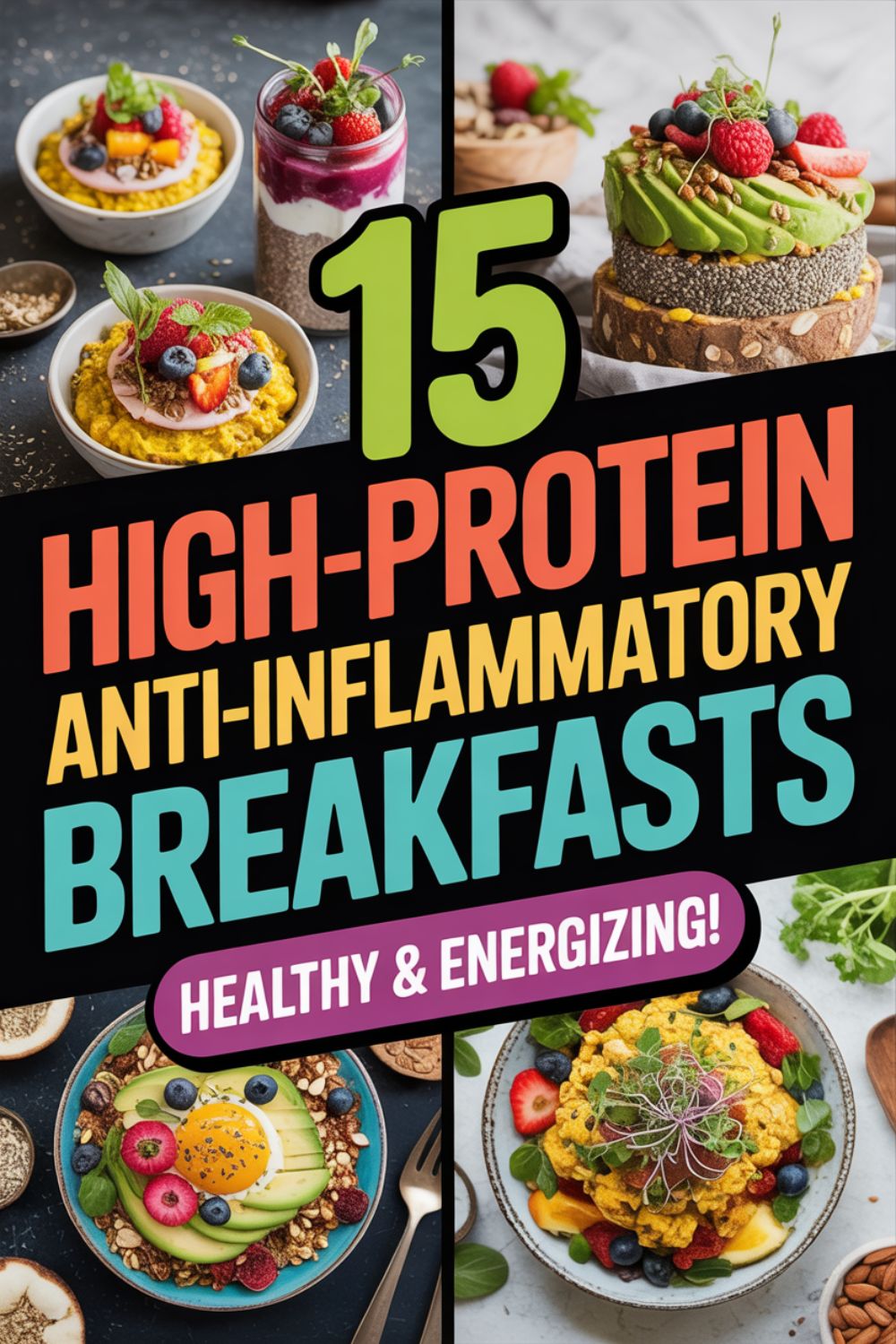
15 High-Protein Anti-Inflammatory Breakfasts to Transform Your Mornings
Here’s the deal: high-protein, anti-inflammatory breakfasts aren’t just another wellness trend that’ll disappear faster than your motivation on a Monday morning. Research from Harvard Health shows that dietary choices significantly impact chronic inflammation, which plays a role in everything from heart disease to joint pain. And when you combine anti-inflammatory foods with solid protein? You’re basically giving your body a fighting chance to feel less like a creaky door hinge.
I’ve spent years experimenting with breakfast combinations that actually work—not the kind that leave you starving by 10 AM or taste like cardboard dipped in sadness. These 15 breakfasts pack serious protein while keeping inflammation in check, and most of them won’t require you to wake up at dawn or possess a culinary degree.
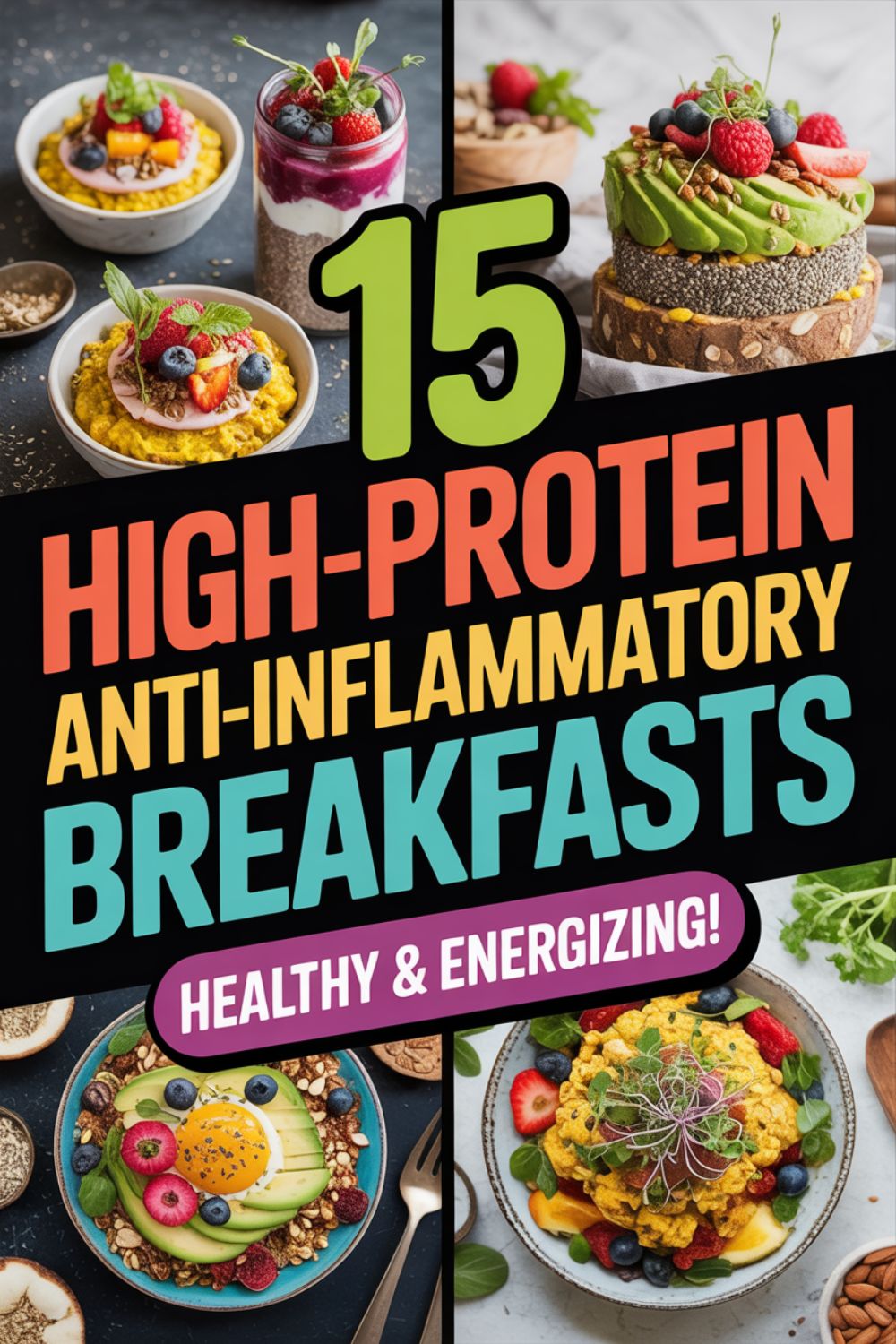
Why Protein and Anti-Inflammatory Foods Make the Perfect Breakfast Duo
Before we dive into the recipes (see what I did there?), let’s talk about why this combination actually matters. Protein keeps you fuller longer and helps stabilize blood sugar—no more crashing face-first into your keyboard by mid-morning. Meanwhile, anti-inflammatory foods from the Arthritis Foundation’s recommendations work to reduce those inflammatory markers that make you feel like you’ve aged three decades overnight.
According to research published in the Framingham Heart Study, dietary protein intake has complex relationships with inflammation markers, but choosing the right sources matters tremendously. Plant-based proteins and lean animal proteins, when paired with anti-inflammatory ingredients like berries, leafy greens, and omega-3 rich foods, create a synergistic effect that helps manage chronic inflammation.
The 15 High-Protein Anti-Inflammatory Breakfast Winners
1. Greek Yogurt Power Bowl with Berries and Walnuts
This is my go-to when I’m running late but refuse to grab a sad granola bar from the vending machine. One cup of plain Greek yogurt delivers about 20 grams of protein, plus probiotics that help support gut health. Top it with a handful of blueberries (hello, antioxidants) and walnuts for those omega-3 fatty acids.
The beauty of this breakfast is that you can prep it in a mason jar set the night before. Just layer the yogurt, berries, and nuts, then grab it on your way out the door. Takes about three minutes to assemble, tastes like you actually tried.
2. Smoked Salmon and Avocado Toast on Sourdough
Yeah, I know, avocado toast gets roasted more than the bread it sits on. But hear me out—when you use proper sourdough (the kind that’s actually fermented, not the grocery store imposter), add wild-caught smoked salmon, and mash up some avocado, you’ve got yourself a legitimate anti-inflammatory breakfast with around 25 grams of protein.
I use a small fork specifically for mashing avocados—sounds ridiculous, but it works way better than using a regular knife and creating avocado carnage all over your counter. Drizzle with a bit of high-quality olive oil and you’re golden.
Speaking of protein-packed morning meals, if you’re looking for more structured options, check out this 14-day high-protein meal plan that takes the guesswork out of breakfast planning.
3. Veggie-Loaded Egg Scramble with Turmeric
Three eggs scrambled with spinach, tomatoes, and bell peppers give you about 18 grams of protein. Add a pinch of turmeric (the anti-inflammatory superstar) and black pepper (which helps your body actually absorb the turmeric), and you’ve got breakfast that fights inflammation like it’s getting paid for it.
I cook mine in a small non-stick skillet because washing dishes is already the worst part of cooking, and stuck-on eggs are nobody’s friend.
4. Chia Seed Pudding with Almond Butter
Three tablespoons of chia seeds in a cup of unsweetened almond milk, left overnight, transforms into this weird but wonderful pudding that packs about 10 grams of protein. Stir in a tablespoon of almond butter in the morning for an extra protein boost (now we’re at 14 grams) plus healthy fats.
I portion mine into small glass jars with lids because apparently I’m that person now, but honestly, it makes grabbing breakfast feel slightly less chaotic.
5. Quinoa Breakfast Bowl with Cinnamon and Walnuts
Quinoa for breakfast might sound like something your suspiciously healthy coworker would suggest, but one cup of cooked quinoa has 8 grams of complete protein. Cook it with cinnamon sticks (way better flavor than the powder for this), add chopped walnuts, a drizzle of maple syrup, and maybe some diced apple. It’s basically oatmeal’s cooler, more protein-rich cousin.
You can batch cook quinoa in a rice cooker if you have one gathering dust in your cabinet. Game changer for meal prep.
6. Cottage Cheese Bowl with Pineapple and Hemp Seeds
Low-fat cottage cheese is having a moment, and honestly, it deserves it. Half a cup gives you around 14 grams of protein. Add fresh pineapple (which contains bromelain, an enzyme with anti-inflammatory properties) and sprinkle with hemp seeds for extra protein and omega-3s.
If you’re skeptical about cottage cheese texture (I get it), blend it smooth first. Suddenly it’s like thick yogurt, and you can pretend you’re being fancy.
7. Tofu Scramble with Veggies and Nutritional Yeast
For my plant-based friends, half a block of firm tofu crumbled up with some turmeric, nutritional yeast, spinach, and mushrooms delivers about 20 grams of protein. Studies show that soy-based products like tofu can help lower inflammation markers in the body.
Press your tofu first (I use a tofu press because squeezing it between plates got old fast), and it’ll actually crisp up nicely instead of turning into sad mush.
For more anti-inflammatory meal strategies, this 21-day anti-inflammatory meal plan breaks down inflammation-fighting foods across all your meals.
8. Protein Smoothie with Spinach, Berries, and Flax
Blend up one scoop of quality protein powder (I prefer unflavored whey or pea protein), a handful of spinach that you won’t even taste, frozen berries, a tablespoon of ground flaxseed, and unsweetened almond milk. That’s easily 25-30 grams of protein, depending on your powder.
I keep a personal blender on my counter because if I have to dig out my big blender from the cabinet depths, smoothies simply won’t happen. Convenience is key.
9. Turkey Sausage with Roasted Sweet Potato Hash
Three links of lean turkey sausage give you about 18 grams of protein. Pair with diced sweet potato roasted with olive oil, garlic, and rosemary, and you’ve got a savory breakfast that actually keeps you full. Sweet potatoes are loaded with beta-carotene, which has anti-inflammatory properties.
I use a cast iron skillet for the sweet potatoes because they get these amazing crispy edges that regular pans just can’t achieve.
10. Lentil and Vegetable Breakfast Hash
Okay, this one requires you to think outside the breakfast box a bit. Cooked lentils (green or brown work best) mixed with sautéed bell peppers, onions, and kale, topped with a fried egg. The lentils add about 18 grams of protein per cup, plus a ton of fiber.
Batch cook your lentils in an Instant Pot if you want to feel like you’re living in 2024 instead of spending 40 minutes watching lentils boil.
Meal Prep Essentials Used in These Breakfasts
Real talk—having the right tools makes these recipes infinitely more doable. Here’s what actually gets used in my kitchen:
- Glass meal prep containers with divided sections – Because mixing your chia pudding with your veggie scramble is a crime against breakfast
- High-quality blender with single-serve cups – For smoothies that don’t leave chunks of spinach floating around
- Cast iron skillet, 10-inch – This thing will outlive you and makes everything taste better
- High-Protein Breakfast Recipe eBook – Digital download with 50+ protein-packed recipes and macro breakdowns
- Anti-Inflammatory Meal Prep Guide – Step-by-step PDF with shopping lists and batch cooking strategies
- Smoothie Formula Cheat Sheet – Printable guide to building balanced smoothies without recipes
- Join Our WhatsApp Meal Prep Community – Swap recipes, ask questions, and share wins with people who get it
11. Edamame and Brown Rice Bowl
One cup of shelled edamame packs about 17 grams of complete protein. Mix with warm brown rice, drizzle with a little sesame oil and tamari, maybe add some cucumber and avocado. It’s weird for breakfast until you try it, then suddenly it makes perfect sense.
Keep frozen edamame in your freezer—they steam in the microwave in like three minutes. No excuses.
12. Almond Flour Protein Pancakes
Mix almond flour, eggs, a scoop of protein powder, and a mashed banana. Cook like regular pancakes. Two pancakes give you around 20 grams of protein, plus almond flour is naturally anti-inflammatory and way less likely to spike your blood sugar than regular flour.
I use a griddle pan because making pancakes one at a time in a regular pan feels like it takes seventeen years.
13. Salmon Patty Breakfast Bowl
Mix canned wild salmon (yes, the canned stuff works great) with an egg, almond flour, and dill. Form into patties and pan-fry. One patty has about 25 grams of protein and all those omega-3s that fight inflammation. Serve over mixed greens with a dollop of Greek yogurt.
Keep canned salmon in your pantry—it’s shelf-stable protein that doesn’t require defrosting or planning ahead.
Looking to reset your entire approach to eating? This 30-day anti-inflammatory meal plan provides complete breakfast, lunch, and dinner options designed specifically for reducing inflammation.
14. Black Bean and Egg Breakfast Burrito
Scramble two eggs with half a cup of black beans (from a can is fine—rinse them first), wrap in a whole grain tortilla with salsa and avocado. That’s about 22 grams of protein and a solid dose of fiber. Beans are loaded with anti-inflammatory compounds and cost basically nothing.
I keep a stash of whole grain tortillas in the freezer because they last forever and thaw in seconds.
15. Overnight Oats with Protein Powder and Berries
Half a cup of oats, a scoop of vanilla protein powder, unsweetened almond milk, and mixed berries, all left in the fridge overnight. In the morning, it’s ready to eat with zero effort and packs about 25 grams of protein. Oats contain beta-glucan, which has been shown to reduce inflammatory markers.
Store these in wide-mouth mason jars so you can actually eat directly from the jar without creating a utensil-excavation situation.
The Science Behind Protein and Inflammation
Here’s where it gets interesting. Not all protein sources affect inflammation equally. According to research, plant-based proteins and lean animal proteins paired with anti-inflammatory foods create what scientists call a “synergistic effect”—basically, the whole is greater than the sum of its parts.
Mayo Clinic Health System notes that combining protein sources with colorful fruits and vegetables, whole grains, and healthy fats helps reduce chronic inflammation more effectively than focusing on any single nutrient. This is why these breakfast combinations include varied ingredients rather than just loading up on protein powder alone.
The key players in anti-inflammatory breakfasts include omega-3 fatty acids (from fish, walnuts, chia seeds, and flax), antioxidants (from berries and leafy greens), and fiber (from whole grains and legumes). When you pair these with quality protein, you’re essentially giving your body the tools it needs to manage inflammation naturally.
If you’re dealing with specific health concerns related to inflammation, this 7-day anti-inflammatory meal plan to reduce belly fat focuses on foods that specifically target inflammatory belly fat.
Breakfast Swaps: Making It Work for You
Not everyone can eat the same foods, and that’s fine. Here’s how to adapt these breakfasts:
Can’t do dairy? Swap Greek yogurt for coconut yogurt mixed with protein powder. Use nutritional yeast instead of cheese. Most of these recipes are easily dairy-free with simple substitutions.
Vegetarian or vegan? Replace eggs with tofu scrambles or chickpea flour omelets. Use plant-based protein powders. Lentils, beans, quinoa, and edamame become your best friends.
Avoiding gluten? Swap regular oats for certified gluten-free oats. Use almond flour or coconut flour in baked goods. Most of these breakfasts are naturally gluten-free or easily adaptable.
Nut allergies? Sunflower seed butter works great in place of almond butter. Use pumpkin seeds instead of walnuts. There’s always a workaround.
Tools and Resources That Make Cooking Easier
I used to think meal prep was for people with way more free time than me. Turns out, having the right setup makes all the difference:
- Digital food scale – For actually knowing your portions instead of guessing (game changer for protein tracking)
- Silicone baking mats, set of 2 – Zero sticking, zero scrubbing, maximum lazy-person efficiency
- Immersion blender with cup attachment – Because sometimes you need to blend one smoothie without destroying your whole kitchen
- Meal Prep Monday Weekly Planner – Digital template for planning breakfasts and prepping ingredients
- Protein Tracker Spreadsheet – Customizable Excel sheet to track daily protein intake and inflammation symptoms
- Anti-Inflammatory Ingredients Master List – Printable shopping guide organized by grocery store section
- Join Our Recipe Testing WhatsApp Group – Get first access to new recipes and share your own breakfast wins
Common Mistakes and How to Avoid Them
Let’s talk about what doesn’t work, because I’ve made these mistakes so you don’t have to.
Mistake #1: Relying solely on protein powder. Yeah, it’s convenient, but whole food sources provide additional nutrients that powders can’t match. Use powder to supplement, not replace.
Mistake #2: Skipping the anti-inflammatory ingredients. Just eating protein won’t cut inflammation—you need those fruits, vegetables, and healthy fats working together.
Mistake #3: Making breakfast too complicated. If a recipe requires more than seven ingredients or thirty minutes, you won’t stick with it. Keep it simple.
Mistake #4: Not preparing anything ahead. Sunday night prep is the difference between grabbing a real breakfast and inhaling whatever’s quickest.
For structured meal planning that handles all of this for you, check out this 14-day flat belly meal prep plan with complete shopping lists and prep schedules.
Putting It All Together: Your Weekly Breakfast Blueprint
You don’t need to make a different breakfast every single day. That’s exhausting. Here’s how I actually do it:
Sunday: Prep overnight oats (three jars), hard-boil eggs (six to eight), cook quinoa (big batch), portion Greek yogurt into containers. This takes maybe forty minutes total while you’re doing other stuff.
Monday through Wednesday: Grab prepared breakfasts—overnight oats, yogurt bowls, or hard-boiled eggs with prepared veggies.
Thursday and Friday: Make something fresh like scrambled eggs, tofu scramble, or a smoothie using your prepped ingredients.
Weekend: Get slightly fancier if you want—make those protein pancakes, try the salmon patties, experiment with new combinations.
This approach keeps things varied enough to not get bored while staying realistic about time and effort. Nobody has energy to cook elaborate breakfasts seven days a week, and anyone who says otherwise is either lying or has a personal chef.
Looking for more structured guidance on managing inflammation through diet? This 21-day gut healing meal plan addresses the gut-inflammation connection with targeted breakfast options.
Frequently Asked Questions
How much protein should I aim for at breakfast?
Most nutrition experts recommend 20-30 grams of protein at breakfast for optimal satiety and blood sugar control. This amount helps maintain muscle mass, keeps you fuller longer, and provides sustained energy. However, individual needs vary based on body weight, activity level, and overall health goals—active individuals or those trying to build muscle may need more.
Can I see results from anti-inflammatory eating in just a few weeks?
Some people notice reduced bloating and improved energy within the first week, but measurable changes in inflammation markers typically take 2-3 weeks. More significant improvements in chronic inflammation usually require 8-12 weeks of consistent dietary changes. The key is viewing this as a long-term eating pattern, not a quick fix.
Are plant-based proteins as effective as animal proteins for reducing inflammation?
Both can be effective—it’s about choosing quality sources and combining them with anti-inflammatory ingredients. Plant proteins like legumes, tofu, and quinoa come with built-in fiber and phytonutrients that fight inflammation. Lean animal proteins like fish, poultry, and eggs provide complete amino acids. The best approach often includes a variety of both sources throughout the week.
What’s the difference between acute and chronic inflammation, and how does breakfast help?
Acute inflammation is your body’s short-term response to injury or infection—that’s helpful. Chronic inflammation is when your immune system stays activated for extended periods, contributing to diseases like arthritis, heart disease, and diabetes. A high-protein, anti-inflammatory breakfast helps by providing nutrients that reduce inflammatory markers, stabilize blood sugar (which affects inflammation), and support gut health—all of which help manage chronic inflammation.
Can I meal prep these breakfasts for the entire week?
Some yes, some no. Overnight oats, chia pudding, hard-boiled eggs, cooked quinoa, and Greek yogurt bowls prep beautifully for 3-5 days. However, cooked eggs, avocado toast, and smoothies are best made fresh or prepped in components. The sweet spot is doing bulk prep on Sunday for Monday-Wednesday, then refreshing mid-week for Thursday-Friday.
The Bottom Line on High-Protein Anti-Inflammatory Breakfasts
Look, transforming your breakfast routine doesn’t require a complete life overhaul or the budget of a wellness influencer. These 15 high-protein anti-inflammatory breakfasts work because they’re built on actual science—not trends—and they’re realistic for people with jobs, families, and approximately zero spare time.
The combination of quality protein and anti-inflammatory ingredients addresses inflammation from multiple angles: stabilizing blood sugar, providing omega-3 fatty acids, delivering antioxidants, and supporting gut health. When you consistently choose these breakfasts over the refined-carb, sugar-loaded alternatives, your body gets a chance to calm down that chronic inflammatory response.
Start with two or three recipes that sound doable. Get the hang of those. Then branch out. There’s no prize for making all fifteen breakfasts in one week, and frankly, that sounds exhausting.
The goal isn’t perfection—it’s progress. Even swapping out your usual breakfast for one of these options three days a week is better than changing nothing at all. Your joints, your energy levels, and your overall health will thank you for making the effort, even if it’s imperfect.
For comprehensive guidance on combining these breakfasts with inflammation-fighting lunches and dinners, this 30-day blood sugar balance plan provides complete daily meal structures designed to keep inflammation and blood sugar in check.
Now if you’ll excuse me, I have some overnight oats to prep—because apparently, I’ve become the person who actually does meal prep on Sunday nights. Who would’ve thought?