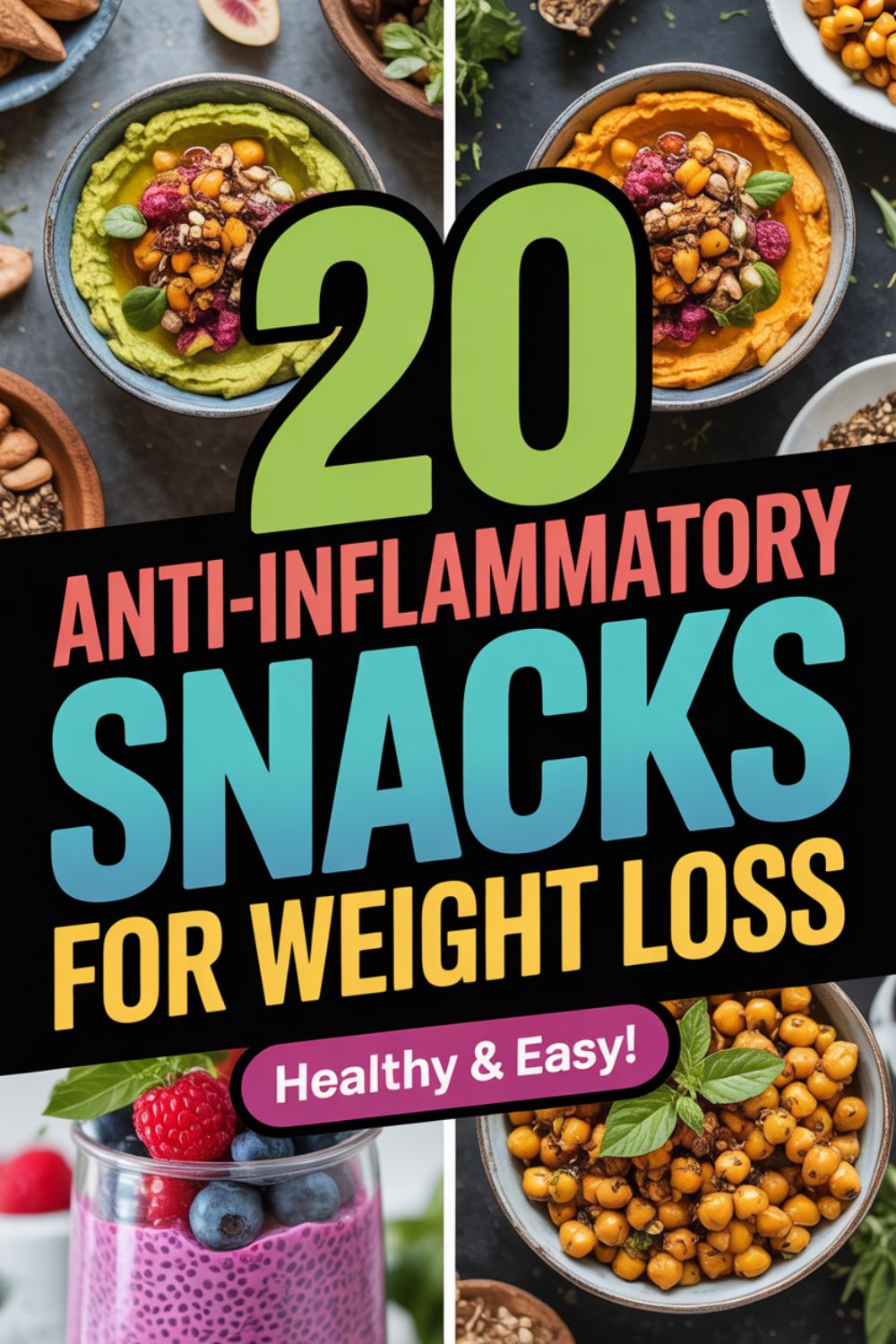
20 Anti-Inflammatory Snacks for Weight Loss
Look, I get it. You’re standing in front of the fridge at 3 PM, stomach growling, trying to make a smart choice but your brain’s screaming for something that won’t sabotage your weight loss goals. The good news? You don’t have to choose between satisfying those cravings and keeping inflammation in check.
Here’s the thing about inflammation and weight loss—they’re basically frenemies. Chronic inflammation makes losing weight harder, and carrying extra weight promotes inflammation. It’s a cycle that feels impossible to break. But the snacks you choose can actually help flip that script.
I’ve spent way too many hours testing snack combos that tick both boxes: genuinely tasty and genuinely helpful for taming inflammation while supporting weight loss. No sad celery sticks, no chalky protein bars that taste like cardboard had a baby with disappointment. Just real food that works.
Why Anti-Inflammatory Snacks Actually Matter for Weight Loss
Before we jump into the snack list, let’s talk about why this matters beyond just sounding trendy. Research from Johns Hopkins shows that chronic inflammation in your body creates a cascade of problems that make weight loss significantly harder.
When your body’s constantly inflamed, your insulin sensitivity tanks. That means your cells struggle to use glucose properly, so your body stores more fat—especially around your midsection. Fun times, right?
But here’s where it gets interesting. According to Harvard Health, eating anti-inflammatory foods can actually help interrupt this cycle. You’re not just eating fewer calories—you’re actively working against the biological processes that make weight loss feel like pushing a boulder uphill.
Prep your snacks Sunday night and portion them into grab-and-go containers. Future you will thank past you when Wednesday hits and you’re too tired to think.
The 20 Best Anti-Inflammatory Snacks That Actually Taste Good
1. Greek Yogurt with Berries and Walnuts
This combo is basically a triple threat. Greek yogurt packs serious protein (around 15-20 grams per cup), berries bring anthocyanins that fight inflammation, and walnuts deliver omega-3s. Mix about ½ cup of yogurt with a handful of blueberries and crushed walnuts.
The key here is getting plain, unsweetened yogurt. Those pre-flavored ones? Sugar bombs in disguise. I use this Greek yogurt strainer to make my own from regular yogurt—cuts the cost in half and you control what goes in it.
If you’re looking for more high-protein breakfast ideas that keep inflammation low, check out this 14-day high-protein meal plan for fat loss.
2. Apple Slices with Almond Butter
Classic for a reason. Apples have quercetin, a flavonoid that’s been shown to reduce inflammation markers. Pair that with almond butter (which has more vitamin E than peanut butter, FYI), and you’ve got a snack that keeps you full for hours.
Slice one medium apple and pair it with 2 tablespoons of almond butter. I swear by this apple slicer for perfect, even slices every time—way better than hacking at apples with a knife like some kind of medieval surgeon.
3. Hummus with Raw Vegetables
Chickpeas are loaded with fiber and plant-based protein, plus tahini brings healthy fats and anti-inflammatory compounds. Carrots, cucumbers, and bell peppers add crunch and their own antioxidants.
Store-bought hummus works fine, but homemade is ridiculously easy if you have a decent food processor. Just dump in chickpeas, tahini, lemon juice, garlic, and olive oil. Blend until smooth. Done.
For a complete gut-healing approach that includes plenty of fiber-rich snacks, you might like this 7-day gut healing plan with high-fiber recipes.
4. Dark Chocolate with Almonds
Yes, chocolate made the list. But we’re talking 70% cacao or higher here—not milk chocolate masquerading as a health food. Dark chocolate contains flavonoids that reduce inflammation and improve blood flow.
Portion control is key. About 1 ounce (roughly 3-4 squares) paired with 10-12 almonds hits the sweet spot. The combo of polyphenols from chocolate and vitamin E from almonds works together to fight oxidative stress.
Keep dark chocolate in the freezer. It takes longer to eat when it’s frozen, which means you’ll actually savor it instead of mindlessly chomping through half a bar.
5. Edamame with Sea Salt
Steamed edamame is one of the easiest snacks to prep in bulk. These little green powerhouses pack about 17 grams of protein per cup and contain isoflavones that have anti-inflammatory properties.
Buy the frozen kind (way cheaper than fresh), steam for 5 minutes, toss with a pinch of sea salt, and you’re golden. I use this microwave steamer because I’m lazy and it works perfectly every time.
6. Avocado Toast on Whole Grain Bread
Yeah, it’s the millennial stereotype for a reason—it actually works. Avocados are loaded with monounsaturated fats and about 20 different vitamins and minerals. Research has shown they can reduce inflammatory markers significantly.
Use actual whole grain bread, not that squishy white stuff labeled “wheat bread.” Look for bread where the first ingredient is whole wheat flour or whole grain flour. Mash half an avocado on one slice, add a pinch of red pepper flakes if you’re feeling spicy.
Speaking of balanced meals, the 7-day heart-healthy meal plan includes several avocado-based recipes that support both heart health and weight loss.
7. Cherry Tomatoes with Mozzarella
This Caprese-style snack brings lycopene from tomatoes (a powerful antioxidant) and protein from mozzarella. About 10 cherry tomatoes with 1 ounce of fresh mozzarella makes a perfect portion.
Drizzle with a tiny bit of balsamic vinegar and fresh basil if you’re feeling fancy. The combination helps reduce C-reactive protein levels, which is one of the main markers doctors use to measure inflammation.
8. Chia Seed Pudding
Chia seeds are omega-3 rockstars. Mix 3 tablespoons of chia seeds with 1 cup of unsweetened almond milk, let it sit overnight in the fridge, and boom—you’ve got pudding.
Top with berries and a sprinkle of cinnamon in the morning. The fiber content (about 10 grams per serving) keeps you full, and the omega-3s help fight inflammation at a cellular level.
I prep these in small mason jars so I can grab one and go. Makes five days of snacks in about 10 minutes of actual work.
9. Turmeric-Spiced Roasted Chickpeas
Turmeric contains curcumin, which is basically inflammation’s arch-nemesis. Toss canned chickpeas (drained and dried) with olive oil, turmeric, and a pinch of black pepper. Roast at 400°F for 25-30 minutes until crispy.
The black pepper is crucial—it increases curcumin absorption by about 2000%. Not a typo. Two thousand percent.
If you want more anti-inflammatory meal ideas, the 14-day anti-inflammatory dinner plan is packed with turmeric-based recipes.
10. Green Tea with Lemon
Okay, this is technically a drink, but hear me out. Green tea contains EGCG, a catechin that’s been extensively studied for its anti-inflammatory effects. The lemon juice increases the bioavailability of these compounds.
Brew it properly—water around 175°F, steep for 2-3 minutes. Too hot or too long makes it bitter and destroys some of the beneficial compounds. Pair it with a small handful of nuts for a complete snack.
Looking for more ways to balance your energy throughout the day? This 7-day blood sugar-friendly meal plan includes strategic snacking times that prevent energy crashes.
11. Celery Sticks with Cashew Cream
Before you roll your eyes at celery, the cashew cream changes everything. Blend soaked cashews with a bit of water until smooth and creamy. Celery has anti-inflammatory compounds called polyacetylenes, and cashews bring copper and magnesium.
This combo sounds bougie but costs way less than buying fancy nut butters. Plus, you can flavor the cashew cream however you want—add garlic for savory, cinnamon for sweet.
12. Smoked Salmon on Cucumber Rounds
Wild-caught salmon is one of the best sources of omega-3 fatty acids you can get. Even smoked salmon retains most of these benefits. Slice cucumber into thick rounds, top each with a small piece of smoked salmon and a tiny dollop of Greek yogurt.
The protein and healthy fats keep you satisfied, while the omega-3s work their anti-inflammatory magic. About 3-4 cucumber rounds with salmon makes a solid snack portion.
For more omega-3-rich meal ideas, check out the 30-day anti-inflammatory meal plan for women.
Buy smoked salmon in bulk and freeze it in portions. Thaws in about 30 minutes at room temp, and you’ll save about 40% compared to buying small packages.
13. Pear Slices with Ricotta and Cinnamon
Pears have both soluble and insoluble fiber, making them excellent for gut health (which directly impacts inflammation levels). Part-skim ricotta adds protein without too many calories.
Slice one pear, spread each slice with about a tablespoon of ricotta, and dust with cinnamon. The cinnamon isn’t just for flavor—it’s been shown to reduce inflammatory markers and help stabilize blood sugar.
14. Roasted Red Pepper Hummus with Endive Leaves
Red peppers are loaded with vitamin C and beta-carotene, both powerful antioxidants. Blend them into hummus for a sweeter, smoother version that pairs perfectly with endive leaves.
Endive works better than chips because it’s got that satisfying crunch without the refined carbs. Plus, it brings its own anti-inflammatory compounds to the party. Use about ¼ cup of hummus with 6-8 endive leaves.
15. Frozen Grapes with Pistachios
Freeze grapes for at least 2 hours and you’ve got nature’s candy. Grapes contain resveratrol, the same compound in red wine that gets all the health press. Pistachios add protein and healthy fats to balance things out.
About 1 cup of frozen grapes with 20-25 pistachios hits around 200 calories. The frozen grapes take longer to eat, which tricks your brain into feeling more satisfied with less.
If you’re focusing on hormonal balance alongside weight loss, the 7-day hormone-balancing meal plan includes several snacks that support endocrine health.
16. Kale Chips with Nutritional Yeast
Homemade kale chips are a thousand times better than the store-bought ones that cost $7 for a bag of air. Tear kale into chip-sized pieces, toss with olive oil and nutritional yeast, bake at 300°F for 20 minutes.
Nutritional yeast adds a cheesy flavor plus B vitamins, and kale is basically a multivitamin in leaf form. The combo of vitamins K, C, and E makes this a serious inflammation fighter.
I use this silicone baking mat for perfect, evenly-crispy kale chips every time. No more burnt edges and soggy middles.
17. Sliced Strawberries with Dark Chocolate Drizzle
Strawberries have more vitamin C per serving than oranges and contain anthocyanins that reduce inflammation. Melt about 1 ounce of dark chocolate and drizzle over sliced strawberries.
This feels like dessert but clocks in under 150 calories. The vitamin C in strawberries might also help your body absorb the iron from the chocolate. Win-win.
18. Cottage Cheese with Pineapple
Cottage cheese is high in casein protein, which digests slowly and keeps you full. Pineapple contains bromelain, an enzyme with anti-inflammatory properties that can also aid digestion.
Use ½ cup of low-fat cottage cheese with ½ cup of fresh pineapple chunks. If you can find it, get the kind without added gums or stabilizers—just cultured milk and salt.
For complete meal prep strategies that include snacks like this, the 14-day flat belly meal prep plan has a full shopping list and prep schedule.
19. Seaweed Snacks with Sesame Seeds
Roasted seaweed sheets are super low in calories but high in iodine and other minerals. Sprinkle them with sesame seeds for extra flavor and a dose of lignans, which have anti-inflammatory effects.
A serving of seaweed snacks is usually around 30-40 calories, so you can eat a bunch without derailing anything. They scratch that salty, crunchy itch without the inflammation that comes with potato chips.
20. Overnight Oats with Flaxseeds and Blueberries
Oats contain beta-glucan, a type of soluble fiber that’s been shown to reduce inflammation markers. Flaxseeds bring omega-3s and lignans, while blueberries pack anthocyanins.
Mix ½ cup rolled oats with ¾ cup unsweetened almond milk, 1 tablespoon ground flaxseeds, and a handful of blueberries. Let it sit in the fridge overnight. In the morning, you’ve got a grab-and-go snack that works for breakfast too.
I grind flaxseeds fresh in this coffee grinder—your body can’t digest whole flaxseeds, so grinding them is crucial for getting the benefits. Get Full Recipe
If you want to see how overnight oats fit into a larger gut-healing strategy, the 21-day gut healing meal plan breaks down the science behind fiber and inflammation.
Meal Prep Essentials Used in These Snacks
Honestly, having the right tools makes all the difference between actually prepping these snacks versus just thinking about it while ordering takeout at 9 PM.
Physical Products:
- Glass meal prep containers with compartments – Game changer for keeping ingredients separate until you’re ready to eat. No more soggy vegetables.
- High-speed blender – Essential for chia puddings, cashew cream, and smoothies. Don’t cheap out here; a good blender lasts years.
- Kitchen scale – Portion control becomes way easier when you can actually measure. Eyeballing portions is how you end up eating 3 servings of almonds.
Digital Products & Resources:
- Anti-Inflammatory Recipe E-Book Bundle – Over 100 recipes specifically designed to reduce inflammation while supporting weight loss goals.
- Meal Prep Master Class – Video course that teaches you how to prep a week’s worth of meals and snacks in under 2 hours.
- Printable Meal Planning Templates – Pre-designed templates that make planning your weeks ridiculously easy.
Community Support: Join our WhatsApp Meal Prep Community where members share their weekly prep strategies, swap recipes, and troubleshoot together. Real people, real results, zero judgment.
Tools & Resources That Make Snack Prep Actually Doable
Let’s be real—knowing what to eat is only half the battle. Having systems in place that make healthy choices the easy choice? That’s where the magic happens.
Kitchen Tools:
- Mandoline slicer – Perfect cucumber rounds and apple slices in seconds. Just watch your fingers; these things are sharp.
- Portion control containers – Pre-portioned containers eliminate the “just a handful more” problem with nuts and seeds.
- Spice grinder – Freshly ground flaxseeds, chia seeds, and spices have way more flavor and nutritional value than pre-ground stuff sitting in your cabinet for months.
Digital Resources:
- Inflammation Tracker App Premium – Log your meals and symptoms to identify your personal inflammation triggers. Some foods affect people differently.
- Weekly Meal Planning System – Automated system that generates shopping lists based on your preferences and dietary goals.
- Anti-Inflammatory Pantry Staples Guide – PDF download of must-have ingredients so you can whip up these snacks anytime without emergency grocery runs.
Private Facebook Group: Our Anti-Inflammatory Kitchen Community is where thousands of members share their wins, recipe modifications, and honest reviews of what actually works in real life.
Making It Work in Real Life
Here’s what nobody tells you about eating anti-inflammatory snacks for weight loss—the first week sucks. Your taste buds are still calibrated for hyperpalatable processed foods, so everything tastes bland.
Give it two weeks. Seriously. Your palate adapts faster than you think, and suddenly that apple with almond butter tastes as satisfying as the candy bar used to.
The other thing I’ve learned is that variety matters more than perfection. You don’t need to eat all 20 of these snacks. Pick 5-7 that sound good, rotate through them for a few weeks, then swap in some new ones. Keeps things interesting without overwhelming yourself.
Set a reminder on your phone for 3 PM every day labeled “snack prep saves sanity.” That’s the danger zone when you’re most likely to make poor choices. Having a reminder helps you stay ahead of the hunger.
Sarah from our community tried incorporating just five of these snacks into her daily routine while following the 21-day anti-inflammatory meal plan for beginners. She lost 15 pounds in 3 months and said her joint pain decreased noticeably. Your mileage may vary, but the inflammation-weight loss connection is real.
What About Macros and Calories?
Look, I’m not going to sit here and tell you calories don’t matter—they do. But obsessing over every single calorie can drive you nuts and isn’t sustainable long-term.
Most of these snacks fall between 150-250 calories and provide a solid mix of protein, healthy fats, and fiber. That combination keeps blood sugar stable and prevents the crash-and-crave cycle that leads to overeating later.
If you’re tracking macros, aim for snacks with at least 5-7 grams of protein, some healthy fat source, and fiber. That trifecta supports satiety and helps with weight loss regardless of the specific calorie count.
The 30-day high-protein meal plan has detailed macro breakdowns if you want to see how these snacks fit into a complete nutrition strategy.
Common Mistakes I See People Make
First up: portion sizes. Nuts are healthy, yes. But a “handful” of almonds can easily be 300+ calories if you’ve got big hands or aren’t paying attention. Measure your portions for the first few weeks until you develop an accurate eye for it.
Second mistake: thinking “anti-inflammatory” automatically means “unlimited.” Even healthy fats have 9 calories per gram. Three avocados a day might fight inflammation, but you’ll also pack on weight.
Third: not planning ahead. The absolute fastest way to derail healthy snacking is having nothing prepared when hunger strikes. Meal prep isn’t optional—it’s the difference between success and standing in front of the fridge eating shredded cheese straight from the bag at midnight.
Speaking of meal prep, the 14-day gut reset plan with 30-minute recipes includes a prep system that takes less than an hour on Sundays.
When You Travel or Eat Out
Traveling doesn’t mean abandoning everything. Most of these snacks are portable or have restaurant equivalents. TSA lets you bring hummus (under 3.4 oz), nut butters, and whole fruits through security.
Pack reusable snack bags with pre-portioned nuts, seeds, or dark chocolate. Bring single-serve nut butter packets. Buy fresh fruit at your destination.
At restaurants, scan the appetizer menu for anti-inflammatory options. Edamame, hummus plates, and smoked salmon almost always make an appearance. Sure, the portion sizes might be restaurant-large, but share it or eat half and save the rest.
Adjusting for Different Dietary Needs
Dairy-free? Swap Greek yogurt for coconut yogurt or cashew yogurt. Ricotta becomes cashew cream. Mozzarella gets replaced by dairy-free cheese or just skip it and add more vegetables.
Nut allergies? Use sunflower seed butter instead of almond or peanut butter. Tahini (sesame seed paste) works great too and is technically not a nut.
Vegan? Most of these snacks already are or can be easily modified. Skip the salmon and cottage cheese, load up on the plant-based options. The 30-day gut reset meal plan has a whole section on plant-based modifications.
Low-carb? Focus on the higher-protein, higher-fat options like the salmon cucumber bites, kale chips, and nuts with cheese. Skip the overnight oats and fruit-heavy snacks.
How Long Before You See Results?
Honest answer? It depends on your starting point and how consistent you are. Some people notice reduced bloating and better energy within a week. Weight loss typically becomes visible after 2-3 weeks of consistent effort.
The inflammation markers—the stuff you can measure with blood tests like C-reactive protein—usually improve within 4-6 weeks of sustained anti-inflammatory eating. Don’t expect miracles overnight, but don’t underestimate the compound effect of small daily choices either.
According to Harvard’s Nutrition Source, the benefits of an anti-inflammatory diet extend beyond just weight loss, potentially reducing the risk of chronic diseases when followed long-term.
If you need a structured approach to see faster results, check out the 21-day flat belly reset plan which combines anti-inflammatory eating with strategic meal timing.
Frequently Asked Questions
Can I eat these snacks every day or should I rotate them?
Rotation is your friend for two reasons: nutrient diversity and boredom prevention. Eating the same five snacks forever means you’re missing out on the unique compounds in the other fifteen. Aim to rotate through at least 8-10 different snacks weekly to get a broader range of anti-inflammatory compounds. Plus, variety keeps you from face-planting into a pizza because you’re sick of the same old hummus and carrots.
How many snacks per day should I have for weight loss?
Most people do best with 1-2 planned snacks daily, positioned strategically between meals when hunger typically hits hardest. Common timing is mid-morning (10-11 AM) and mid-afternoon (3-4 PM). More than that and you risk eating too many total calories; fewer than that and you might get so hungry you overeat at meals. Listen to your actual hunger cues rather than eating by the clock.
Will these snacks help with belly fat specifically?
Here’s the truth nobody wants to hear: you can’t spot-reduce fat from your belly or anywhere else. However, reducing inflammation does help your body release stubborn fat more easily, and belly fat tends to be highly inflammatory. These snacks support overall fat loss and reduce the inflammation that makes belly fat stick around. Combined with a calorie deficit and the meal plans I’ve linked throughout this article, you’ll see results—just not overnight.
Are store-bought versions of these snacks okay or should everything be homemade?
Perfection is the enemy of progress here. Store-bought hummus, nut butters, and frozen berries are perfectly fine as long as you read the ingredient lists. Avoid products with added sugars, hydrogenated oils, or ingredients you can’t pronounce. Homemade often tastes better and costs less, but if buying prepared versions means you’ll actually eat these snacks instead of drive-thru junk, buy the damn hummus and call it a win.
What if I don’t see weight loss after a few weeks of eating these?
First, check your total calorie intake—anti-inflammatory doesn’t mean calorie-free, and it’s surprisingly easy to overeat healthy foods. Second, make sure you’re actually consistent; three days of healthy snacking followed by four days of chaos won’t cut it. Third, look at your overall diet and lifestyle—stress, sleep deprivation, and hidden calories in drinks can all sabotage progress. If you’re doing everything right and still stuck, consider getting blood work to check for thyroid issues or other metabolic problems that might need addressing.
Final Thoughts
Anti-inflammatory snacking for weight loss isn’t some miracle cure that erases bad habits or replaces actual meals. It’s a tool—a really effective one when used consistently as part of a broader strategy.
The snacks on this list work because they address the root problem: chronic inflammation makes weight loss harder. By choosing foods that fight inflammation while keeping you satisfied, you’re working with your biology instead of against it.
Start with three or four snacks from this list that sound genuinely appealing. Prep them this weekend. See how you feel after a week. Adjust based on what works for your body and your schedule. This isn’t about perfection—it’s about progress and finding sustainable habits you can actually maintain.
The 7-day anti-inflammatory meal plan gives you a complete roadmap if you want to take this beyond just snacks and build a full eating strategy that supports long-term weight loss and reduced inflammation.
Similar Posts
15 High-Protein Vegetarian Dinners That Actually Fill You Up
15 High-Protein Vegetarian Dinners That Actually Fill You Up 15 High-Protein Vegetarian Dinners That Actually Fill You Up Look, I get it. You’ve decided to eat more vegetarian meals, but you’re tired of feeling hungry an hour after dinner. You scroll through recipe sites and see the same boring bean salads and sad tofu scrambles….
15 High-Fiber Anti-Inflammatory Meals That Actually Taste Good
15 High-Fiber Anti-Inflammatory Meals That Actually Taste Good 15 High-Fiber Anti-Inflammatory Meals That Actually Taste Good Look, I’m not going to pretend that eating for your health always sounds exciting. When someone mentions “anti-inflammatory” and “high-fiber” in the same sentence, most people’s minds jump straight to cardboard-flavored health food that tastes like punishment. But here’s…
25 Low-Calorie High-Protein Dinners
25 Low-Calorie High-Protein Dinners 25 Low-Calorie High-Protein Dinners Look, I get it. You’re staring at your fridge at 6 PM wondering how on earth you’re supposed to make something satisfying without blowing your protein goals or racking up calories like they’re going out of style. Been there, done that, bought the stretchy pants. But here’s…
21-Day High-Protein Meal Plan for Lean Muscle
21-Day High-Protein Meal Plan for Lean Muscle 21-Day High-Protein Meal Plan for Lean Muscle Look, I’m not gonna sugarcoat it. Building lean muscle isn’t some mystical process that requires a PhD in nutrition or a personal chef on speed dial. What it does require is consistency, decent food choices, and enough protein to actually fuel…