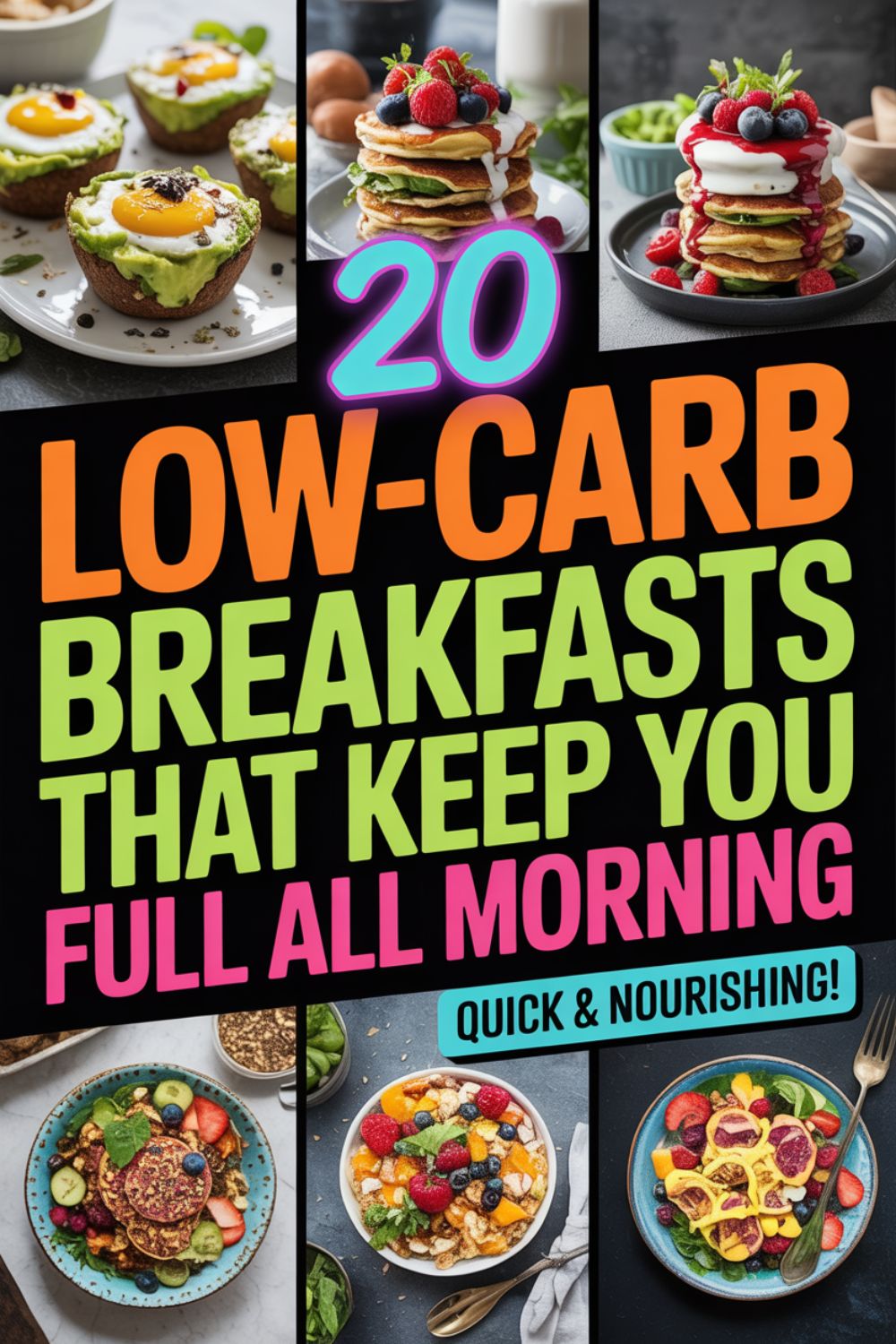
20 Low-Carb Breakfasts That Keep You Full All Morning
Let me guess—you’re tired of feeling like you need a mid-morning snack an hour after breakfast, right? That familiar rumble in your stomach by 10 AM is not just annoying; it’s your body telling you that your breakfast didn’t quite cut it. Here’s the thing: most traditional breakfasts are loaded with carbs that spike your blood sugar, give you a quick energy hit, and then leave you crashing harder than my motivation on a Monday morning.
I’ve been there, standing in front of the fridge at 10:30 AM wondering if it’s too early for lunch. After years of experimenting with different breakfast strategies, I finally figured out what actually works: protein-rich, low-carb breakfasts that stabilize blood sugar and keep hunger at bay. And no, you don’t have to eat the same boring eggs every single day.
The science backs this up too. Research from the Journal of Dairy Science found that high-protein, low-carbohydrate breakfasts significantly increased satiety and reduced hunger for several hours compared to carb-heavy alternatives. Even better? The study participants also showed improved cognitive concentration before lunch. So you’re not just staying full—you’re staying sharp.
Why Low-Carb Breakfasts Actually Work
Before we dive into the recipes, let’s talk about why this approach makes sense. When you eat a carb-heavy breakfast—think bagels, cereal, or toast—your blood sugar shoots up quickly. Your body responds by releasing insulin to bring those levels back down. The problem? That often results in a blood sugar crash that leaves you feeling hungrier than before.
Low-carb breakfasts work differently. By focusing on protein and healthy fats, you’re giving your body fuel that digests more slowly and keeps blood sugar stable. According to Harvard Health, low-carb diets can significantly improve blood sugar control and reduce the risk of developing diabetes, particularly in people with prediabetes.
Plus, protein is incredibly satiating. Studies show that consuming around 30 grams of protein at breakfast can reduce hunger hormones and increase feelings of fullness throughout the morning. That’s not just helpful for weight management—it’s a game-changer for productivity and energy.
The 20 Low-Carb Breakfast Ideas That Actually Satisfy
1. Classic Veggie Scramble with Cheese
This is my go-to when I’m running late but still need something substantial. Scramble three eggs with a handful of pre-chopped bell peppers, spinach, and mushrooms. Top with shredded cheddar and you’ve got a breakfast that clocks in around 5 grams of carbs but keeps you satisfied until lunch. The key is using a good non-stick skillet so nothing sticks and cleanup is painless.
Want to level up your veggie game? Get Full Recipe for gut-friendly breakfast variations that incorporate even more vegetables without sacrificing flavor.
2. Greek Yogurt Parfait (The Smart Way)
Not all yogurt is created equal. Skip the fruit-flavored varieties loaded with sugar and opt for full-fat Greek yogurt. Layer it with crushed pecans, a few berries, and a sprinkle of chia seeds. The result? About 12 grams of carbs and nearly 20 grams of protein. I use these clear glass jars for meal prep—they stack beautifully in the fridge and make mornings easier.
3. Avocado and Smoked Salmon Boats
Slice an avocado in half, remove the pit, and fill the center with smoked salmon, capers, and a squeeze of lemon. It sounds fancy, but it takes maybe five minutes. The healthy fats from the avocado combined with the omega-3s in the salmon make this one of the most nutrient-dense breakfasts you can eat. Under 8 grams of carbs per serving.
4. Cauliflower Hash Browns
Here’s where it gets interesting. Grate cauliflower, squeeze out the excess moisture using a clean kitchen towel, mix with an egg and some shredded cheese, then pan-fry until crispy. These have all the satisfaction of regular hash browns with a fraction of the carbs. They’re weirdly addictive, and I’m not even exaggerating.
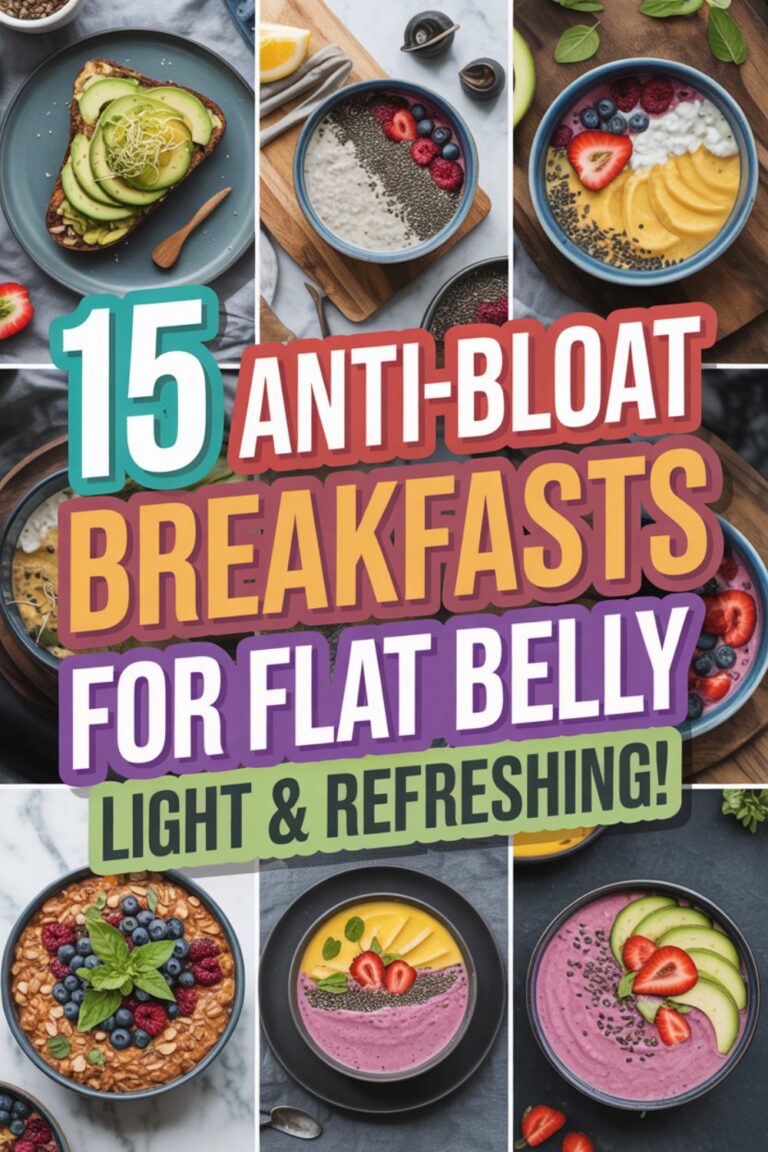
If you’re looking for more creative ways to incorporate vegetables into breakfast, check out these anti-bloat breakfast ideas that focus on reducing inflammation while keeping you full.
5. Protein Smoothie Bowl
Blend unsweetened almond milk, a scoop of vanilla protein powder, half a frozen banana, and a handful of spinach. Pour it into a bowl and top with sliced almonds, unsweetened coconut flakes, and a few blueberries. It feels like dessert but has only about 15 grams of carbs and packs 25+ grams of protein.
6. Egg Muffins
Beat eggs with your favorite low-carb veggies and cheese, pour into a silicone muffin pan, and bake. These keep in the fridge for days and are perfect for grab-and-go mornings. I make a batch of 12 every Sunday and they disappear by Wednesday. Each muffin has about 2 grams of carbs.
7. Cottage Cheese with Everything Bagel Seasoning
Trust me on this one—it’s way better than it sounds. Full-fat cottage cheese topped with a generous sprinkle of everything bagel seasoning, sliced cucumber, and cherry tomatoes. The savory combo hits all the right notes, and you’re getting 25 grams of protein with only 6 grams of carbs.
8. Zucchini Fritters
Grate zucchini, mix with eggs, almond flour, and herbs, then pan-fry until golden. These are crispy on the outside, tender on the inside, and ridiculously satisfying. Serve with a dollop of sour cream or Greek yogurt. Around 7 grams of carbs per serving.
9. Breakfast Salad
Sounds weird until you try it. Mixed greens, a poached egg, bacon bits, avocado, and a drizzle of olive oil. It’s fresh, filling, and breaks you out of the breakfast routine monotony. The runny yolk acts as a natural dressing when you cut into it.
For those mornings when you need something substantial but plant-focused, these high-protein vegetarian options adapt beautifully to breakfast with a few simple tweaks.
10. Almond Flour Pancakes
Mix almond flour, eggs, a splash of unsweetened almond milk, and baking powder. Cook like regular pancakes. They’re fluffier than you’d expect and taste amazing with a pat of butter and sugar-free syrup. About 8 grams of carbs per serving, compared to 40+ for traditional pancakes.
Meal Prep Essentials Used in This Plan
Let’s be real—having the right tools makes all the difference between actually sticking to your breakfast goals and giving up by Tuesday.
- Glass Meal Prep Containers (Set of 10) – These are the MVPs of my kitchen. Stackable, microwave-safe, and they don’t stain like plastic. Perfect for prepping egg muffins, smoothie bowls, or yogurt parfaits ahead of time.
- Immersion Blender with Attachments – Makes protein smoothies and cauliflower hash browns infinitely easier. The cleanup is minimal compared to a regular blender, and it’s powerful enough to handle frozen fruit.
- Cast Iron Skillet (10-inch) – If you’re serious about crispy eggs, fritters, or hash browns, this is non-negotiable. It distributes heat evenly and gets better with age.
- 7-Day Low-Carb Breakfast Guide (Digital) – Complete shopping lists, prep schedules, and foolproof recipes for beginners
- High-Protein Meal Prep Playbook (Digital) – 50+ breakfast recipes organized by prep time and protein content
- Macro-Tracking Spreadsheet Template (Digital) – Pre-formatted for easy carb, protein, and fat tracking
- WhatsApp Community: Low-Carb Living Support Group – Daily tips, recipe swaps, and motivation from people who actually get it
11. Chia Seed Pudding
Mix chia seeds with unsweetened coconut milk and a touch of vanilla extract. Let it sit overnight and you’ve got a pudding-like breakfast ready to go. Top with fresh raspberries and slivered almonds. This has around 10 grams of net carbs but delivers impressive fiber and omega-3s.
12. Bacon and Egg Cups
Line a muffin tin with bacon strips, crack an egg into each cup, and bake until the whites are set. It’s like having your own personal breakfast sandwich without the bread. Each cup has less than 1 gram of carbs.
13. Mushroom and Spinach Omelet
Sauté mushrooms and spinach in butter, pour beaten eggs over the top, add cheese, and fold. The earthiness of mushrooms paired with the richness of eggs is seriously underrated. Plus, mushrooms add umami without adding carbs—about 4 grams per omelet.
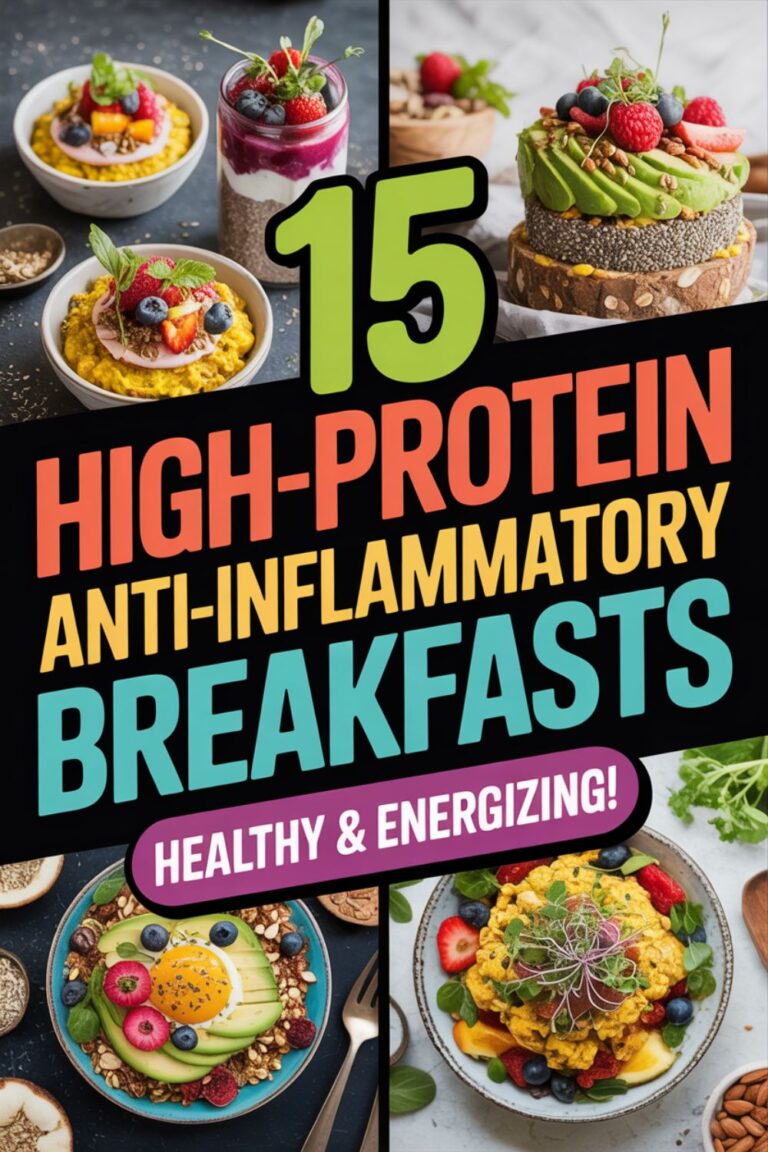
Speaking of nutrient-dense morning meals, you might also appreciate these anti-inflammatory breakfast ideas that support overall wellness while keeping carbs in check.
14. Coconut Flour Waffles
Coconut flour is absurdly high in fiber and surprisingly low in net carbs. Mix it with eggs, melted coconut oil, and a pinch of stevia for waffles that are crispy on the outside and fluffy inside. Use a Belgian waffle maker for that authentic texture. Around 6 grams of net carbs per waffle.
15. Steak and Eggs
Sometimes you just need something substantial. A small piece of leftover steak with two fried eggs is not only delicious but also incredibly filling. The combination of complete protein and healthy fats keeps you satisfied for hours. Zero grams of carbs.
16. Smoked Mackerel with Cucumber
This is big in Scandinavian countries for good reason. Smoked mackerel is rich in omega-3s and protein, and pairing it with sliced cucumber and a bit of horseradish cream makes for a refreshing, satisfying breakfast. About 3 grams of carbs.
17. Keto Breakfast Burrito
Use a low-carb tortilla (look for ones with 4-6 net carbs) and fill it with scrambled eggs, sausage, cheese, and salsa. Roll it up and you’ve got portable breakfast that actually keeps you full. For those mornings when you’re truly rushing, this is a lifesaver.
18. Turkey and Cheese Roll-Ups
Layer sliced turkey with cheese, spread with a thin layer of cream cheese, add some spinach or arugula, and roll it up. It’s basically a sandwich without the bread. Each roll-up has about 2 grams of carbs and makes for an easy no-cook breakfast.
If you’re building a full week of meals, consider integrating these breakfast ideas with a comprehensive plan like this 14-day high-protein meal plan that coordinates breakfast, lunch, and dinner.
19. Peanut Butter Protein Balls
Mix natural peanut butter with vanilla protein powder, a touch of unsweetened cocoa powder, and a sprinkle of chia seeds. Roll into balls and refrigerate. Pop two or three for breakfast with a black coffee. Each ball has about 3 grams of carbs.
For those interested in the nutritional comparison, almond butter contains slightly more vitamin E and magnesium than peanut butter, though both are excellent sources of healthy fats and protein. The choice often comes down to personal preference and whether you’re managing nut allergies.
20. Breakfast Sausage and Vegetable Skillet
Brown breakfast sausage in a large skillet, add diced bell peppers, onions, and zucchini, crack a few eggs on top, cover and let the eggs cook. The whole thing takes maybe 15 minutes and feeds multiple people. Around 7 grams of carbs per serving.
Tools & Resources That Make Cooking Easier
I’ve tried a lot of kitchen gadgets over the years. Most end up in the back of a cabinet. These actually earn their counter space.
- Electric Egg Cooker – Perfectly cooked hard-boiled, soft-boiled, or poached eggs every single time. No watching, no timer-setting, no overcooking.
- Spiralizer (Handheld Version) – Turns zucchini into noodles in seconds. Great for adding volume to breakfast scrambles without adding carbs.
- Kitchen Scale (Digital) – If you’re tracking macros seriously, this is essential. Guessing portion sizes is how you accidentally eat 30 grams of carbs instead of 15.
- Low-Carb Ingredient Swap Guide (Digital PDF) – Shows you exactly how to replace high-carb ingredients in your favorite recipes
- Breakfast Batch Cooking Blueprint (Digital) – Step-by-step system for preparing 5 days of breakfasts in under 2 hours
- Macro Calculator & Tracker App Access (Digital) – Customized for low-carb goals with built-in recipe database
What About Carb Cycling?
Some people ask if they should eat low-carb every single day or if there’s room for flexibility. Honestly, it depends on your goals. If you’re trying to lose weight or manage blood sugar, consistency is key. But if you’re maintaining weight and have good metabolic health, you might do well with slightly higher carbs on workout days.
The Diabetes UK guidelines suggest that low-carb diets can be beneficial for weight loss and blood sugar management, but emphasize the importance of individualization. What works for one person might not work for another.
IMO, the best approach is to start strict for a few weeks so you can feel the difference, then adjust based on how your body responds. Pay attention to energy levels, hunger cues, and how you feel mentally.
For those looking to balance blood sugar throughout the entire day, not just at breakfast, this 7-day blood sugar friendly meal plan offers a comprehensive approach to stable energy and reduced cravings.
Addressing the Fiber Question
One concern people often have about low-carb eating is fiber intake. Here’s the thing: you can absolutely get enough fiber on a low-carb diet if you’re strategic about it. Focus on non-starchy vegetables like spinach, kale, broccoli, cauliflower, and Brussels sprouts. Add chia seeds, flax seeds, and avocados for extra fiber without the carbs.
A lot of people think fiber only comes from grains and legumes, but that’s just not true. You can easily hit 25-30 grams of fiber daily while staying under 50 grams of total carbs. It just requires being intentional about your vegetable choices.
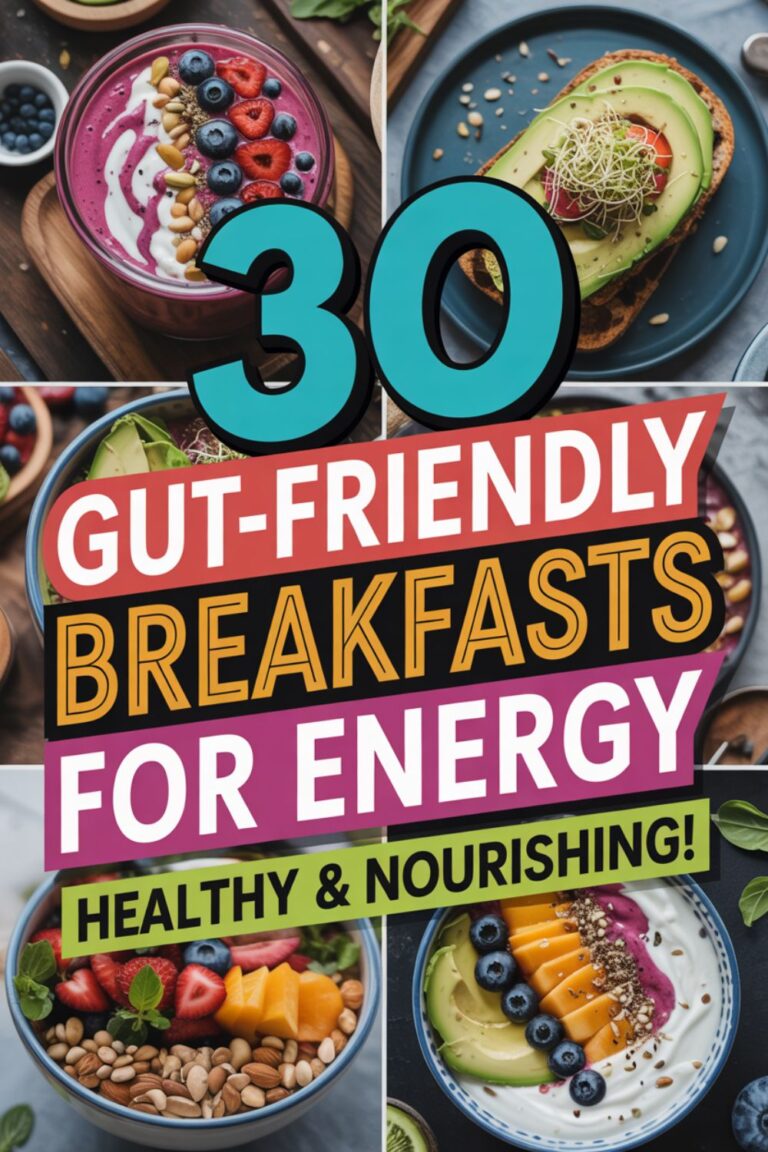
If gut health is a priority for you (and it should be), these gut-healthy meal ideas incorporate both low-carb principles and fiber-rich foods for optimal digestive wellness.
The Dairy Debate
Not everyone does well with dairy, even on a low-carb diet. Some people find it causes inflammation or digestive issues. If that’s you, there are plenty of dairy-free alternatives. Coconut yogurt instead of Greek yogurt. Nutritional yeast instead of cheese. Unsweetened coconut cream instead of heavy cream in your coffee.
The beauty of low-carb eating is that it’s flexible enough to accommodate different dietary needs. Whether you’re paleo, dairy-free, or just avoiding certain foods, you can still make these breakfasts work for you.
Real Results from Real People
I’m not the only one who’s seen success with low-carb breakfasts. Sarah from our WhatsApp community switched to protein-focused mornings and dropped 15 pounds in three months without changing anything else about her diet. She says the biggest difference was not feeling like she needed to snack constantly.
Another member, Mike, was dealing with afternoon energy crashes that made work miserable. After switching to low-carb breakfasts, his energy stabilized and he no longer reaches for sugary snacks at 3 PM. Small changes, significant impact.
These aren’t isolated cases. The consistent feedback I hear is that people feel more in control of their hunger and have steadier energy throughout the day. That alone makes it worth trying.
Making It Sustainable
Here’s where a lot of people fail with low-carb eating: they make it too complicated. You don’t need specialty ingredients or expensive meal kits. You need eggs, vegetables, meat, cheese, and maybe some nuts. That’s it. Shop the perimeter of the grocery store and you’re 90% of the way there.
Meal prep is your friend, but it doesn’t have to be an all-day ordeal. Spend an hour on Sunday cooking some protein, chopping vegetables, and portioning things out. That prep work makes weekday mornings so much easier.
Also, don’t aim for perfection. If you have 80% of your breakfasts low-carb, you’re doing great. The occasional slice of toast isn’t going to undo your progress. Flexibility and consistency beat rigid perfection every time.
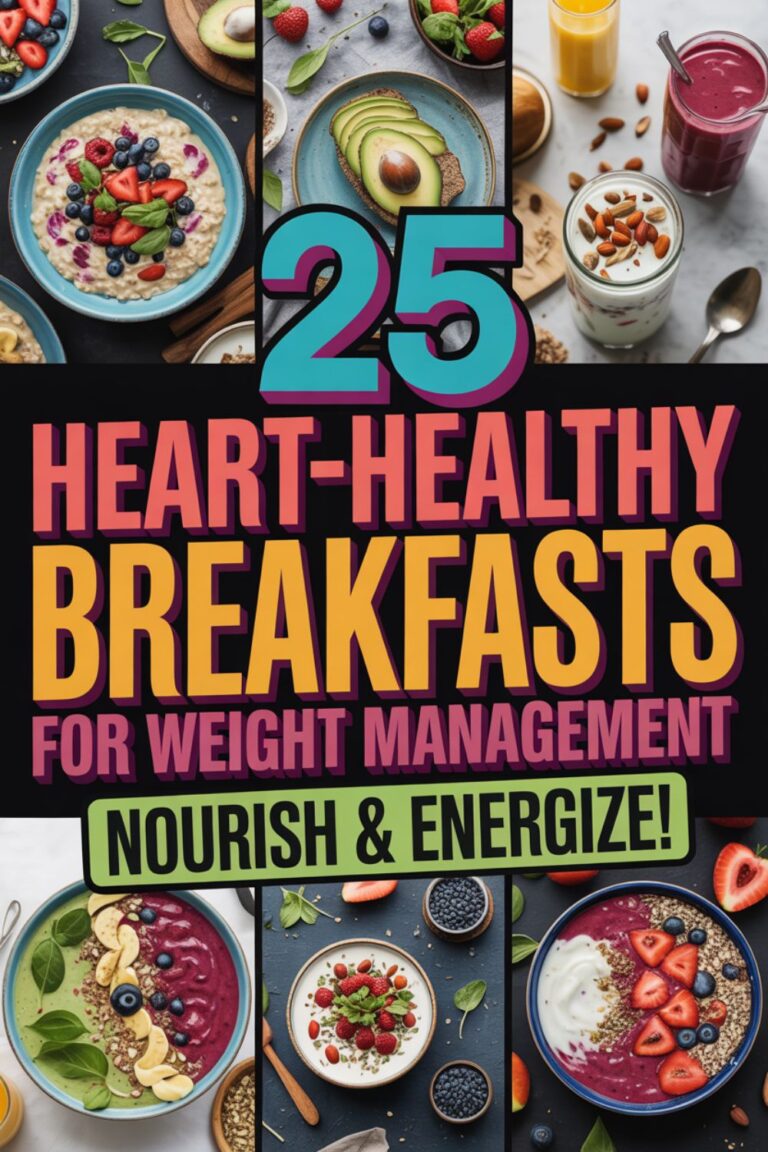
If you’re looking for complete meal planning support, these high-protein meal prep recipes take the guesswork out of planning and ensure you’re hitting your nutritional targets.
Frequently Asked Questions
How many carbs should I aim for at breakfast?
Most people do well keeping breakfast carbs between 10-20 grams if they’re following a low-carb approach. That said, the ideal amount varies based on your activity level, metabolic health, and overall daily carb goals. Some people thrive on under 10 grams, while others feel better with 20-30. Experiment and see what keeps you full and energized without causing cravings.
Can I drink coffee with my low-carb breakfast?
Absolutely. Black coffee has virtually zero carbs and can actually enhance fat burning. If you like cream in your coffee, stick to heavy cream or unsweetened almond milk rather than regular milk, which has more carbs from lactose. Just skip the sugar and flavored syrups—those will spike your blood sugar and defeat the purpose of your low-carb breakfast.
What if I’m vegetarian? Can I still do low-carb breakfasts?
Definitely. Focus on eggs, Greek yogurt, cottage cheese, and plant-based protein powders. Add healthy fats from avocados, nuts, seeds, and nut butters. Vegetables like spinach, mushrooms, and bell peppers add volume and nutrients without many carbs. It requires a bit more planning than if you eat meat, but it’s absolutely doable and can be just as satisfying.
How long does it take to stop craving carbs in the morning?
For most people, the intense carb cravings fade within 5-7 days of consistently eating low-carb breakfasts. Your body adjusts to using fat for fuel instead of relying on quick glucose hits from carbs. The first few days can be rough—you might feel tired or irritable—but push through. By the second week, you’ll likely notice you’re not even thinking about bagels or cereal anymore.
Do I need to count calories if I’m eating low-carb?
It depends on your goals. If you’re trying to lose weight, you still need to be in a calorie deficit, even on low-carb. However, many people find that low-carb eating naturally reduces their appetite, so they eat fewer calories without deliberately restricting. If you’re just looking to maintain stable energy and blood sugar, focusing on keeping carbs low and protein high is usually enough without obsessing over calories.
Final Thoughts
Low-carb breakfasts aren’t about restriction or deprivation. They’re about choosing foods that actually serve your body instead of sabotaging it. When you start your day with stable blood sugar and sustained energy, everything else gets easier. You’re more productive, less irritable, and you’re not constantly thinking about your next meal.
The 20 breakfasts I’ve shared here give you variety, flexibility, and real satisfaction. You don’t have to eat the same thing every day, and you definitely don’t have to feel like you’re missing out. Some of these are quick weekday options, others are weekend treats. Mix and match based on what sounds good and what fits your schedule.
Start with one or two recipes that appeal to you and see how you feel. Pay attention to your energy, hunger levels, and mood. If you notice improvements, keep going. If something doesn’t work for your body, adjust. This isn’t about following someone else’s rigid rules—it’s about finding what makes you feel your best.
And remember, the goal isn’t perfection. It’s progress. Every low-carb breakfast is a step toward better energy, clearer thinking, and breaking free from the blood sugar rollercoaster that leaves you hungry and tired. You’ve got this.