21-Day Anti-Inflammatory Meal Plan for Beginners
Look, I get it. You’re tired of waking up feeling stiff, bloated, and just… off. Your joints ache, your energy’s tanked by 3 PM, and you’ve tried what feels like every diet under the sun. Here’s the thing though—inflammation might be the culprit you haven’t fully addressed yet.
I spent years dealing with chronic inflammation before I finally figured out that what I was eating was either fueling the fire or putting it out. And honestly? Once I committed to an anti-inflammatory meal plan for just three weeks, the difference was wild. Less brain fog, better sleep, and my knees stopped creaking like an old wooden floor.
This 21-day plan isn’t about deprivation or eating nothing but kale smoothies (though we’ll get to smoothies, don’t worry). It’s about real food that actually tastes good and happens to fight inflammation like a champ.
Why Your Body’s Screaming for This (And You Might Not Even Know It)
Inflammation is basically your body’s alarm system. Something’s wrong, and your immune system sends out the cavalry. That’s great when you cut your finger or catch a cold. But when that alarm never shuts off? That’s chronic inflammation, and it’s linked to everything from arthritis to heart disease to that persistent brain fog you can’t shake.
According to research from Mayo Clinic Health System, chronic inflammation plays a role in plaque buildup in your arteries and is associated with higher risks of cancer, diabetes, and other chronic conditions. The wild part? What you eat directly affects your inflammatory levels.
Foods high in processed sugars, trans fats, and refined carbs basically throw gasoline on that inflammatory fire. Meanwhile, foods rich in omega-3s, antioxidants, and fiber are like the fire department showing up with hoses.
Ever wondered why you feel like garbage after eating fast food but amazing after a salmon and veggie dinner? Now you know.
The Foundation: What You’ll Actually Be Eating
Let’s cut through the confusion. An anti-inflammatory diet isn’t some mystical, restrictive nightmare. It’s basically the Mediterranean diet’s cool cousin who also does yoga.
You’ll be focusing on whole foods—think colorful vegetables, wild-caught fish, nuts, seeds, whole grains, and healthy fats. Johns Hopkins Medicine notes that the Mediterranean diet emphasizes omega-3s, vitamin C, polyphenols, and fiber-rich foods, all known inflammation fighters.
Your Anti-Inflammatory All-Stars
- Fatty Fish: Salmon, mackerel, sardines—these are packed with omega-3 fatty acids that literally calm inflammation at the cellular level.
- Leafy Greens: Kale, spinach, Swiss chard. They’re rich in antioxidants and vitamins that fight oxidative stress.
- Berries: Blueberries, strawberries, raspberries. Nature’s candy that happens to be loaded with anti-inflammatory compounds.
- Nuts and Seeds: Walnuts, almonds, chia seeds, flaxseeds. Healthy fats and fiber for days.
- Olive Oil: Extra virgin, specifically. This stuff is liquid gold for fighting inflammation.
- Turmeric and Ginger: These spices are anti-inflammatory powerhouses. Bonus points if you can handle them in your morning smoothie.
For more inspiration on incorporating these ingredients into complete meals, check out Mediterranean Diet Recipes and Omega-3 Rich Meals that pair perfectly with this meal plan.
Keep a meal prep container set with divided compartments handy. Prep your veggies on Sunday night and thank yourself all week when you’re not scrambling at 6 PM.
The Foods You’ll Want to Kick to the Curb (At Least for 21 Days)
I’m not going to sugarcoat it—there are foods you’ll need to avoid if you want to see real results. These are the inflammation igniters, the stuff that’s probably making you feel worse than you realize.
- Refined Sugar: Candy, soda, pastries, most breakfast cereals. Sorry, but your blood sugar and inflammation levels will thank you.
- Processed Meats: Deli meat, hot dogs, bacon. The preservatives and additives are inflammation central.
- Trans Fats: Anything with “partially hydrogenated oils” on the label. Just no.
- Refined Carbs: White bread, white pasta, most crackers. They spike your blood sugar faster than you can say “inflammation.”
- Excessive Alcohol: A glass of red wine occasionally? Fine. Three cocktails every night? That’s a problem.
Look, I know giving up your morning bagel sounds brutal. But here’s the deal—after about a week, your cravings change. Your taste buds adapt. And suddenly, that quinoa bowl with roasted vegetables actually sounds delicious. (I know, I didn’t believe it either at first.)
Your Week-by-Week Game Plan
This isn’t one of those meal plans where you eat the exact same thing for 21 days straight. That’s a one-way ticket to giving up by day four. Instead, I’m giving you a flexible framework that lets you mix and match based on what you like and what’s available.
Week 1: The Foundation Phase
This first week is about getting comfortable with the basics and clearing out the inflammatory foods from your system. Don’t worry about perfection—just focus on progress.
Breakfast Options:
- Overnight oats with chia seeds, berries, and almond butter. Get Full Recipe
- Green smoothie with spinach, banana, flaxseeds, and protein powder
- Scrambled eggs with sautéed kale and cherry tomatoes
- Greek yogurt parfait with walnuts and fresh berries
Speaking of breakfast options, you’ll absolutely love these High-Protein Breakfast Ideas and this Mediterranean Smoothie Bowl that fit perfectly into the anti-inflammatory lifestyle.
Lunch Options:
- Quinoa bowl with roasted vegetables, chickpeas, and tahini dressing. Get Full Recipe
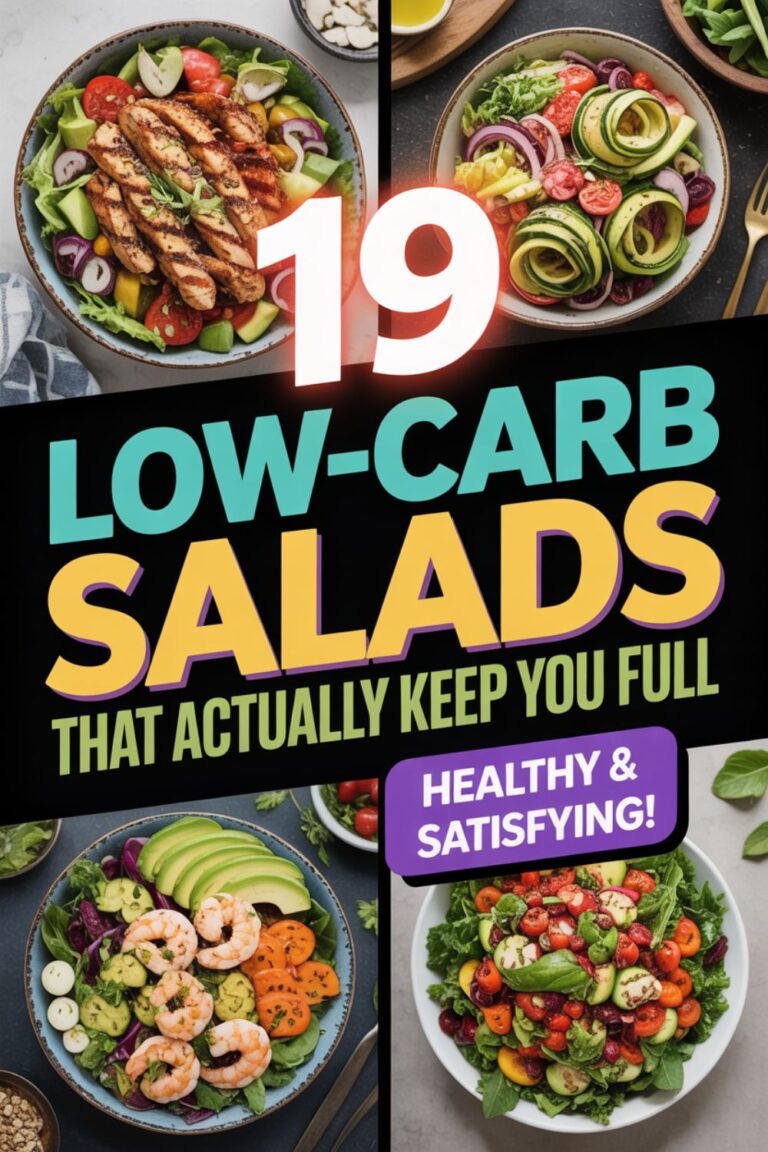
- Wild-caught salmon salad with mixed greens and olive oil vinaigrette
- Lentil soup with turmeric and ginger
- Turkey lettuce wraps with avocado and sprouts
Dinner Options:
- Baked salmon with roasted Brussels sprouts and sweet potato
- Grilled chicken with cauliflower rice and steamed broccoli
- Vegetarian chili with black beans and bell peppers. Get Full Recipe
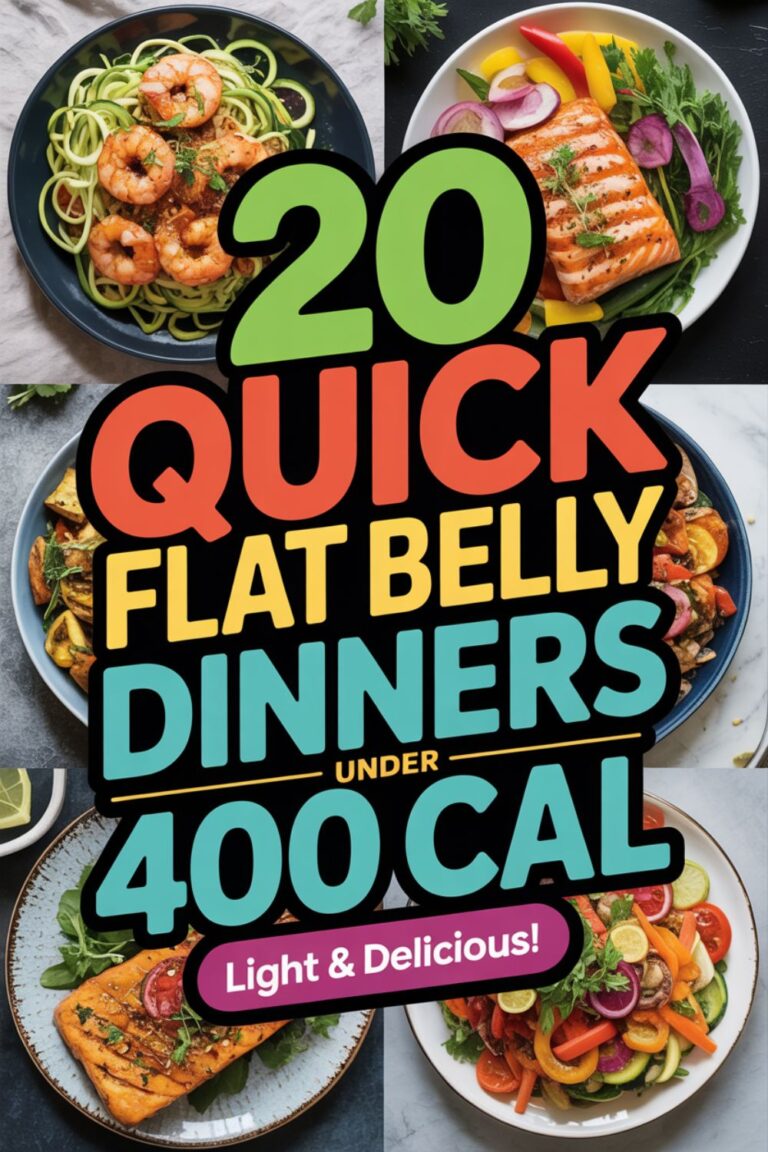
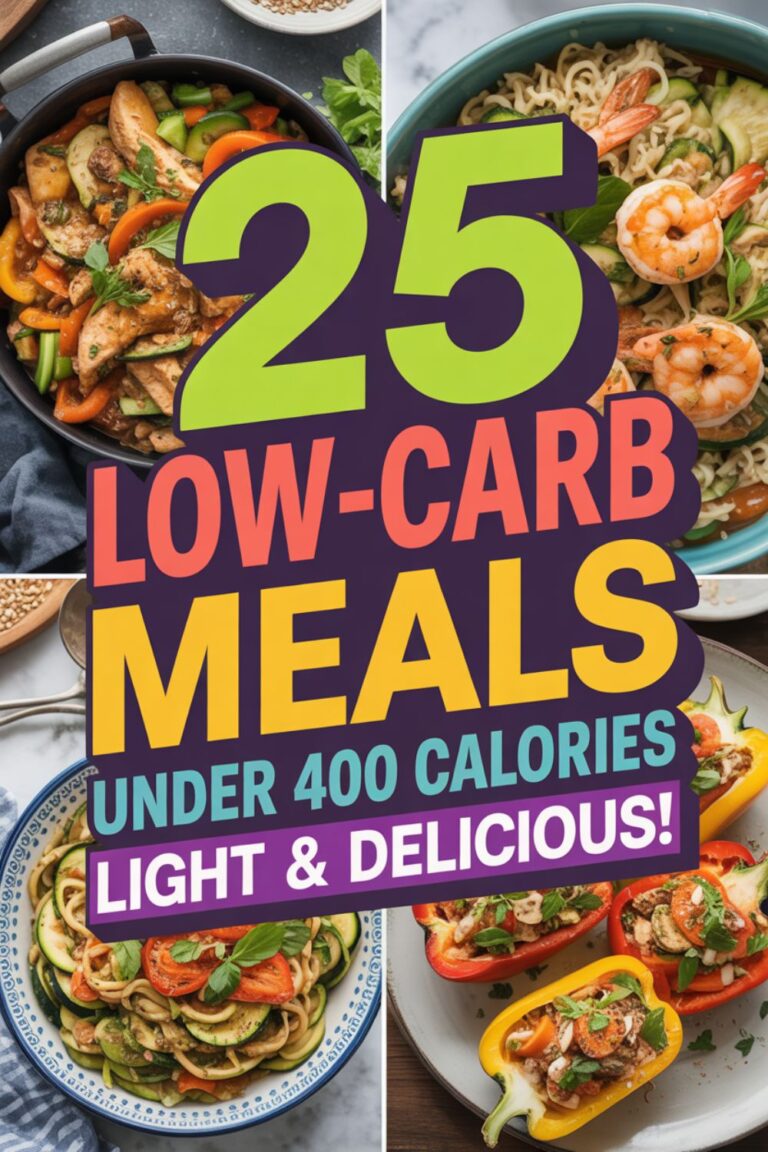
- Zucchini noodles with marinara sauce and turkey meatballs
Snack Options:
- Apple slices with almond butter
- Carrot sticks with hummus
- A handful of mixed nuts
- Fresh berries with a sprinkle of cinnamon
Batch cook your grains and proteins on Sunday. Having pre-cooked quinoa, brown rice, and grilled chicken in the fridge makes weeknight meals ridiculously easy.
Week 2: Building Momentum
By week two, you should be feeling noticeably better. Maybe less bloated, more energy, joints feeling looser. This is when most people start to really buy into the process.
Keep rotating through the Week 1 options, but now you can start experimenting with more variety. Try new herbs and spices—rosemary, cilantro, basil, oregano. They’re all anti-inflammatory and make your food taste infinitely better.
New Additions to Try:
- Sheet pan dinners with salmon, asparagus, and cherry tomatoes drizzled with olive oil
- Buddha bowls with brown rice, roasted sweet potato, chickpeas, and tahini
- Homemade bone broth (seriously, get a slow cooker if you don’t have one—game changer)
- Baked cod with lemon and herbs alongside sautéed spinach
If you’re looking for more complete meal ideas, try these Sheet Pan Dinner Recipes and Buddha Bowl Variations that keep things interesting while staying anti-inflammatory.
Week 3: The Sweet Spot
This is when it clicks. You’re not thinking about the foods you “can’t have” anymore. You’re genuinely enjoying what you’re eating, and your body is responding beautifully.
By now, you should have a solid rotation of meals you love. Keep the momentum going and start thinking about how you’ll incorporate these habits long-term. Because honestly, why would you go back to feeling like garbage?
Advanced Meal Ideas:
- Thai-inspired curry with coconut milk, vegetables, and shrimp
- Mediterranean baked chicken with olives, tomatoes, and artichokes
- Stuffed bell peppers with ground turkey, quinoa, and spices
- Grilled vegetable stack with pesto and fresh mozzarella
Meal Prep Essentials Used in This Plan
Kitchen Tools That Make Life Easier
Look, you don’t need a fancy kitchen to pull this off, but having the right tools makes everything smoother. Here’s what I actually use:
- Glass meal prep containers – I’ve gone through so many plastic ones that warped and stained. These glass ones are worth every penny and keep food fresh longer.
- High-speed blender – For smoothies that are actually smooth and not chunky disasters. Also great for making your own nut butters.
- Cast iron skillet – This thing is my workhorse. Perfect sear on salmon, roasted vegetables, basically everything.
Digital Resources:
- Anti-Inflammatory Recipe E-Book – 50+ recipes with full nutritional breakdowns
- Meal Prep Planning Guide – Weekly templates and grocery lists
- Inflammation Tracker Journal – Digital PDF to monitor your progress and symptoms
Want more support? Join our WhatsApp Community where we share daily meal ideas, motivation, and troubleshooting tips.
The Science Behind Why This Actually Works
I’m not going to bore you with a dissertation, but understanding the “why” helps you stick with it when motivation dips.
Research published in StatPearls shows that higher adherence to anti-inflammatory diets, particularly Mediterranean-style eating patterns, is associated with significant reductions in Alzheimer’s disease incidence and cognitive decline. The combination of omega-3 fatty acids, antioxidants, and polyphenols literally changes your body’s inflammatory response at the cellular level.
Your body produces compounds called cytokines, which are basically inflammation messengers. When you eat processed foods, refined sugars, and unhealthy fats, you’re ramping up pro-inflammatory cytokines. When you eat anti-inflammatory foods, you’re boosting anti-inflammatory cytokines. It’s like choosing which team gets reinforcements.
Plus, many anti-inflammatory foods are rich in fiber, which feeds the good bacteria in your gut. And your gut health directly affects inflammation levels throughout your entire body. So you’re not just treating symptoms—you’re addressing root causes.
Handling Real Life: Social Situations, Cravings, and Slip-Ups
Let’s get real for a second. You’re going to face challenges. Someone’s going to have a birthday party with cake. You’re going to have a rough day and crave comfort food. That’s normal, and it doesn’t mean you’ve failed.
Restaurant Survival Guide
Eating out doesn’t have to derail everything. Most restaurants can accommodate if you’re strategic about it. Order grilled fish or chicken, ask for vegetables instead of fries, request dressings on the side, and don’t be afraid to customize.
I’ve found that places with Mediterranean, Japanese, or Vietnamese options tend to be the easiest. Grilled salmon with steamed vegetables? Perfect. Sushi with brown rice? Great. Pho with extra vegetables? You’re golden.
Dealing with Cravings
Here’s my honest take: cravings usually peak around day 4-7, then they seriously diminish. Your body is adjusting, your taste buds are recalibrating, and your blood sugar is stabilizing.
When a craving hits, drink water first (sometimes you’re just thirsty), distract yourself for 15 minutes, or have a small portion of an anti-inflammatory treat like dark chocolate (70% cacao or higher) or frozen berries.
And look, if you “cheat,” don’t spiral into guilt. Just get back on track with your next meal. One less-than-ideal meal doesn’t undo all your progress.
Keep emergency snacks in your car and desk. A trail mix with nuts, seeds, and a little dark chocolate can save you from hitting the drive-thru when hunger strikes.
Tools & Resources That Make Cooking Easier
Beyond Basic Equipment
Once you’ve got the basics down, these tools take things to the next level without breaking the bank:
- Spiralizer – Makes zucchini noodles in under two minutes. Sounds gimmicky, but I use this thing constantly.
- Herb keeper – Fresh herbs stay fresh for weeks instead of days. No more throwing out sad, wilted cilantro.
- Digital food scale – If you want to track portions accurately (totally optional, but helpful for some people).
Digital Downloads:
- Shopping List Template – Pre-organized by grocery store section
- Spice Guide PDF – Anti-inflammatory spices and how to use them
- Quick Reference Chart – What to eat, what to avoid, all on one printable page
For ongoing support and recipe swaps, hop into our WhatsApp Community—it’s free, and honestly, the accountability makes a huge difference.
What to Expect: The Timeline of Change
Everyone’s body responds differently, but here’s a general timeline based on my experience and feedback from dozens of people who’ve done this:
Days 1-3: Honestly? You might feel worse before you feel better. Headaches, irritability, cravings—your body is detoxing from sugar and processed foods. Push through. I promise it gets better.
Days 4-7: The fog starts to lift. You’ll notice more stable energy, less bloating, and maybe even better sleep. Cravings start decreasing.
Days 8-14: This is when it gets good. Joint pain noticeably decreases, brain fog clears, and you genuinely start feeling like yourself again. Energy levels are more consistent throughout the day.
Days 15-21: You’re in the zone. Your body is efficiently using the nutrients you’re giving it, inflammation is way down, and you’re probably noticing physical changes too—clearer skin, weight loss, better digestion.
For more meal variety during your journey, explore these Anti-Inflammatory Dinner Ideas and Quick Lunch Recipes to keep things fresh.
Beyond Food: The Supporting Cast
Diet is huge, but it’s not the only player in the inflammation game. To really maximize your results, you need to think holistically.
Movement Matters
You don’t need to become a gym rat, but regular movement is crucial. Exercise actually helps reduce inflammatory markers in your blood. A 30-minute walk most days of the week is a solid baseline. Yoga, swimming, cycling—whatever you’ll actually do consistently.
I’m partial to yoga because it combines movement with stress reduction, and stress is a massive inflammation trigger. Plus, it’s low-impact, so it’s easier on already-inflamed joints.
Sleep Is Non-Negotiable
Poor sleep ramps up inflammation like nothing else. Your body does most of its repair work while you’re sleeping, including managing inflammatory processes. Aim for 7-9 hours per night. Keep your room cool and dark, avoid screens before bed, and consider a white noise machine if you’re a light sleeper.
Stress Management
Chronic stress = chronic inflammation. Period. Find what works for you—meditation, deep breathing, journaling, time in nature. I use a simple 5-minute breathing exercise every morning, and honestly, it makes a massive difference in how my body feels.
Making It Stick: Transitioning Beyond 21 Days
Here’s the thing: 21 days is enough to see significant results and build habits, but it’s just the beginning. The goal isn’t to white-knuckle your way through three weeks and then go back to eating garbage. It’s to fundamentally shift how you approach food.
After your 21 days, follow the 80/20 rule. Eat anti-inflammatory 80% of the time, and give yourself grace the other 20%. Have the birthday cake at the party. Enjoy pizza night with your family. Just make sure your baseline is solid, and those occasional indulgences won’t throw you off track.
The beautiful part? Once you’ve experienced how good you can feel, going back to your old way of eating becomes less appealing. Your body literally craves what makes it feel good.
Frequently Asked Questions
Can I drink coffee on an anti-inflammatory diet?
Yes, coffee is actually fine in moderation—it contains antioxidants that can help fight inflammation. Just skip the sugar and artificial creamers. I use a splash of unsweetened almond milk and sometimes a sprinkle of cinnamon. Keep it to 1-2 cups per day to avoid disrupting sleep or spiking cortisol.
How much weight can I expect to lose in 21 days?
This isn’t primarily a weight loss diet, but many people lose 5-10 pounds in three weeks simply because you’re cutting out processed foods and reducing inflammation-related water retention. Your results will vary based on your starting point, but the real win is how you feel—more energy, less pain, better sleep.
Is this plan safe if I have autoimmune issues?
Many people with autoimmune conditions see improvements with anti-inflammatory eating, but you should definitely talk to your doctor first. Some autoimmune protocols have additional restrictions (like nightshades or eggs), so get professional guidance to tailor it to your specific needs.
Can vegetarians or vegans follow this plan?
Absolutely. Just swap the fish and chicken for plant-based proteins like lentils, chickpeas, tofu, and tempeh. You’ll get plenty of omega-3s from flaxseeds, chia seeds, and walnuts. The framework works beautifully for plant-based eating—arguably even better since you’re automatically eating more vegetables and fiber.
What if I slip up and eat something inflammatory?
Relax. One meal doesn’t undo all your progress. Just get back on track with your next meal and don’t beat yourself up about it. The goal is progress, not perfection. I’ve had plenty of meals that weren’t on plan, and I still saw incredible results overall.
The Bottom Line
Look, I’m not going to pretend this is always easy. There will be days when you want to throw your quinoa bowl out the window and order a pizza. That’s normal. But if you can commit to just 21 days—three weeks of prioritizing foods that actually serve your body—you’re going to feel a difference that makes it worth it.
Chronic inflammation doesn’t have to be your reality. Joint pain, brain fog, exhaustion, digestive issues—these aren’t things you just have to live with. Your body wants to heal. You just need to give it the right tools.
This meal plan isn’t about restriction or punishment. It’s about rediscovering what it feels like to wake up without pain, move through your day with energy, and go to bed feeling genuinely good about how you treated your body.
Start simple. Pick three recipes you like and rotate them for the first week. Get comfortable with the basics. Then expand. Before you know it, anti-inflammatory eating will feel like second nature—not because you’re forcing it, but because you genuinely feel better when you do it.
Your 21 days start now. Let’s do this.