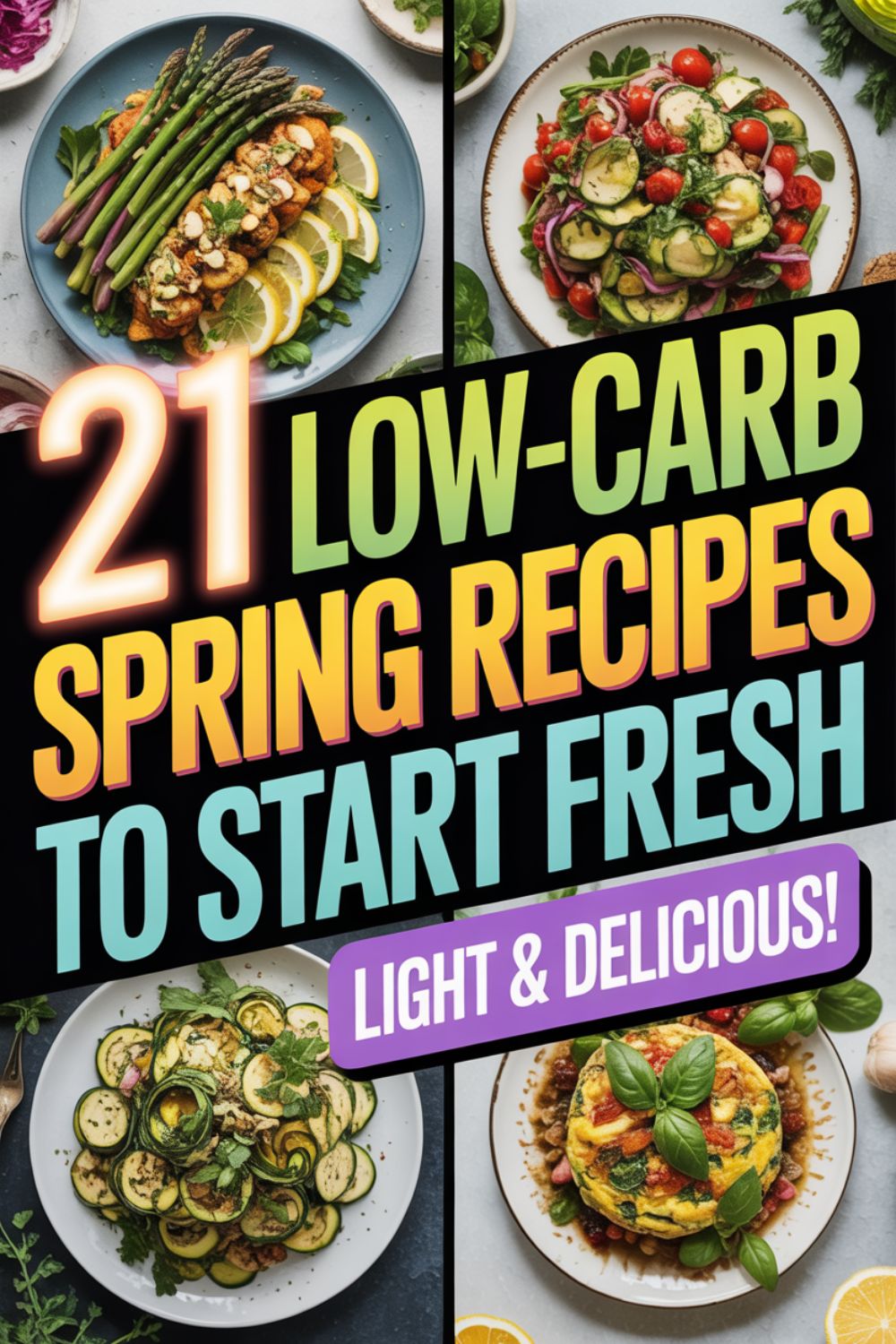
21 Low-Carb Spring Recipes to Start Fresh
Spring hits different when you’re not dragging around that sluggish, carb-heavy feeling from winter comfort food. I spent years thinking low-carb meant endless chicken and broccoli until I realized spring produce is basically nature’s permission slip to eat ridiculously well without the bloat.
These 21 recipes prove you don’t need bread, pasta, or potatoes to feel satisfied. You’ll get vibrant greens, bright citrus, fresh herbs, and enough variety to keep your taste buds from staging a revolt. Whether you’re meal prepping for the week or just trying to feel less like a walking bread roll, this collection’s got you covered.
Why Low-Carb Eating Works So Well in Spring
Let’s be real—January through March usually means we’re demolishing carbs like it’s our job. But when spring rolls around, lighter eating just makes sense. Your body’s ready to shake off that hibernation mode, and coincidentally, low-carb diets have been shown to improve metabolic health while keeping energy levels steady throughout the day.
Spring produce leans heavily toward low-carb options anyway. Asparagus, zucchini, snap peas, radishes, leafy greens—these aren’t sad diet foods. They’re what actually tastes good right now. When you align your eating with what’s in season, you’re working with your body instead of against it.
The best part? You won’t feel deprived. I’m talking zucchini noodles that don’t taste like punishment, cauliflower rice that actually has flavor, and salads so loaded with good stuff that you forget you’re technically “eating healthy.” These recipes focus on nutrient density over empty carbs, which means you’ll stay fuller longer without that 3 PM energy crash.
Pro Tip: Prep your spring veggies on Sunday night—wash, chop, and store them in glass meal prep containers. You’ll actually use them during the week instead of watching them turn to mush in your crisper drawer.
Spring Breakfast Ideas That Don’t Revolve Around Toast
Breakfast is where most people fall off the low-carb wagon. I get it—bagels and cereal are convenient. But spring mornings deserve better than a sugar crash before 10 AM.
Egg-Based Winners
Start with a veggie-loaded frittata using asparagus, cherry tomatoes, and fresh goat cheese. You make it once, slice it into portions, and boom—breakfast for four days. No standing at the stove every morning like some kind of short-order cook.
Or try smoked salmon and cream cheese roll-ups with cucumber and fresh dill. Sounds fancy, takes about three minutes to assemble. I use these silicone baking mats to keep the salmon from sticking when I’m making a batch—way easier than scrubbing parchment paper residue off baking sheets.
Green Smoothies That Don’t Taste Like Lawn Clippings
Blend spinach, avocado, unsweetened almond milk, a scoop of vanilla protein powder, and a handful of frozen berries. The avocado makes it creamy without bananas (which are basically sugar bombs). If you want more spring-focused options, check out these low-carb breakfasts that keep you full all morning.
My high-speed blender gets that silky texture without leaving chunks. Cheaper blenders leave you chewing your smoothie, which defeats the whole point.
Speaking of morning fuel, if you’re looking for variety beyond these spring recipes, you might enjoy these gut-friendly breakfasts for energy or dive into high-protein anti-inflammatory breakfasts that work year-round.
Vibrant Low-Carb Lunch Ideas
Lunch shouldn’t be a sad desk salad that leaves you hunting for vending machine snacks by 2 PM. These spring lunches actually stick with you.
Salad Bowls That Mean Business
Build a spring goddess bowl with mixed greens, grilled chicken or shrimp, sliced radishes, snap peas, avocado, and a lemon-tahini dressing. The key is layering textures—crunchy, creamy, protein-packed. It’s not rabbit food when it’s this loaded.
Try a Mediterranean-style salad with grilled halloumi, cucumber, cherry tomatoes, olives, and fresh mint. Halloumi doesn’t melt when you grill it, so you get these crispy, salty cheese bites that make the whole bowl feel indulgent. Get Full Recipe
Lettuce Wraps Done Right
Use butter lettuce for Asian-inspired chicken lettuce wraps with ground chicken, water chestnuts, ginger, and a splash of coconut aminos instead of soy sauce. IMO, butter lettuce works way better than romaine for wraps—it’s sturdier and doesn’t crack when you fold it.
I store the filling in these airtight containers and bring whole lettuce leaves separately. Assembly at lunch = fresh crunch, not soggy disappointment.
Meal Prep Essentials Used in This Plan
Look, you don’t need a million gadgets to eat well. But these few things make the difference between actually cooking and ordering takeout for the fourth night in a row.
Physical Products:
- Glass meal prep containers with compartments – Keeps ingredients separate so your salad doesn’t get soggy and sad
- Spiralizer for veggie noodles – Makes zucchini noodles in about 30 seconds, no arm workout required
- Sharp chef’s knife – Life’s too short to wrestle with vegetables using a dull blade
Digital Resources:
- Low-Carb Spring Meal Prep Guide PDF – Shopping lists, prep schedules, the whole deal
- Macro Calculator Spreadsheet – Track your carbs without losing your mind
- 50 Low-Carb Dressing Recipes eBook – Because ranch gets old fast
Dinner Recipes That Won’t Leave You Hungry
Dinner’s where people panic. “What do I eat if there’s no pasta or rice?” Turns out, a lot of really good stuff.
Zucchini Noodle Masterpieces
Make zucchini noodles with pesto and grilled shrimp. The trick is salting your zoodles and letting them sit for 10 minutes, then squeezing out the excess water. Otherwise, you end up with a watery mess that tastes like regret. Pat them dry with paper towels before you cook them.
For a heartier option, try zucchini noodles with meat sauce—same concept as spaghetti Bolognese, just without the post-pasta coma. These low-carb dinners that actually taste delicious expand on this idea with 21 different variations. Get Full Recipe
Cauliflower Rice That Doesn’t Suck
Here’s the thing about cauliflower rice—it’s only gross when you make it wrong. Sauté it in a hot pan with a little butter or olive oil until it gets some color. That’s the difference between bland mush and something you’d actually choose to eat.
Try cauliflower fried rice with scrambled eggs, peas, carrots, and your choice of protein. Use sesame oil for that takeout flavor. Honestly can’t tell the difference between this and the carb-heavy version, especially if you’re loading it with flavor.
Quick Win: Buy pre-riced cauliflower if you’re short on time. Yeah, it costs more, but so does the therapy you’ll need from another weeknight meltdown over dinner. Choose your battles.
Grilled Proteins with Spring Vegetables
Lemon herb chicken with roasted asparagus is spring on a plate. Marinate chicken thighs (not breasts—thighs have actual flavor) in lemon juice, olive oil, garlic, and fresh rosemary. Grill or bake them alongside asparagus tossed in olive oil and sea salt.
Or go with grilled salmon with snap pea sauté. Salmon’s loaded with omega-3s, and according to research on omega-3 fatty acids, these healthy fats support heart health and reduce inflammation. The snap peas add that spring crunch without any grain-based sides.
I use my cast iron grill pan year-round—gives you those perfect grill marks even when it’s raining outside. Heats evenly, easy to clean, and honestly outlasts every other pan in my kitchen.
For even more variety, check out these low-carb high-protein meals for weight loss that follow similar principles but with different flavor profiles.
Snacks That Keep You From Raiding the Pantry
FYI, the 3 PM slump is real. You need snacks that won’t spike your blood sugar and send you crashing an hour later.
Quick Veggie-Based Options
Keep cucumber rounds with everything bagel seasoning and cream cheese ready to go. Takes zero effort, satisfies that crunchy-salty craving, and doesn’t derail your whole day.
Radishes with butter and sea salt sound weird until you try them. It’s a classic French snack for a reason—the peppery radish + rich butter combo is ridiculously good. Store the prepped radishes in these veggie storage containers that keep them crisp for days.
Protein-Packed Choices
Hard-boiled eggs are boring until you season them right. Try deviled eggs with fresh herbs—chives, dill, or tarragon make them taste fancy instead of like a 1970s church potluck.
Or make turkey and cheese roll-ups with sliced turkey, your favorite cheese, mustard, and some arugula or spinach. Roll them tight and slice them into pinwheels if you’re feeling Pinterest-inspired. More spring-friendly snacking ideas live in this collection of low-carb snacks to beat hunger pangs.
Spring Soups That Work for Low-Carb
Who says soup is just for winter? Spring soups are lighter, brighter, and won’t weigh you down like those heavy stews from February.
Chilled Options for Warmer Days
Chilled cucumber-avocado soup is basically spring in a bowl. Blend cucumber, avocado, Greek yogurt, fresh mint, lime juice, and a bit of garlic. Serve it cold on those first warm days when you don’t want to turn on the stove.
I also love gazpacho made with fresh tomatoes, bell peppers, cucumber, and just a touch of red wine vinegar. No cooking required, just chop and blend. Store it in the fridge and it gets better over a day or two as the flavors meld.
Warm Broths for Cool Evenings
Try spring vegetable soup with chicken broth loaded with asparagus, zucchini, spinach, and shredded rotisserie chicken. It’s light but filling, and you can make a huge batch in your Dutch oven for meal prep.
Egg drop soup with spinach takes about 10 minutes and uses just a handful of ingredients—chicken broth, eggs, spinach, ginger, and green onions. The silky egg ribbons make it feel more substantial than it actually is. If you’re into soup-based meal plans, these low-carb soups and stews expand on these concepts beautifully. Get Full Recipe
Pro Tip: Make a double batch of any soup and freeze half in individual portions. Future you will be grateful when you need dinner in 15 minutes and have zero energy to cook from scratch.
Low-Carb Spring Desserts That Don’t Taste Like Cardboard
Yes, you can have dessert. No, it doesn’t have to involve almond flour brownies that taste like disappointment.
Fresh Fruit-Based Treats
Strawberries with whipped cream and a drizzle of balsamic sounds fancy but requires literally no cooking skills. The balsamic adds depth and cuts the sweetness. Use real heavy cream, not the canned stuff full of stabilizers.
Try grilled peaches with mascarpone for something warmer. The heat caramelizes the peach sugars, and mascarpone is richer than regular whipped cream. Dust it with cinnamon if you’re feeling extra.
Creamy Options
Lemon panna cotta made with heavy cream, gelatin, and fresh lemon juice gives you that silky, luxurious texture without the sugar overload. You can sweeten it with stevia or monk fruit if needed, though honestly, the lemon flavor carries most of the work.
Greek yogurt parfaits layered with fresh berries and a sprinkle of chopped nuts work great too. Use full-fat Greek yogurt—the low-fat versions are usually loaded with added sugar to make up for the missing flavor. For more ideas, explore these low-carb desserts you won’t believe are sugar-free.
Tools & Resources That Make Cooking Easier
These aren’t must-haves, but they’re the difference between cooking being a chore and actually being manageable.
Physical Products:
- Mandoline slicer for perfect vegetable cuts – Makes radishes, cucumbers, and zucchini paper-thin without the knife skills
- Salad spinner that actually dries greens – Wet lettuce is the enemy of a good salad
- Immersion blender for soups – Blend right in the pot, skip the cleanup nightmare of a countertop blender
Digital Resources:
- Spring Seasonal Eating Guide – What’s actually in season and how to use it
- Low-Carb Substitution Cheat Sheet – Swap carbs for veggie alternatives without guessing
- 21-Day Low-Carb Challenge with Daily Recipes – Takes the guesswork out completely
Making Low-Carb Eating Sustainable Long-Term
Here’s where most people crash and burn—they go too hard, too fast, then face-plant into a pizza three weeks later.
Don’t Eliminate Everything at Once
Start by swapping out one carb-heavy meal per day. Maybe breakfast becomes eggs instead of cereal. Or dinner loses the rice and gains extra vegetables. You don’t have to go full keto warrior overnight.
I’ve watched people try to cut carbs, sugar, dairy, and gluten all at once, then wonder why they’re miserable and ordering takeout by Thursday. Pick one battle at a time. Your willpower is a finite resource—spend it wisely.
Find Your Go-To Recipes
You need three to five recipes you can make without thinking. These become your rotation when life gets hectic. For me, it’s grilled chicken with roasted vegetables, zucchini noodles with whatever protein I have, and a big-ass salad with tons of toppings.
Having reliable options means you won’t default to delivery when you’re tired. Build your arsenal gradually. If you want structured guidance, this 14-day low-sugar meal plan for balanced energy gives you a solid foundation to build from.
Prep What You Can
I’m not saying meal prep your entire week on Sunday. But washing and chopping vegetables, cooking a batch of protein, or making a big salad base saves you when you’re standing in front of the fridge at 7 PM wondering what to eat.
Store everything in clear containers so you can actually see what you have. Out of sight = moldy and forgotten in the back of the fridge. These low-carb meal prep recipes walk you through the whole process if you need more structure.
Common Low-Carb Spring Recipe Mistakes
Let’s talk about what actually trips people up, because Instagram makes this look way easier than it is.
Under-Seasoning Everything
Vegetables need salt, fat, and acid to taste good. Just steaming broccoli and calling it dinner is why people think healthy eating sucks. Use olive oil, butter, lemon juice, vinegar, fresh herbs, garlic—whatever makes the food actually worth eating.
Spring herbs like basil, mint, dill, and cilantro are insanely flavorful and cost next to nothing if you grow them yourself. Even a tiny windowsill herb garden makes a massive difference. I keep mine in these self-watering herb pots because I’m terrible at remembering to water plants.
Not Eating Enough Fat
When you cut carbs, you need to replace those calories with something. Fat keeps you full and makes food taste good. Don’t fear the avocado, olive oil, butter, or nuts. Your body needs fat to function, especially when you’re not giving it easy carb energy.
People who fail at low-carb often aren’t eating enough fat or protein. They’re just eating less food overall, which triggers hunger and cravings. That’s not sustainable—it’s just misery with a trendy label.
Forgetting to Stay Hydrated
Low-carb diets have a mild diuretic effect initially. You’ll pee more as your body releases stored water. Drink more water than you think you need, and don’t skimp on electrolytes—salt your food properly, eat potassium-rich vegetables like spinach and avocado.
I keep a water bottle with time markers on my desk because apparently I need to be bossed around by an inanimate object to remember basic hydration. Whatever works, right?
Real Results from Real People
Sarah from our community started with spring low-carb recipes last year and dropped 18 pounds in two months without feeling deprived once. Her biggest win? No more 2 PM energy crashes that had her mainlining coffee just to function.
Mike switched from his usual pasta-heavy dinners to these zucchini noodle variations and noticed his blood sugar levels stabilized within three weeks. He’s Type 2 diabetic, and his doctor actually reduced his medication dosage because his numbers improved so dramatically.
These aren’t miracle stories—they’re what happens when you consistently eat real food that works with your body instead of against it. Nobody’s promising you’ll lose 30 pounds in 30 days. But you’ll probably feel better, have more energy, and stop feeling like you need a nap after every meal.
Frequently Asked Questions
Can I really eat low-carb without feeling hungry all the time?
Absolutely, as long as you’re eating enough protein and fat. The problem most people run into is they cut carbs but don’t increase their fat intake enough to compensate. Your body needs fuel—when you remove one source (carbs), you need to replace it with another (fat and protein). Load up on avocados, olive oil, nuts, fatty fish, and full-fat dairy. That combination keeps you satisfied way longer than any carb-heavy meal ever could.
How many carbs should I aim for per day?
It depends on your goals and how your body responds. Most people see results anywhere between 50-100 grams of net carbs per day—that’s total carbs minus fiber. If you’re trying to get into ketosis, you’ll need to go lower, around 20-30 grams. But honestly, you don’t need to be in ketosis to benefit from lower carb eating. Start by tracking what you normally eat, then gradually reduce the obvious carb sources and see how you feel.
What’s the difference between low-carb and keto?
Keto is a specific type of low-carb diet that’s extremely restrictive—usually under 20-30 grams of carbs per day—designed to put your body into ketosis, where it burns fat for fuel instead of glucose. Low-carb is more flexible and generally means anything under 100-150 grams per day. You can do low-carb without being keto, and for most people, that’s way more sustainable long-term. Keto can be great for specific health goals, but low-carb gives you more wiggle room for things like spring fruit and starchy vegetables in moderation.
Can I eat fruit on a low-carb diet?
Yes, but choose wisely. Berries are your best bet—strawberries, raspberries, blackberries, and blueberries are relatively low in carbs and high in fiber. A half cup of strawberries has about 6 grams of net carbs. Spring fruits like watermelon and cantaloupe are okay in small portions. Avoid tropical fruits like bananas, pineapple, and mango—those are basically candy. The fiber in whole fruit slows down sugar absorption, so fresh fruit in moderation won’t wreck your progress like juice or dried fruit would.
How long does it take to see results from low-carb eating?
Most people notice changes within the first week or two—less bloating, more stable energy, maybe a few pounds of water weight gone. Real fat loss and metabolic changes take longer, usually around 3-4 weeks of consistent eating. Don’t expect dramatic overnight transformations, but you should feel noticeably better within days. Better sleep, clearer thinking, and reduced cravings usually show up before the scale budges. Give it a full month before you decide if it’s working for you.
Final Thoughts on Spring Low-Carb Eating
Spring’s the perfect time to reset how you eat. The produce is already aligned with low-carb principles, the weather makes you want lighter meals anyway, and you’ve got months ahead to build sustainable habits before the holiday chaos returns.
These 21 recipes aren’t meant to be your entire eating plan forever. They’re a starting point. Pick five that sound good, make them this week, see what sticks. Build from there. Low-carb eating works when it fits your actual life—not when you’re following some rigid meal plan that makes you miserable.
The biggest shift isn’t the recipes themselves. It’s realizing you can eat really well, feel satisfied, and still work toward your health goals without constantly battling cravings or feeling deprived. Spring food makes that easier than any other season. Take advantage of it.