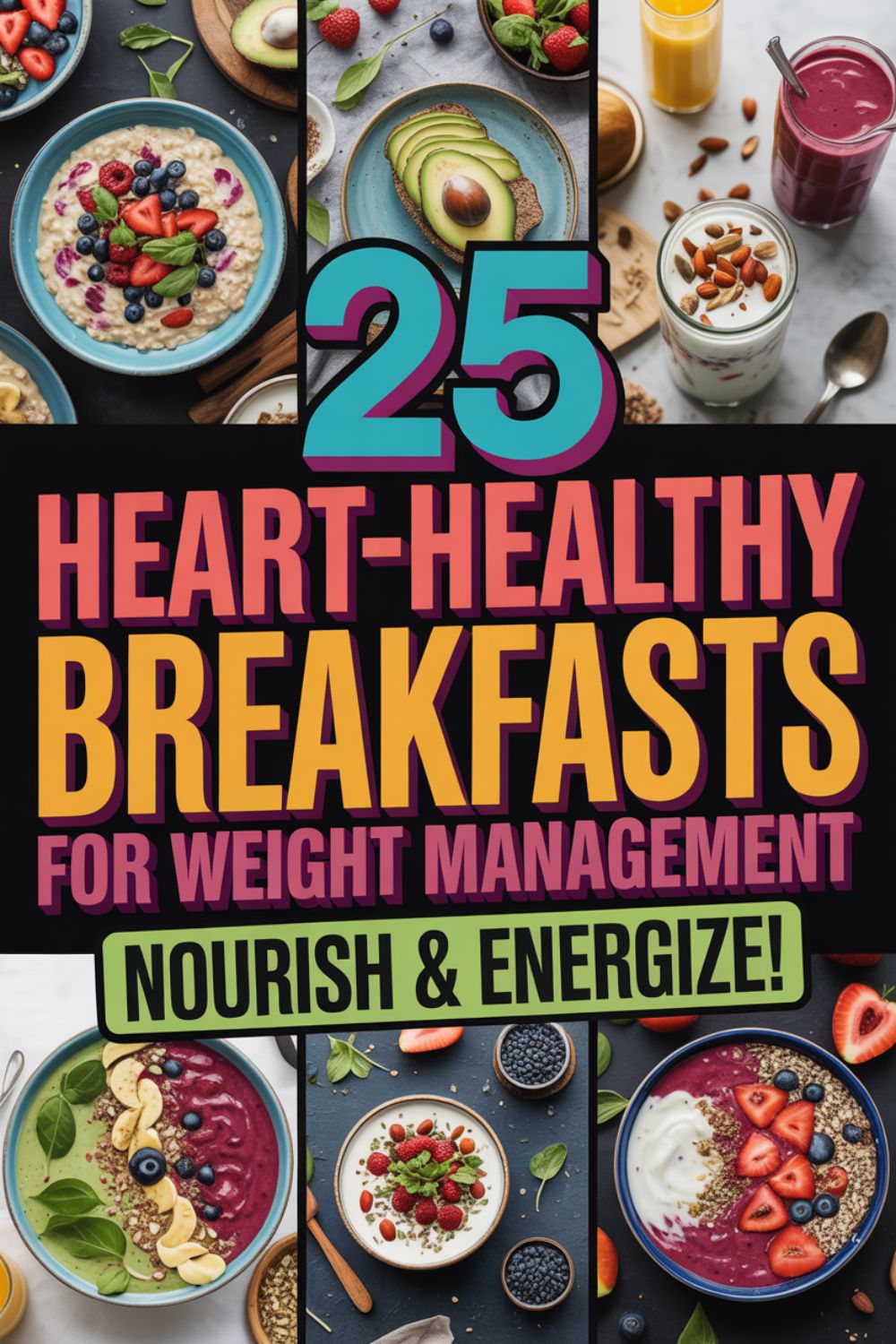
25 Heart-Healthy Breakfasts for Weight Management
Look, I’m not going to tell you breakfast is magical. But after years of experimenting with morning meals and watching my weight fluctuate like a stock market chart, I’ve learned something crucial: what you eat in those first few hours can set the tone for your entire day.
Here’s the thing—most “heart-healthy” breakfast lists read like cardboard recipes wrapped in nutritional jargon. Not this one. I’m sharing 25 actual breakfasts I’ve made, loved, and returned to again and again. These aren’t just good for your ticker and waistline; they’re genuinely delicious. No bland oatmeal suffering required.
Whether you’re dealing with stubborn belly fat, trying to lower cholesterol, or just want to stop feeling like you need a nap by 10 AM, these breakfasts have your back. And before you ask—yes, there’s bacon. Well, turkey bacon. Baby steps, people.
Why Your Morning Meal Actually Matters
Let’s get real for a second. Research from the American Heart Association shows that eating 20-30% of your daily calories at breakfast can significantly impact your cardiovascular health. Not 10%, not 40%—there’s actually a sweet spot.
When you skip breakfast or grab a sugar bomb disguised as a muffin, your blood sugar spikes and crashes harder than my motivation on a Monday morning. This roller coaster doesn’t just leave you hangry by noon; it triggers inflammation, messes with your insulin response, and makes your body hold onto fat like it’s preparing for hibernation.
The cool part? A well-balanced breakfast can flip this script entirely. We’re talking better appetite control, improved metabolism, and steadier energy levels that don’t require a second coffee at 11 AM. Studies from Johns Hopkins Medicine confirm that people who eat protein-rich breakfasts stay fuller longer and are less likely to raid the vending machine later.
The Building Blocks of a Heart-Smart Breakfast
Before we dive into the recipes, you need to understand the formula. Every breakfast on this list follows a simple structure: protein + fiber + healthy fats. This trio isn’t just nutritionist speak—it’s the difference between being satisfied until lunch and gnawing on your desk by 10:30.
Protein: Your Satiety Superhero
Aim for 15-25 grams of protein each morning. Medical News Today reports that high-protein breakfasts can help maintain stable blood glucose levels and reduce cravings throughout the day.
Eggs are the obvious choice—one large egg packs about 6 grams of protein. But don’t sleep on Greek yogurt (17 grams per cup), cottage cheese (14 grams per half cup), or even a scoop of protein powder in your smoothie. For my plant-based friends, tofu scrambles and chickpea flour pancakes work beautifully.
Fiber: The Unsung Hero
You need 25-30 grams of fiber daily, and breakfast is prime real estate for knocking out a good chunk. Fiber does two magical things: it slows digestion so you stay full longer, and it helps regulate cholesterol levels. Win-win.
Oats are fiber royalty, but so are chia seeds, berries, avocados, and whole grain bread. I usually toss ground flaxseed into everything from smoothies to pancake batter—you can barely taste it, and it adds 3 grams of fiber per tablespoon.
Healthy Fats: Not the Enemy
Fat got a bad rap in the ’90s, but we’ve learned better. Heart-healthy fats from sources like nuts, seeds, avocados, and olive oil are essential for absorbing fat-soluble vitamins and keeping your cardiovascular system happy. They also make food taste amazing, which is important if you’re trying to stick with healthy eating long-term.
My go-to fat sources: almond butter, walnuts (omega-3 champions), and avocado. A tablespoon of extra virgin olive oil drizzled on whole grain toast with a sprinkle of sea salt? Chef’s kiss.
The 25 Heart-Healthy Breakfast Winners
1. Classic Overnight Oats with Chia
This is my ride-or-die breakfast when I’m too tired to think. Mix half a cup of rolled oats with a cup of unsweetened almond milk, a tablespoon of chia seeds, and a drizzle of honey. Let it sit overnight in your fridge. In the morning, top with berries and crushed walnuts. The chia seeds create this pudding-like texture that’s oddly satisfying.
If you’re looking for variety with overnight oats, you’ll love trying different flavor combinations. Get Full Recipe.
2. Mediterranean Veggie Scramble
Three eggs scrambled with cherry tomatoes, spinach, and crumbled feta. Cook everything in a bit of olive oil and finish with fresh herbs. The Mediterranean diet is basically the gold standard for heart health, and this breakfast checks all the boxes. Plus, it’s colorful enough to make you feel like you have your life together.
3. Smoked Salmon and Avocado Toast
Mash half an avocado on whole grain sourdough, top with smoked salmon, capers, and red onion. The omega-3s from the salmon are heart-protective, and the combination keeps you satisfied for hours. Yes, it’s trendy. Yes, it’s worth it.
4. Berry Protein Smoothie Bowl
Blend frozen berries, a scoop of vanilla protein powder, Greek yogurt, and a splash of almond milk until thick. Pour into a bowl and top with granola, sliced banana, and hemp seeds. The key is keeping it thick enough to eat with a spoon—runny smoothie bowls are just sad smoothies in denial.
“I started making berry smoothie bowls every morning after reading about blood sugar balance. Three months later, I’m down 12 pounds and my afternoon energy crashes are gone. Game changer.” – Michelle, community member
5. Savory Quinoa Breakfast Bowl
Cook quinoa in vegetable broth instead of water. Top with a poached egg, sautéed kale, cherry tomatoes, and nutritional yeast. It sounds weird, I know. But quinoa is a complete protein, and this bowl keeps you full until well past lunch. Plus, using my microwave egg poacher makes this ridiculously easy on busy mornings.
Speaking of protein-packed breakfast bowls, check out these high-protein meal ideas or this fat loss meal plan for more inspiration.
6. Apple Cinnamon Oatmeal
Steel-cut oats cooked with diced apple, cinnamon, and a pinch of nutmeg. Top with chopped pecans and a small dollop of Greek yogurt. The fiber from both the oats and apple helps manage cholesterol levels, and the cinnamon has been linked to improved insulin sensitivity.
7. Cottage Cheese and Fruit Parfait
Layer cottage cheese with mixed berries, a sprinkle of granola, and a drizzle of honey. Cottage cheese is criminally underrated—it’s packed with protein and casein, which digests slowly and keeps you satisfied. Just buy the good stuff; store-brand cottage cheese can taste like sadness.
8. Turkey Bacon and Egg White Wrap
Scramble egg whites with turkey bacon, wrap in a whole wheat tortilla with spinach and salsa. I use these high-fiber tortillas that have 6 grams of fiber each. It’s the breakfast burrito’s healthier cousin, and it’s portable enough to eat in your car if you’re running late.
9. Peanut Butter Banana Toast
Natural peanut butter on whole grain toast topped with sliced banana and a sprinkle of chia seeds. Simple, effective, and under five minutes to make. The combination of complex carbs, protein, and healthy fats hits the sweet spot. IMO, this is the perfect pre-workout breakfast.
10. Greek Yogurt Bowl with Walnuts
Plain Greek yogurt topped with crushed walnuts, blueberries, and a drizzle of raw honey. Walnuts are particularly good for heart health thanks to their omega-3 content. Just watch your portion—a small handful is about 14 walnut halves.
Meal Prep Essentials Used in This Plan
These are the tools and ingredients that make heart-healthy breakfasts actually doable on busy mornings:
- Glass meal prep containers – Perfect for overnight oats and parfaits. The ones with dividers are clutch for keeping toppings separate.
- High-speed blender – A game-changer for smoothies and smoothie bowls. Mine has paid for itself in saved Starbucks runs.
- Silicone baking mats – For egg cups, roasted veggies, anything you’re baking. Zero sticking, minimal cleanup.
- 14-Day Flat Belly Meal Prep Plan – A complete guide with shopping lists and prep schedules
- 30-Day Gut Reset with Quick Recipes – Includes breakfast ideas that support digestive health
- 7-Day Heart-Healthy Plan Under 1500 Calories – Perfect for weight management goals
11. Veggie-Packed Frittata Muffins
Whisk eggs with diced bell peppers, onions, and spinach. Pour into a silicone muffin pan and bake. These are incredible for meal prep—make a batch on Sunday and grab two for breakfast all week. They reheat beautifully and are way better than anything you’ll find in a drive-thru.
12. Chia Seed Pudding
Mix 3 tablespoons of chia seeds with a cup of coconut milk and a touch of vanilla extract. Let it sit overnight. Top with mango chunks and coconut flakes. Chia seeds expand and create this tapioca-like texture. It’s weird at first, but you’ll get hooked.
13. Spinach and Mushroom Omelet
Two whole eggs plus one egg white, folded with sautéed spinach and mushrooms. Cooked in olive oil, not butter. This is my go-to when I want something filling but not heavy. The mushrooms add an umami depth that makes you forget you’re eating something “healthy.”
14. Whole Grain Pancakes with Berries
Make pancakes using whole wheat flour or oat flour. Top with fresh berries instead of syrup. I add a scoop of vanilla protein powder to my batter for extra staying power. These non-stick pancake molds help you make perfect circles every time—because presentation matters, even at breakfast.
15. Avocado and Egg Breakfast Bowl
Half an avocado, a hard-boiled egg, cherry tomatoes, and cucumber on a bed of arugula. Drizzle with lemon juice and olive oil. This is essentially a deconstructed salad for breakfast, and it works better than you’d think. The healthy fats and protein keep you energized without that post-meal crash.
For more inspiration on balanced meals throughout the day, explore this blood sugar-friendly meal plan or these anti-inflammatory recipes.
16. Sweet Potato Hash with Eggs
Dice sweet potato and cook until crispy with onions and bell peppers. Top with two fried eggs. Sweet potatoes are loaded with fiber and beta-carotene, plus they’re naturally sweet so you don’t need to add sugar. This breakfast feels indulgent but is completely aligned with your health goals.
17. Almond Butter and Apple Slices
Not technically a “meal,” but sometimes simple is better. Slice a Granny Smith apple and spread each slice with almond butter. Sprinkle with cinnamon. The tartness of the apple cuts through the richness of the nut butter, and you get protein, fiber, and healthy fats in every bite.
18. Protein-Packed Breakfast Burrito
Scrambled eggs, black beans, salsa, and a sprinkle of cheese in a whole wheat tortilla. Black beans add extra fiber and protein while keeping this vegetarian-friendly. Roll it up tight in foil and you’ve got breakfast to go. FYI, these freeze beautifully if you want to make a batch.
19. Coconut Yogurt with Nuts and Seeds
For my dairy-free folks, coconut yogurt works just as well as Greek yogurt. Top with a mix of almonds, pumpkin seeds, and dried cranberries. Look for unsweetened coconut yogurt—the sweetened versions are basically dessert pretending to be breakfast.
20. Baked Oatmeal Squares
Mix oats, mashed banana, eggs, and cinnamon. Bake in a square pan and cut into portions. These are genius for meal prep. I bake a pan on Sunday and grab one each morning. Warm it up for 20 seconds in the microwave and you’re golden.
21. Tomato and Feta Breakfast Salad
Mixed greens with cherry tomatoes, cucumber, feta cheese, and a hard-boiled egg. Dress with olive oil and lemon. Having a salad for breakfast feels revolutionary at first, but once you get past the mental block, it’s incredibly refreshing. Plus, you’re knocking out vegetables early—your daily goal is already halfway done by 8 AM.
22. Pumpkin Spice Overnight Oats
Overnight oats mixed with pumpkin puree, pumpkin pie spice, and a touch of maple syrup. Top with pecans. This isn’t just for fall—canned pumpkin is available year-round and adds thickness, fiber, and vitamin A. It’s like eating pumpkin pie for breakfast, except you won’t feel guilty about it.
23. Smoked Turkey Roll-Ups
Spread hummus on slices of smoked turkey, add cucumber and bell pepper strips, and roll up. Pair with a piece of fruit. This is technically more of a snack plate situation, but it works when you want something light. The protein from the turkey and chickpeas in the hummus keeps you satisfied.
24. Banana Walnut Protein Smoothie
Blend a banana, handful of walnuts, scoop of vanilla protein powder, spinach (trust me), and almond milk. The spinach adds nutrients without affecting the taste—I promise you won’t notice it. The walnuts give it a creamy texture and boost the omega-3 content.
Tools & Resources That Make Cooking Easier
Here’s what’s actually worth investing in for your breakfast routine:
- Electric egg cooker – Perfectly cooked eggs every single time with zero effort. Hard-boiled, soft-boiled, poached—it does it all.
- Portion control containers – Color-coded containers that take the guesswork out of balanced meals. Kind of life-changing.
- Mini food processor – For chopping nuts, making homemade nut butter, or quickly dicing vegetables. Mine gets used at least three times a week.
- 21-Day Anti-Inflammatory Plan for Beginners – Reduces belly fat and inflammation with beginner-friendly recipes
- 7-Day Hormone Balancing Meal Plan – Specifically designed for women’s hormonal health
- 14-Day Gut Reset Plan – All recipes under 30 minutes for busy schedules
25. Tofu Scramble with Turmeric
Crumble firm tofu and sauté with turmeric, nutritional yeast, and mixed vegetables. Season with garlic powder and black pepper. This is the vegan scrambled eggs, and it’s legitimately delicious. The turmeric gives it that golden color and adds anti-inflammatory benefits. Serve on whole grain toast or wrapped in a tortilla.
Making These Breakfasts Work for Real Life
Let’s be honest—reading a list of 25 breakfast ideas is one thing. Actually making them happen on a random Tuesday when you’re running late is another story entirely. Here’s how to bridge that gap.
The Sunday Prep Power Hour
Spend one hour on Sunday evening prepping ingredients. Hard-boil a dozen eggs. Portion out overnight oats into five jars. Wash and chop vegetables. Pre-measure chia seeds, nuts, and protein powder into small containers. This isn’t meal prep in the traditional sense—you’re just doing the annoying parts ahead of time so weekday assembly is quick.
I keep all my prepped ingredients on one shelf in the fridge using these stackable containers. Everything’s visible and accessible. No more buying strawberries that rot in the back of the crisper drawer.
The “Either/Or” Strategy
Pick two breakfast types you like and alternate between them. For me, it’s overnight oats Monday/Wednesday/Friday and egg scrambles Tuesday/Thursday. Weekends I get fancy. This prevents decision fatigue while keeping things interesting enough that you don’t get bored.
The Emergency Backup Plan
Keep ingredients for at least one five-minute breakfast in stock at all times. For me, that’s whole grain bread, almond butter, and bananas. On mornings when everything goes wrong, I can still get a decent breakfast in under three minutes. Having a backup prevents you from hitting a drive-thru out of desperation.
Common Mistakes to Avoid
After years of trial and error, I’ve identified the breakfast pitfalls that’ll sabotage your efforts. Here’s what to watch out for.
Going Too Low on Calories
A piece of fruit and black coffee isn’t breakfast—it’s an appetizer. You need substantial calories in the morning. Research suggests aiming for 20-30% of your daily caloric needs at breakfast supports better weight management and cardiovascular health. For most people, that’s 400-600 calories.
Skipping Protein
Carb-only breakfasts—even healthy carbs like fruit and toast—will leave you hungry within two hours. Always include protein. This isn’t optional if you want to avoid the mid-morning snack attack.
Overcomplicating Things
You don’t need to make elaborate meals every morning. Some days, Greek yogurt with berries and nuts is perfectly adequate. Don’t let “perfect” be the enemy of “good enough to keep you on track.”
Ignoring Portion Sizes
Nut butters and nuts are healthy, but they’re also calorie-dense. A serving of almond butter is two tablespoons, not the generous spoonful you were visualizing. Get yourself a kitchen scale and measure things at least initially. You’ll be surprised how small actual serving sizes are.
“I thought I was eating healthy by making huge smoothie bowls every morning. Turns out I was drinking 800 calories before 8 AM. Once I measured portions properly, the weight started coming off. Sometimes you just need to be honest with yourself.” – David, community member
Adjusting for Different Dietary Needs
Most of these recipes are flexible enough to accommodate various dietary restrictions. Here’s how to modify them.
Dairy-Free Adaptations
Swap Greek yogurt for coconut or almond yogurt. Use plant-based milk instead of regular milk. Replace cheese with nutritional yeast for that savory, umami flavor. Honestly, most of the time you won’t even notice the difference.
Gluten-Free Options
Use gluten-free oats, rice cakes instead of bread, or corn tortillas instead of wheat. Just check labels carefully—some “gluten-free” products are loaded with extra sugar and sodium to compensate for flavor.
Vegan Modifications
Replace eggs with tofu scrambles, chickpea flour omelets, or flax eggs (1 tablespoon ground flaxseed mixed with 3 tablespoons water). Use plant-based protein powder in smoothies. The tofu scramble is surprisingly close to actual scrambled eggs, especially with the right seasonings.
Low-Carb/Keto Adjustments
Focus on the egg-based recipes and skip the oats. Replace fruit with berries in small portions—they’re lower in sugar. Add more healthy fats like avocado and nuts. The Mediterranean veggie scramble and smoked salmon toast (on keto bread) work perfectly.
If you’re following a specific eating plan, check out these structured programs: 14-day low-sugar plan, 30-day blood sugar balance plan, or the 21-day gut healing guide.
Tracking Your Progress
You can’t improve what you don’t measure. I’m not saying you need to become obsessive, but some basic tracking helps you understand what’s working.
Take baseline measurements—weight, waist circumference, how you feel energy-wise. Then reassess every two weeks. Don’t freak out about daily fluctuations; look at the overall trend. Are you feeling more energized? Staying full until lunch? Sleeping better? These non-scale victories matter just as much as the number on your digital bathroom scale.
I keep a simple note on my phone tracking what I ate for breakfast and how satisfied I felt three hours later. After a month, patterns emerge. You’ll figure out which breakfasts work best for your body and schedule.
Frequently Asked Questions
Can I drink coffee with these breakfasts?
Absolutely. Coffee in moderation is fine and may even offer some cardiovascular benefits. Just skip the sugar and heavy cream. Black coffee, or coffee with a splash of unsweetened almond milk, won’t interfere with your weight management goals. If you’re sensitive to caffeine, have it with your meal rather than on an empty stomach to minimize jitters.
How long will it take to see results?
Most people notice improved energy levels within the first week. Weight changes typically become noticeable around the 2-3 week mark if you’re consistent. Remember, sustainable weight loss is gradual—aim for 1-2 pounds per week. The cardiovascular benefits build over time, so think of this as a lifestyle shift rather than a quick fix.
What if I’m not hungry in the morning?
Start small. Even a protein smoothie or Greek yogurt with berries is better than skipping breakfast entirely. Your appetite will adjust after a week or two of consistent morning eating. Some people do well with intermittent fasting, but if weight management is your goal, research suggests eating breakfast helps with appetite control throughout the day.
Are these breakfasts kid-friendly?
Most of them are easily adaptable for kids. The pancakes, oatmeal, and smoothie bowls are usually hits. You might need to tone down spicy elements or add a drizzle of honey to make things more appealing to younger palates. Getting kids involved in prep—letting them choose toppings or mix ingredients—increases the odds they’ll actually eat it.
Can I meal prep these for the entire week?
Some yes, some no. Overnight oats, baked oatmeal squares, egg muffins, and chia pudding all prep beautifully for 5 days. Avocado toast and eggs need to be made fresh, but you can prep the components in advance. Chop vegetables Sunday night, pre-measure dry ingredients, and cook protein sources ahead. Then final assembly takes just minutes each morning.
The Bottom Line
Heart-healthy eating doesn’t mean sacrificing flavor or spending hours in the kitchen. These 25 breakfasts prove you can take care of your cardiovascular system and manage your weight without feeling deprived.
The key is finding a few favorites that fit your lifestyle and rotating through them. You don’t need to make every recipe on this list—pick five that sound appealing and master those first. Once they become second nature, experiment with others.
Your morning meal sets the tone for everything that follows. Make it count. Choose whole foods over processed ones, prioritize protein and fiber, and don’t be afraid of healthy fats. Your heart and waistline will thank you.
Start tomorrow morning. Not Monday, not after the holidays, not when you’ve “cleared your schedule.” Just start. Make one breakfast from this list. Then do it again the next day. Small consistent actions create lasting change. You’ve got this.
Similar Posts
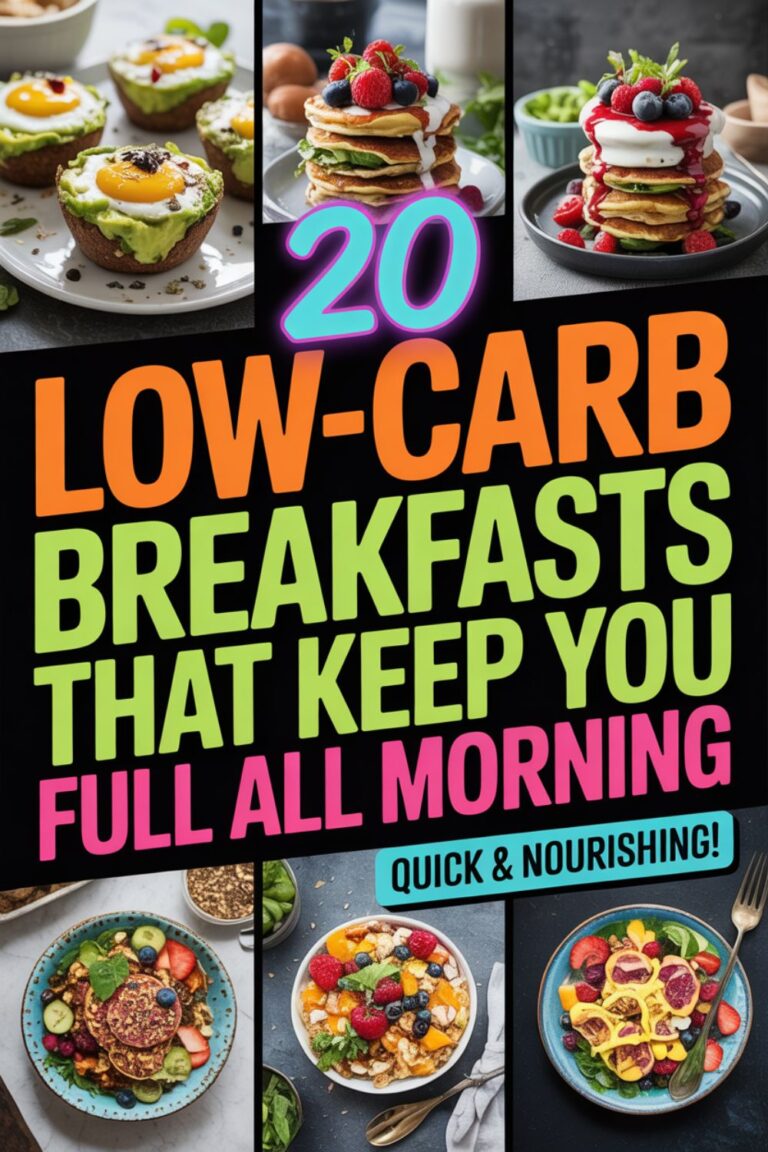
20 Low-Carb Breakfasts That Keep You Full All Morning
20 Low-Carb Breakfasts That Keep You Full All Morning 20 Low-Carb Breakfasts That Keep You Full All Morning Let me guess—you’re tired of feeling like you need a mid-morning snack an hour after breakfast, right? That familiar rumble in your stomach by 10 AM is not just annoying; it’s your body telling you that your…
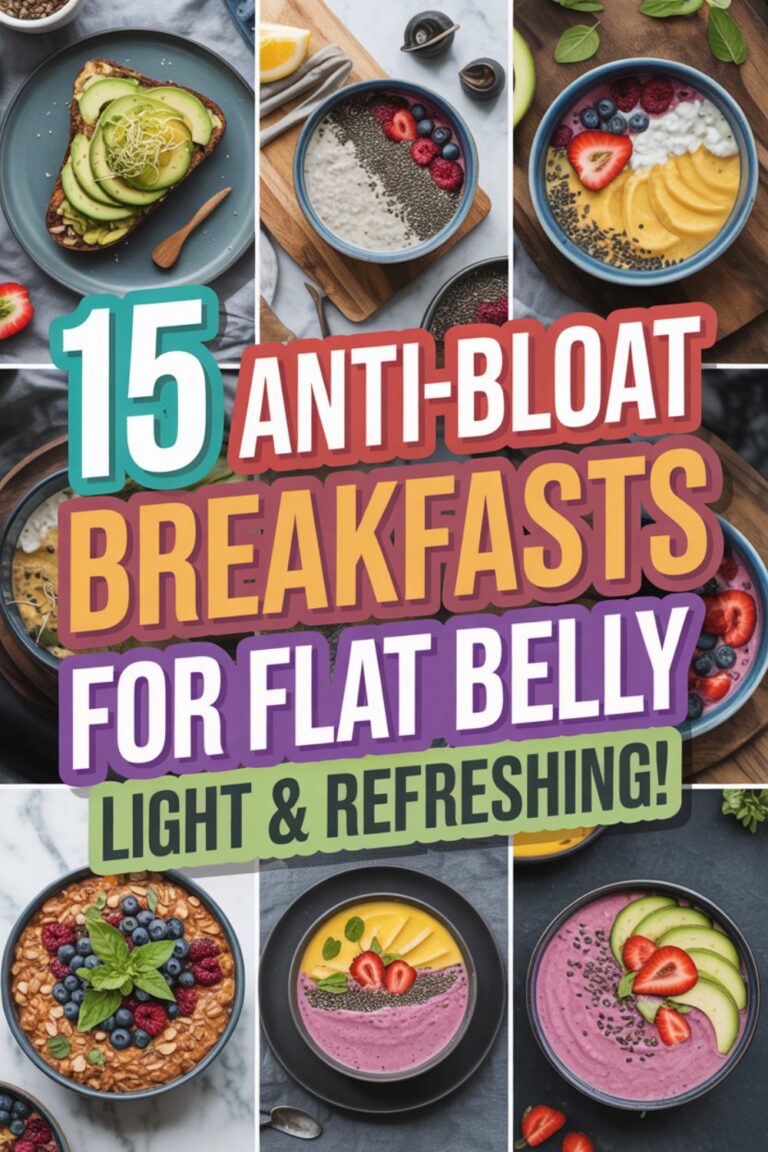
15 Anti-Bloat Breakfasts for Flat Belly
15 Anti-Bloat Breakfasts for Flat Belly 15 Anti-Bloat Breakfasts for Flat Belly Look, I get it. You wake up feeling great, then halfway through breakfast, boom—your pants feel tighter and your stomach’s doing that uncomfortable balloon thing. Been there, dealt with that, and honestly, it’s the worst way to start your day. Here’s the thing…
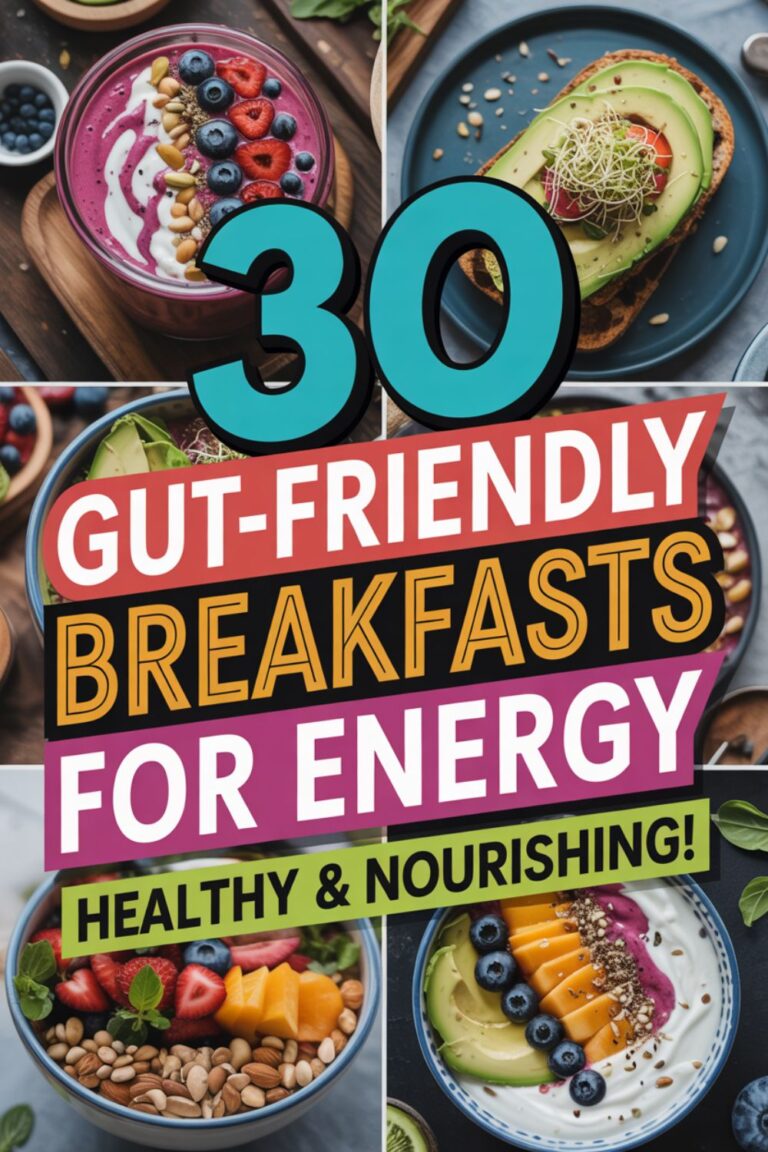
30 Gut-Friendly Breakfasts for Energy
30 Gut-Friendly Breakfasts for Energy | Plan Pretty Plates 30 Gut-Friendly Breakfasts for Energy Published on Plan Pretty Plates | Updated January 2026 Your gut isn’t just responsible for digesting last night’s dinner—it’s basically running the show when it comes to energy levels, mood, immune function, and even how well you sleep. So why are…
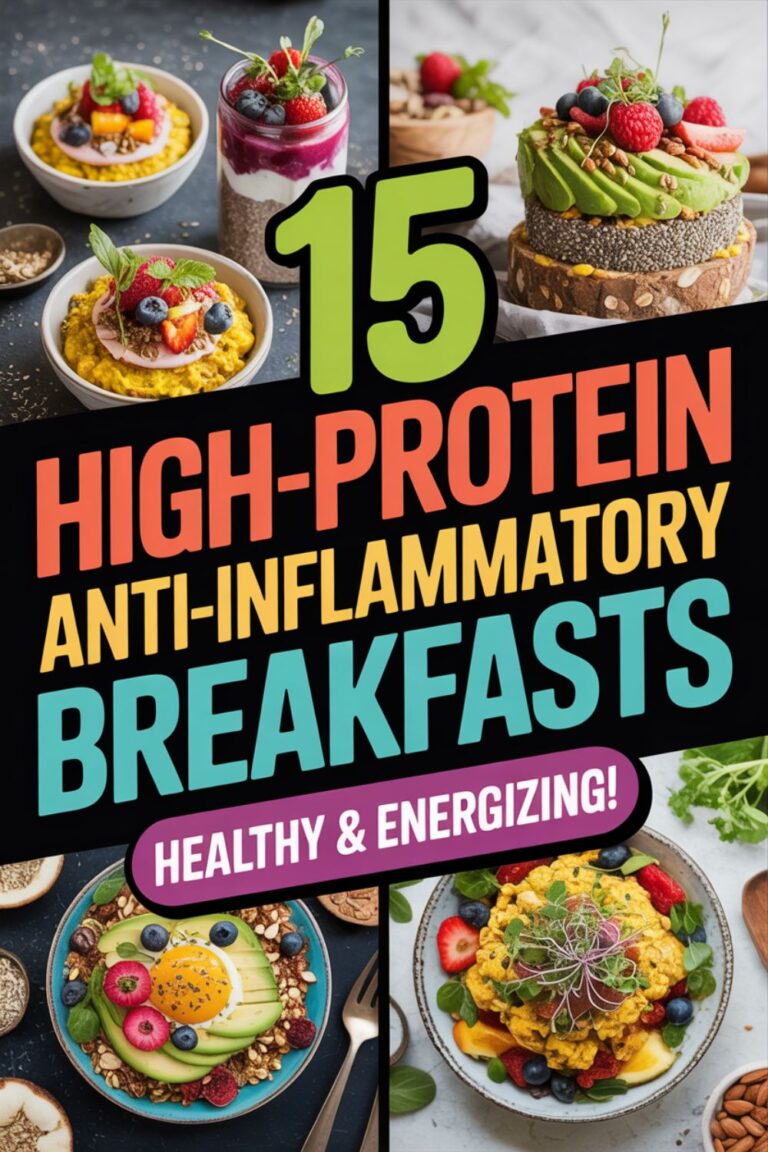
15 High-Protein Anti-Inflammatory Breakfasts to Transform Your Mornings
15 High-Protein Anti-Inflammatory Breakfasts to Transform Your Mornings 15 High-Protein Anti-Inflammatory Breakfasts to Transform Your Mornings Look, I get it. You’re tired of waking up feeling like your joints have been marinating in rusty nails overnight, and you’re pretty sure your morning bagel isn’t doing you any favors. The truth is, what you eat for…