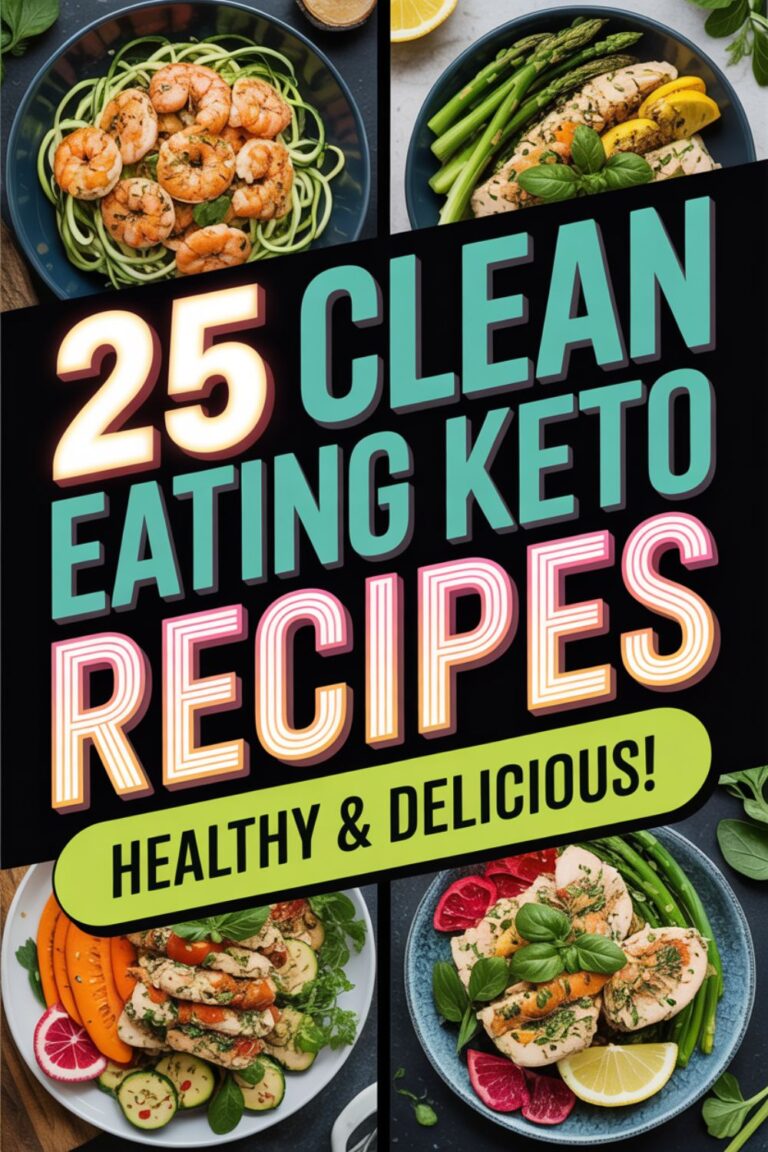
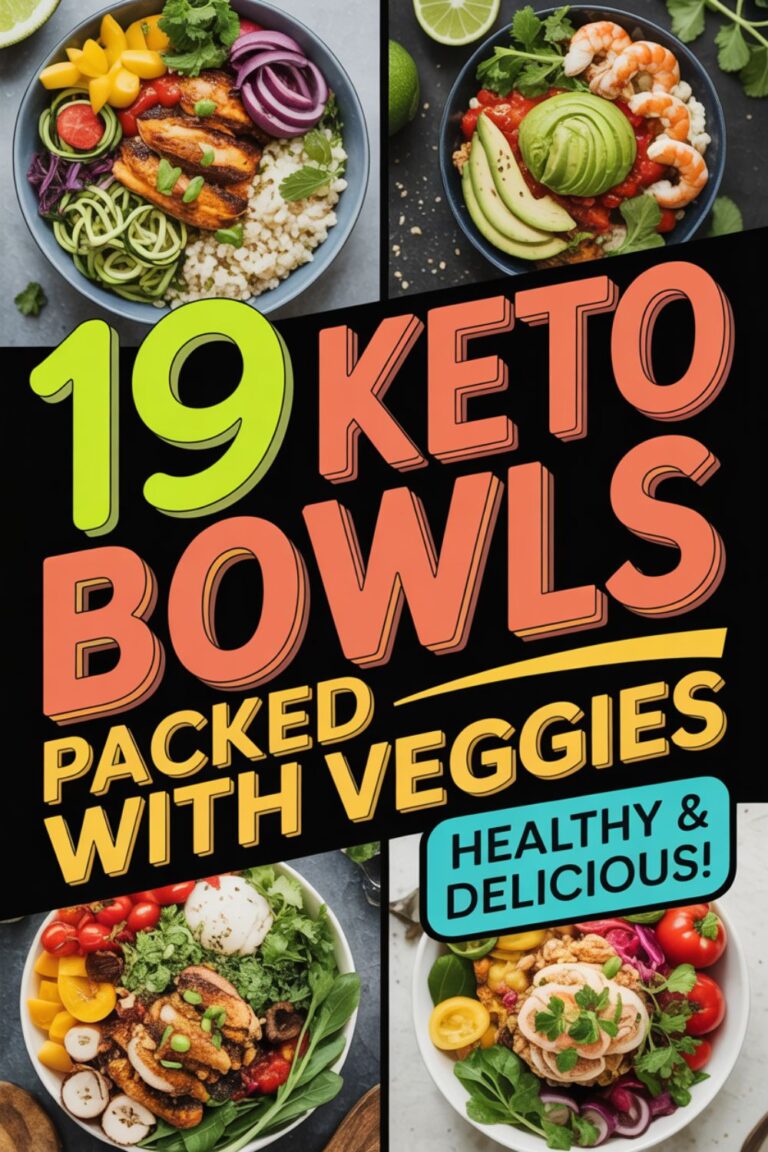
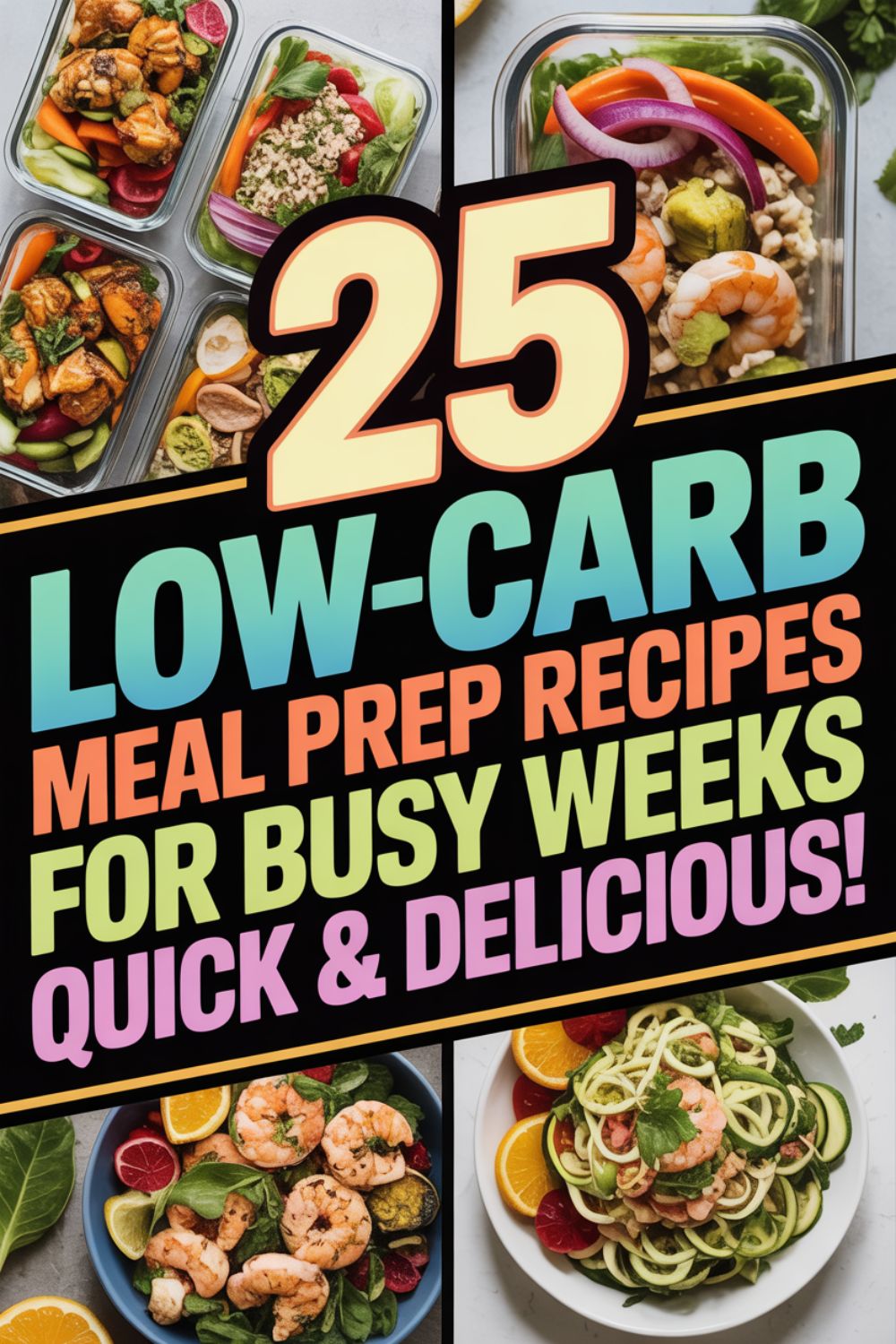
25 Low-Carb Meal Prep Recipes for Busy Weeks
You know that Sunday evening panic when you realize you’ve got five chaotic workdays ahead and zero meals planned? Yeah, I’ve been there too many times to count. The problem isn’t wanting to eat healthy—it’s the scramble of figuring out what to make when you’re already exhausted. That’s where low-carb meal prep becomes your secret weapon.
Look, I’m not going to pretend that meal prepping is some magical fix that’ll turn your life around overnight. But when you’ve got twenty-five solid low-carb recipes in your back pocket and a couple hours on Sunday? You’re basically setting yourself up to win the week before it even starts.
Why Low-Carb Meal Prep Actually Works
Here’s the thing about low-carb eating—it’s not just another diet trend your coworker won’t shut up about. Research shows that low-carb diets can help with weight management and blood sugar control when done right. The real magic happens when you combine that with meal prep.
Think about it. Most of us bail on healthy eating not because we lack willpower, but because we lack time and options. You get home at seven, the kids are screaming, and suddenly that pizza delivery number is looking real tempting. But if you’ve got a container of herb-roasted chicken with garlic green beans already sitting in your fridge? Game changer.
According to Harvard’s Nutrition Source, meal prep saves the average person several hours per week that would otherwise be spent cooking. That’s time you could spend doing literally anything else—like finally watching that show everyone’s been talking about or, you know, sleeping.
Pro Tip: Start with just three recipes your first week. Don’t go crazy trying to prep every meal. Master a few basics, then expand from there.
The Real Benefits of Going Low-Carb with Meal Prep
I’ll be straight with you—cutting carbs isn’t about demonizing bread or pretending cauliflower tastes exactly like mashed potatoes (it doesn’t, and we all know it). It’s about choosing foods that keep you fuller longer and help stabilize your energy throughout the day.
When you meal prep low-carb recipes, you’re essentially creating a fail-safe system. No more standing in front of the fridge at midnight, no more grabbing whatever’s fastest at lunch. You’ve already made the decisions when you had time to think clearly.
The National Center for Biotechnology Information notes that low-carb approaches often lead to rapid initial weight loss, though the key is adherence. That’s where meal prep becomes crucial—it makes adherence stupidly simple.
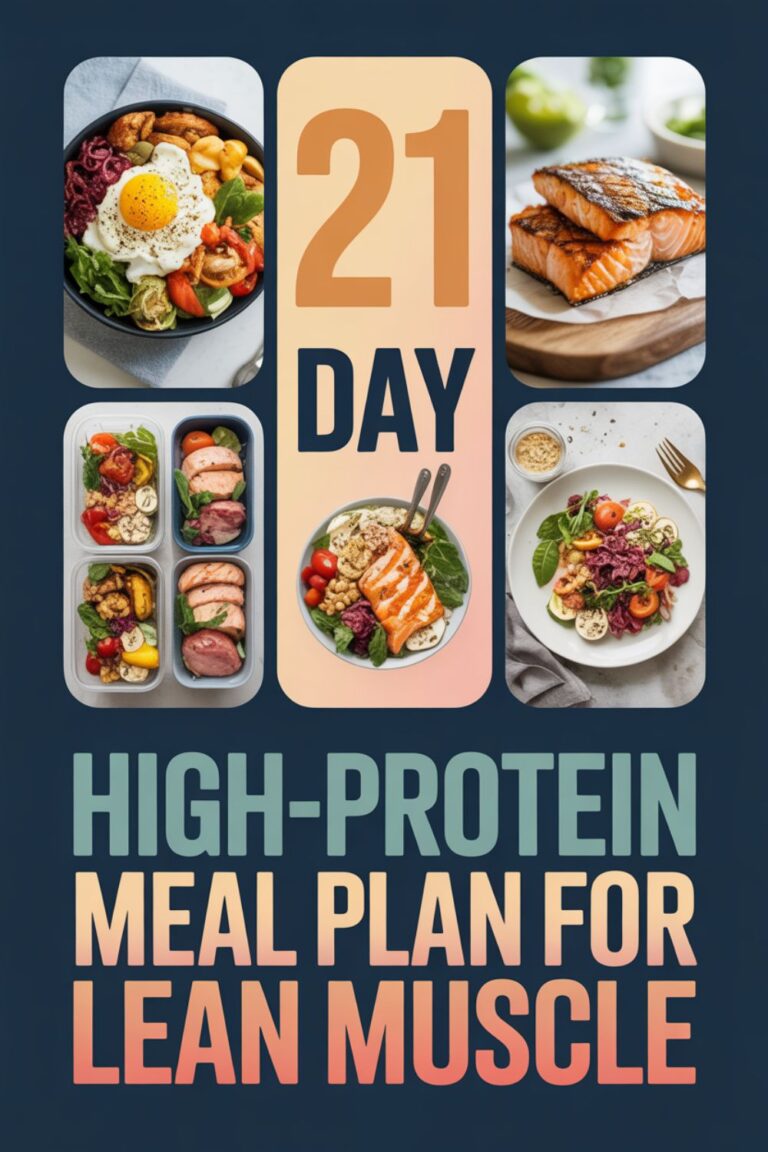
Speaking of making things easier, if you’re looking for structured plans that take the guesswork out entirely, these high-protein meal plans pair beautifully with a low-carb approach. They’re designed for people who want results without spending their entire weekend in the kitchen.
Blood Sugar and Energy Management
Ever notice how you crash hard about an hour after eating a massive bowl of pasta? That’s your blood sugar doing gymnastics it wasn’t meant to do. Low-carb meals help smooth out those spikes and valleys, which means more consistent energy levels throughout your day.
For those dealing with blood sugar concerns specifically, check out these blood sugar-friendly meal options. They’re designed with the same principles but with extra attention to glycemic load.
Getting Your Kitchen Ready for Low-Carb Meal Prep
Before we dive into the recipes, let’s talk equipment. You don’t need a fancy kitchen to meal prep successfully, but a few key tools make life significantly easier.
First up: containers. I’m talking about the good ones—not those flimsy takeout containers that warp in the microwave. Get yourself a set of glass meal prep containers with snap-lock lids. They’re worth every penny because they actually seal properly, you can see what’s inside without playing fridge roulette, and they last forever.
A decent chef’s knife is non-negotiable. You’ll be chopping vegetables, and doing it with a dull knife is both dangerous and frustrating. Pair that with a large cutting board—get one big enough that you’re not chasing cherry tomatoes across your counter.
Quick Win: Label your containers with masking tape and a marker. Write what’s inside and the date you made it. Future you will be extremely grateful when deciding what to grab for lunch.
The Low-Carb Pantry Essentials
Stock your pantry with versatile ingredients that won’t go bad quickly. Think canned tomatoes, coconut oil, olive oil, various vinegars, and a solid spice collection. These form the flavor foundation for pretty much every low-carb recipe you’ll make.
For proteins, I keep chicken thighs, ground beef, and eggs on rotation. They’re affordable, versatile, and freeze well if you buy in bulk. Same goes for frozen vegetables—they’re often picked and frozen at peak ripeness, which means they’re sometimes more nutritious than fresh produce that’s been sitting around.
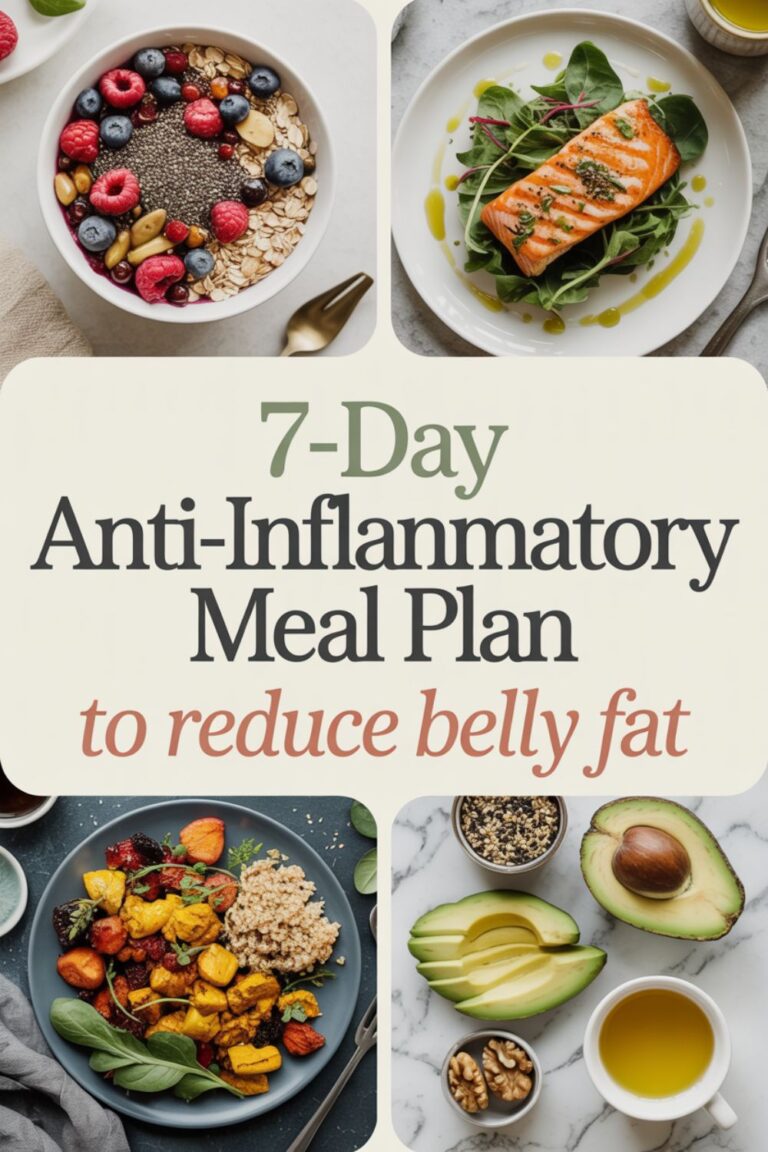
If you’re looking for more guidance on building a balanced low-carb approach, these anti-inflammatory meal plans offer excellent frameworks that naturally emphasize whole foods and minimize processed carbs.
Twenty-Five Low-Carb Recipes That Actually Taste Good
Alright, let’s get to what you’re actually here for—the recipes. I’m breaking these down by meal type so you can mix and match based on what sounds good to you.
Breakfast Options That Don’t Involve Sad Egg Muffins
Look, egg muffins have their place, but let’s be honest—they’re not exactly exciting. Here are breakfast ideas you’ll actually want to eat.
1. Greek Yogurt Bowls with Nuts and Berries
Mix full-fat Greek yogurt with a handful of almonds, a few berries, and a drizzle of almond butter. Prep five containers on Sunday, and you’ve got grab-and-go breakfasts that actually keep you full. Get Full Recipe
2. Veggie-Loaded Frittata Squares
Whisk a dozen eggs with spinach, bell peppers, and crumbled feta. Bake in a sheet pan, cut into squares, and you’ve got breakfast for days. Reheats beautifully. Get Full Recipe
3. Chia Seed Pudding with Coconut Cream
Mix chia seeds with unsweetened coconut milk the night before. Top with a few raspberries and crushed pecans. It’s weirdly satisfying and surprisingly filling. Get Full Recipe
For more morning inspiration, these high-protein anti-inflammatory breakfasts offer additional variety while keeping the carb count reasonable.
4. Smoked Salmon Roll-Ups
Spread cream cheese on smoked salmon, add cucumber strips and dill, then roll. Fancy enough to impress guests, easy enough for a Tuesday morning. Get Full Recipe
5. Almond Flour Pancakes (Meal Prep Version)
Make a big batch on Sunday, freeze them with parchment paper between each pancake, and pop them in the toaster during the week. Serve with a small dollop of Greek yogurt instead of syrup. Get Full Recipe
Meal Prep Essentials Used in This Plan
Here are some game-changing products and resources that make low-carb meal prep actually doable:
- Glass Meal Prep Containers Set (5-pack) – Microwave and dishwasher safe, with snap-lock lids that don’t leak
- Digital Kitchen Scale – For accurate portion control when you’re tracking macros
- Silicone Baking Mats – Makes sheet pan meals infinitely easier and cleanup a breeze
- Low-Carb Meal Planning Template (Digital Download) – Pre-designed weekly planner with shopping list integration
- Macro Calculator & Recipe Database (eBook) – Comprehensive guide with carb counts for 200+ ingredients
- 30-Day Low-Carb Challenge Guide (PDF) – Daily meal suggestions with prep timelines
Lunch Ideas You Won’t Trade for Office Vending Machine Snacks
6. Asian-Style Chicken Lettuce Wraps
Ground chicken cooked with ginger, garlic, and coconut aminos, served with butter lettuce leaves. Pack the filling and leaves separately to avoid sogginess. Get Full Recipe
7. Mediterranean Cauliflower Rice Bowls
Cauliflower rice mixed with roasted red peppers, kalamata olives, cucumber, and grilled chicken. Drizzle with tahini dressing right before eating. Get Full Recipe
8. Tuna Avocado Boats
Mix canned tuna with mayo, diced celery, and a squeeze of lemon. Scoop into halved avocados. Simple, satisfying, and no heating required. Get Full Recipe
If you’re specifically targeting weight loss alongside your low-carb approach, these flat belly lunches are designed with calorie awareness while maximizing nutrition and satiety.
9. Zucchini Noodle Pasta Salad
Spiralize zucchini (or buy pre-spiralized), toss with cherry tomatoes, fresh mozzarella, basil, and pesto. Keep the dressing separate until you’re ready to eat. Get Full Recipe
10. Buffalo Chicken Salad
Shredded rotisserie chicken tossed in buffalo sauce over mixed greens with blue cheese crumbles and celery. Make it in a large glass mixing bowl and portion it out for the week. Get Full Recipe
11. Egg Roll in a Bowl
All the flavors of an egg roll without the wrapper. Ground pork, coleslaw mix, ginger, and sesame oil come together in about fifteen minutes. Get Full Recipe
Pro Tip: Invest in a good spiralizer if you’re going low-carb long-term. Zoodles, cucumber noodles, and carrot ribbons become regular players in your meal rotation.
Dinner Recipes Worth Coming Home For
12. Sheet Pan Lemon Herb Chicken with Vegetables
Chicken thighs, broccoli, and bell peppers all roasted together with lemon and herbs. One pan, minimal cleanup, maximum flavor. Get Full Recipe
13. Beef and Broccoli Stir-Fry
Skip the takeout and make your own version with coconut aminos instead of soy sauce. Serve over cauliflower rice for a complete low-carb meal. Get Full Recipe
For those juggling dinner prep with everything else life throws at you, check out these anti-inflammatory weeknight dinners. They’re designed for people who have exactly thirty minutes and not a second more.
14. Baked Salmon with Asparagus
Drizzle salmon fillets and asparagus with olive oil, season with garlic powder and dill, bake at 400°F for fifteen minutes. Doesn’t get much simpler. Get Full Recipe
15. Turkey Meatballs with Marinara
Make these in bulk and freeze half. Pull out what you need during the week and pair with zucchini noodles or sautéed spinach. Get Full Recipe
16. Pork Chops with Garlic Green Beans
Bone-in pork chops seared and finished in the oven, served with green beans sautéed in butter and garlic. My go-to when I need something filling fast. Get Full Recipe
17. Stuffed Bell Peppers (Low-Carb Version)
Ground beef mixed with diced tomatoes, onions, and spices, stuffed into bell pepper halves and baked. Skip the rice that most recipes call for. Get Full Recipe
Looking for more variety in your dinner rotation? These quick flat belly dinners keep calories in check while delivering satisfying portions.
18. Coconut Curry Chicken
Chicken pieces simmered in coconut milk with curry paste, bell peppers, and snap peas. It’s like a hug in a bowl, and the flavors actually get better after a day in the fridge. Get Full Recipe
Snacks and Sides That Prevent 3 PM Vending Machine Raids
19. Roasted Almonds with Rosemary
Toss raw almonds with olive oil, rosemary, and sea salt, then roast until fragrant. Store in a glass jar and grab a handful when hunger strikes. Get Full Recipe
20. Cucumber Rounds with Everything Bagel Cream Cheese
Slice cucumbers thick, top with cream cheese mixed with everything bagel seasoning. It’s ridiculous how satisfying this is. Get Full Recipe
For more snacking inspiration that won’t derail your progress, these anti-inflammatory snacks offer plenty of portable options.
21. Deviled Eggs (Classic Done Right)
Hard boil a dozen eggs, make the filling with mayo, mustard, and paprika, and pipe it back into the whites. They last all week in the fridge. Get Full Recipe
22. Bacon-Wrapped Asparagus
Wrap asparagus spears with bacon, bake until crispy. Prep these on Sunday and reheat throughout the week for an easy side dish. Get Full Recipe
23. Parmesan Crisps
Bake small mounds of shredded parmesan until crispy. They’re basically fancy cheese chips that feel indulgent but are totally low-carb. Get Full Recipe
24. Roasted Brussels Sprouts with Balsamic
Halve Brussels sprouts, toss with olive oil and balsamic vinegar, roast until caramelized. These convert even the Brussels sprouts skeptics. Get Full Recipe
25. Garlic Herb Cauliflower Mash
Steam cauliflower until tender, blend with butter, garlic, and herbs. It’s creamy, satisfying, and works as a side for pretty much any protein. Get Full Recipe
Making Low-Carb Meal Prep Sustainable
Here’s what nobody tells you about meal prep—the first few weeks are rough. You’ll probably make too much of something you don’t actually like, or not enough of something you love. That’s normal. The key is adjusting as you go.
Start with recipes you already know you enjoy. Don’t experiment with five completely new dishes your first week. Make two favorites and one new thing. Build confidence before you get ambitious.
Also, give yourself permission to use shortcuts. Buy pre-cut vegetables if it means you’ll actually meal prep. Get rotisserie chicken from the grocery store. Use frozen riced cauliflower. The meal prep police aren’t going to show up because you didn’t spiralize your own zucchini.
Tools & Resources That Make Cooking Easier
These are the items I actually use and recommend (not just random stuff thrown together):
- Instant Pot or Pressure Cooker – Makes batch cooking proteins absurdly easy
- Food Processor – For making cauliflower rice, chopping vegetables, and mixing sauces
- Sheet Pan Set (3 pans) – Different sizes for different batch cooking needs
- Meal Prep Master Class (Video Course) – Step-by-step tutorials for common prep techniques
- Low-Carb Grocery Shopping Guide (PDF) – Organized by store section with brand recommendations
- Batch Cooking Cheat Sheet (Printable) – Timing charts for cooking multiple components simultaneously
Want more community support? Join our WhatsApp group where we share weekly meal prep ideas, swap recipes, and troubleshoot together.
The Rotation Strategy
Don’t try to prep seven completely different meals. Instead, work in rotations. Make three dinner recipes that serve four portions each, and you’ve got most of your dinners covered. Use leftovers strategically for lunch.
For a more comprehensive approach to rotation and planning, check out this 14-day high-protein meal plan. It’s structured to prevent food boredom while keeping prep manageable.
Common Low-Carb Meal Prep Mistakes (And How to Avoid Them)
Let me save you some frustration by sharing the mistakes I’ve made so you don’t have to repeat them.
Mistake #1: Not seasoning enough. Low-carb ingredients can taste bland if you don’t go heavy on the herbs, spices, and healthy fats. Season more than you think you should. Use fresh herbs when possible, and don’t be shy with the garlic.
Mistake #2: Forgetting about texture variety. If everything is soft and mushy, you’ll get tired of meal prep fast. Include some crunch—raw vegetables, toasted nuts, crispy roasted items. Texture matters way more than people realize.
Mistake #3: Making food too dry. Lean proteins and vegetables can get seriously dry after refrigeration and reheating. Combat this by including sauces, dressings, or healthy fats in separate containers that you add right before eating.
If you’re dealing with inflammation issues specifically, these anti-inflammatory meal plans for beginners address common pitfalls while building sustainable habits.
The Reheating Reality
Some foods reheat beautifully. Others turn into sad, rubbery versions of their former selves. Learn the difference.
Great for reheating: soups, stews, roasted vegetables, ground meat dishes, and most chicken-based meals. Terrible for reheating: delicate fish, already-cooked eggs (they get rubbery), and anything with fresh herbs (they turn black and slimy).
For foods that don’t reheat well, prep the components separately and assemble fresh. It takes an extra two minutes but makes a massive difference in taste.
Budget-Friendly Low-Carb Meal Prep
Low-carb eating gets a bad rap for being expensive, but it doesn’t have to be. The trick is knowing what to buy and when.
Buy whole chickens and break them down yourself instead of buying individual pieces. It’s cheaper per pound and you get bones for making broth. Same logic applies to buying larger cuts of meat and portioning them yourself.
Eggs are your best friend on a budget. They’re protein-packed, incredibly versatile, and cost-effective even if you spring for the fancy pasture-raised ones. A dozen eggs can cover multiple breakfasts and be added to lunches or dinners.
Frozen vegetables are criminally underrated. They’re often cheaper than fresh, they don’t go bad, and the nutritional content is sometimes better because they’re frozen at peak ripeness. Stock up when they’re on sale and always have a backup.
For those working with tighter budgets but still wanting variety, these heart-healthy meal plans under 1500 calories are designed with cost-effectiveness in mind.
Shopping Smart for Low-Carb Staples
Buy in bulk for shelf-stable items—olive oil, coconut oil, nuts, and spices. The upfront cost is higher, but the per-use cost is way lower. Store nuts in the freezer to extend their shelf life.
Shop sales for protein and freeze what you won’t use immediately. If chicken thighs are on sale, buy three packs and freeze two. If ground beef is marked down, stock up and portion it into one-pound packages before freezing.
Don’t sleep on store brands. The generic full-fat Greek yogurt is identical to the fancy brand but costs half as much. Same goes for most basic ingredients like butter, olive oil, and canned goods.
Frequently Asked Questions
How long do low-carb meal prep recipes last in the fridge?
Most cooked low-carb meals stay fresh for 3-4 days in the refrigerator when stored in airtight containers. Meals with cooked fish should be eaten within 2 days, while vegetable-heavy dishes can sometimes last up to 5 days. If you’re prepping for longer than that, freeze half your batch and thaw as needed throughout the week.
Can I meal prep low-carb recipes if I’m not trying to lose weight?
Absolutely. Low-carb meal prep works great for anyone wanting consistent energy levels, better blood sugar management, or just simplified weeknight cooking. You can adjust portion sizes to meet your specific caloric needs whether that’s maintenance, weight gain, or weight loss. The convenience factor benefits everyone regardless of goals.
What’s the best way to reheat meal prepped low-carb meals?
For most meals, gentle reheating in the microwave at 50-70% power prevents overcooking and maintains texture. Add a tablespoon of water or broth before reheating to prevent dryness. Alternatively, reheat in a covered skillet over medium-low heat with a splash of liquid. Avoid reheating delicate proteins like fish more than once, and always reheat to 165°F for food safety.
Do I need to count macros when doing low-carb meal prep?
Not necessarily. Many people successfully follow low-carb eating by simply focusing on whole foods and limiting obvious carb sources like grains, sugars, and starchy vegetables. However, if you have specific health or fitness goals, tracking macros can help you fine-tune your approach and ensure you’re hitting appropriate protein targets while keeping carbs in your desired range.
What are the best low-carb substitutes for pasta and rice in meal prep?
Cauliflower rice is the most versatile substitute and takes on flavors beautifully in meal prep. Zucchini noodles work great but add them to meals right before eating to avoid sogginess. Spaghetti squash holds up well in the fridge for several days and reheats nicely. For a grain-like texture, try riced broccoli or chopped cabbage, both of which meal prep exceptionally well and offer variety.
Making It Work in Real Life
Look, I’m not going to end this with some motivational speech about how meal prep will change your entire life. It won’t fix everything. You’ll still have weeks where life gets crazy and your perfectly prepped meals sit in the fridge while you order takeout anyway.
But here’s what it will do: it gives you options. On the days when you’re running on fumes and decision fatigue is real, you’ve got healthy food ready to go. You don’t have to be perfect at it. Even prepping half your meals for the week is better than prepping none.
Start small, find recipes you genuinely enjoy, and build from there. Use these twenty-five low-carb recipes as a starting point, not a rigid rulebook. Swap ingredients, adjust seasonings, and make them work for your taste preferences and lifestyle.
The best meal prep strategy is the one you’ll actually stick with. So pick three recipes from this list that sound good to you, block out a couple hours this Sunday, and see how it goes. Worst case scenario? You learn what doesn’t work for you. Best case scenario? You’ve just made your entire week significantly easier.
And honestly, in a world where everything feels complicated and overwhelming, having lunch already handled is a pretty sweet victory.