27 Low-Carb Recipes That Feel Fancy
Elegant enough to impress guests. Simple enough to make on a Tuesday. No carbs required.
Nobody told me that cutting carbs would also mean cutting flavor. At least, that’s what I assumed back when “low-carb dinner” conjured images of sad iceberg lettuce with dry chicken breast. I was wrong, and honestly, I’m a little embarrassed it took me so long to figure that out. Because some of the most impressive meals I’ve made recently — the ones where guests ask for the recipe before they’ve even finished eating — are completely low-carb.
This list of 27 low-carb recipes is not about deprivation. It’s about eating food that actually looks and tastes like something you’d order at a restaurant. Herb-crusted lamb. Lemony shrimp over zucchini noodles. Cauliflower steaks that genuinely make you forget about the original. These are recipes that belong on a proper dinner table, not just a meal-prep spreadsheet.
Whether you’ve been eating low-carb for years or you’re just testing the waters, this is your new go-to list. Let’s get into it.
Why Low-Carb Cooking Actually Lends Itself to Fancy Meals
Here’s the thing nobody talks about: removing carbs from a recipe forces you to think harder about flavor. You can’t rely on a mountain of pasta to carry a mediocre sauce. You can’t hide under a blanket of white rice. When you strip back the starchy filler, every ingredient on the plate has to pull its weight — and that naturally pushes your cooking toward bolder, more interesting territory.
Think about it. Classic French cuisine already skews heavily low-carb. Beef bourguignon with root vegetables. Pan-seared duck breast with a cherry reduction. Creamy mushroom sauce over a perfectly seared steak. These dishes have been on the menus of upscale restaurants for decades, and not one of them requires a single piece of bread to feel complete.
According to the Harvard T.H. Chan School of Public Health, low-carb diets built around healthy fats and plant-based proteins are associated with meaningful reductions in heart disease risk and better long-term metabolic health. So these recipes aren’t just aesthetically impressive — they’re doing real work nutritionally.
The shift in mindset is simple: stop thinking of low-carb as a restriction and start seeing it as an invitation to be more intentional. That’s where the “fancy” part comes from.
When cooking low-carb, fat is your friend — and your flavor carrier. A good glug of high-quality olive oil, a knob of grass-fed butter, or a spoonful of tahini can transform a simple dish into something that feels genuinely indulgent.
The Fancy Low-Carb Pantry You Actually Need
Before we get into specific recipes, let’s talk about what makes low-carb cooking feel elevated versus sad. It comes down to a few key pantry items that you’ll use again and again. Once you have these stocked, putting together impressive dishes becomes much less of a project.
Fats and Acids: The Power Duo
Extra virgin olive oil, good butter (yes, real butter), avocado oil, and coconut cream form the backbone of a genuinely satisfying low-carb pantry. Pair them with acids — fresh lemon juice, apple cider vinegar, capers, olives — and you create the bright-rich contrast that makes dishes taste complex and restaurant-quality.
Umami Anchors
Parmesan, miso paste, sun-dried tomatoes, and anchovies are the secret weapons of every dish that makes people ask “what’s in this?” You don’t need much. A tablespoon of white miso stirred into a butter sauce, or a single anchovy fillet melted into olive oil, adds layers of flavor that no one can quite put their finger on — but everyone loves.
The Right Fresh Herbs
Flat-leaf parsley, fresh thyme, basil, and dill can make even a simple protein feel intentional and considered. Keep a small herb pot on your windowsill if you can. It’s the kind of thing that sounds fussy but genuinely changes how your food tastes and looks on the plate. I use a small 3-tier countertop herb planter that fits neatly next to my coffee maker — practical, zero counter chaos.
27 Low-Carb Recipes That Actually Impress
1. Herb-Crusted Salmon with Lemon Caper Butter
Wild salmon fillets coated in a rough paste of fresh dill, flat-leaf parsley, capers, and lemon zest, then seared hard in a cast-iron skillet and finished with a quick pan sauce. The herbs create a fragrant crust that keeps the fish moist while giving every bite a clean, bright flavor. This is the kind of salmon that makes people think you’ve been cooking for a decade longer than you have. Get Full Recipe
2. Cauliflower Steaks with Romesco Sauce
Whole cauliflower steaks roasted at high heat until golden and caramelized, then served over a smoky, fire-roasted red pepper romesco. The romesco — made with roasted almonds, good olive oil, and a hit of sherry vinegar — is genuinely one of the best sauces in existence, and it happens to be completely grain-free. Get Full Recipe
3. Prosciutto-Wrapped Asparagus with Burrata
Thin asparagus spears bundled tightly in prosciutto, roasted until the prosciutto crisps and the asparagus chars slightly, then served with torn fresh burrata and a drizzle of aged balsamic. This is one of those appetizers that looks like you tried really hard and actually took about fifteen minutes.
4. Zucchini Noodles with Brown Butter and Sage
FYI — once you’ve had zucchini noodles tossed in nutty brown butter with crispy fried sage and toasted pine nuts, regular pasta starts to feel less necessary. The key is drying your zucchini ribbons well before cooking so they don’t steam and turn watery. A good spiralizer with multiple blade attachments does the job in about two minutes and pays for itself quickly. Get Full Recipe
5. Seared Duck Breast with Cherry Pan Sauce
Score the skin, render low and slow, then blast it on high heat for a perfect lacquer. Deglaze the pan with red wine and cherry preserves (no-sugar-added), add a little balsamic and butter, and you have a sauce that looks and tastes genuinely professional. Duck is more forgiving than people think, and it makes any dinner feel like an occasion.
6. Stuffed Portobello Mushrooms with Goat Cheese and Spinach
Giant portobello caps brushed with olive oil and roasted, then filled with sauteed spinach, toasted pine nuts, sun-dried tomatoes, and creamy goat cheese. Run them under the broiler until the cheese is bubbling and golden. These work as an appetizer, a side, or a full vegetarian main — and they look spectacular on a board.
7. Lemon-Garlic Shrimp over Cauliflower Grits
Cauliflower grits — cooked-down cauliflower blended with butter, parmesan, and cream cheese — have a silky, porridge-like texture that absorbs sauce beautifully. Pile garlicky, lemon-butter shrimp on top, scatter some smoked paprika, and finish with a handful of fresh chives. This is low-carb Southern comfort food that doesn’t apologize for anything.
8. Prawn Cocktail with Avocado Mousse
Classic, but elevated. Instead of the usual iceberg cup, serve poached king prawns over a smooth, lime-spiked avocado mousse in a martini glass with house-made cocktail sauce. The mousse takes three minutes in a food processor. The result looks like something from a 1970s supper club in the best possible way.
9. Tuscan White Bean-Style Chicken (Bean-Free)
All the flavors of Tuscan white bean chicken — sun-dried tomatoes, garlic, cream, wilted spinach, fresh basil — but using diced zucchini instead of beans to keep the carbs down. The sauce is rich and clingy and absolutely begs to be eaten with a spoon. Pair it with the 20 low-carb chicken recipes everyone will love for more ideas in this direction.
10. Baked Brie with Almond Flour Crackers
A whole wheel of brie baked until it’s molten in the center, topped with a handful of fresh figs, a drizzle of raw honey, and rosemary. Serve it with homemade almond flour crackers baked on a non-stick silicone baking mat (zero sticking, zero scrubbing — truly one of the best small kitchen upgrades I’ve made). Nobody is thinking about the carbs they’re not eating.
11. Spaghetti Squash Carbonara
Roasted spaghetti squash stands in for pasta here with surprisingly convincing results — especially once you hit it with a proper carbonara sauce of egg yolks, parmesan, crispy guanciale, and black pepper. The technique matters: add the egg mixture off the heat and toss constantly to get that glossy, creamy coat without scrambling.
12. Smoked Salmon Cucumber Rolls
Thinly sliced cucumber used as a wrapper for smoked salmon, herbed cream cheese, capers, and microgreens. These look like something from a catering tray and take under twenty minutes to assemble. A mandoline slicer with a hand guard makes getting uniform cucumber strips effortless — much faster than a knife and far more consistent.
13. Harissa Lamb Chops with Mint Yogurt
Lamb chops marinated in harissa, cumin, and lemon, then grilled or seared hard for a beautifully charred crust. Serve with a cooling mint-garlic yogurt and some quick-pickled red onion. This is the kind of dish that makes a midweek dinner feel like a proper event. The full flavor profile gets even better if you let the chops marinate overnight.
14. Eggplant Parmigiana (Crumb-Free)
All the layers of classic eggplant parm — thick slices of roasted eggplant, rich tomato sauce, stretchy mozzarella — without any breadcrumbs. The eggplant itself develops a rich, almost meaty texture when it’s properly salted, drained, and then roasted before layering. It’s deeply satisfying and works beautifully as a main or side.
15. Pan-Seared Cod with Olive Tapenade
Simply seasoned cod fillets seared until they’re golden and just flaking, then topped with a briny, herbaceous olive tapenade made from Kalamata olives, capers, garlic, and fresh thyme. The contrast between the mild fish and the intensely savory tapenade is genuinely impressive. This takes about twelve minutes start to finish. Get Full Recipe
16. Stuffed Avocados with Spicy Tuna Tartare
Halved avocados filled with a simple tuna tartare — fresh or high-quality canned tuna dressed with sesame oil, soy sauce (tamari for gluten-free), sriracha, and diced cucumber. Top with sesame seeds and thinly sliced scallions. This is the kind of appetizer that looks like it belongs on a sushi restaurant menu.
17. Greek Lamb Bowls with Tzatziki
Spiced ground lamb cooked with garlic, cumin, and coriander, served over a base of shredded romaine, cucumber, cherry tomatoes, and Kalamata olives, then finished with a big dollop of thick homemade tzatziki. This is essentially a Greek salad that decided to grow up and take itself more seriously — and it works beautifully.
18. Miso Butter Roasted Mushrooms
Whole cremini or shiitake mushrooms tossed in a simple miso-butter glaze and roasted until deeply caramelized and almost jammy. The umami here is off the charts. Serve them as a side to any protein, or pile them onto a bed of wilted greens for a standalone vegetarian main. These disappear embarrassingly fast at dinner parties.
19. Caprese Stacks with Balsamic Reduction
The classic caprese — alternating slices of fresh mozzarella, heirloom tomatoes, and basil — elevated with a slow-reduced balsamic glaze (just balsamic vinegar simmered until syrupy) and finished with good flaky sea salt. The presentation is architectural and beautiful, and it requires virtually no cooking. IMO, this is one of the most underrated appetizers in existence.
20. Chicken Piccata with Artichoke Hearts
Pounded chicken cutlets dredged lightly in almond flour, pan-fried until golden, and finished in a bright, briny sauce of lemon juice, white wine, capers, and marinated artichoke hearts. The almond flour coating fries up with a lovely nuttiness that you don’t get from regular flour — and it keeps the carbs very low.
21. Beef Tenderloin with Red Wine Pan Sauce
Seared beef tenderloin medallions finished in the oven, rested properly, then served with a simple red wine and shallot pan sauce reduced with a little Dijon and cold butter for body. This is genuinely a restaurant-level dish that requires only moderate technique. The most important tool is a reliable instant-read thermometer — I use a digital meat thermometer with a backlit display that gives readings in three seconds.
22. Roasted Red Pepper Soup with Whipped Feta
Fire-roasted red peppers blended with roasted garlic, good olive oil, and a little smoked paprika into a silky, deeply flavored soup. Top each bowl with a spoonful of whipped feta (just feta and olive oil blended until smooth) and a drizzle of herb oil. This soup photographs beautifully and tastes even better. Check out 21 low-carb soups and stews for more in this category.
23. Scallops with Pea Puree and Crispy Pancetta
Large sea scallops seared in a screaming hot pan until they develop that gorgeous golden crust, served over a smooth puree of peas (low-carb in sensible portions) and topped with crumbled crispy pancetta. The color contrast alone — ivory scallop on bright green, dotted with pink pancetta — makes this plating look genuinely professional.
24. Walnut-Crusted Chicken Thighs
Chicken thighs coated in finely chopped walnuts, Dijon, and fresh thyme, then baked until the crust is deeply golden and the meat is juicy throughout. Walnuts are rich in omega-3 fatty acids, which makes this coating nutritionally superior to standard breadcrumbs as well as more flavorful. Serve with a simple dressed arugula salad and you have a complete meal that looks assembled, not thrown together.
25. Turkish-Style Stuffed Peppers with Spiced Lamb and Pine Nuts
Bell peppers filled with a fragrant mixture of spiced ground lamb, pine nuts, currants (used sparingly), fresh mint, and tomato, then baked until tender and the filling is fragrant and slightly caramelized on top. This is a beautiful centerpiece dish that works just as well for a weeknight dinner as it does for entertaining.
26. Poached Pears with Blue Cheese and Candied Walnuts
This one lives in the appetizer-meets-salad territory. Pears poached lightly in red wine, sliced thin, and plated with wedges of good blue cheese, honey-glazed walnuts, and dressed peppery arugula. The combination of sweet, salty, and bitter is exceptional. A small melon baller works brilliantly for coring the pears neatly before poaching — no butchered fruit, clean edges every time.
27. Dark Chocolate Avocado Mousse
Ripe avocados blended until completely smooth with good-quality unsweetened cocoa powder, coconut cream, a little monk fruit sweetener, vanilla, and a pinch of sea salt. The result is a dense, velvety chocolate mousse that nobody will believe is low-carb until you tell them. Serve in small ramekins with a few raspberries and a curl of dark chocolate on top. For more ideas like this, the 18 low-carb desserts you won’t believe are sugar-free are worth exploring.
Make your sauces and dressings on Sunday. Romesco, tzatziki, miso butter, and balsamic glaze all keep beautifully in the fridge for five to six days and can elevate a simple protein into something that feels completely intentional — even on a Wednesday night.
Meal Prep Essentials Used in This Plan
These are the tools and resources I keep coming back to when putting together low-carb meals that feel genuinely special — friend recommendations, not a sales pitch.
Physical Products
- Cast-Iron Skillet (10.25 inch) Perfect even heat for searing proteins. Builds flavor fast.
- Spiralizer with Interchangeable Blades Zucchini noodles, cucumber ribbons, sweet potato strands — done in minutes.
- Glass Meal Prep Containers (3-cup, set of 10) Stackable, leak-proof, and microwaveable. The low-carb cook’s best friend.
Digital Resources
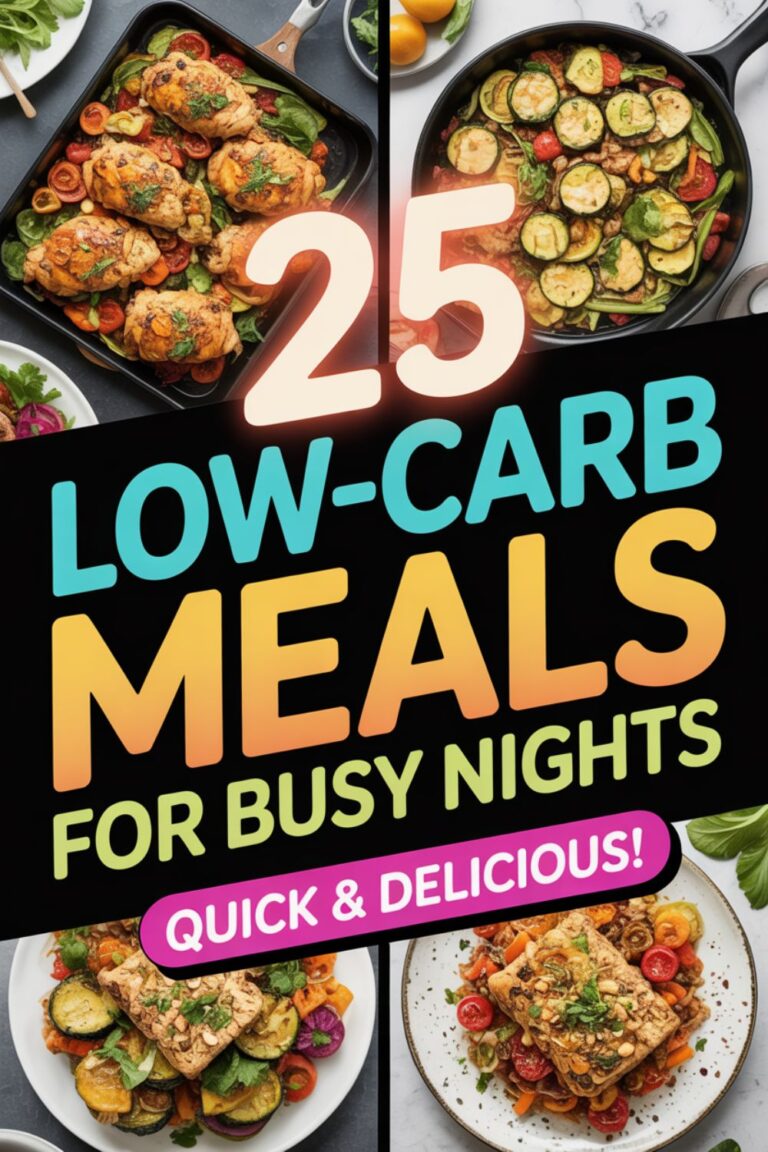
- 25 Low-Carb Meal Prep Recipes for Busy Weeks Full meal plan with batch-cook instructions for all skill levels.
- 21 Low-Carb Dinners That Actually Taste Delicious Weeknight-friendly, quick, and genuinely satisfying.
- 30-Day Anti-Inflammatory Meal Plan for Women A full month of low-carb, anti-inflammatory eating with shopping lists included.
Making Low-Carb Cooking Look Expensive (Without Spending More)
Presentation is a skill, but it’s also a completely learnable one. The single biggest upgrade you can make is to stop piling food in the center of the plate and start thinking about height, contrast, and negative space. A single scallop placed on a smear of pea puree with three pieces of pancetta arranged deliberately looks like restaurant food. The exact same ingredients dumped into a bowl look like lunch.
Color contrast matters enormously. A monochrome plate — beige protein on beige sauce — reads as uninspired no matter how good it tastes. Add something green (herbs, dressed greens, a pea puree), something with brightness (lemon zest, microgreens, sliced radish), and something with texture contrast (toasted nuts, crispy skin, scattered seeds). Suddenly the same recipe looks completely different.
Sauce placement is the secret nobody talks about. Instead of pouring sauce over the protein, spoon a stripe or pool of sauce on the plate first, then place the protein on top or alongside it. This is one of the simplest techniques from professional kitchens, and it makes an enormous visual difference without changing the flavor at all.
Tools & Resources That Make Cooking Easier
The stuff that actually lives in my kitchen and saves real time — not a sponsored roundup, just honest recommendations.
Physical Tools Worth Having
- Silicone Baking Mat (2-pack) Use it for roasting vegetables, baking almond crackers, anything. Zero sticking, zero scrubbing.
- Instant-Read Digital Meat Thermometer Backlit display, three-second readings. Completely eliminates guesswork on protein doneness.
- Mandoline Slicer with Safety Guard Uniform cucumber ribbons, paper-thin fennel, consistent vegetable prep in a fraction of the time.
Digital Resources
- 23 Low-Carb Recipes Under 30 Minutes Quick, no-fuss recipes with real flavor — ideal for busy weeknights.
- 25 Clean Eating Keto Recipes That Actually Taste Amazing Whole ingredient, deeply satisfying keto recipes for everyday cooking.
- 21 Low-Carb Comfort Foods That Feel Like Cheat Meals For those nights when you want to feel completely unrestricted — without actually being unrestricted.
The Real Reason These Recipes Work (Beyond Just Looking Good)
There’s a good reason that low-carb cooking has sustained serious popularity for decades now — and it’s not just aesthetic. According to the Mayo Clinic, low-carb diets built around healthy protein and fat sources can meaningfully reduce the risk of type 2 diabetes, metabolic syndrome, and certain cardiovascular risk factors. The food in this article isn’t just pretty — it’s working for your body at the same time.
The additional protein and fat in these recipes also does something that starchy fillers can’t: they extend satiety. You stay fuller for longer, energy levels stabilize, and the classic mid-afternoon energy crash that follows a carb-heavy lunch largely disappears. This is the metabolic mechanism that makes low-carb eating genuinely sustainable, not just a trend.
It’s worth noting that not all fats are equal here. The recipes in this list lean heavily on olive oil and avocado oil — both rich in monounsaturated fats — along with the natural fats in fish, quality meat, and nuts. The difference between those sources and highly processed seed oils is meaningful, and it’s worth being intentional about which fats you’re bringing into your kitchen.
Almond flour and almond butter are nutritionally very different from their wheat and peanut counterparts, and not just in carb count. Almond flour is higher in vitamin E and magnesium; almond butter provides more monounsaturated fat and less inflammatory omega-6 than conventional peanut butter. Small swaps, real differences.
Frequently Asked Questions
Can low-carb recipes actually taste as good as regular food?
Yes — and in many cases, they taste better. Removing starchy filler forces you to build real flavor through quality fats, fresh herbs, good proteins, and bold sauces. The recipes in this list are regularly served to guests who have no idea they’re eating low-carb.
How many carbs are we actually talking about in these recipes?
Most of the recipes here fall between 5 and 15 grams of net carbs per serving, with several sitting below 8 grams. “Low-carb” generally refers to staying under 130 grams of carbs per day total — these recipes make that target very achievable without feeling restrictive.
What is the best low-carb substitute for pasta?
Zucchini noodles, spaghetti squash, and shirataki noodles are the most popular options. Zucchini noodles are the most versatile for saucy dishes; spaghetti squash works best for baked applications; shirataki noodles are almost zero-calorie and ideal in Asian-style soups and stir-fries.
Are these recipes suitable for meal prep?
Many of them are excellent for meal prep — particularly the stuffed peppers, walnut-crusted chicken thighs, roasted mushrooms, and soups. The sauces (romesco, tzatziki, miso butter) all keep well for up to five days and dramatically simplify weeknight cooking. For a full structured approach, see the 25 low-carb meal prep recipes for busy weeks.
Can I follow these recipes if I’m not strictly keto?
Absolutely. These recipes work whether you’re strictly keto, loosely low-carb, or simply trying to eat fewer processed carbohydrates. None of them require tracking macros to enjoy — they’re just good, well-constructed food that happens to be low in refined carbohydrates.
Start Cooking Fancy
Low-carb eating doesn’t have to be a compromise. It doesn’t have to feel like you’re eating the side dish while everyone else gets the main event. The 27 recipes in this list — from herb-crusted salmon to dark chocolate avocado mousse — prove that working within a low-carb framework can produce food that is genuinely impressive, deeply satisfying, and worthy of sharing.
Pick two or three that appeal to you most and start there. Build the pantry basics. Invest in a couple of tools that remove friction. Make the sauces ahead of time. Before long, low-carb cooking won’t feel like a discipline — it’ll just be how you cook, because the food is that good.
Your next dinner party menu is already here. All you need now is a good bottle of wine and someone worth cooking for.