27 Low-Carb Spring Desserts Without Sugar That Actually Taste Like a Treat
Let’s be real for a second: most “sugar-free spring desserts” on the internet taste like something you’d scrape off a wellness retreat tray and politely leave behind. Chalky, weirdly gummy, vaguely sad. You deserve better than that, and so do your tastebuds.
I spent a solid chunk of early spring testing low-carb desserts that actually hold up — ones that taste light, seasonal, and genuinely indulgent without a single teaspoon of refined sugar involved. The 27 recipes in this list use smart swaps: almond flour, monk fruit sweetener, coconut cream, and fresh spring produce that’s at its absolute peak right now. The result? Desserts that feel celebratory, not compromising.
Whether you’re eating low-carb for blood sugar balance, weight loss, or just because you’re tired of the 3 pm crash, these spring sweets have your back. Grab your mixing bowls and let’s get into it.
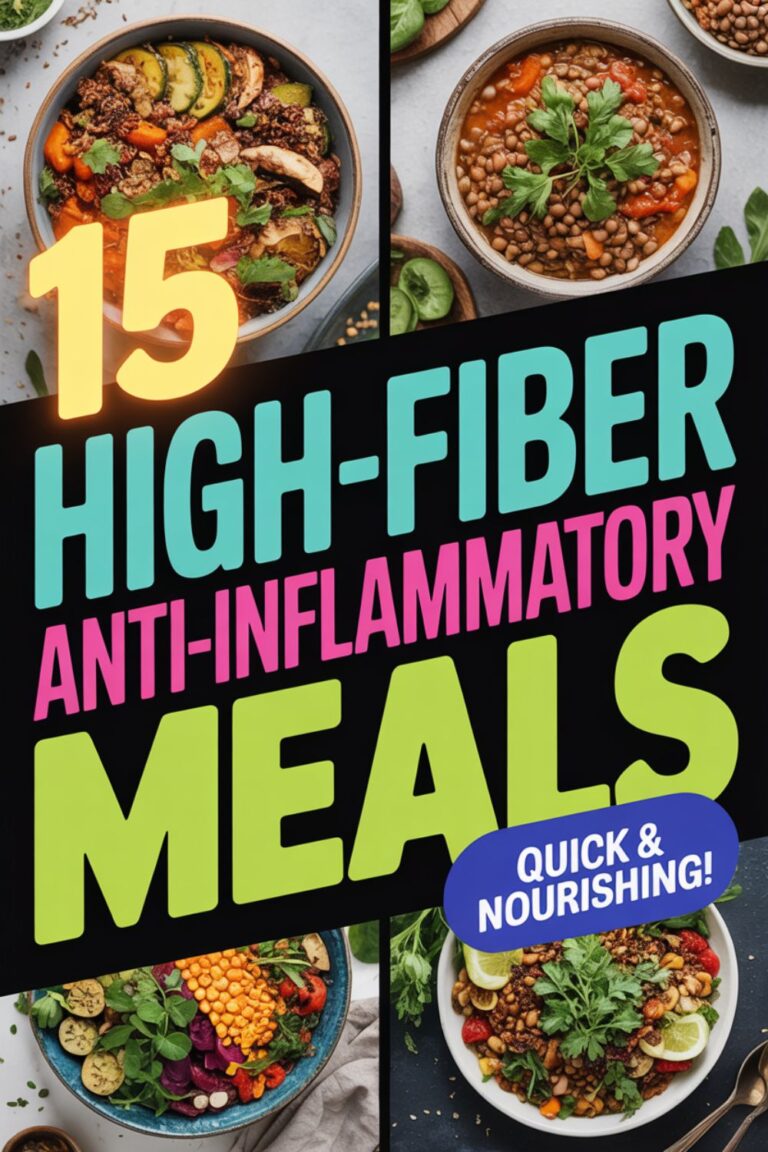
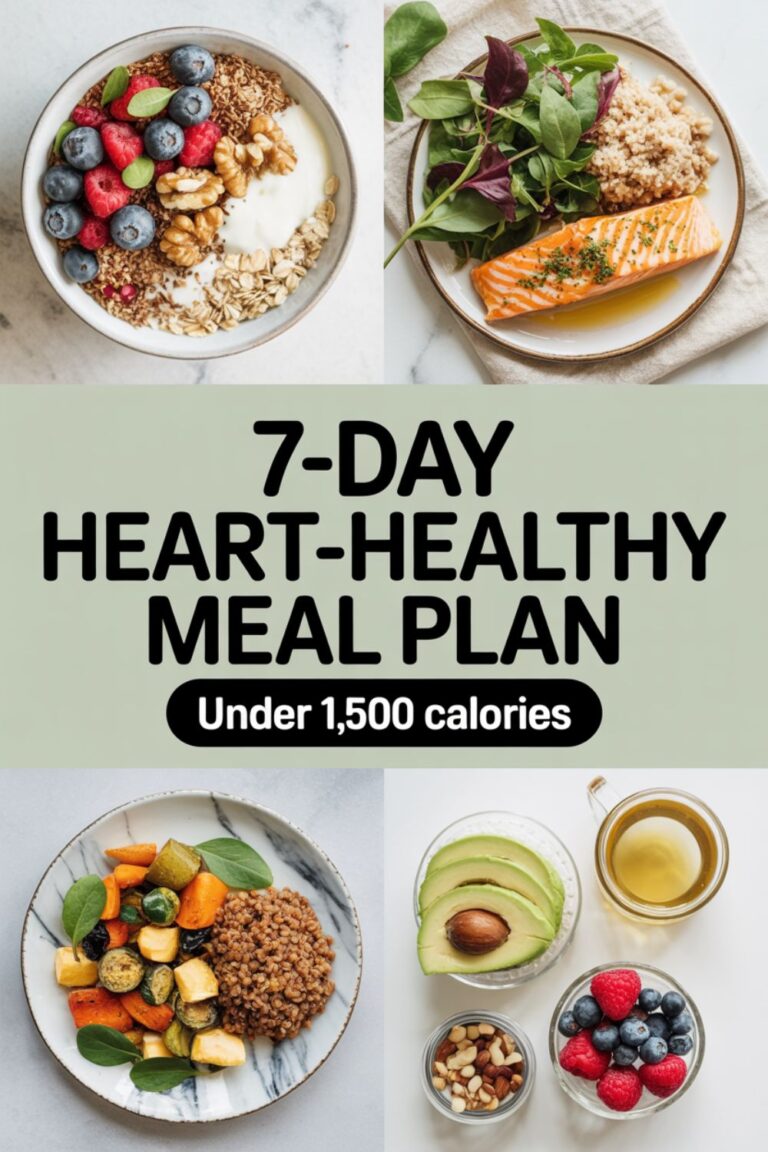
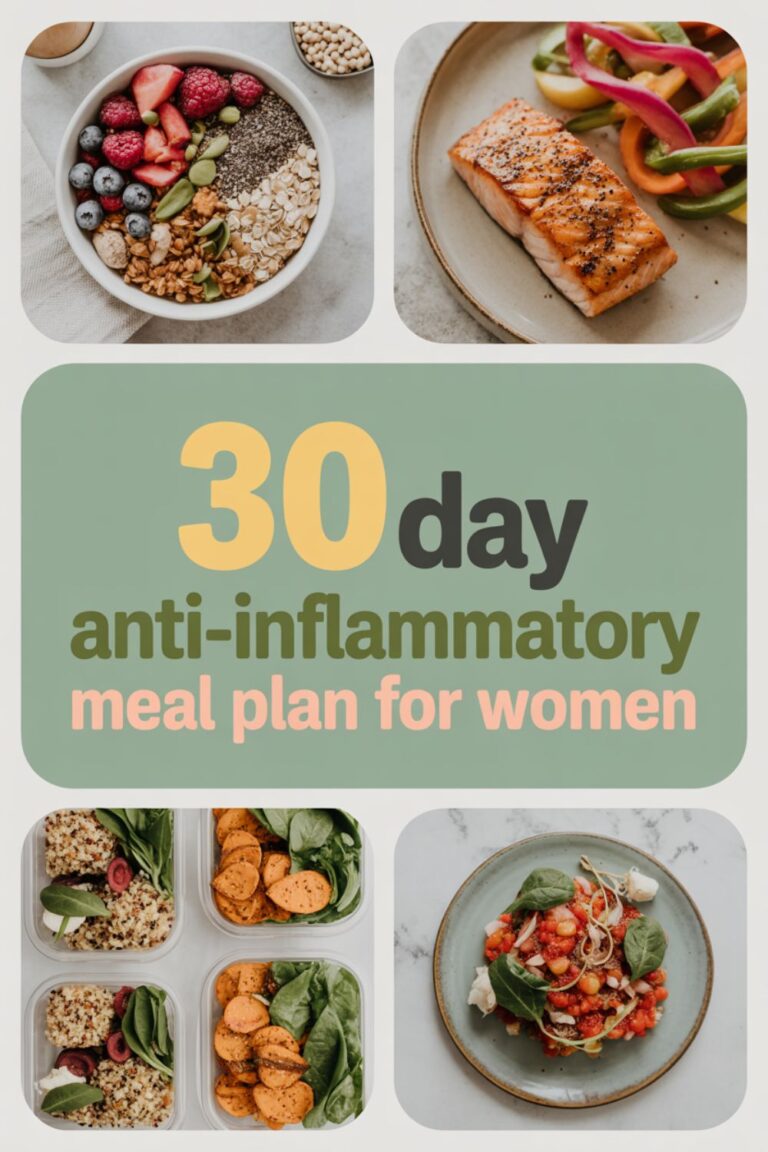
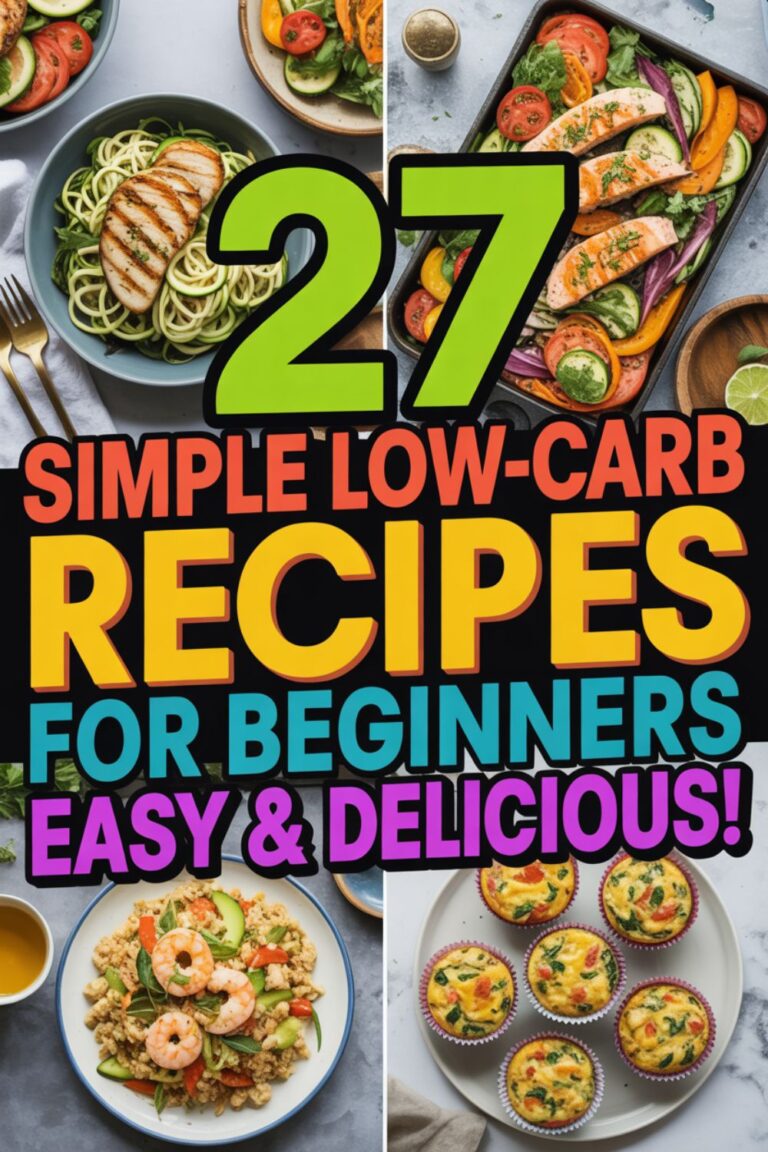
Overhead shot of a white marble countertop styled with six low-carb spring desserts: a pastel-pink strawberry panna cotta in a small glass jar, lemon almond flour tarts with a dusting of powdered erythritol, a slice of no-bake lime cheesecake on a rustic cream ceramic plate, a bowl of coconut cream mousse topped with fresh blueberries, a stack of dark chocolate keto bark studded with freeze-dried raspberries, and a ramekin of baked vanilla custard with a sprig of fresh mint. Scattered around the scene: a small bowl of monk fruit sweetener, a halved lemon, a handful of raw almonds, and pastel linen napkins in sage and blush. Warm, golden natural window light from the left. Soft shadows, slightly muted tones. Pinterest-optimized 2:3 vertical crop.
Why Spring Is the Best Season for Low-Carb Desserts
Spring produce is genuinely working in your favor here. Strawberries, lemons, limes, rhubarb, blueberries, raspberries — these are all low in net carbs, high in flavor, and naturally sweet enough to carry a dessert without needing a cup of sugar to prop them up. A perfectly ripe strawberry in May needs zero help. A lemon in March absolutely does not need to be buried under powdered sugar to be delicious.
Beyond produce, spring is psychologically perfect for a reset. You want things that feel fresh, not heavy. Light mousses over dense brownies. Chilled tarts over hot puddings. Bright citrus over winter spices. Low-carb baking leans naturally into that lightness, and when you pair it with spring ingredients, the results can genuinely surprise you.
According to Healthline’s breakdown of almond flour nutrition, almond flour contains just 3 net carbs per quarter cup compared to 23 in regular all-purpose flour — and it brings protein, healthy fats, and vitamin E along for the ride. That makes it the ideal base for spring tarts, cakes, and crumble toppings that actually nourish you while tasting like a splurge.
IMO, the real secret to low-carb spring desserts isn’t just cutting the sugar — it’s leaning into ingredients that are naturally doing the heavy lifting for you.
The Building Blocks of Great Low-Carb Spring Desserts
Before we run through the actual 27 recipes, it’s worth spending two minutes on the ingredients that make this whole project work. Because if you walk into this with the wrong sweetener or the wrong flour, you’ll end up with something that tastes like a science experiment. And nobody needs that.
Sweeteners That Actually Work
The sweetener question is genuinely the most important one. Your main choices are monk fruit sweetener, erythritol, and allulose — and each one behaves slightly differently in baking. Monk fruit is my personal favorite for anything chilled or no-bake because it dissolves cleanly and has zero bitter aftertaste. Erythritol crystallizes when it cools, which makes it less ideal for custards but perfect for cookies and tart shells that you want a little crunch from.
If you want to go deeper on how these compare, the International Food Information Council’s guide to monk fruit sweeteners is one of the most thorough, science-backed resources I’ve found. Short version: monk fruit sweeteners are FDA-recognized as Generally Recognized As Safe, don’t affect blood glucose, and work reliably in most dessert applications.
You can swap monk fruit and erythritol in equal ratios to regular sugar in most recipes. A quality monk fruit and erythritol blend is something I keep in stock year-round at this point — it measures exactly like sugar, which saves so much mental math when adapting recipes.
Flours That Keep Things Light
Blanched almond flour is your best friend for spring desserts because it produces a tender, slightly moist crumb that feels naturally springy rather than dense. Coconut flour works beautifully too, but use it at about a quarter of the volume you’d use almond flour — it absorbs liquid aggressively and will dry out your batter in a heartbeat if you overdo it. For ultra-light textures like génoise-style cakes, a small amount of tapioca starch blended with almond flour bridges the gap nicely.
I keep a fine-blanched almond flour that I order online in bulk because the texture genuinely makes a difference in delicate desserts. The grocery store bagged versions vary wildly — some are coarse and produce gritty results, especially in panna cottas and custards.
The Dairy and Dairy-Free Question
Most of these 27 recipes work beautifully with full-fat coconut cream as a dairy-free swap for heavy whipping cream. The fat content is similar, and coconut cream whips up almost identically in chilled desserts. If you’re dairy-free, just make sure you’re using the canned, full-fat version — not coconut milk, and definitely not the carton stuff. For cream cheese-based desserts, cashew cream cheese holds its own surprisingly well in no-bake cheesecakes, though the flavor is slightly more neutral than dairy.
Chill your coconut cream cans overnight before whipping. Cold fat separates from the liquid and whips up firm and airy — exactly what you need for mousse and no-bake cheesecake. Room-temperature cans produce a soupy mess.
27 Low-Carb Spring Desserts Without Sugar
Citrus and Berry Desserts (Recipes 1–9)
Spring citrus is criminally underused in low-carb baking. Lemons and limes bring brightness that sugar-free desserts desperately need — they mask any residual sweetener aftertaste and make every bite taste more vibrant. These first nine recipes lean hard into fresh berries and citrus at their seasonal peak.
1. Lemon Almond Flour Tarts with Monk Fruit Curd. A buttery almond flour shell filled with silky lemon curd made with eggs, lemon juice, butter, and monk fruit sweetener. These are the kind of thing you make and immediately feel smug about. Get Full Recipe — Get Full Recipe
2. Strawberry Panna Cotta Jars. Full-fat coconut cream, a little gelatin, vanilla, and monk fruit sweetener — topped with fresh strawberry compote. Three net carbs per jar. Make them the night before and feel absolutely together the next morning.
3. No-Bake Lime Cheesecake Cups. Cream cheese (or cashew cream), lime zest, monk fruit, and coconut cream whipped together in individual cups with a press-in almond flour and butter base. Chill for four hours and you’re done. Get Full Recipe
4. Raspberry Lemon Bars. Same shortbread base you’d use for classic lemon bars — just made with almond flour and erythritol. The filling is eggs, lemon juice, monk fruit, and a handful of fresh raspberries mashed in. Five net carbs per bar.
5. Blueberry Lavender Mousse. Whipped coconut cream folded with fresh blueberry puree and a pinch of culinary lavender. It sounds fancier than it is — this takes about twelve minutes to put together. The color alone is worth it.
6. Strawberry Shortcake with Almond Biscuits. Fluffy almond flour biscuits, fresh sliced strawberries, and whipped coconut cream. This is the dessert that will make your non-low-carb friends quietly question everything they thought they knew about “diet food.”
7. Lemon Poppy Seed Mug Cakes. Two minutes in the microwave, four net carbs. Almond flour, egg, butter, lemon zest, monk fruit, and a generous shower of poppy seeds. I make these on weekday nights when I want something sweet and don’t want to commit to an actual baking project.
8. Blueberry Almond Clafoutis. This French baked custard traditionally uses wheat flour, but it works beautifully with two tablespoons of almond flour instead. The result is custardy, jammy, and barely sweet — perfect with morning coffee or as a light dessert after dinner.
9. Raspberry Coconut Cream Pops. Pureed raspberries layered with sweetened coconut cream in popsicle molds. For these I use a set of reusable silicone popsicle molds that I’ve been reaching for every spring and summer for three years — they unmold perfectly every time without running water over them.
I made the lemon tarts and the no-bake lime cheesecake cups for my book club and nobody believed they were sugar-free. I’ve been low-carb for eight months and my A1C went from 6.4 to 5.7 — but the real win is finally having desserts I actually look forward to.
— Marisol T., Plan Pretty Plates Community MemberChocolate and Nut-Based Desserts (Recipes 10–18)
Spring doesn’t have to mean only fruit and flowers. These nine recipes bring the richness — chocolate bark, nut clusters, brownie bites — but keep the carb count low enough that they fit comfortably into a blood-sugar-friendly eating pattern. For a deeper look at blood-sugar-conscious eating, the 30-Day Blood Sugar Balance Plan pairs brilliantly with these dessert ideas if you’re looking to structure your whole approach.
10. Dark Chocolate Raspberry Bark. 90% dark chocolate melted, spread thin, topped with freeze-dried raspberries and a sprinkle of flaky sea salt. Chill until set. Four ingredients. Two net carbs per piece. Make it on a silicone baking mat — zero sticking, zero scrubbing, and it peels off in clean sheets.
11. Chocolate Almond Flour Brownies. Dense, fudgy, barely-sweet brownies made with almond flour, cocoa powder, eggs, butter, and monk fruit sweetener. These are the brownies that made me genuinely stop missing regular ones. Get Full Recipe — Get Full Recipe
12. Pistachio and Rose Water Fat Bombs. Cream cheese, crushed pistachios, a drop of rose water, and powdered erythritol rolled into small balls and chilled. Perfect for after-dinner sweetness that clocks in at one net carb per piece.
13. Toasted Walnut Chocolate Clusters. Dark chocolate melted and spooned over toasted walnut halves. That’s it. The toasting makes the walnuts taste richer and slightly caramelized without adding any sugar. I do mine in a small countertop toaster oven — better heat control than a stovetop pan and the walnuts come out evenly golden every time.
14. Almond Butter Cups. Think the classic peanut butter cup — but with almond butter and dark chocolate shells made in a silicone mold. Almond butter has a slightly lower sugar content than peanut butter and a more complex, buttery flavor that works even better in chocolate cups, honestly.
15. Chocolate Chia Seed Pudding. Full-fat coconut milk, chia seeds, cocoa powder, vanilla, and monk fruit sweetener. Stir, refrigerate overnight, and wake up to a chocolate pudding that has more fiber than a bowl of oatmeal and a glycemic impact of essentially zero.
16. Tahini Dark Chocolate Truffles. Tahini, coconut flour, monk fruit, and cocoa powder rolled into balls and dipped in melted dark chocolate. The tahini gives these a slightly savory depth that makes the chocolate taste more complex. They’re the kind of thing you bring to a gathering and watch disappear before the cheese board.
17. Hazelnut Praline Bark. Toasted hazelnuts, dark chocolate, and a drizzle of erythritol melted with butter to create a low-carb praline effect. Not perfectly caramelized like the real thing — but honestly close enough that no one at my table noticed.
18. Coconut Flour Chocolate Chip Cookies. Small-batch cookies made with coconut flour, eggs, butter, sugar-free chocolate chips, and monk fruit. Coconut flour cookies come out naturally chewier and softer than almond flour ones — if you like a chewy cookie, lean into this one.
Batch-prep chocolate bark in ten minutes on Sunday and break it into pieces for the week. It stores in the fridge for ten days and satisfies a chocolate craving in seconds without any impulse decision-making required.
Chilled, Creamy, and No-Bake Desserts (Recipes 19–27)
These last nine recipes are the ones I reach for most often in spring — no oven required, minimal dishes, and they somehow feel more elegant than baked goods at a table. Chilled desserts highlight the freshness of spring ingredients better than anything else, and they’re forgiving: most can be made two days ahead.
19. Vanilla Bean Coconut Custard. Coconut cream, egg yolks, monk fruit sweetener, and real vanilla bean. Baked in ramekins in a water bath. The custard that people expect to be complicated but takes about eight minutes to prepare before the oven does all the work.
20. Matcha White Chocolate Mousse. Whipped coconut cream, a teaspoon of matcha powder, and melted sugar-free white chocolate. If you’ve never had matcha mousse, prepare to add it to your permanent rotation. The slightly bitter, grassy flavor of good matcha against sweet coconut cream is genuinely addictive.
21. Strawberry Basil Sorbet. Frozen strawberries blended with fresh basil, lemon juice, and a tablespoon of erythritol in a food processor. The basil is the secret. It makes this taste like something from a restaurant patio, not a home blender. A high-speed blender with a tamper makes this genuinely smooth rather than icy.
22. Coconut Chia Fresca Cups. Chia seeds soaked in coconut water, layered with diced mango (use just two tablespoons per cup to keep net carbs under five), and topped with a squeeze of lime. These come together in five minutes and taste like a tropical vacation.
23. No-Bake Chocolate Mint Cheesecake Bars. Press-in almond flour base, peppermint-scented cream cheese filling, chocolate ganache on top. Chill until firm and slice. These are the bars that look professional and take about fifteen minutes of actual effort.
24. Lemon Curd Trifle with Coconut Cream. Layers of lemon curd, unsweetened coconut cream, and crumbled almond flour shortbread in individual glasses. Assembly desserts are the greatest invention in the history of desserts — you do everything separately, then just stack it. No skill required.
25. Avocado Chocolate Mousse. Ripe avocado, cocoa powder, monk fruit sweetener, coconut cream, and a pinch of sea salt blended until silky smooth. Before you make a face — try it. The avocado base gives this mousse a richness and creaminess that dairy-based versions struggle to match, and you absolutely cannot taste the avocado once the chocolate and sweetener are in there.
26. Rose Water Almond Panna Cotta. A light, floral panna cotta made with almond milk, a little gelatin, monk fruit sweetener, and rose water. Topped with crushed pistachios and a single dried rose petal. This one photographs beautifully and comes across as far more effort than it actually is. Serve it at a dinner party and accept all compliments graciously.
27. Chilled Rhubarb and Ginger Fool. Stewed rhubarb sweetened with erythritol and ginger folded into whipped coconut cream. Rhubarb is one of the most underused spring ingredients in low-carb cooking — it’s tart, complex, and stunning in color. It needs very little sweetener to taste balanced. For batch dessert prep, a good-quality glass food storage container set keeps these chilled desserts sealed and fresh in the fridge for up to four days.
The avocado chocolate mousse had me genuinely skeptical — and then I made it for my kids and they ate two servings each. I’ve shared it in three different Facebook groups since. We’re also doing the 21-day flat belly reset alongside these desserts and it’s been the most painless month of eating we’ve had as a family.
— Dana R., Plan Pretty Plates ReaderMeal Prep Essentials Used in This Plan
Everything that makes these spring desserts faster, cleaner, and honestly more fun to put together. No hard sell — just what’s actually sitting on my counter.
Physical Products
- Fine Blanched Almond Flour (5 lb bag) The texture difference between bargain almond flour and properly fine-blanched is night and day in delicate desserts like panna cottas and tarts.
- Monk Fruit and Erythritol Blend Sweetener 1:1 sugar replacement, clean sweet flavor, zero net carbs. This one is my everyday pantry staple for all low-carb baking and desserts.
- Silicone Popsicle Molds + Reusable Baking Mat Set Two tools that get used constantly in spring dessert prep — the molds for frozen treats, the mat for chocolate bark and cookies. Zero sticking on both.
Digital Products and Plans
- 14-Day Low Sugar Meal Plan for Balanced Energy Pair these desserts with a full eating structure that keeps your energy steady all day.
- 30-Day Blood Sugar Balance Plan The big-picture plan that puts low-carb dessert-friendly eating into a complete, sustainable structure.
- 21-Day Flat Belly Reset Plan Readers who pair this plan with low-carb spring eating consistently report better results and zero feelings of deprivation.
How to Adapt These Recipes for Different Dietary Needs
The beauty of low-carb spring desserts is how well they adapt. Almost every recipe in this list can be made fully dairy-free by swapping butter for coconut oil or vegan butter and using coconut cream in place of heavy cream. The texture shifts slightly — coconut cream produces a lighter, less rich result in custards — but the flavor comes through beautifully.
For nut-free adaptations, sunflower seed flour works as a one-to-one almond flour replacement in most recipes and produces a similar texture. The one thing to watch: sunflower seed flour reacts with baking powder to produce a greenish tint in baked goods. It doesn’t affect taste at all, but it can be startling if you’re not expecting it. Add a teaspoon of lemon juice to the batter to neutralize the reaction.
FYI — if you’re managing specific health goals like hormone balance or gut health alongside low-carb eating, the combination of these desserts with a structured meal plan tends to produce better results than desserts alone. The 7-Day Hormone Balancing Meal Plan for Women and the 14-Day Gut Reset Plan with 30-Minute Recipes both complement low-carb, sugar-free eating without any modification needed.
Tools and Resources That Make Cooking Easier
A short list of things that genuinely speed up low-carb dessert prep — shared friend-to-friend, not as a catalog.
Physical Tools
- High-Speed Blender with Tamper Essential for smooth sorbets, silky avocado mousse, and seamlessly blended chia puddings. The tamper matters — it pushes frozen fruit down without having to stop and stir.
- Glass Food Storage Container Set (10-piece) Chilled desserts need airtight storage. Glass keeps flavor clean, doesn’t absorb odors, and actually looks nice in the fridge which I realize is absurd but genuinely matters.
- Mini Silicone Tart and Truffle Molds Gives your panna cotta, almond butter cups, and individual tarts a polished, professional shape without any special skills. Unmold cleanly every time.
Digital Resources
- 25 Low-Carb Meal Prep Recipes for Busy Weeks Slot these spring desserts into a full low-carb prep schedule so nothing feels like an afterthought.
- 30 High-Protein Meal Prep Recipes Balance dessert macros by building high-protein meals around them — keeps blood sugar steady and stops the snack-cycle before it starts.
- Plan Pretty Plates Community (WhatsApp) Join a group of people actually cooking and eating low-carb together — swap recipes, ask questions, and share wins. Link available inside the meal plan downloads.
Make double batches of your base crusts and store them in the freezer. Press-in almond flour tart shells and cookie crusts freeze beautifully for up to a month — when dessert inspiration strikes mid-week, your prep is already halfway done.
Frequently Asked Questions
Can low-carb spring desserts actually satisfy a sugar craving?
Yes — if you use the right sweeteners and good-quality fat sources. The combination of monk fruit or erythritol with rich fats from coconut cream, almond flour, or dark chocolate creates genuine satisfaction rather than the flat, hollow sweetness you get from most sugar-free packaged products. The key is using real, whole-food ingredients rather than processed sugar-free substitutes.
What is the best sugar substitute for low-carb baking?
Monk fruit and erythritol blends perform best in most low-carb baking applications because they measure 1:1 like sugar, have no bitter aftertaste, and behave predictably in heat. For no-bake desserts, monk fruit alone dissolves cleanly. For baked goods where you want a slight crust or caramelization effect, a monk fruit and erythritol blend gives you the closest result to traditional sugar.
How many net carbs are in low-carb spring desserts without sugar?
Most of the recipes in this list fall between two and six net carbs per serving, with the chocolate and nut-based desserts typically on the lower end and fruit-forward desserts slightly higher due to natural fruit sugars. Checking net carbs (total carbs minus fiber minus sugar alcohols) rather than total carbs gives you a more accurate picture for blood sugar purposes.
Are these desserts suitable for people managing diabetes?
Most are designed to have a minimal impact on blood glucose — almond flour has a low glycemic index, and monk fruit and erythritol don’t raise blood sugar. However, individual responses vary, and it’s always worth monitoring your own blood glucose response after trying new foods. Pairing desserts with a protein-rich meal, as structured in the 30-Day Blood Sugar Balance Plan, further buffers any glycemic impact.
Can I make these desserts ahead of time for a spring gathering?
Almost all of them, yes. The chilled and no-bake desserts actually improve with an overnight rest — panna cottas set more firmly, cheesecake cups develop better flavor, and chocolate bark snaps more cleanly when it’s been cold for at least twelve hours. The oven-baked ones like brownies and cookies keep well in an airtight container for three to four days at room temperature.
The Bottom Line on Low-Carb Spring Desserts Without Sugar
Spring desserts without sugar don’t have to feel like a consolation prize. When you work with the right ingredients — fine almond flour, quality monk fruit sweetener, fresh seasonal fruit at peak ripeness, and good fat sources — the results taste genuinely celebratory.
These 27 recipes cover the full range from dead-simple five-minute no-bake cups to dinner-party-worthy panna cottas and layered trifles. Most are beginner-friendly. All of them are built around real, whole-food ingredients that happen to also be good for you — which means you’re not just satisfying a craving, you’re actually doing something nice for your body in the process.
Pick two or three recipes that caught your attention, make them this week, and see how your relationship with “sugar-free” changes. Chances are you’ll stop thinking of it as a restriction and start thinking of it as just how good spring desserts can taste.