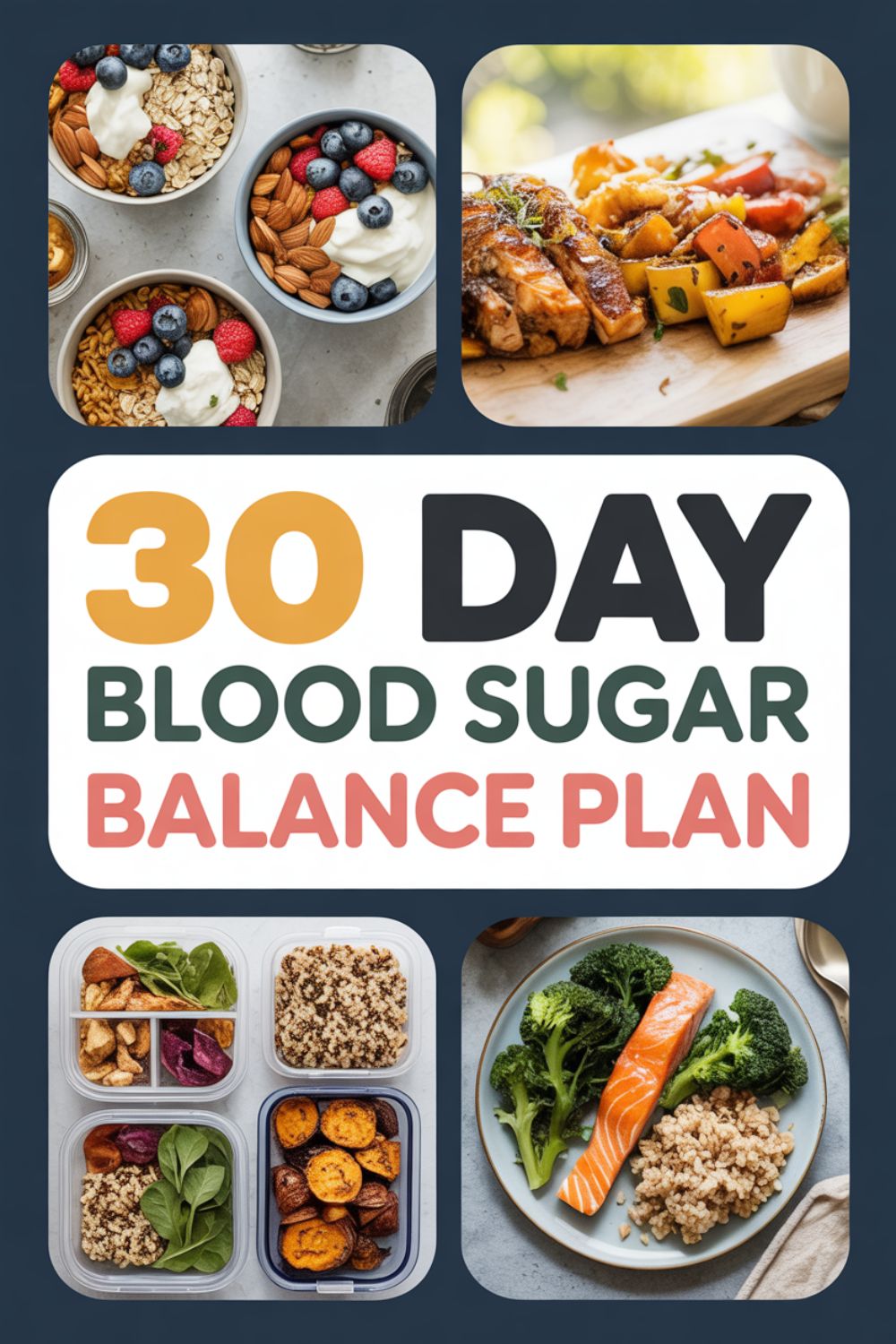
30-Day Blood Sugar Balance Plan
Look, I’m not going to pretend balancing blood sugar is some revolutionary concept that nobody’s heard of. But here’s the thing: most people treat it like this complicated medical puzzle when it’s actually more like learning to drive stick shift. Awkward at first, sure, but once you get the rhythm, it becomes second nature. I spent years riding the glucose rollercoaster—crashing hard at 3 PM, raiding the pantry at midnight, feeling like absolute garbage most mornings. Then I figured out this 30-day plan, and honestly? It changed everything.
Why Your Blood Sugar Actually Matters (And Not Just for Diabetics)
Here’s something most people don’t realize: you don’t need to have diabetes to suffer from wonky blood sugar. Every time your glucose levels spike and crash, your body goes through this internal panic. Your pancreas freaks out, pumps insulin, and suddenly you’re exhausted, hungry again, and probably a little cranky.
According to research from the National Institutes of Health, maintaining blood sugar between 70 and 180 mg/dL significantly improves overall health markers. But beyond the numbers, stable glucose means steady energy, better mood, clearer thinking, and way fewer cravings. It’s like switching from a flickering bulb to solid, consistent light.
The interesting thing is that your body becomes less responsive to insulin as the day progresses. That identical bowl of pasta you ate at lunch will hit different at dinner—usually harder. This is why nutrition experts often suggest front-loading your carbs earlier in the day and keeping evening meals lighter on starch.
The Foundation: Understanding What Actually Spikes Your Glucose
Not all carbs are created equal, which sounds obvious until you actually start paying attention. White bread, white rice, sugary drinks? They’re basically express tickets to Spike City. But sweet potatoes, steel-cut oats, and most whole fruits? They’re more like scenic routes—your blood sugar rises gently, stays manageable, and doesn’t leave you feeling wrecked an hour later.
The glycemic index is your friend here. Low-GI foods (55 or below) keep things stable. High-GI foods (70 and above) send your glucose soaring. The Harvard Health Publishing guidelines suggest building meals around vegetables, whole grains, legumes, and lean proteins—basically the stuff your grandmother probably told you to eat.
FYI, fiber is your secret weapon. It slows everything down in the best possible way—how fast starches break down, how quickly food leaves your stomach, how rapidly glucose enters your bloodstream. Aim for at least 50 grams daily if you can. Non-starchy vegetables like brussels sprouts, broccoli, asparagus, and leafy greens are your best friends here.
Pro Tip: Always combine your carbs with protein or fat. An apple by itself? Blood sugar spike. Apple with almond butter? Smooth, sustained energy. This simple pairing trick has saved me from countless afternoon crashes.
The Protein Priority
Protein doesn’t just build muscle—it stabilizes your blood sugar like nothing else. When you eat protein with carbs, it slows down digestion and prevents those sharp glucose spikes. I’m talking eggs, Greek yogurt, chicken, fish, tofu, lentils. The goal is getting some quality protein at every single meal.
My personal game-changer was starting every morning with eggs and vegetables. No more cereal-induced sugar crashes by 10 AM. I use this nonstick skillet almost daily—eggs slide right off, zero sticking, and cleanup takes like 30 seconds. Total upgrade from my old beat-up pan.
If you’re looking for solid breakfast inspiration that won’t spike your glucose, you need to check out these High-Protein Breakfast Bowls. They’re designed specifically for blood sugar stability and actually taste amazing.
Week 1: The Reset Phase
The first week is all about getting your body accustomed to stable fuel. No dramatic restrictions, just smarter timing and combinations. Start by eating within an hour of waking up—this signals your metabolism that it’s go-time and prevents that mid-morning crash.
Focus on building your plates using the diabetes plate method: fill half with non-starchy vegetables, one quarter with lean protein, and one quarter with complex carbs. It’s visual, simple, and you don’t need to count anything. The CDC’s diabetes meal planning guidelines recommend this approach for anyone trying to manage glucose levels.
During this first week, track how different foods make you feel. Not obsessively, just mentally note when you feel energized versus when you crash. You’ll start seeing patterns—maybe white rice destroys you but quinoa doesn’t, or perhaps dairy triggers cravings while nut milk doesn’t.
Essential Breakfast Formula
Breakfast sets the tone for your entire day’s blood sugar management. The winning formula: protein + healthy fat + fiber + minimal quick carbs. Think veggie omelets with avocado, Greek yogurt with nuts and berries, or savory oatmeal with eggs on top.
Get Full Recipe for my go-to Savory Quinoa Breakfast Bowl—it’s packed with vegetables, has 25g protein, and keeps me satisfied until lunch without any cravings.
“I started this plan expecting to hate it, honestly. But after just 10 days, my afternoon energy crashes completely disappeared. I’m sleeping better, I’m not constantly thinking about food, and I dropped 8 pounds without even trying. Sarah from our community tried this and lost 15 pounds in 3 months while stabilizing her pre-diabetes numbers.”
Week 2: Building the Habit Loop
By week two, you’re not just following rules—you’re developing actual habits. Your body starts expecting regular meal times, your cravings begin to shift, and that 3 PM sugar desperation becomes way less intense.
This is when meal prep becomes your superpower. Spending 2-3 hours on Sunday prepping proteins, chopping vegetables, and cooking grains means you’re not making poor decisions when you’re hungry and tired on Wednesday night. I use these glass meal prep containers because they’re microwave-safe, don’t stain, and I can see exactly what’s inside without opening them.
Lunch is where most people stumble. Office cafeterias, takeout temptations, skipping meals entirely—it’s a minefield. Your best defense is having ready-to-go options. These Make-Ahead Lunch Bowls and 15-Minute Balanced Meals have literally saved my weekday sanity.
Meal Prep Essentials Used in This Plan
- Glass Meal Prep Containers Set – Portion-controlled, stackable, and dishwasher safe. Makes batch cooking actually sustainable.
- Digital Kitchen Scale – Helps you understand proper portions without obsessing. Game-changer for protein measurements.
- Insulated Lunch Bag – Keeps prepped meals fresh until lunchtime. No more sad, warm salads.
- 30-Day Blood Sugar Balance Meal Plan PDF – Complete shopping lists, meal schedules, and prep guides
- Low-GI Food Swaps Cheat Sheet – Quick reference for making smarter substitutions
- Blood Sugar Tracking Journal – Printable log to identify your personal triggers
- Join Our WhatsApp Community – Daily tips, recipe shares, and accountability with others on the same journey
Snack Strategies That Actually Work
Forget the notion that snacking is bad. Sometimes you need that bridge between meals, especially if you work out or have a long gap between lunch and dinner. The trick is choosing snacks that combine protein, fat, and fiber.
My rotation: apple with almond butter, carrots with hummus, a handful of nuts with berries, or Greek yogurt with hemp seeds. These combinations keep your blood sugar level and actually satisfy you. None of that eating-a-granola-bar-and-being-hungry-20-minutes-later nonsense.
Speaking of smart snacking, these Protein-Packed Energy Balls are incredible for afternoon slumps, and this 5-Minute Hummus Recipe is cheaper and tastier than store-bought versions.
Quick Win: Keep emergency snacks in your desk, car, and bag. A small bag of raw almonds or single-serve nut butter packets can prevent poor decisions when you’re starving and surrounded by vending machines.
Week 3: Fine-Tuning and Personalization
By now, you’ve got the basics down. Week three is about discovering what works specifically for your body. Maybe you tolerate brown rice fine but need to limit fruit. Maybe you do better with six small meals than three larger ones. This is detective work, and you’re the only one who can solve it.
Pay attention to your dinner timing. Research shows that eating your last meal earlier—say 6 or 7 PM instead of 9 PM—can significantly improve your overnight blood sugar levels and morning glucose readings. Your body’s insulin sensitivity drops as the day progresses, so that late-night pasta hits different than lunchtime pasta.
Also, don’t underestimate movement. A 15-minute walk after meals—especially dinner—can lower post-meal glucose spikes by up to 30%. You don’t need to run a marathon. Just get moving. I keep comfortable walking shoes by the door as a visual reminder.
The Power of Food Pairing
Here’s where things get interesting. Certain food combinations are better at moderating blood sugar than others. Adding vinegar (like in salad dressing) before or with a meal can reduce glucose spikes. Starting with vegetables before carbs can slow digestion. Ending with protein instead of starting with it can improve satiety.
The Mediterranean diet nails this naturally—olive oil, fish, lots of vegetables, moderate whole grains, minimal processed stuff. Studies from the National Center for Biotechnology Information consistently show that Mediterranean-style eating patterns improve glycemic control and cardiovascular markers.
If you’re drawn to Mediterranean flavors, you’ll love this Sheet Pan Mediterranean Chicken and this Greek-Style Lentil Salad. Both are ridiculously flavorful and fit perfectly into blood sugar-friendly eating.
Week 4: Making It Sustainable
The final week isn’t about perfection—it’s about building a system you can actually maintain. Life happens. You’ll have birthday parties, work dinners, vacations, days when you just don’t feel like cooking. The goal is making blood sugar management your default, not your occasional thing.
One strategy that works: the 80/20 rule. If 80% of your meals follow blood sugar-friendly principles, the other 20% won’t derail you. Have the cake at your kid’s birthday. Enjoy the pizza on Friday night. Just don’t make it every meal, and try to bookend indulgences with movement and hydration.
Meal planning becomes non-negotiable for sustainability. I spend about 30 minutes every Saturday planning the week ahead—not fancy meal prep, just knowing what we’re eating when. It eliminates decision fatigue and prevents the “screw it, let’s order takeout” moments that used to sabotage me.
Hydration and Sleep: The Forgotten Players
Dehydration can actually increase blood sugar levels. Your kidneys need water to flush excess glucose through urine. Aim for at least 8 glasses daily, more if you’re active. I keep a 32-ounce water bottle on my desk and make it a game to finish it twice during work hours.
Sleep deprivation absolutely wrecks insulin sensitivity. One night of poor sleep can make your cells 30% less responsive to insulin. Prioritize 7-8 hours. I know, easier said than done, but it genuinely matters. Poor sleep also triggers stress hormones that raise blood sugar, creating this ugly cycle.
Tools & Resources That Make Cooking Easier
- Instant Pot Pressure Cooker – Turns dried beans into dinner in 30 minutes. Absolute workhorse for batch cooking grains and proteins.
- Vegetable Spiralizer – Makes vegetable noodles that actually satisfy pasta cravings without the glucose spike.
- Immersion Blender – Perfect for making veggie-packed soups without dragging out the full blender. Quick cleanup, total convenience.
- Grocery Shopping Guide for Blood Sugar Balance – Master list of staples that keep glucose steady
- Restaurant Eating Strategy Guide – How to navigate menus without sabotaging progress
- Quick Recipe Substitution Chart – Swap higher-GI ingredients for lower-GI alternatives instantly
- Weekly Meal Planning Group – Get new meal plans every Sunday and share what worked for you
Common Mistakes I See People Make
The biggest mistake? Going too extreme too fast. Cutting out all carbs, eating nothing but chicken and broccoli, basically making yourself miserable. You’ll last maybe two weeks before face-planting into a pint of ice cream. Balance and sustainability beat perfection every time.
Another trap: thinking artificial sweeteners are a free pass. Some research suggests they might actually mess with your gut bacteria and insulin response. IMO, you’re better off gradually reducing your sweetness threshold than trying to hack it with substitutes. Your taste buds adapt faster than you’d think.
Also, don’t skip meals thinking it’ll help. It usually backfires. You end up ravenous, make poor choices, overeat, and create a bigger glucose spike than if you’d just eaten regularly. Consistent meal timing is genuinely important for blood sugar stability.
When to Adjust Your Approach
If you’re not seeing improvements after three weeks—better energy, reduced cravings, more stable mood—something needs tweaking. Maybe your portions are off, maybe you’re eating too late, maybe you need more protein or less hidden sugar. This is where tracking helps, even if it’s just casual observations.
Some people do better with lower carb intake, others need more carbs to feel good. There’s no universal prescription. The Mayo Clinic emphasizes personalization—what works for your coworker might not work for you, and that’s completely normal.
The Role of Stress and Exercise
Chronic stress absolutely tanks your blood sugar control. When you’re stressed, your body dumps cortisol and adrenaline, which signal your liver to release stored glucose. This made sense when stress meant running from predators. It makes less sense when stress means email overload, but your body doesn’t know the difference.
Movement is medicine here. Exercise increases your cells’ sensitivity to insulin, meaning they soak up glucose more efficiently. You don’t need to become a gym rat—just consistent movement. Walking, swimming, cycling, yoga, whatever you’ll actually do regularly.
High-intensity exercise can temporarily spike blood sugar as your body mobilizes energy, but over time, it improves your overall glucose management. The key is finding something sustainable. I do 20-minute strength sessions three times a week using adjustable dumbbells—nothing fancy, just consistent.
Pro Tip: If you’re dealing with stress-related glucose issues, try eating your largest meal when you’re most relaxed, usually not at dinner after a hectic workday. Front-load your calories when your body can actually process them calmly.
Eating Out Without Derailing Everything
Restaurants are landmines, but navigable ones. Start by checking menus online beforehand so you’re not making split-second decisions while starving. Look for grilled proteins, vegetable sides, salads with dressing on the side, and ask for substitutions—swap fries for vegetables, skip the bread basket, get sauce separately.
Portion sizes at restaurants are usually twice what you need. I automatically ask for a to-go box when the food arrives and immediately pack half. This removes temptation and gives me lunch for tomorrow. Two meals for one price, plus better blood sugar management.
For fast-casual places, build bowls or salads with maximum vegetables, a solid protein source, and go easy on grains and dressing. Chipotle, Sweetgreen, Mediterranean places—they all have options if you’re strategic about it.
Frequently Asked Questions
Do I need to completely eliminate sugar and carbs to balance blood sugar?
Absolutely not. This is probably the biggest misconception. You need carbohydrates for energy—your brain alone uses about 120 grams of glucose daily. The key is choosing complex carbs with fiber and pairing them with protein and healthy fats. Extreme restriction usually backfires, leading to cravings and eventual binges. Focus on quality and combinations rather than elimination.
How long before I notice improvements in my energy and cravings?
Most people report noticeable changes within 5-7 days—better energy, reduced afternoon crashes, fewer intense cravings. By two weeks, these improvements typically become more consistent. However, everyone’s starting point is different, so give it at least 14 days of consistent effort before evaluating whether the approach is working for you.
Can I follow this plan if I’m vegetarian or vegan?
Definitely. Plant-based proteins like lentils, chickpeas, tofu, tempeh, and quinoa work beautifully for blood sugar balance because they’re high in both protein and fiber. You might actually have an advantage since these foods have a lower glycemic impact than many animal proteins. Just make sure you’re getting enough protein overall—aim for 20-30 grams per meal.
What if I slip up and have a high-sugar meal? Is my progress ruined?
Not even close. One meal doesn’t undo consistent habits. If you do have something that spikes your blood sugar, go for a 15-20 minute walk afterward to help your muscles absorb that glucose. Then just get back to your regular eating pattern at your next meal. No guilt, no punishment, just consistency over time.
Should I be testing my blood sugar levels daily?
Unless you have diabetes or prediabetes, daily testing usually isn’t necessary. Focus on how you feel—energy levels, hunger patterns, mood stability, sleep quality. These are reliable indicators of blood sugar balance. If you want concrete data, consider testing occasionally after meals to see how specific foods affect you, but obsessive tracking often creates more stress than insight.
Your Next 30 Days Start Now
Here’s the honest truth: this plan isn’t magic, and it’s not particularly complicated. It’s just consistent, evidence-based choices repeated until they become automatic. Will you stumble? Probably. Will there be days you just don’t feel like meal prepping or want to eat the entire pizza? Sure. That’s being human.
The difference between people who succeed and those who don’t isn’t perfection—it’s persistence. It’s getting back on track after a rough day instead of throwing in the towel. It’s recognizing that blood sugar balance is a skill you’re building, not a test you’re taking.
Start with one thing. Maybe it’s eating protein at breakfast, or taking a 10-minute walk after dinner, or meal prepping on Sundays. Build from there. Small, consistent actions compound into significant changes faster than you’d think.
You’ve got this. And if you need support along the way, that’s what communities are for. Nobody does this stuff perfectly alone.
Similar Posts
21 Low-Carb Soups and Stews for Cozy Nights
21 Low-Carb Soups and Stews for Cozy Nights | Plan Pretty Plates 21 Low-Carb Soups and Stews for Cozy Nights Look, I’m not going to pretend that ditching carbs is easy when all you want is a giant bowl of pasta on a cold Tuesday night. But here’s the thing—you don’t have to sacrifice warmth,…
25 Clean Eating Keto Recipes That Actually Taste Amazing
25 Clean Eating Keto Recipes That Actually Taste Amazing 25 Clean Eating Keto Recipes That Actually Taste Amazing Look, I get it. You want to eat clean, stick to keto, and not feel like you’re chewing on cardboard for the rest of your life. The struggle between wanting butter-laden comfort food and keeping your macros…