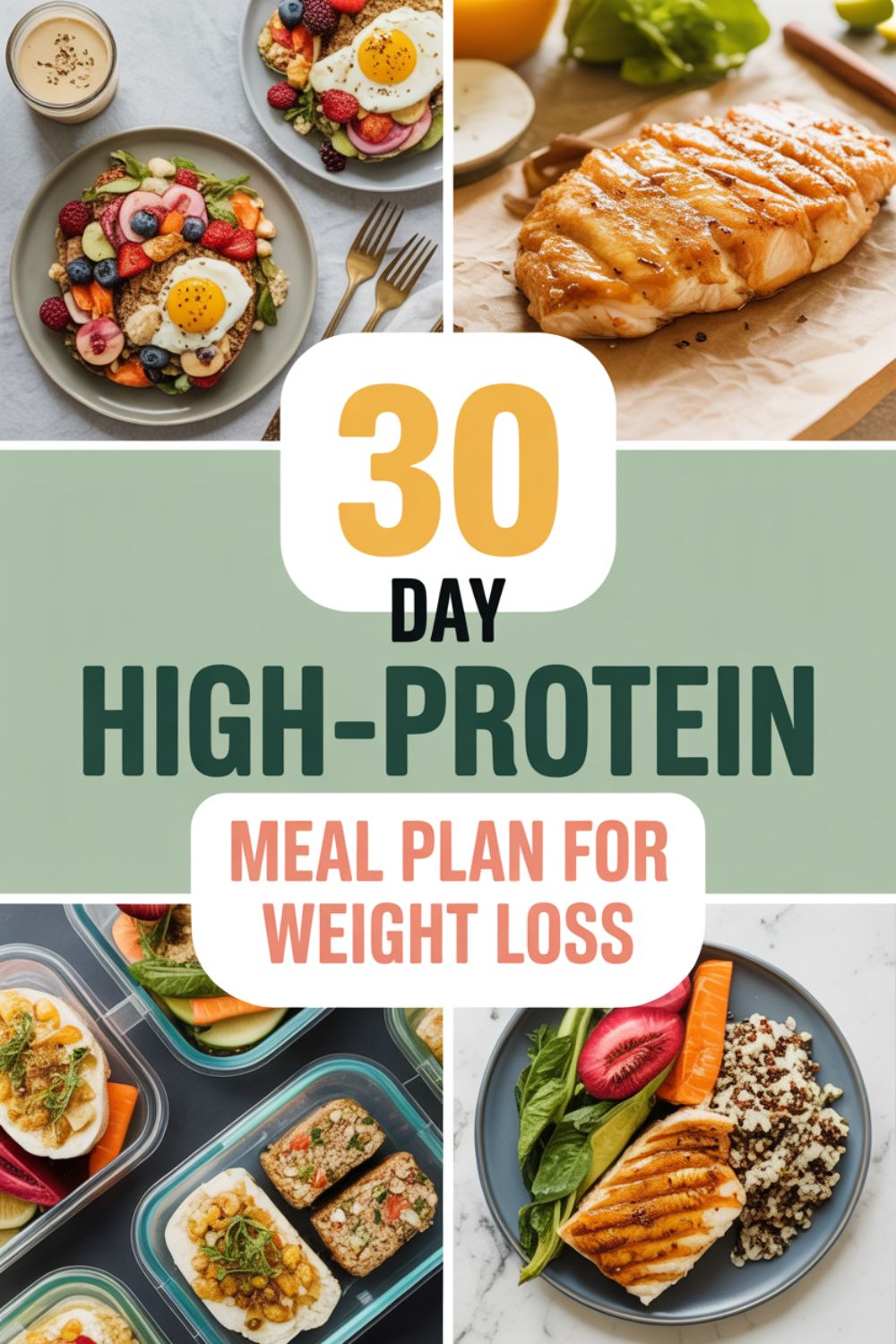
30-Day High-Protein Meal Plan for Weight Loss
I’m not gonna lie and say this is some revolutionary secret the fitness industry doesn’t want you to know. According to Mayo Clinic, higher protein intake has been studied extensively for weight management. But what I will tell you is this: a well-planned 30-day high-protein meal plan can genuinely transform how you approach food, weight loss, and overall health.
This isn’t about eating nothing but chicken breasts and protein shakes. We’re talking real food, actual flavors, and meals you’ll look forward to eating. Over the next 2,500 words, I’m breaking down exactly how to structure your month, what to eat, how to prep it, and the tools that’ll make this whole process way less painful than you’d think.
Why Protein Actually Works for Weight Loss
Before we dive into meal plans and recipes, let’s talk science for a second—but I promise to keep it painfully simple. Protein does three critical things that make it superior for weight loss compared to carb-heavy or fat-heavy approaches.
First, it keeps you satisfied. Research published in the Journal of Obesity & Metabolic Syndrome found that high-protein diets increase satiety hormones while decreasing hunger hormones. Translation? You actually feel full and stop thinking about food every thirty minutes.
Second, protein has a higher thermic effect than other macronutrients. Your body burns more calories just digesting protein compared to digesting carbs or fats. It’s like getting a tiny metabolic boost with every meal—not enough to transform your life overnight, but definitely enough to matter over 30 days.
Third, and this is huge: protein preserves lean muscle mass during weight loss. When you’re in a calorie deficit, your body will break down both fat and muscle for energy. But adequate protein intake signals your body to primarily burn fat stores while keeping your hard-earned muscle intact. More muscle means a higher resting metabolic rate, which means you burn more calories even while binge-watching Netflix.
Setting Up Your 30-Day Framework
Here’s where most meal plans fail: they try to give you every single meal mapped out for 30 days straight. That’s overwhelming, unrealistic, and frankly, boring as hell. Instead, I’m gonna show you how to build a flexible framework that you can adapt based on your preferences, schedule, and what’s actually available at your grocery store.
Week 1: The Foundation Phase
Your first week is all about establishing baseline habits and getting comfortable with protein-forward meals. Don’t try to be perfect—just focus on hitting your protein targets and noticing how different you feel.
Start your mornings with egg-based meals or Greek yogurt parfaits. A three-egg omelet with vegetables and cheese delivers around 20-25 grams of protein and keeps you satisfied until lunch. If you’re not an egg person, full-fat Greek yogurt (not the flavored, sugar-loaded kind) with berries and a quality granola works beautifully.
For lunch, think grain bowls with a serious protein component. Grilled chicken, shredded beef, or even canned tuna can transform a bowl of quinoa and vegetables into a legitimate meal. I’m personally obsessed with these glass meal prep containers because they don’t stain, don’t absorb smells, and you can see exactly what’s inside without opening them.
Dinner during Week 1 should be straightforward: pick a lean protein, add vegetables, maybe include a moderate portion of complex carbs. Sheet pan dinners are your friend here—throw everything on one pan, season it well, and let the oven do the work. Get Full Recipe for my go-to lemon herb chicken with roasted vegetables.
Speaking of protein sources, if you’re looking to mix things up beyond the usual suspects, try incorporating these high-protein breakfast options or these Mediterranean-inspired bowls that bring actual excitement to meal prep without requiring a culinary degree.
Week 2: Expanding Your Recipe Rotation
By Week 2, you’ve got the basics down. Now it’s time to introduce more variety so you don’t get bored and fall off the wagon. This is where batch cooking becomes essential.
Dedicate 2-3 hours on Sunday to prep proteins for the week. Grill a bunch of chicken breasts, bake some salmon fillets, and maybe slow-cook a pork shoulder or beef roast. Having these proteins ready to go means you’re never more than 10 minutes away from a solid meal.
I use this digital meat thermometer religiously because there’s nothing worse than dry, overcooked chicken that tastes like cardboard. Perfect temp every single time, and it takes all the guesswork out.
Mix up your vegetable game too. Roasted Brussels sprouts, sautéed spinach, grilled zucchini, steamed broccoli—having 3-4 different vegetable options prepped means you can create different “meals” from the same base proteins throughout the week.
Week 3: Fine-Tuning and Optimizing
You’re halfway through now, and you should be noticing real changes—not just on the scale, but in how you feel. Your energy levels should be more stable, cravings should be diminishing, and hopefully, your clothes are fitting a bit differently.
Week 3 is about optimization. Maybe you’ve noticed you get hungrier on workout days and need an extra snack. Maybe you’ve realized you actually love breakfast but could skip lunch and do a bigger dinner. Listen to your body and adjust accordingly. Get Full Recipe for protein-packed snack balls that work perfectly for those mid-afternoon moments.
This is also when I encourage people to experiment with less common protein sources. Ground turkey, cottage cheese (hear me out), tempeh if you’re into plant-based options, or even protein pasta can shake things up. Variety isn’t just the spice of life—it’s also what prevents you from rage-eating an entire pizza because you’re sick of chicken.
Meal Prep Essentials Used in This Plan
These are the tools and ingredients I actually use every single week. Not sponsored, just genuinely helpful stuff that makes high-protein meal prep way less annoying:
- Glass meal prep containers with compartments – Keeps everything fresh, prevents soggy situations, and you can microwave them safely
- High-quality protein powder (unflavored) – For smoothies, protein oatmeal, or mixing into Greek yogurt when you need a boost
- Kitchen scale – Not for obsessive measuring, but helpful when you’re first learning what appropriate portions look like
- Complete Meal Prep Guide PDF – My step-by-step visual guide for batch cooking proteins and organizing your fridge efficiently
- 30 High-Protein Recipes Bundle – Mix-and-match recipes with full nutritional breakdowns so you never get bored
- Weekly Grocery List Templates – Organized by protein source, makes shopping stupidly simple
Want ongoing support and meal ideas? Join our WhatsApp Meal Prep Community where we share weekly recipes, troubleshoot challenges, and celebrate wins together.
The Protein Sweet Spot: How Much Do You Really Need?
Conventional wisdom suggests 0.8 grams of protein per kilogram of body weight. For a 150-pound person, that’s about 54 grams per day. But here’s the thing: that’s the minimum to prevent deficiency, not the optimal amount for weight loss and muscle preservation.
For weight loss specifically, most research points to 1.2-1.6 grams per kilogram of body weight as the sweet spot. That same 150-pound person should aim for 80-110 grams of protein daily. Sounds like a lot? It’s really not when you structure your meals properly.
A typical day might look like this: Greek yogurt with protein powder for breakfast (30g), chicken salad for lunch (35g), salmon with quinoa for dinner (40g), and a protein snack somewhere in between (15g). That’s 120 grams without even trying that hard.
The beauty of spreading protein throughout the day is that Mayo Clinic Health System notes your body can only utilize about 25-40 grams of protein at once for muscle synthesis. Eating 100 grams in one sitting doesn’t give you superhuman gains—it just makes your kidneys work overtime.
Plant-Based Protein Options
Not everyone eats meat, and honestly, you don’t need to. Lentils, chickpeas, black beans, tofu, tempeh, and seitan are all excellent protein sources. The trick with plant proteins is combining different sources throughout the day to ensure you’re getting all essential amino acids.
A quinoa and black bean bowl with roasted vegetables and tahini dressing can easily hit 20-25 grams of protein. Add some hemp hearts or nutritional yeast (which tastes better than it sounds, I promise), and you’re pushing 30 grams.
The one area where plant-based eaters need to be strategic is supplementation. A good quality plant-based protein powder makes hitting your targets significantly easier, especially for breakfast smoothies or post-workout recovery.
Real Talk: What Actually Happens During Your 30 Days
Let me set realistic expectations because nobody benefits from Instagram-perfect transformation fantasies. Here’s what you can reasonably expect from 30 days of consistent high-protein eating:
Week 1: You might feel a bit weird as your body adjusts. If you’re coming from a high-carb diet, you might experience some initial fatigue or crankiness. Drink more water than you think you need—protein metabolism requires more hydration. You probably won’t see dramatic scale changes yet, but you’ll notice you’re less hungry between meals.
Week 2: Energy levels start stabilizing. You’ll probably notice you’re not experiencing the same 2 PM crash that used to send you searching for coffee and cookies. Your clothes might start fitting a tiny bit differently, especially around your midsection. The scale should start moving down, though remember that day-to-day fluctuations are normal and meaningless.
Week 3: This is where things get interesting. You’ve established real habits now, and meal prep feels less like a chore and more like routine. Cravings for sugar and processed foods should be significantly reduced. Most people report sleeping better at this point too—stable blood sugar means better sleep quality.
Week 4: You’re seeing consistent results now. Depending on your starting point and how strictly you’ve adhered to the plan, you could be down anywhere from 4-8 pounds. More importantly, you should feel considerably different—more energetic, more clear-headed, more in control of your food choices.
Meal Prep Strategies That Don’t Suck
Let’s be honest: meal prep can feel tedious and time-consuming if you approach it wrong. But it doesn’t have to involve spending your entire Sunday in the kitchen. Here’s how I make it painless.
The Two-Hour Power Session
Pick one day per week—doesn’t have to be Sunday, just whatever works for your schedule. In two focused hours, you can prep enough food to cover 80% of your meals for the week.
While the oven is preheating, get your proteins seasoned. I typically do chicken breasts with different spice blends (one batch with Italian seasoning, another with Mexican spices), salmon with lemon and dill, and maybe some ground turkey or beef seasoned for various applications.
Pop everything in the oven using these silicone baking mats (seriously, cleanup becomes a non-issue), then use the cooking time to prep your vegetables. Wash lettuce, chop peppers and cucumbers, roast a couple sheet pans of mixed vegetables, cook a big batch of quinoa or brown rice.
By the time everything comes out of the oven, you’ve got components ready to mix and match throughout the week. Monday might be chicken with roasted vegetables, Tuesday is salmon with quinoa and a side salad, Wednesday is a taco bowl with seasoned ground turkey. Same base ingredients, completely different meals.
The Breakfast Batch Method
I cannot stress this enough: having breakfast ready to grab eliminates so much morning decision fatigue and prevents drive-through disasters. Get Full Recipe for my famous make-ahead egg muffins that last all week in the fridge.
Overnight oats are another winner. Mix oats, protein powder, milk (dairy or plant-based), and whatever toppings you want in mason jars or these overnight oats containers. Make five at once, grab one each morning. Zero morning effort, maximum protein delivery.
For the grab-and-go crowd, protein smoothie packs are brilliant. Pre-portion frozen fruit, spinach, and protein powder into bags. In the morning, dump a bag in your blender with liquid, blend for 30 seconds, and you’re out the door with 25-30 grams of protein.
Need more breakfast inspiration? Check out these high-protein breakfast bowls and these savory breakfast options that’ll make you actually excited to wake up and eat.
Tools & Resources That Make Cooking Easier
I’m not gonna recommend a bunch of expensive gadgets you don’t need, but these few items genuinely make high-protein cooking faster and more enjoyable:
- Instant-read meat thermometer – Takes the guesswork out of cooking proteins perfectly every time
- Large cast iron skillet – For searing, roasting, and creating those restaurant-quality crusts on proteins
- Quality chef’s knife – Prep time gets cut in half when your knife actually works properly
- Protein Meal Planning App – Track your macros, plan your week, generate shopping lists automatically
- Quick & Easy Dinner Recipe Pack – 50 dinners that take 30 minutes or less from start to finish
- Meal Prep Masterclass Video Series – Watch over my shoulder as I prep an entire week of meals in real-time
Common Pitfalls and How to Avoid Them
I’ve seen people sabotage their high-protein meal plans in the same ways over and over. Learn from others’ mistakes so you don’t have to make them yourself.
Pitfall #1: Not Drinking Enough Water
Higher protein intake requires more water for proper metabolism and kidney function. If you’re not hydrating adequately, you’ll feel sluggish, potentially constipated, and might experience headaches. Aim for at least 80-100 ounces of water daily—more if you’re active or live in a hot climate.
I keep a 32-ounce water bottle at my desk and make sure I refill it at least three times throughout the day. Boring? Maybe. Effective? Absolutely.
Pitfall #2: Forgetting About Fiber
When people focus heavily on protein, they sometimes neglect vegetables and other fiber sources. This leads to digestive issues and generally feeling gross. Every meal should include vegetables—ideally filling half your plate.
If you’re struggling to get enough vegetables, smoothies are your secret weapon. A handful of spinach or kale in your morning smoothie adds fiber and nutrients without affecting the taste. You can also mix riced cauliflower into regular rice or quinoa—you get more volume with fewer calories and more nutrients.
Pitfall #3: Eating the Same Thing Every Single Day
Listen, I know meal prep often translates to eating identical meals for a week straight. But doing this for 30 days straight is a recipe for burnout and binge eating. Even if you’re using the same base proteins, vary your seasonings, sauces, and side dishes.
The same grilled chicken can become Italian with marinara and mozzarella, Mexican with salsa and avocado, Asian with teriyaki and sesame, or Greek with tzatziki and olives. Different flavors prevent food fatigue while keeping prep work minimal.
Beyond the Basics: Advanced Strategies
Once you’ve got your foundation solid, these advanced strategies can help you maximize results and make the process even smoother.
Strategic Carb Timing
Not all meals need equal amounts of carbohydrates. If you work out in the morning, having more carbs at breakfast makes sense—you need the energy. If you’re sedentary most of the day, save your carbs for around your workout or in the evening when they can support recovery and sleep.
This doesn’t mean going keto or eliminating carbs. It means being intentional about when you consume them for maximum benefit.
The 80/20 Approach
Aiming for perfection is how people burn out. Instead, aim for 80% adherence to your plan and allow 20% flexibility. This might mean one meal per week where you eat whatever you want without overthinking it, or having a dessert when you’re out with friends.
The key is making sure that 20% flexibility doesn’t creep up to 50% or more. Plan it, enjoy it, then get back to your regular programming without guilt or compensation behaviors.
Protein Distribution Matters
Rather than eating 100 grams of protein at dinner and barely any at breakfast, spread it evenly across 3-4 meals. Studies suggest consuming 25-30 grams per meal optimizes muscle protein synthesis and satiety hormones. This distribution keeps you satisfied all day rather than experiencing extreme hunger followed by uncomfortable fullness.
Looking for ways to boost protein across different meals? Try these protein-packed lunch ideas and these quick high-protein snacks that keep you satisfied between main meals.
Budget-Friendly Protein Sources
One myth I need to demolish: high-protein eating doesn’t require expensive organic grass-fed everything. You can absolutely do this on a reasonable budget if you’re strategic.
Eggs are probably the most cost-effective complete protein. A dozen eggs costs around $3-5 and provides 72 grams of protein. That’s less than 10 cents per gram of protein.
Canned tuna and salmon work perfectly for quick lunches. Yeah, fresh fish is great, but canned versions are nutritious, shelf-stable, and significantly cheaper.
Chicken thighs are usually cheaper than breasts and arguably taste better. They’re slightly higher in fat, but still fit perfectly into a high-protein meal plan.
Greek yogurt (buy the big tubs, not individual cups) is substantially cheaper per serving and incredibly versatile. Use it for breakfast parfaits, as a sour cream substitute, mixed with protein powder for a high-protein snack, or as a base for savory dips.
Plant-based proteins like beans, lentils, and chickpeas are dirt cheap and incredibly filling. A 1-pound bag of dried lentils costs about $2 and yields multiple servings with 15-20 grams of protein each.
Buy protein powder in bulk during sales. Cost per serving drops dramatically when you buy larger quantities. Look for unflavored options that you can add to various recipes beyond just shakes.
Frequently Asked Questions
Can I follow this meal plan if I’m vegetarian or vegan?
Absolutely. The protein targets remain the same, but you’ll rely more heavily on beans, lentils, tofu, tempeh, seitan, and plant-based protein powders. The framework works identically—you just swap the protein sources. Greek yogurt and eggs work for vegetarians, while vegans can use soy yogurt, nutritional yeast, and various plant proteins.
Will eating this much protein damage my kidneys?
For healthy individuals with normal kidney function, high protein intake has not been shown to cause kidney damage. Multiple studies confirm that protein intakes up to 2 grams per kilogram of body weight are safe for healthy adults. However, if you have pre-existing kidney issues, consult your doctor before making significant dietary changes.
How quickly will I see weight loss results?
Most people notice changes within the first two weeks, though initial weight loss includes water weight. Sustainable fat loss occurs at roughly 1-2 pounds per week. By the end of 30 days, losing 4-8 pounds is realistic and healthy. Remember, weight is just one metric—pay attention to how your clothes fit, your energy levels, and how you feel overall.
Do I need to take protein supplements or can I get enough from food alone?
Protein powder is a convenience tool, not a requirement. You can absolutely meet your protein targets through whole foods alone. However, protein powder makes certain situations easier—like quick breakfasts, post-workout recovery, or boosting the protein content of snacks. If you choose to use it, select a quality product with minimal additives and ingredients you recognize.
What if I mess up or have a bad day?
One meal, one day, or even one week doesn’t erase your progress. What matters is what you do consistently over time, not perfection every single day. If you have a higher-calorie day or miss your protein targets, simply resume your normal eating pattern at the next meal. No need for compensation, punishment, or dramatic restrictions. Progress isn’t linear, and that’s completely normal.
Wrapping This Up
Here’s the bottom line: a 30-day high-protein meal plan isn’t magic, but it is effective. It works because it addresses the fundamental issues most people face when trying to lose weight—constant hunger, energy crashes, and unsustainable restriction.
By prioritizing protein, planning your meals in advance, and giving yourself permission to be imperfect, you create a sustainable approach that can extend far beyond 30 days. This isn’t about becoming someone who eats only chicken and broccoli forever. It’s about learning how to structure meals that support your goals while still enjoying food and feeling satisfied.
The first week might feel awkward as you adjust. The second week you’ll find your rhythm. By week three, this becomes your new normal. And by day 30, you’ll have established habits that can genuinely change how you approach nutrition for the long term.
Start with where you are, not where you think you should be. Pick 3-4 recipes you genuinely enjoy, prep them on Sunday, and see how you feel after a week. Adjust as needed, add variety gradually, and remember that progress beats perfection every single time.
You’ve got this. Now go make it happen.