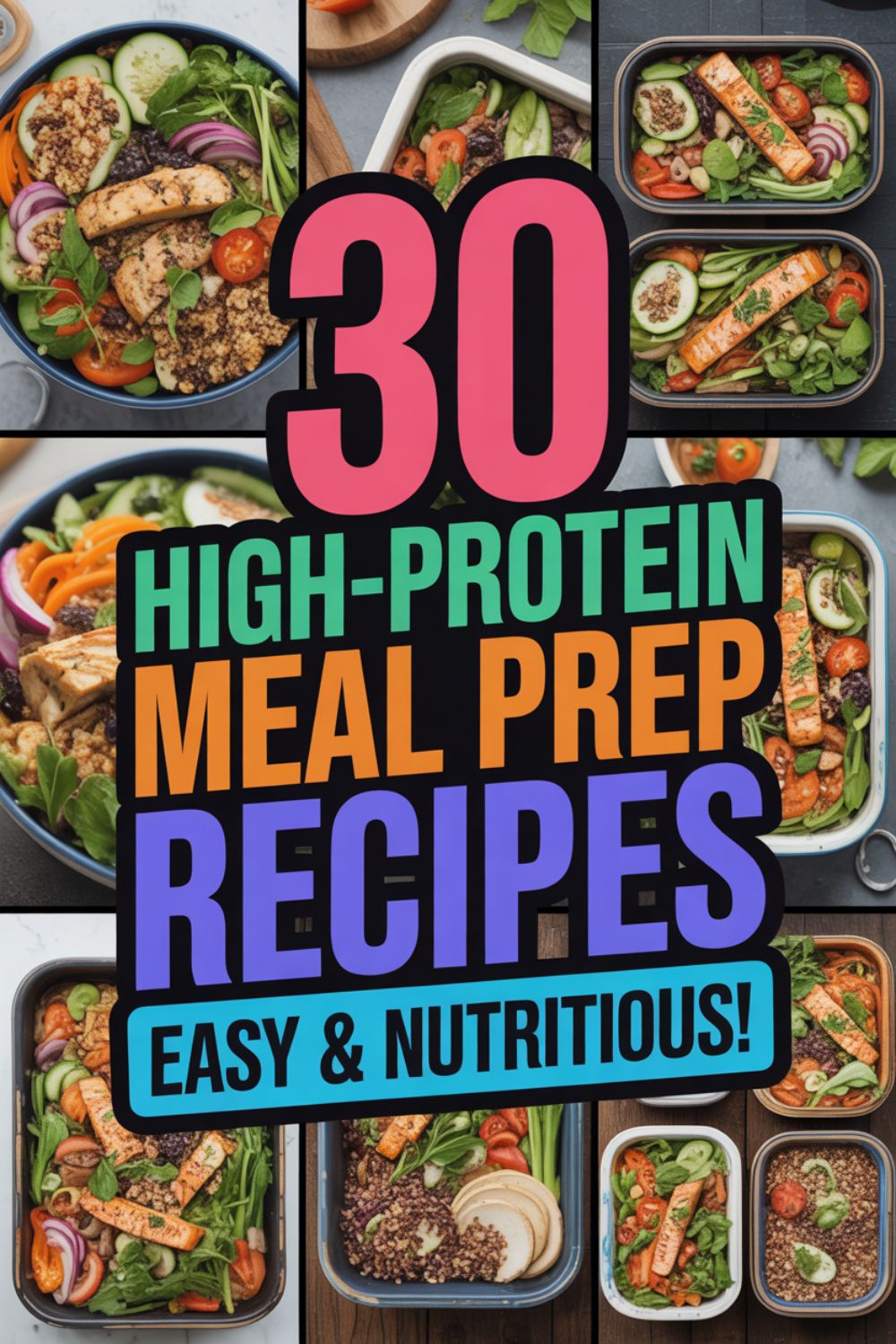
30 High-Protein Meal Prep Recipes
Look, I get it. You’re busy, you’re trying to eat better, and the last thing you want to do after a long day is stand in front of your fridge wondering what the heck to make for dinner. I’ve been there, staring at a sad bag of wilted spinach and a questionable container of leftovers from who-knows-when.
That’s exactly why I started meal prepping with high-protein recipes. Not because I suddenly became some sort of kitchen wizard, but because I was tired of ordering takeout three times a week and feeling like garbage. Protein keeps you full longer, helps build muscle, and honestly just makes you feel like you’ve got your life together—even if you’re still wearing yesterday’s sweatpants.
What I love most about high-protein meal prep is that it’s basically insurance against your future hangry self. When you’ve got a fridge full of ready-to-eat meals packed with protein, you’re way less likely to demolish an entire bag of chips at 3 PM or convince yourself that ordering pizza counts as “treating yourself.”
Why High-Protein Meal Prep Actually Works
Before we dive into the recipes, let’s talk about why protein is such a big deal. According to Harvard Health, the average person needs about 0.8 grams of protein per kilogram of body weight daily, but if you’re active or trying to build muscle, you might need closer to 1.2-1.7 grams per kilogram.
Here’s what I’ve noticed after months of prioritizing protein: I’m not constantly thinking about food anymore. That mid-afternoon slump where I used to raid the office snack drawer? Gone. My energy levels are more stable, and I’m actually building muscle instead of just showing up to the gym and hoping for the best.
Meal prep takes this to the next level because you’re removing all the decision fatigue. No more standing in front of your pantry at 7 PM trying to figure out what to eat. No more “I’ll just skip breakfast because I don’t have time.” Research from Harvard’s Nutrition Source shows that meal planning can help with weight control, save money, and contribute to a more balanced diet overall.
The Game Plan: How to Actually Make This Work
Alright, let’s get real about meal prep. If you’re picturing yourself spending six hours in the kitchen every Sunday cooking elaborate meals, stop right there. That’s not sustainable, and frankly, it’s not necessary.
My typical meal prep session takes about 2-3 hours, and that includes cleanup. The secret? Cooking multiple things simultaneously. While chicken breasts are baking in the oven, I’m cooking quinoa on the stovetop and chopping vegetables. It’s like a very delicious, high-protein assembly line.
You’ll want some decent storage containers—I learned this the hard way after ruining three shirts with mystery tupperware leaks. Glass meal prep containers with snap-lock lids are honestly worth every penny. They don’t stain, they don’t get funky smells, and you can see exactly what’s inside without playing refrigerator roulette.
Essential Tools That Actually Make a Difference
I used to think meal prep meant you needed some fancy kitchen arsenal, but really, you just need a few solid basics. A quality chef’s knife will change your life—I’m talking about the difference between spending 20 minutes hacking at vegetables versus gliding through them in five.
A sheet pan or two is non-negotiable. You can roast an entire week’s worth of chicken, vegetables, and sweet potatoes all at once. Throw some parchment paper down (or grab a reusable silicone baking mat) and cleanup becomes stupidly easy.
For the days when you’re feeling extra ambitious, a slow cooker or Instant Pot is basically a magic device. Dump everything in, walk away, come back to a week’s worth of shredded chicken or beef. It’s the closest thing to having a personal chef without actually paying for one.
30 High-Protein Recipes That Don’t Suck
Okay, here’s where we get into the good stuff. These aren’t those sad bodybuilder meals of plain chicken and brown rice (though hey, no judgment if that’s your thing). These are actual meals you’ll look forward to eating.
Breakfast Champions
1. Overnight Protein Oats with Berries
Mix rolled oats, protein powder, almond milk, chia seeds, and your favorite berries in mason jars. Seriously, it takes five minutes to make five days’ worth of breakfast. Get Full Recipe
2. Egg Muffin Cups
Whisk eggs with veggies, cheese, and cooked turkey sausage, pour into a muffin tin, and bake. These little protein bombs reheat perfectly and taste way better than they have any right to.
3. Greek Yogurt Parfait Prep
Layer Greek yogurt (the thick, protein-rich kind) with granola and fruit in containers. Keep the granola separate until you’re ready to eat unless you’re into soggy cereal vibes. Each parfait packs about 20 grams of protein.
4. Breakfast Burrito Bowls
Scrambled eggs, black beans, salsa, cheese, and avocado. All the good stuff from a breakfast burrito without the tortilla getting sad and soggy in the fridge. Pro move: add hot sauce right before eating.
5. Protein Pancake Stacks
Make a big batch of protein pancakes on Sunday, freeze them with parchment paper between each one, and reheat as needed. Game changer. I use a electric griddle to knock out like 20 pancakes at once.
If you’re looking for more morning inspiration, you might want to check out this 14-day high-protein meal plan for fat loss that has some killer breakfast options I rotate through regularly.
Lunch Power Moves
6. Grilled Chicken and Quinoa Bowls
This is my go-to. Season chicken breasts with literally anything (garlic powder, paprika, salt, pepper), grill or bake them, and pair with quinoa and roasted vegetables. Each bowl has about 40 grams of protein.
7. Tuna Salad Lettuce Wraps
Mix canned tuna with Greek yogurt instead of mayo, add diced celery and onion, and use butter lettuce as wraps. It’s like a tuna sandwich but without the bread food coma. Get Full Recipe
8. Turkey and Hummus Roll-Ups
Spread hummus on deli turkey slices, add cucumber and bell pepper strips, roll them up. These are stupidly simple but somehow always hit the spot. Keep them in the snack-sized containers for grab-and-go convenience.
9. Asian-Inspired Beef and Broccoli
Lean ground beef, tons of broccoli, soy sauce, ginger, and garlic served over brown rice. It tastes like takeout but won’t leave you feeling gross an hour later. Get Full Recipe
10. Salmon and Sweet Potato
Bake salmon fillets and cubed sweet potatoes on the same sheet pan. Seriously, one pan. Add some asparagus if you’re feeling fancy. Each serving delivers around 35 grams of protein plus all those omega-3s everyone’s always talking about.
Speaking of balanced approaches, I recently discovered this 7-day anti-inflammatory meal plan that pairs really well with high-protein eating. The recipes are clean, simple, and actually help with recovery if you’re working out regularly.
Dinner Winners
11. Slow Cooker Shredded Chicken
Chicken breasts, chicken broth, taco seasoning. That’s it. Eight hours later you have shredded chicken for tacos, salads, bowls, whatever. This is peak lazy meal prep and I’m here for it.
12. Turkey Meatball Marinara
Mix ground turkey with breadcrumbs, egg, Italian seasoning, and garlic. Roll into balls, bake, and store with marinara sauce. Pair with zucchini noodles or regular pasta. Get Full Recipe
13. Beef and Vegetable Stir Fry
Thin-sliced beef, bell peppers, snap peas, carrots, and a simple stir fry sauce. Use a large wok or skillet to cook everything in batches so it actually stir fries instead of steams.
14. Lemon Herb Chicken Thighs
Chicken thighs are cheaper than breasts and actually stay moist when you reheat them. Marinate in lemon juice, olive oil, and herbs, then bake. Serve with roasted Brussels sprouts and wild rice.
15. Pork Tenderloin with Green Beans
Pork tenderloin is criminally underrated for meal prep. Season it, roast it whole, slice it up throughout the week. Pairs perfectly with simple steamed or roasted green beans tossed in a little garlic.
Vegetarian High-Protein Options
16. Chickpea Buddha Bowls
Roasted chickpeas (toss them with olive oil and spices, roast until crispy), quinoa, tahini dressing, and whatever vegetables you’re feeling. Each bowl has about 15-18 grams of protein without any meat.
17. Lentil and Vegetable Soup
A big pot of lentil soup is basically protein-packed liquid gold. Cook once, eat all week. Add crusty bread if you’re not counting carbs too strictly. Get Full Recipe
18. Tofu Scramble Breakfast
Crumble firm tofu, season with turmeric and nutritional yeast, add vegetables. It’s surprisingly similar to scrambled eggs and packs about 20 grams of protein per serving.
19. Black Bean and Sweet Potato Bowls
Roasted sweet potato cubes, seasoned black beans, brown rice, avocado, and cilantro lime dressing. This is the kind of meal that makes you feel like you’ve got your life together.
20. Tempeh Stir Fry
Marinate tempeh in soy sauce and ginger, then cube it and stir fry with vegetables. Tempeh is fermented soybeans and it’s got about 20 grams of protein per cup. Yes, really.
Meal Prep Essentials Used in This Plan
Alright, let’s talk about the stuff that actually makes meal prep work. I’m not trying to sell you a bunch of garbage you don’t need, but there are a few things that genuinely make the process easier.
Physical Products That Earn Their Keep
- Set of glass meal prep containers – Get the ones with the snap-lock lids. Trust me on this. They stack nicely, you can see what’s inside, and they actually seal properly.
- Kitchen scale – If you’re trying to hit specific protein targets, a cheap digital scale takes the guesswork out. Mine cost like $15 and I use it constantly.
- Instant-read meat thermometer – Stop cutting into your chicken to see if it’s done. This little tool tells you exactly when your protein is perfectly cooked.
Digital Resources Worth Checking Out
- Meal Planning Template – Having a consistent system for planning your week makes everything easier. I keep mine on a simple spreadsheet, but there are fancy apps if that’s your thing.
- Macro Tracking App – Apps like MyFitnessPal or Cronometer help you track your protein intake without going crazy. You don’t have to obsess over every gram, but it’s useful to know if you’re actually hitting your targets.
- Recipe Organization System – Whether it’s a Pinterest board or a Google Doc, having all your go-to recipes in one place saves so much time when you’re planning your prep days.
Community Support
IMO, having people to share ideas with makes meal prep way more fun. I’m part of a few WhatsApp and Facebook groups where people share their weekly preps, swap recipes, and basically keep each other accountable. It’s like having workout buddies, but for cooking.
More Protein-Packed Meal Ideas
21. Protein-Packed Chili
Ground turkey or beef, three types of beans, tomatoes, spices. Make a huge batch and freeze half for later. Each bowl delivers about 30 grams of protein and tastes better every time you reheat it.
22. Cottage Cheese Bowls
Okay, hear me out. Cottage cheese got a bad rap for a while, but it’s making a comeback. Mix it with everything bagel seasoning and cherry tomatoes for a savory snack, or go sweet with berries and honey. Over 20 grams of protein per cup.
23. Grilled Shrimp and Zucchini
Shrimp cooks in like three minutes, which makes it perfect for meal prep. Season with Old Bay or cajun spices, pair with spiralized zucchini. Light, fresh, and about 25 grams of protein per serving. Get Full Recipe
24. Baked Cod with Roasted Vegetables
Cod is affordable and mild-flavored, so it takes on whatever seasonings you throw at it. Bake it with Mediterranean vegetables—bell peppers, onions, tomatoes, olives. Super clean eating that doesn’t taste like punishment.
25. Turkey and Vegetable Soup
Ground turkey, chicken broth, tons of vegetables, Italian herbs. It’s basically a hug in a bowl and each serving has around 20 grams of protein. Perfect for when you’re meal prepping in the fall or winter.
For those weeks when you want to really dial in your nutrition, I highly recommend checking out this 30-day high-protein meal plan for weight loss. It’s got a ton of variety and keeps things interesting.
Snack Attack
26. Protein Energy Balls
Mix protein powder, oats, peanut butter, honey, and chocolate chips. Roll into balls. Store in the fridge. Grab one when you need a quick protein hit. These are dangerous because they taste like cookie dough but they’re actually pretty healthy.
27. Edamame Snack Packs
Buy frozen edamame in pods, steam them in batches, portion them out with a little sea salt. Each cup has about 17 grams of protein and they’re weirdly addictive.
28. Hard-Boiled Egg Boxes
I know, I know, hard-boiled eggs are boring. But hear me out: make a dozen at once using a egg cooker (seriously life-changing), peel them, store them in the fridge. Add some everything bagel seasoning or hot sauce. Instant protein snack.
29. Beef Jerky Portions
Buy good quality jerky or make your own if you’re feeling ambitious. Portion it out into small bags. According to Mayo Clinic, spacing out your protein intake throughout the day is actually more effective than loading it all into one meal, so having these snacks ready to go is clutch.
30. Protein Smoothie Packs
Pre-portion your smoothie ingredients (frozen fruit, spinach, protein powder) into freezer bags. In the morning, dump one bag into the blender with your liquid of choice. Smoothie in 30 seconds. I use a personal blender that comes with travel cups so I literally make it and walk out the door.
Tools & Resources That Make Cooking Easier
Let’s be honest—the right tools make meal prep feel less like a chore and more like you’re running a very small, very efficient restaurant out of your kitchen.
Kitchen Gadgets Worth the Investment
- Quality knife sharpener – A sharp knife is safer and way more efficient than a dull one. This was one of those purchases where I immediately wondered why I’d suffered with crappy knives for so long.
- Large cutting board – Get one big enough that you’re not constantly shuffling things around. Bamboo or plastic, either works, just make sure it’s substantial.
- Slow cooker liners – If you use a slow cooker, these eliminate the worst part of cleanup. Some people say they’re wasteful, but I say my sanity is worth the 50 cents.
Apps and Digital Helpers
- Grocery Delivery Service – Using Instacart or similar services saves me probably two hours a week. I can meal plan, add ingredients to my cart, and boom—groceries show up. The delivery fee is totally worth it for the time saved.
- Timer Apps – When you’re cooking multiple things at once, keeping track of what needs to come out when gets complicated fast. I use a simple timer app with multiple alarms.
- Recipe Scaling Calculator – Most recipes serve 4-6 people. When you’re meal prepping for the week, you need to scale everything up. Having a calculator that does the math for you is a lifesaver.
Community and Accountability
FYI, the best resource I’ve found for staying consistent with meal prep is actually having people to share it with. Whether that’s a partner, roommate, or online community, having someone to share recipe ideas and meal prep wins (and fails) with makes the whole thing way more sustainable.
I’m part of a couple WhatsApp groups where we share our weekly meal preps, ask for recipe suggestions, and basically support each other. It’s weirdly motivating to see what everyone else is making.
Making It Work in Real Life
Here’s the thing about meal prep that nobody really talks about: it’s not always Instagram-perfect rainbow bowls arranged in pristine rows. Sometimes it’s throwing chicken and vegetables into containers at 10 PM on Sunday while binge-watching Netflix. And that’s totally fine.
The goal isn’t perfection. The goal is having food ready to go so you’re not ordering DoorDash four nights in a row or eating cereal for dinner (though sometimes cereal for dinner is exactly what you need, no judgment).
Start small. Pick one meal—let’s say lunch—and prep just that for the week. Get comfortable with the routine, figure out what works for your schedule, and then expand if you want to. Trying to meal prep every single meal right out of the gate is how you end up overwhelmed and giving up.
Some weeks I meal prep like a champion and have five beautifully organized containers lined up in my fridge. Other weeks I make a big batch of chili and call it a day. Both count. Both keep me from eating trash.
The recipes in this list are designed to be flexible. Don’t have broccoli? Use green beans. Chicken too expensive this week? Ground turkey works. The specific ingredients matter way less than having a plan and sticking to it.
One thing I’ve learned is that investing in good storage containers and a few quality cooking tools actually makes you more likely to stick with it. When meal prep is easy and the food stays fresh, you’re way more likely to keep doing it week after week.
If you want more structured guidance, this 21-day high-protein meal plan for lean muscle breaks everything down day by day, which can be super helpful when you’re first starting out.
The Protein Question Nobody Asks
How much protein do you actually need? It depends on what you’re trying to do. Cleveland Clinic recommends that active people aim for 1.2-1.7 grams per kilogram of body weight. For someone who weighs 150 pounds (68 kg), that’s about 80-115 grams of protein per day.
That might sound like a lot, but when you break it down across three meals and a couple snacks, it’s totally doable. A chicken breast at lunch (about 30g), Greek yogurt for breakfast (20g), salmon for dinner (25g), and some edamame as a snack (15g)—boom, you’re at 90 grams without even trying that hard.
The beauty of meal prep is you can actually calculate this stuff ahead of time instead of just hoping you’re getting enough protein. When everything’s already portioned and ready to go, hitting your targets becomes almost automatic.
For anyone curious about balancing protein with other nutritional goals, I found this 7-day blood sugar-friendly meal plan to be really helpful. It focuses on balanced macros while keeping energy stable throughout the day.
Real Talk About Meal Prep Failures
Let me tell you about the time I made two weeks’ worth of a “revolutionary” cauliflower rice bowl recipe I found online. By day three, I hated cauliflower rice with a burning passion. I ended up throwing most of it away and ordering pizza like a normal person who had learned absolutely nothing.
Here’s what I learned from that disaster: don’t prep two weeks of anything unless you know for sure you like it. Test recipes first. Make one serving, see if you actually enjoy eating it, then scale up. Revolutionary idea, right?
Also, variety matters. Making five days of the exact same meal sounds efficient, but by day four you’ll be eyeing that Chinese takeout menu pretty hard. I usually prep 2-3 different options so I have some choices throughout the week.
Another lesson: some foods just don’t meal prep well. Crispy things get soggy. Delicate greens get wilted and sad. Pasta gets weird and gummy. You learn these things through experience, usually by wasting food and feeling guilty about it.
The solution? Keep components separate when possible. Store your dressing on the side. Keep crispy toppings in a separate small container. Assemble things like wraps or bowls right before eating instead of three days ahead. A little extra assembly time is worth not eating sad, soggy food.
Seasonal Adjustments and Recipe Rotation
Your meal prep should probably look different in summer versus winter. In summer, I lean heavily on grilled proteins, cold grain salads, and lighter meals. Nobody wants to eat beef stew when it’s 90 degrees outside.
Winter meal prep is all about soups, stews, and warm bowls. That’s when the slow cooker really earns its place on the counter. Plus, these meals actually taste better after sitting in the fridge for a couple days as the flavors develop.
Rotating through different recipes keeps things interesting. I keep a list of about 15-20 go-to meals and cycle through them. When I get bored, I add a new recipe to test. Some become regulars, others get filed under “nice try but no thanks.”
The 14-day anti-inflammatory dinner plan has been great for switching things up when I feel like I’m in a rut. The recipes are different enough from my usual rotation that it feels fresh.
Related Recipes You’ll Love
Frequently Asked Questions
How long do meal prepped high-protein meals last in the fridge?
Most cooked proteins and assembled meals stay good for 3-4 days in the fridge. If you’re prepping for longer than that, freeze half your batch and thaw as needed. Fish is more delicate and is best eaten within 2 days. I usually prep Sunday and Wednesday to keep things fresh throughout the week.
Can I freeze meal prepped proteins?
Absolutely, and you should. Cooked chicken, ground meat, meatballs, and soups freeze beautifully for up to 3 months. The key is using airtight containers and labeling everything with the date. Pro tip: freeze proteins in portions you’ll actually use—don’t freeze a giant block of chicken that you’ll have to thaw all at once.
What if I get bored eating the same meals?
Prep components instead of complete meals. Cook a bunch of protein, grains, and roasted vegetables, then mix and match throughout the week with different sauces and seasonings. This gives you variety without actually cooking multiple different meals. Also, keep 2-3 different proteins in rotation so you’re not eating chicken five days straight.
How do I prevent meal prepped food from getting soggy?
Keep wet and dry components separate until you’re ready to eat. Store dressings, sauces, and any crispy toppings in small separate containers. If you’re packing salads, put the dressing on the bottom, then heartier vegetables, then greens on top. For bowls with rice or quinoa, slightly undercook the grains—they’ll finish cooking when you reheat.
Do I need to eat immediately after working out?
The “30-minute protein window” thing is mostly overblown. What matters more is your total daily protein intake. That said, having a meal ready to go post-workout is convenient and keeps you from making poor food choices when you’re exhausted and hungry. Just make sure you’re getting adequate protein throughout the day.
Final Thoughts (Without the Cheese)
Here’s the deal: high-protein meal prep isn’t some magic solution that’ll transform your life overnight. But it is one of those things that makes eating well significantly easier. And when eating well is easier, you actually do it consistently. And consistency is really what matters.
You don’t need to be perfect. You don’t need to prep seven days of meals every week. You don’t need to hit your protein target to the exact gram. You just need to do something that’s better than what you were doing before.
Maybe that’s prepping just your lunches. Maybe it’s making a big batch of protein on Sunday that you repurpose throughout the week. Maybe it’s keeping hard-boiled eggs and Greek yogurt stocked so you always have quick protein options. All of it counts.
The recipes and strategies in this guide are meant to give you options, not rules. Take what works, ignore what doesn’t, adjust based on your preferences and schedule. The best meal prep plan is the one you’ll actually stick with.
Start small, be consistent, and give yourself permission to adjust as you go. Your future self—the one who’s not ordering takeout at 9 PM or eating cereal straight from the box for dinner—will thank you.