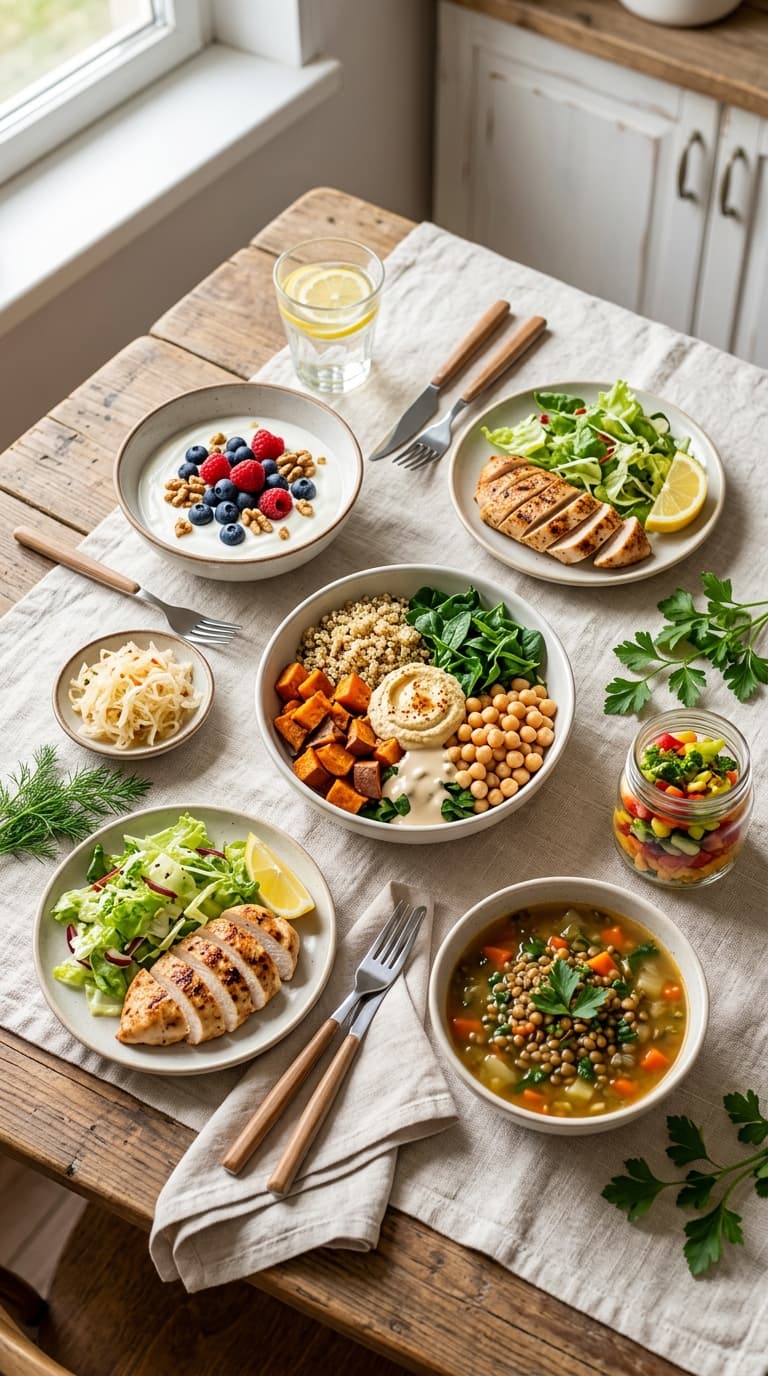
7-Day Anti-Inflammatory Meal Plan For PCOS You’ll Love
7-Day Anti-Inflammatory Meal Plan For PCOS You’ll Love
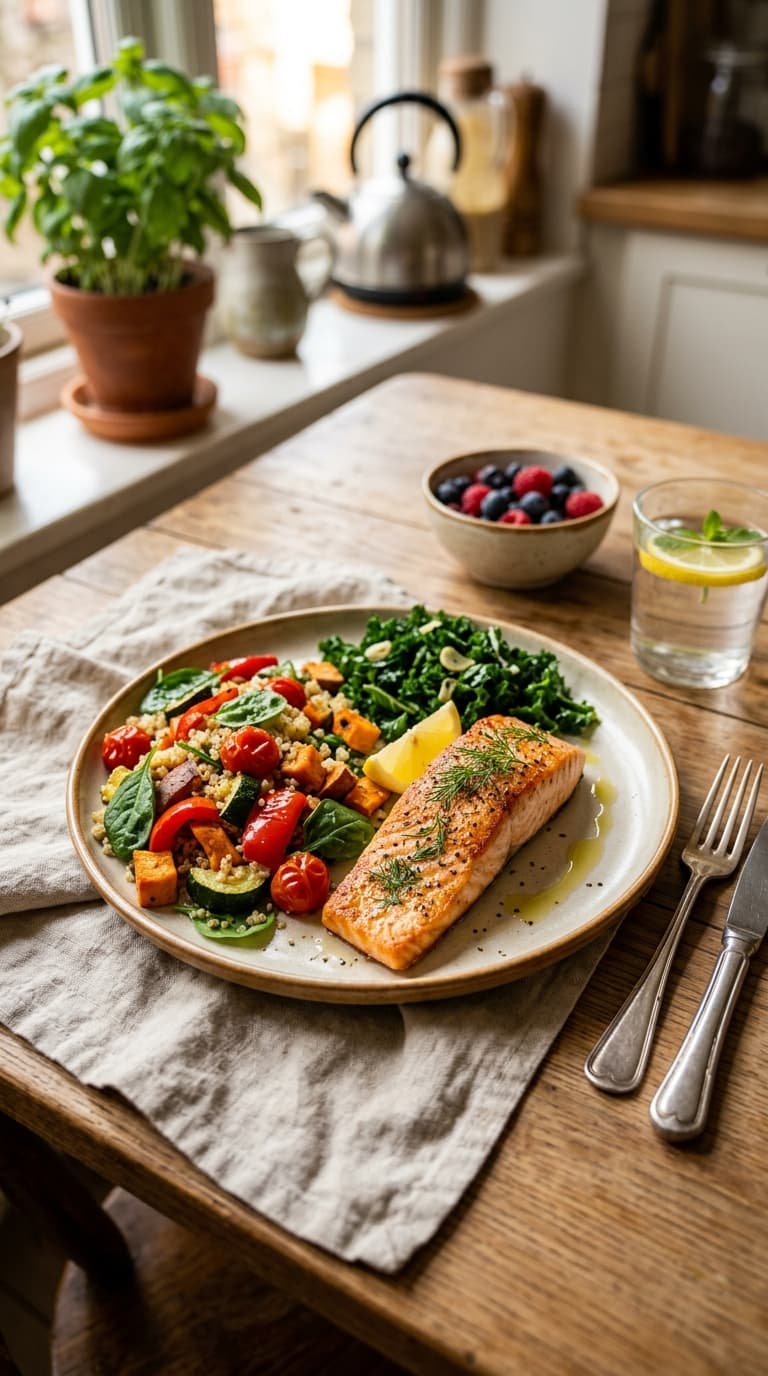
Let’s be real — managing PCOS feels like a full-time job nobody signed you up for. The hormonal chaos, the bloating, the cravings that hit at 11pm like clockwork… it’s a lot. But here’s the thing: what you eat genuinely changes how you feel with PCOS, and an anti-inflammatory approach might just be the game-changer you’ve been looking for. I put together this 7-day meal plan specifically for women with PCOS who are tired of generic “eat healthy” advice that doesn’t actually account for what’s happening in their bodies. Let’s get into it.
Why Inflammation Matters So Much With PCOS
PCOS and chronic low-grade inflammation basically go hand in hand. Studies consistently show that women with PCOS have higher levels of inflammatory markers in their blood, and that inflammation makes insulin resistance worse — which then fuels more androgen production, which makes your symptoms worse. It’s a brutal little cycle.
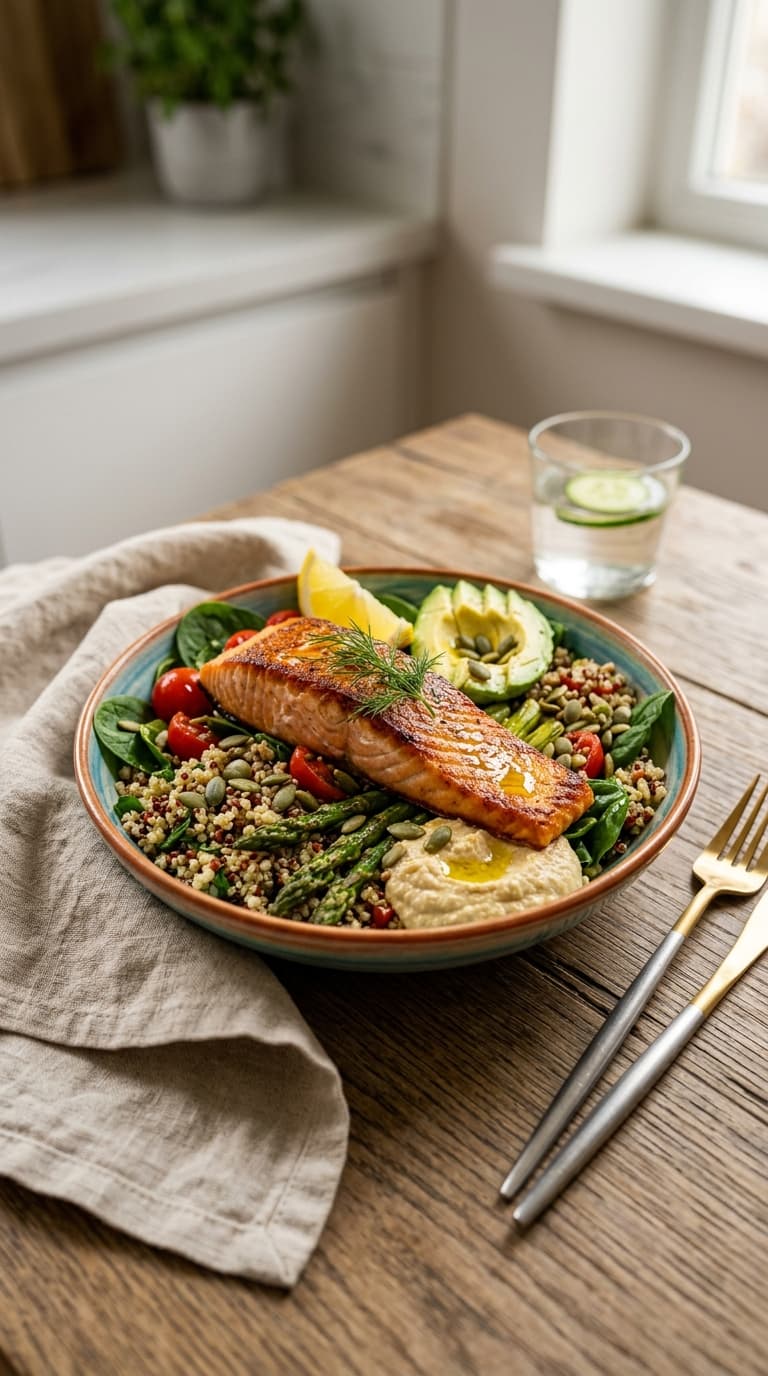
The good news? Food is one of the most powerful tools you have to interrupt that cycle. You don’t need a prescription for this one. Anti-inflammatory eating focuses on whole foods, healthy fats, fiber, and antioxidants that calm your immune system down and support hormone regulation.
If you’re also curious about how belly fat connects to inflammation, the 7-day anti-inflammatory meal plan to reduce belly fat is a brilliant companion read to this one.
What To Eat (And What To Skip)
Before we jump into the actual meal plan, let’s talk strategy. You don’t need to memorize a complicated rulebook. Just keep these principles in your back pocket.
Foods That Fight Inflammation
- Fatty fish (salmon, sardines, mackerel) — loaded with omega-3s
- Leafy greens (spinach, kale, arugula) — packed with magnesium, which many PCOS women are deficient in
- Berries — blueberries, strawberries, raspberries — antioxidant powerhouses
- Nuts and seeds (walnuts, flaxseeds, chia seeds) — anti-inflammatory fats plus fiber
- Olive oil — your new best friend in the kitchen
- Turmeric and ginger — don’t underestimate these spices
- Legumes — lentils, chickpeas, black beans for blood sugar stability
- Cruciferous vegetables — broccoli, cauliflower, Brussels sprouts for estrogen detoxification
Foods To Minimize
- Refined carbs (white bread, pasta, pastries) — they spike blood sugar fast
- Processed vegetable oils (canola, soybean) — pro-inflammatory
- Added sugars — the silent inflammation driver
- Dairy — some women with PCOS find it worsens acne and bloating (worth testing for yourself)
- Alcohol — stresses the liver, which is responsible for clearing excess hormones
FYI, cutting everything cold turkey rarely works long-term. Focus on crowding out the bad stuff by adding more of the good stuff instead. Much more sustainable. 🙂
The 7-Day Anti-Inflammatory PCOS Meal Plan
Here’s your full week. I’ve kept meals practical — nothing requires culinary school training or a two-hour prep session. Each day is designed to keep blood sugar stable, reduce inflammation, and support hormone balance simultaneously.
Day 1 — Monday: Start Strong
Breakfast: Turmeric scrambled eggs with spinach and avocado on one slice of sourdough
Lunch: Big Mediterranean salad with chickpeas, cucumber, olives, red onion, and a tahini-lemon dressing
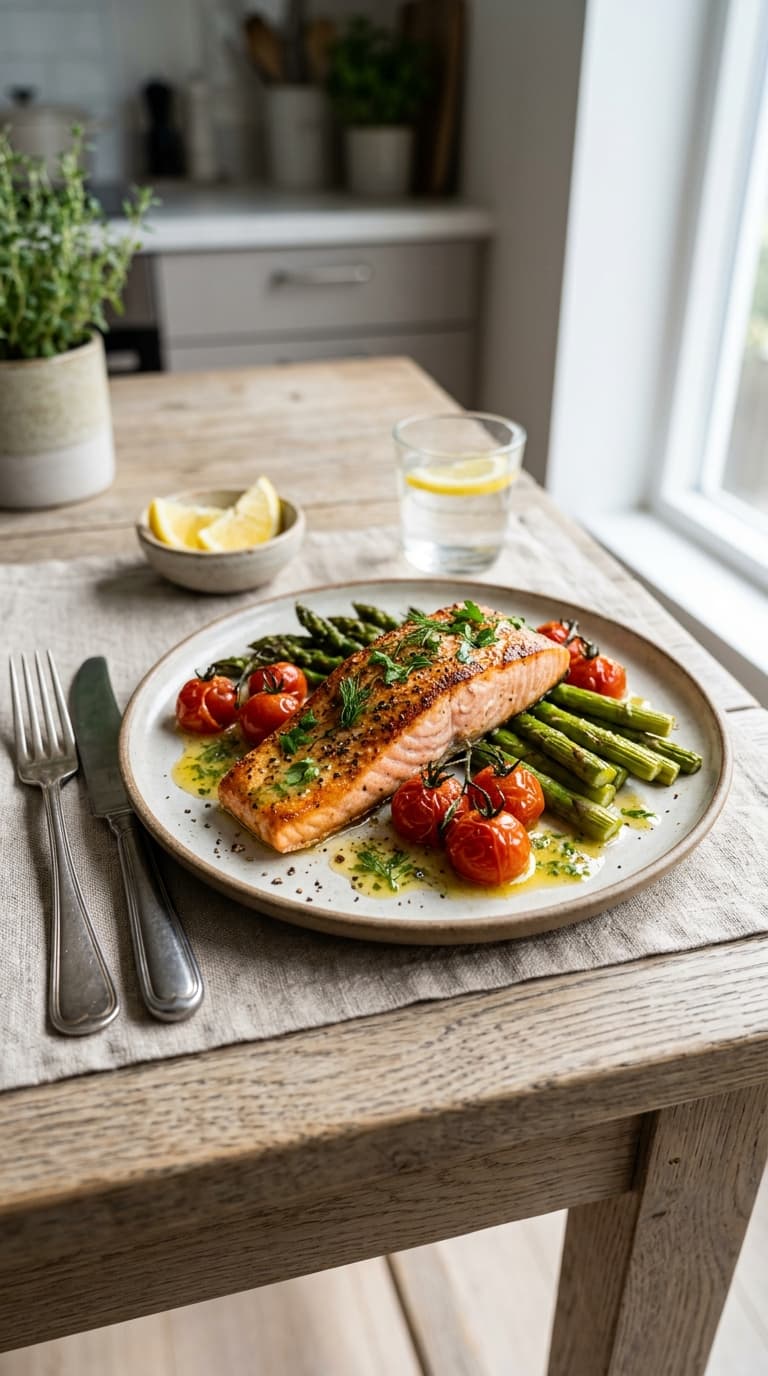
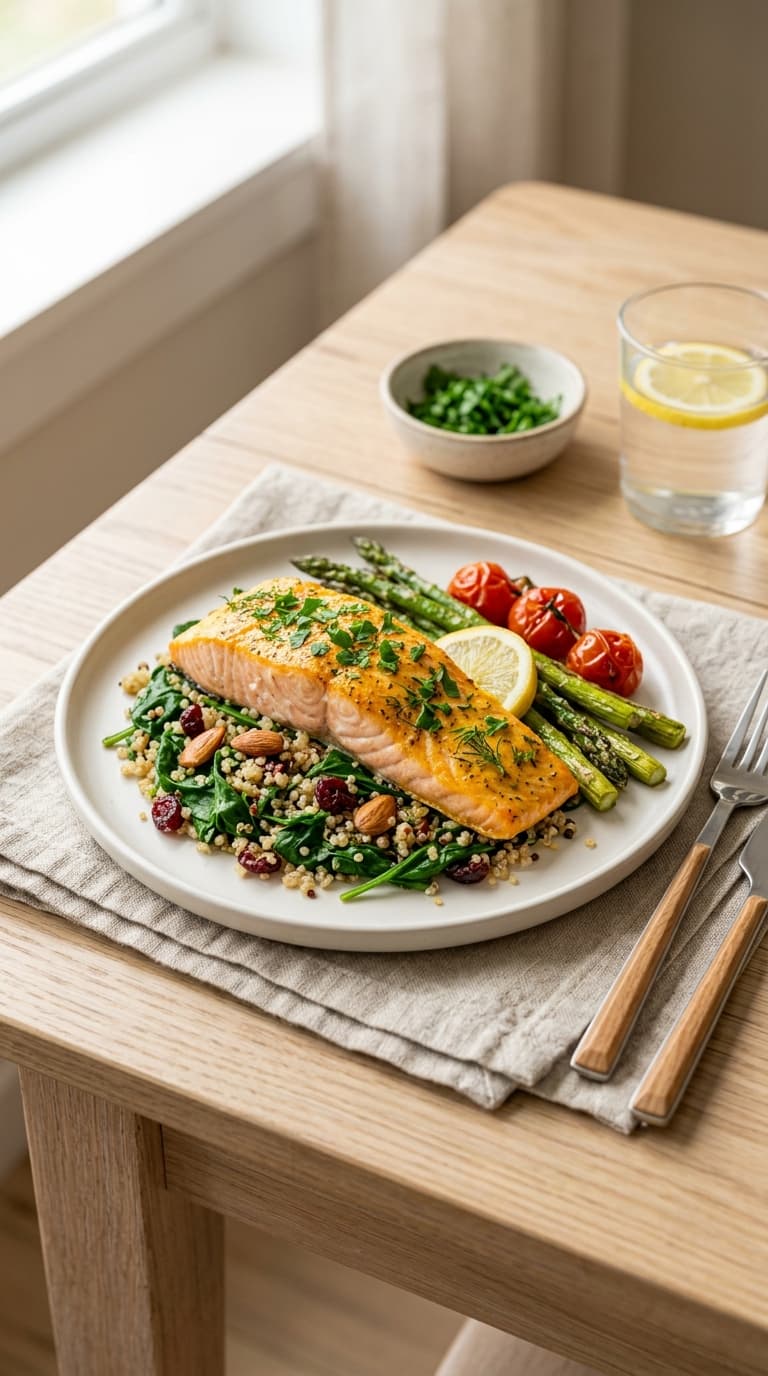
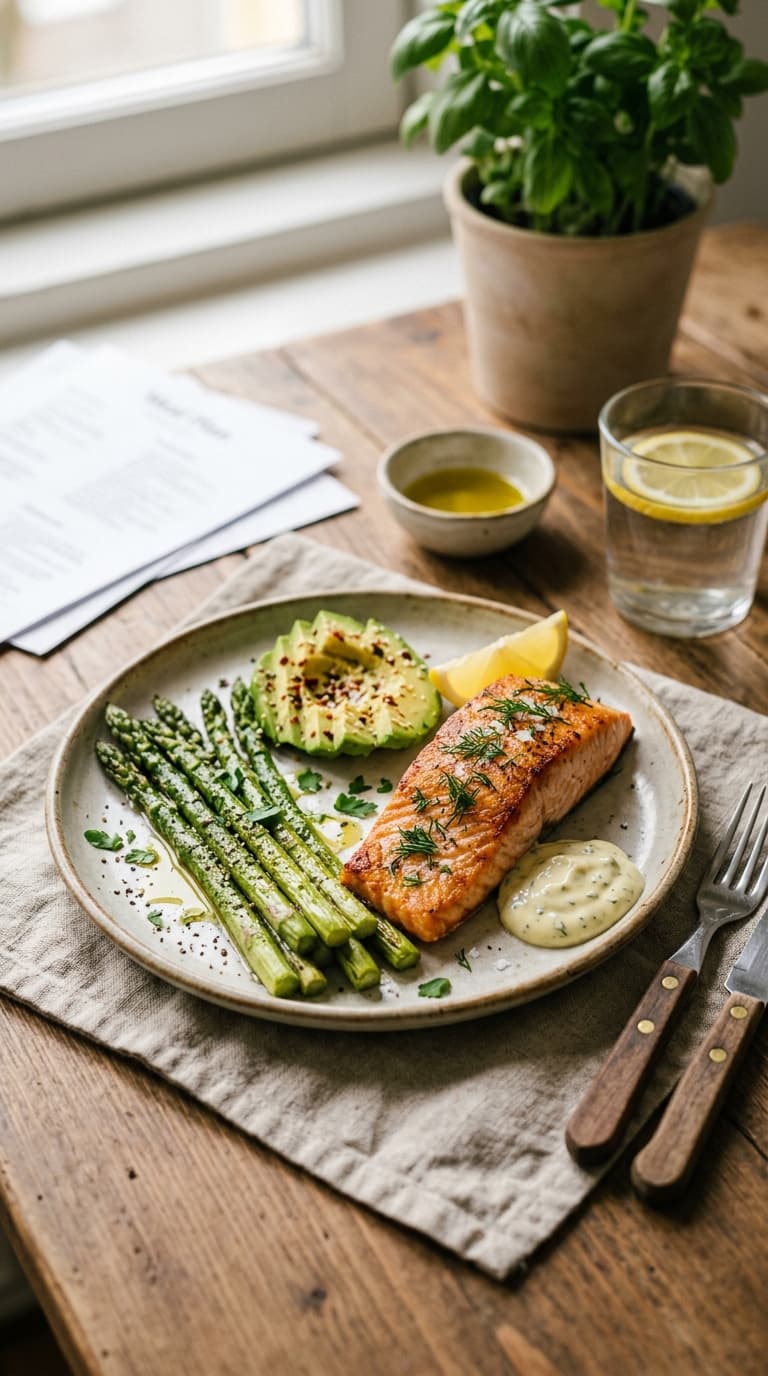
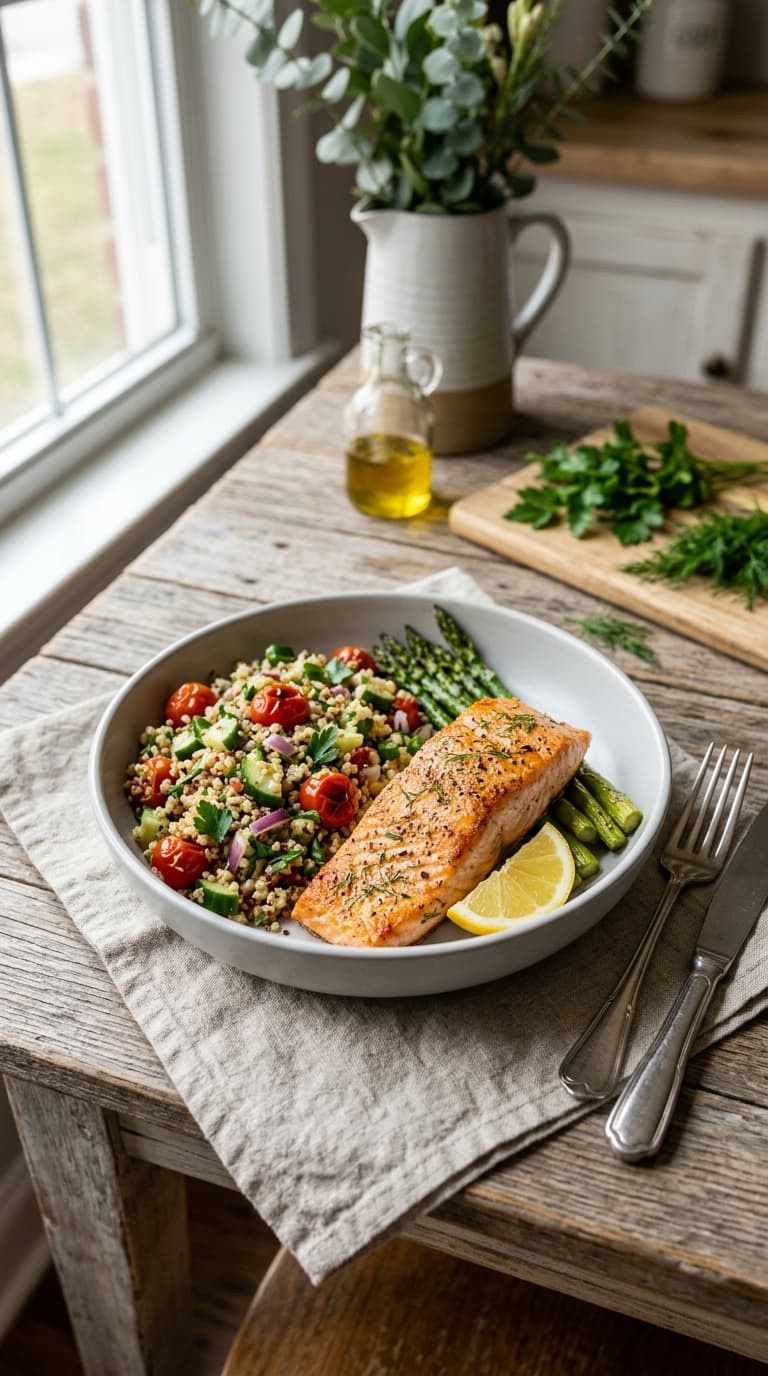
Dinner: Baked salmon with roasted broccoli and a side of quinoa drizzled with olive oil
Snack: A small handful of walnuts with a few blueberries
This first day sets the tone beautifully — you’re getting omega-3s, fiber, antioxidants, and protein all in one shot. Turmeric in your eggs might sound weird, but trust me, it works.
Day 2 — Tuesday: Keep the Momentum
Breakfast: Chia seed pudding made with unsweetened almond milk, topped with mixed berries and a tablespoon of flaxseeds
Lunch: Lentil soup with carrots, celery, and a big squeeze of lemon — serve with a side salad
Dinner: Chicken stir-fry with broccoli, bell peppers, snap peas, and ginger-garlic sauce over cauliflower rice
Snack: Sliced apple with almond butter
Lentils are genuinely one of the best foods for PCOS — they stabilize blood sugar slowly, provide plant-based protein, and feed your gut bacteria. Don’t sleep on them.
Day 3 — Wednesday: Midweek Fuel
Breakfast: Green smoothie with spinach, frozen mango, banana, ginger, chia seeds, and coconut water
Lunch: Turkey and avocado lettuce wraps with shredded carrots and a tahini drizzle
Dinner: Sheet pan shrimp with asparagus, cherry tomatoes, garlic, and olive oil — super simple, ridiculously good
Snack: Hummus with sliced cucumber and bell pepper strips
Wednesdays have a way of feeling like they’ll never end, right? This is a great day to batch-cook some extra lentils or quinoa for the rest of the week. Future-you will be grateful.
Day 4 — Thursday: Gut-Love Day
Breakfast: Overnight oats (use gluten-free rolled oats) with cinnamon, chia seeds, and sliced strawberries
Lunch: Warm quinoa bowl with roasted sweet potato, kale, pumpkin seeds, and a turmeric dressing
Dinner: Baked cod with a walnut-herb crust, served with steamed green beans and mashed cauliflower
Snack: A small bowl of mixed berries with a tablespoon of coconut yogurt
Cinnamon in your oats isn’t just for flavor — it’s one of the most well-researched natural compounds for improving insulin sensitivity. Add it generously. Your blood sugar will thank you.
For more gut-supportive meal ideas, check out this 7-day gut healing plan with high-fiber recipes — it pairs really well with an anti-inflammatory approach for PCOS.
Day 5 — Friday: Treat Yourself (The Right Way)
Breakfast: Two-egg veggie omelet with mushrooms, spinach, sun-dried tomatoes, and a sprinkle of feta (optional)
Lunch: Salmon salad (canned works great here) over mixed greens with avocado, capers, and lemon vinaigrette
Dinner: Grass-fed beef tacos in lettuce cups with pico de gallo, guacamole, shredded cabbage, and a squeeze of lime
Snack: Dark chocolate (85%+ cacao) — yes, really — with a small handful of almonds
IMO, Friday deserves something that feels a little special without derailing your progress. Those beef tacos in lettuce cups? Seriously satisfying. You won’t miss the tortillas.
Day 6 — Saturday: Slower Pace, Better Food
Breakfast: Savory sweet potato and egg hash with onion, garlic, turmeric, and a handful of arugula
Lunch: Homemade chicken bone broth soup with zucchini noodles, carrots, and fresh herbs
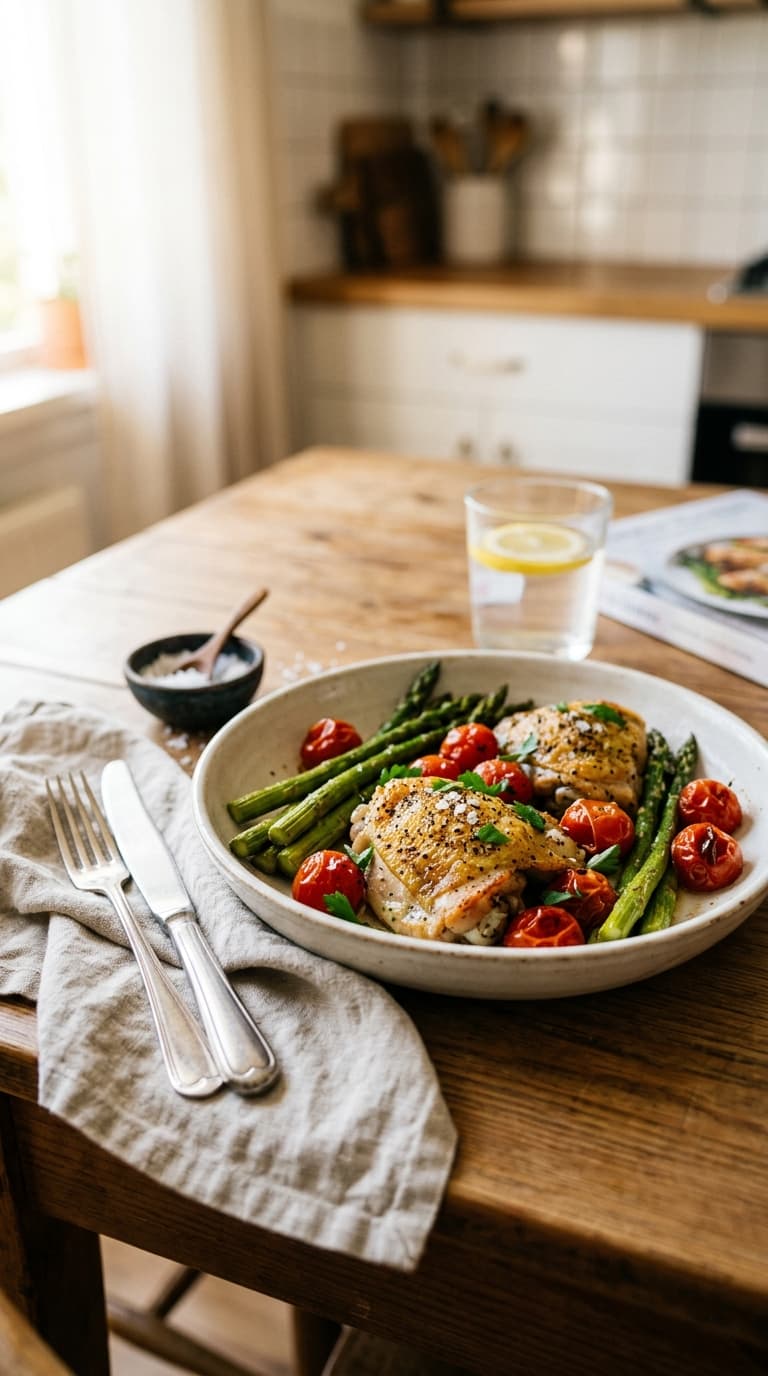
Dinner: Mediterranean baked chicken thighs with olives, capers, tomatoes, and lemon — serve with a simple arugula salad
Snack: Celery sticks with almond butter or a few Brazil nuts
Saturdays are great for cooking something that takes a little more effort, like the baked chicken thighs. They’re dramatic, they look impressive, and they basically cook themselves. Win-win.
Day 7 — Sunday: Reset and Prep
Breakfast: Smoothie bowl with blended frozen berries, banana, and spinach — top with hemp seeds, sliced kiwi, and unsweetened coconut flakes
Lunch: Big nourish bowl with falafel (baked, not fried), roasted beets, cucumber, hummus, and mixed greens
Dinner: Slow-cooked turkey chili with kidney beans, diced tomatoes, bell peppers, and lots of anti-inflammatory spices
Snack: Pear slices with a sprinkle of cinnamon and a few walnuts
Use Sunday evening to prep for the week ahead — wash and chop vegetables, cook a batch of grains, hard-boil some eggs. Meal prep doesn’t need to be elaborate. Even 30 minutes of prep can make Monday morning feel way less chaotic.
Key Nutrients PCOS Women Should Prioritize
Every meal in this plan intentionally hits specific nutritional targets. Here’s what you’re working toward and why it matters:
Magnesium
Most women with PCOS are magnesium deficient, and this mineral plays a critical role in insulin sensitivity, cortisol regulation, and sleep quality. Get it from leafy greens, pumpkin seeds, dark chocolate, and almonds.
Omega-3 Fatty Acids
Omega-3s reduce androgen levels and lower inflammatory markers. Salmon, sardines, walnuts, chia seeds, and flaxseeds are your best sources. Aim for fatty fish at least 2–3 times per week.
Zinc
Zinc helps block excess androgens (the hormones responsible for acne and hair thinning in PCOS). Good sources include pumpkin seeds, beef, chickpeas, and cashews.
Inositol
Often called nature’s answer to PCOS, inositol improves insulin signaling and supports ovarian function. You get it naturally from citrus fruits, cantaloupe, legumes, and whole grains.
Fiber
Fiber slows glucose absorption, feeds beneficial gut bacteria, and supports hormone clearance through the digestive tract. Aim for 25–35g daily. This plan makes it easy.
Tips To Make This Plan Actually Work
Let’s be honest — a meal plan only works if you can actually stick to it. Here are a few things that make a real difference:
- Batch cook on Sundays. Grains, legumes, and roasted vegetables all store well for 4–5 days in the fridge.
- Keep anti-inflammatory snacks visible. If you see the nuts and berries first, you’ll reach for them. Willpower is overrated — set up your environment instead.
- Hydrate consistently. Dehydration can increase cortisol, which makes PCOS symptoms worse. Aim for at least 2 liters of water daily, plus herbal teas like spearmint (which actually has anti-androgenic properties).
- Don’t fear healthy fats. Avocado, olive oil, nuts — these aren’t the enemy. They keep you full, support hormone production, and reduce inflammation.
- Track how you feel, not just what you eat. Keep a simple journal noting your energy, mood, bloating, and skin. Patterns will emerge that help you fine-tune your approach.
If you find yourself really busy through the week, these 25 lazy low-carb meals for busy nights are a lifesaver when you need something fast but still PCOS-friendly.
How This Connects To Hormone Balance
Here’s something worth understanding: anti-inflammatory eating for PCOS isn’t just about reducing puffiness or feeling less sluggish. It directly influences your hormone environment. When inflammation drops, insulin resistance tends to improve. When insulin resistance improves, your ovaries produce less testosterone. When testosterone normalizes, your cycle becomes more regular, your skin clears up, and your energy stabilizes.
That’s not magic — that’s just biology working the way it’s supposed to when you give it the right inputs.
For a more comprehensive hormone-focused approach, the 7-day hormone balancing meal plan for women goes deeper into the specific nutrients and timing strategies that support the endocrine system.
What About Blood Sugar?
Blood sugar management is probably the single most important dietary focus for PCOS. Stable blood sugar = less insulin = less androgen stimulation. Every meal in this plan pairs protein and fat with carbohydrates to slow glucose absorption.
Avoid eating carbs alone. A piece of fruit on its own will spike your blood sugar faster than the same fruit eaten with a handful of walnuts. It’s a small shift that makes a big difference over time.
The 7-day blood sugar friendly meals for energy plan is another fantastic resource if you want to go even deeper on this particular piece of the puzzle.
A Note On Going Beyond 7 Days
One week is a great start, but real, lasting change happens over months, not days. Think of this week as a proof of concept — a chance to prove to yourself that eating this way is actually enjoyable, not punishing. :/
Once you’ve completed the 7 days, you might want to explore a longer framework. The 21-day anti-inflammatory meal plan for beginners and the 30-day anti-inflammatory meal plan for women both build beautifully on what you start here.
Wrapping It Up
Managing PCOS through food isn’t about perfection — it’s about consistency and choosing foods that work with your body instead of against it. This 7-day plan gives you real, practical meals that reduce inflammation, support hormone balance, improve insulin sensitivity, and actually taste good. Because food that feels like punishment doesn’t work long-term. Nobody sticks to miserable eating habits forever.
Start with Day 1. Make the turmeric eggs. Notice how you feel. Then do Day 2. That’s really all there is to it. Your body is more responsive to these changes than you might think — sometimes within just a few days, women with PCOS report less bloating, better energy, and a calmer mental state.
You’ve got this. And hey — if nothing else, at least the food this week is going to be genuinely delicious. That’s a win on its own.