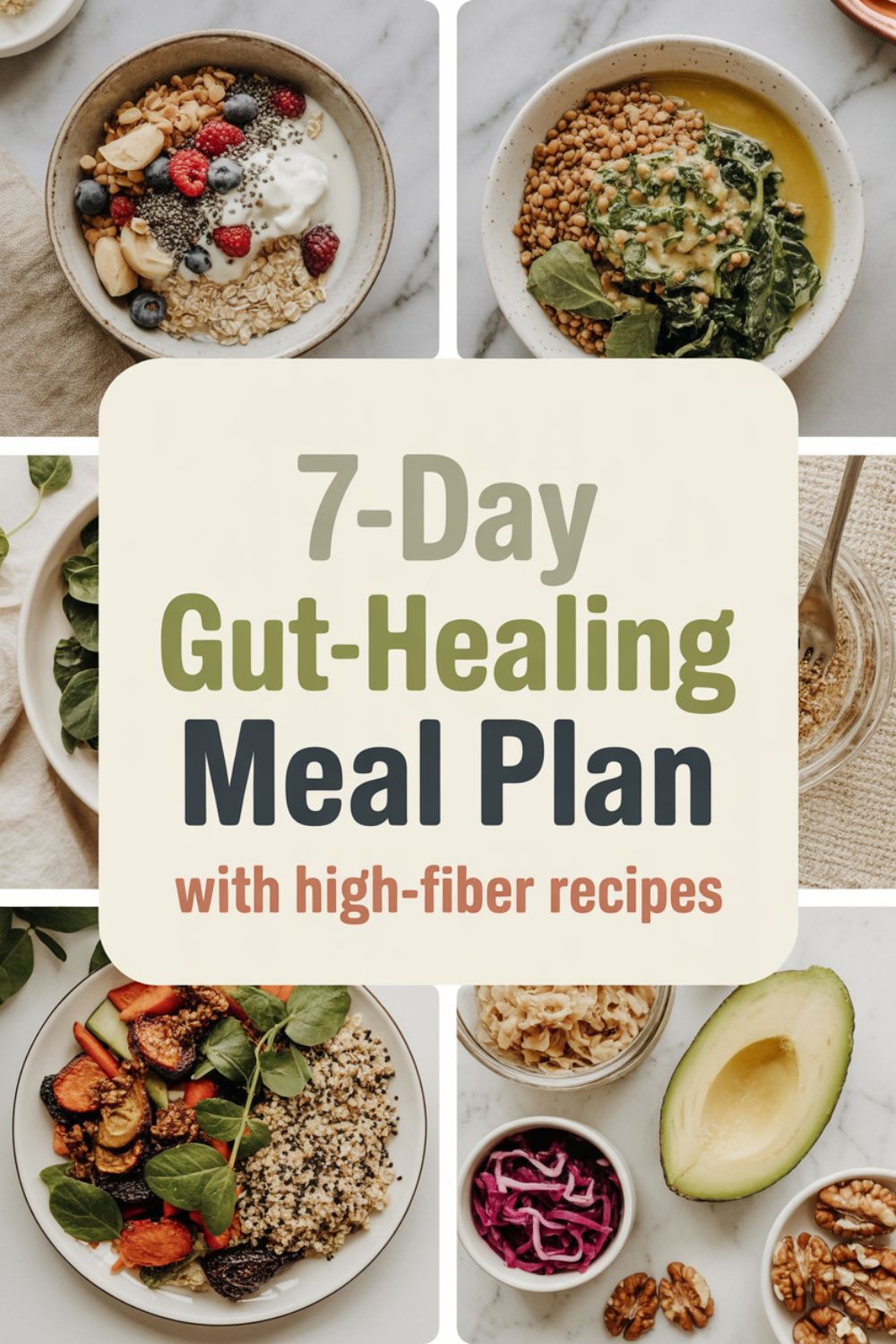
7-Day Gut-Healing Plan with High-Fiber Recipes
Your gut’s been sending you signals lately, hasn’t it? That afternoon bloat, the sluggish mornings, maybe some digestive drama you’d rather not discuss at dinner parties. I get it. After years of treating my stomach like a garbage disposal, I finally realized something had to change. That’s when I stumbled onto this whole fiber thing—not the boring cardboard cereal version, but actual delicious food that happens to heal your gut while tasting like something you’d actually want to eat.
Here’s the deal: most of us are walking around fiber-deprived without even knowing it. We’re talking about 95% of Americans not hitting the recommended daily intake. Your gut bacteria are basically starving while you’re wondering why you feel like garbage. This seven-day plan isn’t about punishing yourself with bland food or spending hours meal prepping. It’s about eating real, satisfying meals that happen to be loaded with the fiber your gut’s been desperately craving.
Why Your Gut Actually Needs This Plan
Look, I’m not here to lecture you about gut microbiomes like some wellness influencer. But here’s what actually happens when you feed your gut properly: those trillions of bacteria living in your digestive tract start producing something called short-chain fatty acids. These little guys are like maintenance workers for your gut lining, keeping everything sealed up tight and inflammation down.
The science backs this up too. Research published in the National Institutes of Health shows that increasing fiber intake directly influences gut microbiota composition, which in turn affects everything from your immune system to your brain function. When you consistently eat too little fiber, your gut bacteria literally start eating the protective mucus layer of your intestines. Not exactly the vibe we’re going for.
What makes fiber so special? It’s the only food that travels through your small intestine completely intact, arriving in your colon ready to feed the good bacteria. Think of it like premium fuel for your gut ecosystem. The more diverse fiber sources you eat, the more diverse your gut microbiome becomes. And diversity? That’s the name of the game for optimal gut health.
Most people think fiber is just about keeping things moving, if you know what I mean. Sure, that’s part of it. But the real magic happens when those gut bacteria ferment the fiber and create compounds that reduce inflammation throughout your entire body. We’re talking lower cholesterol, better blood sugar control, and even improved mood. Your gut produces about 90% of your body’s serotonin, so yeah, feeding it properly actually affects your mental health.
How This 7-Day Plan Actually Works
I’ve structured this week to gradually increase your fiber intake without shocking your system. Starting too aggressive with fiber is a rookie mistake that’ll have you bloated and uncomfortable. We’re taking it steady, giving your gut bacteria time to adapt and multiply.
Each day targets around 30-35 grams of fiber from whole food sources—that’s the sweet spot where you’ll feel the benefits without the unpleasant side effects. You’ll notice I’ve mixed soluble and insoluble fiber throughout the week. According to research from ScienceDirect, both types work together to regulate your digestive system and support beneficial bacteria growth.
The meal structure follows a simple pattern: high-fiber breakfast to kickstart digestion, a fiber-rich lunch to maintain energy, and a lighter but still substantial dinner. Snacks are built in because nobody’s trying to be hangry while healing their gut. Each recipe packs in multiple fiber sources—legumes, whole grains, fruits, vegetables, nuts, and seeds. This variety ensures you’re feeding different bacterial species in your gut.
Day 1-2: The Foundation Phase
We’re starting gentle here. Days one and two focus on easily digestible fiber sources like oats, berries, and well-cooked vegetables. Your breakfast might be overnight oats loaded with chia seeds, sliced banana, and a handful of walnuts. Get Full Recipe. I use these glass meal prep containers to make five days’ worth at once—less thinking in the morning when my brain barely functions.
Lunch could be a hearty lentil soup packed with carrots, celery, and spinach served with a slice of whole grain sourdough. The lentils provide about 8 grams of fiber per half cup, plus they’re loaded with protein to keep you full. For dinner, try a simple baked salmon with roasted Brussels sprouts and quinoa. The Brussels sprouts alone give you 4 grams of fiber per cup, and quinoa adds another 5 grams.
Speaking of breakfast ideas, you might also love these protein-packed overnight oats variations or this Mediterranean chia pudding bowl that sneaks in even more fiber through dried figs and pistachios.
Day 3-4: Ramping It Up
By mid-week, your gut should be adjusting nicely. Now we introduce more complex fiber sources. Think chickpea buddha bowls, black bean tacos, and vegetable-heavy stir-fries. One of my favorite lunches during this phase is a massaged kale salad with roasted chickpeas, avocado, and hemp seeds. Get Full Recipe. The kale gets less bitter when you literally massage it with a bit of olive oil and lemon juice—sounds weird, works perfectly.
Dinner might feature a butternut squash and black bean enchilada bake. Butternut squash is criminally underrated for gut health, packing 6.6 grams of fiber per cup plus vitamin A for gut lining repair. I prep the squash using this spiralizer which makes it way less annoying than cubing everything with a knife.
Day 5-7: The Power Phase
Final stretch. Your gut bacteria should be thriving by now, and you’re probably noticing improved energy and digestion. These last three days incorporate the highest fiber loads with foods like split pea soup, three-bean chili, and vegetable-stuffed bell peppers. We’re talking 15+ grams of fiber per meal here.
Breakfast could be a sweet potato hash with black beans, spinach, and a fried egg on top. Sweet potatoes deliver 4 grams of fiber per medium spud, and keeping the skin on doubles that. For an afternoon snack, try apple slices with almond butter and a sprinkle of chia seeds. Simple, portable, and packs about 7 grams of fiber.
The week’s finale dinner is my personal favorite: a massive sheet pan roast with chickpeas, broccoli, cauliflower, and red onion, all tossed in olive oil and za’atar seasoning. Serve it over farro—an ancient grain that most people sleep on but delivers 8 grams of fiber per cooked cup. I use these sheet pans that never stick and clean up like a dream.
For more complete meal inspiration, check out this 7-day plant-based meal plan or these high-protein vegetarian dinner ideas that complement this gut-healing approach perfectly.
Meal Prep Essentials Used in This Plan
After years of trial and error, these are the tools that actually make high-fiber cooking manageable:
Physical Products:
- Glass meal prep containers with compartments – Seriously life-changing for overnight oats and grain bowls. The three-compartment ones keep everything separate until you’re ready to eat.
- High-speed blender – For smoothies, soups, and hummus. The cheaper ones leave chunks of dates and nuts. Nobody wants that.
- Instant Pot or pressure cooker – Turns dried beans into perfectly cooked protein in 30 minutes instead of the usual 2-hour stovetop situation.
Digital Resources:
- The Ultimate Fiber Food Guide (Digital Download) – Printable chart showing fiber content of 200+ foods. Stick it on your fridge.
- 30-Day Gut Reset Meal Planner – Takes the guesswork out of what to cook next. Includes shopping lists organized by store section.
- High-Fiber Recipe Collection (50+ Recipes) – Digital cookbook with actually good recipes, not the Pinterest fails we’ve all tried.
Want more support? Join our WhatsApp community where we share daily meal ideas, troubleshoot gut issues together, and celebrate non-scale victories. Real people, real conversations, zero judgment.
The Fiber Types You Need to Know
Not all fiber is created equal, and understanding the difference actually matters for this plan. Soluble fiber dissolves in water, forming a gel-like substance in your gut. This is the stuff that helps lower cholesterol and regulate blood sugar. You’ll find it in oats, beans, apples, and psyllium husk.
Insoluble fiber doesn’t dissolve—it adds bulk to your stool and helps everything move through your system efficiently. Whole grains, nuts, vegetables, and wheat bran are your main sources. Studies in medical journals consistently show that eating both types together provides the most significant gut health benefits.
Here’s what I wish someone had told me earlier: resistant starch counts as fiber too. It’s found in cooked-and-cooled potatoes, rice, and pasta. Yeah, you read that right. That leftover rice in your fridge? It’s actually better for your gut than fresh rice because the cooling process creates resistant starch that feeds beneficial bacteria. Mind blown, right?
The magic number most experts agree on is 25-30 grams daily for women and 30-38 grams for men. But here’s the kicker—most Americans are stuck at about 15 grams. We’re not even close. This plan gets you to 30-35 grams consistently, which is where the real healing happens.
Breaking Down Each Day’s Meals
Monday: Starting Fresh
Breakfast: Berry-packed overnight oats with chia seeds, walnuts, and a drizzle of honey. Mix everything the night before in these portable mason jars, grab it from the fridge in the morning. Zero cooking, zero excuses. Fiber count: 12g
Lunch: Mediterranean quinoa bowl with chickpeas, cucumber, tomatoes, red onion, olives, and a lemon-tahini dressing. Get Full Recipe. The tahini adds healthy fats that help absorb nutrients better. Fiber count: 14g
Dinner: Baked chicken breast with roasted sweet potato wedges and a massive side of sautéed spinach with garlic. Simple, satisfying, and your gut will thank you. Fiber count: 9g
Snacks: Apple slices with almond butter, a handful of raw almonds. Fiber count: 6g
Tuesday: Building Momentum
Breakfast: Whole grain avocado toast topped with everything bagel seasoning, microgreens, and a poached egg. Use actual sourdough—the fermentation process makes it easier to digest. Get Full Recipe. Fiber count: 10g
Lunch: Lentil and vegetable soup loaded with carrots, celery, tomatoes, and kale. Make a huge batch on Sunday and reheat throughout the week. I use this Dutch oven that distributes heat perfectly and makes enough to feed a small army. Fiber count: 13g
Dinner: Black bean and sweet potato tacos with all the fixings—cabbage slaw, avocado, cilantro, lime. Use corn tortillas for extra points. Fiber count: 16g
Snacks: Hummus with raw veggies (carrots, bell peppers, celery). Fiber count: 5g
If you’re enjoying these plant-forward meals, you’ll definitely want to explore these 20 high-protein vegan recipes and quick 15-minute bean-based dinners that follow the same gut-healing principles.
Wednesday: Halfway There
Breakfast: Green smoothie bowl topped with granola, coconut flakes, and fresh berries. Blend spinach, banana, mango, chia seeds, and almond milk. Pour into a bowl and add crunchy toppings. Get Full Recipe. Fiber count: 11g
Lunch: Chickpea salad sandwich on whole grain bread with lettuce, tomato, and sprouts. Mash the chickpeas with a bit of mayo or tahini, add diced celery and red onion. Better than tuna, IMO. Fiber count: 15g
Dinner: Whole wheat pasta with white beans, sun-dried tomatoes, spinach, and garlic in a light olive oil sauce. Add some crushed red pepper if you’re into that. Fiber count: 14g
Snacks: Trail mix with dried fruits and mixed nuts, fresh pear. Fiber count: 6g
Thursday: Powering Through
Breakfast: Peanut butter banana oatmeal with flax seeds and a handful of blueberries. Cook your oats with almond milk instead of water for extra creaminess. Fiber count: 13g
Lunch: Three-bean salad with kidney beans, black beans, chickpeas, red bell pepper, corn, and cilantro-lime vinaigrette. Get Full Recipe. This gets better after sitting in the fridge for a day—the flavors marry beautifully. Fiber count: 17g
Dinner: Grilled salmon with roasted Brussels sprouts and wild rice pilaf. Brussels sprouts are divisive, I know, but roasting them at high heat with olive oil makes them crispy and slightly sweet. Game-changer. Fiber count: 10g
Snacks: Greek yogurt with berries and a tablespoon of hemp seeds, whole grain crackers with cheese. Fiber count: 5g
Friday: Almost There
Breakfast: Breakfast burrito with scrambled eggs, black beans, sautéed peppers and onions, avocado, and salsa wrapped in a whole wheat tortilla. Make extra for tomorrow’s breakfast. Fiber count: 12g
Lunch: Minestrone soup packed with vegetables, white beans, and whole grain pasta. This is another big-batch situation. Freeze individual portions for easy lunches next month. Fiber count: 14g
Dinner: Stuffed bell peppers with ground turkey, brown rice, tomatoes, and Italian seasoning. I prep the filling in this food processor which makes everything way faster. Top with a bit of mozzarella if you’re into that. Fiber count: 11g
Snacks: Edamame, orange slices. Fiber count: 7g
Saturday: Feeling Good
Breakfast: Sweet potato hash with black beans, onions, bell peppers, topped with a fried egg and hot sauce. Everything tastes better with hot sauce. That’s not nutrition advice, just life advice. Fiber count: 14g
Lunch: Falafel wrap with hummus, cucumber, tomatoes, and tahini sauce in a whole wheat pita. Get Full Recipe. You can buy pre-made falafel, no judgment here. Fiber count: 16g
Dinner: Vegetable stir-fry with tofu, broccoli, snap peas, carrots, and bell peppers over brown rice. Use tamari instead of soy sauce if you’re avoiding gluten. Fiber count: 13g
Snacks: Dates stuffed with almond butter, popcorn (air-popped, obviously). Fiber count: 8g
Sunday: Victory Lap
Breakfast: Whole grain pancakes made with oat flour, topped with mixed berries and a sprinkle of chia seeds. Get Full Recipe. Yes, pancakes can be gut-healing. Life is good. Fiber count: 11g
Lunch: Buddha bowl with farro, roasted chickpeas, steamed broccoli, shredded carrots, avocado, and ginger-tahini dressing. Everything goes into one bowl—cleanup is minimal. Fiber count: 18g
Dinner: Sheet pan roast with chicken sausage, butternut squash, red onion, and Brussels sprouts. Season everything with olive oil, garlic, and herbs. Let the oven do the work. Fiber count: 12g
Snacks: Protein smoothie with banana, spinach, protein powder, and almond butter. Fiber count: 6g
Tools & Resources That Make Cooking Easier
Nobody’s out here trying to complicate their life. These products actually simplify the process:
Kitchen Tools:
- Food scale – Helps you nail portion sizes without guessing. Also useful for understanding what 30g of fiber actually looks like.
- Spice grinder – Fresh-ground flax seeds taste infinitely better than pre-ground, which goes rancid fast. Plus you can make your own spice blends.
- Produce storage containers – Keeps your vegetables fresh for the entire week. No more wilted spinach tragedy.
Digital Helpers:
- Gut Health Tracker App – Log your symptoms, meals, and bathroom habits (yeah, we’re going there). Identify patterns you wouldn’t notice otherwise.
- Fiber Calculator Tool – Plug in what you ate, get instant fiber totals. Takes the math out of meal planning.
- Weekly Meal Prep Templates – Printable PDFs that walk you through Sunday prep step-by-step. Follow along, check boxes, feel accomplished.
What to Expect Week by Week
Let’s be real about what happens when you suddenly increase your fiber intake. Days 1-3 might involve more frequent bathroom trips and some gas. This is completely normal—your gut bacteria are literally partying because you’re finally feeding them properly. Stay hydrated and push through.
By day 4-5, things start stabilizing. You’ll notice more regular bowel movements (yes, we’re talking about poop—it’s important), less bloating after meals, and steady energy throughout the day instead of that 3pm crash. Your skin might even start looking better because your body’s detoxing more efficiently.
Week two is where the magic happens. Better sleep, clearer thinking, reduced sugar cravings, and that general feeling of not being weighed down after eating. Your gut lining is repairing itself, inflammation is dropping, and your microbiome diversity is increasing. Research shows that these changes in gut bacteria composition can happen relatively quickly with consistent dietary changes.
Long-term benefits include better immune function—remember, 70% of your immune system lives in your gut—improved mood regulation, easier weight management, and reduced risk of chronic diseases like type 2 diabetes and heart disease. This isn’t just about feeling less bloated. It’s about fundamentally changing how your body functions.
Common Mistakes to Avoid
The biggest screwup I see people make? Going from zero to hero with fiber overnight. Your gut needs time to adjust. If you’ve been eating 10 grams daily and suddenly jump to 40, you’re going to be miserable. That’s why this plan gradually increases intake over seven days.
Second mistake: not drinking enough water. I mentioned this earlier, but it bears repeating. Fiber without water is like trying to slide down a dry slip-n-slide. It doesn’t work and everyone’s uncomfortable. Aim for half your body weight in ounces—if you weigh 160 pounds, drink 80 ounces of water daily.
Third: relying too heavily on fiber supplements instead of whole foods. Sure, psyllium husk has its place, but you miss out on all the other nutrients whole foods provide—vitamins, minerals, antioxidants, and different types of fiber that work synergistically. Food first, supplements as backup.
Fourth mistake: assuming all high-fiber foods are healthy. Those fiber-fortified granola bars loaded with sugar? Not doing you any favors. Focus on whole, minimally processed foods. If your great-grandmother wouldn’t recognize it as food, maybe skip it.
Last one: giving up too soon. Your gut microbiome took years to get to its current state. You can’t expect to fix everything in a week. This seven-day plan is just the beginning. Stick with high-fiber eating consistently, and you’ll see continued improvements over months.
Troubleshooting Common Issues
If You’re Dealing With Excessive Gas
Gas is normal when increasing fiber, but if it’s truly excessive, try eating smaller portions more frequently. Also, cook your vegetables thoroughly—raw veggies are harder to digest. Taking a digestive enzyme supplement with meals can help your body break down fiber more efficiently while your gut adjusts.
If You’re Constipated
Paradoxically, too much fiber without enough water causes constipation. Double your water intake immediately. Also, make sure you’re getting enough healthy fats—avocado, olive oil, nuts—which help move things along. And move your body. Even a 15-minute walk stimulates digestion.
If You’re Dealing With Diarrhea
Scale back slightly on the fiber and focus more on soluble fiber sources like oats and bananas, which actually help firm things up. Avoid sugar alcohols found in some “sugar-free” products—they cause digestive distress for many people.
If You’re Not Seeing Results
Give it more time. Seriously. Some people respond quickly, others need several weeks. Also, check your stress levels and sleep quality—both massively impact gut health regardless of what you eat. Consider working with a dietitian who specializes in gut health if issues persist.
Beyond the Seven Days
This plan isn’t meant to be a one-week thing you do and forget about. Think of it as establishing new baseline habits. After this week, you’ll have a much better sense of which high-fiber foods you actually enjoy and how your body responds to different fiber sources.
Keep batch-cooking grains and beans every Sunday. It becomes automatic after a few weeks. Rotate through different vegetables and legumes to maintain microbiome diversity. Try new recipes regularly—boredom is the enemy of consistency. Join our community group where people share their favorite variations and adaptations of these recipes.
Remember, perfection isn’t the goal here. Some days you’ll nail it, other days you’ll end up eating pizza. That’s called being human. The key is making high-fiber eating your default, not your exception. When 80% of your meals support gut health, the other 20% won’t derail your progress.
Consider transitioning into this 30-day gut reset program after completing this week, or explore these seasonal high-fiber meal plans that keep things interesting throughout the year.
Frequently Asked Questions
How much fiber is too much?
While most people don’t need to worry about eating too much fiber from whole foods, consuming more than 70 grams daily can interfere with mineral absorption and cause digestive discomfort. Stick to the 30-40 gram range for optimal benefits without overdoing it. Listen to your body—if you’re consistently bloated or uncomfortable, scale back a bit.
Can I do this plan if I have IBS?
If you have IBS, work with your healthcare provider before significantly changing your fiber intake. Some people with IBS do better with soluble fiber, while others need to avoid certain high-FODMAP foods. This plan can be modified to fit your needs, but personalized guidance is important for managing IBS symptoms.
Will I lose weight on this plan?
Many people naturally lose weight when increasing fiber intake because high-fiber foods are more filling and help regulate blood sugar and appetite hormones. However, this plan is designed primarily for gut health, not weight loss. Any weight changes are a bonus side effect of improving your overall nutrition and eating more whole foods.
Do I need to buy organic produce for this plan?
Not necessarily. While organic is great if budget allows, it’s not required for gut health benefits. Focus on eating more fiber-rich foods period—conventional produce is infinitely better than no produce. If you want to prioritize, buy organic for the “dirty dozen” foods that tend to have higher pesticide residues.
Can kids follow this plan?
The principles work for kids too, though their fiber needs are lower than adults. Generally, kids need their age plus 5 grams of fiber daily (so a 7-year-old needs 12 grams). Adapt the recipes to include foods your kids already enjoy, and don’t stress about hitting exact numbers. Building healthy eating habits matters more than perfect fiber counts.
Final Thoughts
Your gut isn’t just about digestion—it’s connected to literally everything in your body. Better gut health means better overall health. This seven-day plan gives you the roadmap, but you’re the one who has to walk the path. The recipes aren’t complicated, the ingredients aren’t exotic, and you don’t need to be a professional chef to pull this off.
What you do need is commitment to showing up for yourself. To choosing the foods that make you feel good instead of foods that make you feel like garbage. To giving your body the fiber it’s been asking for, probably for years now.
After this week, you’ll have established new habits, discovered recipes you actually want to make again, and hopefully feel a noticeable difference in your energy, digestion, and overall wellbeing. That’s not magical thinking—that’s what happens when you feed your gut properly.
The best part? Once you’ve reset your baseline, maintaining these habits becomes significantly easier. Your taste buds adapt, your gut bacteria composition changes, and high-fiber foods start being what you naturally crave. Your body is smart. Feed it what it needs consistently, and it’ll reward you with how you feel.
So start tomorrow. Not Monday, not next month, tomorrow. Your gut’s been waiting long enough.