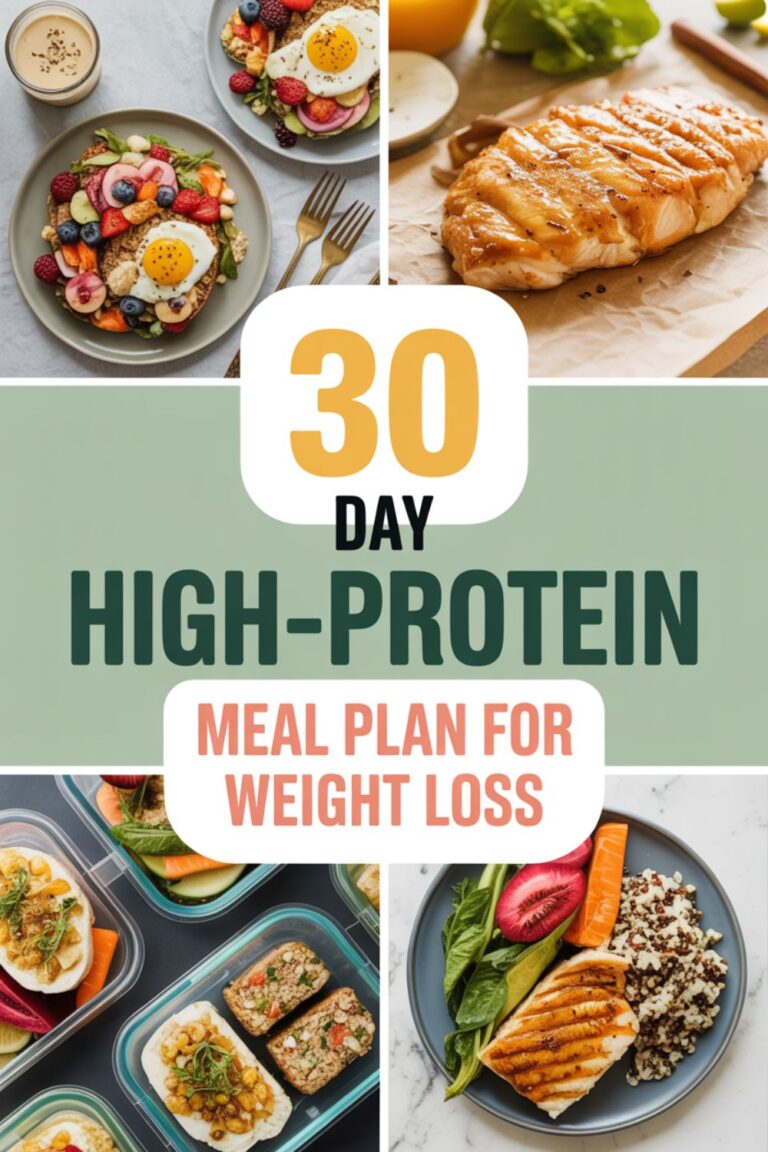
Build Your Perfect High-Protein Meal
7-Day High-Protein Meal Plan (150g Protein Daily)
You want to hit 150 grams of protein every day, but you’re tired of eating the same grilled chicken and scrambled eggs on repeat. You know protein matters for muscle recovery, satiety, and keeping your metabolism humming, but planning seven days of high-protein meals without losing your mind? That’s where most people give up.
Here’s the thing: hitting 150g protein daily isn’t about choking down protein shakes or eating bland food. It’s about smart meal distribution, choosing the right protein sources, and having a plan you can actually stick to. I’ve mapped out a full week of meals that delivers consistent protein without the guesswork.
This isn’t a restrictive diet. It’s a practical, real-world eating plan that gives you variety, flavor, and the macros you need to see results. Whether you’re building muscle, losing fat, or just trying to eat better, this seven-day blueprint takes the stress out of meal planning.
How This High-Protein Plan Works
Most people struggle to hit 150g protein because they front-load breakfast or skip meals entirely. This plan distributes protein evenly across four eating occasions: breakfast (30-35g), lunch (35-40g), dinner (35-40g), and snacks (20-25g). That balanced approach keeps you satisfied and makes the daily target feel achievable.
Each meal combines a primary protein source with supporting foods that add smaller amounts. A chicken breast gives you 35g, but adding quinoa, Greek yogurt dressing, or chickpeas pushes that meal to 40-45g total. Those small additions add up fast.
The plan emphasizes whole food protein sources over supplements, though protein powder appears occasionally for convenience. You’ll eat lean meats, fish, eggs, dairy, legumes, and some strategic grains. Everything is straightforward to prepare, with most meals ready in under 30 minutes.
Why 150 Grams?
For most active adults, 150g daily protein supports muscle maintenance and growth while promoting satiety. If you weigh around 150-180 pounds and lift weights or do regular strength training, this target works beautifully. It’s high enough to see results but not so extreme that you’re force-feeding yourself protein at every meal.
You might need slight adjustments based on your body weight, activity level, and goals. Athletes or those doing intense training might push toward 160-180g. Someone focused purely on maintenance might do fine with 120-140g. Use this plan as your foundation and adjust portions as needed.
Your Complete 7-Day Meal Plan
Day 1
Day 2
Day 3
Need a quick protein boost? Add a small protein shake (20g) to your snack.
Quick Swap Options
Breakfast swaps: Replace pancakes with egg white omelet (30g), swap parfait for protein smoothie bowl (32g), substitute scrambled eggs with turkey sausage and eggs (35g)
Lunch swaps: Swap chicken Caesar for shrimp poke bowl (40g), replace turkey wrap with grilled chicken sandwich (42g), substitute tuna with salmon salad (38g)
Dinner swaps: Replace salmon with cod or halibut (40g), swap beef stir-fry for chicken stir-fry (42g), substitute chicken thighs with pork tenderloin (44g)
Day 4
Day 5
If you’re looking for more breakfast variety, you might also love our Chocolate Peanut Butter Protein Smoothie or High-Protein Breakfast Burrito.
Day 6
Day 7
Week 1 Prep Checklist
Proteins to buy: 2 lbs chicken breast, 1 lb chicken thighs, 1 lb salmon, 1 lb cod, 1 lb ground beef, 1 lb ground turkey, 1 lb sirloin steak, 1 lb shrimp, deli turkey, turkey bacon, turkey sausage, eggs (2 dozen), Greek yogurt (4 containers), cottage cheese (2 containers), feta cheese, string cheese
Carbs and grains: Quinoa, brown rice, wild rice, farro, whole wheat bread, whole wheat tortillas, whole wheat pasta, oats
Vegetables: Spinach, broccoli, asparagus, Brussels sprouts, green beans, mixed salad greens, bell peppers, snap peas, cauliflower, cucumber, cherry tomatoes, carrots
Pantry staples: Canned tuna, chickpeas, black beans, white beans, lentils, edamame, almonds, walnuts, almond butter, protein powder, hummus
Sunday prep tasks: Cook 3 cups quinoa, roast 2 sheet pans of vegetables, grill or bake 3 chicken breasts, hard-boil 6 eggs, portion Greek yogurt into containers, prep salad greens
What You’ll Eat (High-Level Overview)
This plan rotates through different protein sources daily so you never feel stuck in a food rut. You’ll eat poultry four times, fish twice, red meat twice, and plant-based proteins appear as supporting players throughout the week.
Primary Protein Sources
Chicken and turkey dominate because they’re lean, affordable, and versatile. Salmon and cod provide omega-3s and keep things interesting midweek. Beef shows up twice for iron and flavor variety. Eggs anchor most breakfasts, while Greek yogurt and cottage cheese bridge the gap between meals.
Supporting Proteins
Beans, lentils, chickpeas, and quinoa add 8-15g protein per serving while providing fiber and complex carbs. These aren’t main proteins, but they push meals from good to great in terms of hitting your daily target. Don’t sleep on these additions.
Smart Carbohydrates
You’ll eat whole grains like quinoa, brown rice, farro, and whole wheat products. These provide sustained energy for workouts and daily activities. The plan includes moderate carbs, enough to fuel training but not so much that you’re drowning in pasta every night.
Speaking of grain bowls, our Mediterranean Chicken Bowl and Asian-Inspired Beef Bowl use similar protein strategies with different flavor profiles.
Healthy Fats
Avocado, nuts, olive oil, and fatty fish provide essential fats that support hormone production and nutrient absorption. These appear in reasonable portions throughout the week without dominating your calorie budget.
Meal Prep & Kitchen Setup That Makes Life Easy
The difference between success and failure with high-protein eating usually comes down to preparation. You can’t hit 150g protein daily if you’re scrambling to figure out dinner at 7 PM every night.
Your Sunday Prep Session
Block off 90 minutes on Sunday afternoon. Cook your grains in bulk: make 3 cups each of quinoa, brown rice, and one specialty grain like farro. These last five days in the fridge and form the base of multiple meals.
Prep your proteins strategically. Grill or bake three chicken breasts for salads and wraps. Hard-boil a half dozen eggs for grab-and-go snacks. Season and portion your salmon fillets so they’re ready to pop in the oven Tuesday night. Brown your ground beef with taco seasoning for quick burrito bowls.
Wash and chop vegetables. Roast two sheet pans of mixed vegetables: one with broccoli and Brussels sprouts, another with bell peppers and asparagus. Store in glass containers. Prep salad greens in a large container lined with paper towels to absorb moisture.
Kitchen Tools That Actually Matter
A reliable food scale removes all guesswork from portion sizes. Weighing your chicken breast takes five seconds and ensures you’re actually eating 6 ounces, not 4. This single tool dramatically improves your protein accuracy.
Ozeri Pronto Digital Kitchen Scale
Precision weighing that takes the guesswork out of protein portions. This sleek scale measures up to 11 pounds in 0.05-ounce increments, ensuring you hit your macros perfectly every time.
- Ultra-precise measurements for accurate tracking
- Tare function lets you weigh food in any container
- Easy-to-read LCD display with backlight
- Compact design stores easily in any drawer
Invest in quality glass meal prep containers with divided sections. These keep proteins, carbs, and vegetables separate until you’re ready to eat. The divided design prevents soggy salads and mushy grains.
Prep Naturals Glass Meal Prep Containers (10-Pack)
Restaurant-quality glass containers with three compartments that keep your high-protein meals fresh and organized. These are the exact containers I use every single week.
- BPA-free with leak-proof snap-lock lids
- Three compartments keep foods separated perfectly
- Microwave, dishwasher, and freezer safe
- Stack beautifully to save refrigerator space
A programmable Instant Pot cooks perfect chicken breasts, hard-boils eggs, and makes quinoa without babysitting a stovetop. Set it and prep other foods while it works. For anyone juggling work and meal prep, this appliance is a game-changer.
Instant Pot Duo 7-in-1 Electric Pressure Cooker
The ultimate meal prep companion that cuts cooking time by 70%. This programmable pressure cooker replaces seven kitchen appliances and makes perfect proteins every single time.
- Cooks chicken breast from frozen in 12 minutes
- Perfect hard-boiled eggs with easy-peel shells
- 14 one-touch programs for foolproof cooking
- 6-quart capacity feeds families or preps for the week
Batch Cooking Without Burnout
Don’t try to cook all seven days at once. Focus on three days of lunches and prep components for dinners. Monday, Wednesday, and Friday you’ll assemble fresh meals using your prepped ingredients. This hybrid approach prevents food fatigue while keeping you organized.
Make double portions of dinner Monday and Wednesday. Those leftovers become Thursday and Saturday lunches automatically. You’re now looking at minimal cooking four days of the week.
🎯 Join Our Meal Prep Community
Get exclusive recipes, meal prep tips, and weekly shopping lists delivered straight to your phone. Join 10,000+ members crushing their nutrition goals!
Common Mistakes That Kill Results
Mistake 1: Drinking Your Protein Instead of Eating It
Protein shakes are convenient, but whole foods keep you fuller longer. A 6-ounce chicken breast with vegetables provides 40g protein and actual chewing satisfaction. A 40g protein shake disappears in two minutes and leaves you hunting for snacks an hour later.
This plan uses shakes strategically—once or twice across the week—but prioritizes real food. You’ll feel more satisfied and less likely to overeat later.
Mistake 2: Eating Too Much Protein at Dinner
Loading 60-70g protein into dinner sounds efficient until you realize your body can only process about 30-40g effectively in one sitting. The excess doesn’t magically build more muscle. It just makes you uncomfortably full.
This plan distributes protein evenly across four eating occasions. Your body gets steady amino acid delivery throughout the day, supporting better muscle protein synthesis than the “skip breakfast and gorge at dinner” approach.
Mistake 3: Forgetting About Protein Quality
Fifty grams from gummy bears and protein powder isn’t the same as 50g from salmon and quinoa. Whole food proteins deliver vitamins, minerals, and other nutrients your body needs. They’re also more satiating.
The meals here emphasize complete proteins from animal sources and complementary plant proteins that provide all essential amino acids. Quality matters as much as quantity.
For more guidance on protein timing and quality, check out resources from the USDA Nutrition Guidelines for evidence-based recommendations.
Mistake 4: Neglecting Plant Proteins
Many people chase animal proteins exclusively and miss easy opportunities. Adding a half cup of chickpeas to your salad gives you 7g protein. Choosing quinoa over white rice adds 4g per serving. Black beans in your burrito bowl contribute 8g.
These small additions accumulate quickly. The difference between hitting 130g and 150g daily often comes from strategic plant protein choices, not eating more chicken.
Complete Macro Tracking Template
Stop guessing and start tracking with our proven spreadsheet system. This downloadable template helps you log meals, calculate macros automatically, and visualize your protein intake over time.
- Pre-loaded database of 500+ common high-protein foods
- Automatic macro calculations and daily summaries
- Weekly progress charts and goal tracking
- Meal planning templates for 7, 14, and 30 days
- Compatible with Excel, Google Sheets, and Numbers
Customizing This Plan for Your Lifestyle
For Weight Loss
Reduce portion sizes of carbohydrates by about one-third. Instead of ¾ cup quinoa, use ½ cup. Drop from 2 slices of toast to 1. Keep protein portions exactly as written—those keep you full and preserve muscle mass while you’re in a calorie deficit.
Add more non-starchy vegetables to fill your plate. Double the broccoli, add extra salad greens, pile on the roasted peppers. These provide volume and nutrients with minimal calories.
For Muscle Gain
Increase carbohydrate portions, especially around your training times. Bump quinoa to 1 cup, add a second slice of toast, include an extra serving of fruit. Add healthy fats: an extra tablespoon of almond butter, a larger handful of nuts, more avocado.
Consider adding a fourth meal or larger snacks. A second protein-rich snack in the late afternoon—like turkey jerky with string cheese—pushes your daily total to 170-180g protein without feeling stuffed.
For Vegetarians
Replace animal proteins with plant-based alternatives. Swap chicken for tempeh or extra-firm tofu. Use black bean burgers instead of beef. Replace fish with hemp hearts sprinkled on salads (10g protein per 3 tablespoons).
Incorporate more nutritional yeast for a cheesy flavor and protein boost. Include seitan for concentrated plant protein. You’ll need to be more strategic about combining proteins to get complete amino acid profiles, but 150g is absolutely achievable.
If you’re exploring plant-based proteins, our High-Protein Vegan Buddha Bowl and Tempeh Taco Bowl show how to structure satisfying meatless meals.
For Busy Schedules
Embrace convenience foods strategically. Pre-cooked rotisserie chicken, frozen vegetable blends, microwaveable quinoa packets, and pre-washed salad greens cost more but save massive time. The plan works even if you’re not cooking everything from scratch.
Batch cook on weekends and one weeknight. Sunday and Wednesday evening prep sessions keep you covered all week. Focus on proteins and grains—those take the most time. Fresh vegetables can be chopped as needed.
Meal Prep Essentials Used in This Plan
Glass Meal Prep Containers
These 3-compartment glass containers keep proteins, sides, and vegetables separate. Microwave and dishwasher safe with leak-proof lids.
Digital Kitchen Scale
A reliable food scale removes guesswork from portions. Weigh proteins accurately to hit your targets every time.
Instant Pot
This programmable pressure cooker makes perfect chicken breasts, hard-boiled eggs, and quinoa without babysitting.
Wide-Mouth Mason Jars
Perfect for overnight oats and parfaits. The 16-ounce size is ideal for single servings.
Silicone Baking Mats
Reusable non-stick mats make cleanup easier when roasting proteins and vegetables.
Meal Prep Bags
Insulated lunch bags with ice packs keep your prepped meals fresh all day at work.
Shopping Smart for High-Protein Meals
Your grocery bill doesn’t have to explode just because you’re eating more protein. Strategic shopping makes this plan affordable and sustainable long-term.
Buy Proteins on Sale
Check weekly ads and stock up when chicken breast, ground turkey, or salmon go on sale. Freeze what you won’t use within three days. Properly wrapped proteins last three months in the freezer without quality loss.
Whole chickens cost less per pound than pre-cut breasts. Roast one on Sunday, eat the breast meat for lunches, use thighs for dinner, and save the carcass for bone broth. You’ve stretched one purchase across multiple meals.
Embrace Canned and Frozen Options
Canned tuna, salmon, and sardines deliver excellent protein at budget-friendly prices. Frozen shrimp often costs half what fresh does. Frozen vegetables maintain nutrients and eliminate waste from produce going bad before you use it.
Greek yogurt in larger tubs costs significantly less per serving than individual cups. Portion it yourself into small reusable containers for grab-and-go convenience at a fraction of the price.
Make Your Own Protein Snacks
Pre-packaged protein bars cost $2-3 each. Making your own protein balls or bars costs about 50 cents per serving. Mix protein powder with oats, nut butter, and honey, roll into balls, and refrigerate. You’ve got two weeks of snacks ready.
Roast your own chickpeas instead of buying expensive packaged versions. Toss canned chickpeas with olive oil and spices, bake at 400°F for 30 minutes, and you’ve got crunchy protein-packed snacks for the week.
High-Protein Meal Prep Masterclass
Learn the exact system I use to prep an entire week of high-protein meals in just 2 hours. This video course walks you through every step, from grocery shopping to storage techniques.
- 12 video lessons covering all meal prep techniques
- Downloadable shopping lists and prep schedules
- 50+ tested high-protein recipes with video demonstrations
- Time-saving kitchen hacks and organization tips
- Lifetime access plus future updates included
Tools & Resources That Make Cooking Easier
Meat Thermometer
An instant-read thermometer prevents overcooked, dry chicken. Perfect doneness every time.
Herb Scissors
These 5-blade scissors chop fresh herbs in seconds. Add flavor without extra prep time.
Spice Grinder
Freshly ground spices transform simple proteins. This small tool elevates every meal.
Meal Planning App
Digital tools help track macros and plan weekly menus. Many offer free versions with solid features.
Recipe Database Access
Subscriptions to quality recipe sites provide endless meal variety and keep your plan interesting.
Macro Calculator
Online calculators help determine your exact protein needs based on weight, activity, and goals.
Making This Plan Work Long-Term
The best meal plan is the one you’ll actually follow for months, not just a week. Here’s how to make high-protein eating a sustainable habit rather than a temporary diet.
Rotate Your Proteins Every Few Weeks
After following this exact plan for a week or two, swap in different proteins while keeping the structure the same. Replace chicken with turkey, swap salmon for trout, use ground bison instead of beef. The framework stays consistent, but variety prevents boredom.
Try our Spicy Turkey Meatballs or Honey Garlic Pork Tenderloin to add new flavors while maintaining the same protein targets.
Build in Flexibility
Life happens. You’ll have dinner invitations, work events, travel days. When you can’t follow the plan exactly, focus on protein first. Order the grilled chicken at a restaurant, add extra eggs to your hotel breakfast, pack protein bars for travel days.
One off-plan meal won’t derail your progress. Get back to your regular eating pattern at the next meal without guilt or restriction.
200 High-Protein Recipes eBook
Never run out of meal ideas again. This comprehensive digital cookbook gives you 200 delicious recipes, each with complete nutrition info and step-by-step instructions.
- All recipes include exact protein counts and macros
- Organized by meal type and cooking time
- Includes vegetarian and vegan options
- Printable grocery lists for each recipe
- Bonus meal planning calendar and prep guide
Track Your Progress Beyond the Scale
Weight fluctuates daily based on water retention, digestion, and hormones. Instead, notice how your clothes fit, how you feel during workouts, your energy levels throughout the day, and your hunger patterns. These indicators often show progress before the scale moves.
Take weekly photos and measurements. Visual progress sometimes appears when the scale stubbornly refuses to budge.
💪 Never Run Out of High-Protein Ideas
Join our free WhatsApp community for daily meal inspiration, macro-friendly recipes, and real-time support from people just like you. Plus, get our exclusive 50-recipe protein guide when you join!
Frequently Asked Questions
Do I have to eat exactly 150g protein every single day?
No, aim for an average of 150g across the week. Some days you’ll hit 145g, others 155g. Your body doesn’t reset at midnight—it responds to your overall intake patterns. Consistency matters more than perfection.
Can I use protein powder to make up the difference if I fall short?
Occasionally, yes. But prioritize whole foods first. If you consistently need powder to hit your target, your portions might be too small. A scoop of protein powder works great for post-workout recovery or busy mornings, but it shouldn’t be your primary protein source.
What if I don’t like one of the suggested meals?
Swap it for something similar with comparable protein. Don’t force yourself to eat salmon if you hate fish—use chicken or lean beef instead. The plan only works if you actually enjoy the food. Check the Quick Swap Options boxes for easy alternatives.
Is 150g protein too much for women?
It depends on your body weight and activity level, not your gender. A 150-pound woman who strength trains needs similar protein to a 150-pound man doing the same activity. If you’re smaller or less active, you might adjust down to 120-130g. If you’re larger or training intensely, you might need 160-170g.
Will eating this much protein damage my kidneys?
For healthy individuals with normal kidney function, high protein intake from whole foods is safe according to current research from the National Institutes of Health. If you have existing kidney issues, consult your doctor before significantly increasing protein intake.
Start Your High-Protein Journey Today
You now have a complete seven-day roadmap to hitting 150g protein daily without stress or confusion. The meals are straightforward, the prep is manageable, and the results speak for themselves when you stay consistent.
Start with Sunday meal prep. Cook your grains, prep your proteins, chop your vegetables. By Sunday evening, you’ll have everything ready to succeed all week long. This plan works because it removes decisions and guesswork from your daily routine.
Remember that perfect execution isn’t the goal—sustainable progress is. Make the plan work for your life, not the other way around. Adjust portions for your needs, swap foods you don’t enjoy, and build in flexibility for real life. The framework is here. Now make it yours.