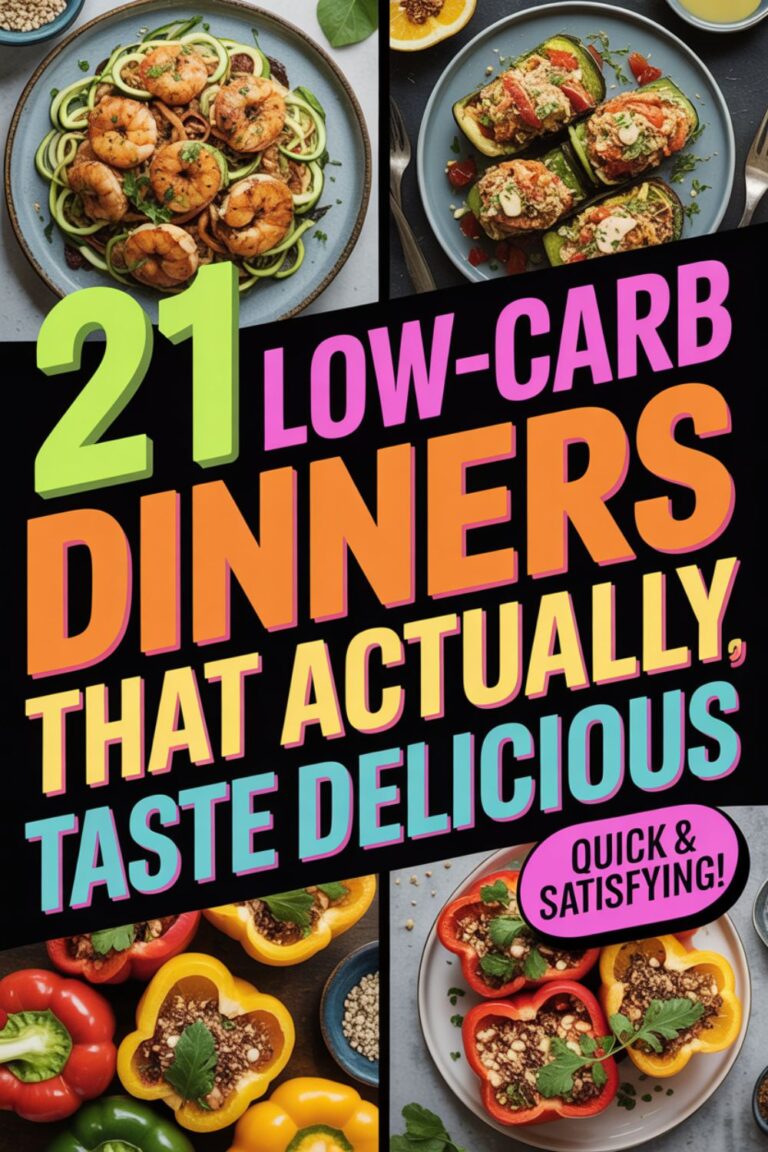
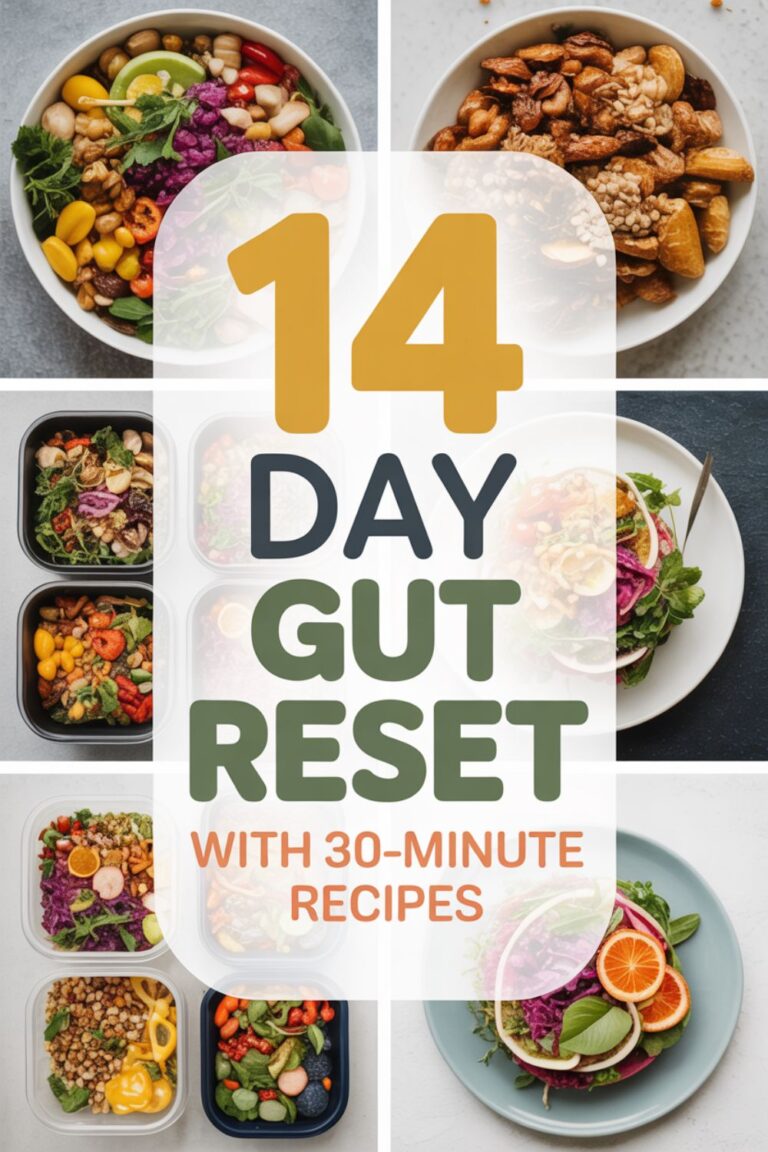
25 Gut-Healthy Meals for Busy Weeks
Look, I get it. You want to eat better, heal your gut, and feel amazing—but who has time to cook elaborate meals when you’re juggling work, family, and trying to remember if you locked the front door this morning? Here’s the thing though: gut-healthy eating doesn’t mean you need to spend hours in the kitchen or eat boring bowls of plain quinoa.
I’ve spent the last few months experimenting with meals that actually support digestive health without making me feel like I’m on some extreme elimination diet. What I’ve learned is that feeding your gut microbiome the good stuff can be ridiculously simple when you know what works.
Image Prompt:
A vibrant overhead shot of a rustic wooden table filled with colorful, gut-healthy ingredients: fresh leafy greens (kale, spinach), probiotic-rich foods (kimchi in a small ceramic bowl, yogurt), prebiotic foods (garlic cloves, sliced onions, asparagus spears), whole grains in glass jars, fresh berries scattered artfully, and a variety of colorful vegetables (bell peppers, carrots, purple cabbage). Soft natural lighting from a kitchen window creates gentle shadows. The scene has a warm, inviting atmosphere with earth-tone props like linen napkins and ceramic dishes. The composition feels organic and approachable, not overly staged—like a real home kitchen where someone actually cooks.
Why Your Gut Health Actually Matters (And Why You Should Care)
Your gut isn’t just responsible for digesting last night’s dinner. It’s basically the control center for your immune system, mood regulation, and even how well you sleep. Research published in Nature Reviews Microbiology shows that the relationship between diet and gut microbiome composition has profound implications for overall health and disease prevention.
When your gut microbiome is happy and diverse, everything just works better. You absorb nutrients more efficiently, fight off infections easier, and yes—you actually feel more energized throughout the day. According to Harvard’s Nutrition Source, the trillions of microorganisms living in your intestines play crucial roles in everything from nutrient metabolism to immune system regulation.
But here’s where most people mess up: they think gut health means cutting out entire food groups or living on expensive supplements. Wrong. It’s about adding more diversity to your plate and giving those good bacteria what they actually need to thrive—fiber, fermented foods, and whole ingredients.
The Foundation: What Makes a Meal “Gut-Healthy”
Before we dive into the actual meals, let’s talk about what we’re aiming for here. A truly gut-healthy meal hits three main targets: prebiotics (the food your gut bacteria eat), probiotics (the actual beneficial bacteria), and anti-inflammatory compounds that keep your digestive system running smoothly.
Prebiotics: Feeding Your Gut Bacteria
Think of prebiotics as fertilizer for your gut garden. These are mostly fiber-rich foods that you can’t fully digest, but your gut bacteria absolutely love them. We’re talking garlic, onions, leeks, asparagus, bananas, and whole grains. When your gut bacteria feast on these fibers, they produce short-chain fatty acids that reduce inflammation and support your intestinal lining.
The cool thing about prebiotics is they’re already in foods you probably eat regularly. You don’t need to buy special powders or expensive supplements. Just load up on vegetables, especially the ones that grow underground or have layers.
Probiotics: The Good Bacteria
While prebiotics feed your existing gut bacteria, probiotics actually introduce new beneficial strains into your system. Fermented foods like yogurt, kefir, sauerkraut, kimchi, and miso are packed with these friendly microorganisms. I keep a jar of kimchi in my fridge at all times now—it’s honestly become my secret weapon for quick gut-healthy additions to any meal.
Here’s something interesting: not all fermented foods contain live cultures. That sourdough bread you love? The baking process kills the bacteria. Same with most pickles you find at the grocery store unless they’re in the refrigerated section and labeled “raw” or “unpasteurized.”
Batch-cook your grains and proteins on Sunday. Store them in separate containers, then mix and match throughout the week. Your future self will thank you when Wednesday dinner takes 10 minutes instead of an hour.
25 Gut-Healthy Meals That Actually Taste Good
Alright, let’s get to the good stuff. These meals are organized by the time of day, but honestly, I’ve eaten “dinner” for breakfast more times than I’d like to admit. Do what works for you.
Breakfast Options (Because Starting Right Matters)
1. Overnight Oats with Chia Seeds and Berries
This is my go-to when I’m running late. Mix oats, chia seeds, and your milk of choice the night before. In the morning, top with fresh berries and a dollop of yogurt. The oats and chia provide prebiotic fiber, while the yogurt adds probiotics. I use this glass meal prep container set to make five jars at once—seriously cuts down on morning chaos.
2. Greek Yogurt Parfait with Homemade Granola
Layer Greek yogurt with granola and sliced banana. The yogurt brings probiotics, the banana offers prebiotics, and if you make your own granola (which is easier than you think), you control the sugar content. I toast my granola in this mini convection oven because it gives you that perfect crunch without burning half the batch.
3. Smoothie Bowl with Kefir Base
Blend kefir with frozen berries, spinach, and half a banana. Pour into a bowl and top with sliced almonds, hemp seeds, and fresh fruit. The kefir packs way more probiotics than regular yogurt, and honestly, it makes the smoothie creamier too. If you’re into morning smoothies, this 14-day high-protein meal plan has some seriously good breakfast ideas.
4. Avocado Toast on Sourdough with Sauerkraut
I know, I know—avocado toast is so 2018. But hear me out. Real sourdough bread (the kind with live cultures) topped with mashed avocado, a fried egg, and a spoonful of sauerkraut is genuinely delicious. The sauerkraut adds a tangy crunch that transforms the whole thing.
5. Veggie-Packed Egg Scramble
Scramble eggs with spinach, mushrooms, bell peppers, and onions. Top with a sprinkle of kimchi. The vegetables provide fiber and antioxidants, while the kimchi adds those beneficial bacteria. Get Full Recipe for the exact vegetable ratios that work best.
Speaking of breakfast ideas, if you’re looking to really dial in your morning routine for better digestion, check out this 7-day gut healing plan with high-fiber recipes. The breakfast section alone completely changed how I think about morning meals.
Lunch Ideas (Midday Fuel That Won’t Make You Crash)
6. Quinoa Buddha Bowl with Roasted Vegetables
Quinoa is technically a seed, not a grain, and it’s packed with fiber and protein. Top it with roasted sweet potato, Brussels sprouts, chickpeas, and tahini dressing. I prep all the components on Sunday using these silicone baking mats—nothing sticks, and cleanup is a breeze.
7. Miso Soup with Tofu and Seaweed
This is basically a gut health powerhouse in a bowl. Miso paste contains probiotics, seaweed offers minerals and fiber, and tofu provides plant-based protein. It’s also incredibly easy to throw together when you’re working from home.
8. Lentil Salad with Fresh Herbs
Cook lentils, let them cool, then toss with chopped cucumber, tomatoes, red onion, parsley, and a lemon vinaigrette. Lentils are prebiotic superstars and keep you full for hours. This pairs perfectly with the gut-reset approach in this 30-day gut reset meal plan.
9. Chicken and Vegetable Bone Broth Bowl
Bone broth contains collagen and glutamine, both of which support your gut lining. Add shredded chicken, bok choy, mushrooms, and rice noodles. The warmth is also crazy comforting when you’re stressed or under the weather.
10. Mediterranean Chickpea Salad
Chickpeas, cucumbers, tomatoes, red onion, olives, and feta with a lemon-herb dressing. The chickpeas provide both protein and prebiotic fiber. I make a huge batch and eat it throughout the week—the flavors actually get better after a day in the fridge. Get Full Recipe for the dressing that makes this absolutely sing.
Keep a bag of pre-washed greens, pre-cooked grains, and a rotisserie chicken on hand. You’re literally 5 minutes away from a complete gut-healthy meal at any time.
Dinner Meals (Because You Deserve More Than Takeout)
11. Baked Salmon with Roasted Asparagus and Quinoa
Salmon provides omega-3s that reduce gut inflammation, asparagus is a prebiotic superstar, and quinoa adds fiber and protein. Season everything with garlic (another prebiotic) and lemon. This is one of those meals that looks fancy but takes maybe 25 minutes total.
12. Stir-Fried Tempeh with Vegetables
Tempeh is fermented soybeans, so you’re getting probiotics plus plant-based protein. Stir-fry it with broccoli, bell peppers, snap peas, and garlic in a sauce made from tamari, ginger, and a touch of honey. Serve over brown rice or cauliflower rice.
13. Turkey and Vegetable Chili
Ground turkey, kidney beans, black beans, tomatoes, onions, and peppers simmered together create a fiber-rich, protein-packed meal. The beans are prebiotic, and if you top it with a dollop of Greek yogurt, you’re adding probiotics too. I make this in my Dutch oven and freeze half for later.
14. Grilled Chicken with Fermented Vegetable Slaw
Simple grilled chicken breast served with a slaw made from cabbage, carrots, and a tangy fermented dressing. The fermented vegetables provide probiotics while the cabbage family vegetables support liver detoxification. For more anti-inflammatory dinner ideas, this 14-day anti-inflammatory dinner plan is genuinely helpful.
15. Lentil and Sweet Potato Curry
Red lentils cook down into a creamy curry with coconut milk, sweet potato, spinach, and curry spices. The lentils and sweet potato both feed your gut bacteria, while the spices reduce inflammation. This is comfort food that actually makes you feel good afterward.
16. Baked Cod with Roasted Root Vegetables
White fish is easy on your digestive system, and root vegetables like carrots, parsnips, and beets are packed with fiber. Roast everything together with olive oil and herbs. Simple, effective, and somehow it always tastes better than the sum of its parts.
17. Vegetarian Sushi Bowl
Brown rice topped with avocado, cucumber, carrots, edamame, and a drizzle of tamari and sesame oil. Add a side of miso soup for extra probiotic power. This is my Friday night lazy dinner—feels special but requires zero actual cooking skills.
18. Grass-Fed Beef and Vegetable Stew
Slow-cooked beef with carrots, celery, onions, and potatoes in a rich broth. The long cooking time makes everything super digestible, and the vegetables provide diverse fibers. This is peak cozy season food.
Looking for more complete meal planning strategies? The 21-day gut healing meal plan breaks down exactly how to structure your weeks for optimal digestive health without feeling restricted.
Snacks and Sides (Because Life Happens Between Meals)
19. Kimchi Fried Rice
Use leftover rice, chop up some kimchi, add frozen mixed vegetables, and an egg. Fry it all together and you’ve got a probiotic-packed side dish or light meal. The fermentation in kimchi creates beneficial bacteria that your gut will love.
20. Roasted Chickpeas
Toss chickpeas with olive oil and your favorite spices, then roast until crispy. They’re crunchy, satisfying, and packed with prebiotic fiber. I make these in batches and keep them around for when I need something to munch on.
21. Apple Slices with Almond Butter and Chia Seeds
The pectin in apples is a prebiotic fiber, almond butter provides healthy fats, and chia seeds add omega-3s plus more fiber. It’s basically the adult version of ants on a log, but way better for your gut.
22. Homemade Vegetable Soup
Any combination of vegetables you like, simmered in broth with herbs. The liquid makes the nutrients more bioavailable, and the fiber supports your microbiome. I use this immersion blender to make creamy soups without needing a separate blender.
23. Cottage Cheese with Berries and Flax Seeds
Cottage cheese provides probiotics and protein, berries add antioxidants and fiber, and flax seeds contribute omega-3s. Mix it all together and you’ve got a quick snack that actually keeps you full.
24. Baked Sweet Potato with Tahini Drizzle
Sweet potatoes are prebiotic and rich in fiber. Top with tahini for healthy fats and a sprinkle of sea salt. Sometimes the simplest things are the best—this hits different when you’re actually hungry.
25. Fermented Vegetable Platter
Arrange pickles, sauerkraut, kimchi, and olives on a plate with some whole grain crackers. It’s like a charcuterie board but for your gut health. Plus, it feels fancy enough to serve guests who won’t even realize how healthy it is.
Meal Prep Essentials Used in This Plan
Okay, so you’ve got the meal ideas. But having the right tools makes everything so much easier. Here’s what I actually use:
- Glass Meal Prep Containers (5-pack) – Worth every penny for portioning and storing. They don’t stain, don’t smell weird after a week, and you can see what’s inside without opening every single container.
- High-Speed Blender – For smoothies, soups, and homemade nut butters. I resisted buying a good one for years, but honestly, it’s been a game-changer for quick gut-healthy meals.
- Quality Chef’s Knife – Chopping vegetables doesn’t have to be a nightmare. A sharp knife makes meal prep feel 500% less annoying.
Digital Resources:
- 7-Day Anti-Inflammatory Meal Plan eBook – Detailed meal plans with shopping lists and prep instructions
- Gut Health Recipe Collection (PDF) – 50+ recipes specifically designed for digestive health
- Weekly Meal Prep Guide – Step-by-step system for batch cooking and storing meals
Making It Work in Real Life (Because Perfect Doesn’t Exist)
Here’s the truth nobody wants to tell you: you’re not going to eat perfectly gut-healthy meals every single day. Life happens. You’ll have pizza at midnight. You’ll eat gas station snacks on a road trip. You’ll grab fast food because the day went sideways and cooking feels impossible.
That’s fine. Gut health isn’t about perfection—it’s about consistency over time. If you can make gut-healthy choices most of the time, your microbiome will adapt and thrive. The goal is progress, not perfection.
Meal Prepping Without Losing Your Mind
I’m going to level with you: those Instagram accounts showing perfectly organized meal prep with 15 different color-coded containers? That’s not realistic for most of us. Instead, pick two or three components to prep—maybe grains, proteins, and roasted vegetables. Then mix and match throughout the week.
Sunday afternoon, I’ll cook a big pot of quinoa, roast three types of vegetables, and grill some chicken. That’s it. During the week, I combine them differently, add fresh greens, switch up the sauces, and suddenly I have variety without cooking from scratch every night.
For more practical meal prep strategies that don’t require an entire day of cooking, the 14-day flat belly meal prep plan has some clever shortcuts that actually work.
Freeze individual portions of soups, stews, and chilis in mason jars (leave space at the top for expansion). Future you will be incredibly grateful when you need a healthy meal in 10 minutes.
Dealing with Picky Eaters and Family Meals
If you’re cooking for a family or living with someone who thinks “gut health” sounds like a weird diet trend, you’ll need to be strategic. The good news is that most of these meals are actually just… normal food. It’s not like you’re asking people to eat seaweed smoothies for dinner.
Start by making subtle swaps. Use Greek yogurt instead of sour cream. Add finely chopped vegetables to pasta sauce. Serve kimchi or sauerkraut on the side as an optional topping. Most people won’t even notice the difference, and those who do might actually like it better.
My partner was skeptical about all the “gut health stuff” until he realized he stopped getting that awful 3pm energy crash. Now he’s the one suggesting we add more fermented vegetables to meals. Funny how that works.
Tools & Resources That Make Cooking Easier
Beyond just ingredients, having the right equipment genuinely makes everything more manageable. Here’s what I recommend:
- Cast Iron Skillet – Sears proteins beautifully, goes from stovetop to oven, and adds a tiny bit of iron to your food. Plus, it lasts forever if you treat it right.
- Instant Pot or Pressure Cooker – For those nights when you forgot to meal prep. Throw in ingredients, press a button, and walk away. Beans, grains, and tough cuts of meat all come out perfect.
- Food Scale – Not for obsessive portion control, but for understanding what serving sizes actually look like. Eye-balling portions is how I ended up eating three “servings” of almonds in one sitting.
More Digital Resources:
- Printable Gut-Healthy Grocery Lists – Categorized by food type and store section
- Fermentation Starter Guide – Learn to make your own sauerkraut, kimchi, and pickles
- WhatsApp Community for Recipe Support – Join other people working on their gut health, share wins, and get real-time answers to cooking questions
Understanding the Science (Without Getting a Biology Degree)
I’m not a scientist, but understanding the basic “why” behind gut health makes it easier to stick with. Your gut microbiome is made up of trillions of bacteria, fungi, and other microorganisms. When this ecosystem is balanced and diverse, it supports digestion, immune function, and even mental health.
Studies show that specific gut microbes are consistently associated with favorable health markers across diverse populations. The key is feeding these beneficial microbes with the nutrients they need—primarily fiber and fermented foods.
The Fiber Factor
Most people don’t eat nearly enough fiber. We’re talking about 25-35 grams per day, and the average person gets maybe 15. Fiber is what your gut bacteria eat to produce short-chain fatty acids, which reduce inflammation and support your gut lining.
The thing about fiber is that you need different types. Soluble fiber (found in oats, beans, and apples) forms a gel that slows digestion and feeds bacteria. Insoluble fiber (from whole grains and vegetables) adds bulk and helps everything move through your system. You need both.
If you’re working on increasing fiber intake specifically, the 7-day gut healing plan progressively increases fiber levels so your system can adjust without the uncomfortable bloating that happens when you jump from 10 grams to 30 grams overnight.
Why Fermented Foods Matter
Fermentation is basically controlled spoilage (I know that sounds gross, but stick with me). Beneficial bacteria and yeast transform foods, making nutrients more bioavailable and creating new compounds that support gut health.
Not all probiotics are created equal though. The strains in yogurt are different from those in kimchi, which are different from those in kefir. This is why eating a variety of fermented foods gives you more diverse beneficial bacteria. Think of it like investing—you want a diversified portfolio, not all your money in one stock.
For those interested in the broader health implications, research from the National Institutes of Health demonstrates how nutritionally balanced, fiber-rich diets maintain healthy gut microbiome diversity and support intestinal barrier function.
Common Mistakes People Make (That I Also Made)
Let me save you some time and digestive discomfort by sharing what doesn’t work:
Going from zero fiber to all the fiber overnight. Your gut bacteria need time to adjust. If you suddenly start eating massive amounts of beans and vegetables when you’re used to a low-fiber diet, you’re going to be uncomfortable. Increase fiber gradually over a few weeks.
Relying only on supplements. Probiotic supplements have their place, but they don’t replace actual food. Your gut bacteria need the diverse nutrients and fibers that come from whole foods. Plus, food tastes better than pills, so there’s that.
Thinking all yogurt is probiotic. Most commercial yogurt is pasteurized after fermentation, which kills the beneficial bacteria. Look for labels that say “live and active cultures” and check the ingredient list—it should be short and recognizable.
Ignoring your body’s signals. Some people can’t tolerate certain fermented foods, at least not initially. If kimchi makes you feel terrible, don’t force it. Try sauerkraut instead, or stick with yogurt. There are multiple paths to a healthy gut.
Making it too complicated. You don’t need exotic superfoods or expensive supplements. The basics—vegetables, whole grains, lean proteins, and some fermented foods—are genuinely enough. Companies want you to believe you need their special products, but your gut bacteria just want fiber and diversity.
If you’re looking for a structured approach that avoids these common pitfalls, the 21-day anti-inflammatory meal plan for beginners is designed specifically to introduce gut-healthy eating without overwhelming your system.
Adapting for Different Dietary Needs
The beauty of gut-healthy eating is that it works with almost any dietary preference. Let’s break it down:
Vegetarian and Vegan
Plant-based diets naturally include tons of fiber, which is excellent for gut health. Focus on variety—different beans, grains, vegetables, fruits, nuts, and seeds all feed different beneficial bacteria. Add fermented foods like tempeh, miso, sauerkraut, and dairy-free yogurt for probiotics.
The main challenge is getting enough protein without relying too heavily on one source. Mix legumes with whole grains, include nuts and seeds, and don’t be afraid of tofu and tempeh. Both are fermented soy products that provide probiotics along with protein.
Gluten-Free
Plenty of gut-healthy options are naturally gluten-free: quinoa, rice, buckwheat, all fruits and vegetables, beans, fish, poultry, and eggs. The key is avoiding processed gluten-free products that replace wheat with refined starches and offer zero nutritional value.
Focus on whole foods rather than gluten-free versions of processed foods. Your gut bacteria don’t care whether that cracker is gluten-free or not—they care whether it provides fiber and nutrients.
Dairy-Free
You can absolutely support your gut without dairy. Coconut yogurt, almond yogurt, and other plant-based alternatives often contain probiotic cultures. Fermented vegetables provide probiotics without any dairy. And all the prebiotic foods—vegetables, fruits, whole grains—are naturally dairy-free.
The 30-day anti-inflammatory meal plan includes plenty of dairy-free adaptations if you need specific recipes and meal structures.
Frequently Asked Questions
How long does it take to notice improvements in gut health?
Most people start noticing changes within 2-4 weeks of consistently eating gut-friendly meals. Energy levels often improve first, followed by better digestion and more regular bowel movements. However, rebuilding a healthy microbiome is an ongoing process—the longer you maintain these habits, the more benefits you’ll experience. Some people report significant improvements within just a week, while others need a full month to really feel the difference.
Can I eat gut-healthy meals if I’m trying to lose weight?
Absolutely. In fact, gut-healthy eating often supports weight management because it focuses on whole foods, fiber, and protein—all of which increase satiety and reduce cravings. The fiber in these meals slows digestion and keeps you full longer, while diverse gut bacteria actually improve how efficiently your body processes nutrients. Just be mindful of portions if weight loss is your goal, especially with calorie-dense foods like nuts, seeds, and oils.
Do I need to eat fermented foods every single day?
No, you don’t need fermented foods at every meal or even every day, though regular consumption does help maintain probiotic diversity. Aim for 2-4 servings of fermented foods per week as a baseline. Your gut bacteria are pretty resilient—if you miss a few days, it’s not a disaster. Focus on consistency over perfection and remember that prebiotic fiber (which feeds your existing gut bacteria) is equally important as adding new probiotics.
What should I do if certain gut-healthy foods cause bloating?
Bloating often happens when you increase fiber too quickly or introduce foods your system isn’t used to. Start with small portions of new foods and gradually increase over several weeks. Cooking vegetables can make them easier to digest initially, and you might tolerate fermented foods better if you start with milder options like yogurt before moving to stronger flavors like kimchi. If bloating persists with specific foods, that might indicate a sensitivity—listen to your body and find alternatives that work for you.
Are probiotic supplements necessary if I’m eating fermented foods?
For most people, getting probiotics from food is sufficient and often more effective than supplements. Fermented foods provide diverse bacterial strains along with the nutrients those bacteria need to survive in your gut. Supplements can be helpful during or after antibiotic treatment, or if you’re dealing with specific digestive issues, but they’re not required for general gut health maintenance. If you do choose supplements, look for ones with multiple strains and at least 10 billion CFUs (colony-forming units).
The Bottom Line
Eating for gut health doesn’t mean overhauling your entire life or spending hours meal prepping every Sunday. It’s about making consistent choices that support the trillions of microorganisms keeping you healthy. Add more vegetables, include fermented foods a few times a week, choose whole grains over refined ones, and pay attention to how your body responds.
These 25 meals are just starting points. Mix them up, adapt them to your preferences, and don’t stress about being perfect. Your gut microbiome is remarkably adaptable—feed it well most of the time, and it’ll take care of you.
The most important thing is finding an approach that works for your life. Maybe that means meal prepping on weekends, or maybe it means keeping your freezer stocked with quick options for busy nights. Whatever gets you eating more whole foods and fewer processed ones is the right approach for you.
Start with one or two meals from this list that sound appealing. Make them a few times until they become automatic. Then add another one. Before you know it, eating gut-healthy meals won’t feel like a special effort—it’ll just be how you eat.