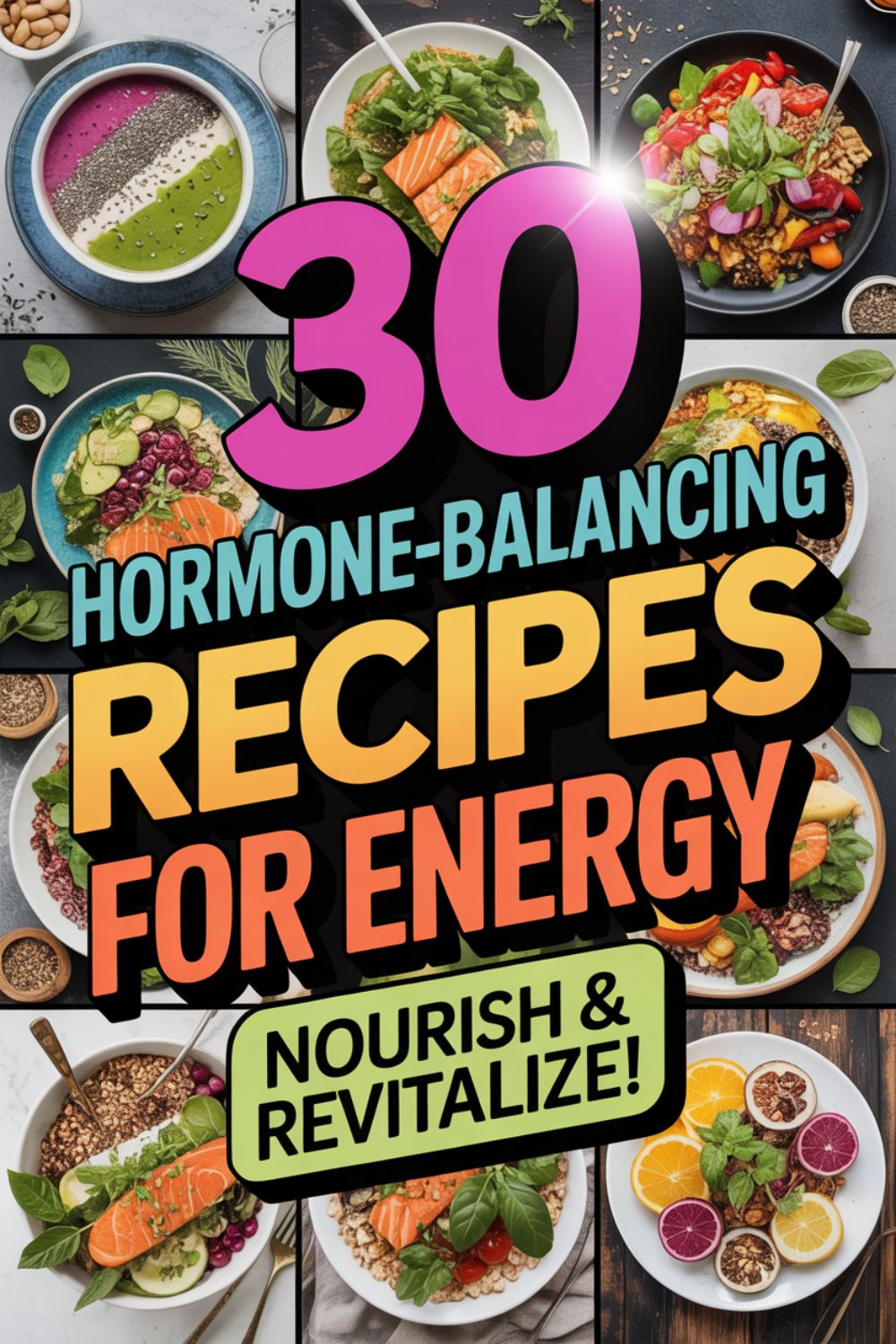
30 Hormone-Balancing Recipes for Energy
You know that feeling when your energy crashes at 2 PM and you’d sell your soul for a nap? Or when your mood swings harder than a pendulum and you can’t figure out why? Yeah, your hormones are probably throwing a tantrum. And honestly, who can blame them when we’re feeding them processed junk and expecting miracles?
Here’s the thing nobody tells you: balancing your hormones isn’t about some complicated detox protocol or expensive supplements. It starts with what’s on your plate. I’ve spent years figuring this out the hard way—through countless energy crashes, mood swings, and frustrating conversations with doctors who just wanted to throw birth control at every problem.
The truth is, food acts like a hormone in your body. Seriously. Research shows that nutrients from food can activate receptors and signaling pathways, essentially functioning as chemical messengers just like your actual hormones do. So when you eat hormone-balancing foods, you’re not just fueling your body—you’re literally communicating with your endocrine system.
Why Your Hormones Need More Than Just Wishful Thinking
Let’s get real for a second. Your body produces over 50 different hormones daily, and they’re all chatting with each other like gossipy neighbors. When one gets out of whack, the whole block notices. Insulin talks to cortisol, cortisol messes with your thyroid, and your thyroid decides to sabotage your estrogen levels. It’s a whole drama.
I learned this the hard way after months of unexplained fatigue and brain fog. Turns out, my blood sugar was on a roller coaster, which was spiking my cortisol, which was then telling my body to store every calorie as fat. Fun times.
The good news? Eating the right foods can significantly impact how your body produces and uses hormones. We’re talking about real, measurable changes in your insulin sensitivity, cortisol levels, and thyroid function. Not some woo-woo magic—actual biochemistry.
Pro Tip
Start every meal with protein + fat + fiber. This simple formula keeps your blood sugar stable, which is the foundation for balanced hormones. Your pancreas will thank you.
The Hormone-Food Connection Nobody Warned You About
Here’s what blew my mind when I started researching this: healthy fats aren’t just good for you—they’re literally the building blocks of your hormones. Your body makes hormones from cholesterol and fatty acids. So when you were doing that low-fat diet thing in the 2000s? You were basically starving your endocrine system.
Similarly, fiber isn’t just about keeping things moving (though that’s important too). It actually helps your body detoxify excess estrogen through your gut. Without enough fiber, that estrogen gets reabsorbed, leading to hormonal chaos.
And protein? Essential amino acids from protein are necessary for producing peptide hormones. Skimp on protein, and your hormones literally don’t have the raw materials they need to do their job.
If you’re looking to reset your entire hormonal system, you might want to check out this 21-day hormone balance reset that walks you through the whole process step by step.
The Big Players: Which Hormones Actually Matter
Let’s focus on the hormones that have the biggest impact on your daily energy and mood:
- Insulin – Your blood sugar boss. When this one’s happy, you have stable energy all day. When it’s angry, you’re on the sugar crash express.
- Cortisol – The stress hormone that’s supposed to wake you up in the morning and wind down at night. Most of us have it backwards thanks to chronic stress and too much caffeine.
- Thyroid hormones – Your metabolism’s control panel. These determine whether you have energy or feel like a slug.
- Estrogen and progesterone – The dynamic duo that affects everything from your mood to your skin to your sleep quality.
Speaking of balanced meals throughout the day, this 7-day blood sugar-friendly meal plan is perfect for keeping insulin levels stable.
30 Recipes That Actually Work (Not Just Theory)
Okay, so you’re probably thinking, “Cool story, but what am I supposed to eat?” Fair question. I’ve tested these recipes on myself and they genuinely make a difference. No, you won’t feel like a new person after one meal—this isn’t a magic pill. But stick with it for a few weeks and you’ll notice the changes.
Breakfast Winners That Won’t Spike Your Blood Sugar
Forget those sugary cereals and pastries. Your morning meal sets the tone for your entire day’s blood sugar stability. I learned this after tracking my energy levels for a month—turns out my “healthy” granola was basically candy.
1. Protein-Packed Green Smoothie Bowl – Blend spinach, avocado, protein powder, and hemp seeds with unsweetened almond milk. Top with berries and a sprinkle of flaxseed. The healthy fats keep you full while the fiber helps with estrogen metabolism.
2. Savory Breakfast Hash – Sweet potatoes, Brussels sprouts, and pastured eggs all cooked in grass-fed ghee. This combo gives you complex carbs, cruciferous veggies for hormone detox, and quality protein.
3. Chia Seed Pudding with Berries – Mix chia seeds with coconut milk overnight. The omega-3s support hormone production and the fiber keeps insulin happy. Get Full Recipe
“I started making the protein-packed smoothie bowl every morning, and within two weeks, I noticed I wasn’t crashing at 10 AM anymore. My cravings for sugary snacks basically disappeared. This stuff actually works!” – Jessica M., from our community
4. Smoked Salmon and Avocado Toast – On sourdough bread for that gut-friendly fermentation. Wild-caught salmon provides omega-3s that reduce inflammation and support hormone communication. Get Full Recipe
5. Greek Yogurt Parfait – Layer full-fat yogurt with nuts, seeds, and low-sugar berries. The probiotics support your gut microbiome, which plays a huge role in hormone regulation.
For more hormone-friendly breakfast ideas that won’t leave you hungry an hour later, check out this 7-day hormone-balancing meal plan for women that includes complete breakfast, lunch, and dinner options.
Meal Prep Essentials Used in This Plan
These are the tools and ingredients that make hormone-balancing cooking actually doable on a weeknight:
- Glass meal prep containers – Because plastic leaches endocrine disruptors into your food. Not worth the risk.
- High-speed blender – For smoothies and sauces. I use mine literally every day.
- Cast iron skillet – Adds iron to your food naturally (important for hormone production) and lasts forever.
- Digital Hormone Balance Recipe eBook – 100+ recipes organized by hormone type with shopping lists
- 30-Day Meal Prep Guide – Batch cooking strategies that save hours each week
- Blood Sugar Tracker Template – Printable PDF to monitor your energy patterns
- Join our WhatsApp community – Real-time support and recipe swaps with other women balancing their hormones
Lunch Options That Keep Energy Stable
This is where most people crash and burn. You grab whatever’s convenient, your blood sugar spikes, then crashes, and by 3 PM you’re ready to quit your job and become a full-time napper.
6. Quinoa Buddha Bowl – Quinoa, roasted chickpeas, tahini dressing, and loads of veggies. Quinoa is a complete protein and provides magnesium and fiber that support hormone regulation.
7. Chicken and Veggie Stir-Fry – Use coconut aminos instead of soy sauce. Loads of colorful veggies provide antioxidants that protect against hormone imbalance-linked oxidative stress.
8. Mediterranean Salad with Sardines – Don’t knock it till you try it. Sardines are packed with omega-3s and calcium. Add olives, cucumber, tomatoes, and extra virgin olive oil.
9. Lentil Soup with Turmeric – Lentils provide plant-based protein and fiber. Turmeric reduces inflammation that can mess with your hormones. Make a huge batch on Sunday and you’re set for days. Get Full Recipe
10. Turkey and Veggie Lettuce Wraps – High protein, low carb, but with enough veggies to keep your gut bacteria happy.
Quick Win
Prep your proteins on Sunday night—grill chicken, hard-boil eggs, cook a batch of lentils. Thank yourself all week when lunch takes 5 minutes to assemble.
If you’re dealing with inflammation on top of hormonal issues, this 14-day anti-inflammatory dinner plan addresses both problems simultaneously.
Dinner Dishes That Support Overnight Hormone Production
Your body does a ton of hormone regulation while you sleep. Feed it the right stuff at dinner and you’re setting yourself up for success. Feed it garbage and you’re sabotaging tomorrow before it even starts.
11. Baked Salmon with Roasted Vegetables – Salmon again because it’s that good for you. Pair with broccoli, carrots, and sweet potato for a complete meal. Season with herbs using your herb grinder for maximum flavor.
12. Grass-Fed Beef and Veggie Skillet – Quality matters here. Grass-fed beef has a better omega-3 to omega-6 ratio. Add Brussels sprouts and mushrooms.
13. Coconut Curry with Chickpeas – The healthy fats in coconut milk support hormone production. Chickpeas provide fiber and plant protein.
14. Herb-Crusted Chicken Thighs – Thighs are fattier than breasts, which is actually good here. Your hormones need that fat. Serve with sautéed greens.
15. Stuffed Bell Peppers – Ground turkey, cauliflower rice, tomatoes, and spices. Bell peppers are loaded with vitamin C, which supports adrenal health.
Looking for complete meal plans that take the guesswork out? This 30-day blood sugar balance plan includes breakfast, lunch, dinner, and snacks all planned out.
Snacks That Won’t Wreck Your Progress
Snacking gets a bad rap, but strategic snacking actually helps maintain stable blood sugar. The key is protein and fat, not carbs alone.
16. Apple Slices with Almond Butter – The fiber in the apple plus the fat in the almond butter = blood sugar gold. Just make sure your almond butter is just almonds, no added sugar or oils.
17. Hard-Boiled Eggs with Everything Bagel Seasoning – Portable protein. I keep these in my fridge at all times.
18. Homemade Trail Mix – Combine raw nuts, pumpkin seeds, and a small amount of dark chocolate chips. The zinc in pumpkin seeds supports reproductive hormone production.
19. Veggie Sticks with Hummus – Simple but effective. The fiber and protein combo keeps you satisfied.
20. Seaweed Snacks – Rich in iodine for thyroid support. An acquired taste but worth it.
The Recipes That Changed Everything for Me
These next recipes aren’t just nutritionally sound—they actually taste good enough that you’ll want to make them again. That’s the secret nobody talks about. You can have the healthiest recipe in the world, but if it tastes like cardboard, you won’t stick with it.
Power Bowls and Complete Meals
21. Hormone-Happy Breakfast Bowl – Sautéed kale, roasted sweet potato, poached eggs, avocado, and sauerkraut. The fermented kraut supports gut health, which is crucial for hormone metabolism.
22. Asian-Inspired Lettuce Wraps – Ground chicken or turkey with water chestnuts, ginger, and garlic. Serve in butter lettuce cups. Ginger has anti-inflammatory properties that support hormonal balance.
23. Turmeric Chicken and Cauliflower Rice – This became my go-to weeknight dinner. The turmeric gives it a gorgeous color and reduces inflammation. Use pre-riced cauliflower to save time.
“The turmeric chicken recipe has been a game-changer. I make a double batch every week. My husband actually requests it now, which is saying something because he usually hates ‘health food.’ Lost 12 pounds in 6 weeks without even trying.” – Rachel K., community member
24. Zucchini Noodle Pad Thai – Use a spiralizer to make zucchini noodles. Top with scrambled eggs, bean sprouts, and a sauce made from almond butter and coconut aminos.
25. Sheet Pan Chicken Fajitas – Everything cooked on one pan. Bell peppers provide vitamin C for cortisol regulation. Use parchment paper for easy cleanup.
If you’re trying to lose fat while balancing hormones, this 14-day high-protein meal plan for fat loss focuses on keeping you full while supporting hormonal health.
Sweet Treats That Won’t Tank Your Hormones
Yes, you can have dessert. No, it doesn’t have to be made with dates and taste like sadness.
26. Dark Chocolate Avocado Mousse – Sounds weird, tastes amazing. The healthy fats from avocado plus the antioxidants in dark chocolate make this a hormone-friendly treat.
27. Coconut Flour Muffins – Made with coconut flour, eggs, and a touch of honey. High in fiber and protein, low in sugar.
28. Chia Seed Berry Jam – Mix berries with chia seeds and a tiny bit of maple syrup. Let it gel. Spread on almond flour crackers.
29. Baked Apples with Cinnamon – Core apples, stuff with walnuts and cinnamon, bake until tender. Cinnamon helps with insulin sensitivity.
30. Golden Milk Latte – Turmeric, ginger, black pepper, and coconut milk. The black pepper increases turmeric absorption by 2000%. Seriously.
Tools & Resources That Make Cooking Easier
Real talk—you need the right equipment to make this sustainable:
- Food processor – For making cauliflower rice, chopping veggies, and blending sauces in seconds
- Instant-read thermometer – Stop overcooking your proteins. Perfectly cooked meat every time.
- Quality chef’s knife – Prep goes 10x faster with a sharp knife. Worth the investment.
- Grocery Shopping Template – Never forget an ingredient again with this organized shopping list
- Meal Timing Guide – When to eat what for optimal hormone balance throughout your cycle
- Recipe Substitution Chart – Swap ingredients based on what you have or dietary restrictions
- WhatsApp Accountability Group – Weekly check-ins and motivation from women on the same journey
The Real Talk About Making This Work
Look, I’m not going to lie to you and say this is easy. Changing how you eat takes effort. But here’s what I’ve learned: it gets easier. Your taste buds adapt. Your cravings change. And eventually, the way you used to eat starts sounding kind of gross.
The first week is rough. You might get headaches if you’re coming off a sugar-heavy diet. You might feel tired. Push through. By week two, things start shifting. Your energy becomes more stable. You stop thinking about food every five minutes. By week three, you’ll probably sleep better and wake up less puffy.
Pro Tip
Don’t try to overhaul everything at once. Start with breakfast for one week. Once that feels automatic, add in better lunch options. Small wins build momentum.
One thing that helped me immensely was having a complete plan to follow. This 30-day flat belly meal plan takes the decision fatigue out of the equation.
What About When You Eat Out?
This is where most people panic, but it’s actually not that complicated. Most restaurants will grill you a piece of fish or chicken. Ask for extra vegetables instead of the potato. Request dressings and sauces on the side. You’re not being difficult—you’re being an adult who knows what works for your body.
IMO, the hardest part isn’t the restaurant—it’s dealing with other people’s opinions about your choices. People get weirdly defensive when you don’t eat the way they do. Just smile and change the subject.
Combining Recipes for Maximum Impact
Here’s a strategy that works better than random recipe selection: match your meals to where you are in your menstrual cycle. During the follicular phase (right after your period), you can handle more carbs. During the luteal phase (before your period), you’ll feel better with more fats and proteins.
For women dealing with gut issues alongside hormonal imbalances, this 21-day gut healing meal plan addresses both systems since they’re so interconnected.
Also worth checking out if inflammation is your main concern: these anti-inflammatory meals for beginners that focus on reducing systemic inflammation.
Frequently Asked Questions
How long does it take to see results from hormone-balancing recipes?
Most people notice energy improvements within the first week, especially more stable blood sugar levels. However, hormonal changes can be noticed within days according to nutritionists, with more significant shifts in mood, skin, and menstrual regularity taking 2-4 weeks. Give it at least 21 days for your body to fully adapt.
Can I balance my hormones with food alone, or do I need supplements?
Food should be your foundation, but some people do need additional support. If you’re deficient in vitamin D, B12, or omega-3s, supplements can help. However, eating nutrient-dense whole foods rich in healthy fats, fiber, and protein will provide most people with what they need for hormone production. Talk to your doctor about testing for deficiencies before adding supplements.
Do these recipes work for PCOS or thyroid issues?
These recipes support overall hormonal health, which benefits conditions like PCOS and thyroid dysfunction. The focus on blood sugar stability, anti-inflammatory foods, and nutrient density addresses root causes. However, specific conditions may require additional dietary modifications or medical treatment. Work with your healthcare provider for a personalized approach.
What’s the single most important change I can make for hormone balance?
Stabilizing blood sugar by eating protein, fat, and fiber at every meal. This one change impacts insulin, cortisol, and sex hormones. Skip the carb-only breakfasts and snacks, and you’ll notice a difference in energy and cravings within days. It’s not sexy, but it’s the foundation everything else builds on.
Are these recipes safe during pregnancy or while breastfeeding?
Generally yes, as they focus on whole, nutrient-dense foods. However, pregnant and breastfeeding women have specific nutritional needs and should avoid certain foods like high-mercury fish and excessive amounts of some herbs. Always consult with your healthcare provider before making significant dietary changes during pregnancy or lactation.
The Bottom Line
Balancing your hormones through food isn’t about perfection. It’s about making better choices most of the time and being patient with the process. Your body wants to be in balance—it’s been fighting against processed foods, chronic stress, and lack of sleep for years. Give it the raw materials it needs and it will start healing.
These 30 recipes aren’t magic bullets. They’re tools. Use them consistently, pay attention to how your body responds, and adjust as needed. Some foods that work great for me might not agree with you, and that’s totally fine. The goal is to find your personal hormone-balancing formula.
Start with one recipe this week. Just one. Make it a few times until it feels easy. Then add another. Before you know it, you’ll have a rotation of meals that support your hormones without requiring a PhD in nutrition or hours in the kitchen.
Your hormones have been running the show in the background your entire life. Isn’t it time you gave them some decent fuel to work with?