30 Gut-Friendly Breakfasts for Energy
Your gut isn’t just responsible for digesting last night’s dinner—it’s basically running the show when it comes to energy levels, mood, immune function, and even how well you sleep. So why are we still grabbing pastries and sugary cereals like it’s 2005?
Look, I get it. Mornings are chaotic. You’re trying to wrangle kids, answer emails, or just remember where you left your keys. But here’s the thing: what you eat in those first few hours sets the tone for your entire day. Feed your gut the right stuff, and you’ll feel like you can actually tackle your to-do list. Ignore it, and you’re looking at a mid-morning energy crash that no amount of coffee can fix.
I’ve spent years experimenting with breakfast options that don’t just taste good but actually make me feel good. We’re talking sustained energy, no bloating, and zero afternoon slumps. These 30 gut-friendly breakfasts aren’t some trendy nonsense—they’re backed by science and tested in real kitchens by real people who don’t have time for complicated recipes.

Why Your Gut Needs Better Breakfasts
Before we dive into the recipes, let’s talk about why this matters. Your gut microbiome—those trillions of bacteria living in your digestive system—needs fuel to function. And not just any fuel. According to Harvard Health, beneficial gut bacteria thrive on fiber, which they break down into short-chain fatty acids that support everything from metabolic health to immune function.
The problem? Most of us aren’t getting nearly enough fiber. We need about 30 grams daily, but the average person barely hits 20. Starting your day with fiber-rich, probiotic-packed foods is one of the easiest ways to bridge that gap.
Here’s what happens when you prioritize gut health at breakfast: your digestion improves, inflammation decreases, energy levels stabilize, and you might even notice better mental clarity. It’s not magic—it’s just giving your body what it actually needs.
The Building Blocks of a Gut-Friendly Breakfast
Not all breakfasts are created equal. If you want to support your gut microbiome, you need to think beyond carbs and protein. Here are the non-negotiables:
Fiber Is Your Best Friend
Fiber feeds the good bacteria in your gut. Mayo Clinic Health System notes that prebiotics—found in high-fiber foods like oats, bananas, and berries—help beneficial microbes flourish. Think whole grains, fruits, vegetables, nuts, and seeds. These aren’t just filler ingredients; they’re essential for keeping your digestive system running smoothly.
I used to skip fiber at breakfast, thinking protein was all that mattered. Big mistake. Without fiber, I’d feel hungry an hour later and reach for whatever junk was nearby. Now? I make sure every breakfast has at least 8-10 grams of fiber, and the difference is night and day.
Probiotics and Fermented Foods
Probiotics are live bacteria that add to your gut’s ecosystem. Yogurt, kefir, kimchi, sauerkraut—these aren’t just trendy health foods. They’re packed with beneficial microorganisms that help maintain the balance of good to bad bacteria in your digestive system.
One of my favorite tricks is adding a spoonful of sauerkraut to scrambled eggs. Sounds weird, tastes amazing, and your gut will thank you.
Healthy Fats for Absorption
Your body needs fat to absorb certain vitamins and to keep you satisfied. Avocados, nuts, seeds, olive oil—these aren’t indulgences. They’re necessities. Plus, they help slow digestion, which means more stable blood sugar and sustained energy.
I drizzle high-quality extra virgin olive oil on basically everything short of cereal. It adds richness, supports gut health, and keeps me full until lunch.
30 Gut-Friendly Breakfast Ideas You’ll Actually Make
Alright, enough theory. Let’s get to the good stuff. These breakfasts are organized by type, so you can find something that fits your morning routine.
Overnight Oats and Porridge Variations
1. Classic Overnight Oats with Chia Seeds
Mix rolled oats with chia seeds, your choice of milk, and let it sit overnight. In the morning, top with berries and a drizzle of honey. The oats provide soluble fiber, while chia seeds add omega-3s and even more fiber. I prep five jars on Sunday and grab one each morning. Zero excuses.
2. Apple Cinnamon Millet Porridge
Millet is an underrated whole grain with a nutty flavor and about 2.3 grams of fiber per 100 grams. Cook it like oatmeal, add diced apples, cinnamon, and a handful of walnuts. For an extra boost, I use this mini saucepan that heats evenly and doesn’t burn the bottom.
3. Buckwheat Chocolate Berry Bowl
Despite its name, buckwheat isn’t wheat—it’s a seed. It has 4 grams of fiber per 100 grams and a pleasingly crunchy texture. Mix cooked buckwheat with cacao powder, top with berries, coconut flakes, and sunflower seeds. This one’s a crowd-pleaser, especially if you’re trying to convince someone that healthy food doesn’t have to be boring.
For more ideas on starting your day with balanced nutrition, check out this 7-Day Blood Sugar-Friendly Meal Plan that focuses on sustained energy throughout the day.
Smoothie Bowls and Drinkable Options
4. Kefir Berry Smoothie Bowl
Kefir is basically drinkable yogurt loaded with probiotics. Blend it with frozen berries until thick, then top with hemp hearts, walnuts, and fresh mint. The probiotics support gut health while the berries add antioxidants and fiber.
5. Green Power Smoothie
Spinach, banana, avocado, flax seeds, and almond milk. Blend until smooth. This gives you fiber, healthy fats, and a dose of greens without tasting like lawn clippings. If you’re skeptical about green smoothies, start here.
6. Probiotic-Packed Tropical Bowl
Blend coconut kefir with pineapple, mango, and a scoop of collagen powder. Top with coconut flakes and macadamia nuts. The tropical flavors make it feel like a vacation, but you’re actually supporting your gut lining and digestive health.
7. Blueberry Avocado Smoothie
This sounds strange but trust me. Avocado makes smoothies incredibly creamy without adding dairy. Blend blueberries, half an avocado, spinach, and your choice of milk. Add a tablespoon of ground flax for extra omega-3s. I use this high-speed blender that pulverizes everything into silk—no chunks, no weird texture.
Savory Breakfast Options
8. Kimchi Avocado Toast
Toast whole-grain bread (look for at least 3 grams of fiber per slice), smash avocado on top, and pile on kimchi. Drizzle with a sauce made from kimchi juice and tahini. Sprinkle sesame seeds. This is fermented food meets healthy fat meets whole grains. It’s also ridiculously delicious.
9. Miso Mushroom Toast
Sauté mushrooms in a little olive oil, then stir in white miso paste. Serve on toasted sourdough. Miso is fermented and packed with probiotics, while mushrooms add umami and prebiotic fiber. If you’re not using a cast iron skillet for this, you’re missing out on those crispy edges.
10. Tempeh Breakfast Burrito
Crumble tempeh and season with turmeric, garlic powder, and cumin. Cook until golden. Spread hummus on a whole-grain tortilla, add the tempeh, sautéed peppers and onions, and a dollop of plain Greek yogurt. Wrap it up. Tempeh is made from fermented soybeans, so you’re getting probiotics along with plant-based protein.
Looking for complete meal plans that incorporate these principles? The 7-Day Gut Healing Plan offers structured recipes designed specifically for digestive health.
11. Scrambled Eggs with Sauerkraut and Greens
Scramble your eggs, add a handful of spinach or kale, and top with a generous spoonful of sauerkraut. The combination of protein, greens, and fermented cabbage makes for a powerhouse breakfast. I keep a jar of sauerkraut in the fridge at all times. It’s my secret weapon against boring eggs.
Yogurt and Fermented Dairy Creations
12. Greek Yogurt Chia Pudding
Mix Greek yogurt with chia seeds and let it sit for a few hours or overnight. The chia seeds absorb liquid and create a pudding-like texture. Top with berries, a drizzle of honey, and chopped almonds. The yogurt provides probiotics while chia adds fiber and omega-3s.
13. Berry Breakfast Pots
Layer natural yogurt with raspberries (6.5 grams of fiber per 100 grams), seeds, nuts, and a sprinkle of granola. These pots are fiber-packed and probiotic-rich. Plus, they look impressive if you’re trying to convince someone you have your life together.
14. Coconut Yogurt Parfait
Use dairy-free coconut yogurt if you’re avoiding dairy. Layer with sliced banana, granola, and a handful of blueberries. Drizzle with almond butter. FYI, coconut yogurt often contains different probiotic strains than dairy yogurt, so you’re diversifying your gut bacteria.
High-Protein, High-Fiber Combos
15. Protein-Packed Quinoa Bowl
Cook quinoa and top with a poached egg, steamed broccoli, avocado, and a drizzle of olive oil. Quinoa is a complete protein and provides fiber. This is one of those breakfasts that keeps you full for hours. Get Full Recipe
16. Cottage Cheese and Veggie Scramble
Mix cottage cheese into scrambled eggs for extra protein and creaminess. Add diced tomatoes, bell peppers, and spinach. Season with herbs. This combination gives you protein, probiotics (from the cottage cheese), and vegetables all in one.
17. Salmon and Sweet Potato Hash
Dice sweet potatoes and cook in a skillet with olive oil. Add flaked salmon (canned works great), spinach, and your favorite seasonings. Sweet potatoes are a prebiotic food, meaning they feed your good gut bacteria. Plus, they’re loaded with fiber and vitamin A.
If you’re focused on building muscle while supporting gut health, the 21-Day High-Protein Meal Plan balances macros without sacrificing digestive wellness.
Grain Bowls and Breakfast Salads
18. Barley Breakfast Bowl
Barley contains beta-glucan fiber, which supports gut health. Cook it with vegetable broth, then top with a fried egg, roasted vegetables, and a sprinkle of feta. This is savory, satisfying, and completely underrated as a breakfast option.
19. Mediterranean Breakfast Salad
Mix chopped cucumbers, tomatoes, olives, and red onion. Add chickpeas for protein and fiber. Dress with olive oil, lemon juice, and oregano. Top with crumbled feta and a slice of whole-grain toast on the side. Who says salad is just for lunch?
20. Farro and Roasted Veggie Bowl
Cook farro (another fiber-rich ancient grain) and serve with roasted sweet potatoes, Brussels sprouts, and a soft-boiled egg. Drizzle with tahini sauce. This is hearty, filling, and loaded with prebiotics.
Quick and Portable Options for Busy Mornings
Sometimes you need something you can grab and go. These options are designed for those mornings when you’re running late but still want to support your gut health.
21. Homemade Gut-Friendly Granola Bars
Make a batch on the weekend using oats, nuts, seeds, dried fruit, and honey. Press into a pan, refrigerate, and cut into bars. Store in an airtight container and grab one on your way out. These have fiber, healthy fats, and no weird preservatives.
22. Banana Almond Butter Wrap
Spread almond butter on a whole-grain tortilla, place a banana in the center, sprinkle with chia seeds, roll it up, and you’re done. This takes less than two minutes and provides fiber, protein, and healthy fats.
23. Hard-Boiled Eggs with Veggie Sticks
Boil a dozen eggs on Sunday and keep them in the fridge. Pair with carrot sticks, celery, and a small container of hummus. It’s simple, but it works.
Baked and Make-Ahead Options
24. Sweet Potato Breakfast Muffins
Mash cooked sweet potato and mix with eggs, oat flour, cinnamon, and a touch of maple syrup. Fold in blueberries. Bake in a muffin tin for about 20 minutes. These freeze beautifully and can be reheated in seconds.
25. Baked Oatmeal Cups
Combine oats, mashed banana, eggs, milk, and your choice of add-ins (berries, nuts, chocolate chips). Portion into muffin tins and bake. These are portable, fiber-rich, and customizable. I make two batches at once and freeze half.
26. Veggie Egg Muffins
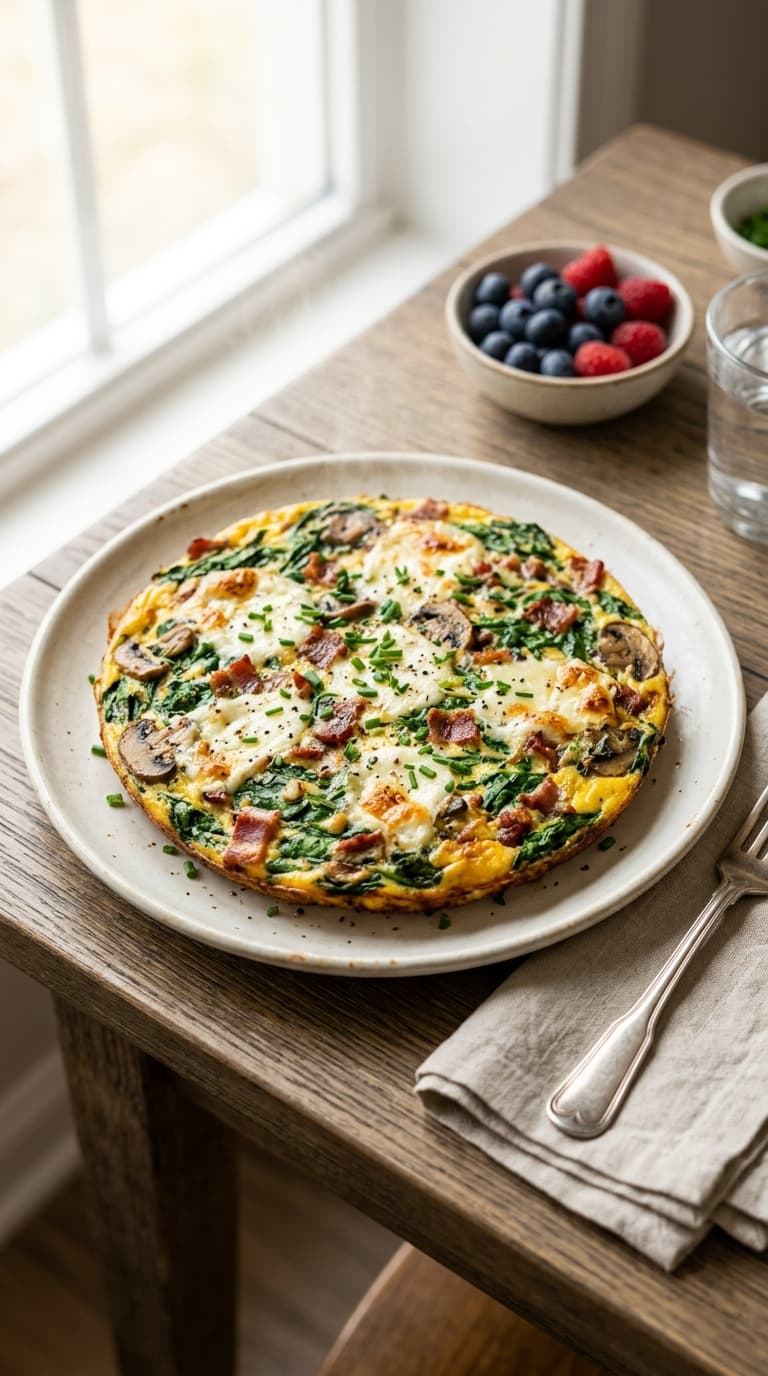
Whisk eggs with diced vegetables (bell peppers, spinach, onions), pour into muffin tins, and bake. Add a bit of cheese if you like. These are high-protein, low-carb, and perfect for grab-and-go mornings.
For more structured approaches to meal prep and gut health, explore the 14-Day Gut Reset Plan which emphasizes quick preparation without sacrificing nutrition.
Nutrient-Dense Superfoods Breakfasts
27. Acai Bowl with Granola and Seeds
Blend frozen acai with banana and a splash of coconut water. Top with homemade granola, pumpkin seeds, and fresh berries. Acai is packed with antioxidants, and the toppings add fiber and crunch.
28. Chia Seed Pudding Three Ways
Basic recipe: mix chia seeds with your choice of milk, let sit overnight. Flavor variations: chocolate (add cacao powder), vanilla (add vanilla extract and a touch of honey), or matcha (add matcha powder). Top with fruit and nuts. Chia seeds are loaded with fiber, omega-3s, and they keep you full.
29. Spirulina Protein Smoothie
Blend spinach, banana, protein powder, spirulina powder, and almond milk. Spirulina is a blue-green algae that’s incredibly nutrient-dense. It tastes earthy, so the banana helps balance it out. This is for when you want maximum nutrition in minimal time.
30. Flax and Berry Pancakes
Make pancakes using whole-grain flour (or oat flour), ground flax seeds, mashed banana, and eggs. Cook in a non-stick griddle and top with fresh berries and a drizzle of pure maple syrup. These aren’t your typical fluffy pancakes, but they’re fiber-rich and satisfying.
Meal Prep Essentials Used in These Recipes
Physical Products:
- Glass Meal Prep Containers (Set of 10) – Perfect for overnight oats, chia pudding, and storing prepped veggies. BPA-free, microwave-safe, and they don’t hold odors like plastic.
- High-Quality Blender with Smoothie Cup Attachments – Makes smoothies, nut butters, and sauces. The single-serve cups mean less cleanup.
- Cast Iron Skillet (10-inch) – For perfect sautéed vegetables, crispy tempeh, and evenly cooked eggs. Season it properly and it’ll last forever.
Digital Resources:
- Complete 30-Day Gut Reset Meal Plan – Structured plan with shopping lists and prep guides
- 21-Day Gut Healing Guide – Comprehensive resource for digestive wellness
- 14-Day Flat Belly Meal Prep Plan – Focused approach to reducing bloating
Community Support:
Join our WhatsApp community for daily meal prep tips, recipe swaps, and accountability. Real people sharing real results—no judgment, just support.
Making It Work in Real Life
Here’s the truth: knowing what to eat and actually doing it are two different things. I’ve tried every meal prep strategy out there, and here’s what actually works.
Batch Cooking Is Your Secret Weapon
Pick one day a week—Sunday works for most people—and cook in bulk. Make a big batch of quinoa or millet. Chop vegetables. Hard-boil eggs. Portion out overnight oats. You’re not cooking every meal; you’re creating building blocks.
I spend about two hours on Sunday and it covers 80% of my breakfasts for the week. The other 20% I improvise based on what sounds good. This isn’t about being perfect; it’s about being prepared.
Keep Your Pantry Stocked
If you have the right ingredients on hand, you’ll make better choices. Here’s what I always keep stocked: rolled oats, chia seeds, ground flax, assorted nuts and seeds, canned beans, whole-grain bread, frozen berries, and a variety of spices. With these staples, you can throw together a gut-friendly breakfast even when your fridge looks sad.
Don’t Overthink Portions
IMO, obsessing over exact measurements kills the joy of cooking. Aim for a palm-sized portion of protein, a fist-sized portion of carbs, and fill the rest with vegetables and healthy fats. Your body is smarter than you think—it’ll tell you when you’re full if you actually listen.
If you’re working on reducing inflammation alongside gut health, the 30-Day Anti-Inflammatory Meal Plan offers complementary strategies.
Tools & Resources That Make Cooking Easier
Kitchen Essentials:
- Digital Kitchen Scale – Helpful for portioning grains and tracking fiber intake without guessing
- Silicone Baking Mats (Set of 2) – For baked oatmeal cups and veggie muffins. No sticking, no scrubbing.
- Insulated Lunch Containers – Keep overnight oats cold or warm porridge hot until you’re ready to eat
Learning Resources:
- 14-Day High-Protein Meal Plan for Fat Loss – Combines protein goals with digestive health
- 7-Day Hormone-Balancing Meal Plan – Addresses gut-hormone connection
- 7-Day Heart-Healthy Meal Plan – Focuses on anti-inflammatory ingredients
Common Mistakes to Avoid
Let’s talk about what doesn’t work, because I’ve made every mistake in the book.
Thinking “Healthy” Means “Tasteless”
If your breakfast tastes like cardboard, you’re not going to stick with it. Use spices. Add fresh herbs. Don’t be afraid of a little salt or a drizzle of honey. Food should be nourishing and delicious—not a punishment.
Ignoring Variety
Eating the same breakfast every single day might be efficient, but it’s also boring and limits the diversity of nutrients and gut bacteria you’re exposing yourself to. Rotate through different options. Your microbiome thrives on variety.
Skipping Breakfast Entirely
I know intermittent fasting is trendy, and it works for some people. But if you’re trying to support gut health and energy levels, completely skipping breakfast might not be your best move. Even something small—a smoothie, a handful of nuts with an apple—can make a difference.
The Gut-Hormone Connection
Here’s something most people don’t talk about: your gut health directly impacts your hormones. When your gut microbiome is out of balance, it can affect everything from cortisol levels to estrogen metabolism. This is especially relevant for women dealing with hormonal fluctuations.
Eating fiber-rich, probiotic-packed breakfasts helps regulate blood sugar, which in turn helps balance insulin and other hormones. It’s all connected. Your breakfast choices ripple out into every aspect of your health.
For women specifically navigating hormonal changes, the 21-Day Hormone Balance Reset provides targeted guidance.
Dairy-Free and Plant-Based Swaps
Not everyone can or wants to eat dairy. Good news: you have options. Coconut yogurt, almond milk kefir, and cashew-based cream cheese all provide probiotics without the lactose. Nutritional yeast adds a cheesy flavor to scrambles without actual cheese. And don’t sleep on tempeh and miso—they’re fermented, plant-based, and incredibly versatile.
I went dairy-free for a few months to see how I felt, and honestly, I didn’t miss it as much as I thought I would. The key is finding high-quality alternatives that actually taste good, not just tolerable.
Frequently Asked Questions
How quickly will I notice improvements in my gut health from changing my breakfast?
Most people notice changes within a week to ten days. You might experience less bloating, more regular digestion, and improved energy levels relatively quickly. However, truly rebuilding your gut microbiome takes time—think weeks to months of consistent effort. Don’t get discouraged if results aren’t immediate; small daily changes compound over time.
Can I drink coffee with these gut-friendly breakfasts?
Absolutely. Coffee itself can actually support gut health in moderation—it contains polyphenols that feed beneficial bacteria. The key is what you add to it. Skip the sugary syrups and excessive cream. If you’re sensitive to caffeine on an empty stomach, have your breakfast first and then enjoy your coffee. Black coffee or coffee with a splash of unsweetened almond milk works well for most people.
Do I need to take probiotic supplements if I’m eating these breakfasts?
Not necessarily. If you’re consistently eating fermented foods like yogurt, kefir, sauerkraut, and kimchi, you’re getting probiotics from your diet. Supplements can be helpful for specific situations—like after antibiotics or if you have a diagnosed gut issue—but they’re not required for everyone. Focus on food first, and talk to a healthcare provider if you’re considering supplements.
What if I experience bloating when I increase fiber intake?
This is super common and usually temporary. When you suddenly increase fiber, your gut needs time to adjust. Start slowly—add one high-fiber breakfast option at a time rather than overhauling everything overnight. Drink plenty of water, which helps fiber move through your digestive system. If bloating persists for more than two weeks, you might need to adjust your approach or consult a dietitian.
Are these breakfasts suitable for weight loss?
Many of them can support weight loss goals because they’re high in fiber and protein, which keep you full and satisfied. However, portion sizes and overall calorie intake matter. If weight loss is your goal, pay attention to how much you’re eating throughout the entire day, not just breakfast. These recipes provide a solid foundation for balanced nutrition that naturally supports a healthy weight.
Final Thoughts
Look, I’m not going to tell you that changing your breakfast will magically solve all your problems. It won’t. But it is one of the most straightforward, sustainable changes you can make to support your overall health.
Your gut microbiome is constantly adapting based on what you feed it. Every breakfast is an opportunity to nourish those trillions of bacteria working hard to keep you healthy. The recipes I’ve shared aren’t about perfection—they’re about progress. Pick a few that sound good, try them out, and see how you feel.
Start where you are. Maybe that means swapping your usual cereal for overnight oats twice a week. Maybe it means adding sauerkraut to your eggs on Sundays. Small changes add up, and your gut—and your energy levels—will thank you.
You don’t need to overhaul your entire life overnight. You just need to start making choices that support your health instead of undermining it. These 30 breakfasts give you options. The rest is up to you.
Similar Posts
Keto Grocery List For Beginners (Under $100)
Keto Grocery List For Beginners (Under $100) Starting keto feels overwhelming — trust me, I’ve been there. You’re staring at your pantry wondering what on earth you can still eat, and suddenly every food label looks like a math exam. But here’s the thing: you don’t need a fancy budget or a nutrition degree to…
25 Clean Eating Keto Recipes That Actually Taste Amazing (Free Printable)
25 Clean Eating Keto Recipes That Actually Taste Amazing (Free Printable) Let’s be honest — when most people hear “keto,” they picture sad lettuce wraps and plain chicken breast. But what if I told you that clean eating keto can actually be delicious? Like, genuinely look-forward-to-dinner delicious? I’ve been eating this way for a while…
7-Day Hormone Balancing Meal Plan For Women For Women
7-Day Hormone Balancing Meal Plan For Women Let’s be real — your hormones run the show. Mood swings, stubborn belly fat, exhaustion at 2pm, craving chocolate like it’s your actual job… sound familiar? If your body feels like it’s working against you, your hormones might just be sending out an SOS. And here’s the thing…
20 Low-Carb Breakfasts That Keep You Full All Morning For Women
20 Low-Carb Breakfasts That Keep You Full All Morning For Women Mornings are already chaotic enough without your breakfast betraying you by 9 AM. You know the feeling — you eat something, feel “fine,” and then your stomach is growling before you’ve even had your second coffee. Sound familiar? That’s usually the blood sugar rollercoaster…
14-Day Postpartum Meal Plan For New Moms For Women
14-Day Postpartum Meal Plan For New Moms For Women You just grew a human. Let that sink in for a second. And now everyone’s talking about the baby while you’re sitting there running on zero sleep, leaking from places you didn’t expect, and trying to figure out what on earth you’re supposed to eat. Sound…
25 Low-Carb Vegetarian Recipes That Don’t Taste Boring For Beginners
25 Low-Carb Vegetarian Recipes That Don’t Taste Boring For Beginners Let me guess — someone told you that low-carb vegetarian eating is basically just sad lettuce leaves and regret. Yeah, I’ve heard that too. Spoiler: it’s completely wrong. I’ve been cooking low-carb veggie meals for a while now, and honestly? Some of my favorite dishes…