25 Heart-Healthy Dinners Under 500 Calories
Here’s what I’ve learned after years of trying to balance flavor with health: you don’t need to sacrifice taste to eat well. You also don’t need fancy ingredients or culinary school training. What you need are solid recipes that clock in under 500 calories while actually supporting your cardiovascular health.
This isn’t about deprivation or eating sad salads for the rest of your life. It’s about finding dinners that make you feel good—both while you’re eating them and hours later when you’re not fighting heartburn or food coma. According to the American Heart Association, maintaining heart health through diet doesn’t require extreme measures, just consistent, smart choices over time.
Why the 500-Calorie Sweet Spot Actually Works
Ever wonder why 500 calories became the magic number for healthy dinners? It’s not arbitrary. For most people eating three meals a day, this leaves room for breakfast, lunch, and snacks while keeping you in a reasonable calorie range for weight maintenance or gradual loss.
But here’s what matters more than the number itself: what those calories are made of. Five hundred calories of fried food hits your body completely differently than 500 calories of lean protein, vegetables, and whole grains. The second option gives you sustained energy, keeps you full longer, and supports your heart instead of stressing it out.
The beauty of staying under 500 calories per dinner is that it naturally encourages you to load up on nutrient-dense foods. You can’t waste space on empty calories when you’re working with a budget. It forces creativity in the best way possible.
The Heart-Health Connection You Need to Know
Let’s get real about what “heart-healthy” actually means, because the term gets thrown around so much it’s almost meaningless. When I say heart-healthy dinners, I’m talking about meals that actively support your cardiovascular system through specific nutritional components.
First up: omega-3 fatty acids. These are the good fats found in fish like salmon, mackerel, and sardines. They reduce inflammation, lower triglycerides, and can even help regulate heart rhythm. Think of them as your heart’s best friends.
Then you’ve got fiber—the unsexy nutrient that does serious heavy lifting. Soluble fiber from oats, beans, and certain vegetables literally binds to cholesterol in your digestive system and escorts it out of your body. Pretty cool for something you can’t even digest, right?
Don’t sleep on antioxidants either. Berries, leafy greens, and colorful vegetables are packed with compounds that fight oxidative stress and inflammation. Your blood vessels need this protection, especially as you age.
Speaking of smart eating patterns, if you’re looking for a more structured approach, you might want to check out this 7-day heart-healthy meal plan under 1500 calories. It takes the guesswork out of daily planning while keeping your cardiovascular health front and center.
What About Sodium and Saturated Fat?
Here’s where most people get tripped up. You can eat a 500-calorie dinner that’s terrible for your heart if it’s loaded with sodium and saturated fat. Restaurant meals are notorious for this—that innocent-looking pasta dish might pack 2000mg of sodium, which is basically your entire daily limit.
The goal isn’t to eliminate these completely (good luck with that), but to keep them in check. Mayo Clinic’s research on calorie quality emphasizes that the source of your calories matters just as much as the quantity. Aim for dinners with less than 600mg sodium and minimal saturated fat.
Building Your Perfect Heart-Healthy Dinner Formula
After making literally hundreds of these dinners, I’ve figured out a formula that works every single time. It’s not rocket science, but it does require thinking about your plate in sections.
Start with lean protein—about a quarter of your plate. This could be grilled chicken, fish, tofu, or legumes. Protein keeps you satisfied and helps maintain muscle mass, which becomes increasingly important as we age. I’m particularly fond of using a digital meat thermometer to nail the perfect doneness without overcooking and drying everything out.
Next, fill half your plate with vegetables. Non-starchy ones like broccoli, cauliflower, zucchini, and leafy greens are your friends here. They bulk up your meal with minimal calories while delivering maximum nutrients. For quick roasting, I swear by silicone baking mats—zero sticking, zero scrubbing, and your veggies come out perfectly every time.
The remaining quarter goes to whole grains or starchy vegetables. Brown rice, quinoa, sweet potato, or whole wheat pasta work great. These provide sustained energy and additional fiber. A rice cooker with a timer function is a game-changer if you want perfectly cooked grains waiting for you when you get home.
25 Dinners That Actually Taste Good
Alright, let’s get to the good stuff. These aren’t just theoretical healthy meals—they’re dinners I actually make and eat. Some take 20 minutes, others need 45, but none require you to be a chef.
Quick Weeknight Winners (20-30 Minutes)
- Lemon Herb Grilled Chicken with Roasted Asparagus – Simple, clean flavors that never get old. The lemon keeps it bright while herbs add complexity. Get Full Recipe
- Shrimp Stir-Fry with Snap Peas and Brown Rice – Minimal oil, maximum flavor. The trick is getting your wok or large skillet screaming hot before you start cooking. Get Full Recipe
- Turkey and Black Bean Tacos – Use lettuce wraps to save calories and carbs. Top with Greek yogurt instead of sour cream and you’ve got a protein-packed dinner. Get Full Recipe
- Baked Cod with Mediterranean Vegetables – Toss everything on a sheet pan and let the oven do the work. Cod is criminally underrated for how mild and versatile it is.
- Chicken and Vegetable Soup – Nothing fancy, just comforting and filling. Make a big batch on Sunday and you’re set for quick lunches or dinners all week.
- Zucchini Noodles with Turkey Marinara – A spiralizer makes this ridiculously easy. You get the pasta experience with a fraction of the calories.
- Grilled Salmon with Dill and Roasted Brussels Sprouts – Brussels sprouts went from nobody’s favorite to everyone’s go-to vegetable once people learned how to roast them properly.
For more quick dinner inspiration that won’t derail your health goals, check out this 14-day gut reset plan with 30-minute recipes. Every recipe is designed to be fast without sacrificing nutrition or taste.
Weekend-Worthy Projects (45-60 Minutes)
- Herb-Crusted Pork Tenderloin with Sweet Potato Mash – Pork tenderloin is lean, affordable, and cooks evenly. The sweet potato mash feels indulgent but packs in vitamins A and C.
- Stuffed Bell Peppers with Quinoa and Turkey – These are meal prep gold. Make six at once and you’ve got ready-made dinners that reheat beautifully.
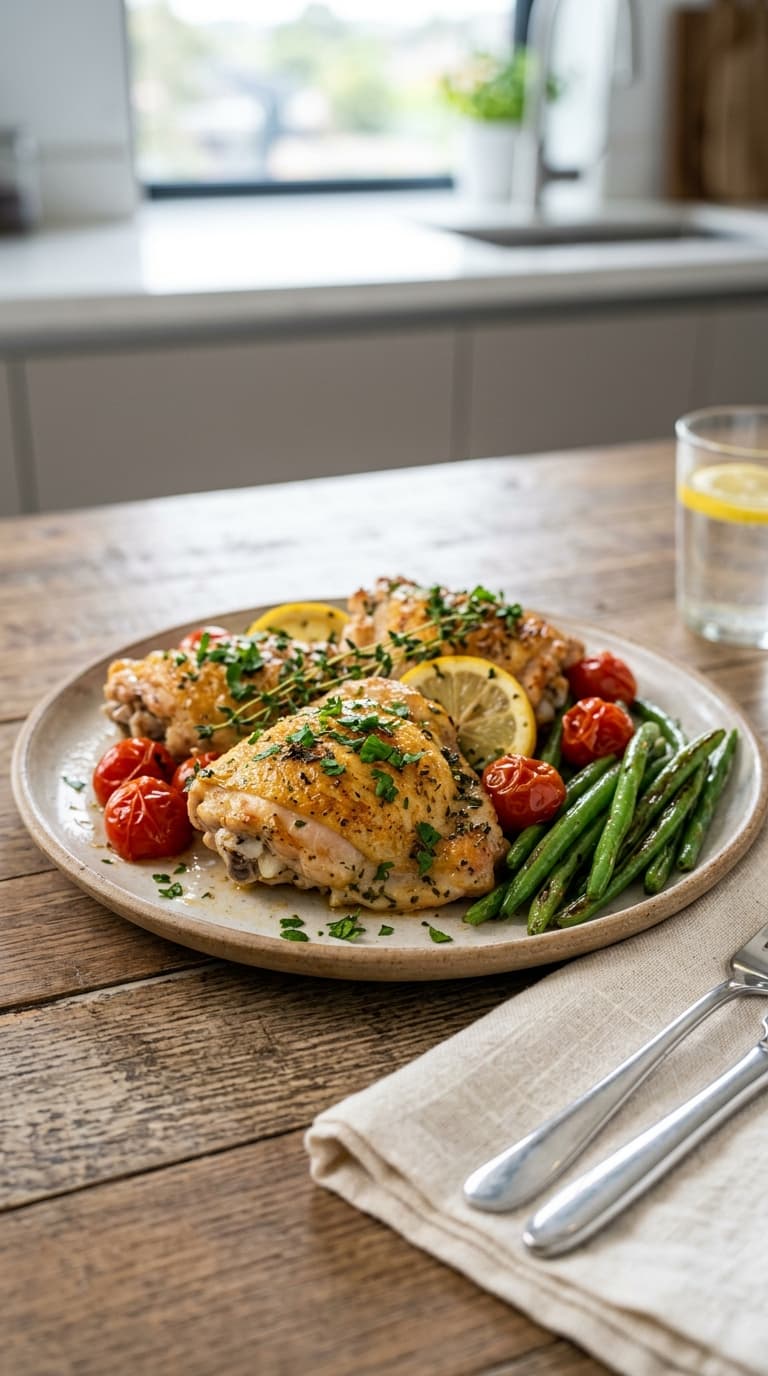
- Baked Chicken Thighs with Roasted Root Vegetables – Yes, thighs have more fat than breasts, but they’re also way more forgiving and flavorful. Used in moderation, they’re absolutely fine.
- Mediterranean Baked Fish with Tomatoes and Olives – Briny olives, sweet tomatoes, and flaky white fish. It tastes like vacation but fits your calorie budget.
- Vegetarian Chili with Kidney Beans and Vegetables – Packed with fiber and plant-based protein. The leftovers somehow taste even better the next day.
- Grilled Chicken Kebabs with Tzatziki and Tabbouleh – If you’ve got a set of metal skewers, these become your summer staple. Way easier than dealing with wooden ones that catch fire.
One-Pot Wonders
- Chicken and Vegetable Curry – Warm spices, coconut milk (use light version), and tons of vegetables. Your whole house smells amazing while this cooks.
- Turkey and Vegetable Soup – Similar to the chicken version but with a different protein profile. Great for using up random vegetables in your crisper.
- Shrimp and Cauliflower Rice Paella – All the flavors of traditional paella without the heavy rice. Cauliflower rice has come a long way—it’s actually good now.
- Lentil and Vegetable Stew – Lentils are a nutritional powerhouse. High in protein, fiber, and iron, plus they’re cheap and shelf-stable.
- Chicken Fajita Bowl – Skip the tortilla, load up on peppers and onions. Top with salsa, a little cheese, and Greek yogurt. Hits all the right notes.
If you’re trying to balance blood sugar while eating heart-healthy, this 7-day blood-sugar-friendly meal plan offers dinners that keep your energy stable while supporting cardiovascular health. It’s a smart combo if you’re dealing with both concerns.
Fish Forward
- Miso-Glazed Salmon with Edamame – The miso adds umami depth without piling on sodium. Edamame brings protein and fun factor.
- Grilled Tuna Steaks with Asian Slaw – Tuna is meaty enough to satisfy even the die-hard steak lovers. The slaw adds crunch and freshness.
- Baked Tilapia with Lemon and Capers – Mild fish that takes on whatever flavors you give it. Capers provide that briny, fancy-restaurant taste.
- Pan-Seared Scallops with Garlic Spinach – Scallops sound fancy but they’re actually stupid easy to cook. Hot pan, dry scallops, 2-3 minutes per side. Done.
Vegetarian Options That Won’t Leave You Hungry
- Chickpea and Spinach Curry – Chickpeas are criminally underrated. They’re filling, cheap, and packed with protein and fiber.
- Portobello Mushroom Steaks with Chimichurri – Big, meaty mushrooms that can stand up to bold sauces. Chimichurri is just herbs, garlic, and vinegar—fresh and punchy.
- Eggplant and Tomato Bake – Like eggplant parmesan but lighter. Uses less cheese and no breading, but still delivers on comfort.
Meal Prep Essentials Used in These Recipes
Look, I’m not trying to sell you a bunch of stuff you don’t need. But there are a few tools that legitimately make these dinners faster and easier:
- Glass meal prep containers with divided sections – Keeps components separate so nothing gets soggy. Microwave and dishwasher safe.
- Sharp chef’s knife (8-inch) – A dull knife is dangerous and makes prep take twice as long. One good knife beats a whole block of mediocre ones.
- Cast iron skillet – Goes from stovetop to oven, gets screaming hot, and lasts forever if you take care of it. Perfect for searing proteins.
- High-Protein Meal Planning Guide (Digital) – Takes the guesswork out of balancing macros across the week
- Heart-Healthy Recipe Database (Digital Access) – Searchable by prep time, ingredients, and dietary restrictions
- Meal Prep Tutorial Videos (Online Course) – Step-by-step walkthroughs for batch cooking efficiently
Making It Work in Real Life
Here’s the thing nobody tells you about healthy eating: knowing what to make is only half the battle. The other half is actually getting dinner on the table when you’re tired, hungry, and tempted to just order takeout.
I’ve found that having a loose plan helps tremendously. Not a rigid schedule that stresses you out, but a general framework. Maybe Monday and Wednesday are quick fish dinners. Tuesday and Thursday feature chicken or turkey. Friday is for trying something new or using up leftovers.
Batch cooking certain components makes everything easier. Roast a big sheet pan of vegetables Sunday night. Cook a pot of quinoa or brown rice. Grill several chicken breasts. Suddenly you’re assembling dinners instead of cooking from scratch every night.
For a more comprehensive approach to weekly planning, the 14-day anti-inflammatory dinner plan provides structured meals that support both heart health and reduce inflammation throughout your body.
The Protein Question Everyone Asks
How much protein do you actually need at dinner? It depends on your size, activity level, and goals, but most people do well with 25-35 grams per meal. This amount keeps you satisfied, supports muscle maintenance, and doesn’t require massive portions.
Here’s a quick reference:
- 4 oz grilled chicken = 35g protein
- 4 oz salmon = 25g protein
- 1 cup cooked lentils = 18g protein
- 4 oz extra-firm tofu = 11g protein
- 1 cup cooked quinoa = 8g protein
Mix and match these to hit your target. A dinner with 4 oz chicken, 1/2 cup quinoa, and vegetables clocks in around 40g protein—plenty for most people.
Speaking of protein needs, if you’re actively trying to build or maintain muscle while eating for heart health, this 21-day high-protein meal plan for lean muscle balances increased protein with cardiovascular wellness. It’s possible to pursue both goals simultaneously.
Plant-Based Protein Swaps
Not everyone eats meat, and honestly, incorporating more plant-based proteins is smart for both your heart and the environment. Here are some swaps that actually work:
- Replace ground beef with crumbled tempeh in tacos or stir-fries
- Swap chicken breast for pressed and marinated tofu in Asian dishes
- Use white beans instead of chicken in soups and stews
- Try chickpea-based pasta to boost protein while keeping the familiar pasta experience
The key with plant proteins is seasoning them well. They’re often more mild than animal proteins, so don’t be shy with herbs, spices, and marinades.
Tools & Resources That Make Cooking Easier
Beyond the basics, these items have earned permanent spots in my kitchen:
- Instant-read thermometer – No more guessing if chicken is done. Stick it in, get a reading, move on with your life.
- Mandoline slicer with safety guard – Paper-thin vegetables in seconds. The safety guard is non-negotiable unless you enjoy ER visits.
- Quality vegetable peeler with comfortable grip – Seems minor until you’re prepping five pounds of vegetables and your hand is cramping.
- Weekly Meal Planning Template (Printable PDF) – Simple framework for organizing your week of dinners
- Grocery Shopping Checklist (Digital) – Organized by store section to speed up shopping trips
- Cooking Time Chart for Proteins (Digital Guide) – Reference for perfect doneness every time
- Join our Heart-Healthy Cooking Community on WhatsApp – Share meal wins, swap recipes, get support when motivation dips
Common Mistakes That Sabotage Heart-Healthy Dinners
I’ve made every mistake in the book, so let me save you some trouble. These are the pitfalls that trip up even well-intentioned healthy eaters.
Mistake #1: Neglecting Flavor
Healthy food doesn’t have to be bland. If your dinners taste like punishment, you won’t stick with it. Learn to use herbs, spices, citrus, and vinegar to build flavor without adding significant calories. A spice rack organizer helps you actually see what you have instead of buying duplicate jars of cumin for the fifth time.
Mistake #2: Going Too Low on Fat
Your body needs fat to absorb certain vitamins and to feel satisfied. Completely fat-free dinners leave you hungry an hour later. Include small amounts of healthy fats—olive oil, avocado, nuts, or fatty fish. Just be mindful of portions since fat is calorie-dense.
Mistake #3: Drinking Your Calories
That glass of juice or sweet tea with dinner can easily add 100-200 calories you didn’t account for. Stick with water, unsweetened tea, or sparkling water with lemon. Save calories for food that actually fills you up.
Mistake #4: Inconsistent Portions
Eyeballing portions is a recipe for calorie creep. You don’t need to measure every morsel forever, but doing it for a couple weeks calibrates your understanding. That “serving” of pasta you’ve been eating? Probably three actual servings. A simple digital kitchen scale removes the guesswork.
If you’re working on creating sustainable habits around healthy eating, the 30-day flat belly meal plan provides structured support while teaching portion control and balanced nutrition. It’s designed for long-term success, not quick fixes.
Navigating Social Situations and Restaurants
You can’t avoid eating out forever, nor should you. Life happens at restaurants, dinner parties, and family gatherings. The goal isn’t perfection—it’s making reasonably smart choices most of the time.
When dining out, look for grilled, baked, or roasted proteins. Ask for sauces on the side. Double up on vegetables instead of getting both rice and potatoes. Skip the bread basket if you know it’ll derail you. These small moves keep you in a reasonable calorie range without being that person who brings their own salad dressing.
At family dinners, eat slowly and be selective. You don’t need to try everything—choose the dishes you genuinely want and skip the rest. Nobody cares as much about what’s on your plate as you think they do.
The key is flexibility. One restaurant meal or holiday dinner won’t undo weeks of healthy eating. It’s the pattern over time that matters, not individual meals.
Looking for more ideas on creating balanced meals throughout your week? This 14-day high-protein meal plan for fat loss includes restaurant strategies and social eating tips alongside the meal plans.
Frequently Asked Questions
Can I really lose weight eating 500-calorie dinners?
Absolutely, as long as your total daily calorie intake aligns with your goals. A 500-calorie dinner leaves room for breakfast, lunch, and snacks within most weight loss plans. The key is consistency and making sure those 500 calories come from nutrient-dense foods that keep you satisfied. If you’re constantly hungry, you won’t stick with it long-term.
How do I make vegetables taste good without adding tons of calories?
Focus on cooking methods and seasonings. Roasting vegetables at high heat (425°F) caramelizes their natural sugars and creates incredible flavor. Add garlic, herbs, a squeeze of lemon, or a small amount of Parmesan cheese. A light spray of oil goes a long way—you don’t need to drench them. Fresh or dried herbs, smoked paprika, cumin, and red pepper flakes all add flavor with zero calories.
Are these dinners suitable if I have high cholesterol?
Yes, these dinners are designed with heart health in mind, which includes cholesterol management. They emphasize lean proteins, fish rich in omega-3s, fiber from vegetables and whole grains, and limited saturated fat—all factors that support healthy cholesterol levels. However, always check with your doctor about specific dietary needs, especially if you’re on cholesterol medication.
How long do meal-prepped dinners stay fresh in the fridge?
Most cooked proteins and vegetables stay good for 3-4 days in the fridge when stored properly in airtight containers. Fish is more delicate and should be eaten within 1-2 days. If you’re meal prepping for the whole week, consider freezing portions you won’t eat in the first few days. Label containers with dates so you’re not playing food safety roulette.
What if I don’t like fish but want the omega-3 benefits?
You can get omega-3s from plant sources like chia seeds, flax seeds, walnuts, and hemp seeds, though they provide a different type (ALA) than fish (EPA and DHA). If you’re avoiding fish entirely, consider an algae-based omega-3 supplement after talking with your doctor. That said, even mild white fish like cod or tilapia might be worth trying if you haven’t explored different preparation methods—the fishy taste you might be avoiding is often just a result of overcooking or poor quality fish.
The Bottom Line on Heart-Healthy Eating
Look, I’m not going to pretend that switching to heart-healthy dinners is always easy or that you’ll never miss your old favorites. Change is uncomfortable, especially when it involves food—something we deal with multiple times every day.
But here’s what I know after making this shift myself: your body adapts. Foods you once thought were boring become genuinely delicious when you’re not constantly overwhelming your taste buds with excess salt, sugar, and fat. You start craving vegetables. You feel noticeably better after eating well. And those blood test results? They make the effort worthwhile.
These 25 dinners aren’t meant to be your entire repertoire forever. They’re a starting point—a collection of reliable options that work when you need them. Some will become weekly staples. Others you’ll try once and decide aren’t for you. That’s completely fine. The goal is building a toolkit of healthy meals you actually enjoy eating.
Start with one or two recipes this week. Get comfortable with them. Then add a couple more. Before you know it, you’ll have a rotation of go-to dinners that support your heart, fit your calorie goals, and taste good enough that you’re not feeling deprived.
Your heart is literally working for you every second of every day. Feeding it well is one of the most direct ways to show appreciation for that tireless effort. These dinners are how you do that, one meal at a time.