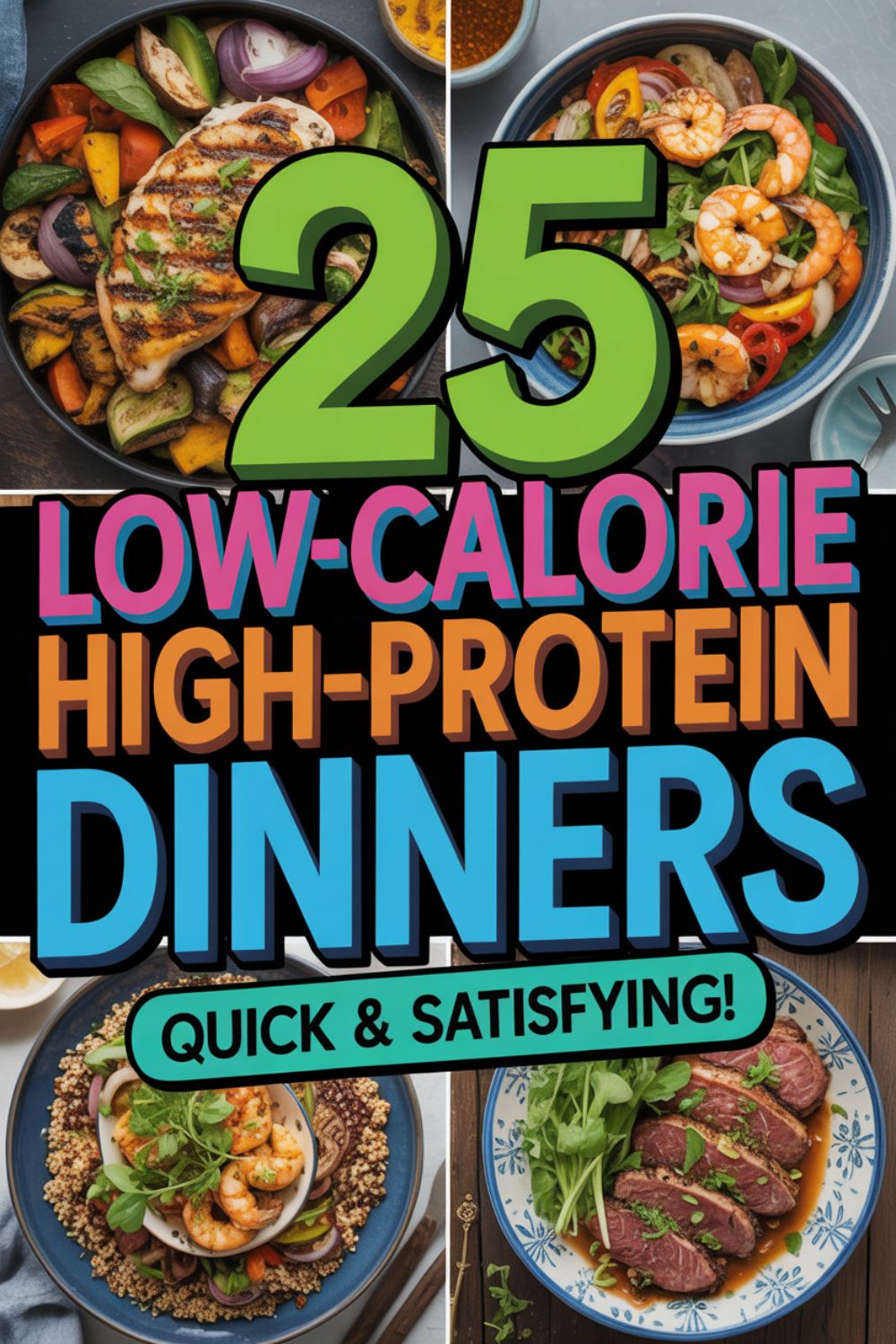
25 Low-Calorie High-Protein Dinners
Look, I get it. You’re staring at your fridge at 6 PM wondering how on earth you’re supposed to make something satisfying without blowing your protein goals or racking up calories like they’re going out of style. Been there, done that, bought the stretchy pants.
But here’s the thing—high-protein, low-calorie dinners don’t have to taste like cardboard or leave you eyeing the pantry two hours later. I’ve spent way too many evenings testing recipes that promised the world and delivered sad, dry chicken breast. So I rounded up 25 dinners that actually deliver on both fronts: serious protein without the calorie guilt.
Whether you’re trying to build muscle, drop a few pounds, or just feel fuller longer without the post-dinner food coma, these meals have your back. And no, you don’t need to be a master chef or own a sous vide machine to pull them off.
Why High-Protein, Low-Calorie Dinners Actually Work
Let’s talk science for a second without getting boring. Research published in the Journal of Obesity & Metabolic Syndrome shows that high-protein diets don’t just help you lose weight—they actually preserve your lean muscle mass while you’re cutting calories. That’s huge because most diets leave you looking like a deflated balloon.
Protein does three things that make it a dinner MVP. First, it cranks up your metabolism through something called the thermic effect of food. Basically, your body burns more calories just digesting protein compared to carbs or fats. Second, it keeps you full way longer than that pasta you inhaled last Tuesday. And third, it stabilizes your blood sugar so you’re not raiding the fridge at 10 PM.
The low-calorie part? That’s where the magic happens for weight management. Recent studies from the University of Zaragoza found that low-calorie, high-protein diets improved glucose metabolism and cardiometabolic profiles in people with prediabetes and type 2 diabetes. So yeah, this isn’t just about fitting into your jeans—though that’s a nice bonus.
The Protein-Packed Poultry Powerhouses
1. Lemon Herb Grilled Chicken with Roasted Asparagus
This one’s embarrassingly simple but tastes like you tried. A 6-ounce chicken breast gives you about 52 grams of protein for roughly 280 calories. Marinate it in lemon juice, garlic, and rosemary for 30 minutes—or if you’re like me and forget until dinner time, even 10 minutes works. Throw some asparagus spears on a sheet pan with olive oil spray, and you’ve got dinner in 25 minutes flat.
2. Turkey Lettuce Wraps with Asian Slaw
Ground turkey is cheaper than chicken and packs 22 grams of protein per 4 ounces with only 120 calories. I cook mine with ginger, garlic, and a splash of low-sodium soy sauce. Wrap it in butter lettuce (not iceberg—trust me, the sturdier leaves make all the difference) and top with shredded cabbage mixed with rice vinegar and sesame oil. Get Full Recipe
3. Balsamic Glazed Chicken Thighs with Green Beans
Okay, thighs have more calories than breasts, but hear me out. The flavor and juiciness are worth the extra 50 calories, and you still get 26 grams of protein per serving. I use a cast iron skillet to get that gorgeous sear, then finish with a quick balsamic reduction. Toss green beans in the same pan afterward to soak up those fond bits.
Speaking of poultry variations, you might want to check out some complete high-protein meal planning strategies or explore lean muscle building approaches that incorporate these kinds of dinners into a bigger picture.
Seafood Stars That Won’t Sink Your Calorie Budget
4. Blackened Salmon with Cauliflower Rice
Salmon gets a bad rap for being high in calories, but a 5-ounce piece only sets you back about 280 calories while delivering 39 grams of protein plus those omega-3s everyone won’t shut up about. The blackening spices create a crust that’s legitimately craveable. Cauliflower rice soaks up the juices without adding many calories.
5. Garlic Butter Shrimp and Zoodles
Shrimp is basically a protein delivery system. A whole pound of shrimp is only 480 calories but packs 100 grams of protein. Sounds insane, right? Sauté them in a tiny bit of real butter (not everything needs to be fat-free), toss with zucchini noodles made with a spiralizer, and finish with lemon zest. Done in 15 minutes.
6. Miso Glazed Cod with Bok Choy
Cod is mild enough that even fish-skeptical people will eat it. It’s also super lean—4 ounces has 24 grams of protein for only 120 calories. The miso glaze adds umami depth without requiring a culinary degree. Steam the bok choy or sauté it with garlic. Simple, clean, satisfying.
7. Tuna Poke Bowl with Edamame
Raw tuna isn’t for everyone, but if you’re into it, poke bowls are clutch for protein. Mix cubed sushi-grade tuna with soy sauce, sesame oil, and green onions. Serve over cauliflower rice with edamame on the side. The combo hits about 40 grams of protein for under 350 calories. Get Full Recipe
Lean Beef and Pork Options That Actually Taste Good
8. Beef and Broccoli Stir-Fry
Use flank steak or sirloin, slice it thin against the grain, and you’ve got a takeout dupe that’s way better for you. Four ounces of lean beef gives you 28 grams of protein for about 200 calories. The key is a screaming hot wok or large skillet and not crowding the pan. If you’re meal prepping, this reheats beautifully for leftovers.
9. Pork Tenderloin Medallions with Roasted Brussels Sprouts
Pork tenderloin is shockingly lean—almost as lean as chicken breast. A 4-ounce serving has 26 grams of protein and 140 calories. Season it simply with salt, pepper, and smoked paprika. Roast at 400°F until it hits 145°F internal temp. Let it rest, slice, and serve with Brussels sprouts that have been roasted until they’re crispy and caramelized.
10. Italian Meatballs with Marinara and Spaghetti Squash
Make meatballs with 93% lean ground beef or a beef-turkey blend. Bake them on parchment paper instead of frying to save calories. Three meatballs give you about 25 grams of protein for 230 calories. Spaghetti squash replaces pasta beautifully—it’s got that stringy texture but only 42 calories per cup versus 200+ for regular pasta.
Looking for more ways to incorporate these protein sources? Check out this 30-day weight loss framework or this flat belly meal prep guide for structured plans that work with your schedule.
Plant-Based Protein Champions
11. Lentil and Vegetable Curry
Don’t sleep on lentils. One cup of cooked lentils has 18 grams of protein and 16 grams of fiber for only 230 calories. Cook them with coconut milk, curry spices, tomatoes, and whatever vegetables need using up. The fiber keeps you full for hours—Sarah from our community tried this approach and lost 15 pounds in 3 months while feeling satisfied at every meal.
12. Chickpea “Tuna” Salad Lettuce Boats
Mash chickpeas with a fork, mix with vegan mayo, celery, red onion, and dill. It’s weirdly tuna-esque. Chickpeas provide 15 grams of protein per cup with 270 calories. Serve in lettuce boats or stuff in a halved bell pepper for a crunchy vehicle. Get Full Recipe
13. Tofu Scramble with Spinach and Mushrooms
Yes, I’m listing a scramble for dinner. Why? Because it’s fast, cheap, and loaded with protein. Firm tofu has 20 grams of protein per cup for 180 calories. Crumble it into a hot pan with turmeric (for color), nutritional yeast (for cheesy flavor), and whatever veggies you have. Dinner in 10 minutes.
14. Black Bean and Quinoa Stuffed Peppers
Bell peppers are edible bowls, which is brilliant. Mix cooked quinoa and black beans—together they form a complete protein—with salsa, cumin, and corn. Stuff into halved peppers, bake until tender. One stuffed pepper half gives you about 12 grams of protein for 200 calories. Make four halves and you’ve got a substantial meal.
Meal Prep Essentials Used in This Plan
After making these recipes more times than I can count, here’s what actually makes a difference in my kitchen:
- Glass meal prep containers (set of 10) – Because plastic gets gross and these go from fridge to microwave without issues
- Digital food scale – Measuring protein portions accurately matters more than you’d think
- Instant-read thermometer – The difference between perfectly cooked chicken and rubber is about 10 degrees
Digital Resources:
- 14-Day Gut Reset Plan – Quick recipes that support digestion while keeping protein high
- 21-Day Anti-Inflammatory Plan – Reduces inflammation without sacrificing protein goals
- 30-Day Flat Belly Blueprint – Structured daily meals under 1800 calories
Egg-cellent Evening Options (Sorry, Had To)
15. Veggie-Loaded Frittata
Frittatas are breakfast’s cooler cousin who shows up to dinner parties. Eight eggs yield about 48 grams of protein for 560 calories, which you divide into 4-6 servings. Load yours with zucchini, tomatoes, spinach, and feta. Bake in a non-stick oven-safe skillet until set. Serve with a side salad.
16. Egg White Omelet with Mushrooms and Spinach
If you’re really watching calories, egg whites are your friend. One cup of egg whites has 26 grams of protein for only 117 calories. IMO, they need help in the flavor department, so I go heavy on the sautéed mushrooms, garlic, and spinach. A sprinkle of goat cheese doesn’t hurt either.
17. Shakshuka with Extra Veggies
This North African dish is tomato sauce with eggs poached right in it. It’s cozy, warming, and legitimately delicious. The base is onions, peppers, and tomatoes simmered with cumin and paprika. Crack eggs into wells in the sauce and bake until the whites are set but yolks are runny. Two eggs plus sauce is about 200 calories with 14 grams of protein.
Creative Bowls That Bring the Flavor
18. Greek Chicken Bowl with Tzatziki
Grilled chicken, cucumber, tomatoes, red onion, olives, and tzatziki over cauliflower rice or a bed of greens. The whole bowl clocks in around 400 calories with 45 grams of protein. Make the tzatziki yourself by mixing Greek yogurt with cucumber, garlic, lemon, and dill—it’s so much better than store-bought and adds bonus protein. Get Full Recipe
19. Teriyaki Salmon Bowl
Bake salmon with a homemade teriyaki sauce (soy sauce, ginger, garlic, a touch of honey). Serve over riced broccoli with edamame and sliced avocado. The salmon contributes 39 grams of protein, and the edamame adds another 9. Total calories stay under 450 if you go easy on the avocado.
20. Taco Bowl with Ground Turkey
Seasoned ground turkey over shredded lettuce with black beans, pico de gallo, a dollop of Greek yogurt (instead of sour cream), and a sprinkle of cheese. Skip the tortilla and you save 150+ calories while keeping the protein at 35 grams per serving. It’s also endlessly customizable based on what you have around.
21. Korean Beef Bowl
Ground beef cooked with ginger, garlic, soy sauce, and a touch of brown sugar (you need some sweetness to balance the salt). Serve over cauliflower rice with quick-pickled cucumbers and kimchi if you’re into fermented foods. About 28 grams of protein for 350 calories, and it comes together in 20 minutes.
For more balanced meal approaches that incorporate these bowl concepts, take a look at blood sugar-friendly strategies or hormone balancing frameworks that work synergistically with high-protein dinners.
Soups and Stews That Actually Fill You Up
22. White Chicken Chili
Chicken breast, white beans, green chilies, chicken broth, and spices simmered until everything’s tender. One bowl gives you 30+ grams of protein from the chicken and beans for about 300 calories. I make a huge batch in my slow cooker on Sundays and eat it all week. Top with cilantro and a squeeze of lime.
23. Thai Coconut Shrimp Soup
Light coconut milk, shrimp, mushrooms, lemongrass, lime leaves, and fish sauce create this aromatic soup that tastes way fancier than the 30 minutes it takes to make. Shrimp’s high protein content (about 24 grams per serving) makes this satisfying despite being under 250 calories per bowl.
24. Beef and Vegetable Stew
Use lean stew meat, lots of root vegetables, beef broth, tomatoes, and herbs. Let it simmer for a couple hours (or use a pressure cooker for 35 minutes). The long cooking breaks down the beef into tender bites. One hearty bowl delivers 28 grams of protein for 320 calories.
25. Turkey Meatball Soup
Mini turkey meatballs in chicken broth with spinach, carrots, and orzo (or skip the orzo to save calories). The meatballs are made with ground turkey, egg, breadcrumbs, and Italian herbs. Six meatballs plus broth and veggies give you 25 grams of protein for 280 calories. It’s like Italian wedding soup but leaner. Get Full Recipe
Tools & Resources That Make Cooking Easier
These aren’t must-haves, but they’ve saved my sanity more times than I can count:
- Programmable slow cooker – Set it before work, come home to dinner. Genuinely life-changing.
- Silicone baking mats (set of 2) – Nothing sticks, cleanup is instant, and they last forever
- Kitchen herb scissors – Sounds silly but cutting fresh herbs directly into dishes is oddly satisfying
Digital Plans Worth Checking Out:
- 7-Day Gut Healing Plan – High fiber recipes that work alongside protein-rich dinners
- 30-Day Anti-Inflammatory Guide – Reduces inflammation while maintaining high protein intake
- 21-Day Flat Belly Reset – Complete daily structure with shopping lists and prep guides
Making It Work in Real Life
Here’s what nobody tells you about high-protein dinners: they require a tiny bit more planning than throwing pasta at a pot. But not much. I keep my freezer stocked with chicken breasts, ground turkey, shrimp, and salmon fillets. Frozen veggies live there too—broccoli, cauliflower, and stir-fry mixes.
FYI, you don’t need to eat 25 different dinners. Most people rotate between 7-10 favorites and call it good. Pick a handful from this list that sound appealing, try them, and keep what works. If your family hates fish, skip the seafood section. If you’re plant-based, the lentil and chickpea options have you covered.
The calorie counts I mentioned are rough estimates based on typical portion sizes. Yours might vary depending on how heavy-handed you are with oil or whether you add cheese. Use a food tracking app if you want precision, but honestly, just loading up on protein and vegetables while keeping portions reasonable gets most people 80% of the way there.
One more thing—don’t fall into the trap of making perfect the enemy of good. Some nights you’ll nail it and feel like a meal prep champion. Other nights you’ll throw pre-cooked chicken and bagged salad on a plate and call it dinner. Both count as wins. The goal is consistency, not perfection.
If you’re looking for complete meal structures that take the guesswork out, exploring anti-inflammatory approaches or heart-healthy frameworks can provide the roadmap you need to stay on track without burning out.
Frequently Asked Questions
How much protein do I really need per meal?
Most adults benefit from 25-30 grams of protein per meal to maximize muscle protein synthesis and satiety. That’s roughly a palm-sized portion of meat, fish, or poultry, or about 1.5 cups of legumes. Going higher won’t hurt you (assuming healthy kidneys), but you won’t get additional benefits beyond 30-40 grams in a single sitting. Spread your protein throughout the day rather than loading it all into one meal.
Can I eat high-protein dinners every night without gaining weight?
Absolutely, as long as your total daily calorie intake aligns with your goals. Protein is actually the most satiating macronutrient and has the highest thermic effect, meaning your body burns more calories digesting it compared to fats or carbs. The key is keeping the overall calorie count in check, which these recipes do by pairing lean proteins with non-starchy vegetables and reasonable portions of complex carbs.
Are plant-based proteins as effective as animal proteins?
Yes and no. Animal proteins are “complete,” meaning they contain all nine essential amino acids in optimal ratios. Most plant proteins are incomplete, though combining different sources (like rice and beans) creates a complete profile. Recent research from the University of Zaragoza found that both animal and plant-based high-protein diets improved body composition and metabolic markers equally. The bottom line: eat whichever sources you prefer, but variety helps if you’re primarily plant-based.
Will eating protein at night keep me awake or make me gain weight?
No to both. The myth that eating late causes weight gain has been debunked—what matters is your total daily intake, not the timing. In fact, a 2023 study published in Health Science Reports found that high-protein diets actually improved sleep quality in obese adults. Protein before bed can even support overnight muscle recovery and keep you from waking up ravenous at 3 AM.
How do I keep these meals from getting boring?
Rotate your spice profiles and cuisines. The same grilled chicken becomes a different meal when you switch from Italian herbs to taco seasoning to teriyaki marinade. Keep 4-5 different seasoning blends or sauces on hand, and batch-cook plain protein that you can flavor differently throughout the week. Also, changing up your vegetable sides prevents monotony—roasted broccoli on Monday, sautéed spinach on Wednesday, and grilled zucchini on Friday keeps things interesting without extra effort.
Wrapping It Up
Twenty-five dinners sounds like a lot, but really, you’ve now got options for every mood, every schedule, and every level of cooking ambition. Some of these you can throw together in 15 minutes on a Tuesday when you’re running on fumes. Others are perfect for Sunday meal prep sessions when you’ve got the time and energy to cook in batches.
The real win isn’t just the protein numbers or the calorie counts. It’s finding meals that keep you satisfied, energized, and not staring into the pantry at 9 PM wondering what went wrong. High-protein, low-calorie dinners work because they address the actual problem most people face: hunger that derails everything else.
Start with two or three recipes that sound good to you. Make them this week. See how you feel. Then add another couple to your rotation. Before you know it, you’ll have a solid lineup of go-to dinners that you can make without even thinking about it. And that’s when it stops being a diet and starts being just how you eat.
Now go find some chicken breast and get cooking. Or don’t, and make that lentil curry instead. Point is, you’ve got options.
Similar Posts
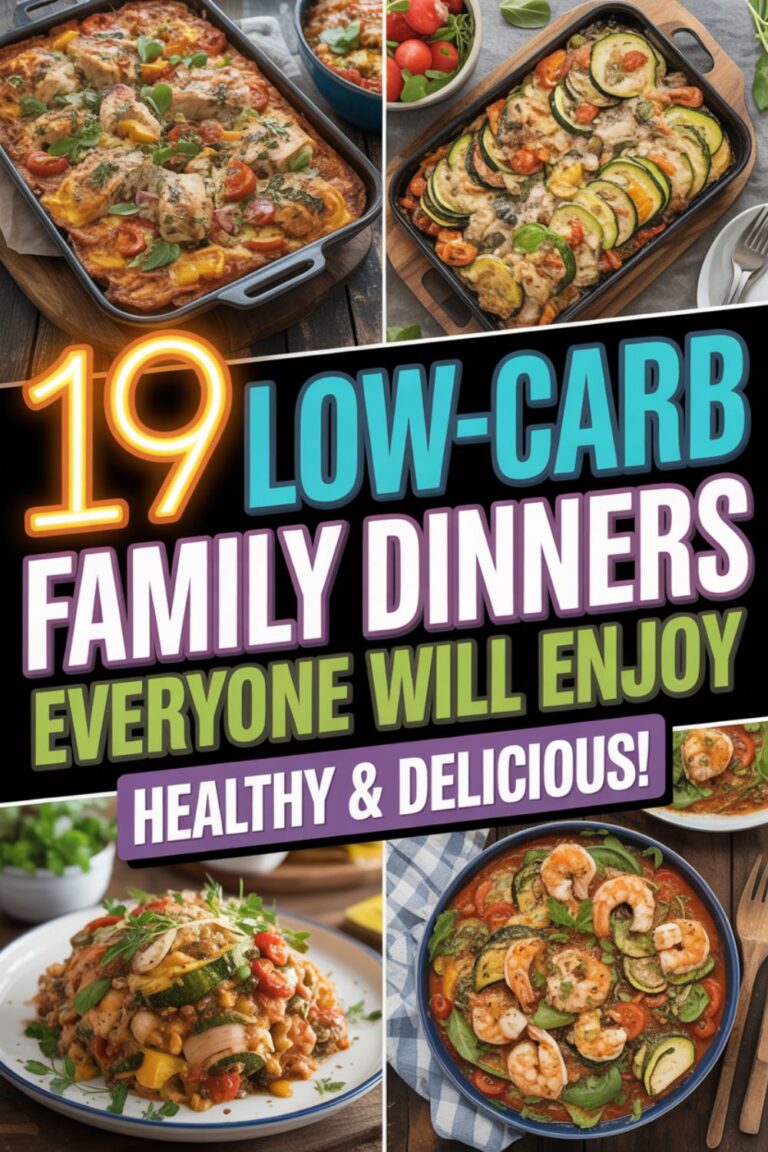
19 Low-Carb Family Dinners Everyone Will Enjoy
19 Low-Carb Family Dinners Everyone Will Enjoy | Plan Pretty Plates 19 Low-Carb Family Dinners Everyone Will Enjoy Look, I get it. You’re trying to eat healthier, cut back on carbs, and maybe shed a few pounds. But you’ve got a family to feed, and the last thing you need is a mutiny at the…
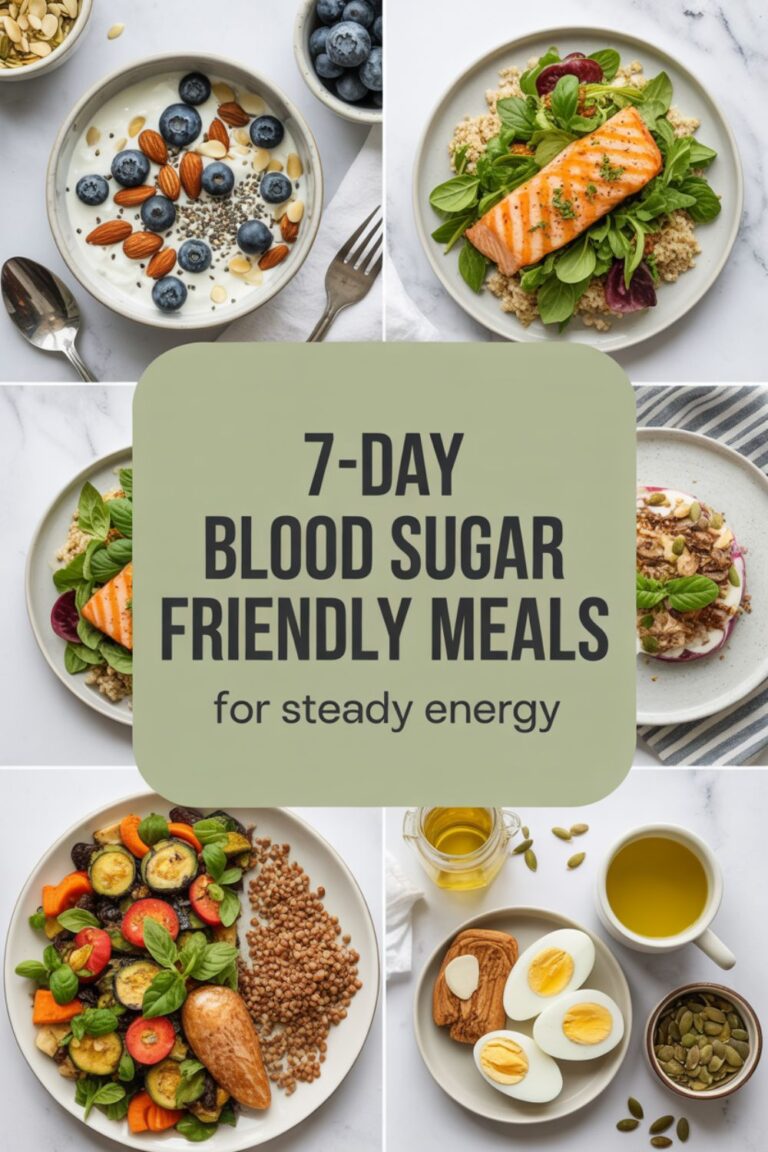
7-Day Blood Sugar Friendly Meals for Energy
7-Day Blood Sugar Friendly Meals for Energy – Complete Guide 7-Day Blood Sugar Friendly Meals for Energy You know that 3 p.m. slump when your brain feels like mush and the couch starts looking more appealing than your to-do list? Yeah, that’s probably your blood sugar throwing a tantrum. I used to think energy crashes…
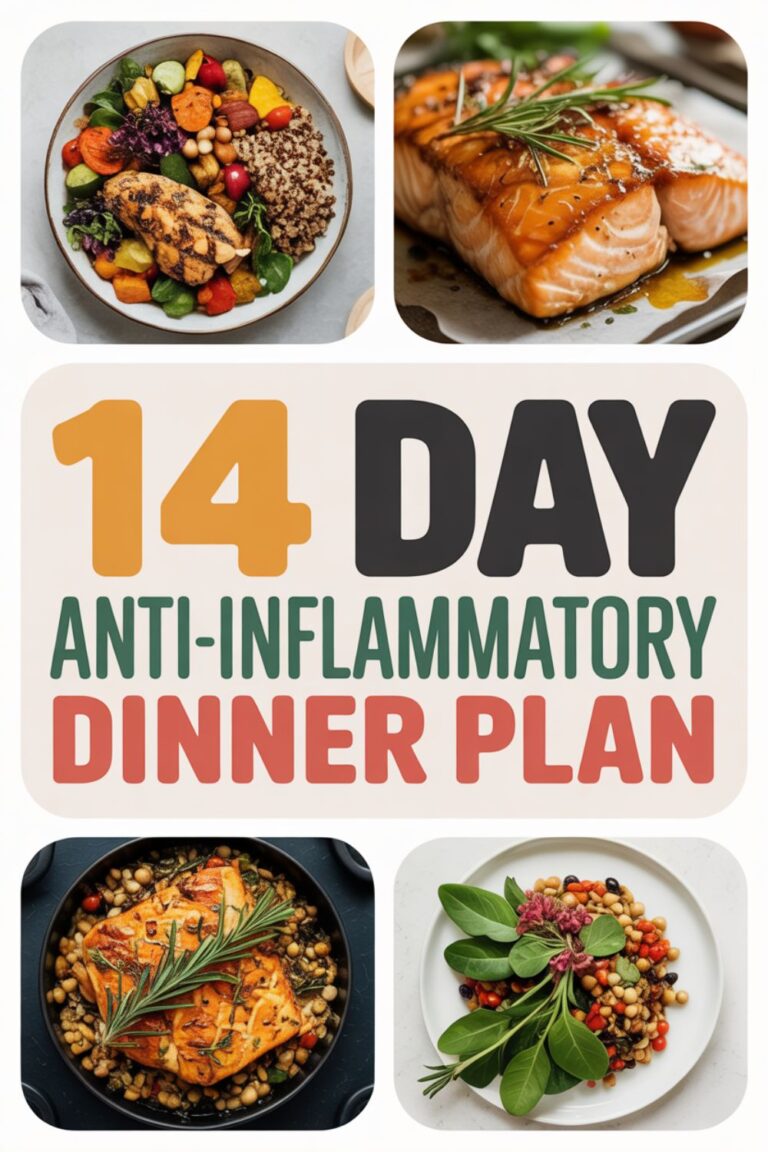
14-Day Anti-Inflammatory Dinner Plan
14-Day Anti-Inflammatory Dinner Plan 14-Day Anti-Inflammatory Dinner Plan You know that feeling when your jeans fit a little tighter, your energy tanks by 3 PM, and your joints ache like you’ve been training for a marathon you never signed up for? Yeah, inflammation might be crashing your party. And honestly, the worst part is that…
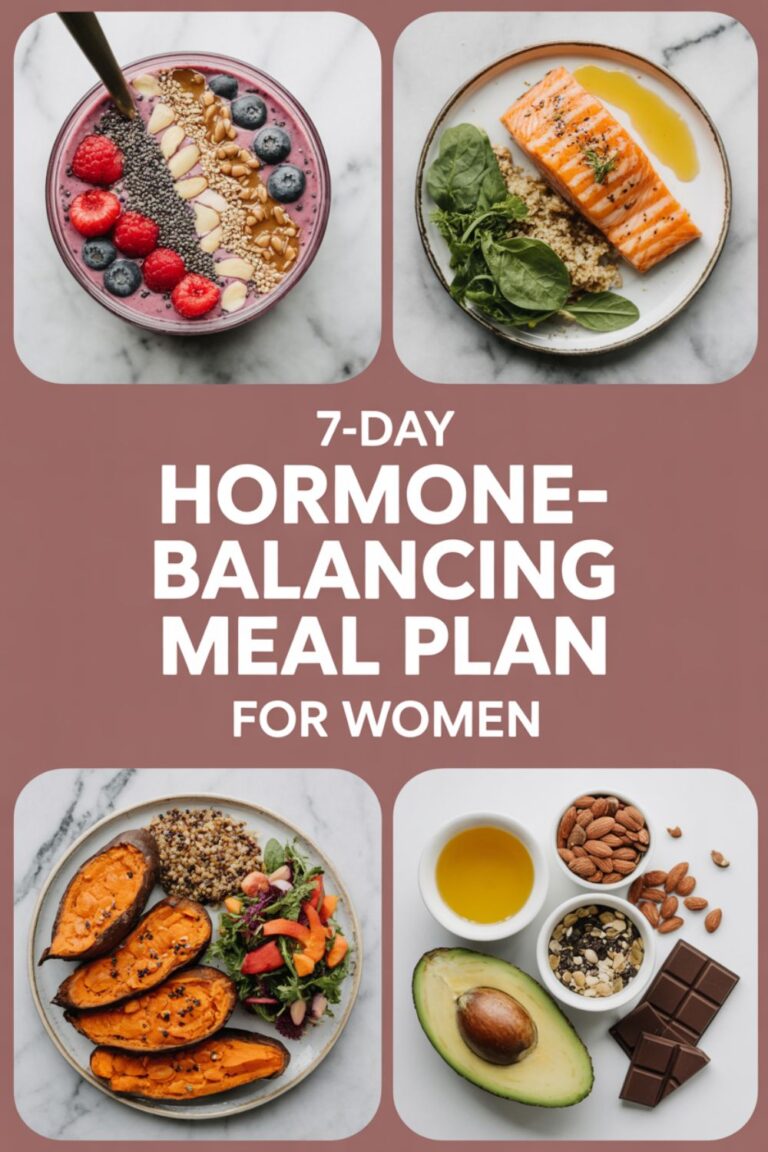
7-Day Hormone-Balancing Meal Plan for Women
7-Day Hormone-Balancing Meal Plan for Women 7-Day Hormone-Balancing Meal Plan for Women Look, I get it. Your hormones feel like they’re hosting a rebellion in your body, and you’re just trying to figure out what to eat without Googling “why am I so tired all the time” at 2 AM. Been there, done that, bought…
25 Flat Belly Lunches for Busy Professionals
25 Flat Belly Lunches for Busy Professionals 25 Flat Belly Lunches for Busy Professionals Listen, I get it. You’re stuck at your desk with a million deadlines, your stomach is screaming for food, and the vending machine down the hall is looking way too tempting. But here’s the thing about those quick fixes—they’re usually loaded…