20 Gut-Healthy Snacks for Energy
Look, I’m gonna level with you right off the bat—snacking doesn’t have to derail your health goals. In fact, the right snacks can actually do wonders for your gut while keeping your energy levels steady throughout the day. No more 3 PM crashes or that annoying brain fog that makes you wonder if you actually sent that email or just dreamed about it.
Your gut is home to trillions of bacteria that influence everything from your mood to your metabolism. When you feed these little guys the right stuff—think fiber, probiotics, and prebiotics—they reward you with better digestion, sustained energy, and even improved immunity. The trick is knowing which snacks actually deliver on these promises without leaving you bloated or reaching for another snack an hour later.
I’ve spent years experimenting with different combinations, and honestly? Some of the best gut-healthy snacks are ridiculously simple. We’re talking about real food that doesn’t require a culinary degree or a trip to some specialty health food store three towns over. Ready to transform your snack game? Let’s dig in.
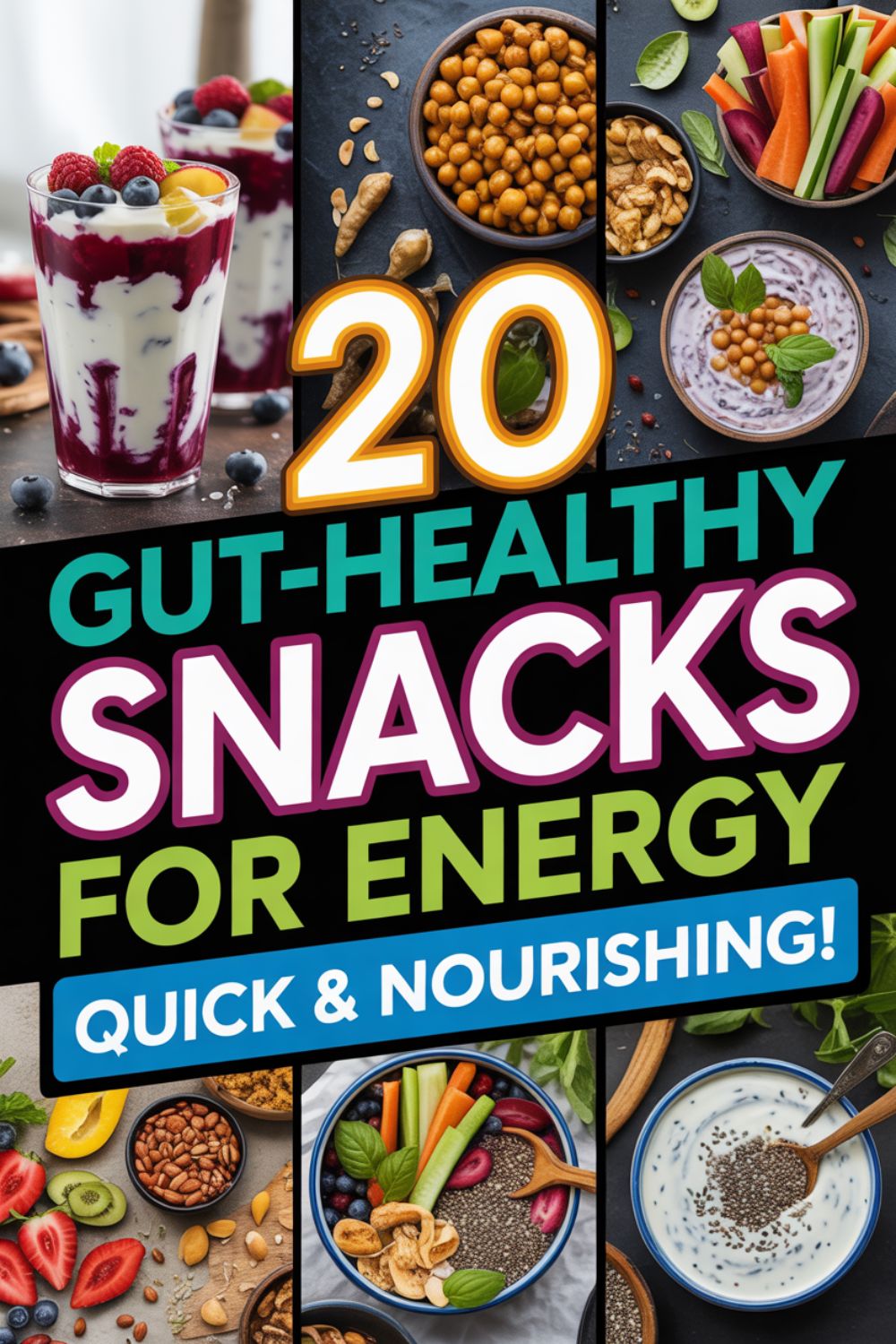
Image Prompt: Overhead flat lay of 20 colorful gut-healthy snacks arranged on a rustic wooden table with natural morning light streaming from the left. Include small glass jars of yogurt topped with berries, a white bowl of hummus surrounded by rainbow vegetables, a wooden board with fermented foods (kimchi, sauerkraut), fresh fruit slices, nuts in ceramic bowls, whole grain crackers, dark chocolate squares, and kefir in a clear glass bottle. Soft shadows, warm tones, minimalist styling with scattered fresh herbs for color. Pinterest-optimized composition with negative space at the top for text overlay.
Why Your Gut Health Matters More Than You Think
Before we jump into the snack list, let’s talk about why this even matters. Your gut microbiome isn’t just responsible for digestion—it plays a crucial role in your immune system, mental health, and energy levels. When your gut bacteria are happy and balanced, you feel the difference. Less bloating, more energy, better mood, clearer skin—the works.
The key is feeding your microbiome a diverse array of nutrients. Fiber and fermented foods work together to support a healthy gut, with fiber acting as fuel for beneficial bacteria and fermented foods introducing new probiotic strains into your system.
The Power Trio: Fiber, Probiotics, and Prebiotics
Think of your gut health strategy like building a three-legged stool. You need all three components working together. Fiber adds bulk to your stool and keeps things moving smoothly through your digestive tract. Probiotics are the live beneficial bacteria that colonize your gut. Prebiotics are special types of fiber that feed those probiotics, helping them thrive.
Most people focus solely on probiotics, but honestly? That’s like planting a garden and forgetting to water it. You need the prebiotics to nourish those bacteria, and you need fiber to keep your entire digestive system functioning optimally. The snacks I’m about to share hit all three categories.
Pro Tip: Start slow with fermented foods and high-fiber snacks. Your gut needs time to adjust, especially if you’re not used to eating this way. Add one new snack per week to avoid digestive discomfort.
1. Greek Yogurt with Berries and Walnuts
This one’s a classic for good reason. Plain Greek yogurt (not the sugar-loaded flavored stuff) is packed with probiotics that support digestive health. The berries add fiber and antioxidants, while walnuts bring omega-3 fatty acids that have anti-inflammatory properties.
I keep a large container of plain Greek yogurt in my fridge at all times. It’s one of those staples that you can dress up a million different ways. Pro tip: if plain yogurt tastes too tart for you, add a tiny drizzle of raw honey—your taste buds adjust after a week or two.
2. Fermented Pickles
Not all pickles are created equal. You want the naturally fermented kind that you find in the refrigerated section, not the shelf-stable ones swimming in vinegar. Real fermented pickles are loaded with probiotics and have that satisfying crunch that hits different when you’re craving something salty.
Look for brands that specifically mention “naturally fermented” or “contains live cultures” on the label. These pickles actually go through a lacto-fermentation process that creates beneficial bacteria. Grab them straight from the jar for a quick snack, or chop them up to add to salads.
3. Hummus and Veggie Sticks
Chickpeas are a powerhouse ingredient. They’re high in both fiber and resistant starch, which your gut bacteria absolutely love. When you blend them into hummus, you create this creamy, satisfying dip that pairs perfectly with crunchy vegetables.
I’m obsessed with using carrots, bell peppers, cucumber, and celery. Each vegetable brings its own set of prebiotic fibers to the table. Plus, the combo of protein from the chickpeas and fiber from the veggies keeps you full for hours. If you’re making your own hummus, a food processor makes the job stupidly easy—just dump everything in and blend until smooth.
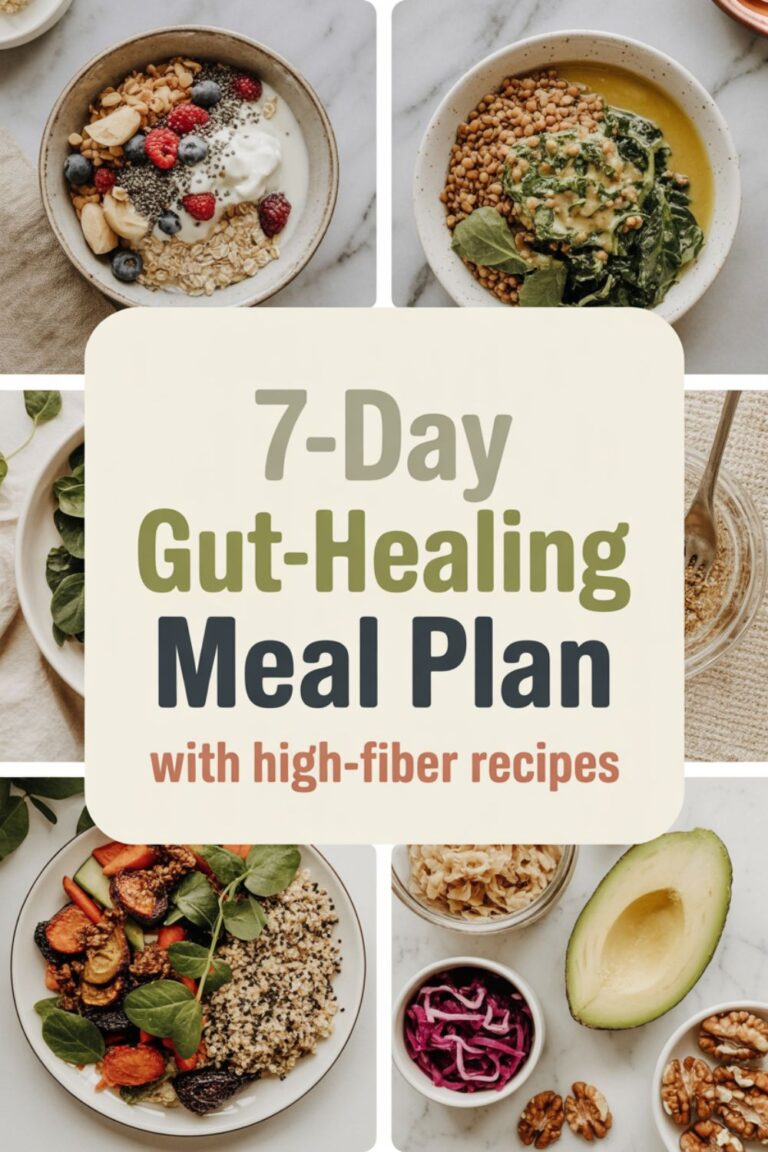
Speaking of fiber-rich meals, if you’re looking to build out your weekly menu with gut-supporting recipes, check out this 7-day gut healing plan with high-fiber recipes. It’s designed specifically to support digestive health while keeping your meals interesting.
4. Kefir Smoothie
Kefir is like yogurt’s tangier, drinkable cousin. It contains multiple strains of probiotics—often more than yogurt—and has a thinner consistency that makes it perfect for smoothies. The fermentation process also breaks down much of the lactose, so even people with mild lactose intolerance often tolerate it well.
Blend kefir with frozen berries, a handful of spinach, and maybe a tablespoon of ground flaxseed for extra fiber. The result is a creamy, tangy smoothie that tastes like a treat but works like medicine for your gut. I use a high-powered blender that actually breaks down the flax seeds properly—game changer for texture.
“I started adding kefir to my morning routine and noticed a huge difference in my digestion within two weeks. No more afternoon bloat, and my energy levels are so much more consistent!” — Sarah M., community member
5. Apple Slices with Almond Butter
Apples are rich in pectin, a type of soluble fiber that feeds beneficial gut bacteria. Almond butter adds healthy fats, protein, and additional fiber. Together, they create this perfect balance that stabilizes blood sugar while supporting your microbiome.
The key is leaving the skin on the apple—that’s where most of the fiber lives. Slice it up, slather on some almond butter, and you’ve got yourself a snack that actually sustains you. Sometimes I sprinkle a little cinnamon on top for extra flavor and blood sugar regulation benefits.
6. Sauerkraut
Fermented cabbage might not sound sexy, but sauerkraut is one of the most powerful probiotic foods you can eat. The fermentation process creates beneficial bacteria while also increasing the bioavailability of vitamins C and K. Plus, it’s super low in calories but high in fiber.
I eat it straight from the jar with a fork—weird, I know, but incredibly satisfying. You can also add it to salads, sandwiches, or eat it alongside other proteins. Just remember to buy the refrigerated kind that specifically says it contains live cultures. The canned stuff has been pasteurized, which kills all those beneficial bacteria.
If you’re ready to commit to better gut health long-term, this 21-day gut healing meal plan offers a comprehensive approach to resetting your digestive system with delicious, easy-to-follow recipes.
Quick Win: Keep a jar of sauerkraut and a jar of pickles in your fridge at all times. When snack cravings hit, having fermented options readily available makes the healthy choice the easy choice.
7. Overnight Oats
Oats contain beta-glucan, a type of soluble fiber that supports healthy gut bacteria and helps lower cholesterol. Making them overnight in a mason jar means you’ve got a grab-and-go option that requires zero morning effort.
Mix equal parts oats and milk (or plant-based alternative), add chia seeds for extra fiber, and top with berries or sliced banana. Let it sit in the fridge overnight. In the morning, you’ve got this creamy, pudding-like snack that’s both satisfying and gut-friendly. I use these glass mason jars with lids to prep several days’ worth at once.
8. Kimchi
This Korean staple is spicy, tangy, and absolutely loaded with probiotics. Like sauerkraut, it’s made from fermented vegetables—typically napa cabbage and radishes—but with the addition of garlic, ginger, and Korean chili flakes.
Kimchi is one of the most nutrient-dense fermented foods you can eat. It’s packed with vitamins A and C, along with beneficial bacteria that support digestion. The spice level varies by brand, so start mild if you’re not used to heat. I eat it straight up or add it to rice bowls for an extra probiotic punch.
9. Dark Chocolate (70% or Higher)
Yes, chocolate made the list. High-quality dark chocolate contains prebiotics that feed beneficial gut bacteria, plus it’s loaded with antioxidants. The key is choosing chocolate that’s 70% cacao or higher without a ton of added sugar.
A small square or two satisfies sweet cravings while actually supporting your microbiome. The polyphenols in dark chocolate have been shown to increase beneficial bacteria in the gut. Just don’t go overboard—we’re talking about a serving size of one to two ounces max.
10. Kombucha
This fermented tea beverage has exploded in popularity, and for good reason. Kombucha contains probiotics from the fermentation process, plus organic acids that support digestion. It’s fizzy, slightly sweet, and comes in countless flavors.
The carbonation makes it feel like a treat, but you’re actually feeding your gut beneficial bacteria. Look for brands with less than 5 grams of sugar per serving—some commercial kombuchas are basically soda in disguise. I keep a few bottles in my fridge for when I want something more exciting than water.
For those dealing with inflammation alongside digestive issues, combining gut-healthy snacks with an overall anti-inflammatory approach can be powerful. This 14-day anti-inflammatory dinner plan complements your snacking strategy perfectly.
11. Roasted Chickpeas
Crispy, crunchy, and completely addictive. Roasted chickpeas are high in both protein and fiber, making them the perfect savory snack when you’re craving something with texture. The fiber in chickpeas feeds beneficial gut bacteria while helping you stay regular.
You can buy them pre-made or roast your own. If you’re going the DIY route, drain and dry canned chickpeas, toss with olive oil and your favorite spices, and roast at 400°F for about 30-40 minutes. I use a large rimmed baking sheet lined with parchment for easy cleanup and even roasting.
12. Miso Soup
Miso paste is made from fermented soybeans and contains beneficial probiotics. While traditionally used in soup, you can quickly whisk together a cup of miso soup as a warm, comforting snack that’s gentle on your digestive system.
Just add hot water to a spoonful of miso paste, throw in some seaweed and scallions, and you’ve got a gut-friendly snack in under two minutes. The warm liquid is soothing, and the probiotics go to work supporting your microbiome. Keep miso paste in your fridge—it lasts forever and adds depth to tons of dishes.
13. Banana with Nut Butter
Bananas are one of the best sources of prebiotics, specifically a type of fiber called inulin. This fiber feeds beneficial bacteria in your gut. Pair it with nut butter for protein and healthy fats, and you’ve got a perfectly balanced snack.
The less ripe the banana, the more resistant starch it contains—a type of carbohydrate that acts like fiber and feeds your gut bacteria. So if you can handle slightly green bananas, that’s actually optimal for gut health. Slather on some peanut, almond, or cashew butter and you’re good to go.
Meal Prep Essentials Used in These Snacks
Setting up your kitchen with the right tools makes gut-healthy snacking effortless. Here’s what I rely on daily:
Physical Products:
- Glass meal prep containers – Perfect for portioning out overnight oats, hummus, and chopped veggies ahead of time
- Fermenting kit – If you want to make your own sauerkraut or kimchi at home (it’s easier than you think)
- Insulated snack containers – Keeps yogurt cold and miso soup warm when you’re on the go
Digital Resources:
- Ultimate Gut Health Guide (eBook) – Comprehensive resource on rebuilding your microbiome from scratch
- Fermentation 101 Video Course – Learn to make your own probiotic-rich foods at home safely
- Meal Prep Mastery Bundle – Weekly planners and shopping lists specifically designed for gut health
Join our WhatsApp Gut Health Community to swap recipes, troubleshoot fermentation projects, and get real-time support from others on the same journey.
14. Chia Seed Pudding
Chia seeds are tiny nutritional powerhouses. When mixed with liquid, they form this gel-like texture thanks to their high soluble fiber content. This same fiber feeds beneficial bacteria in your gut and helps keep you feeling full.
Mix three tablespoons of chia seeds with one cup of milk (dairy or plant-based), add a touch of vanilla and honey, and let it sit in the fridge for at least four hours. Top with fresh fruit and nuts before eating. The texture takes some getting used to, but the gut health benefits are undeniable.
15. Tempeh Strips
Tempeh is made from fermented soybeans pressed into a cake. Unlike tofu, tempeh retains all the fiber from the soybeans and contains probiotics from the fermentation process. It’s also packed with protein, making it incredibly filling.
Cut it into strips, marinate in soy sauce and garlic, and pan-fry until crispy. You’ve got a savory, crunchy snack that delivers both protein and probiotics. I keep pre-cooked tempeh strips in the fridge for quick snacking throughout the week.
If you’re working on weight management alongside gut health, protein is your friend. This 14-day high-protein meal plan for fat loss combines gut-friendly foods with optimal protein ratios to support both goals simultaneously.
16. Avocado Toast on Sourdough
Real sourdough bread (not the grocery store stuff labeled “sourdough style”) is naturally fermented, which makes it easier to digest and potentially beneficial for gut health. The fermentation process breaks down some of the gluten and increases the bioavailability of nutrients.
Top it with mashed avocado for healthy fats and fiber, maybe sprinkle some hemp seeds on top for extra protein. It’s filling enough to count as a small meal but works great as a substantial snack too. Look for true sourdough from a bakery that uses traditional fermentation methods—the ingredient list should just be flour, water, and salt.
17. Trail Mix with Dried Fruit and Nuts
A good trail mix combines the prebiotic benefits of nuts with the fiber from dried fruit. Almonds, walnuts, and cashews are all excellent for gut health, providing both fiber and beneficial fats. Dried figs, dates, and apricots add natural sweetness along with additional fiber.
Make your own to avoid added sugars and oils. Mix equal parts raw nuts with unsweetened dried fruit. Throw in some dark chocolate chips and maybe some pumpkin seeds for variety. Store in an airtight container and portion out into small bags for easy grabbing.
18. Cottage Cheese with Flaxseed
Cottage cheese is another excellent source of probiotics, especially if you buy brands that specifically mention live cultures. It’s high in protein and relatively low in calories, making it incredibly satisfying.
Mix in a tablespoon of ground flaxseed for extra fiber and omega-3 fatty acids. The flax adds a subtle nutty flavor and boosts the gut health benefits significantly. I like adding a handful of berries and a drizzle of honey to make it feel more like dessert than a health food.
Pro Tip: Buy whole flaxseeds and grind them fresh in a coffee grinder dedicated to seeds. Pre-ground flax loses nutrients quickly once the seeds are broken down. Fresh-ground tastes better and delivers more benefits.
19. Edamame
These little green soybeans are packed with fiber and protein. A cup of edamame contains about 8 grams of fiber, which is nearly a third of your daily recommended intake. They’re also a complete protein, meaning they contain all nine essential amino acids.
Buy them frozen, steam for a few minutes, and sprinkle with sea salt. They’re slightly addictive—you’ll find yourself mindlessly eating them while working or watching TV. The combination of fiber and protein makes them incredibly satiating, so a small portion goes a long way.
20. Lentil Soup
Okay, so this one’s technically more substantial than a typical snack, but hear me out. A small bowl of lentil soup is perfect for that awkward time between lunch and dinner when you need something to tide you over.
Lentils are ridiculously high in fiber—one cup provides about 16 grams. They’re also packed with prebiotics that feed beneficial gut bacteria. Make a big batch on Sunday and portion it out for the week. The soup reheats beautifully and actually tastes better after the flavors have had time to meld.
For a complete approach to gut health that extends beyond snacking, consider this 30-day gut reset meal plan with quick recipes. It’s designed to rebuild your microbiome systematically while keeping prep time under 30 minutes per meal.
Tools & Resources That Make Gut-Healthy Snacking Easier
The right tools transform good intentions into daily habits. Here’s what’s made the biggest difference in my kitchen:
Must-Have Tools:
- Immersion blender – Makes quick work of miso soup, smoothies, and creamy hummus without dirtying multiple dishes
- Produce storage containers – Keep cut veggies crisp and ready to grab all week long
- Digital kitchen scale – Helps with portion control when prepping trail mix and overnight oats in advance
Knowledge Resources:
- Probiotic Power Course – Deep dive into which strains benefit specific health conditions
- Batch Cooking for Gut Health eBook – Time-saving strategies for preparing gut-friendly snacks once and eating all week
- Food Sensitivity Tracker (PDF) – Journal template to identify which gut-healthy foods work best for your unique system
Connect with our WhatsApp Nutrition Support Group where registered dietitians answer questions and share evidence-based gut health strategies.
Making It Work in Real Life
Here’s the thing nobody tells you about gut-healthy eating—it doesn’t have to be complicated or expensive. Most of these snacks require minimal prep and use ingredients you can find at any regular grocery store. You don’t need to shop at some bougie health food store or spend your entire paycheck on supplements.
Start by picking three snacks from this list that sound appealing. Stock your fridge and pantry with those ingredients. Once those become habit, add a couple more. The goal isn’t perfection—it’s progress.
One strategy that works wonders: dedicate an hour on Sunday to snack prep. Wash and chop vegetables. Make a batch of overnight oats in individual jars. Portion out trail mix into small containers. Roast chickpeas. When snack time hits during the busy week, you’ve got healthy options ready to grab.
“I used to hit the vending machine every afternoon because I was starving by 3 PM. Now I prep gut-healthy snacks on Sunday, and my energy stays consistent all day. Plus, my digestion issues pretty much disappeared.” — Marcus T., community member
The Bigger Picture: Gut Health and Energy
When people complain about low energy, they often reach for coffee or energy drinks. But the real solution might be in their gut. Your microbiome plays a crucial role in extracting nutrients from food and producing certain vitamins, including B vitamins that are essential for energy production.
A healthy gut also means better absorption of iron, which carries oxygen to your cells. It means balanced blood sugar, which prevents those brutal energy crashes. And it means reduced inflammation, which is directly linked to fatigue.
The snacks on this list address energy from multiple angles. The fiber keeps blood sugar stable. The probiotics support a healthy microbiome. The combination of protein, healthy fats, and complex carbs provides sustained fuel without the spike-and-crash cycle of processed snacks.
If you’re dealing with blood sugar fluctuations that affect your energy, pairing these snacks with balanced meals can make a huge difference. This 7-day blood sugar-friendly meal plan is specifically designed to keep your glucose levels stable throughout the day.
What About Food Sensitivities?
Here’s where things get individual. Some people thrive on fermented dairy like kefir and yogurt, while others do better with plant-based options. Some folks love the spice of kimchi, while others find it triggers digestive discomfort.
Pay attention to how your body responds. If a particular snack causes bloating, gas, or discomfort, that’s your gut telling you something. It doesn’t mean the food is “bad”—it just might not work for your unique microbiome right now.
Start with small portions of new foods, especially fermented ones. Your gut bacteria need time to adjust. What causes bloating at first might become totally fine after a few weeks as your microbiome adapts.
Related Recipes and Meal Plans
If you’re serious about transforming your gut health, snacks are just one piece of the puzzle. Here are some meal plans that complement this snacking approach beautifully:
For Weight Management: Combine these gut-healthy snacks with the 30-day flat belly meal plan under 1800 calories for a comprehensive approach to both digestive health and body composition.
For Inflammation Issues: The 30-day anti-inflammatory meal plan for women pairs perfectly with these probiotic-rich snacks to address inflammation from multiple angles.
For Hormone Balance: If digestive issues seem tied to your cycle, check out the 21-day hormone balance reset—gut health and hormonal balance are more connected than most people realize.
For Heart Health: Combining gut-healthy snacks with heart-healthy meals amplifies the benefits. The 7-day heart-healthy meal plan focuses on foods that support both cardiovascular and digestive wellness.
For Muscle Building: If you’re working on fitness goals alongside gut health, the 21-day high-protein meal plan for lean muscle shows you how to maximize protein while still prioritizing digestive health.
For Complete Gut Reset: When you’re ready for a comprehensive overhaul, the 14-day gut reset plan with 30-minute recipes provides structure without overwhelming your schedule.
You Might Also Love
Looking for more ways to support your digestive health? These meal plans work beautifully alongside your new snacking strategy:
Complete Gut Healing Plans:
- 7-Day Gut Healing Plan with High-Fiber Recipes
- 21-Day Gut Healing Meal Plan: Your Complete Guide to Better Digestion
- 30-Day Gut Reset Meal Plan with Quick Recipes
Anti-Inflammatory Options:
- 7-Day Anti-Inflammatory Meal Plan to Reduce Belly Fat
- 21-Day Anti-Inflammatory Meal Plan for Beginners
Comprehensive Reset Plans:
Frequently Asked Questions
How long does it take to see improvements in gut health?
Most people notice changes within 2-4 weeks of consistently eating gut-friendly snacks and meals. You might experience reduced bloating and more regular bowel movements first, followed by improvements in energy levels and overall digestion. However, completely rebuilding your microbiome can take several months of consistent effort.
Can I eat too many probiotic-rich foods?
It’s pretty hard to overdo it with whole food sources of probiotics, but you can experience temporary digestive discomfort if you introduce too many fermented foods too quickly. Start with small portions and gradually increase. Your gut bacteria need time to adjust to the influx of new beneficial strains.
Do I need to take probiotic supplements if I’m eating these snacks?
For most people, getting probiotics from food sources is sufficient and often more effective than supplements. Whole foods provide a wider variety of bacterial strains plus prebiotics and other nutrients that support overall gut health. That said, specific medical conditions might warrant supplementation—talk to your healthcare provider if you’re unsure.
What if fermented foods make me bloated?
Some temporary bloating is normal when you first start eating fermented foods—it’s a sign your gut is adjusting. However, if the discomfort persists or worsens, you might have an underlying issue like SIBO or histamine intolerance that requires professional evaluation. Try starting with very small amounts (like a tablespoon of sauerkraut) and see how your body responds.
Are store-bought fermented foods as good as homemade?
Quality store-bought fermented foods can be just as beneficial as homemade versions, as long as they contain live cultures and haven’t been pasteurized. Look for products in the refrigerated section that specifically mention “live cultures” or “unpasteurized” on the label. The main advantage of homemade is cost and the ability to control ingredients, but it’s not necessary for gut health benefits.
Your Next Steps
Look, transforming your gut health doesn’t happen overnight. But it also doesn’t require a complete life overhaul. Start with one or two snacks from this list that appeal to you. Buy the ingredients this week. Try them out. Notice how you feel.
Maybe you’ll discover that kombucha is your new favorite afternoon pick-me-up. Maybe you’ll find that a handful of roasted chickpeas kills your 3 PM vending machine cravings. Or maybe overnight oats become your go-to breakfast that sets your whole day up for success.
The key is consistency, not perfection. Your gut bacteria respond to patterns, not one-off attempts at healthy eating. Make these snacks part of your routine, and your microbiome will reward you with better digestion, more energy, and improved overall health.
And honestly? Once you start feeling the difference—the steady energy, the lack of bloating, the mental clarity—you’ll wonder why you didn’t prioritize gut health sooner. Your body has been waiting for you to feed it properly. These 20 snacks are your starting point.
20 Gut-Healthy Snacks for Energy
Look, I’m gonna level with you right off the bat—snacking doesn’t have to derail your health goals. In fact, the right snacks can actually do wonders for your gut while keeping your energy levels steady throughout the day. No more 3 PM crashes or that annoying brain fog that makes you wonder if you actually sent that email or just dreamed about it.
Your gut is home to trillions of bacteria that influence everything from your mood to your metabolism. When you feed these little guys the right stuff—think fiber, probiotics, and prebiotics—they reward you with better digestion, sustained energy, and even improved immunity. The trick is knowing which snacks actually deliver on these promises without leaving you bloated or reaching for another snack an hour later.
I’ve spent years experimenting with different combinations, and honestly? Some of the best gut-healthy snacks are ridiculously simple. We’re talking about real food that doesn’t require a culinary degree or a trip to some specialty health food store three towns over. Ready to transform your snack game? Let’s dig in.
Why Your Gut Health Matters More Than You Think
Before we jump into the snack list, let’s talk about why this even matters. Your gut microbiome isn’t just responsible for digestion—it plays a crucial role in your immune system, mental health, and energy levels. When your gut bacteria are happy and balanced, you feel the difference. Less bloating, more energy, better mood, clearer skin—the works.
The key is feeding your microbiome a diverse array of nutrients. Fiber and fermented foods work together to support a healthy gut, with fiber acting as fuel for beneficial bacteria and fermented foods introducing new probiotic strains into your system.
The Power Trio: Fiber, Probiotics, and Prebiotics
Think of your gut health strategy like building a three-legged stool. You need all three components working together. Fiber adds bulk to your stool and keeps things moving smoothly through your digestive tract. Probiotics are the live beneficial bacteria that colonize your gut. Prebiotics are special types of fiber that feed those probiotics, helping them thrive.
Most people focus solely on probiotics, but honestly? That’s like planting a garden and forgetting to water it. You need the prebiotics to nourish those bacteria, and you need fiber to keep your entire digestive system functioning optimally. The snacks I’m about to share hit all three categories.
1. Greek Yogurt with Berries and Walnuts
This one’s a classic for good reason. Plain Greek yogurt (not the sugar-loaded flavored stuff) is packed with probiotics that support digestive health. The berries add fiber and antioxidants, while walnuts bring omega-3 fatty acids that have anti-inflammatory properties.
I keep a large container of plain Greek yogurt in my fridge at all times. It’s one of those staples that you can dress up a million different ways. Pro tip: if plain yogurt tastes too tart for you, add a tiny drizzle of raw honey—your taste buds adjust after a week or two.
2. Fermented Pickles
Not all pickles are created equal. You want the naturally fermented kind that you find in the refrigerated section, not the shelf-stable ones swimming in vinegar. Real fermented pickles are loaded with probiotics and have that satisfying crunch that hits different when you’re craving something salty.
Look for brands that specifically mention “naturally fermented” or “contains live cultures” on the label. These pickles actually go through a lacto-fermentation process that creates beneficial bacteria. Grab them straight from the jar for a quick snack, or chop them up to add to salads.
3. Hummus and Veggie Sticks
Chickpeas are a powerhouse ingredient. They’re high in both fiber and resistant starch, which your gut bacteria absolutely love. When you blend them into hummus, you create this creamy, satisfying dip that pairs perfectly with crunchy vegetables.
I’m obsessed with using carrots, bell peppers, cucumber, and celery. Each vegetable brings its own set of prebiotic fibers to the table. Plus, the combo of protein from the chickpeas and fiber from the veggies keeps you full for hours. If you’re making your own hummus, a food processor makes the job stupidly easy—just dump everything in and blend until smooth.
Speaking of fiber-rich meals, if you’re looking to build out your weekly menu with gut-supporting recipes, check out this 7-day gut healing plan with high-fiber recipes. It’s designed specifically to support digestive health while keeping your meals interesting.
4. Kefir Smoothie
Kefir is like yogurt’s tangier, drinkable cousin. It contains multiple strains of probiotics—often more than yogurt—and has a thinner consistency that makes it perfect for smoothies. The fermentation process also breaks down much of the lactose, so even people with mild lactose intolerance often tolerate it well.
Blend kefir with frozen berries, a handful of spinach, and maybe a tablespoon of ground flaxseed for extra fiber. The result is a creamy, tangy smoothie that tastes like a treat but works like medicine for your gut. I use a high-powered blender that actually breaks down the flax seeds properly—game changer for texture.
“I started adding kefir to my morning routine and noticed a huge difference in my digestion within two weeks. No more afternoon bloat, and my energy levels are so much more consistent!” — Sarah M., community member
5. Apple Slices with Almond Butter
Apples are rich in pectin, a type of soluble fiber that feeds beneficial gut bacteria. Almond butter adds healthy fats, protein, and additional fiber. Together, they create this perfect balance that stabilizes blood sugar while supporting your microbiome.
The key is leaving the skin on the apple—that’s where most of the fiber lives. Slice it up, slather on some almond butter, and you’ve got yourself a snack that actually sustains you. Sometimes I sprinkle a little cinnamon on top for extra flavor and blood sugar regulation benefits.
6. Sauerkraut
Fermented cabbage might not sound sexy, but sauerkraut is one of the most powerful probiotic foods you can eat. The fermentation process creates beneficial bacteria while also increasing the bioavailability of vitamins C and K. Plus, it’s super low in calories but high in fiber.
I eat it straight from the jar with a fork—weird, I know, but incredibly satisfying. You can also add it to salads, sandwiches, or eat it alongside other proteins. Just remember to buy the refrigerated kind that specifically says it contains live cultures. The canned stuff has been pasteurized, which kills all those beneficial bacteria.
If you’re ready to commit to better gut health long-term, this 21-day gut healing meal plan offers a comprehensive approach to resetting your digestive system with delicious, easy-to-follow recipes.
7. Overnight Oats
Oats contain beta-glucan, a type of soluble fiber that supports healthy gut bacteria and helps lower cholesterol. Making them overnight in a mason jar means you’ve got a grab-and-go option that requires zero morning effort.
Mix equal parts oats and milk (or plant-based alternative), add chia seeds for extra fiber, and top with berries or sliced banana. Let it sit in the fridge overnight. In the morning, you’ve got this creamy, pudding-like snack that’s both satisfying and gut-friendly. I use these glass mason jars with lids to prep several days’ worth at once.
8. Kimchi
This Korean staple is spicy, tangy, and absolutely loaded with probiotics. Like sauerkraut, it’s made from fermented vegetables—typically napa cabbage and radishes—but with the addition of garlic, ginger, and Korean chili flakes.
Kimchi is one of the most nutrient-dense fermented foods you can eat. It’s packed with vitamins A and C, along with beneficial bacteria that support digestion. The spice level varies by brand, so start mild if you’re not used to heat. I eat it straight up or add it to rice bowls for an extra probiotic punch.
9. Dark Chocolate (70% or Higher)
Yes, chocolate made the list. High-quality dark chocolate contains prebiotics that feed beneficial gut bacteria, plus it’s loaded with antioxidants. The key is choosing chocolate that’s 70% cacao or higher without a ton of added sugar.
A small square or two satisfies sweet cravings while actually supporting your microbiome. The polyphenols in dark chocolate have been shown to increase beneficial bacteria in the gut. Just don’t go overboard—we’re talking about a serving size of one to two ounces max.
10. Kombucha
This fermented tea beverage has exploded in popularity, and for good reason. Kombucha contains probiotics from the fermentation process, plus organic acids that support digestion. It’s fizzy, slightly sweet, and comes in countless flavors.
The carbonation makes it feel like a treat, but you’re actually feeding your gut beneficial bacteria. Look for brands with less than 5 grams of sugar per serving—some commercial kombuchas are basically soda in disguise. I keep a few bottles in my fridge for when I want something more exciting than water.
For those dealing with inflammation alongside digestive issues, combining gut-healthy snacks with an overall anti-inflammatory approach can be powerful. This 14-day anti-inflammatory dinner plan complements your snacking strategy perfectly.
11. Roasted Chickpeas
Crispy, crunchy, and completely addictive. Roasted chickpeas are high in both protein and fiber, making them the perfect savory snack when you’re craving something with texture. The fiber in chickpeas feeds beneficial gut bacteria while helping you stay regular.
You can buy them pre-made or roast your own. If you’re going the DIY route, drain and dry canned chickpeas, toss with olive oil and your favorite spices, and roast at 400°F for about 30-40 minutes. I use a large rimmed baking sheet lined with parchment for easy cleanup and even roasting.
12. Miso Soup
Miso paste is made from fermented soybeans and contains beneficial probiotics. While traditionally used in soup, you can quickly whisk together a cup of miso soup as a warm, comforting snack that’s gentle on your digestive system.
Just add hot water to a spoonful of miso paste, throw in some seaweed and scallions, and you’ve got a gut-friendly snack in under two minutes. The warm liquid is soothing, and the probiotics go to work supporting your microbiome. Keep miso paste in your fridge—it lasts forever and adds depth to tons of dishes.
13. Banana with Nut Butter
Bananas are one of the best sources of prebiotics, specifically a type of fiber called inulin. This fiber feeds beneficial bacteria in your gut. Pair it with nut butter for protein and healthy fats, and you’ve got a perfectly balanced snack.
The less ripe the banana, the more resistant starch it contains—a type of carbohydrate that acts like fiber and feeds your gut bacteria. So if you can handle slightly green bananas, that’s actually optimal for gut health. Slather on some peanut, almond, or cashew butter and you’re good to go.
Meal Prep Essentials Used in These Snacks
Setting up your kitchen with the right tools makes gut-healthy snacking effortless. Here’s what I rely on daily:
Physical Products:
- Glass meal prep containers – Perfect for portioning out overnight oats, hummus, and chopped veggies ahead of time
- Fermenting kit – If you want to make your own sauerkraut or kimchi at home (it’s easier than you think)
- Insulated snack containers – Keeps yogurt cold and miso soup warm when you’re on the go
Digital Resources:
- Ultimate Gut Health Guide (eBook) – Comprehensive resource on rebuilding your microbiome from scratch
- Fermentation 101 Video Course – Learn to make your own probiotic-rich foods at home safely
- Meal Prep Mastery Bundle – Weekly planners and shopping lists specifically designed for gut health
Join our WhatsApp Gut Health Community to swap recipes, troubleshoot fermentation projects, and get real-time support from others on the same journey.
14. Chia Seed Pudding
Chia seeds are tiny nutritional powerhouses. When mixed with liquid, they form this gel-like texture thanks to their high soluble fiber content. This same fiber feeds beneficial bacteria in your gut and helps keep you feeling full.
Mix three tablespoons of chia seeds with one cup of milk (dairy or plant-based), add a touch of vanilla and honey, and let it sit in the fridge for at least four hours. Top with fresh fruit and nuts before eating. The texture takes some getting used to, but the gut health benefits are undeniable.
15. Tempeh Strips
Tempeh is made from fermented soybeans pressed into a cake. Unlike tofu, tempeh retains all the fiber from the soybeans and contains probiotics from the fermentation process. It’s also packed with protein, making it incredibly filling.
Cut it into strips, marinate in soy sauce and garlic, and pan-fry until crispy. You’ve got a savory, crunchy snack that delivers both protein and probiotics. I keep pre-cooked tempeh strips in the fridge for quick snacking throughout the week.
If you’re working on weight management alongside gut health, protein is your friend. This 14-day high-protein meal plan for fat loss combines gut-friendly foods with optimal protein ratios to support both goals simultaneously.
16. Avocado Toast on Sourdough
Real sourdough bread (not the grocery store stuff labeled “sourdough style”) is naturally fermented, which makes it easier to digest and potentially beneficial for gut health. The fermentation process breaks down some of the gluten and increases the bioavailability of nutrients.
Top it with mashed avocado for healthy fats and fiber, maybe sprinkle some hemp seeds on top for extra protein. It’s filling enough to count as a small meal but works great as a substantial snack too. Look for true sourdough from a bakery that uses traditional fermentation methods—the ingredient list should just be flour, water, and salt.
17. Trail Mix with Dried Fruit and Nuts
A good trail mix combines the prebiotic benefits of nuts with the fiber from dried fruit. Almonds, walnuts, and cashews are all excellent for gut health, providing both fiber and beneficial fats. Dried figs, dates, and apricots add natural sweetness along with additional fiber.
Make your own to avoid added sugars and oils. Mix equal parts raw nuts with unsweetened dried fruit. Throw in some dark chocolate chips and maybe some pumpkin seeds for variety. Store in an airtight container and portion out into small bags for easy grabbing.
18. Cottage Cheese with Flaxseed
Cottage cheese is another excellent source of probiotics, especially if you buy brands that specifically mention live cultures. It’s high in protein and relatively low in calories, making it incredibly satisfying.
Mix in a tablespoon of ground flaxseed for extra fiber and omega-3 fatty acids. The flax adds a subtle nutty flavor and boosts the gut health benefits significantly. I like adding a handful of berries and a drizzle of honey to make it feel more like dessert than a health food.
19. Edamame
These little green soybeans are packed with fiber and protein. A cup of edamame contains about 8 grams of fiber, which is nearly a third of your daily recommended intake. They’re also a complete protein, meaning they contain all nine essential amino acids.
Buy them frozen, steam for a few minutes, and sprinkle with sea salt. They’re slightly addictive—you’ll find yourself mindlessly eating them while working or watching TV. The combination of fiber and protein makes them incredibly satiating, so a small portion goes a long way.
20. Lentil Soup
Okay, so this one’s technically more substantial than a typical snack, but hear me out. A small bowl of lentil soup is perfect for that awkward time between lunch and dinner when you need something to tide you over.
Lentils are ridiculously high in fiber—one cup provides about 16 grams. They’re also packed with prebiotics that feed beneficial gut bacteria. Make a big batch on Sunday and portion it out for the week. The soup reheats beautifully and actually tastes better after the flavors have had time to meld.
For a complete approach to gut health that extends beyond snacking, consider this 30-day gut reset meal plan with quick recipes. It’s designed to rebuild your microbiome systematically while keeping prep time under 30 minutes per meal.
Tools & Resources That Make Gut-Healthy Snacking Easier
The right tools transform good intentions into daily habits. Here’s what’s made the biggest difference in my kitchen:
Must-Have Tools:
- Immersion blender – Makes quick work of miso soup, smoothies, and creamy hummus without dirtying multiple dishes
- Produce storage containers – Keep cut veggies crisp and ready to grab all week long
- Digital kitchen scale – Helps with portion control when prepping trail mix and overnight oats in advance
Knowledge Resources:
- Probiotic Power Course – Deep dive into which strains benefit specific health conditions
- Batch Cooking for Gut Health eBook – Time-saving strategies for preparing gut-friendly snacks once and eating all week
- Food Sensitivity Tracker (PDF) – Journal template to identify which gut-healthy foods work best for your unique system
Connect with our WhatsApp Nutrition Support Group where registered dietitians answer questions and share evidence-based gut health strategies.
Making It Work in Real Life
Here’s the thing nobody tells you about gut-healthy eating—it doesn’t have to be complicated or expensive. Most of these snacks require minimal prep and use ingredients you can find at any regular grocery store. You don’t need to shop at some bougie health food store or spend your entire paycheck on supplements.
Start by picking three snacks from this list that sound appealing. Stock your fridge and pantry with those ingredients. Once those become habit, add a couple more. The goal isn’t perfection—it’s progress.
One strategy that works wonders: dedicate an hour on Sunday to snack prep. Wash and chop vegetables. Make a batch of overnight oats in individual jars. Portion out trail mix into small containers. Roast chickpeas. When snack time hits during the busy week, you’ve got healthy options ready to grab.
“I used to hit the vending machine every afternoon because I was starving by 3 PM. Now I prep gut-healthy snacks on Sunday, and my energy stays consistent all day. Plus, my digestion issues pretty much disappeared.” — Marcus T., community member
The Bigger Picture: Gut Health and Energy
When people complain about low energy, they often reach for coffee or energy drinks. But the real solution might be in their gut. Your microbiome plays a crucial role in extracting nutrients from food and producing certain vitamins, including B vitamins that are essential for energy production.
A healthy gut also means better absorption of iron, which carries oxygen to your cells. It means balanced blood sugar, which prevents those brutal energy crashes. And it means reduced inflammation, which is directly linked to fatigue.
The snacks on this list address energy from multiple angles. The fiber keeps blood sugar stable. The probiotics support a healthy microbiome. The combination of protein, healthy fats, and complex carbs provides sustained fuel without the spike-and-crash cycle of processed snacks.
If you’re dealing with blood sugar fluctuations that affect your energy, pairing these snacks with balanced meals can make a huge difference. This 7-day blood sugar-friendly meal plan is specifically designed to keep your glucose levels stable throughout the day.
What About Food Sensitivities?
Here’s where things get individual. Some people thrive on fermented dairy like kefir and yogurt, while others do better with plant-based options. Some folks love the spice of kimchi, while others find it triggers digestive discomfort.
Pay attention to how your body responds. If a particular snack causes bloating, gas, or discomfort, that’s your gut telling you something. It doesn’t mean the food is “bad”—it just might not work for your unique microbiome right now.
Start with small portions of new foods, especially fermented ones. Your gut bacteria need time to adjust. What causes bloating at first might become totally fine after a few weeks as your microbiome adapts.
Related Recipes and Meal Plans
If you’re serious about transforming your gut health, snacks are just one piece of the puzzle. Here are some meal plans that complement this snacking approach beautifully:
For Weight Management: Combine these gut-healthy snacks with the 30-day flat belly meal plan under 1800 calories for a comprehensive approach to both digestive health and body composition.
For Inflammation Issues: The 30-day anti-inflammatory meal plan for women pairs perfectly with these probiotic-rich snacks to address inflammation from multiple angles.
For Hormone Balance: If digestive issues seem tied to your cycle, check out the 21-day hormone balance reset—gut health and hormonal balance are more connected than most people realize.
For Heart Health: Combining gut-healthy snacks with heart-healthy meals amplifies the benefits. The 7-day heart-healthy meal plan focuses on foods that support both cardiovascular and digestive wellness.
For Muscle Building: If you’re working on fitness goals alongside gut health, the 21-day high-protein meal plan for lean muscle shows you how to maximize protein while still prioritizing digestive health.
For Complete Gut Reset: When you’re ready for a comprehensive overhaul, the 14-day gut reset plan with 30-minute recipes provides structure without overwhelming your schedule.
Frequently Asked Questions
How long does it take to see improvements in gut health?
Most people notice changes within 2-4 weeks of consistently eating gut-friendly snacks and meals. You might experience reduced bloating and more regular bowel movements first, followed by improvements in energy levels and overall digestion. However, completely rebuilding your microbiome can take several months of consistent effort.
Can I eat too many probiotic-rich foods?
It’s pretty hard to overdo it with whole food sources of probiotics, but you can experience temporary digestive discomfort if you introduce too many fermented foods too quickly. Start with small portions and gradually increase. Your gut bacteria need time to adjust to the influx of new beneficial strains.
Do I need to take probiotic supplements if I’m eating these snacks?
For most people, getting probiotics from food sources is sufficient and often more effective than supplements. Whole foods provide a wider variety of bacterial strains plus prebiotics and other nutrients that support overall gut health. That said, specific medical conditions might warrant supplementation—talk to your healthcare provider if you’re unsure.
What if fermented foods make me bloated?
Some temporary bloating is normal when you first start eating fermented foods—it’s a sign your gut is adjusting. However, if the discomfort persists or worsens, you might have an underlying issue like SIBO or histamine intolerance that requires professional evaluation. Try starting with very small amounts (like a tablespoon of sauerkraut) and see how your body responds.
Are store-bought fermented foods as good as homemade?
Quality store-bought fermented foods can be just as beneficial as homemade versions, as long as they contain live cultures and haven’t been pasteurized. Look for products in the refrigerated section that specifically mention “live cultures” or “unpasteurized” on the label. The main advantage of homemade is cost and the ability to control ingredients, but it’s not necessary for gut health benefits.
Your Next Steps
Look, transforming your gut health doesn’t happen overnight. But it also doesn’t require a complete life overhaul. Start with one or two snacks from this list that appeal to you. Buy the ingredients this week. Try them out. Notice how you feel.
Maybe you’ll discover that kombucha is your new favorite afternoon pick-me-up. Maybe you’ll find that a handful of roasted chickpeas kills your 3 PM vending machine cravings. Or maybe overnight oats become your go-to breakfast that sets your whole day up for success.
The key is consistency, not perfection. Your gut bacteria respond to patterns, not one-off attempts at healthy eating. Make these snacks part of your routine, and your microbiome will reward you with better digestion, more energy, and improved overall health.
And honestly? Once you start feeling the difference—the steady energy, the lack of bloating, the mental clarity—you’ll wonder why you didn’t prioritize gut health sooner. Your body has been waiting for you to feed it properly. These 20 snacks are your starting point.