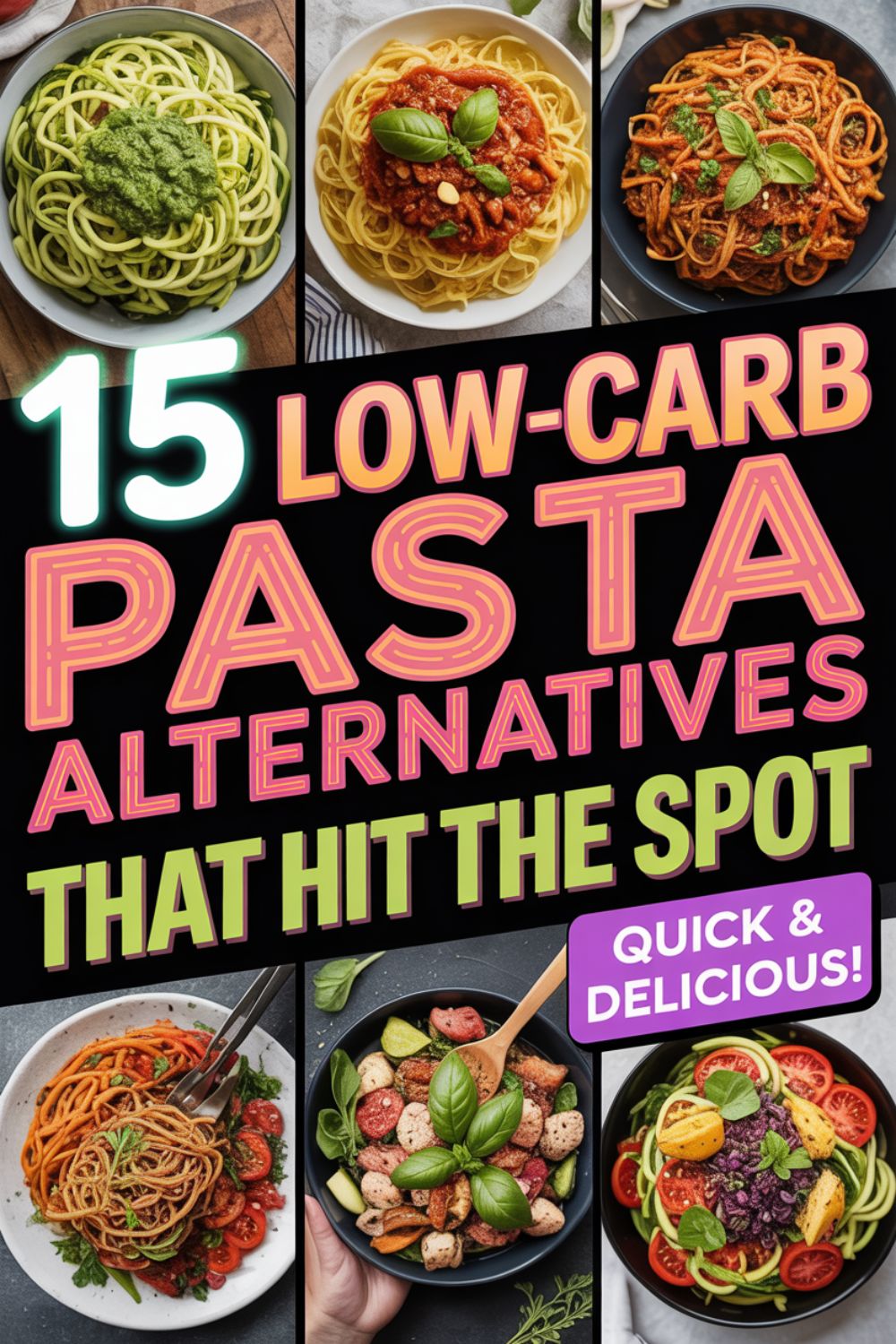
15 Low-Carb Pasta Alternatives That Hit the Spot
I’ve spent way too much time experimenting with every low-carb pasta alternative on the market—and let me tell you, not all of them deserve a spot on your plate. Some taste like rubber bands, others turn to mush the second they hit hot water, and a few made me question my life choices entirely. But then there are the winners. The ones that actually satisfy that pasta craving without making you feel like you’re eating cardboard soaked in sadness.
Whether you’re following a keto diet, managing your blood sugar, or just trying to feel less sluggish after lunch, these alternatives can seriously change your meal game. Plus, they come with bonus nutrients you’d never get from regular pasta—think extra fiber, protein, and vitamins that actually do something for your body.
Why Low-Carb Pasta Alternatives Actually Work
Before we jump into the list, let’s talk about why these alternatives aren’t just a trendy gimmick. Traditional wheat pasta hits your bloodstream like a sugar bomb—your body breaks down those refined carbs fast, spiking your blood sugar and leaving you hungry again in two hours. According to Healthline’s research on glucomannan, the fiber found in many pasta alternatives can help regulate blood sugar levels and promote feelings of fullness that last way longer than regular pasta ever could.
Most low-carb pasta swaps are packed with fiber, which your gut bacteria absolutely love. This means better digestion, more stable energy throughout the day, and less of that “food coma” feeling that makes you want to nap under your desk at 2 PM. Plus, many of these alternatives bring their own nutritional superpowers to the table—extra protein, vitamins, minerals, and antioxidants that regular pasta just can’t compete with.
The 15 Low-Carb Pasta Alternatives That Actually Deliver
1. Zucchini Noodles (Zoodles)
Let’s start with the OG of veggie noodles. Zucchini noodles—or “zoodles” as the cool kids call them—have been around long enough to prove they’re not just a fad. They’re fresh, light, and incredibly versatile. I use this handheld spiralizer because it’s way easier than dragging out a big appliance, and cleanup takes about thirty seconds.
The trick with zoodles is treating them right. Don’t just boil them like regular pasta unless you want soggy, sad noodles swimming in a puddle of water. Instead, quickly sauté them in a good nonstick pan for maybe two minutes max, or eat them raw in cold dishes. They work best with lighter sauces—think pesto, olive oil and garlic, or a fresh tomato sauce. For heartier meals, pair them with protein-heavy dishes to make up for their low protein content.
Best for: Summer pasta salads, light dinners, anyone who actually likes vegetables
Carb count: About 7 grams per cup (versus 43 grams in regular pasta)
Texture: Slightly crunchy when raw, tender but firm when cooked right
2. Shirataki Noodles
These translucent, slightly rubbery noodles divide people into two camps: those who swear by them and those who never want to see them again. I’m firmly in the first camp, but only because I learned the secret to making them not taste like… well, nothing wrapped in weird texture.
Shirataki noodles are made from glucomannan, a water-soluble fiber extracted from the konjac root. WebMD notes that this fiber can help with constipation, blood sugar control, and cholesterol management. The noodles themselves have basically zero calories and zero net carbs, which sounds too good to be true but somehow isn’t.
Here’s the deal: rinse them really, really well. Like, more than you think you need to. Then dry-fry them in a hot pan for a few minutes to get rid of excess moisture and any lingering smell. After that, they’re ready to absorb whatever sauce you throw at them. They work great in stir-fries, ramen-style dishes, and Asian-inspired meals. I wouldn’t recommend them with Italian marinara—the texture just doesn’t match the vibe.
Best for: Asian dishes, soups, anyone serious about cutting carbs to near-zero
Carb count: 0-1 gram per serving
Texture: Chewy, slippery, kind of like very thin rice noodles
Speaking of Asian-inspired dishes, if you’re looking for more balanced meal ideas that incorporate these alternatives, you might want to check out this 14-day gut reset plan with quick recipes that includes several shirataki noodle dishes that actually taste amazing.
3. Spaghetti Squash
This one’s a crowd-pleaser because it actually feels like you’re eating something substantial. When you roast a spaghetti squash and scrape out the insides with a fork, you get these beautiful, spaghetti-like strands that work with pretty much any pasta sauce you can think of.
The flavor is mildly sweet and slightly nutty, which means it won’t compete with your sauce. I like to roast mine cut-side down in the oven with a little olive oil—takes about 40 minutes, and you can prep other stuff while it cooks. Some people microwave it to save time, and honestly, it works fine if you’re in a rush.
One warning: spaghetti squash can get watery. After you scrape out the strands, I usually spread them on a clean kitchen towel and let them sit for a few minutes to drain excess moisture. It makes a huge difference in the final dish. Pair it with a robust meat sauce, alfredo, or even just butter and parmesan—it can handle it all.
Best for: Classic Italian dishes, casseroles, anyone who wants that “real pasta” experience
Carb count: About 10 grams per cup
Texture: Tender, slightly crunchy, genuinely pasta-like
4. Hearts of Palm Pasta
This is the new kid on the block that’s quietly stealing the show. Hearts of palm pasta comes from the inner core of certain palm trees, and it has this mild, slightly tangy flavor that works surprisingly well in both hot and cold dishes.
What I love about hearts of palm is the texture—it’s got some actual bite to it, unlike some alternatives that turn to mush if you look at them wrong. You can buy it in cans or pouches, usually already cut into linguine-style shapes. Just drain, rinse, and heat it up. No boiling required. I use these canned hearts of palm and they’re consistently good quality.
This pasta works beautifully with creamy sauces, pesto, or light lemon-butter preparations. I’ve also tossed it into pasta salads, and it holds up better than most alternatives. The only downside? It’s a bit pricier than other options, but IMO, it’s worth it for the convenience and taste.
Best for: Quick weeknight dinners, pasta salads, people who don’t want to spiralize anything
Carb count: 2-4 grams per serving
Texture: Firm, slightly crunchy, holds sauce well
5. Cabbage Noodles
Hear me out on this one. Thinly sliced cabbage might not sound sexy, but when you cook it right, it becomes silky, slightly sweet, and absurdly good at soaking up sauce. Plus, cabbage is cheap, available everywhere, and lasts forever in your fridge.
You can cut cabbage into thin ribbons for a fettuccine vibe or use wider strips for something more like pappardelle. The key is to cook it just until it’s tender but still has some structure—overcook it and you’ll end up with sad, limp cabbage soup.
Cabbage noodles work great in stir-fries, buttery garlic dishes, and even lasagna if you layer them like sheets. They’re mild enough that they won’t overpower your sauce, but they bring their own subtle sweetness to the party. I slice mine with this mandoline slicer—makes the job stupidly easy and keeps all the pieces uniform.
Best for: Budget-friendly meals, stir-fries, anyone who needs to use up that sad cabbage in the back of the fridge
Carb count: About 5 grams per cup
Texture: Tender, silky, slightly sweet
6. Edamame Pasta
If you need more protein in your life, edamame pasta is your new best friend. Made from young soybeans, this pasta packs around 20+ grams of protein per serving, which is wild compared to regular pasta’s measly 7 grams.
The flavor is slightly beany—not in a bad way, just noticeably different from wheat pasta. It’s got this pleasant, earthy taste that pairs really well with Asian-inspired sauces, pestos, and even Italian red sauces. The texture is firm and holds up to cooking without getting mushy, which is a huge win.
I use edamame pasta when I’m making high-protein meal prep recipes because it actually keeps me full for hours. It’s one of those alternatives that feels substantial enough to be the star of the meal, not just a vehicle for sauce. You can find it at most grocery stores now, usually near the health food section.
Best for: High-protein diets, meal prep, anyone tired of being hungry an hour after eating
Carb count: 11-15 grams per serving (but high in fiber and protein)
Texture: Firm, slightly chewy, holds shape well
Meal Prep Essentials Used in This Plan
Making these pasta alternatives work in your weekly routine is way easier with the right tools. Here’s what I actually use:
- Compact spiralizer for quick veggie noodles — Worth every penny. Makes zoodles, sweet potato noodles, and more in under a minute.
- Glass meal prep containers with divided sections — Perfect for keeping sauces separate from noodles until you’re ready to eat.
- Quality mandoline slicer with safety guard — For cabbage noodles and any other veggie ribbons. The safety guard is non-negotiable unless you’re cool with missing fingertips.
- 21-Day High-Protein Meal Plan — Digital guide with recipes specifically designed around these pasta alternatives
- 14-Day Flat Belly Meal Prep Plan — Includes strategic meal timing and portion guides for pasta alternatives
- 30-Day Gut Reset Meal Plan — Focuses on fiber-rich alternatives that support digestive health
7. Kelp Noodles
Kelp noodles are basically the sea vegetable version of shirataki noodles—clear, crunchy, and nearly zero calorie. They come from brown seaweed and are naturally rich in minerals like iodine, which your thyroid desperately needs to function properly.
Right out of the package, kelp noodles are crunchy—like, seriously crunchy. If you want them softer, soak them in warm water with a squeeze of lemon juice for about 10 minutes. This breaks down some of the toughness and makes them more noodle-like. They’re great in cold dishes, salads, and as a base for Asian-style noodle bowls.
The flavor is neutral with a slight oceanic note that’s really subtle. They won’t compete with your sauce, but they also won’t give you much flavor on their own. Think of them as a textural element more than anything else. I’ve used them in pad thai-style dishes and cold sesame noodle bowls with great success.
Best for: Cold noodle salads, raw food diets, anyone who wants extra minerals
Carb count: About 1 gram per serving
Texture: Crunchy (or softened with soaking), glassy appearance
8. Palmini Linguine
Palmini is basically hearts of palm that’s been cut into linguine shapes and packaged for easy use. It’s worth mentioning separately because the brand has really nailed the process—their noodles are consistent, taste great, and require zero effort.
You literally just open the can, rinse them (they’re packed in brine), and heat them up however you want. I usually sauté them in a pan with a bit of garlic and olive oil before adding sauce, but you can also just toss them straight into hot marinara. They’re ready in minutes, which makes them perfect for those nights when cooking feels impossible.
The texture is firm and al dente-ish, with a very mild flavor that lets your sauce shine. They work particularly well with rich, creamy sauces like alfredo or carbonara. For more ideas on incorporating quick pasta alternatives into busy weeknight dinners, check out these quick flat belly dinners under 400 calories that feature several Palmini-based recipes.
Best for: Ultra-fast meals, creamy sauces, anyone who hates meal prep
Carb count: 4 grams per serving
Texture: Firm, pasta-like, holds sauce beautifully
9. Kohlrabi Noodles
Kohlrabi is one of those vegetables that sits in the produce section looking weird and unwelcoming, but once you get past its alien appearance, it’s actually fantastic. The flavor is mild and slightly sweet—kind of like a cross between broccoli stems and cabbage, but without any bitterness.
You can spiralize kohlrabi just like zucchini, but the noodles are sturdier and hold up better to cooking. They don’t release as much water, which means less sogginess in your final dish. I like using them in place of traditional pasta in dishes that need something with a bit more structural integrity—think pasta primavera or stir-fries.
Finding kohlrabi can be hit or miss depending on where you live, but farmers markets usually have them, and some grocery stores stock them in fall and winter. It’s worth hunting down if you’re tired of the same old zucchini noodles.
Best for: Stir-fries, roasted veggie pasta dishes, adventurous eaters
Carb count: About 6 grams per cup
Texture: Firm, slightly crunchy, holds up well to heat
10. Eggplant Ribbons
Eggplant gets slept on as a pasta alternative, but thinly sliced eggplant ribbons can absolutely work in the right dishes. They’re best when used as sheets in lasagna or rolled up with filling for a manicotti-style situation.
The key is to salt your eggplant slices and let them sit for about 20 minutes before cooking. This draws out excess moisture and bitterness, leaving you with tender, flavorful ribbons that actually taste good. After salting, rinse them off, pat them dry, and either grill them or roast them until they’re soft and pliable.
Eggplant has this meaty, substantial quality that makes it feel like a real meal. It soaks up sauce like a sponge and brings its own subtle flavor to the dish. I use this adjustable mandoline to get uniform slices—makes layering in lasagna so much easier.
Best for: Lasagna, baked pasta dishes, Mediterranean-inspired meals
Carb count: About 5 grams per cup
Texture: Soft, meaty, absorbs flavors well
11. Chickpea Pasta
FYI, chickpea pasta technically isn’t super low-carb—it has around 25-30 grams of carbs per serving—but it’s worth mentioning because of its high protein and fiber content. It’s a better choice than regular pasta if you’re looking for something more filling and nutritious.
The flavor is slightly nutty and earthy, which works really well with robust sauces like arrabbiata or puttanesca. The texture is pretty close to regular pasta, though it can get a little mushy if you overcook it. Watch your timer and aim for al dente.
I include chickpea pasta in my rotation when I need something that feels more like “real” pasta but still want the extra protein and fiber benefits. It’s also a good option if you’re cooking for people who aren’t sold on veggie noodles—it’s familiar enough that they won’t complain. For complete meal ideas that balance protein and carbs effectively, these gut-healthy meals for busy weeks include several chickpea pasta recipes.
Best for: Moderate low-carb diets, high-protein meals, transitioning from regular pasta
Carb count: 25-30 grams per serving (but with high fiber and protein)
Texture: Similar to regular pasta, can get mushy if overcooked
12. Cucumber Noodles
Cucumber noodles are basically summer in a bowl—light, refreshing, and perfect for hot days when the thought of turning on the stove makes you want to cry. They’re best eaten raw in cold dishes, which makes them ideal for quick lunches or light dinners.
The texture is crisp and watery (obviously), so they work best with vinaigrettes, light peanut sauces, or sesame dressings. Don’t expect them to hold up to heavy, hot sauces—they’ll turn into a sad puddle. Instead, think cold noodle salads, Asian-inspired dishes, or as a bed for poke bowls.
One trick: seed your cucumbers before spiralizing to reduce excess moisture. Just cut them in half lengthwise and scoop out the seeds with a spoon. This keeps your dish from getting watery and diluting all your flavors.
Best for: Cold summer salads, raw food dishes, light lunches
Carb count: About 4 grams per cup
Texture: Crisp, refreshing, very watery
13. Butternut Squash Noodles
Butternut squash noodles are sweeter and denser than zucchini noodles, which makes them perfect for fall and winter dishes. They pair beautifully with sage butter sauce, brown butter with walnuts, or any kind of cream-based sauce that can handle a slightly sweet noodle.
Spiralizing butternut squash requires some muscle—the flesh is much firmer than zucchini, so you need a sturdy spiralizer. Or, you know, buy them pre-spiralized from the grocery store if you value your time and sanity. Many stores now sell them in the produce or frozen section.
When you cook butternut squash noodles, don’t overdo it. A quick sauté in butter or olive oil for 3-4 minutes is all they need. Overcook them and they’ll turn into mush. These noodles are substantial enough to be the main event in a dish, especially when paired with protein.
Best for: Fall and winter dishes, sweet and savory combinations, cream-based sauces
Carb count: About 12 grams per cup
Texture: Firm, slightly sweet, holds up well to cooking
14. Daikon Radish Noodles
Daikon radish noodles have this mild, slightly peppery flavor that works surprisingly well in both Asian and Italian-style dishes. They’re crisp when raw and tender when cooked, and they’re way less watery than zucchini noodles.
The texture holds up really well to cooking, which makes them versatile for everything from stir-fries to soup noodles. They also absorb flavors beautifully, so they work great in highly seasoned dishes where you want the noodles to pick up all the sauce.
Daikon is super cheap at Asian grocery stores, and one large radish gives you enough noodles for several meals. It’s one of those underrated alternatives that deserves way more attention than it gets. I’ve used them in pho-style soup bowls and Italian tomato-based sauces with equal success.
Best for: Asian soups, stir-fries, anyone looking for a sturdy veggie noodle
Carb count: About 4 grams per cup
Texture: Crisp when raw, tender when cooked, absorbs flavors well
Tools & Resources That Make Cooking Easier
Once you commit to incorporating these alternatives regularly, having the right resources makes everything smoother:
- Digital kitchen scale for accurate portioning — Takes the guesswork out of serving sizes and helps with meal prep consistency.
- Set of sharp kitchen knives — Makes prep work faster and safer. A good chef’s knife changes everything.
- Reusable silicone food storage bags — Perfect for storing prepped veggie noodles without plastic waste.
- 7-Day Anti-Inflammatory Meal Plan — Includes inflammation-fighting pasta alternative recipes with detailed prep guides
- 7-Day Blood Sugar-Friendly Meals — Focused on low-glycemic alternatives that keep energy stable
- 30-Day Anti-Inflammatory Meal Plan for Women — Comprehensive guide with hormone-balancing recipes using these alternatives
Bonus: Join our WhatsApp community for daily meal prep tips and recipe swaps from people actually using these alternatives in real life. It’s free and way more helpful than random Pinterest boards.
15. Miracle Noodles (Shirataki Varieties)
Miracle Noodles are basically a brand name for shirataki noodles, but they’re worth mentioning separately because they’ve perfected the texture. They offer different shapes—fettuccine, angel hair, rice-style—that work for various dishes.
The prep is the same as regular shirataki: rinse well, dry-fry, then add your sauce. But Miracle Noodles tend to have a slightly better texture right out of the package compared to some cheaper brands. They’re also available in most health food stores and online, making them easy to find.
I keep several packages in my pantry at all times because they’re the ultimate emergency meal solution. Fifteen minutes from package to plate, zero planning required. Just add whatever sauce and protein you have lying around, and boom—dinner is handled. Get Full Recipe for my go-to 10-minute miracle noodle stir-fry that’s saved me on countless busy weeknights.
Best for: Quick meals, keto dieters, anyone who needs pantry staples that don’t expire
Carb count: 0-1 gram per serving
Texture: Chewy, slippery, improves with proper prep
How to Make Any Pasta Alternative Taste Amazing
Here’s the thing nobody tells you: the sauce matters way more than the noodle. You could have the best zucchini noodles in the world, but if you drown them in bland, watery tomato sauce, you’re going to have a bad time.
First, season aggressively. Veggie noodles are mild, so they need help. Garlic, fresh herbs, red pepper flakes, quality olive oil—don’t be shy. Second, add fat. A drizzle of good olive oil or a knob of butter makes everything taste better and helps with nutrient absorption. Third, include protein. Most pasta alternatives are low in protein, so add chicken, shrimp, tofu, or beans to make the meal actually satisfying.
Also, texture is king. Mix textures in your dish—crunchy nuts, creamy sauce, tender protein, firm noodles. This keeps your brain interested and makes the meal feel more complete. I learned this from experimenting with high-protein anti-inflammatory breakfasts and it applies just as well to pasta alternatives.
Finally, don’t try to replicate traditional pasta exactly. These alternatives have their own thing going on, and that’s okay. Embrace what makes them unique instead of trying to force them into being something they’re not. You’ll enjoy them way more.
Common Mistakes to Avoid
After years of experimenting, I’ve made every mistake possible with pasta alternatives. Learn from my failures, please.
Mistake #1: Overcooking everything. Veggie noodles cook fast—like, really fast. Two minutes too long and you’ve got mush. Stay by the stove, keep the heat medium-high, and take them off when they’re just tender.
Mistake #2: Not draining excess water. Zucchini and cucumber noodles especially release tons of water. If you don’t deal with this, your dish will be swimming in liquid and all your sauce flavors will get diluted. Salt them, let them sit, then squeeze out the moisture before cooking.
Mistake #3: Expecting them to taste like pasta. They don’t. They won’t. Stop expecting them to. Once you accept that they’re their own thing, you’ll actually start enjoying them for what they are.
Mistake #4: Skipping the pre-treatment. Whether it’s dry-frying shirataki noodles or salting eggplant, these prep steps matter. Don’t skip them because you’re lazy (guilty). They make the difference between “meh” and “oh, this is actually good.”
Mistake #5: Not using enough fat and seasoning. Vegetables need help. Season generously and don’t be afraid of fat—it makes everything taste better and helps you feel satisfied after eating.
Making It Work in Real Life
Theory is great, but let’s talk about actually incorporating these alternatives into your regular cooking routine without losing your mind.
Start with one or two alternatives that sound appealing and master those before branching out. Don’t try to overhaul your entire diet overnight—that’s a recipe for burnout and ordering pizza at 9 PM because you’re overwhelmed. Pick your favorite pasta dish and experiment with making it using an alternative. Once you nail that, move on to another.
Batch prep when possible. Spiralize a bunch of zucchini on Sunday and store it in airtight containers in the fridge for quick weeknight meals. Buy shelf-stable options like shirataki and hearts of palm in bulk so you always have options ready. The less friction there is between you and a good meal, the more likely you are to actually make it.
Keep your expectations realistic. Some nights you’ll nail it and feel like a culinary genius. Other nights you’ll burn the eggplant or end up with watery zoodles and that’s fine. It’s all part of figuring out what works for you. For more balanced meal planning that incorporates these alternatives without stress, check out this 21-day gut healing plan that includes realistic weekly prep strategies.
Mix and match alternatives based on what you’re craving. Sometimes zucchini noodles hit the spot, other times you need the heartiness of spaghetti squash. Listen to your body and don’t force yourself to eat something just because it’s “healthy.” Life’s too short for food you don’t enjoy.
Frequently Asked Questions
Do low-carb pasta alternatives actually taste good?
Honestly, it depends on the alternative and how you prepare it. Some, like hearts of palm and spaghetti squash, are genuinely delicious and satisfying. Others, like shirataki noodles, require proper prep to taste good. The key is not expecting them to taste exactly like wheat pasta—they have their own flavors and textures that can be great in their own right. Season generously, use good sauces, and give yourself time to adjust.
Which pasta alternative is closest to real pasta?
Spaghetti squash and hearts of palm pasta are probably the closest in terms of texture and how they hold sauce. Chickpea pasta is also really close if you don’t mind slightly higher carbs. But honestly, none of them are exact replicas—and that’s okay. Once you stop comparing them directly to wheat pasta and appreciate them for what they are, you’ll enjoy them more.
Can I meal prep pasta alternatives?
Yes, but with some caveats. Veggie noodles like zucchini and cucumber are best prepped but not cooked until you’re ready to eat them—spiralize them and store in the fridge for up to 3 days. Shirataki and hearts of palm can be cooked and stored for several days. Spaghetti squash keeps well for about 4-5 days after roasting. Store sauces separately to prevent sogginess.
Are pasta alternatives good for weight loss?
They can be, but they’re not magic. Most pasta alternatives are lower in calories and higher in fiber than regular pasta, which can help you feel fuller on fewer calories. According to research on glucomannan and weight loss, high-fiber alternatives like shirataki noodles may help reduce appetite and support weight management when combined with a balanced diet. But you still need to watch portions, include protein, and not go overboard on high-calorie sauces.
Where can I buy these pasta alternatives?
Most grocery stores now carry at least a few options. Shirataki noodles are usually in the refrigerated tofu section or Asian food aisle. Edamame and chickpea pasta are in the pasta or health food section. Hearts of palm pasta is often in cans near the canned vegetables or in the health food section. For harder-to-find options like kelp noodles, check Asian grocery stores or order online—Amazon and Thrive Market have great selections.
The Bottom Line
Cutting carbs doesn’t mean sentencing yourself to a life without pasta-shaped food. These fifteen alternatives prove you can still enjoy noodle dishes, twirl your fork, and drown everything in sauce—you just need to be willing to try something different.
Not every alternative will work for you, and that’s completely fine. I’ve found my favorites through trial and error (mostly error), and you’ll find yours too. Start with what sounds most appealing, give it a real shot with good preparation and seasoning, and see how it goes. Some alternatives might become staples in your rotation, while others might make you appreciate regular pasta more—both outcomes are valid.
The real win here is having options. Options that let you enjoy comfort food without the blood sugar crash, the afternoon food coma, or the guilt. Options that bring their own nutritional benefits to the table while still satisfying that pasta craving. And honestly, once you get the hang of preparing these alternatives properly, some of them might even become your preferred choice—not because they’re “healthy,” but because they actually taste good.
So grab a spiralizer, stock up on some hearts of palm, and start experimenting. Your taste buds (and your energy levels) will thank you. And if nothing else, at least you’ll have some good stories about that time you tried to make cucumber noodles and ended up with a watery disaster. We’ve all been there.