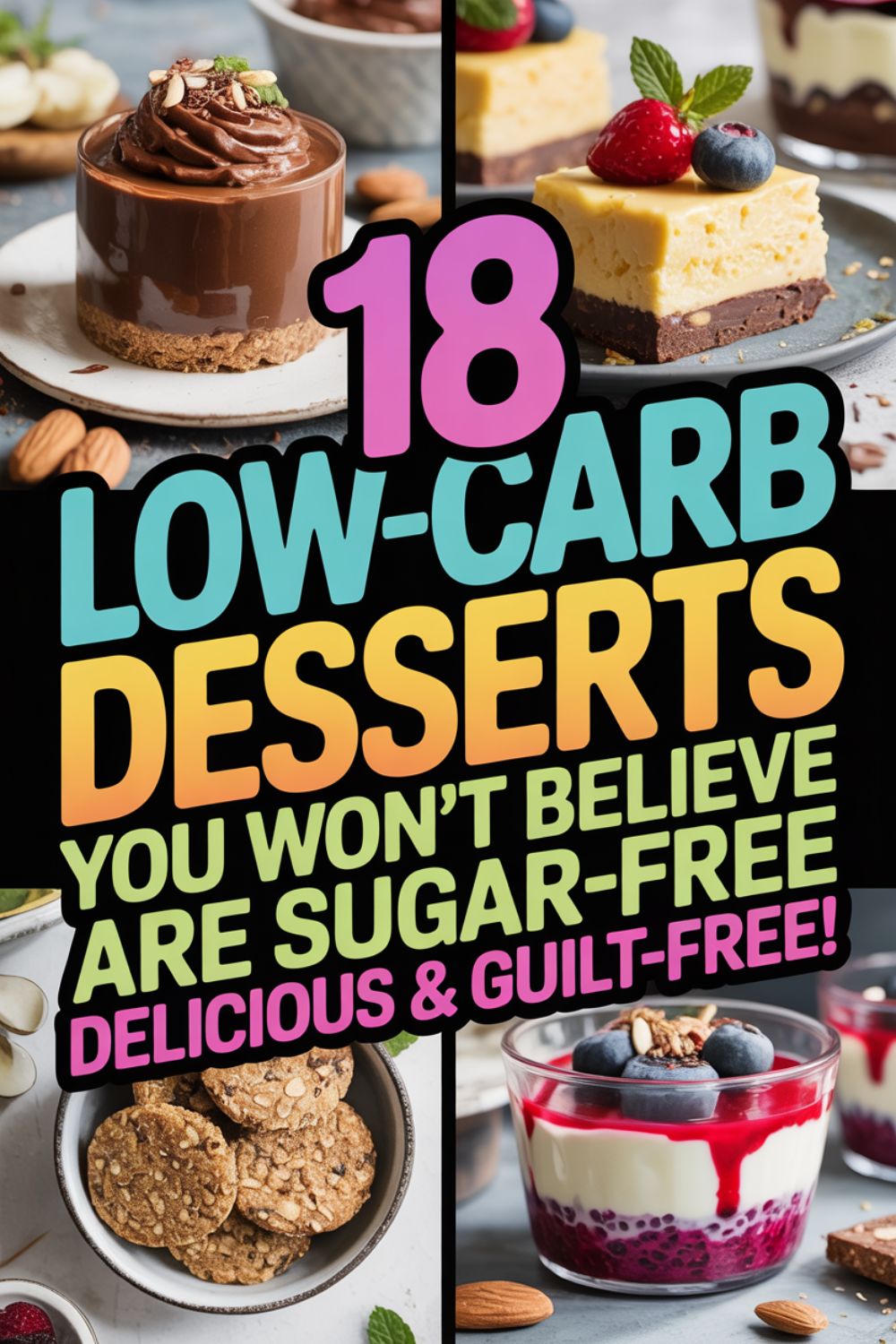
18 Low-Carb Desserts You Won’t Believe Are Sugar-Free
Look, I get it. You’re staring at your meal plan thinking dessert is officially off the table now that you’re watching your carbs. But here’s the thing – going low-carb doesn’t mean kissing sweet treats goodbye forever. I spent years thinking sugar-free desserts would taste like cardboard wrapped in disappointment, and honestly? I couldn’t have been more wrong.
These 18 desserts are about to change everything you thought you knew about low-carb eating. We’re talking real chocolate, actual cheesecake, and cookies that don’t crumble into sad little bits of regret. No weird aftertaste, no sacrifice, just genuinely delicious treats that happen to skip the sugar spike.
Whether you’re managing blood sugar, trying to trim down, or just tired of feeling like garbage after every dessert, these recipes are your new best friends. Let’s get into it.
Why Sugar-Free Doesn’t Mean Flavor-Free Anymore
Remember when sugar-free meant that chalky, chemical taste that made you question all your life choices? Yeah, those dark ages are over. The sweetener game has completely evolved, and we’re now working with ingredients that actually taste like, well, nothing weird.
Modern alternatives like erythritol and monk fruit have changed the landscape entirely. They don’t spike your blood sugar, they measure cup-for-cup like regular sugar, and most importantly, they don’t leave you with that “why did I even bother” feeling.
The secret? It’s all about using the right combination of sweeteners and understanding how they interact with other ingredients. Almond flour and coconut flour have become the MVPs of low-carb baking, giving you that texture you’re craving without the carb count that’ll derail your progress.
Start with recipes that use a blend of erythritol and monk fruit. The combination kills any potential cooling effect from the erythritol while keeping sweetness levels exactly where you want them.
The Science Behind Sugar-Free Sweeteners (Without the Boring Lecture)
Here’s what you actually need to know: traditional sugar sends your blood glucose on a rollercoaster, and sugar alcohols and alternative sweeteners don’t. Your body processes them differently, which means you get the sweet without the crash an hour later.
Erythritol is a sugar alcohol that occurs naturally in fruits and fermented foods. Your small intestine absorbs most of it before it hits your colon, which is why it doesn’t typically cause the digestive drama that other sugar alcohols can trigger. We’re talking about something with zero net carbs and zero calories that actually tastes clean.
Monk fruit extract comes from – surprise – monk fruit, a small melon that’s been used in traditional Chinese medicine for centuries. It’s anywhere from 150 to 200 times sweeter than sugar, so a little goes a long way. Mix these two together and you’ve got yourself a powerhouse combination.
18 Desserts That’ll Make You Forget About Regular Sugar
1. Chocolate Avocado Mousse
This one sounds weird until you taste it, and then suddenly you’re making it three times a week. The avocado creates this ridiculously creamy texture while staying completely neutral in flavor. You’ll need ripe avocados, unsweetened cocoa powder, your favorite monk fruit sweetener, and vanilla extract. Blend it all together with a high-speed blender until it’s silky smooth.
The healthy fats from the avocado keep you satisfied way longer than regular mousse, and you’re looking at about 6 net carbs per serving. It’s rich enough that you actually feel like you had dessert, not just a disappointing snack.
2. Cream Cheese Pancakes
Before you roll your eyes, hear me out. These aren’t trying to be pancakes – they ARE pancakes. Four ingredients: cream cheese, eggs, your sweetener of choice, and a tiny bit of cinnamon. That’s it. You whip them up in a mini blender, cook them in a good non-stick pan, and suddenly you’ve got breakfast-for-dessert that actually works.
They’re fluffy, they hold together, and with some sugar-free syrup or berries on top, you’ve got yourself a genuine treat. Each pancake clocks in at roughly 1 net carb. If you’re looking for more morning inspiration, check out these high-protein anti-inflammatory breakfast ideas that keep you full for hours.
3. Peanut Butter Cookies (3 Ingredients)
This is the recipe that converts the skeptics. Natural peanut butter, one egg, and your preferred sweetener. Mix, scoop onto a silicone baking mat, press with a fork, bake. Done. They come out chewy, peanut-buttery, and shockingly close to the real thing.
The beauty here is simplicity. No flour, no complicated techniques, just straightforward baking that delivers. You’re looking at about 2 net carbs per cookie depending on your peanut butter choice.
Make a double batch and freeze half the dough in pre-formed balls. Fresh-baked cookies in 12 minutes whenever the craving hits.
4. Cheesecake Fat Bombs
Fat bombs sound intense, but they’re basically just concentrated deliciousness in bite-sized form. Cream cheese, butter, vanilla, sweetener, and whatever flavoring you’re feeling. Roll them into balls, chill them in a mini muffin tin, and store them in the fridge.
Each one has less than 1 net carb and enough healthy fat to keep hunger at bay. They’re particularly clutch when you need something sweet but don’t want to commit to a whole dessert. For more quick options, these anti-inflammatory snack ideas pair perfectly with fat bombs for variety.
5. Chocolate Chip Almond Flour Cookies
Real talk – these taste dangerously close to regular chocolate chip cookies. Almond flour gives you that tender crumb, while sugar-free chocolate chips provide the fix you’re actually craving. The trick is not overbaking them. Pull them when they still look slightly underdone, and they’ll finish cooking on the pan.
About 3 net carbs per cookie, and they actually stay soft for days if you store them properly. Which you won’t, because they’ll be gone.
6. Lemon Cheesecake Fluff
This one’s ready in under five minutes and tastes like you spent all afternoon on it. Cream cheese, heavy cream, lemon juice, lemon zest, and sweetener. Whip it with a hand mixer until it’s light and fluffy, then top with berries.
The citrus cuts through the richness beautifully, and you’re looking at roughly 4 net carbs per serving. It’s elegant enough for company but easy enough for a Tuesday night when you just need something good.
Speaking of keeping things interesting throughout the week, you might want to explore this complete 7-day blood sugar-friendly meal plan that complements these dessert choices perfectly. Or if you’re meal prepping, this 14-day low-sugar plan keeps your energy stable while still enjoying treats like these.
7. Coconut Flour Brownies
Coconut flour is weird stuff – it absorbs moisture like nothing else, which makes it tricky to work with. But in brownies? It’s magic. You get that dense, fudgy texture that regular low-carb brownies usually miss. The key is not skimping on the eggs and letting the batter rest for a few minutes before baking.
These clock in at about 5 net carbs per brownie, and they’re rich enough that one actually satisfies. Top them with sugar-free whipped cream if you’re feeling fancy.
8. Berry Chia Seed Pudding
Chia pudding gets a bad rap for being “health food,” but make it right and it’s legitimately dessert-worthy. Mix chia seeds with unsweetened almond milk, vanilla, and your sweetener. Let it sit overnight in small glass jars, then layer it with fresh berries and a dollop of Greek yogurt.
The chia seeds create this tapioca-like texture, and the berries add just enough natural sweetness to make it feel indulgent. Around 8 net carbs depending on your berry choice, plus you’re getting fiber and omega-3s. Get Full Recipe
9. Chocolate Mug Cake
Single-serving desserts are dangerous because there’s no “I’ll just have one more piece” situation. Almond flour, cocoa powder, sweetener, egg, and baking powder in a mug. Microwave for 90 seconds. That’s it. That’s the recipe.
It comes out tender and chocolate-forward, with about 4 net carbs total. Add a scoop of sugar-free ice cream on top if you’re feeling reckless.
10. Vanilla Custard
Custard might sound complicated, but it’s basically just eggs, cream, and sweetener that you very gently heat while stirring constantly. The payoff is a silky, luxurious dessert that feels way fancier than the effort required. A good double boiler makes this foolproof, but you can also just use a regular pot over low heat if you’re careful.
Flavor it with vanilla bean paste for that speckled look, or go with almond extract for something different. About 3 net carbs per serving, and it’s beautiful served in small ramekins with a fresh raspberry on top.
“I made the cream cheese pancakes for my family without telling them they were low-carb. Everyone demolished them and asked for the recipe. My teenage son didn’t believe me when I finally told him – that’s how good they are.” – Jennifer, community member who lost 23 pounds following these recipes
11. Peanut Butter Chocolate Bark
Melt sugar-free dark chocolate, swirl in natural peanut butter, spread it thin on a parchment-lined baking sheet, and freeze. Break it into pieces. You now have fancy-looking candy that took you maybe 10 minutes to make.
The combination of chocolate and peanut butter is undefeated, and when you make it yourself, you control exactly what goes in. Roughly 2 net carbs per piece, and you can customize it with chopped nuts or a sprinkle of sea salt.
12. Almond Flour Pound Cake
This is your dinner party dessert, the one that makes people think you’re way more domestic than you actually are. Almond flour, eggs, butter, sweetener, and vanilla come together in a loaf pan to create something remarkably similar to traditional pound cake.
The texture is slightly denser but in a good way, and it’s perfect for topping with sugar-free berry compote or just eating plain with coffee. About 4 net carbs per slice.
13. Strawberry Cream Popsicles
Blend fresh strawberries with heavy cream, sweetener, and a squeeze of lemon. Pour into popsicle molds, freeze overnight. That’s your summer sorted. These taste like the strawberry ice cream bars from your childhood but without the sugar crash.
Each popsicle has roughly 6 net carbs from the strawberries, but the fiber content helps slow down absorption. They’re creamy, fruity, and actually refreshing.
14. Chocolate Avocado Fudge
Yes, we’re back to avocados because they’re that versatile. This fudge is no-bake, sets up in the fridge, and tastes like actual fudge – not “healthy” fudge that makes you sad. Avocados, cocoa powder, coconut oil, sweetener, and vanilla. Blend until smooth, pour into a lined pan, chill, cut into squares.
The coconut oil helps it firm up nicely, and the cocoa powder masks any avocado flavor completely. About 2 net carbs per piece, and they’re rich enough that you only need one.
15. Cinnamon Roll Mug Cake
Take the chocolate mug cake formula and swap the cocoa for cinnamon. Add a cream cheese frosting situation (cream cheese, butter, sweetener, mixed together), and suddenly you’ve got a cinnamon roll experience in under three minutes. The frosting is crucial here – don’t skip it.
Around 5 net carbs for the whole thing, and it actually smells like cinnamon rolls while it’s cooking, which is half the experience anyway. If you’re meal planning for the whole week, consider pairing these treats with this 21-day gut-healing plan for balanced nutrition.
16. Coconut Macaroons
Unsweetened shredded coconut, egg whites, sweetener, vanilla, and a tiny bit of almond extract. Mix, scoop onto a baking sheet, bake until golden. These are chewy in the middle and crispy on the edges, exactly like macaroons should be.
Optional but recommended: dip the bottoms in melted sugar-free chocolate once they cool. You’re looking at about 2 net carbs per macaroon, and they keep for days in an airtight container.
17. Vanilla Bean Panna Cotta
This one sounds intimidating but it’s embarrassingly easy. Heat cream with vanilla and sweetener, add gelatin, pour into ramekins, chill. That’s it. You end up with this sophisticated, restaurant-quality dessert that wobbles perfectly when you unmold it.
The vanilla bean specks make it look fancy, and it’s a great make-ahead option for entertaining. About 3 net carbs per serving, and you can top it with berries or sugar-free caramel sauce.
18. Dark Chocolate Truffles
Heavy cream, quality dark chocolate (85% or higher), and butter come together to form ganache. Chill it, roll it into balls, coat them in cocoa powder. These are the kind of truffles you’d see in a fancy chocolate shop, and they’re shockingly simple to make at home with your cookie scoop for uniform sizing.
Each truffle has roughly 2 net carbs, and because they’re so rich, one or two actually satisfies. They also make great gifts if you’re feeling generous, though keeping them all for yourself is completely valid. Get Full Recipe
Meal Prep Essentials Used in These Recipes
Look, you don’t need every fancy gadget out there, but these tools genuinely make the dessert-making process less annoying:
- High-Speed Blender – For smooth mousses and perfectly blended batters. The cheap ones leave chunks, trust me.
- Silicone Baking Mats – Nothing sticks to these. Nothing. And you’ll stop wasting parchment paper.
- Digital Kitchen Scale – Almond flour is dense and measuring by volume gets messy. Weighing your ingredients makes everything more consistent.
- Low-Carb Meal Prep Ebook – Complete guide with shopping lists and weekly prep schedules that actually work with real life
- Sugar-Free Dessert Recipe Collection – 50+ tested recipes with nutritional breakdowns and substitution guides
- Keto Baking Masterclass – Video tutorials showing exactly how to work with alternative flours and sweeteners
Want more tips and support? Join our WhatsApp Meal Prep Community where we share recipe wins, troubleshoot baking disasters, and keep each other motivated. Real people, real advice, no judgment.
The Real Talk About Alternative Sweeteners
Let’s address the elephant in the room – not all sugar alternatives are created equal, and some come with trade-offs you should know about. Erythritol, for instance, has been in the news lately for potential cardiovascular concerns when consumed in large amounts, though the research is still developing and the keyword here is “large amounts.”
IMO, moderation is key with any sweetener – even the “natural” ones. If you’re eating sugar-free desserts every single day in large quantities, you’re kind of missing the point of reducing overall sugar intake. These recipes are meant to be occasional treats that fit into a balanced approach, not a free-for-all because they’re technically low-carb.
Monk fruit is generally considered the safest bet with the least amount of research raising red flags, but it’s also more expensive and can have a slightly fruity aftertaste that some people notice. Stevia is polarizing – people either love it or think it tastes like chemicals. Your best move? Buy small amounts of different sweeteners and figure out what your taste buds prefer.
Keep a baking journal (yes, really) and note which sweeteners you use in which recipes. You’ll quickly figure out your favorites and stop wasting money on ones that don’t work for your palate.
Common Mistakes That’ll Sabotage Your Low-Carb Desserts
The biggest mistake? Trying to make low-carb versions taste exactly like their high-carb counterparts. They won’t. And that’s okay. Once you accept that these desserts are their own thing – delicious in a different way – you’ll enjoy them way more.
Overbaking is rookie error number one with alternative flours. Almond flour and coconut flour both continue cooking after you pull them from the oven, so what looks slightly underdone is actually perfect. Give them five minutes to set up on the pan before you panic.
Another trap: not letting your ingredients come to room temperature. Cold eggs and cold cream cheese don’t mix smoothly with anything, and you end up with lumpy, sad batters that could’ve been silky smooth if you’d just waited 20 minutes.
And for the love of all things holy, don’t skimp on the eggs in coconut flour recipes. That flour is thirsty, and eggs provide the moisture and structure everything needs. Use fewer eggs than called for and you’ll get hockey pucks.
“I’ve been low-carb for six months and these desserts have been lifesavers. The chocolate avocado mousse is in my weekly rotation now, and my kids eat it without realizing it’s ‘healthy.’ Game changer.” – Marcus, down 34 pounds since starting
How to Make These Desserts Work for Your Lifestyle
Batch prepping dessert components is a move that’ll save you from those weak moments when you’re tempted to order something you’ll regret. Make a double batch of cheesecake fat bombs on Sunday and store them in the fridge. When you need something sweet, they’re right there.
Cookie dough freezes beautifully. Scoop out individual portions, freeze them on a baking sheet, then transfer to a freezer bag. Bake them fresh whenever you want them, and you’ll always have that just-baked cookie experience without the hassle.
The mousses and puddings? Make them in individual serving containers. That portion control is automatic, and you’re not standing at the fridge with a spoon “just having a little more.” FYI, that strategy has saved me countless times.
For complete meal planning strategies that incorporate these treats naturally, check out this 30-day flat belly plan or this 14-day meal prep plan that keeps things simple and sustainable.
Tools & Resources That Make Low-Carb Baking Easier
These aren’t just nice-to-haves – they’re the difference between desserts that work and ones that frustrate you into ordering pizza:
- Set of Mixing Bowls with Lids – Because everything needs to chill and you’re tired of wrapping bowls in plastic wrap
- Portion Control Containers – Pre-portioning desserts keeps you honest and makes grab-and-go situations way easier
- Immersion Blender – For smooth mousses and puddings without dirtying your whole blender
- Blood Sugar Balance Recipe Pack – Desserts specifically designed to minimize glucose spikes while maximizing flavor
- Quick Dessert Substitutions Guide – Instant reference for swapping ingredients when you’re missing something mid-recipe
- Low-Carb Pantry Staples Checklist – Stop guessing what to keep stocked and always be ready to whip something up
Stay connected with our WhatsApp Low-Carb Living Group for daily recipe swaps, motivation when you’re struggling, and celebrating wins together. It’s like having a support system in your pocket.
The Nutrition Breakdown You Actually Need to Know
Net carbs are what matter here, not total carbs. You subtract fiber and sugar alcohols from total carbs because your body doesn’t process them the same way. Most of these desserts land between 2-6 net carbs per serving, which leaves plenty of room for them in a typical low-carb or keto diet.
The fat content is higher in these recipes, which is actually the point. Fat keeps you satisfied and helps slow down any glucose response from the small amount of carbs present. It’s why these desserts feel more filling than their sugar-filled cousins.
Protein content varies, but adding a scoop of unflavored protein powder to mousse or pudding recipes is a sneaky way to bump up the protein without changing the flavor. Just don’t add more than a tablespoon or two, or the texture gets weird.
If you’re curious about more protein-focused options throughout the day, explore this 30-day high-protein meal plan or these high-protein meal prep recipes that pair perfectly with these desserts.
Frequently Asked Questions
Can I use regular sugar instead of alternative sweeteners in these recipes?
Technically yes, but you’ll completely change the nutritional profile and defeat the purpose of making them low-carb. The recipes are specifically designed to work with sugar alternatives, so swapping back to regular sugar means you’re essentially making traditional high-carb desserts. If you’re not concerned about carb count, there are better regular dessert recipes out there.
Why do my almond flour baked goods always come out dense or gummy?
You’re probably either overmixing the batter or using too much almond flour. Almond flour is dense and oily, so it needs a lighter hand than regular flour. Measure carefully, don’t pack it down, and mix just until combined. Also make sure you’re using blanched almond flour, not almond meal – the texture difference is huge.
Are these desserts actually safe for diabetics?
Most of these recipes should have minimal impact on blood sugar compared to traditional desserts, but everyone’s body responds differently. If you have diabetes, monitor your blood glucose after trying a new recipe and adjust portion sizes as needed. Always consult with your doctor or dietitian about incorporating any new foods into your diet, especially if you’re on medication.
Can I make these desserts ahead of time for meal prep?
Absolutely, and it’s actually recommended for most of them. Fat bombs, mousses, puddings, and most cookies keep well in the fridge for up to a week. Portion them into individual containers right away for easy grab-and-go options. Some recipes like the mug cakes are better made fresh, but having the dry ingredients pre-mixed makes them quick enough for spontaneous sweet cravings.
What’s the difference between erythritol and monk fruit, and which one should I use?
Erythritol is a sugar alcohol that measures cup-for-cup like sugar and has a clean sweet taste, though some people experience a cooling sensation. Monk fruit is a natural extract that’s much sweeter than sugar, so you need less of it. Many commercial sweeteners blend both together to balance sweetness and texture. Try a blend product first – they’re usually the most user-friendly option for beginners.
Final Thoughts
Going low-carb doesn’t mean you’re signing up for a lifetime of deprivation and bland food. These 18 desserts prove you can have something genuinely satisfying without the sugar crash or carb overload that usually follows.
The key is finding your favorites and keeping the ingredients stocked so you’re always prepared. When you’ve got the essentials on hand, whipping up something sweet becomes effortless instead of a whole production that tempts you to just order takeout instead.
Start with the simpler recipes – the fat bombs, the mug cakes, the cream cheese pancakes. Once you’ve got those down and see how easy they actually are, branch out to the more involved ones. You’ll develop your own preferences and techniques along the way.
And remember, these are still treats. Just because they’re low-carb doesn’t mean you should eat five servings in one sitting. Balance, moderation, and actually enjoying what you eat – that’s what makes this sustainable long-term. Now go make yourself something sweet. You’ve earned it.