Build Your Perfect High Protein Meal
30 High-Protein Meals That Actually Taste Good
Let me guess. You’ve tried adding more protein to your diet, and now you’re stuck eating the same bland chicken breast and steamed broccoli for the third time this week. You’re not alone. The biggest myth about high-protein eating is that it has to be boring, repetitive, and taste like cardboard.
Here’s the truth: getting enough protein doesn’t mean sacrificing flavor, variety, or your sanity in the kitchen. Whether you’re trying to build muscle, lose weight, or just feel fuller longer, you can absolutely hit your protein goals while eating meals that make you excited to sit down at the table.
I’ve spent years testing high-protein recipes, and I’ve learned what actually works for real people with real schedules. This isn’t about perfection or spending hours meal prepping on Sundays. It’s about having a solid rotation of meals that taste great, keep you satisfied, and fit into your actual life. Ready to stop dreading your protein-packed meals?
Pinterest Image Prompt: Overhead shot of 6 diverse high-protein meals arranged in a circular pattern on a light marble countertop. Include grilled salmon with roasted vegetables, chicken burrito bowl with colorful toppings, Greek yogurt parfait with berries, steak with sweet potato, protein-packed pasta dish, and breakfast scramble. Natural lighting from window, clean white plates, scattered fresh herbs, wooden cutting board in background. Warm, inviting kitchen atmosphere. Vertical 2:3 ratio for Pinterest optimization.
How This High Protein Plan Works
High-protein eating isn’t complicated, but it does require a bit of strategy. The goal is simple: aim for about 25 to 35 grams of protein per meal, depending on your body weight and activity level. Most active adults thrive on somewhere between 0.7 to 1 gram of protein per pound of body weight daily.
But here’s what most people get wrong. They load up on protein at dinner and barely get any at breakfast or lunch. Your body can only process so much protein at once, so spreading it evenly throughout the day helps with muscle protein synthesis and keeps your hunger in check between meals.
The meals in this guide range from 25 to 40 grams of protein per serving. Each one is built around a quality protein source, whether that’s lean meat, fish, eggs, dairy, or plant-based options. Then we add smart carbs and healthy fats to create balanced, satisfying meals that actually fuel your body properly.
The Protein Sweet Spot
Not all protein sources are created equal. Animal proteins like chicken, beef, fish, and eggs contain all nine essential amino acids your body needs. Plant proteins like beans and lentils are fantastic too, but you’ll often need to combine them or eat larger portions to hit the same protein targets.
Here’s a quick breakdown of protein per serving:
- Chicken breast (4 oz): 35 grams
- Salmon (4 oz): 25 grams
- Greek yogurt (1 cup): 20 grams
- Eggs (2 large): 12 grams
- Lean ground beef (4 oz): 28 grams
- Cottage cheese (1 cup): 25 grams
- Lentils (1 cup cooked): 18 grams
Understanding these numbers helps you build meals intuitively without constantly tracking every gram. Once you know your go-to protein sources, the rest becomes second nature.
Speaking of chicken, if you’re tired of the same old grilled breast, you need to try a properly seasoned version that doesn’t taste like gym food. Get full recipe →
Weekly Meal Structure
The secret to sticking with high-protein eating is having a flexible framework, not a rigid meal plan. Think of this as your protein blueprint. You’re not eating the exact same thing every day, but you’re following a pattern that makes grocery shopping and meal prep so much easier.
Here’s how a typical week breaks down:
Breakfast Rotation (25-30g protein)
- Egg-based meals (scrambles, omelets, frittatas)
- Greek yogurt bowls with protein powder boost
- High-protein pancakes or waffles
- Breakfast burritos with eggs and beans
Lunch Options (30-35g protein)
- Grain bowls with grilled protein
- Loaded salads with chicken or salmon
- Protein-packed wraps or sandwiches
- Leftover dinner transformations
Dinner Staples (35-40g protein)
- Sheet pan meals with protein and vegetables
- Stir-fries with lean meat or tofu
- One-pot protein pastas
- Grilled proteins with smart sides
The beauty of this structure is that you can swap proteins based on what’s on sale or what you’re craving. Chicken breast feeling boring? Swap it for pork tenderloin. Not feeling beef? Try white fish. The structure stays the same, but the flavors keep changing.
According to research from the National Institutes of Health, distributing protein intake evenly across meals is more effective for muscle protein synthesis than consuming most of your protein in one sitting.
What You’ll Eat
Let’s talk real food. These aren’t bodybuilder meals or restrictive diet recipes. These are legitimately delicious dishes that happen to be packed with protein. You’ll find familiar comfort foods reimagined with better macros and global flavors that make weeknight dinners exciting again.
Breakfast Winners
Protein-Packed Morning Options: Start your day with meals that keep you full until lunch. Think veggie-loaded omelets with cheese, Greek yogurt parfaits layered with nuts and berries, or savory breakfast bowls with eggs and avocado. The key is combining protein with fiber to stabilize your blood sugar and prevent that mid-morning crash.
My personal favorite is a simple scramble with three eggs, spinach, mushrooms, and a sprinkle of feta cheese. It takes eight minutes to make, packs 25 grams of protein, and actually tastes like breakfast you’d order at a restaurant. Pair it with whole grain toast, and you’re set until lunchtime.
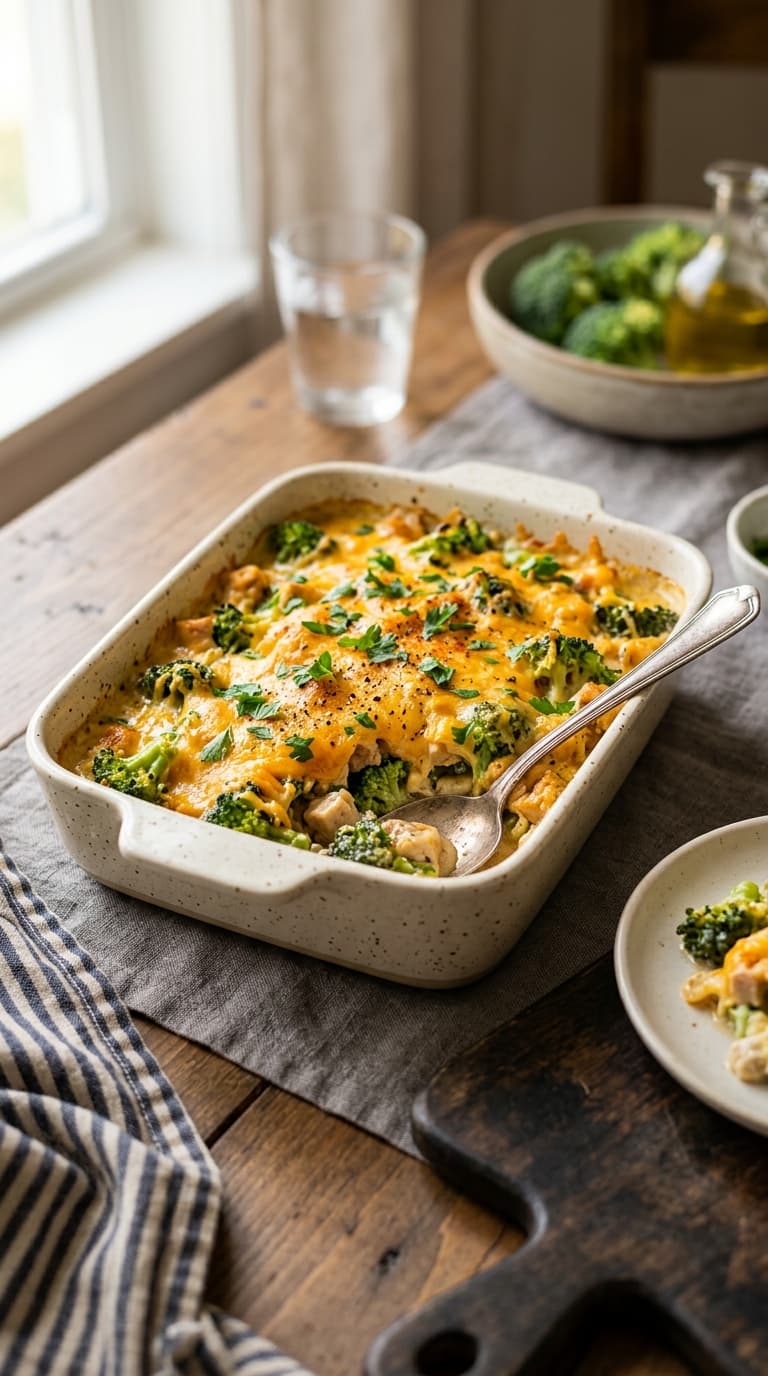
Need breakfast inspiration? This make-ahead egg bake is a game-changer for busy mornings. Protein Breakfast Casserole
Lunch That Delivers
Lunch is where most people struggle. You’re busy, you’re hungry, and you need something fast. That’s why having a solid lunch strategy matters. Build your meals around a base (greens, grains, or both), add your protein, load up on vegetables, and finish with a flavorful dressing or sauce.
The Power Bowl Formula: Start with quinoa or brown rice, add grilled chicken or chickpeas, pile on roasted vegetables, and drizzle with tahini or a Greek yogurt-based dressing. This template works with endless combinations. Mexican flavors with black beans and salsa? Done. Mediterranean with falafel and hummus? Easy. Asian-inspired with edamame and sesame ginger dressing? Absolutely.
The trick is batch-cooking your components on Sunday. Cook a big batch of grains, grill several chicken breasts, and roast a sheet pan of mixed vegetables. Then mix and match throughout the week based on what sounds good. No more sad desk lunches.
Pro Tip: Invest in a set of quality glass meal prep containers. They keep food fresh longer, reheat evenly, and you can see what’s inside without opening every single container. Game changer for staying organized throughout the week.
Dinner Favorites That Deliver
Dinner is your chance to get creative while still hitting your protein goals. This is where we bring in bigger flavors, more complex cooking techniques, and meals that feel special enough for the whole family.
One-Pan Wonders: Sheet pan dinners are your best friend. Toss chicken thighs with Brussels sprouts and sweet potato wedges, season everything well, and roast at 425°F for 35 minutes. You get crispy protein, caramelized vegetables, and minimal cleanup. Swap the chicken for salmon or pork chops and change up the vegetable combinations to keep things interesting.
Stir-fries are another weeknight hero. Get your wok or large skillet screaming hot, cook your protein first, then quickly stir-fry your vegetables with aromatics like garlic and ginger. Finish with a simple sauce made from soy sauce, rice vinegar, and a touch of honey. Serve over cauliflower rice if you’re watching carbs, or regular rice if you need the extra fuel.
Craving takeout? This homemade version tastes better and has way more protein. High-Protein Chicken Stir-Fry
And if you love Mexican food, check out this Lean Ground Beef Burrito Bowl that beats Chipotle any day of the week.
Meal Prep & Kitchen Setup That Makes Life Easy
Here’s what nobody tells you about high-protein eating: success has less to do with willpower and everything to do with having the right setup. When your kitchen is organized and your fridge is stocked with the right ingredients, eating well becomes the path of least resistance.
The Essential Prep Session
You don’t need to spend your entire Sunday meal prepping, but dedicating 90 minutes to prep work makes your week infinitely easier. Here’s the routine that works: while your oven preheats, season and prep your proteins. Get chicken breasts or thighs on a sheet pan, salmon portions on another, and maybe some hard-boiled eggs going on the stove.
While proteins are cooking, wash and chop vegetables. Store them in airtight containers with paper towels to absorb excess moisture and keep everything crisp. Cook a big batch of grains or prep ingredients for quick-cooking options like pasta or rice during the week.
By the time everything’s done, you have components ready to mix and match. Monday’s grilled chicken becomes Tuesday’s salad topping and Wednesday’s quesadilla filling. This approach gives you the convenience of meal prep without eating identical meals all week.
Tools That Actually Matter
You don’t need fancy equipment, but a few key tools make high-protein cooking dramatically easier. A reliable digital meat thermometer means you’ll never overcook chicken again. A quality cast iron skillet gives you restaurant-quality sears on steaks and chicken thighs. And a decent blender opens up a world of protein smoothies and homemade sauces.
Storage matters more than you think. Get containers in multiple sizes so you can portion out individual meals or store bulk-cooked proteins. Mason jars work great for overnight oats and layered salads. Invest in a few insulated lunch bags if you’re packing meals for work.
Premium Glass Meal Prep Container Set
After testing dozens of meal prep containers, this set consistently outperforms everything else. The glass construction means no staining, no weird plastic smell, and food tastes fresh even on day five. The snap-lock lids actually stay sealed in your bag, and they’re oven-safe up to 400°F for easy reheating.
Why This Makes Meal Prep Easier:
- See exactly what’s inside without opening every container
- Microwave, oven, and dishwasher safe for ultimate convenience
- Three compartments keep foods separate until you’re ready to eat
- Stackable design saves precious fridge and freezer space
- BPA-free lids that won’t warp or crack after repeated use
Meal Prep Essentials Used in This Plan
Kitchen Scale: Stop guessing portion sizes. A simple digital kitchen scale ensures you’re actually getting the protein amounts you think you are. Weighing your food teaches you what proper portions look like, and eventually you won’t need it for every meal.
Quality Knife Set: Meal prep goes from tedious to therapeutic when you have sharp knives that actually cut instead of smashing through vegetables. You don’t need a full block, just a good chef’s knife, paring knife, and serrated knife.
Sheet Pans: These workhorses handle everything from roasting vegetables to baking salmon. Get heavy-duty half-sheet pans that won’t warp in high heat. Buy at least three so you can prep multiple components at once.
High-Protein Recipe Database: Access hundreds of tested recipes with exact macros calculated. Download the Complete Protein Recipe Collection (digital guide with meal plans, shopping lists, and macro breakdowns)
Meal Prep Masterclass: Learn the exact system I use to prep a week of high-protein meals in under two hours. Join the Meal Prep Masterclass (video course with step-by-step tutorials)
Macro Tracking Spreadsheets: Simple templates that make tracking your protein intake effortless. Get the Macro Tracking Templates (downloadable Excel and Google Sheets templates)
The Protein Pantry
Stock your pantry with shelf-stable proteins and protein-boosting ingredients. Canned tuna and salmon give you quick lunch options. Protein powder (whey, casein, or plant-based) can boost smoothies and even get mixed into oatmeal or Greek yogurt. Keep various beans and lentils on hand for meatless meals.
Don’t forget the flavor builders. Quality spices, hot sauces, and condiments make the difference between meals you tolerate and meals you genuinely enjoy. The Academy of Nutrition and Dietetics emphasizes that sustainable nutrition plans must include foods you actually enjoy eating.
Professional Instant-Read Meat Thermometer
This single tool transformed my high-protein cooking more than anything else. No more dry, overcooked chicken breast or undercooked pork. The display rotates automatically, readings are accurate within one degree, and it gives you a temperature in under three seconds. Game changer for anyone serious about cooking protein properly.
Perfect Protein Every Single Time:
- Ultra-fast readings mean less heat escapes from your oven or grill
- Waterproof design handles messy kitchen situations without breaking
- Magnetic back sticks to your fridge or grill for easy storage
- Backlit display works in any lighting condition, even at night
- Calibration function ensures accuracy stays perfect for years
Common Mistakes That Kill Results
Let’s talk about where people go wrong with high-protein eating. These mistakes are so common that I see them repeatedly, and they’re usually what makes people give up and go back to their old habits.
Mistake 1: Going Too Hard Too Fast
The biggest mistake is jumping from barely any protein to trying to eat 150 grams overnight. Your body needs time to adjust. Your digestive system might protest if you suddenly triple your protein intake. Start by adding one high-protein meal per day, then gradually increase over a few weeks.
Also, your taste buds need time to adapt. If you’ve been eating sugary cereals for breakfast your whole life, switching to a savory egg scramble might feel weird at first. Give yourself permission to transition slowly. Maybe start with Greek yogurt mixed with regular yogurt, then gradually shift to all Greek yogurt.
Mistake 2: Forgetting About Variety
Eating chicken breast and broccoli for every meal might work for a week, but you’ll burn out fast. Variety isn’t just about preventing boredom. Different proteins provide different micronutrients. Salmon brings omega-3s. Red meat provides iron and B12. Eggs give you choline. Rotating your protein sources ensures you’re getting a complete nutritional picture.
Plus, eating the same foods constantly can lead to developing food sensitivities. Your body responds better to dietary diversity. Aim for at least three different protein sources per week, preferably more.
Pro Tip: Keep a running list on your phone of high-protein meals you’ve enjoyed. When you’re stuck in a rut, scroll through for inspiration instead of defaulting to the same three meals.
Mistake 3: Neglecting the Supporting Cast
Protein doesn’t work alone. You need adequate carbohydrates to fuel your workouts and daily activities. You need healthy fats for hormone production and nutrient absorption. Fiber keeps your digestion running smoothly and helps you feel full.
The worst thing you can do is eat plain grilled chicken with nothing else on your plate. Build complete meals: protein plus vegetables plus smart carbs plus a little healthy fat. That might look like salmon with roasted sweet potato and asparagus drizzled with olive oil. Or ground turkey in a whole grain tortilla with avocado and salsa.
Mistake 4: Overcooking Everything
Dry, rubbery chicken is the fastest way to hate high-protein eating. Learn to cook your proteins properly. Use a meat thermometer. Pull chicken off the heat at 165°F. Cook salmon to 125-130°F for perfectly moist fish. Let steaks rest after cooking so juices redistribute.
Marinades and brines are your friends. Even 15 minutes in a simple marinade adds moisture and flavor. Don’t skip this step thinking it takes too long. The difference in taste and texture is dramatic.
Master the basics first: This guide walks you through cooking perfect chicken every time. How to Cook Juicy Chicken Breast
Customizing This Plan for Your Lifestyle
No two people have identical schedules, preferences, or protein needs. The meal ideas in this guide are starting points, not rigid rules. Here’s how to adapt everything to fit your actual life.
For the Busy Professional
If you’re working long hours, focus on meals that require minimal active cooking time. Sheet pan dinners, slow cooker meals, and instant pot recipes become your core rotation. Prep proteins and vegetables on Sunday, then assemble meals in under 15 minutes each night.
Your breakfast might be overnight oats mixed with protein powder that you grab from the fridge. Lunch could be a rotisserie chicken (yes, store-bought counts) torn over pre-washed greens with a quick dressing. Dinner might be frozen pre-portioned proteins that you pop in the oven with frozen vegetables.
There’s zero shame in taking shortcuts. Using pre-cut vegetables, buying pre-marinated proteins, or choosing convenience options that let you stick to your plan is always better than abandoning the plan entirely because you’re too busy to cook everything from scratch.
Multi-Function Digital Air Fryer
If you only invest in one kitchen appliance for high-protein cooking, make it this air fryer. It cooks chicken breasts from frozen in 18 minutes with perfectly crispy exteriors and juicy interiors. Salmon comes out restaurant-quality with zero oil needed. Even reheated leftovers taste freshly cooked instead of sad and soggy.
Revolutionizes Your Protein Game:
- Eight preset programs for chicken, fish, steak, and more
- Large 6-quart capacity feeds a family or makes meal prep easier
- Dishwasher-safe basket and tray mean minimal cleanup time
- Cooks 30% faster than conventional ovens while using less energy
- Digital touchscreen with temperature control up to 400°F
For the Family-Focused Cook
Feeding a family with different preferences and protein needs requires flexibility. Build meals with a protein base that everyone can customize. Taco bowls where kids can pick their toppings. Build-your-own grain bowls with different proteins and sauces. Sheet pan meals where you can adjust seasoning for picky eaters.
Sneak extra protein into family favorites without announcing it. Add Greek yogurt to mac and cheese for creaminess. Mix ground turkey with ground beef in meatballs. Blend cottage cheese into pasta sauces. Use protein pasta occasionally instead of regular pasta. These small tweaks add up without making meals feel like “diet food” to kids.
For the Budget-Conscious Eater
High-protein eating doesn’t require expensive cuts of meat or fancy supplements. Ground turkey and chicken thighs cost significantly less than chicken breast and often taste better. Eggs remain one of the cheapest protein sources available. Canned fish, Greek yogurt, and dried beans stretch your budget without compromising protein intake.
Buy proteins on sale and freeze them immediately. Stock up when ground beef hits a good price. Freeze individual chicken breasts in separate bags for easy thawing. Look for manager’s specials on meats nearing their sell-by date and cook or freeze them that same day.
According to the USDA, strategic shopping and choosing a variety of protein sources can help you meet nutrition goals without overspending.
Tools & Resources That Make Cooking Easier
Instant Pot or Slow Cooker: Set it and forget it cooking makes high-protein meals effortless. A programmable Instant Pot cooks chicken breasts from frozen in 15 minutes or makes perfect hard-boiled eggs every time.
Air Fryer: Gets proteins crispy without tons of oil. Use an air fryer for quick chicken tenders, salmon fillets, or even reheating leftovers so they taste freshly cooked instead of microwaved.
Food Storage System: Organization prevents food waste. Get a complete meal prep container set with various sizes so you can portion everything correctly and see exactly what you have ready to eat.
Weekly Meal Planning Template: Stop winging it and wondering what’s for dinner. Download the Meal Planning Template (printable PDF with grocery list integration)
Protein Snack Guide: Master the art of high-protein snacking between meals. Get the Complete Protein Snack Guide (digital guide with 50+ snack ideas and recipes)
Budget High-Protein Cookbook: Eat well without breaking the bank. Access the Budget Protein Cookbook (ebook with cost-per-serving calculations)
🔥 Join Our WhatsApp Community: Get daily meal ideas, quick recipe swaps, and real-time cooking tips from thousands of people crushing their protein goals. Join the WhatsApp Channel
For the Athlete or Active Individual
If you’re training hard, your protein needs increase. You’re looking at the higher end of protein recommendations, potentially 0.8 to 1 gram per pound of body weight. You also need to time your protein intake around workouts for optimal recovery and muscle building.
Prioritize protein within two hours post-workout when your muscles are primed for nutrient uptake. A simple protein shake with fruit works perfectly if you’re not hungry for a full meal. Then follow up with a proper high-protein meal within the next few hours.
Don’t neglect pre-workout nutrition either. Having some protein and carbs before training gives you energy and prevents muscle breakdown during intense sessions. A Greek yogurt with granola or a banana with nut butter does the job without feeling heavy.
Pro Tip: Keep individual protein powder packets or protein bars in your gym bag for post-workout convenience. You’re more likely to get that crucial post-workout protein if it’s readily available instead of waiting until you get home.
The 30 High-Protein Meals
Here’s your complete list of meal ideas, organized by meal type. Each one delivers serious protein without sacrificing taste. Mix and match these throughout your week based on what you’re craving and what fits your schedule.
Breakfast Options (7 meals)
- Southwest Breakfast Scramble: Three eggs scrambled with black beans, peppers, onions, and topped with salsa and Greek yogurt. 28g protein.
- Protein-Packed Pancakes: Made with protein powder, eggs, and Greek yogurt. Top with nut butter. 32g protein per serving.
- Smoked Salmon Breakfast Bowl: Scrambled eggs, smoked salmon, avocado, and everything bagel seasoning. 30g protein.
- High-Protein French Toast: Made with egg-rich batter, served with Greek yogurt and berries. 26g protein.
- Breakfast Burrito Bowl: Eggs, turkey sausage, black beans, cheese, and avocado. 35g protein.
- Cottage Cheese Power Bowl: Cottage cheese topped with nuts, seeds, and a drizzle of honey. 25g protein.
- Veggie-Packed Frittata: Baked with eggs, spinach, mushrooms, and feta cheese. 27g protein per slice.
Want the exact recipes? Try this Meal Prep Egg Muffins version that you can make ahead and grab all week.
Lunch Winners (8 meals)
- Greek Chicken Bowl: Grilled chicken, quinoa, cucumber, tomatoes, olives, and tzatziki sauce. 38g protein.
- Tuna Avocado Salad: Canned tuna mixed with avocado instead of mayo, served over mixed greens. 32g protein.
- Turkey and Hummus Wrap: Whole grain wrap loaded with turkey, hummus, vegetables, and spinach. 30g protein.
- Chicken Caesar Salad: Grilled chicken, romaine, parmesan, and a lighter Caesar dressing. 35g protein.
- Beef and Broccoli Bowl: Lean beef strips, steamed broccoli, and brown rice with teriyaki sauce. 34g protein.
- Shrimp Fajita Bowl: Seasoned shrimp, peppers, onions, black beans, and cilantro lime rice. 33g protein.
- Chicken Pesto Pasta: Whole grain pasta with grilled chicken and homemade pesto. 36g protein.
- Mediterranean Chickpea Salad: Chickpeas, cucumber, tomatoes, feta, with grilled chicken added. 29g protein.
The key to lunch success is having components ready to assemble. Cook your grains and proteins ahead, then build these bowls in five minutes.
🎯 The Ultimate High-Protein Meal Prep System
Transform your meal prep from chaotic to effortless with our complete system
- 100+ macro-calculated recipes with full nutritional breakdowns
- Weekly meal plans for muscle gain, fat loss, and maintenance
- Printable grocery lists organized by store section
- Step-by-step prep videos showing exactly what to do
- Flexible templates you can customize to your preferences
Meal prep these lunches: This Chicken Burrito Bowl Meal Prep makes five lunches at once, and this Asian-Inspired Chicken Bowl never gets boring.
Dinner Favorites (10 meals)
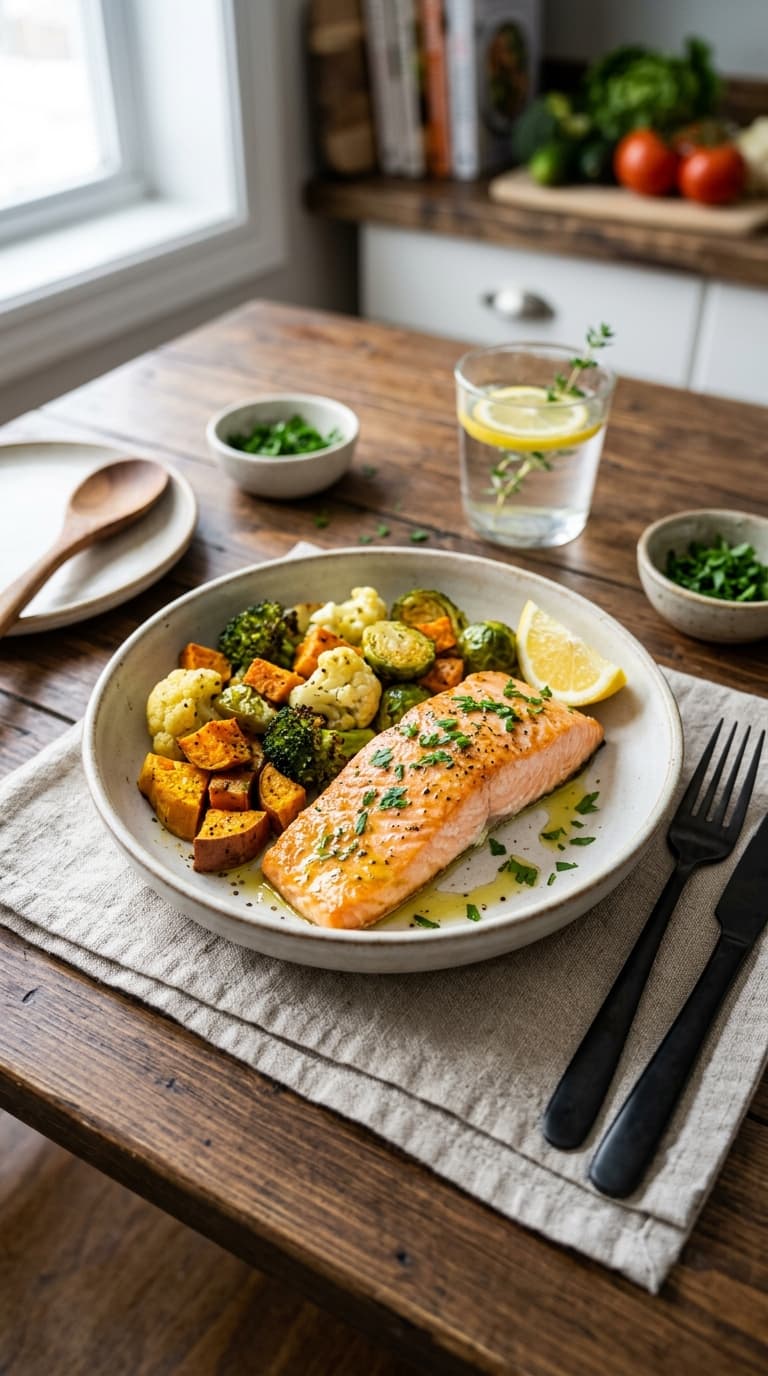
- Herb-Crusted Salmon: Baked salmon with herb crust, roasted asparagus, and quinoa. 36g protein.
- Beef and Sweet Potato Hash: Ground beef sautéed with diced sweet potatoes, peppers, and spices. 35g protein.
- Lemon Garlic Chicken Thighs: Crispy-skinned thighs with roasted Brussels sprouts. 32g protein.
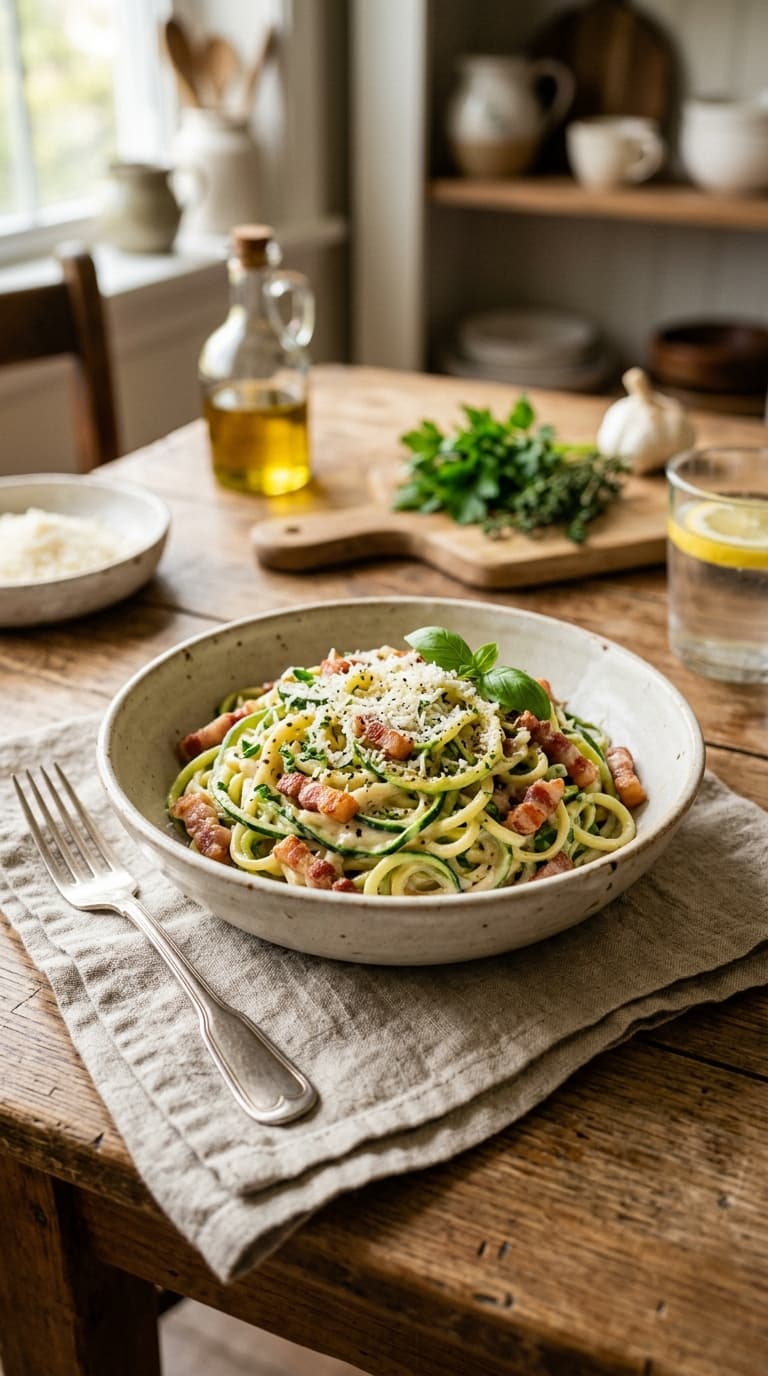
- Turkey Meatballs with Zoodles: Homemade turkey meatballs over zucchini noodles and marinara. 38g protein.
- Blackened Fish Tacos: Seasoned white fish in corn tortillas with cabbage slaw. 30g protein per serving (2 tacos).
- Steak and Cauliflower Mash: Grilled sirloin with cauliflower mash and green beans. 40g protein.
- Chicken Stir-Fry: Chicken breast with mixed vegetables in a ginger soy sauce. 35g protein.
- Pork Tenderloin with Roasted Vegetables: Herb-seasoned pork with colorful roasted vegetables. 36g protein.
- White Fish with Pesto: Baked cod or halibut topped with pesto, served with roasted tomatoes. 31g protein.
- Turkey Chili: Lean ground turkey, beans, tomatoes, and spices. 34g protein per generous serving.
These dinners are substantial enough to satisfy the whole family while keeping your protein goals on track. Most come together in 30 minutes or less once you get comfortable with the techniques.
⚡ 5-Minute High-Protein Meal Formula
Never stare at your fridge wondering what to eat again
- The exact formula for building 100+ meal combinations
- Emergency meal ideas when you forgot to prep
- Restaurant-quality sauces that make everything taste better
- Batch cooking shortcuts that save 5+ hours weekly
- Smart substitution guide for any dietary restriction
Master these dinner staples: Start with this foolproof Sheet Pan Chicken and Vegetables, then try this One-Pot Protein Pasta for busy weeknights.
Versatile Proteins (5 recipes)
- Basic Grilled Chicken Breast: Properly seasoned and cooked chicken that’s actually juicy. Use throughout the week. 35g protein per breast.
- Slow Cooker Shredded Chicken: Set it and forget it. Perfect for bowls, tacos, or salads. 32g protein per serving.
- Perfectly Cooked Ground Turkey: Seasoned ground turkey that works for everything from breakfast to dinner. 28g protein per 4 oz.
- Hard-Boiled Eggs Done Right: The easiest protein snack or meal addition. 6g protein per egg.
- Marinated Tofu Steaks: For plant-based meals that don’t compromise on protein. 20g protein per serving.
Having these basic preparations mastered means you can throw together high-protein meals without following recipes every single time. They’re your building blocks for infinite meal combinations.
Real Results From Real People
I hear from readers constantly about how shifting to this style of eating changed their relationship with food. Sarah from our community mentioned she finally broke through her weight loss plateau once she started consistently hitting 30 grams of protein at breakfast instead of her usual bagel. She wasn’t even trying to eat less overall, but the increased protein naturally reduced her cravings throughout the day.
Mike shared that his energy levels during afternoon workouts dramatically improved once he started spacing his protein evenly throughout the day instead of loading up at dinner. He’s lifting heavier and recovering faster, and he’s actually eating foods he enjoys rather than choking down bland meal prep.
The common thread in these success stories isn’t perfection. It’s consistency with variety. People who stick with high-protein eating long-term are the ones who find meals they genuinely enjoy and build sustainable routines around them.
📊 Protein Tracking Made Ridiculously Simple
Stop obsessing over every gram and start seeing real results
- Pre-built spreadsheets that calculate everything automatically
- Visual portion guide so you never need a food scale
- Restaurant eating guide with protein counts for 50+ chains
- Progress tracker that shows your consistency over time
- Quick reference cards for your phone or fridge
Pro Tip: Take photos of meals you really enjoyed. Build a personal gallery on your phone so you can reference it when you’re stuck in a meal planning rut. Your past self knows what your future self will enjoy eating.
Frequently Asked Questions
How much protein do I actually need per day?
Most active adults do well with 0.7 to 1 gram of protein per pound of body weight daily. If you’re sedentary, you can aim for the lower end. If you’re very active or building muscle, target the higher end. For a 150-pound person, that’s roughly 105 to 150 grams daily, spread across three to four meals.
Can I eat too much protein?
For healthy individuals with normal kidney function, eating high amounts of protein is generally safe. However, extremely high intakes (over 2 grams per pound of body weight) aren’t necessary and may crowd out other important nutrients. Focus on balanced meals with protein, healthy fats, and quality carbs rather than obsessing over maximum protein intake.
Do I need protein powder or can I get enough from food?
You can absolutely meet your protein needs through whole foods alone. Protein powder is just a convenient tool, not a requirement. It’s handy for quick post-workout nutrition or boosting protein in smoothies and oatmeal, but whole food sources like chicken, fish, eggs, and Greek yogurt should form the foundation of your protein intake.
What if I’m vegetarian or vegan?
Plant-based eaters can absolutely hit high protein goals. Focus on combining protein sources like beans with rice, adding tofu or tempeh to meals, incorporating Greek yogurt if you eat dairy, and using protein-rich grains like quinoa. You’ll need slightly larger portions to match the protein density of animal sources, but it’s completely doable with planning.
How do I prevent getting bored with high-protein meals?
Rotate your protein sources weekly, experiment with different cooking methods and seasonings, and explore global cuisines for flavor inspiration. The biggest mistake people make is eating the same three meals on repeat. Keep trying new recipes, swap proteins in familiar dishes, and don’t be afraid to get creative with spices and sauces to keep things interesting.
Start Building Your High-Protein Routine
High-protein eating doesn’t have to feel restrictive, boring, or complicated. The meals in this guide prove that you can hit your protein goals while eating food that actually excites you. Start with a few recipes that sound appealing, master those, then gradually expand your rotation as you get comfortable.
Remember that sustainable change happens gradually. Pick one meal to upgrade first, maybe breakfast since it sets the tone for your entire day. Get comfortable with that, then move on to improving your lunch game, and eventually your dinners. Before you know it, hitting 120-150 grams of protein daily feels completely natural.
The secret isn’t perfection or rigidly following meal plans. It’s having enough delicious high-protein options in your repertoire that you never feel deprived or stuck. Build your personal collection of go-to meals, keep your kitchen stocked with the right ingredients, and make protein-rich eating work for your lifestyle instead of trying to force your lifestyle to fit some generic plan.
Your relationship with food should feel empowering, not stressful. Use these meals as a foundation, experiment with flavors you love, and create a high-protein routine that actually fits into your real life. That’s when the magic happens, and that’s when results stick.