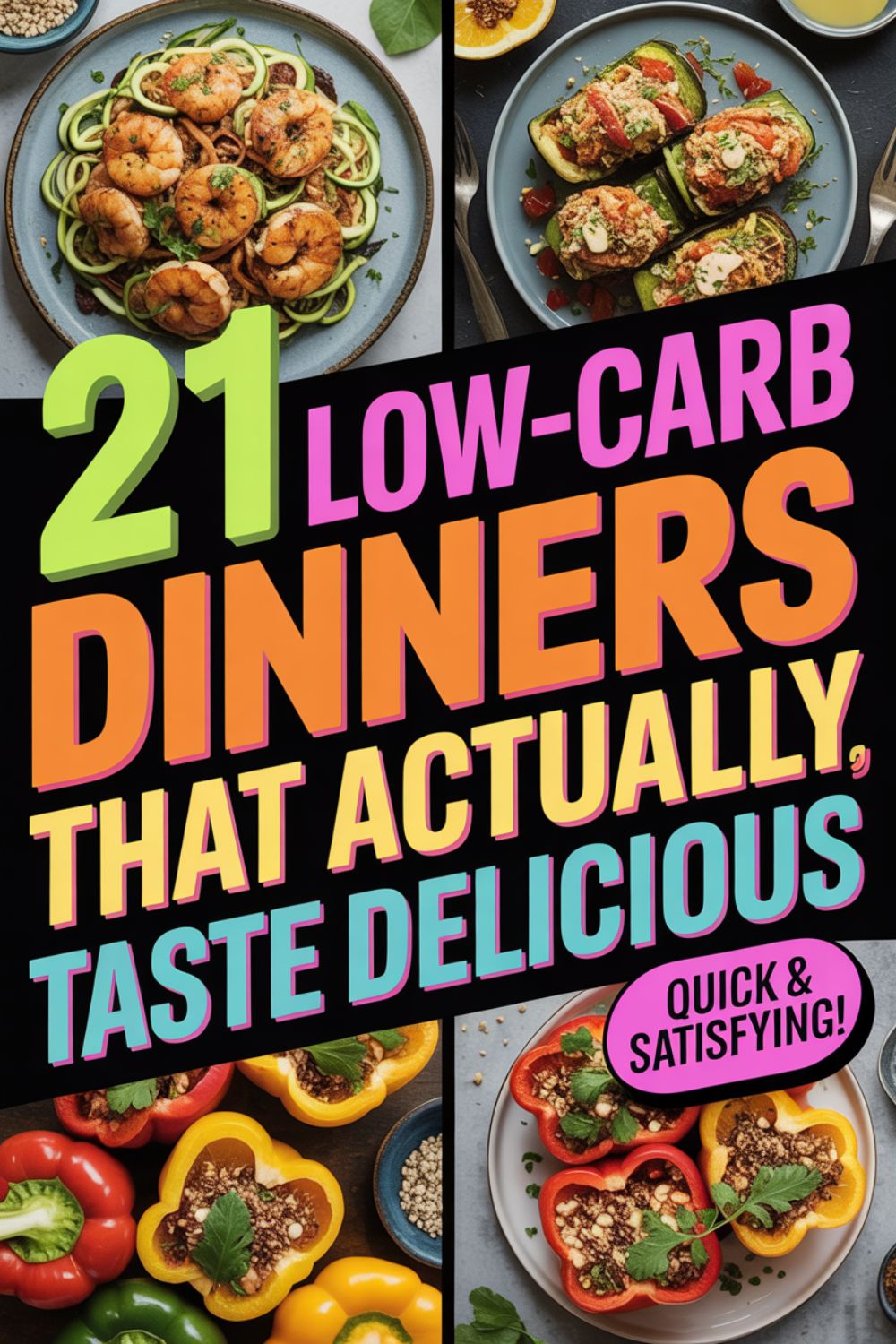
21 Low-Carb Dinners That Actually Taste Delicious
Let’s be real—most low-carb dinners taste like cardboard wrapped in sadness. But here’s the thing: cutting carbs doesn’t mean you’re sentenced to bland, boring meals that make you question all your life choices. I’ve spent the last year experimenting with low-carb cooking, and trust me, I’ve had my fair share of disasters. But I’ve also discovered some genuinely delicious dinners that don’t leave you staring longingly at a loaf of bread.
You know that feeling when you finish dinner and you’re satisfied—not just full, but actually happy about what you ate? That’s what these 21 dinners deliver. No weird substitutes that taste nothing like the real thing, no complicated prep that requires a culinary degree, and definitely no recipes that claim to be “just like the original” when they’re clearly not.
Whether you’re trying to lose weight, manage blood sugar, or just feel better overall, low-carb eating has some serious benefits. Research from Mayo Clinic shows that low-carb diets can help with weight loss and may improve certain health markers. But here’s what the studies don’t tell you: it only works if you actually stick with it, and you’ll only stick with it if the food doesn’t suck.
Why Low-Carb Dinners Actually Work (When Done Right)
Here’s something nobody talks about: going low-carb isn’t about deprivation. It’s about rethinking what makes a meal satisfying. I used to think I needed pasta or rice to feel full, but it turns out I just needed more protein and healthy fats. Who knew?
The science backs this up too. Studies published in the NCBI database indicate that low-carb approaches can be particularly effective for weight management and improving insulin sensitivity. When you reduce carbs, your body starts burning fat for fuel instead of constantly craving its next glucose fix.
But let’s talk about the elephant in the room: most low-carb dinner recipes are either ridiculously complicated or taste like punishment. I’m not about to spiralize seventeen vegetables or pretend that cauliflower tastes exactly like mashed potatoes (it doesn’t, and that’s okay).
The dinners I’m sharing are different. They’re built around whole, real foods that actually taste good. We’re talking juicy proteins, flavorful vegetables, and healthy fats that keep you satisfied for hours. No fake anything.
The Foundation: What Makes a Low-Carb Dinner Actually Good
Before we dive into specific recipes, let’s talk about what separates a mediocre low-carb dinner from one you’ll actually crave. It comes down to three things: protein that’s cooked properly, vegetables that aren’t mushy afterthoughts, and enough fat to make everything taste amazing.
Protein Is Your Best Friend
You need way more protein than you think. I’m talking 30-40 grams per meal, minimum. This isn’t bro-science—it’s just what keeps you full and prevents those midnight snack attacks. Chicken thighs beat chicken breasts every time for flavor. Salmon is stupidly easy if you don’t overcook it. And ground beef? That’s your weeknight MVP.
I swear by this instant-read thermometer for cooking proteins perfectly. No more dry, sad chicken or undercooked pork. It takes the guesswork out completely.
Vegetables Need Love Too
Steamed broccoli is not a personality. Your vegetables should be roasted, sautéed, or grilled with enough salt and fat to make them interesting. Brussels sprouts with bacon? Yes. Zucchini noodles with actual seasoning? Absolutely. Plain steamed anything? Hard pass.
For veggie prep, I use these silicone baking mats on everything short of cereal bowls. Zero sticking, zero scrubbing, and roasted vegetables come out perfectly caramelized every time.
Fat Doesn’t Make You Fat (But It Makes Food Delicious)
Olive oil, avocado oil, butter, coconut oil—these aren’t the enemy. They’re what make low-carb food taste like actual food instead of diet food. Don’t be stingy with it.
Looking for more ways to boost protein and flavor? Check out these high-protein meal prep recipes that work perfectly with low-carb eating.
Meal Prep Essentials Used in This Plan
- Glass Meal Prep Containers (Set of 10) – Because plastic gets gross and these actually seal properly. The 3-compartment ones are perfect for keeping your protein, veggies, and fats separated until you’re ready to eat.
- Quality Chef’s Knife – Stop struggling with dull knives. A good 8-inch chef’s knife cuts your prep time in half and makes vegetable chopping way less annoying.
- Cast Iron Skillet (12-inch) – The secret weapon for perfectly seared meats and roasted vegetables. Gets better with age and lasts forever.
- Low-Carb Meal Planning Guide (Digital) – A downloadable PDF with weekly meal templates, shopping lists, and macro calculators to take the guesswork out of planning.
- 30-Day Low-Carb Recipe Collection (Digital) – Instant access to 90+ tested recipes with full nutritional info and step-by-step photos.
- Macro Tracking Spreadsheet (Digital) – Pre-built Excel template that calculates your daily macros and tracks your progress automatically.
21 Dinners That’ll Make You Forget About Carbs
Alright, let’s get to the good stuff. These aren’t in any particular order because honestly, they’re all winners. Pick the ones that sound good to you and ignore the rest. This isn’t a test.
1. Sheet Pan Lemon Garlic Chicken with Roasted Vegetables
This is my go-to when I can’t even deal with cooking. Everything goes on one pan, roasts for 30 minutes, and you’ve got dinner. Chicken thighs (always thighs), whatever vegetables are in your fridge, lemon, garlic, olive oil. Done.
The key is cutting everything roughly the same size so it cooks evenly. And use way more garlic than you think you need. Like, five cloves minimum. Get Full Recipe
2. Cauliflower Fried Rice (That Doesn’t Suck)
Look, I’m not going to lie and say this tastes exactly like regular fried rice. But if you cook the cauliflower rice properly—meaning you don’t turn it into mush—it’s legitimately good. The trick is high heat and not overcrowding the pan.
I use this large wok because it distributes heat evenly and gives you that slightly charred, restaurant-style taste. Add whatever protein you want, eggs, soy sauce, and a ton of vegetables. Get Full Recipe
“I made the cauliflower fried rice last week and my kids actually ate it without complaining. That’s a miracle in my house. Sarah from our community tried this and lost 15 pounds in 3 months by swapping regular fried rice for this version twice a week.” – Jessica M.
3. Bunless Burger Bowls
Why wrestle with lettuce wraps when you can just make a bowl? Ground beef, cheese, pickles, onions, tomatoes, lettuce, and all the burger toppings you love. Add sugar-free ketchup and mustard, maybe some avocado, and you’ve got yourself a satisfying meal.
The secret is seasoning your beef properly. Salt, pepper, garlic powder, onion powder—be generous. And cook it in a cast iron skillet for that crispy, caramelized exterior.
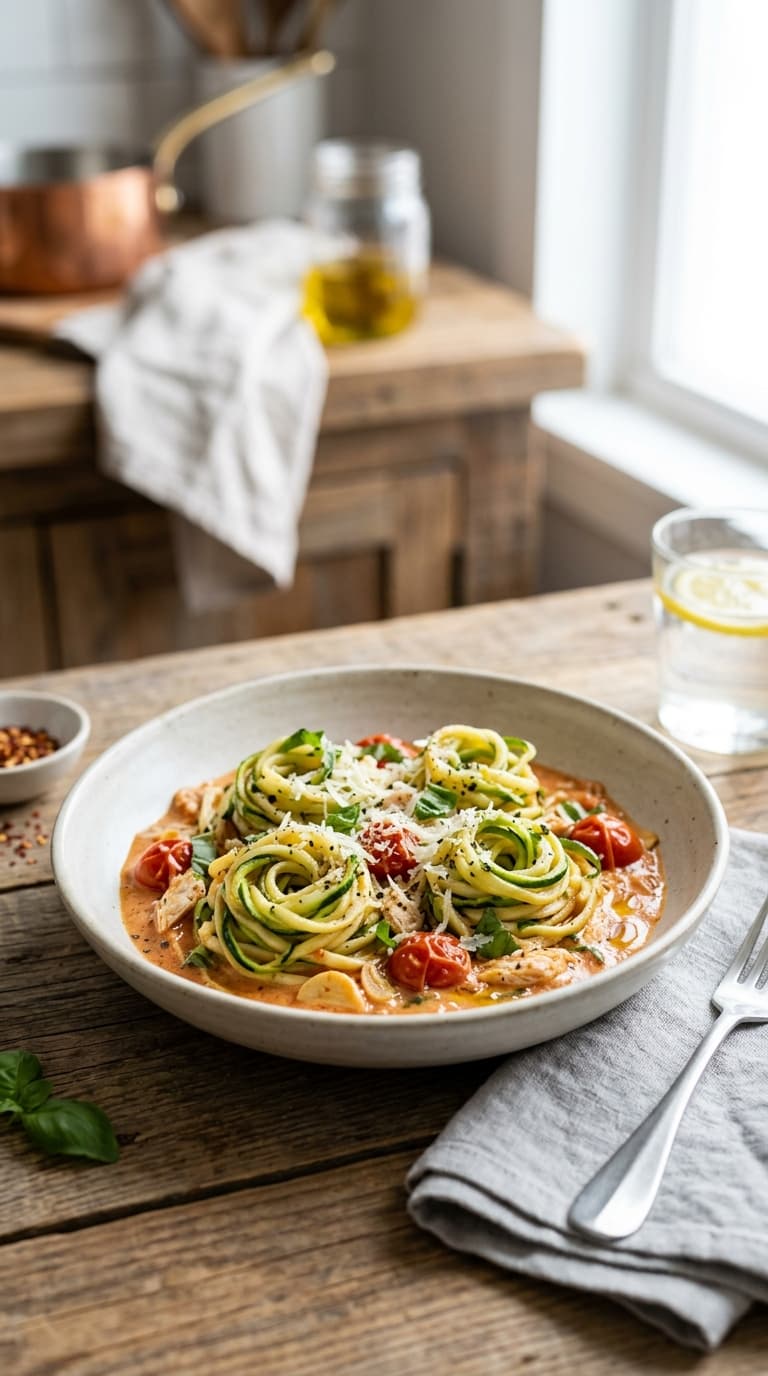
4. Zucchini Noodle Carbonara
This one surprised me. I was skeptical about zucchini noodles, but when you toss them with crispy bacon, eggs, and Parmesan, something magical happens. The key is not overcooking the zucchini—you want it tender but not soggy.
Use a spiralizer if you’ve got one, or just buy pre-spiralized zucchini if you’re lazy like me. No judgment. The carbonara sauce comes together in literally five minutes. Get Full Recipe
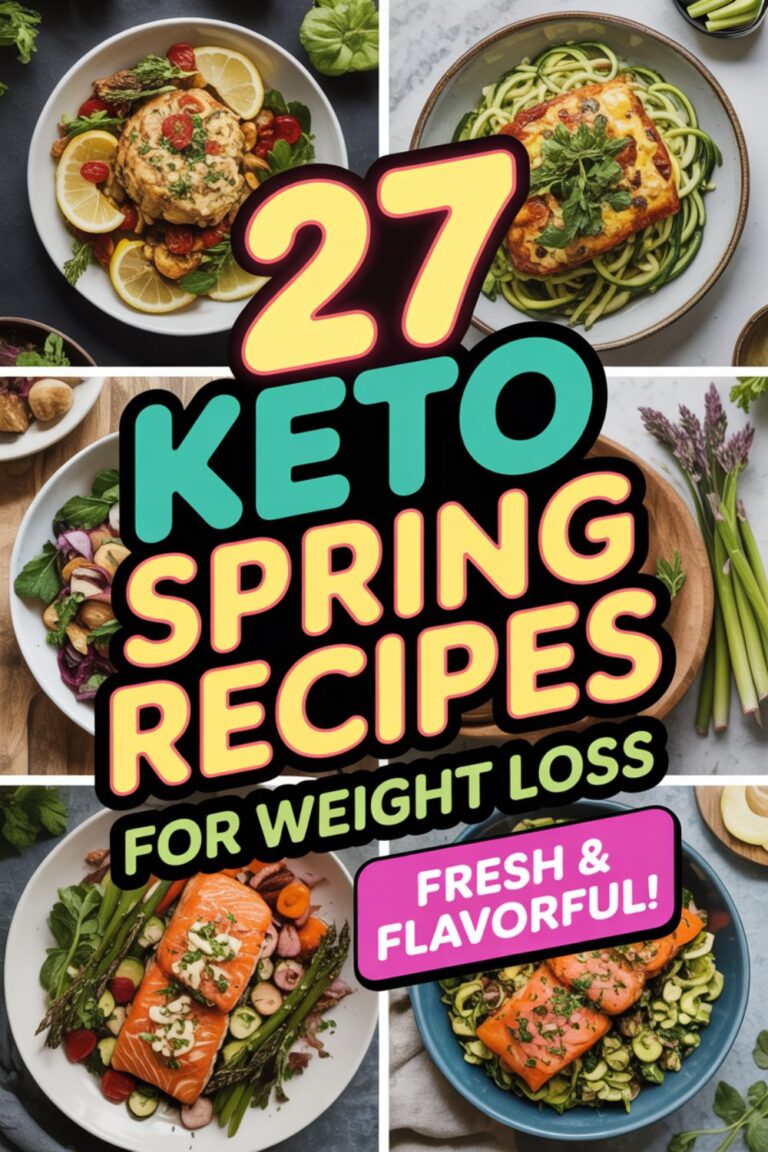
5. Salmon with Asparagus and Hollandaise
Sounds fancy, tastes fancy, but it’s actually stupid easy. Salmon cooks in 12 minutes. Asparagus roasts alongside it. Hollandaise can be made in a blender in two minutes. Mind. Blown.
I bake the salmon on parchment paper because cleanup is for suckers. Season it with salt, pepper, and a squeeze of lemon. That’s it. If you’re looking for more fish-based options, these heart-healthy dinners have some excellent seafood recipes.
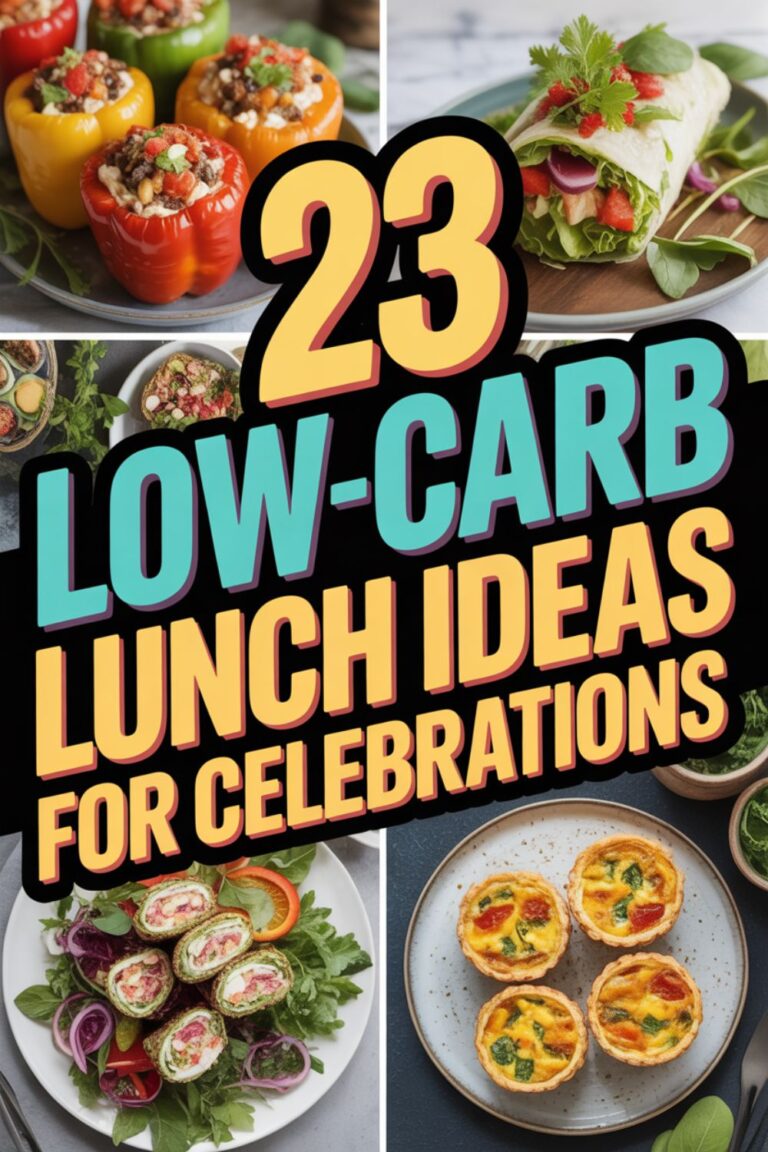
6. Taco-Stuffed Peppers
Take everything you love about tacos, stuff it into bell peppers, and bake. Ground beef or turkey, taco seasoning (make your own to avoid hidden sugars), cheese, salsa, sour cream. Zero tortillas required.
These reheat beautifully, which makes them perfect for meal prep. Make a batch on Sunday, and you’ve got lunch or dinner sorted for days.
7. Creamy Tuscan Chicken
Chicken breast (or thighs, you do you), sun-dried tomatoes, spinach, garlic, and heavy cream. It’s rich, it’s comforting, and it tastes like you ordered it from a restaurant. Serve it over cauliflower rice or zucchini noodles.
The sun-dried tomatoes do all the heavy lifting flavor-wise. I buy the ones packed in oil and use that oil to cook the chicken. Waste nothing. Get Full Recipe
8. Thai Basil Beef (Pad Krapow)
This is probably my favorite recipe on this list. Ground beef, Thai basil, fish sauce, garlic, chilies, and just a tiny bit of sweetener if you want it. Takes 10 minutes start to finish and tastes better than takeout.
The trick is really high heat. Like, as high as your stove goes. You want that slightly charred, wok-fried flavor. Serve it over cauliflower rice or just eat it straight from the pan. I won’t tell.
9. Greek Chicken Bowl
Grilled chicken, cucumbers, tomatoes, red onion, feta cheese, olives, and a lemon-herb dressing. It’s fresh, it’s filling, and it doesn’t require turning on your oven when it’s hot as hell outside.
I make a big batch of the chicken at the beginning of the week and use it for multiple meals. Add different vegetables and dressings throughout the week so you don’t get bored. Speaking of variety, check out these gut-healthy meals for more bowl inspiration.
10. Pork Chops with Creamy Mushroom Sauce
Thick-cut pork chops, sautéed mushrooms, garlic, cream, and fresh thyme. It’s elegant enough for company but easy enough for a Wednesday night. The sauce is so good you’ll want to drink it.
The biggest mistake people make with pork chops is overcooking them. Get that instant-read thermometer I mentioned earlier and cook them to 145°F, no higher. They’ll be juicy and perfect.
11. Shrimp Scampi with Zucchini Noodles
Shrimp, butter, garlic, white wine (or chicken broth), lemon, and parsley. Classic scampi flavors over zucchini noodles instead of pasta. Takes 15 minutes and tastes like vacation.
Don’t skimp on the garlic or the butter. This is not the time to be virtuous. The fat is what makes it taste good.
12. Beef and Broccoli Stir-Fry
Way better than takeout and you know exactly what’s in it. Thinly sliced beef, broccoli, garlic, ginger, soy sauce, and a bit of sesame oil. Skip the cornstarch they use in restaurants and it’s perfectly low-carb.
The secret to good stir-fry is cooking in batches. Don’t crowd the pan or everything steams instead of frying. High heat, work fast, and you’re golden. For more Asian-inspired options, these anti-inflammatory dinners have some great stir-fry variations.
13. Caprese Chicken
Chicken breast topped with tomatoes, fresh mozzarella, and basil, then baked until the cheese gets all melty. Drizzle with balsamic reduction and you’ve got something that looks way fancier than it is.
Use good tomatoes for this. Like, actually good ones. The sad, flavorless ones from the grocery store in January won’t cut it. Wait for tomato season or use cherry tomatoes instead. Get Full Recipe
14. Buffalo Chicken Lettuce Wraps
Shredded chicken tossed in buffalo sauce, wrapped in crunchy lettuce leaves, topped with blue cheese dressing and celery. All the buffalo wing flavor without the deep-fried carbs.
I use rotisserie chicken for this because I’m not about to poach and shred chicken on a weeknight. Work smarter, not harder.
“These buffalo wraps are my teenage son’s favorite dinner now. He doesn’t even ask for pizza anymore. We make them every Friday night.” – Mike R.
15. Lemon Herb Lamb Chops
Lamb chops are easier than you think and they cook fast. Marinate them in lemon, garlic, and rosemary for an hour (or just 10 minutes if you forgot), then sear them in a hot pan. Four minutes per side and you’re done.
Serve them with roasted vegetables or a simple salad. This is one of those meals that makes you feel like a competent adult.
16. Egg Roll in a Bowl
All the flavors of an egg roll without the wrapper. Ground pork or chicken, coleslaw mix, garlic, ginger, soy sauce, and sesame oil. It comes together in one pan in about 20 minutes.
This is major meal prep material. It reheats perfectly and actually tastes better the next day when the flavors have had time to marry. Make a big batch and portion it out for the week.
17. Baked Cod with Mediterranean Vegetables
Cod is mild and forgiving, which makes it perfect if you’re nervous about cooking fish. Top it with tomatoes, olives, capers, and garlic, then bake it until it flakes easily. Simple, healthy, and surprisingly filling.
You can use a glass baking dish for this or wrap everything in parchment paper for individual packets. Both ways work great and cleanup is minimal.
18. Steak with Chimichurri and Cauliflower Mash
A good steak doesn’t need much. Salt, pepper, high heat, and a few minutes per side. The chimichurri (fresh parsley, garlic, olive oil, vinegar, and red pepper flakes) adds brightness, and the cauliflower mash is creamy and satisfying.
For the cauliflower mash, the trick is getting it as dry as possible before mashing. Steam it, then let it drain really well. Add butter, cream cheese, and garlic. It’s not exactly mashed potatoes, but it’s delicious in its own right.
19. Thai Coconut Curry Chicken
Chicken thighs, coconut milk, red curry paste, fish sauce, vegetables, and fresh basil. It’s warming, flavorful, and feels indulgent even though it’s totally low-carb. Serve it over cauliflower rice.
I use a Dutch oven for this because it distributes heat evenly and you can make a big batch. The leftovers are even better than the first night. If you’re into meal planning, this fits perfectly into a 14-day gut reset plan since it’s easy on digestion.
20. Sausage and Peppers Sheet Pan
Italian sausage, bell peppers, onions, and olive oil on a sheet pan. Roast at high heat until everything is caramelized and the sausages are juicy. Add some marinara sauce if you want, but honestly it’s great without it too.
This is one of those dinners where you just throw everything on a pan and let the oven do its thing. Perfect for when you’re too tired to think.
21. Chicken Fajita Bowl
Seasoned chicken, sautéed peppers and onions, lettuce, guacamole, sour cream, cheese, and salsa. All the fajita flavors in a bowl format. Zero tortillas, maximum deliciousness.
The cilantro-lime cauliflower rice makes this even better. Just pulse cauliflower in a food processor, sauté it with lime juice and cilantro, and you’ve got the perfect base. Get Full Recipe
Want more dinner inspiration? These flat-belly dinners under 400 calories have plenty of low-carb options that won’t leave you hungry.
Tools & Resources That Make Cooking Easier
- Immersion Blender – Game-changer for making creamy sauces, cauliflower mash, and soups. Way easier than transferring hot liquid to a regular blender.
- Vegetable Chopper Set – Cuts veggie prep time by like 75%. Especially useful when you’re making cauliflower rice or chopping onions and peppers.
- Digital Food Scale – If you’re tracking macros, this is non-negotiable. Takes the guesswork out of portion sizes and helps you understand what you’re actually eating.
- Complete Low-Carb Cooking Course (Digital) – Video tutorials covering essential techniques, troubleshooting tips, and 20+ recipe demonstrations.
- Printable Weekly Meal Planner Pack (Digital) – Beautiful PDF templates for planning your week, organizing grocery lists, and tracking what worked.
- Low-Carb Substitutions Cheat Sheet (Digital) – Quick reference guide showing exactly what to use instead of rice, pasta, bread, and sugar in your favorite recipes.
- Join Our WhatsApp Community – Get daily recipe inspiration, meal prep motivation, and troubleshooting help from others on the same journey.
Making It Work in Real Life
Look, meal plans are great in theory. But in practice? Life happens. You forget to thaw the chicken, your kid has soccer practice, and suddenly it’s 7 PM and everyone’s starving.
That’s why I’m obsessed with batch cooking. Not meal prep where you eat the same thing five days in a row (soul-crushing), but cooking components you can mix and match. Grill a bunch of chicken, roast a ton of vegetables, make a big batch of cauliflower rice. Then combine them differently each night.
Monday it’s chicken with roasted vegetables. Tuesday it’s a chicken bowl with different toppings. Wednesday you turn it into a salad. Same ingredients, different presentation, zero boredom.
When You Want Takeout
Going low-carb doesn’t mean you can never eat out. You just need to know how to navigate menus. Order burgers without buns, get tacos in bowls, ask for vegetables instead of rice, and don’t be shy about substitutions.
Most restaurants are pretty accommodating if you just ask. The worst they can say is no, and then you find something else on the menu. No drama necessary.
Dealing with Family and Social Pressure
People get weird when you eat differently than they do. Your mom will insist you need bread, your friends will ask if you’re on “that Atkins thing,” and everyone suddenly becomes a nutrition expert.
My advice? Don’t make it a thing. Eat what works for you, don’t preach about it, and change the subject when people start getting preachy. You don’t owe anyone an explanation for how you fuel your body.
If you’re looking for a more structured approach, the 30-day flat belly meal plan takes all the guesswork out and provides daily guidance.
The Science Stuff (Without the Boring Parts)
You probably want to know if this actually works or if it’s just another diet fad. Fair question. According to Harvard’s Nutrition Source, low-carb diets can be effective for weight loss and may improve certain health markers when done properly.
The key phrase there is “when done properly.” That means focusing on whole foods, getting enough protein and healthy fats, and not just eating bacon wrapped in cheese all day (tempting, I know).
When you cut carbs, especially the refined ones, your insulin levels stabilize. This means fewer blood sugar crashes, less hunger, and more steady energy throughout the day. It’s not magic—it’s just biology.
But here’s what the studies also show: the best diet is the one you can stick with long-term. If low-carb makes you miserable, it’s not going to work no matter how effective it is on paper. That’s why these recipes focus on actual food that tastes good, not punishment meals that make you count down the days until you can eat normally again.
What About Nutrients?
One concern people have is whether you can get all your nutrients without grains and legumes. Short answer: yes, absolutely. As long as you’re eating a variety of vegetables, quality proteins, and healthy fats, you’re covered.
In fact, many people find their nutrition improves on a low-carb diet because they’re eating more nutrient-dense whole foods and less processed junk. Who knew?
If you’re worried about fiber (a valid concern), load up on leafy greens, broccoli, cauliflower, Brussels sprouts, and avocados. These high-fiber lunches show you exactly how to hit your fiber goals without relying on grains.
Common Pitfalls (And How to Avoid Them)
Even with the best recipes, there are ways to screw this up. I’ve made all these mistakes so you don’t have to.
Mistake #1: Not Eating Enough Fat
If you’re cutting carbs but also trying to keep fat low, you’re going to be hungry and miserable. Fat is your fuel source now. Embrace it. Use olive oil generously, add avocado to things, don’t fear butter.
Mistake #2: Forgetting About Sodium
When you cut carbs, you lose water weight initially. That also means you lose sodium. If you’re feeling tired, headachy, or crampy, you probably need more salt. I know, it sounds counterintuitive, but it’s real.
Don’t be afraid to salt your food. Your body needs it, especially in the first few weeks of low-carb eating.
Mistake #3: Making Everything Complicated
You don’t need fancy ingredients or complicated recipes. Sometimes the best dinner is just grilled chicken with roasted vegetables and a simple sauce. Don’t overthink it.
Mistake #4: Expecting Perfection
You’re going to have days where you eat more carbs. Maybe it’s a special occasion, maybe you just really wanted pizza. That’s fine. One meal doesn’t erase everything. Just get back to your normal routine the next day without drama or guilt.
For a more forgiving approach that still delivers results, check out this 21-day anti-inflammatory meal plan for beginners. It’s low-carb friendly but built for real life.
Frequently Asked Questions
How many carbs should I aim for per day?
Most people see results with 50-130 grams of carbs per day. That’s considered low-carb but not ketogenic. If you want to go keto, you’d aim for under 50 grams. Start with the higher end and adjust based on how you feel and your results. There’s no universal perfect number—it depends on your activity level, metabolism, and goals.
Will I have enough energy for workouts on low-carb?
There’s usually a 1-2 week adjustment period where your workouts might suffer. After that, most people find their energy stabilizes and they feel great. If you do high-intensity training, you might need to add some strategic carbs around your workouts. Listen to your body and adjust accordingly.
Can I eat out while doing low-carb?
Absolutely. Order protein-based dishes, ask for extra vegetables instead of rice or potatoes, skip the bread basket, and don’t be afraid to make substitutions. Most restaurants are happy to accommodate. Mexican, Greek, and steakhouse restaurants are usually the easiest.
What if I get the “low-carb flu”?
The adjustment period can include headaches, fatigue, and irritability as your body switches from burning glucose to burning fat. Combat this by increasing your sodium intake, drinking plenty of water, and being patient. It usually passes within a week. If symptoms persist, you might not be eating enough fat or calories overall.
Do I need to count calories on low-carb?
Not necessarily. Many people lose weight on low-carb without counting calories because protein and fat are naturally satiating. However, if you’re not seeing results after a few weeks, tracking your intake for a bit can be helpful. Calories still matter, but you might not need to obsess over them.
The Bottom Line
Low-carb eating doesn’t have to be complicated, expensive, or miserable. These 21 dinners prove you can eat delicious, satisfying meals while keeping carbs low. The key is finding recipes you actually enjoy, not forcing yourself to eat things that taste like punishment.
Start with a few recipes that sound good to you. Don’t try to overhaul your entire diet overnight. Pick two or three dinners from this list, make them this week, and see how you feel. Add more as you go.
The goal isn’t perfection. It’s finding a sustainable way to eat that makes you feel good, gives you energy, and doesn’t require a PhD in nutrition to figure out. These recipes do that.
And remember: if you hate a recipe, don’t make it again. Life’s too short to eat food you don’t enjoy, even if it fits your macros perfectly. Find what works for you and stick with that. The best diet is the one you’ll actually follow.
Now go cook something delicious.