25 Low-Carb Vegetarian Recipes (That Don’t Taste Boring)
Look, I get it. You’re trying to cut carbs without giving up your vegetarian lifestyle, and you’re tired of eating the same sad salad or rubbery tofu every single day. The struggle is real when every low-carb recipe seems to revolve around chicken breasts and ground beef, while vegetarian cookbooks treat pasta like it’s a food group.
But here’s the thing: low-carb vegetarian eating doesn’t have to feel like culinary punishment. Over the past few years, I’ve tested hundreds of recipes trying to find that sweet spot between satisfying protein, minimal carbs, and actual flavor. And I’m not talking about those “just eat cauliflower rice forever” plans either.
What I’ve learned is that combining plant-based proteins with healthy fats and the right vegetables creates meals that are genuinely delicious. We’re talking crispy, cheesy, creamy, spicy—all the good stuff that makes eating enjoyable. Whether you’re managing blood sugar, trying to lose weight, or just feel better with fewer carbs, these 25 recipes will change how you think about vegetarian low-carb cooking.
Why Low-Carb Vegetarian Makes Perfect Sense
Before we dive into the recipes, let’s clear something up. Many people think vegetarian diets are automatically high-carb because of all the grains and legumes. And yeah, if you’re loading up on pasta and bread, that’s true. But when you focus on the right foods—eggs, cheese, nuts, seeds, non-starchy vegetables, and strategic use of lower-carb legumes—you can easily keep your carbs in check.
Research shows that low-carb diets can significantly reduce appetite and help with weight loss, and the good news is that vegetarians can absolutely reap these benefits. Studies have found that plant-based low-carb approaches are particularly effective for reducing harmful belly fat and improving cholesterol levels.
The key is balancing your macros smartly. Think about it: a massive omelet loaded with vegetables and cheese, topped with avocado and served with a side of sautéed spinach. That’s maybe 10 grams of carbs but packed with 30+ grams of protein and plenty of healthy fats to keep you satisfied for hours.
The Essential Building Blocks of Low-Carb Vegetarian Cooking
Here’s where people usually get stuck. They give up meat, cut carbs, and suddenly feel like there’s nothing left to eat. But that’s only because they haven’t discovered the incredible variety of foods that fit perfectly into this lifestyle.
Your Protein Powerhouses
Eggs are your absolute best friend here. I’m talking omelets, frittatas, shakshuka, egg salad, deviled eggs, baked eggs—the possibilities are endless. One large egg has only 0.6 grams of carbs but delivers 6 grams of protein and healthy fats that keep you full.
Then you’ve got your cheese and dairy options. Greek yogurt is particularly brilliant because it packs nearly double the protein of regular yogurt. I use this Greek yogurt maker to make my own at home for a fraction of the cost. Full-fat cottage cheese, mozzarella, feta, and halloumi are all fantastic low-carb choices that add serious flavor and satisfaction to your meals.
Don’t sleep on tofu and tempeh either. Yeah, I know tofu gets a bad rap for being bland, but that’s only if you don’t know how to cook it. Press it properly, marinate it well, and cook it at high heat. I swear by this tofu press that removes water in 15 minutes instead of the hour it takes with the traditional plate-and-canned-goods method.
Healthy Fats That Actually Taste Good
Avocados, nuts, seeds, olive oil, coconut oil—these aren’t just allowed on a low-carb vegetarian diet, they’re essential. They provide energy, improve nutrient absorption, and make your meals taste incredible. A handful of roasted almonds can transform a boring salad into something you actually want to eat.
I keep several varieties of nuts and seeds in these airtight glass containers so they stay fresh and I can see exactly what I have. Trust me, when you can see your ingredients, you’re way more likely to use them.
The Vegetable Game-Changers
Not all vegetables are created equal in the low-carb world. Your stars are leafy greens, cruciferous vegetables (broccoli, cauliflower, Brussels sprouts), zucchini, bell peppers, mushrooms, and tomatoes. These are low in carbs but high in fiber, vitamins, and minerals.
Here’s my hack: I use this spiralizer to turn zucchini and other vegetables into noodles. It’s ridiculously easy to use and suddenly you’ve got “pasta” that has 3 grams of carbs instead of 40. Complete game-changer for someone who genuinely loves noodles.
25 Low-Carb Vegetarian Recipes That’ll Make You Forget You’re “Dieting”
Alright, let’s get to the good stuff. These recipes are organized by meal type, and I’m including rough carb counts so you can plan accordingly. Remember, the exact numbers might vary based on specific brands and portion sizes.
Breakfast Winners (Because Starting Right Matters)
1. Cloud Bread Breakfast Sandwich – This fluffy, low-carb bread made from eggs, cream cheese, and a touch of baking powder is perfect for a breakfast sandwich. Layer it with fried eggs, cheese, and avocado for around 5 grams of carbs total. The texture is surprisingly bread-like, though obviously different. Get Full Recipe.
2. Spinach and Feta Crustless Quiche – When you skip the carb-heavy crust, you’re left with pure eggy, cheesy goodness loaded with spinach. This keeps incredibly well in the fridge and reheats beautifully for grab-and-go breakfasts all week. About 6 grams of carbs per generous slice.
3. Coconut Flour Pancakes with Sugar-Free Syrup – Yes, you can have pancakes. These are made with coconut flour, eggs, and a bit of almond milk. They’re denser than regular pancakes but totally satisfy that weekend breakfast craving. Top with berries and this sugar-free maple syrup for about 8 grams of carbs per serving.
4. Greek Yogurt Bowl with Nuts and Seeds – Sometimes simple is best. Full-fat Greek yogurt topped with a tablespoon each of chia seeds, hemp hearts, sliced almonds, and a few fresh raspberries. Around 12 grams of carbs but loaded with protein and healthy fats.
5. Vegetable Hash with Poached Eggs – Dice up zucchini, bell peppers, and mushrooms, sauté them until caramelized, and top with perfectly poached eggs. The runny yolk becomes a sauce that ties everything together. Roughly 8 grams of carbs depending on how many veggies you use.
If you’re looking for more morning inspiration, you’ll love these high-protein anti-inflammatory breakfasts that complement this low-carb approach perfectly.
Lunch That Won’t Leave You Hungry by 3 PM
6. Cauliflower Rice Buddha Bowl – Here’s where cauliflower rice actually makes sense. Top it with roasted chickpeas (yes, they have carbs, but we’re using them sparingly for protein), avocado, shredded cabbage, and a tahini dressing. About 18 grams of carbs but incredibly filling. Get Full Recipe.
7. Zucchini Noodle Pad Thai – This was a revelation for me. Spiralized zucchini with scrambled eggs, bean sprouts, crushed peanuts, and a tangy sauce made from peanut butter, lime, and a touch of soy sauce. Tastes like the real deal but with only 12 grams of carbs.
8. Caprese Salad with Crispy Halloumi – Upgraded with golden-brown halloumi cheese slices instead of regular mozzarella. The salty, squeaky cheese against fresh tomatoes and basil with a drizzle of balsamic glaze is chef’s kiss. Around 9 grams of carbs.
9. Egg Salad Lettuce Wraps – Classic egg salad gets wrapped in crispy romaine or butter lettuce leaves. Add some chopped celery, a tiny bit of onion, and plenty of mayo. You can dress these up with curry powder or dill for variety. About 3 grams of carbs per wrap.
10. Roasted Vegetable and Goat Cheese Salad – Roast some bell peppers, zucchini, and eggplant until they’re slightly charred. Toss with mixed greens and crumbled goat cheese. The warm vegetables against the cold greens and tangy cheese is perfection. Approximately 11 grams of carbs.
Speaking of substantial lunches, these flat-belly lunches offer even more ideas for keeping your midday meal interesting and satisfying.
Dinner Recipes Worth Getting Excited About
11. Eggplant Parmesan (Without the Breading Drama) – Slice eggplant, brush with olive oil, roast until tender, then layer with marinara and mozzarella. You skip the breading entirely and honestly don’t miss it. The eggplant itself has such great texture and flavor. Around 14 grams of carbs per serving. Get Full Recipe.
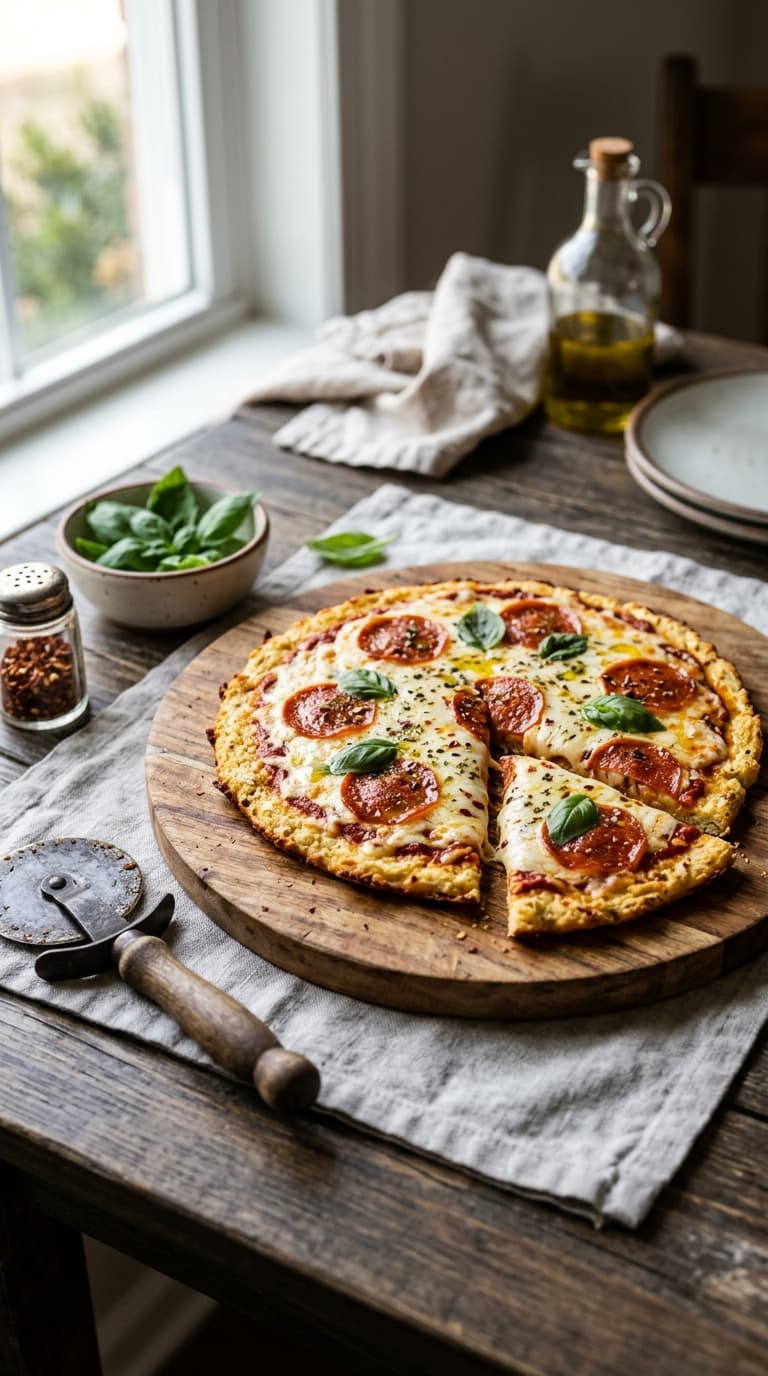
12. Cauliflower Crust Pizza – Okay, hear me out. I was skeptical too. But when you squeeze out ALL the moisture from the riced cauliflower and bind it with eggs and cheese, you get a crust that actually holds together and tastes legitimately good. Top it however you want. About 15 grams of carbs for a personal pizza.
13. Stuffed Bell Peppers with Quinoa and Black Beans – Yes, quinoa and black beans have carbs, but we’re using them in moderation along with tons of vegetables and cheese. Each stuffed pepper half has about 20 grams of carbs, which fits into most low-carb plans if it’s your main meal.
14. Zucchini Lasagna – Thin-sliced zucchini replaces pasta sheets in this comforting dish. Layer with ricotta, mozzarella, marinara, and repeat. Use this mandoline slicer to get perfectly even slices—makes the whole process way easier. Roughly 13 grams of carbs per serving.
15. Mushroom Stroganoff Over Cauliflower Rice – Rich, creamy, loaded with meaty mushrooms and served over cauliflower rice. The sauce gets its creaminess from sour cream and cream cheese. This is comfort food that happens to be low-carb. About 11 grams of carbs.
For even more dinner inspiration, check out these high-protein vegetarian dinners that prove plant-based eating can be incredibly satisfying.
Snacks and Sides That Pull Their Weight
16. Parmesan Crisps – Literally just piles of shredded Parmesan baked until crispy. That’s it. Zero carbs, tons of flavor, incredibly satisfying when you’re craving something crunchy. I make these in my silicone baking mat—nothing sticks and cleanup is instant.
17. Cucumber Roll-Ups – Use a vegetable peeler to create thin cucumber strips, then spread with cream cheese and roll up with a strip of bell pepper inside. Refreshing, crunchy, and only about 2 grams of carbs per roll-up.
18. Roasted Brussels Sprouts with Balsamic Glaze – Halve Brussels sprouts, toss with olive oil, roast at high heat until crispy and caramelized, then drizzle with balsamic glaze. These are weirdly addictive. About 8 grams of carbs per serving.
19. Deviled Eggs Three Ways – Classic, curry-spiced, and sriracha versions give you variety without getting bored. Each egg half has less than 1 gram of carbs and packs 3 grams of protein. Meal prep heaven.
20. Spicy Roasted Chickpeas – Okay, chickpeas are higher in carbs, but when you roast them until crunchy with spices, a small handful (about 1/4 cup) gives you that satisfying crunch for around 15 grams of carbs. Worth it occasionally.
Looking for more snack ideas? These anti-inflammatory snacks are perfect for keeping hunger at bay between meals.
Meal Prep Essentials Used in This Plan
Making low-carb vegetarian work long-term means having the right tools and resources. Here’s what actually makes a difference in my kitchen:
- Glass Meal Prep Containers (Set of 10) – Keeps salads fresh, prevents sogginess, and you can see exactly what you have
- Spiralizer Pro – The tool that makes zucchini noodles and other veggie noodles possible in under 2 minutes
- Tofu Press – Gets your tofu perfectly pressed in 15 minutes instead of an hour with the traditional method
- 14-Day High-Protein Meal Plan for Fat Loss (Digital Download) – Structured meal planning with shopping lists included
- Low-Carb Vegetarian Recipe eBook – 50+ additional recipes with full nutritional breakdowns
- Macro Tracking Guide for Vegetarians (PDF) – Learn exactly how to balance your protein, fats, and carbs
Join our WhatsApp community for daily recipe inspiration and meal prep tips from others following this lifestyle.
International Flavors That Transport Your Taste Buds
21. Thai Green Curry with Vegetables and Tofu – The coconut milk base keeps the carbs lower than you’d think, and the curry paste brings serious flavor. Load it up with eggplant, bell peppers, and pressed tofu. Serve over cauliflower rice for about 16 grams of carbs total. Get Full Recipe.
22. Greek-Style Baked Feta with Tomatoes – This viral recipe deserves the hype. A block of feta surrounded by cherry tomatoes, baked until everything is melty and caramelized. Scoop it up with cucumber slices instead of bread. Around 10 grams of carbs.
23. Mexican Cauliflower Rice Bowl – Season cauliflower rice with cumin and lime, top with black beans (small amount), loads of veggies, cheese, sour cream, and salsa. The combination of textures and flavors makes this incredibly satisfying. About 19 grams of carbs depending on toppings.
24. Indian Palak Paneer – This spinach and paneer cheese curry is naturally low-carb and packed with flavor. Serve it over cauliflower rice and you’ve got a restaurant-quality meal at home. Approximately 12 grams of carbs per serving.
25. Mediterranean Zucchini Fritters – Shred zucchini, squeeze out moisture, mix with feta and herbs, form into patties, and pan-fry until golden. These are incredibly versatile—serve them for breakfast, lunch, or dinner. About 7 grams of carbs per fritter.
For more globally-inspired ideas, these hormone-balancing recipes feature ingredients from various cuisines that support overall wellness.
Making It Work in Real Life
Look, recipes are great, but let’s talk about the practical stuff that actually determines whether you’ll stick with this or give up after two weeks.
The Protein Problem (And How to Solve It)
Most vegetarians struggle to get enough protein, especially when cutting carbs means eliminating many legumes and grains. Harvard research shows that plant-based low-carb diets rich in proteins and healthy fats are linked with slower long-term weight gain.
Here’s my strategy: aim for at least 20 grams of protein per meal. That might mean two eggs plus Greek yogurt for breakfast, a large tofu scramble with cheese for lunch, and a generous portion of tempeh for dinner. Spread your protein throughout the day rather than loading it all into one meal.
I also keep this plant-based protein powder on hand for smoothies. It’s not meal replacement, but it helps bump up my protein on busy days. FYI, not all protein powders taste like chalk—this one actually blends smoothly and doesn’t have that weird aftertaste.
Dealing with Social Situations
Restaurant meals and social gatherings can be tricky. But honestly, most restaurants have options if you know how to order. Ask for extra vegetables instead of rice or potatoes. Request dressings and sauces on the side. Don’t be shy about making substitutions—you’re paying for the meal, after all.
At dinner parties, I usually eat a small protein-rich snack before going so I’m not starving. Then I can enjoy whatever vegetable dishes are available without feeling deprived or making the host uncomfortable. And bring a low-carb dish to share if it’s that kind of gathering.
The Real Talk About Supplements
IMO, most people don’t need a million supplements, but there are a few that genuinely matter on a vegetarian low-carb diet. Vitamin B12 is essential since it’s primarily found in animal products. Unless you’re eating loads of dairy and eggs daily, supplement it.
I also take vitamin D because I live somewhere that sees the sun approximately three days per year. And magnesium, because low-carb diets can sometimes deplete it, and the muscle cramps are no joke.
Iron might be worth considering too, especially for women. Plant-based iron sources aren’t absorbed as efficiently as animal sources, so monitoring your levels is smart. But honestly, talk to your doctor and get blood work done rather than just randomly taking supplements.
Tools & Resources That Make Cooking Easier
Beyond just recipes, these are the resources and gadgets that have genuinely made low-carb vegetarian cooking more manageable:
- Digital Food Scale – Essential for accurate macro tracking when you’re starting out
- Instant Pot – Cooks eggs, steams vegetables, and makes soups in a fraction of the time
- Mini Food Processor – Makes cauliflower rice in 30 seconds, chops nuts, mixes sauces
- Meal Planning Template System (Digital Download) – Weekly templates with grocery lists already organized by store section
- Visual Portion Guide (PDF) – Shows exactly what protein, fat, and carb portions look like on your plate
- Budget-Friendly Low-Carb Shopping Guide – Where to find ingredients cheap and which brands offer the best value
Want accountability? Join our WhatsApp community where we share weekly meal prep photos and cooking wins.
Common Mistakes to Avoid
After helping dozens of friends transition to low-carb vegetarian eating, I’ve seen the same mistakes repeatedly. Let’s save you some frustration.
Mistake 1: Not Eating Enough Fat
When you cut carbs, something needs to replace that energy. If you’re also trying to eat low-fat, you’ll be hungry and miserable. Don’t fear healthy fats—they’re what makes this lifestyle sustainable. Add olive oil to your vegetables. Top your salads with nuts and seeds. Cook your eggs in butter or coconut oil.
Mistake 2: Forgetting About Fiber
Vegetables are your fiber source now. If you’re not eating a massive amount of vegetables daily, you’re going to have problems. I’m talking at least 2-3 cups of non-starchy vegetables per meal. Leafy greens, cruciferous vegetables, zucchini—these should dominate your plate.
Mistake 3: Getting Stuck in a Food Rut
Eating the same three meals on repeat will kill your motivation. Keep trying new recipes. Experiment with different spices and cooking methods. The variety is what makes this sustainable long-term. That’s why I included 25 different recipes here—use them all.
If you’re struggling with variety, exploring these gut-healthy meals can introduce new ingredients and cooking techniques to your repertoire.
What Success Actually Looks Like
Social media would have you believe that everyone following a low-carb diet drops 20 pounds in the first month. That’s not realistic or healthy. Real, sustainable results look more like 1-2 pounds per week if weight loss is your goal.
But honestly, the scale doesn’t tell the whole story. People report better energy levels, more stable moods, reduced bloating, clearer skin, and better sleep. These improvements might show up before you see significant changes on the scale.
Give yourself at least 4-6 weeks to adapt. The first week or two can be rough as your body adjusts to using fat for fuel instead of carbs. Some people experience the “low-carb flu”—headaches, fatigue, irritability. It passes. Stay hydrated, get enough salt, and push through.
For structured support, consider following a comprehensive plan like this 30-day high-protein meal plan that takes the guesswork out of planning.
Related Recipes You’ll Love
Frequently Asked Questions
Can I really get enough protein on a low-carb vegetarian diet?
Absolutely. Between eggs, Greek yogurt, cheese, tofu, tempeh, nuts, and seeds, you can easily hit 80-120 grams of protein daily without much difficulty. The key is being intentional about including protein at every meal rather than treating it as an afterthought. Many vegetarians actually consume more protein on a low-carb plan because they’re forced to focus on protein-rich foods instead of defaulting to pasta and bread.
How many carbs should I aim for per day?
This varies based on your goals and activity level, but most people see results with 50-100 grams of net carbs daily. Athletes or very active people might do fine with 100-150 grams, while those trying to enter ketosis aim for under 50 grams. Start with 75-100 grams and adjust based on how you feel and your results. Track everything for a few weeks to get a sense of where your carbs are actually coming from.
Will I have to give up beans and lentils completely?
Not necessarily. While beans and lentils are higher in carbs than many low-carb foods, small portions can fit into your plan, especially if you’re in the 75-100 gram carb range. A half cup of cooked lentils has about 20 grams of carbs but also delivers 9 grams of protein and tons of fiber. Use them strategically in small amounts rather than making them the base of every meal.
What about eating out at restaurants?
It’s totally doable with some smart strategies. Most restaurants will accommodate substitutions—ask for extra vegetables instead of rice, potatoes, or pasta. Order salads with protein added (eggs, cheese, tofu). Mexican restaurants often have fajita bowls you can customize without the tortilla or rice. Asian restaurants can serve stir-fries over a bed of vegetables. Don’t be shy about asking for modifications.
Do I need to count calories or just carbs?
Initially, focusing on carbs is enough for most people because naturally cutting carbs tends to reduce overall calorie intake. However, if you hit a plateau or aren’t seeing results after 4-6 weeks, tracking calories can help identify where you might be overeating. Nuts, cheese, and oils are calorie-dense, and it’s surprisingly easy to overdo it. Use a food scale and tracking app for a couple weeks to get calibrated on portion sizes.
Your New Normal
Here’s what I want you to understand: low-carb vegetarian eating doesn’t have to feel restrictive or boring. When you focus on whole foods, experiment with different flavors and cooking methods, and stop thinking about what you “can’t” have, it becomes genuinely enjoyable.
These 25 recipes are just a starting point. Once you get comfortable with the basic principles—prioritize protein, embrace healthy fats, load up on non-starchy vegetables, and keep net carbs in check—you can adapt almost any recipe to fit your needs.
Will every meal be perfect? No. Will you occasionally miss bread? Probably. But will you feel better, have more energy, and maybe fit into those jeans that have been hanging in your closet for two years? Very likely.
Start with just three or four recipes from this list. Master those, make them your own, then expand from there. Don’t try to overhaul your entire diet overnight. Small, consistent changes always beat dramatic, unsustainable ones.
And remember, this isn’t about perfection. It’s about finding a way of eating that supports your health goals while still being something you can maintain long-term. Some weeks will be easier than others, and that’s completely normal. What matters is getting back on track after those inevitable rough patches.
You’ve got this.