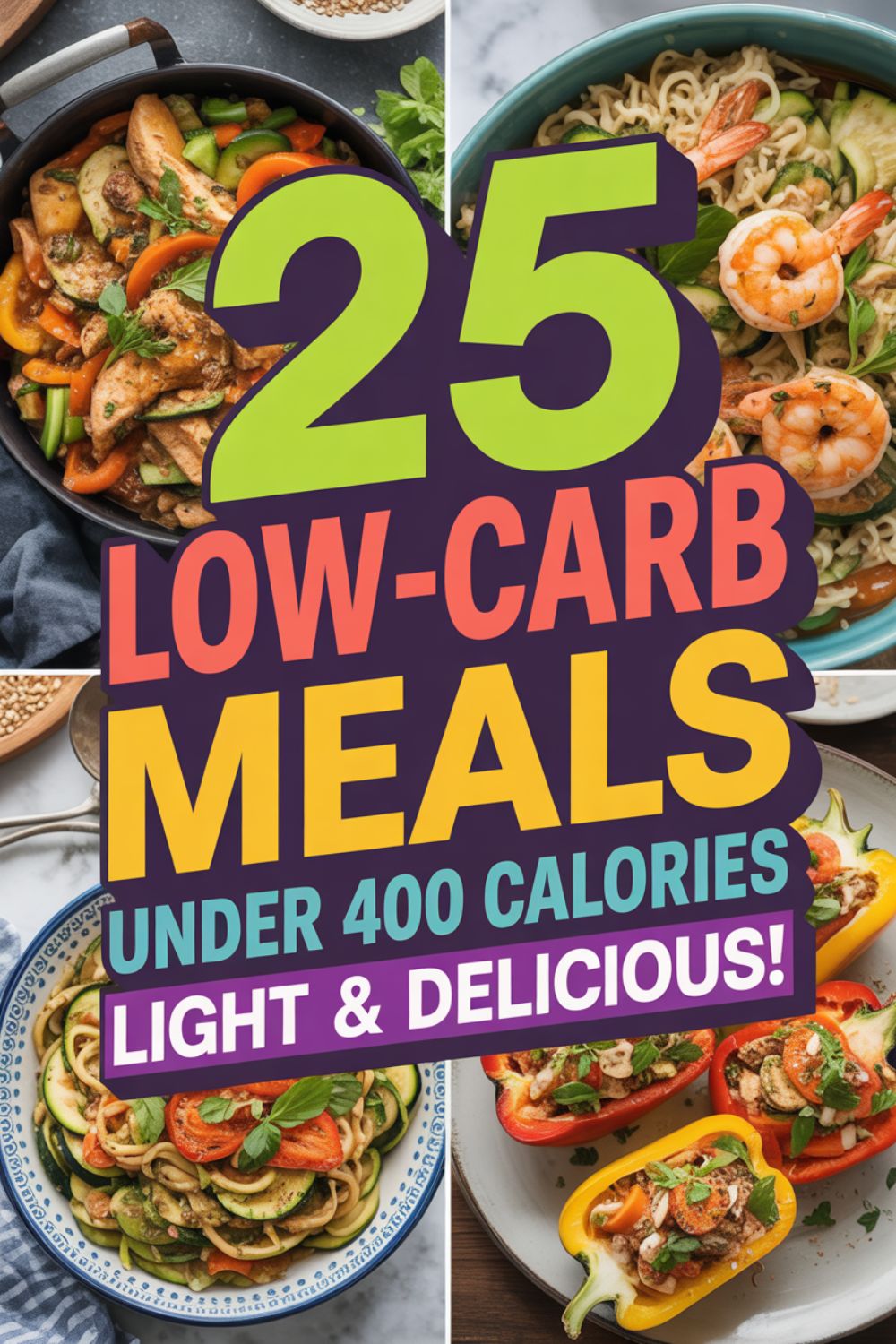
25 Low-Carb Meals Under 400 Calories That Actually Keep You Full
You know that feeling when you finish a “diet-friendly” meal and your stomach starts grumbling twenty minutes later? Yeah, I’ve been there more times than I’d like to admit. Low-carb eating shouldn’t mean you’re constantly hangry or eyeing the snack drawer like it owes you money.
Here’s the thing about low-carb meals under 400 calories—they get a bad rap for being boring salads or sad protein portions. But I’ve spent the last year testing combinations that actually work, and I’m telling you, you can eat satisfying meals without blowing your carb budget or calorie count. We’re talking real food that fills you up, tastes incredible, and doesn’t require a culinary degree to pull off.
I’m sharing 25 meals that have become my go-to rotation. Some take five minutes, others need a little more love, but all of them clock in under 400 calories while keeping carbs in check. No weird ingredients you can’t pronounce, no meals that leave you starving an hour later.
Why Low-Carb Under 400 Calories Actually Works
Let’s cut through the noise for a second. Low-carb eating works because it stabilizes your blood sugar and keeps insulin levels from spiking all over the place. When you pair that with portion control (hello, 400-calorie cap), you’re essentially giving your body exactly what it needs without the excess that gets stored as fat.
According to research on low-carb diets, reducing carbohydrate intake can lead to significant improvements in metabolic health markers, including better blood sugar control and increased fat burning. But here’s what most articles won’t tell you: the magic happens when you focus on nutrient density, not just low numbers.
I learned this the hard way after a month of eating nothing but grilled chicken and steamed vegetables. Sure, I lost weight, but I also lost my will to live. The meals I’m sharing here prioritize protein, healthy fats, and fiber—the trifecta that actually keeps you satisfied. You’re not just cutting carbs; you’re replacing them with ingredients that do more heavy lifting for your body.
Think of it like this: a bagel might be 300 calories, but it’ll spike your blood sugar and leave you ravenous in an hour. A 350-calorie omelet loaded with veggies and cheese? That’ll carry you through half the day without a second thought.
Breakfast Winners That Don’t Taste Like Cardboard
1. Veggie-Loaded Egg Scramble (285 calories, 8g carbs)
Two eggs scrambled with spinach, mushrooms, bell peppers, and a sprinkle of feta. I cook mine in this nonstick skillet that makes cleanup stupidly easy—no scrubbing required. Add hot sauce if you’re into that (I am), and you’ve got a breakfast that feels indulgent but clocks in way under budget.
2. Greek Yogurt Protein Bowl (310 calories, 12g carbs)
Full-fat Greek yogurt (yes, full-fat—don’t @ me), topped with a handful of berries, crushed walnuts, and a tiny drizzle of honey. The key is using unsweetened Greek yogurt and controlling your add-ins. This kept me full until lunch on days when I’d normally be snack-grazing by 10 AM.
3. Smoked Salmon and Avocado Plate (340 calories, 9g carbs)
Two ounces of smoked salmon, half an avocado, cucumber slices, and everything bagel seasoning. Fancy enough for brunch guests, easy enough for a Tuesday. I portion the salmon using these small kitchen scales because eyeballing protein never works in my favor.
4. Almond Flour Pancakes (295 calories, 7g carbs)
Made with almond flour instead of regular flour, these actually taste like real pancakes. Top with a few fresh berries and a tiny pat of butter. The batter stores well, so I make a big batch and cook them fresh throughout the week. Way better than the rubbery pre-made kind.
5. Breakfast Sausage and Veggie Hash (365 calories, 11g carbs)
Turkey sausage (the good kind, not the mystery meat stuff) with diced zucchini, bell peppers, and onions. I season it with smoked paprika and garlic powder. One pan, ten minutes, zero regrets. Get Full Recipe.
If you’re looking for more morning fuel that won’t derail your goals, you might want to check out these high-protein anti-inflammatory breakfasts or these gut-friendly breakfast ideas that pair really well with low-carb eating.
Lunch Options That Don’t Leave You Hungry
6. Asian-Inspired Lettuce Wraps (290 calories, 10g carbs)
Ground turkey cooked with ginger, garlic, and coconut aminos, wrapped in butter lettuce leaves. I add shredded carrots and a sprinkle of sesame seeds for crunch. This tastes like takeout but won’t make you feel like you need a nap afterward.
7. Caprese Salad with Grilled Chicken (345 calories, 8g carbs)
Fresh mozzarella, tomatoes, basil, balsamic glaze, and grilled chicken breast. Simple, classic, and somehow never gets old. The trick is using really good mozzarella—the cheap stuff just doesn’t hit the same.
8. Cauliflower Rice Burrito Bowl (330 calories, 13g carbs)
Cauliflower rice (I use this riced cauliflower to save time), seasoned ground beef, salsa, sour cream, shredded cheese, and jalapeños. All the burrito bowl vibes without the carb crash. You can meal prep the components and assemble them fresh each day.
9. Zucchini Noodle Pad Thai (315 calories, 14g carbs)
Spiralized zucchini (or buy pre-spiralized because life’s too short), shrimp, peanut sauce, bean sprouts, and crushed peanuts. I make mine in this wok that gets everything perfectly crispy. The zucchini stays crunchy if you don’t overcook it—nobody wants mushy noodles.
10. Tuna Avocado Boats (280 calories, 6g carbs)
Canned tuna mixed with mayo, diced celery, and a squeeze of lemon, served in avocado halves. It’s basically a tuna salad that you can eat without bread, and it’s way more satisfying than you’d think. I learned this trick from a friend who swore by it during her meal prep phase.
“I started making these low-carb lunches three months ago and I’ve dropped two dress sizes without feeling deprived. The cauliflower rice burrito bowl is literally my new obsession.” — Rachel, community member
Meal Prep Essentials I Actually Use
Look, I’m not going to pretend you need a ton of fancy equipment, but these things genuinely make low-carb cooking less of a pain:
Physical Products:
- Glass Meal Prep Containers (Set of 10) — I’ve had the same set for two years. They don’t stain, they’re microwave-safe, and the lids actually stay on. Game changer for weekly meal prep.
- Spiralizer Vegetable Slicer — Turns zucchini into noodles in about thirty seconds. Way faster than using a regular peeler, and you get consistent sizes.
- Digital Kitchen Scale — This thing has saved me from so much guesswork. Portions matter when you’re tracking calories, and eyeballing never works.
Digital Resources:
- Low-Carb Meal Planner PDF — Weekly templates with shopping lists already done for you. I used to spend forever planning; now it takes ten minutes.
- Macro Tracking Guide & App Access — Teaches you how to track without obsessing. Includes a simple app that actually makes sense.
- 100 Low-Carb Recipe eBook — More variety than I could come up with on my own, plus the macros are already calculated.
We also have a WhatsApp community where people share their meal prep wins and recipe tweaks—it’s free to join and way more helpful than scrolling Pinterest for hours.
Dinner Favorites That Feel Like Real Food
11. Lemon Garlic Butter Shrimp with Asparagus (310 calories, 7g carbs)
Shrimp sautéed in butter (real butter, not that weird spread stuff), tons of garlic, lemon juice, and roasted asparagus on the side. This takes maybe fifteen minutes and tastes like something you’d order at a nice restaurant. The omega-3 fatty acids in shrimp are great for heart health, too.
12. Sheet Pan Chicken Fajitas (340 calories, 12g carbs)
Chicken strips, bell peppers, onions, and fajita seasoning all roasted on one sheet pan. I line mine with parchment paper so cleanup is literally just tossing the paper. Serve with sour cream and guacamole, skip the tortillas, and you’re golden.
13. Beef and Broccoli Stir-Fry (365 calories, 11g carbs)
Thinly sliced beef (flank steak works great), broccoli florets, garlic, ginger, and coconut aminos. The sauce is the key—coconut aminos instead of regular soy sauce keeps the carbs down without sacrificing flavor. Way better than takeout, and you know exactly what went into it.
14. Baked Cod with Roasted Brussels Sprouts (285 calories, 10g carbs)
Cod seasoned with lemon, dill, and a tiny bit of butter, baked until flaky. Brussels sprouts roasted until crispy (the secret is high heat and not crowding the pan). This meal feels light but keeps you full for hours.
15. Turkey Meatballs in Marinara (350 calories, 13g carbs)
Ground turkey meatballs (I add parmesan and Italian seasoning to the mix) simmered in low-sugar marinara sauce. Serve over zucchini noodles or just eat them straight with a fork. I make huge batches and freeze them for lazy dinner nights. Get Full Recipe.
16. Pork Chops with Cauliflower Mash (375 calories, 9g carbs)
Pan-seared pork chops (bone-in for extra flavor) with a side of cauliflower mashed with butter, cream cheese, and garlic. The cauliflower mash is shockingly close to mashed potatoes once you get the seasoning right. Don’t skimp on the salt—cauliflower needs it.
17. Stuffed Bell Peppers (320 calories, 14g carbs)
Bell peppers stuffed with ground beef, cauliflower rice, tomatoes, and topped with cheese. These reheat beautifully, so they’re perfect for meal prep. I usually make six at a time and eat them throughout the week.
18. Grilled Salmon with Green Beans (355 calories, 8g carbs)
Salmon filet with just salt, pepper, and a squeeze of lemon, grilled to perfection. Green beans sautéed with garlic and a bit of butter. Simple, clean, and the kind of meal that makes you feel like you have your life together.
19. Chicken Thighs with Roasted Radishes (340 calories, 10g carbs)
Okay, hear me out on the radishes—when you roast them, they taste weirdly similar to roasted potatoes. The chicken thighs get crispy skin (the best part) and stay juicy inside. Season both with rosemary and garlic.
20. Eggplant Parmesan (Without the Breading) (330 calories, 12g carbs)
Sliced eggplant, marinara, mozzarella, and parmesan, baked until bubbly. Skipping the breadcrumbs cuts a ton of carbs but keeps all the flavor. I use this mandoline slicer to get even eggplant slices—way easier than trying to cut them with a knife.
For more dinner inspiration that fits this style of eating, check out these blood sugar-friendly dinners or these low-calorie high-protein options that work perfectly with a low-carb approach.
Snacks and Light Bites
21. Deviled Eggs (185 calories, 2g carbs for 2 eggs)
Classic deviled eggs with mayo, mustard, and paprika. I make a dozen at a time and keep them in the fridge for when I need a quick protein hit. They’re way more satisfying than people give them credit for.
22. Cucumber Hummus Bites (240 calories, 11g carbs)
Thick cucumber slices topped with hummus, cherry tomatoes, and a sprinkle of everything bagel seasoning. Fresh, crunchy, and feels like you’re eating something fancy. The hummus adds just enough carbs to matter, so I keep the portion controlled.
23. Cheese and Salami Plate (310 calories, 3g carbs)
Sliced salami, cubed cheese (I rotate between cheddar, gouda, and pepper jack), olives, and a few nuts. This is my go-to when I need something fast and don’t want to think. Feels like a charcuterie board but takes zero effort.
24. Buffalo Chicken Celery Sticks (265 calories, 6g carbs)
Shredded chicken tossed in buffalo sauce, stuffed into celery sticks, and topped with a drizzle of ranch or blue cheese. Spicy, crunchy, and ridiculously addictive. I meal prep these on Sundays and they stay good all week.
25. Chocolate Avocado Mousse (290 calories, 13g carbs)
Avocado blended with cocoa powder, a little sweetener, and vanilla extract. Sounds weird, tastes like chocolate pudding, and has healthy fats that actually keep you satisfied. I was skeptical too, but this converted me. The texture is shockingly smooth when you blend it in a high-speed blender.
Tools & Resources That Make Cooking Easier
These aren’t must-haves, but they’ve definitely made my low-carb life simpler:
Physical Products:
- Instant Pot Multi-Cooker — I resisted getting one for years, but it’s perfect for batch-cooking proteins. Throw in chicken breasts, set it, and forget it.
- Silicone Baking Mats (Set of 3) — No more scrubbing sheet pans. I use these for roasting vegetables, baking chicken, basically everything.
- Herb Keeper Container — Fresh herbs stay fresh for weeks instead of wilting in three days. Cilantro and basil are expensive; this saves money.
Digital Resources:
- Keto Meal Prep Masterclass — Video course that walks you through the entire process. I learned how to prep five dinners in under two hours.
- Low-Carb Dessert Recipe Collection — Because sometimes you need something sweet that won’t wreck your progress. All recipes under 10g net carbs.
- Macro Calculator Tool — Helps you figure out your specific calorie and macro needs based on your goals. Way better than generic recommendations.
Making It Work in Real Life
Let’s be real—nobody bats a thousand with their meal plan. Some weeks I nail it, other weeks I eat scrambled eggs for dinner three nights in a row because I didn’t feel like cooking. The goal isn’t perfection; it’s consistency.
I’ve found that keeping my meals under 400 calories and low-carb works best when I don’t overthink it. Pick three breakfast options you like, rotate them. Same with lunch and dinner. You don’t need twenty-five different meals every week—you need a handful of reliable ones that you actually want to eat.
The biggest game-changer for me was meal prepping proteins. When you’ve got grilled chicken, hard-boiled eggs, and cooked ground beef already done, throwing together a meal takes minutes instead of an hour. I use these airtight storage containers to keep everything fresh, and they stack perfectly in my fridge without taking over every shelf.
Another thing—don’t be afraid to repeat meals. I know the internet makes it seem like you need variety every single day, but honestly? I eat the same breakfast four days a week and I’m totally fine with it. It removes decision fatigue and makes grocery shopping way easier.
Common Mistakes I Made (So You Don’t Have To)
Not eating enough fat. When you cut carbs, you need to replace those calories with something, and fat is your friend here. I spent my first month eating dry chicken breast and wondering why I was always hungry. Add butter, olive oil, avocado, cheese—your body needs it for satiety and hormone production.
Forgetting about fiber. Low-carb doesn’t mean no-carb, and vegetables have carbs. You need that fiber for digestion and to feel full. I load up on leafy greens, broccoli, cauliflower, and zucchini. They’re low in net carbs but high in the stuff that keeps your gut happy.
Overcomplicating recipes. The simplest meals are usually the best. Salt, pepper, garlic, olive oil—you can make incredible food with just those four things. Don’t feel like you need to recreate restaurant dishes every night. A perfectly grilled piece of fish with roasted vegetables beats a complicated recipe that takes two hours and tastes meh.
Not tracking anything. I know some people hate tracking, but when you’re trying to stay under 400 calories and keep carbs in check, you need to at least have a baseline. I tracked religiously for the first month, then I could eyeball portions pretty accurately. But that initial tracking taught me what actual serving sizes look like (spoiler: smaller than you think).
For anyone looking to expand beyond these 25 meals, you might find these flat belly meals under 400 calories or this low-sugar meal plan helpful for keeping things interesting while staying on track.
What About Eating Out?
You can absolutely stick to low-carb, 400-calorie meals when eating out—you just need to know how to order. Skip the bread basket (obviously), ask for extra vegetables instead of rice or potatoes, and don’t be shy about asking for modifications. Most restaurants are pretty accommodating if you’re polite about it.
My standard order at restaurants: grilled protein (chicken, fish, steak), double vegetables, olive oil and lemon on the side for dressing. Simple, predictable, and fits the plan. IMO, it’s way easier to stay on track when you have a default order instead of staring at the menu trying to calculate carbs in your head.
Sauces are the sneaky carb bombs, by the way. Teriyaki sauce, barbecue sauce, honey mustard—they’re all loaded with sugar. Stick to butter-based sauces, oil and vinegar, or just ask for everything on the side so you can control it.
Related Recipes You’ll Love
If you’re vibing with these low-carb meals, here are some complete plans and recipe collections that work really well together:
For Complete Meal Plans:
- 7-Day Heart-Healthy Meal Plan Under 1500 Calories — Great for combining low-carb with heart health
- 14-Day Flat Belly Meal Prep Plan — Perfect for batch cooking these types of meals
- 30-Day Blood Sugar Balance Plan — Works seamlessly with low-carb eating
For More Low-Calorie Options:
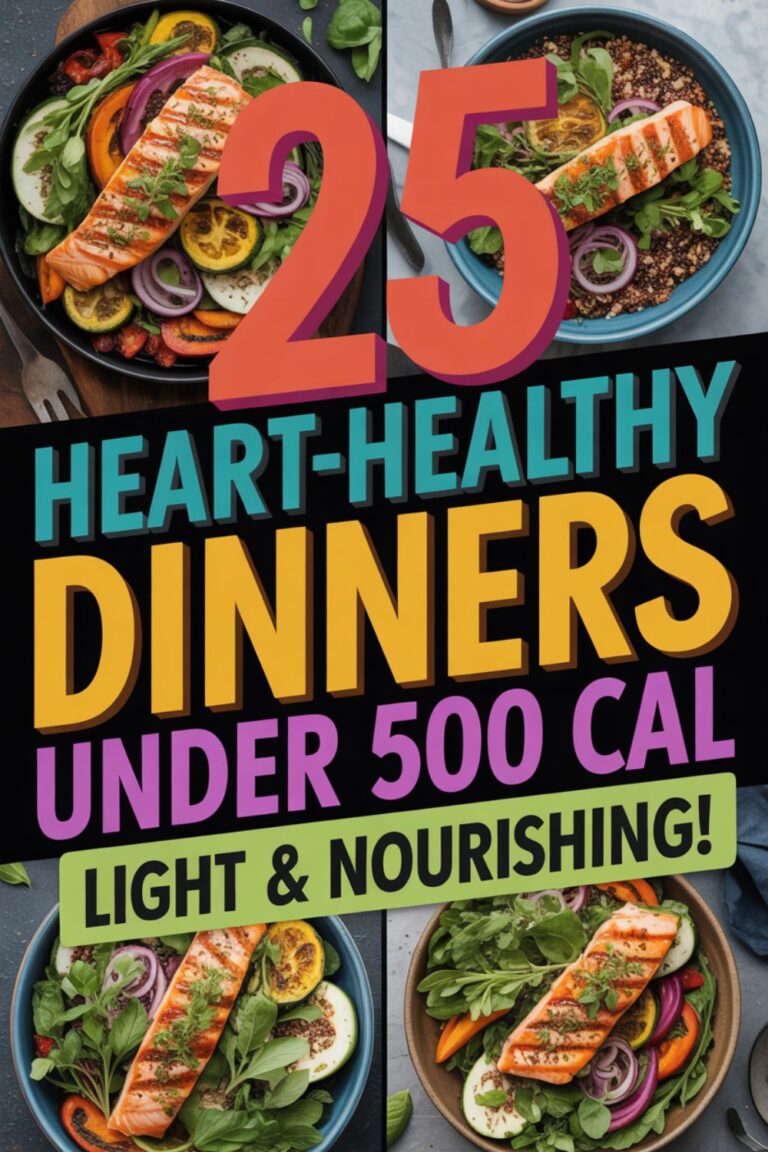
- 25 Heart-Healthy Dinners Under 500 Calories — Similar approach, slightly higher calorie range
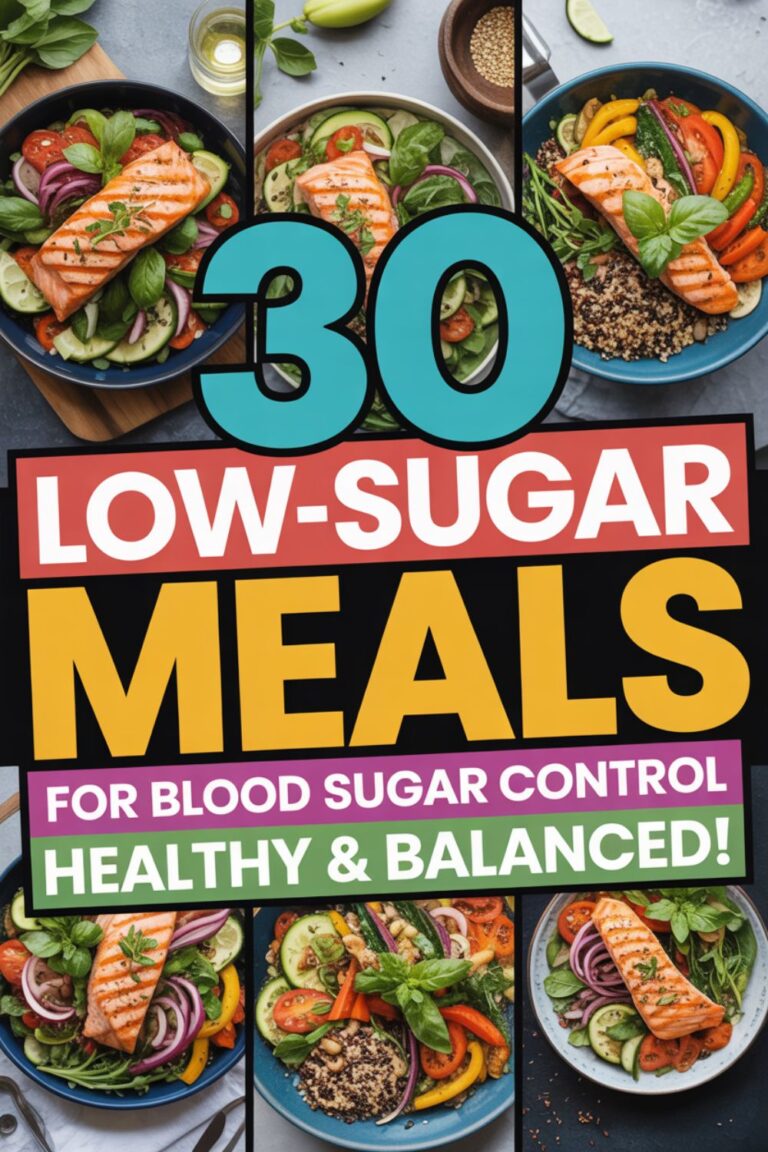
- 30 Low-Sugar Meals for Blood Sugar Control — Complements low-carb eating perfectly
For High-Protein Combinations:
- 30 High-Protein Meal Prep Recipes — Many overlap with low-carb principles
- 15 High-Protein Vegetarian Dinners — For plant-based low-carb options
Frequently Asked Questions
Can I really stay full on 400 calories per meal?
Absolutely, if you’re choosing the right foods. Meals high in protein and healthy fats (like the ones I’ve shared here) trigger satiety hormones much more effectively than carb-heavy meals. The key is including enough fat—don’t go for plain grilled chicken and steamed vegetables. Add olive oil, avocado, cheese, or nuts to increase satisfaction without dramatically increasing calories.
How many carbs should I aim for on a low-carb diet?
Most people consider “low-carb” to be anywhere from 50-150 grams of carbs per day, depending on your goals and activity level. The meals I’ve listed here average around 8-12 grams of carbs each, which gives you plenty of room for snacks or flexibility. If you’re aiming for ketosis, you’d want to stay under 50 grams total per day, but you don’t have to go that low to see benefits from reducing carbs.
Do I need to track macros strictly, or can I just eyeball portions?
I’d recommend tracking for at least the first two weeks to calibrate your understanding of portion sizes and carb counts. After that, you can usually eyeball things pretty well, especially if you’re rotating the same core meals. That said, protein portions are notoriously easy to underestimate, so weighing your meat and fish (even occasionally) helps keep you honest.
What’s the difference between total carbs and net carbs?
Total carbs include everything—fiber, sugar, starches. Net carbs subtract the fiber because your body doesn’t digest it the same way. For most low-carb eating, people focus on net carbs since fiber doesn’t spike blood sugar. So if something has 15 grams total carbs but 8 grams of fiber, you’re looking at 7 grams of net carbs.
Can I eat low-carb if I’m vegetarian or vegan?
Yes, but it requires a bit more planning. You’ll lean heavily on eggs (if vegetarian), tofu, tempeh, low-carb vegetables, nuts, seeds, and plant-based protein powders. Dishes like cauliflower rice bowls with tofu, zucchini noodles with pesto, and veggie-loaded omelets work really well. Just watch out for beans and legumes—they’re higher in carbs than most people realize, though they’re still perfectly fine in moderation.
Final Thoughts
Low-carb eating under 400 calories doesn’t have to feel restrictive or boring. These 25 meals prove you can eat food that actually tastes good, keeps you full, and fits your goals. You’re not stuck eating sad salads or plain grilled chicken for the rest of your life.
The meals that work best are the ones you’ll actually make. Start with three or four from this list that sound good to you, make them a few times, and then add more variety as you get comfortable. Meal prep makes everything easier—spend two hours on Sunday, and you’ll have dinners sorted for most of the week.
Remember, consistency beats perfection every single time. Some days you’ll nail your meals and feel amazing. Other days you’ll order takeout and move on with your life. Both are fine. The goal is building a sustainable way of eating that you can stick with long-term, not torturing yourself with rigid rules that make you miserable.
Now go make something delicious.