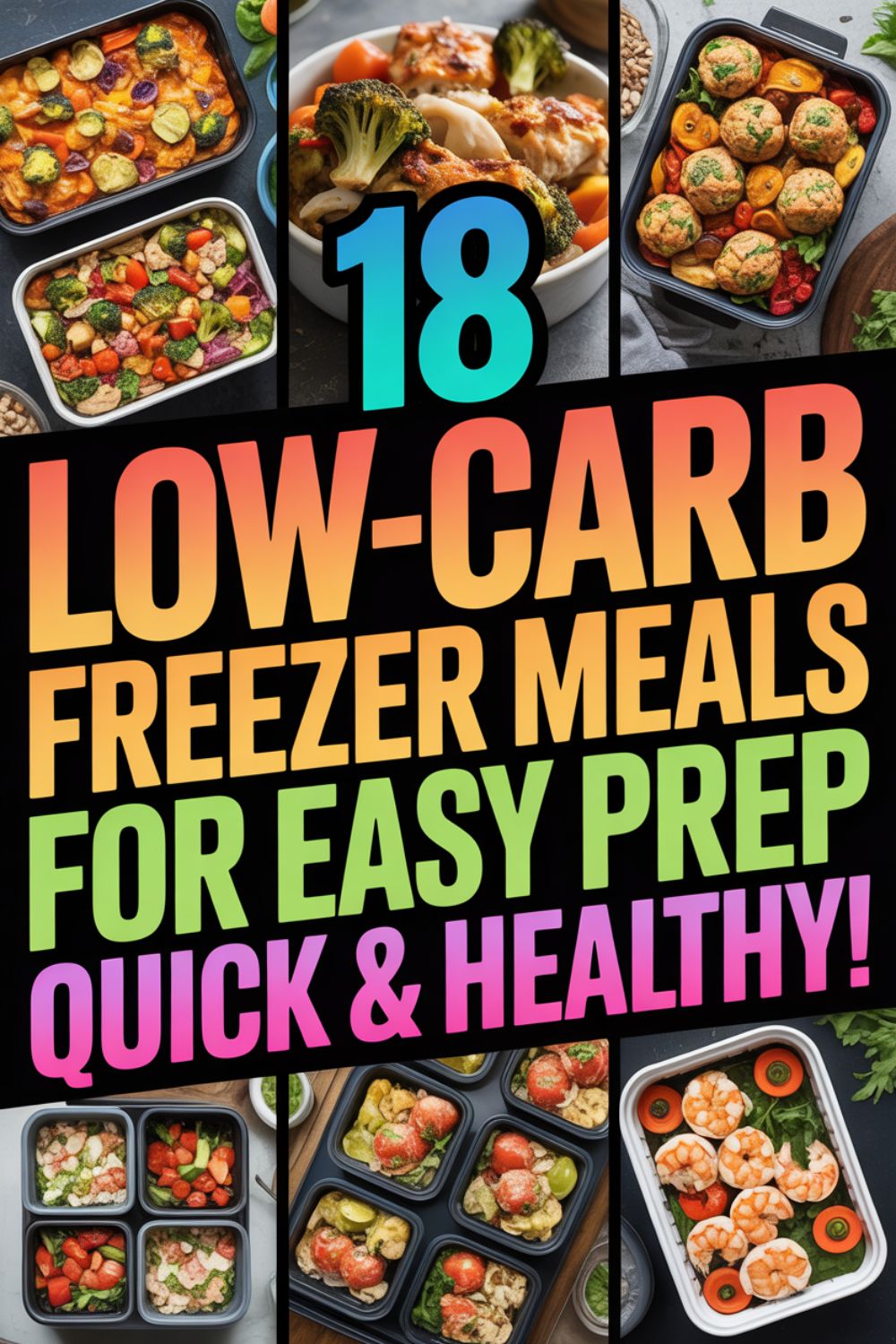
18 Low-Carb Freezer Meals for Easy Prep
Look, I’ll be honest with you. The first time I attempted freezer meal prep on a low-carb diet, I ended up with a collection of sad, mushy vegetables and rubbery chicken that tasted like disappointment wrapped in Tupperware. But here’s the thing—I didn’t give up. After years of experimenting, testing, and occasionally throwing entire batches in the trash, I’ve figured out exactly which low-carb meals freeze beautifully and which ones should never see the inside of your freezer.
If you’re tired of scrambling for dinner ideas while trying to stick to your low-carb goals, you’re in the right place. These 18 freezer meals aren’t just convenient—they’re actually good. Like, genuinely crave-worthy. The kind of meals that make you forget you’re eating something that’s been sitting in sub-zero temperatures for weeks.
The beauty of combining low-carb eating with freezer meal prep is that you’re setting yourself up for success on two fronts. Research shows that low-carb diets can help with weight management and blood sugar control, while freezer meals eliminate the “what’s for dinner?” stress that often leads to ordering takeout. Win-win, IMO.
Why Low-Carb Freezer Meals Actually Work
Here’s what most people don’t tell you about low-carb freezer meals: they’re often more forgiving than their carb-heavy counterparts. Ever frozen a pasta dish only to have it turn into mush? Yeah, we don’t have that problem when we’re working with cauliflower rice and zucchini noodles—as long as you know the tricks.
The secret lies in understanding how different ingredients respond to freezing. Proteins? They’re freezer champions. Healthy fats? Totally fine. But watery vegetables and dairy-heavy sauces need special handling. According to USDA food safety guidelines, freezing food at 0°F stops bacteria from growing, which means your meals stay safe indefinitely—though quality is a different story.
I’ve learned that the best low-carb freezer meals focus on sturdy proteins, non-watery vegetables, and fat-based sauces rather than cream-based ones. Think coconut milk curries instead of Alfredo, and roasted peppers instead of cucumber salads.
The 18 Low-Carb Freezer Meals You Need to Try
Hearty Protein-Packed Dishes
1. Beef and Broccoli Stir-Fry
This Chinese takeout classic freezes surprisingly well when you undercook the broccoli slightly. I use coconut aminos instead of soy sauce for a cleaner ingredient list, and the sauce stays perfectly intact after freezing. Portion it into single servings and you’ve got lunch sorted for weeks.
2. Turkey Taco Meat with Cauliflower Rice
Ground turkey seasoned with homemade taco spices is freezer gold. The key is freezing the meat and cauliflower rice separately—trust me on this. When you’re ready to eat, combine them and top with fresh avocado and cilantro. Get Full Recipe for a similar approach with my proven seasoning blend.
3. Italian Sausage and Pepper Skillet
Bell peppers are one of the few vegetables that actually freeze decently without blanching. I cook the sausages through, slice them up with multi-colored peppers, and freeze in flat freezer bags for easy stacking. This one reheats beautifully in a cast iron skillet.
4. Lemon Herb Chicken Thighs
Dark meat chicken is more forgiving than breasts when it comes to freezing. I marinate these in lemon juice, garlic, and fresh herbs, then freeze them raw. They go straight from freezer to oven—no thawing needed. Just add 10 extra minutes to the cooking time.
For more protein-focused options that work great with meal prep strategies, check out these high-protein meal prep recipes or explore this 14-day high-protein meal plan for fat loss that incorporates similar freezer-friendly techniques.
Comforting Soups and Stews
5. Beef Chili with Extra Vegetables
This is hands-down the most-requested recipe in my house. I pack it with bell peppers, zucchini, and tomatoes, plus plenty of grass-fed beef. Freezes like a dream in portion-sized containers. The flavors actually get better after a month in the freezer—something about the spices melding together.
6. Thai Coconut Chicken Soup
Coconut milk-based soups are freezer superstars because the fat content keeps everything smooth. I use rotisserie chicken to save time, add plenty of ginger and lemongrass, and freeze in individual mason jars. Just remember to leave an inch of headspace for expansion.
7. Hearty Vegetable Beef Stew
Skip the potatoes and load this up with turnips, celery, and mushrooms instead. The bone broth base adds incredible depth and the whole thing reheats without getting watery. I freeze this in my favorite 2-cup containers for perfect portion control.
8. Creamy Mushroom and Spinach Soup
The trick here is using cream cheese instead of heavy cream—it freezes much better. The mushrooms give it a meaty texture and the spinach adds nutrients without getting slimy. Add the spinach during the last 5 minutes of reheating for best results.
Casseroles and Bakes
9. Eggplant Parmesan Stacks
I layer thin slices of roasted eggplant with marinara and mozzarella, then freeze them in individual portions. The key is salting and draining the eggplant first to remove excess moisture. Pop them in the oven frozen and you’ve got dinner in 30 minutes. Get Full Recipe for the complete technique.
10. Spinach and Feta Stuffed Chicken Breast
These look fancy but they’re ridiculously easy. I butterfly chicken breasts, stuff them with spinach and feta, wrap each one individually, and freeze. They bake straight from frozen at 375°F for about 45 minutes. Sarah from our meal prep community tried these and said they saved her sanity during her first month postpartum.
11. Zucchini Lasagna with Meat Sauce
Okay, so zucchini can get watery—but if you salt it, drain it, and roast it before assembling, it works. I use a combination of ricotta and mozzarella, plenty of Italian sausage, and freeze it in a lined casserole dish. Once frozen solid, I pop it out and wrap it so I can use my dish for other things.
12. Cauliflower Crust Pizza Pockets
These are basically calzones made with cauliflower crust. I fill them with marinara, mozzarella, and whatever toppings we’re feeling that week. They freeze individually wrapped and reheat in the air fryer perfectly. The kids don’t even realize they’re eating vegetables.
If you’re dealing with digestive issues or looking for gut-friendly options, these meals pair beautifully with the principles in this 21-day gut healing meal plan that focuses on anti-inflammatory ingredients.
Quick-Cook Proteins
13. Korean Beef Bulgogi
Thinly sliced beef marinates in a mix of coconut aminos, sesame oil, and ginger, then freezes beautifully. When you’re ready to eat, it cooks in literally 3 minutes. Serve it over cauliflower rice with kimchi for a complete meal. I prep this in flat gallon bags that stack like files in my freezer.
14. Lemon Garlic Shrimp Packets
Raw shrimp, butter, lemon, and garlic frozen in parchment packets. Bake from frozen at 425°F for 18 minutes. Done. This is my go-to when I need something fancy with zero effort. The parchment keeps everything moist and the cleanup is nonexistent.
15. Herb-Crusted Pork Chops
I coat bone-in pork chops with a mixture of almond flour, Italian herbs, and parmesan, then freeze them individually. They bake from frozen in about 35 minutes and stay incredibly juicy. The almond flour crust gets crispy in a way that honestly surprised me the first time.
One-Pot Wonders
16. Cajun Sausage and Vegetable Medley
Smoked sausage, bell peppers, onions, and celery all tossed in Cajun seasoning. This freezes as a raw meal kit—just dump everything in a skillet when you’re ready. The seasoning intensifies during freezing, so go a little lighter than you think you need.
17. Coconut Curry Meatballs
Ground chicken meatballs in a Thai-inspired coconut curry sauce. I freeze these with the sauce already on them, and they reheat without drying out. Serve over riced cauliflower or shirataki noodles. These are massive crowd-pleasers at potlucks too.
18. Moroccan Lamb Tagine
This one’s a bit fancier, but worth it. Lamb shoulder, tomatoes, preserved lemons, and warm spices create something that tastes like you spent hours on it. Freezes beautifully and reheats even better. The Dutch oven I use for this was worth every penny.
Looking for more variety? These gut-healthy meals for busy weeks include several freezer-friendly options, and this collection of anti-inflammatory dinners works perfectly with the freezer prep approach.
Meal Prep Essentials Used in This Plan
After years of trial and error, these are the tools and resources that actually make freezer meal prep work without losing your mind:
Physical Products:
- Glass Meal Prep Containers with Vented Lids – I switched from plastic last year and haven’t looked back. These go from freezer to microwave without any weird chemical smells, and they stack beautifully.
- Reusable Silicone Freezer Bags – Game changer for marinated proteins. They seal tight, lay flat for easy storage, and you’re not throwing away dozens of plastic bags every month.
- Vacuum Sealer System – Okay, this was an investment, but it’s paid for itself in preventing freezer burn. If you’re serious about freezer meal prep, this is worth considering.
Digital Resources:
- Freezer Meal Planning Template – A spreadsheet system that helps you track what’s in your freezer, when you made it, and reheating instructions. No more mystery containers.
- Low-Carb Ingredient Swap Guide – Because sometimes you need to know what to use instead of breadcrumbs or cornstarch in your favorite recipes.
- Batch Cooking Schedule – A printable weekly plan that breaks down meal prep into manageable chunks instead of one overwhelming Sunday marathon.
Community Support:
Join our WhatsApp Meal Prep Community where we share weekly freezer meal ideas, troubleshoot disasters, and celebrate wins. It’s free, judgment-free, and honestly one of the most helpful resources when you’re starting out.
The Science Behind Freezing Low-Carb Meals
Ever wonder why some meals turn to mush while others emerge from the freezer tasting fresh? It’s all about ice crystal formation. When food freezes slowly, large ice crystals form that puncture cell walls. This is why you get that mushy texture in poorly frozen vegetables.
The flash-freeze technique solves this problem. I spread items in a single layer on a baking sheet, freeze until solid, then transfer to containers. This creates smaller ice crystals and preserves texture way better. Works great for meatballs, burger patties, and anything you want to grab individually.
Fat content also matters more than you’d think. Low-carb meals often have higher fat content from proteins and cooking oils, which actually helps prevent freezer burn. Fat creates a protective barrier that keeps moisture locked in. This is why my coconut curry dishes freeze better than water-based vegetable soups.
For those interested in the metabolic benefits, incorporating these meals into a structured plan like this 30-day blood sugar balance plan can help maintain stable energy throughout the day. The combination of adequate protein and healthy fats in low-carb meals helps prevent blood sugar spikes.
Tools and Resources That Make Cooking Easier
Beyond the basics, these are the items that transformed my freezer meal prep from chaotic to actually enjoyable:
Kitchen Equipment:
- Instant Pot with Extra Sealing Rings – Perfect for batch-cooking proteins and soups. The extra sealing rings prevent flavor transfer between sweet and savory meals.
- Mandoline Slicer – Makes quick work of zucchini, eggplant, and cucumber. Just please, PLEASE use the hand guard. I’ve got a scar that reminds me daily.
- Digital Kitchen Scale – Essential for portioning proteins accurately. Also helps you track macros if that’s your thing.
Learning Resources:
- Freezer-to-Table Meal Guide – Detailed PDF with reheating times, temperatures, and texture-saving techniques for every type of low-carb meal.
- Macro-Friendly Recipe Calculator – For those tracking carbs, protein, and fat. Takes the guesswork out of portioning.
- Visual Freezer Organization System – Color-coded labels and a freezer map that helps you find what you need without excavating.
Support Options:
Our Weekly Meal Prep Challenge Group (via WhatsApp) keeps you accountable with weekly themes, shopping lists, and real-time help. FYI, the group gets pretty chatty on Sunday mornings when everyone’s prepping—but in the best way.
Common Freezer Meal Mistakes (and How I Fixed Them)
Let me save you from my biggest blunders. First up: over-packing containers. Liquids expand when frozen, and I learned this by cleaning exploded soup out of my freezer at midnight. Always leave at least an inch of headspace in containers with liquid.
Second mistake: freezing meals that are too complex. That seven-layer cauliflower casserole with three different sauces? Total disaster. Now I stick to recipes with four ingredients or less when possible. Simple freezes better.
The third killer: forgetting to cool food first. I mentioned this earlier, but it bears repeating. Hot food in the freezer = ice crystals on everything nearby = ruined texture on multiple meals. Cool to room temperature first, always.
And finally: thawing at room temperature. Food safety aside (bacteria love room temp), it creates uneven thawing that ruins texture. Thaw in the fridge overnight or use the defrost function on your microwave. Sometimes I’m impatient and run sealed bags under cold water—that works too.
Jennifer from our community made all these mistakes in her first month and now she’s the one helping newbies troubleshoot. Her biggest tip? Start small. Freeze two or three meals your first week, see how they reheat, then scale up. Don’t be a hero and try to fill your entire freezer in one weekend like some of us did (looking at myself here).
Making Low-Carb Freezer Meals Work with Your Schedule
Here’s the truth: you don’t need to dedicate entire Sundays to meal prep. I break mine into smaller sessions throughout the week. Monday evening I prep proteins. Wednesday I make a big batch of soup. Friday I portion everything out and freeze.
This approach feels way more sustainable than the all-or-nothing marathon sessions. Plus, you’re working with fresher ingredients since you’re not letting everything sit in the fridge for days before freezing.
For those managing specific health goals, integrating these freezer meals with targeted plans works brilliantly. The 7-day anti-inflammatory meal plan pairs well with the protein-rich freezer options, while the 14-day flat belly meal prep plan includes several freezer-friendly choices that align with low-carb principles.
The assembly-line method is my secret weapon. Instead of making one complete meal at a time, I prep all proteins together, then all vegetables, then assemble. Turns out I can season and freeze 12 chicken breasts in the time it used to take me to do three.
And can we talk about doubling recipes? Whenever I’m already cooking dinner, I make a double batch and freeze half. This barely adds any extra work but slowly builds up your freezer stash. That chili you’re making tonight? Make twice as much and you’ve got four future meals handled.
Reheating for Best Results
The way you reheat matters almost as much as how you freeze. Low and slow beats high and fast every single time. I reheat most casseroles at 325°F covered with foil, which keeps everything moist. The foil comes off for the last 10 minutes if I want a crispy top.
For stovetop reheating, I add a splash of water or broth to prevent sticking and help distribute heat evenly. This works especially well for stir-fries and sautéed dishes.
Soups get reheated gently over medium-low heat with occasional stirring. Blasting them on high can cause the fats to separate and create a greasy top layer that nobody wants.
The air fryer I got last year has been phenomenal for reheating anything that should be crispy—meatballs, chicken thighs, those cauliflower crust pizza pockets. It’s faster than the oven and doesn’t make everything soggy like the microwave does.
Customizing for Dietary Needs
The beauty of these freezer meals is how adaptable they are. Going dairy-free? Swap regular cheese for nutritional yeast or dairy-free alternatives. Most of my coconut milk-based dishes are already dairy-free anyway.
For keto folks, these meals work perfectly as-is. Just watch the tomato-based sauces—they can add up carb-wise if you’re tracking strictly. I usually lighten tomato sauces with bone broth to reduce the carb count while keeping the flavor.
If you’re following a Whole30 approach, stick to the soups, stews, and simple proteins. Skip anything with cheese or legumes during your reset, then add them back in after if your body tolerates them well.
Paleo eaters can rock most of these by swapping any dairy for coconut cream and making sure your protein sources are grass-fed and pasture-raised. The extra cost is worth it for the omega-3 profile, in my opinion.
For comprehensive meal planning that aligns with various health goals, explore options like the 30-day anti-inflammatory meal plan for women or the hormone-balancing meal plan that incorporate similar low-carb, nutrient-dense principles.
Budget-Friendly Freezer Meal Tips
Low-carb doesn’t have to mean expensive. I buy proteins when they’re on sale and freeze them immediately. Last month I scored grass-fed ground beef for $4.99/lb and bought 20 pounds. My freezer was happy, my wallet was happy.
Rotisserie chickens are your friend. At $5-7 each, you get cooked protein plus bones for bone broth. I can stretch one rotisserie chicken into three freezer meals: chicken soup, chicken salad lettuce wraps, and shredded chicken for tacos.
Buying vegetables in season and freezing them yourself costs way less than buying them already frozen. Bell peppers, zucchini, and cauliflower all freeze well after minimal prep. I do a big veggie prep session every few months when things are at their cheapest.
The FoodSaver bags I buy in bulk are pricier upfront but they’re reusable if you freeze items that don’t leak. I’ve washed and reused the same bags for marinated proteins dozens of times.
Frequently Asked Questions
How long do low-carb freezer meals actually last?
Most cooked meals stay good for 2-3 months in a properly functioning freezer set at 0°F. Raw marinated proteins can go 3-4 months. After that, they’re still safe to eat, but the quality starts declining—flavors fade and textures change. I use a permanent marker to write dates on everything and try to rotate through meals within two months.
Can I freeze meals with cauliflower rice?
Yes, but freeze it separately from saucy components. Cauliflower rice gets mushy when frozen with liquid, but if you freeze it on its own and add it to reheated proteins and sauces, it works fine. I actually prefer frozen cauliflower rice to fresh—it has less water content and doesn’t get as soggy when cooked.
What’s the best way to prevent freezer burn?
Remove as much air as possible from containers and bags. For casseroles, I press plastic wrap directly onto the surface of the food before putting the lid on. Vacuum sealing is even better if you’re committed to freezer meal prep long-term. Also, make sure your freezer maintains a consistent 0°F—temperature fluctuations cause freezer burn faster than anything.
Can I freeze meals with dairy in them?
Some dairy freezes better than others. Hard cheeses like cheddar and parmesan do fine. Cream cheese works great. Heavy cream in cooked dishes is usually okay. But sour cream, yogurt, and soft cheeses like ricotta can separate and get grainy. If a recipe calls for those, I add them fresh after reheating rather than freezing them in the dish.
Do I need special containers for freezer meals?
You need containers rated for freezer use—they’re made from thicker materials that don’t crack at low temperatures. Regular takeout containers will get brittle and leak. I use a mix of glass containers with locking lids for casseroles and heavy-duty freezer bags for everything else. Mason jars work great for soups, just remember that inch of headspace for expansion.
Related Recipes You’ll Love
Final Thoughts on Low-Carb Freezer Success
After years of perfecting this system, I can honestly say that freezer meal prep has changed how I approach low-carb eating. It’s removed the daily stress of figuring out what’s for dinner, saved me a ridiculous amount of money on takeout, and made it actually possible to stick to my health goals even during chaotic weeks.
The secret isn’t trying to freeze everything or spending every Sunday in the kitchen like some kind of meal prep warrior. It’s about finding 4-5 recipes that freeze well, that your family actually enjoys, and building them into your rotation. Start small, learn what works for your schedule, and adjust as you go.
These 18 meals are a starting point—not a rigid plan. Take what appeals to you, skip what doesn’t, and make them your own. The beauty of low-carb cooking is how forgiving it is once you understand the basic principles. Focus on quality proteins, healthy fats, and vegetables that hold up to freezing, and you’re golden.
Your future self will thank you the next time you come home exhausted, open the freezer, and realize dinner is already handled. That’s the real magic of freezer meal prep—it’s like past you is looking out for present you. And honestly? That feels pretty great.