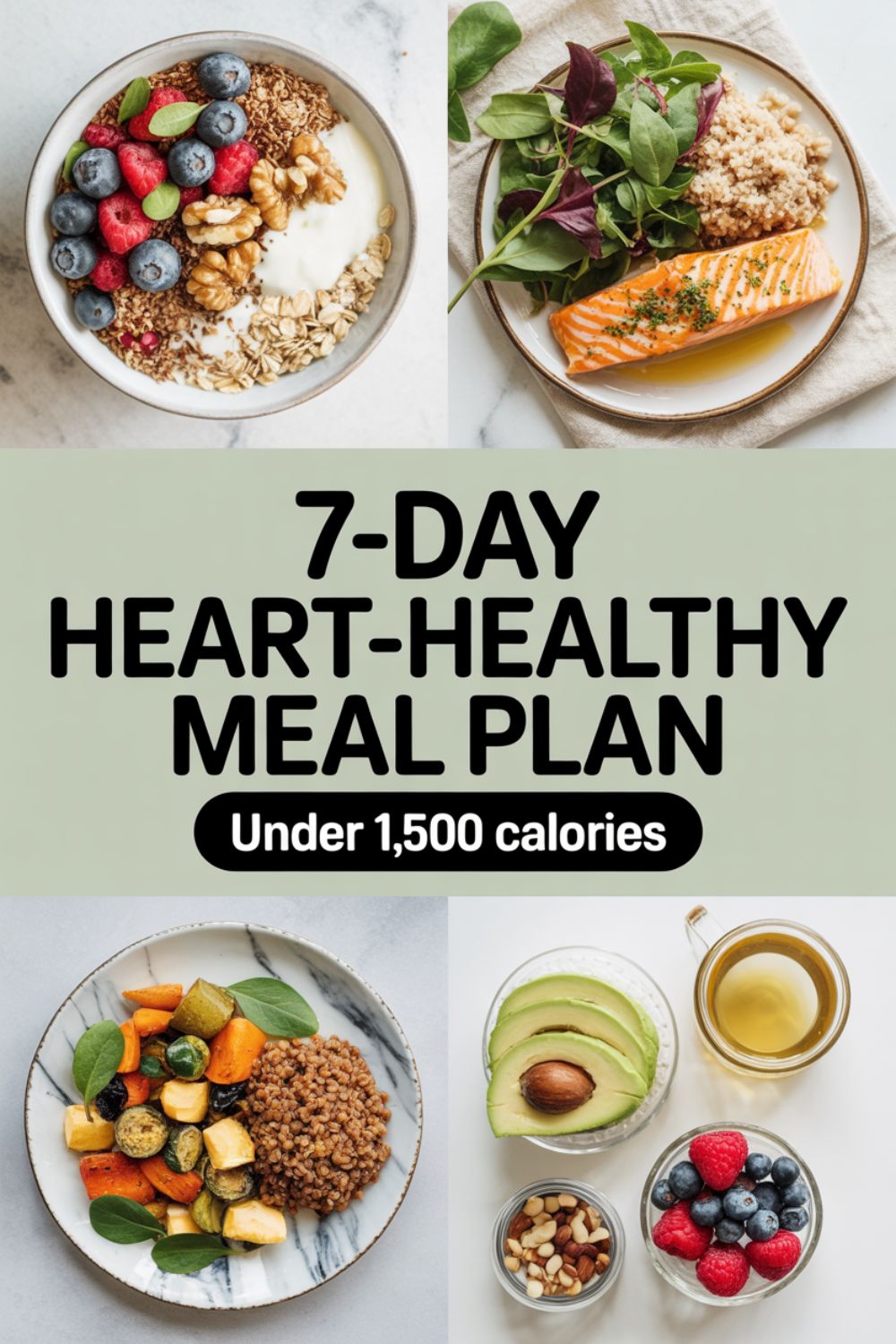
7-Day Heart-Healthy Meal Plan Under 1,500 Calories
Look, I get it. You’re scrolling through another diet article wondering if this one will actually stick. But here’s the thing about heart-healthy eating—it’s not about deprivation or choking down bland chicken breast for the rest of your life.
When I started paying attention to my heart health, I thought I’d be sentenced to a lifetime of steamed vegetables and sadness. Turns out, eating for a healthy heart can be ridiculously delicious, satisfying, and yes, even fun. This 7-day meal plan proves you don’t need to go over 1,500 calories to feel full, energized, and actually excited about what’s on your plate.
The science is pretty clear on this: according to the American Heart Association, eating patterns rich in fruits, vegetables, whole grains, and lean proteins significantly reduce cardiovascular disease risk. But knowing what to eat and actually meal planning are two different beasts entirely.
This isn’t your typical meal prep situation where you eat the same grilled chicken and broccoli for seven days straight. We’re talking variety, flavor, and meals that won’t leave you raiding the pantry at 9 PM. Let’s get into it.
Why 1,500 Calories Works for Heart Health
Here’s something that might surprise you—it’s not just about cutting calories for the sake of weight loss. Research from Mayo Clinic shows that moderate calorie restriction can improve heart health markers even in people who aren’t overweight.
The sweet spot? Around 1,500 calories gives most people enough energy to function while creating a slight deficit that supports cardiovascular health. When you reduce your daily intake by 200-300 calories, you’re likely cutting down on carbs and fats that your heart doesn’t need. Plus, every pound of excess weight adds about 5 miles of blood vessels your heart has to pump blood through. Do the math on that.
But calories alone don’t tell the whole story. It’s about nutrient density—packing maximum nutrition into those 1,500 calories. Think of it like Tetris: you want to fit in all the good stuff (fiber, protein, healthy fats, vitamins) without wasting space on empty calories.
Pro Tip: Sunday night is your friend. Spend 90 minutes prepping veggies, cooking grains, and portioning proteins. You’ll thank yourself every single weeknight when dinner takes 10 minutes instead of an hour.
The Heart-Healthy Building Blocks
Before we dive into the actual meal plan, let’s talk about what makes a meal genuinely heart-healthy. According to the American Heart Association’s 2021 dietary guidance, there are a few non-negotiables.
Prioritize These Foods
Fruits and vegetables should dominate your plate. Not in a sad, garnish kind of way, but actually taking up half your plate at every meal. They’re loaded with fiber, antioxidants, and all those compounds that keep your arteries happy.
Whole grains over refined grains, always. We’re talking quinoa, brown rice, oats, and whole wheat. These provide fiber that literally helps sweep cholesterol out of your system. Pretty cool, right?
Lean proteins from plants (legumes, nuts), fish, and poultry. Research consistently shows that replacing red meat with plant-based proteins or fatty fish like salmon reduces heart disease risk. The omega-3s in fish are basically insurance policies for your cardiovascular system.
Healthy fats from sources like olive oil, avocados, and nuts. These monounsaturated and polyunsaturated fats actually improve your cholesterol profile when they replace saturated fats.
Minimize These Instead
Added sugars and sodium are the villains in this story. Most Americans consume way more than the recommended 1,500 mg of sodium daily. And added sugars? They’re hiding in everything from pasta sauce to “healthy” yogurt.
Saturated fats (think butter, cheese, fatty meats) and trans fats need to take a back seat. The goal is to keep saturated fat under 5-6% of total calories—that’s about 13 grams if you’re eating 2,000 calories, even less on our 1,500-calorie plan.
Speaking of healthy meal prep, if you’re looking for more breakfast inspiration that fits this approach, check out some high-protein breakfast ideas that’ll keep you satisfied all morning.
Your 7-Day Heart-Healthy Meal Plan
Alright, enough theory. Let’s get practical. Each day is designed to hit around 1,500 calories while maximizing nutrients and flavor. I’ve included calories, protein, and key nutrients so you can see exactly what you’re getting.
Day 1: Mediterranean Monday
Breakfast (350 cal): Greek yogurt parfait with berries, walnuts, and a drizzle of honey. Top with cinnamon for extra flavor and blood sugar regulation.
Lunch (450 cal): Mediterranean chickpea salad with cucumber, tomatoes, red onion, feta, and lemon-olive oil dressing. Serve with whole wheat pita.
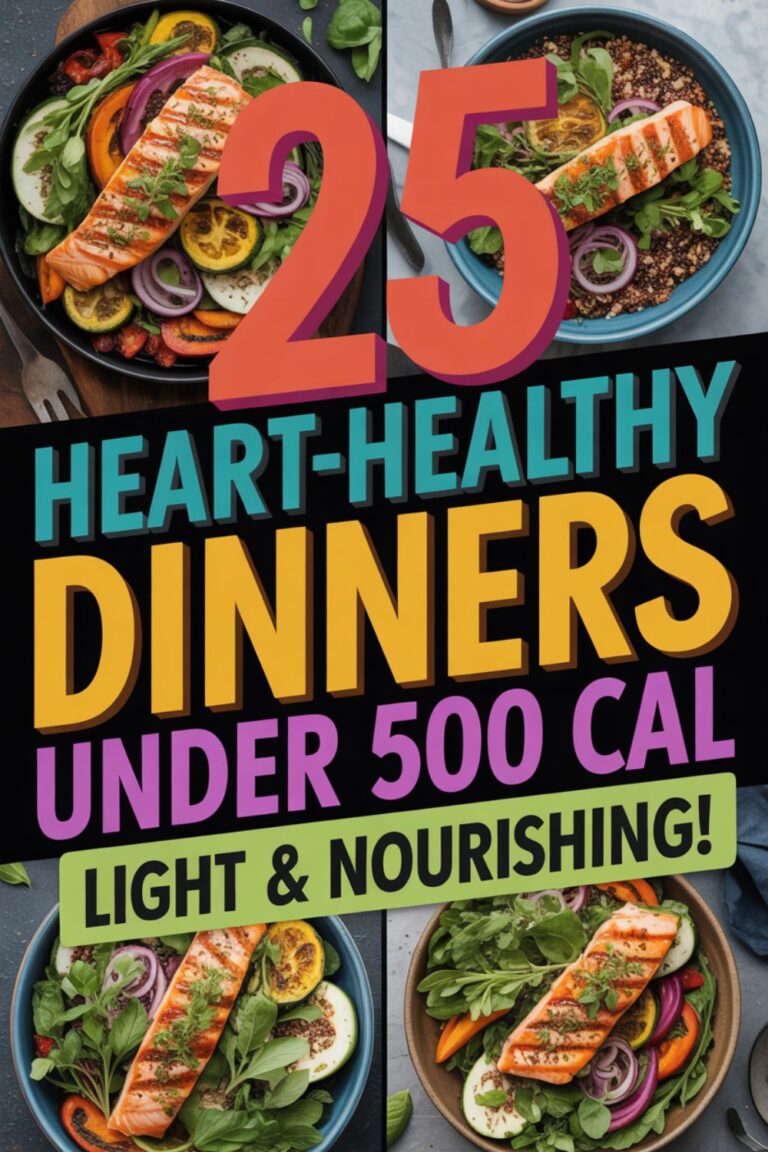
Dinner (550 cal): Grilled lemon herb salmon (4 oz) with roasted Brussels sprouts and quinoa pilaf. Get Full Recipe
Snack (150 cal): Apple slices with 1 tablespoon almond butter.
The mini food processor I use for making that chickpea salad saves so much time—just pulse everything together and you’re done. No tears from chopping onions either, which is always a win.
Day 2: Taco Tuesday (Heart-Healthy Edition)
Breakfast (320 cal): Vegetable scramble with spinach, mushrooms, tomatoes, and two eggs. Serve with one corn tortilla.
Lunch (480 cal): Black bean and sweet potato tacos with avocado, salsa, and a squeeze of lime. Use lettuce wraps or small corn tortillas.
Dinner (520 cal): Herb-crusted chicken breast with roasted vegetables and cilantro-lime cauliflower rice. Get Full Recipe
Snack (180 cal): Homemade trail mix with raw almonds, pumpkin seeds, and a few dark chocolate chips.
For the sweet potatoes, I cube them up and roast them on this silicone baking mat—zero sticking, zero scrubbing. Life’s too short for scraping burnt bits off pans.
Quick Win: Make a double batch of the cilantro-lime cauliflower rice. It keeps for 4 days and transforms leftover proteins into fresh meals instantly.
Day 3: Plant-Powered Wednesday
Breakfast (340 cal): Overnight oats with chia seeds, sliced banana, and a sprinkle of cinnamon. Add a teaspoon of maple syrup if you need it.
Lunch (460 cal): Lentil soup with carrots, celery, and tomatoes. Serve with a small whole grain roll.
Dinner (540 cal): Stuffed bell peppers with brown rice, black beans, corn, and spices. Top with a tiny bit of cheese if you want. Get Full Recipe
Snack (160 cal): Carrot and cucumber sticks with hummus.
The beauty of plant-based meals like these is how they naturally align with heart-healthy eating patterns. Legumes are protein powerhouses that also help control blood sugar and cholesterol. If you’re new to cooking with lentils, don’t stress—they’re way more forgiving than you think.
Looking for more plant-forward options? These vegetarian dinner recipes prove you don’t need meat to feel satisfied.
Day 4: Asian-Inspired Thursday
Breakfast (330 cal): Green smoothie with spinach, frozen mango, banana, and unsweetened almond milk. Add a scoop of protein powder if needed.
Lunch (470 cal): Edamame and veggie stir-fry with brown rice. Use low-sodium soy sauce or coconut aminos.
Dinner (540 cal): Miso-glazed cod with bok choy and sesame green beans. Serve over cauliflower rice. Get Full Recipe
Snack (160 cal): Roasted seaweed snacks and a small handful of edamame.
Fish is genuinely one of the best things you can eat for heart health. Studies show that eating fish 2-3 times per week is associated with lower risk of heart disease, stroke, and heart failure. The omega-3 fatty acids in fish like salmon, cod, and mackerel are anti-inflammatory superstars.
Meal Prep Essentials Used in This Plan
These are the tools and ingredients that make heart-healthy cooking actually doable on weeknights:
- Glass meal prep containers set — Portion control built-in, microwave-safe, and they don’t stain like plastic
- Digital kitchen scale — Takes the guesswork out of portions, especially for calorie tracking
- High-speed blender — Smoothies, soups, and sauces in under 2 minutes
- Heart-Healthy Meal Prep Guide (eBook) — 50+ recipes with full nutritional breakdowns
- Grocery Shopping Checklist Template — Organized by store section to save time
- Calorie Tracking Spreadsheet — Simple Google Sheets template, no app needed
Day 5: Comfort Food Friday
Breakfast (350 cal): Whole grain toast with mashed avocado, cherry tomatoes, and everything bagel seasoning. Side of berries.
Lunch (450 cal): Turkey and veggie wrap with hummus, spinach, cucumber, and shredded carrots in a whole wheat tortilla.
Dinner (560 cal): Turkey meatballs in marinara sauce over zucchini noodles. Sprinkle with a little parmesan. Get Full Recipe
Snack (140 cal): Air-popped popcorn with nutritional yeast.
The spiralizer I got for making zucchini noodles was a total game-changer. Turns out you can eat a massive bowl of “pasta” for a fraction of the calories. Mind = blown.
If you’re vibing with the zucchini noodles concept, definitely explore more low-carb pasta alternatives that won’t spike your blood sugar.
Day 6: Sheet Pan Saturday
Breakfast (340 cal): Veggie frittata muffins (made ahead) with a side of fresh fruit.
Lunch (460 cal): Caprese salad with fresh mozzarella, tomatoes, basil, and balsamic glaze. Serve with whole grain crackers.
Dinner (550 cal): Sheet pan chicken sausage with bell peppers, onions, and baby potatoes. Season with Italian herbs. Get Full Recipe
Snack (150 cal): Frozen grapes and a small handful of pistachios.
Sheet pan dinners are criminally underrated. Throw everything on one pan, season it, roast it, done. The rimmed baking sheet I use is heavy-duty enough that it doesn’t warp in the oven, which was happening with my old cheap ones.
Pro Tip: Make those frittata muffins on Sunday in a silicone muffin pan. They pop right out, freeze beautifully, and reheat in 45 seconds. Breakfast for the entire week, sorted.
Day 7: Slow Cooker Sunday
Breakfast (360 cal): Steel-cut oats cooked with cinnamon, topped with sliced pear and walnuts.
Lunch (440 cal): Quinoa bowl with roasted chickpeas, tahini dressing, cucumber, and cherry tomatoes.
Dinner (560 cal): Slow cooker white bean chicken chili with a dollop of Greek yogurt. Serve with a small cornbread muffin. Get Full Recipe
Snack (140 cal): Celery sticks with almond butter.
Sundays are perfect for letting the slow cooker do the heavy lifting. Come home to a house that smells amazing and dinner that’s already done? Yes please.
Here’s where meal planning really pays off: By week’s end, you’ve eaten a ton of variety, hit all your nutritional targets, and never felt deprived. You might even have discovered that heart-healthy eating isn’t the punishment you thought it would be.
For those following along, you’ll notice we rotated through different protein sources, included at least 2 fish meals (hello omega-3s), loaded up on vegetables, and kept sodium in check. These complete weekly meal plans take the same approach if you want to keep the momentum going.
Tools & Resources That Make Cooking Easier
Real talk—having the right setup makes or breaks your success with any meal plan:
- Instant-read thermometer — No more overcooked chicken or undercooked fish
- Sharp chef’s knife — A good knife makes prep 10x faster and safer
- Vegetable chopper — Dice an onion in 5 seconds instead of crying for 5 minutes
- 30-Day Heart Health Challenge — Daily tips and recipes to build lasting habits
- Printable Meal Planner — Weekly layout with shopping list integration
- Spice Blend Recipe Cards — Make your own sodium-free seasonings
Connect with others following heart-healthy lifestyles in our WhatsApp Meal Prep Community — swap recipes, troubleshoot challenges, and celebrate wins together
Macro Breakdown and Nutritional Targets
Let’s get nerdy for a second because understanding macros helps you make better choices when life inevitably throws curveballs at your meal plan.
On this 1,500-calorie plan, you’re looking at roughly:
- Protein: 80-100g daily (20-25% of calories)
- Carbohydrates: 150-180g daily (40-45% of calories), mostly from whole grains, fruits, and veggies
- Fats: 45-55g daily (30-35% of calories), emphasizing unsaturated fats
- Fiber: 25-30g daily minimum
- Sodium: Under 1,500mg daily
These ratios align with evidence-based recommendations for cardiovascular health. The higher protein helps with satiety (you feel full longer), while the emphasis on complex carbs and fiber keeps your blood sugar stable and your digestive system happy.
IMO, tracking macros doesn’t have to be obsessive. Use an app for a week or two to get a sense of portions, then trust your instincts. Most people find they naturally settle into a rhythm once they understand what a balanced plate looks like.
| Nutrient | Daily Target | Why It Matters |
|---|---|---|
| Fiber | 25-30g | Lowers cholesterol, improves gut health, promotes satiety |
| Omega-3s | 1-2g | Reduces inflammation, protects against arrhythmias |
| Potassium | 3,500-4,700mg | Helps regulate blood pressure |
| Magnesium | 320-420mg | Supports heart rhythm, blood pressure control |
| Vitamin K | 90-120mcg | Important for blood vessel health |
Smart Substitutions and Swaps
Life happens. You run out of quinoa. The store is sold out of salmon. Your kid ate all the Greek yogurt. Here’s how to roll with it without derailing your plan.
Protein Swaps
Can’t do fish? Swap in skinless chicken breast or turkey. Going plant-based? Tempeh, tofu, or extra beans work beautifully. The key is matching protein content—4 oz of fish is roughly equivalent to 3/4 cup of cooked lentils or 4 oz of chicken.
Speaking of plant proteins, the difference between peanut butter and almond butter is mostly about micronutrients—almond butter has more vitamin E and magnesium, while peanut butter has more protein. Both are heart-healthy in moderation, so pick whichever you prefer.
Grain Alternatives
Brown rice, quinoa, farro, and bulgur are basically interchangeable in most recipes. They all provide similar fiber and nutrient profiles. Cauliflower rice is great when you want to save carbs for something else (like that small cornbread muffin on Sunday).
If you’re curious about optimizing your carb choices, check out these whole grain cooking guides that break down cooking times and flavor profiles.
Dairy-Free Alternatives
Lactose intolerant or just avoiding dairy? Unsweetened almond milk, oat milk, or soy milk work fine in most recipes. For the Greek yogurt in Day 1’s breakfast, try coconut yogurt or cashew yogurt—just check the sugar content, as some brands sneak in way too much.
Plant-based milk alternatives have come a long way. Oat milk is especially creamy in coffee and smoothies, while unsweetened almond milk is lower in calories. For cooking and baking, soy milk’s protein content makes it behave most like dairy milk.
Meal Prep Strategies That Actually Work
You know what kills most meal plans? Sunday night rolls around and you’d rather binge Netflix than chop vegetables. Fair enough. But here’s the thing—a little strategic prep makes weeknight cooking so stupidly easy that you’ll actually stick with it.
The 90-Minute Meal Prep Session
Set aside 90 minutes on Sunday (or whenever works for you). Put on a podcast or some music. Pour yourself something nice to drink. Then knock out these tasks:
- Wash and chop all vegetables for the week. Store in containers with damp paper towels to keep them fresh.
- Cook your grains in bulk. Brown rice, quinoa, and farro all keep for 5 days refrigerated.
- Prep proteins by marinating chicken, portioning fish, or cooking a batch of beans.
- Make any sauces or dressings you’ll need. Homemade dressings last a week and taste infinitely better than store-bought.
- Hard-boil eggs for quick snacks or breakfast additions.
That set of stackable containers I mentioned earlier? Total lifesaver for organizing all this prepped food. Everything has its place, nothing gets forgotten in the back of the fridge.
Batch Cooking vs. Component Prep
There are two schools of thought here. Batch cooking means making complete meals and portioning them out—convenient but potentially boring by day 4. Component prep means preparing ingredients separately and mixing them up throughout the week—more variety but slightly more assembly required.
I’m team component prep. Having cooked chicken, roasted veggies, and grains ready means Monday’s chicken bowl becomes Tuesday’s wrap becomes Wednesday’s soup. Same ingredients, totally different meals. Zero boredom.
Reader Win: Sarah from our community tried this plan and lost 15 pounds in 3 months while her cholesterol numbers improved significantly. Her secret? “I stopped thinking of it as a diet and started treating it like my new normal. The food is actually good, so it wasn’t hard to stick with.”
Shopping Smart for Heart Health
Your grocery shopping strategy matters almost as much as the actual cooking. Here’s how to shop efficiently without blowing your budget or buying things that’ll go bad.
The Perimeter Rule (Mostly)
Most of your cart should come from the perimeter of the store—produce, proteins, dairy. The middle aisles are where ultra-processed foods live. That said, don’t be dogmatic about it. Canned beans, whole grain pasta, and frozen vegetables from those middle aisles are absolutely fine.
Speaking of frozen, frozen vegetables are nutritionally equivalent to fresh (sometimes better, since they’re flash-frozen at peak ripeness). Stock up on frozen spinach, broccoli, and mixed vegetables for those weeks when you can’t make it to the store.
Reading Labels Like a Pro
Sodium is the sneaky villain hiding in everything. That innocent-looking marinara sauce? Could have 500mg per serving. The “healthy” whole grain bread? Maybe 200mg per slice. Your target is 1,500mg for the whole day, so it adds up fast.
FYI, “low sodium” means 140mg or less per serving. “Very low sodium” is 35mg or less. “Sodium-free” is less than 5mg. Learn these labels and you’ll save yourself from accidentally salting your way out of heart health.
Same deal with added sugars. The ingredient list is ordered by quantity, so if sugar (or any of its 60+ aliases) appears in the first three ingredients, put it back and find something better.
Budget-Friendly Heart-Healthy Shopping
- Buy proteins on sale and freeze them. Wrap individual portions in plastic wrap, then put them all in a freezer bag.
- Choose seasonal produce. It’s cheaper and tastes better. Strawberries in December? Expensive and flavorless. Strawberries in June? Affordable and amazing.
- Don’t overlook store brands. The generic quinoa is the same as the fancy brand, just cheaper.
- Stock your pantry with shelf-stable staples during sales—canned beans, tomatoes, whole grains, nuts, and seeds.
That reusable produce bags set might seem like a small thing, but it actually helps me buy the exact amount I need instead of being forced into those wasteful pre-packaged portions.
Need more budget-conscious ideas? These cheap healthy dinner recipes prove eating well doesn’t require a premium grocery budget.
Dining Out Without Derailing
Let’s be real—you’re not going to meal prep every single meal forever. Life includes restaurants, social events, and nights when cooking feels impossible. Here’s how to navigate eating out while staying heart-healthy.
Restaurant Strategy
Most restaurants will accommodate reasonable requests. Ask for dressings and sauces on the side. Request grilled instead of fried. Swap the fries for a side salad or steamed vegetables. You’re not being difficult—you’re being thoughtful about your health.
The portion sizes at restaurants are usually 2-3 times what you need. Ask for a to-go box when your meal arrives and immediately put half away. Now you’ve got tomorrow’s lunch and you won’t be tempted to overeat just because it’s there.
Cuisine-Specific Tips
Italian: Choose marinara-based dishes over cream sauces. Order the protein grilled. Load up on the vegetables. Split the pasta or take half home.
Mexican: Skip the chips (or have just a few). Choose grilled fish or chicken tacos. Go heavy on the salsa, light on cheese and sour cream. Black beans over refried beans.
Asian: Steamed dumplings over fried. Ask for sauces on the side since they’re often loaded with sodium. Brown rice instead of white. Load up on vegetable dishes.
American: Grilled proteins, roasted or steamed vegetables, baked potato (easy on the toppings), side salad with oil and vinegar.
See the pattern? You’re not relegated to eating salad every time you go out. You just make slightly smarter choices within whatever cuisine you’re craving.
Common Pitfalls and How to Avoid Them
I’d love to tell you this will be smooth sailing, but you’ll probably hit a few bumps. Here are the most common ones and how to navigate them.
The Hunger Games (Days 1-3)
If you’re coming from eating 2,000+ calories daily, dropping to 1,500 will feel weird at first. Your body will protest. You might feel hungrier than usual for the first few days. This is normal and temporary.
Combat it by drinking plenty of water, eating protein at every meal, and loading up on high-fiber vegetables that fill you up. That hunger is your body adjusting, not a sign you’re doing something wrong.
Weekends Are Harder
Weekdays with their structure and routine? Usually manageable. Weekends when your schedule is loose and you’re around food all day? That’s when people struggle. Plan your weekend meals just like you do weekday meals. Have healthy snacks prepped and ready. Don’t leave food choices to “future you” when you’re hungry.
Social Pressure
Someone will inevitably comment on your choices. “You’re eating so healthy!” or worse, “You’re not eating that?” People are weird about other people’s food choices. Have a simple response ready: “I’m focusing on feeling my best” or “This works for me.” You don’t owe anyone an explanation.
All-or-Nothing Thinking
You ate pizza at a party. You had dessert. You went over your calories. So what? One meal doesn’t undo all your progress. What matters is the pattern over time, not perfection every single day. Get back on track with your next meal and move on.
For more guidance on building sustainable habits, explore these healthy eating guides that focus on long-term success over short-term perfection.
Frequently Asked Questions
Is 1,500 calories enough for everyone?
Not necessarily. This calorie level works well for many people, especially shorter women or those looking to lose weight. Taller individuals, men, or very active people might need 1,800-2,000 calories. Listen to your body—if you’re constantly exhausted or losing weight too quickly (more than 2 pounds per week), you probably need more calories. When in doubt, consult with a registered dietitian who can calculate your specific needs.
Can I eat out and still follow this plan?
Absolutely. The key is making smart choices when dining out—grilled instead of fried, sauces on the side, vegetables instead of fries, and watching portion sizes. Most restaurants are happy to accommodate requests. You might need to estimate calories a bit, but as long as you’re making generally healthy choices most of the time, occasional restaurant meals won’t derail your progress.
What if I don’t like fish?
No problem. Substitute chicken breast, turkey, or plant-based proteins like tofu, tempeh, or extra beans. You’ll miss out on omega-3s from fish, so consider taking a high-quality fish oil or algae-based omega-3 supplement. You can also get some omega-3s from walnuts, chia seeds, and flaxseeds, though they’re not as potent as the type found in fatty fish.
How quickly will I see results?
Most people notice increased energy within the first week. Weight loss, if that’s your goal, typically starts showing up on the scale within 2-3 weeks. Cholesterol and blood pressure improvements usually become measurable after 6-8 weeks of consistent healthy eating. Remember, this is about long-term health, not quick fixes. Sustainable changes take time.
Can I swap meals between days?
Definitely. This meal plan is a framework, not a rigid prescription. If you’d rather have Tuesday’s lunch on Thursday, go for it. The important thing is hitting your overall calorie and nutrition targets, not following the exact day-by-day schedule. Mix and match however works best for your life and preferences.
Making It Stick Long-Term
Here’s what nobody tells you about healthy eating: the first week is exciting. The second week is doable. Week three is where most people bail because the novelty wore off and life got busy. So how do you make this stick beyond the initial motivation?
Build Systems, Not Just Motivation
Motivation is fickle. It shows up when you’re feeling good and disappears when you’re stressed or tired. Systems, on the other hand, work regardless of how you feel. Set a recurring grocery delivery. Block out Sunday afternoon for meal prep. Keep healthy snacks at your desk. Make the healthy choice the easy choice.
Track Progress Beyond the Scale
Weight is just one metric and not even the most important one. Track how you feel. Are you sleeping better? Do you have more energy? Are your clothes fitting differently? Is your mood more stable? These non-scale victories often show up before the number on the scale budges.
I keep a simple notes file on my phone where I jot down these observations. “Had energy to play with the kids after work” or “Didn’t crash at 3pm” or “Jeans feel looser.” Reading back through these on tough days reminds me why I’m doing this.
Give Yourself Grace
You’re going to have days where everything goes sideways. You’ll eat too much. You’ll skip workouts. You’ll demolish an entire pint of ice cream. That’s being human, not failing. What matters is what you do next—and the answer is just get back to your plan without drama or guilt.
The people who succeed long-term aren’t the ones who never mess up. They’re the ones who mess up and just…keep going anyway.
Wrapping This Up
Look, eating for heart health doesn’t have to be complicated or miserable. This 7-day plan proves you can eat delicious, satisfying food while staying under 1,500 calories and actually improving your cardiovascular health.
The meals are flexible enough to adapt to your preferences and lifestyle. The strategies work whether you’re cooking for one or feeding a family. And the approach is sustainable for the long haul, not just a temporary fix you suffer through.
Your heart is literally keeping you alive every single second. Taking care of it through thoughtful food choices isn’t restrictive—it’s one of the most important investments you can make in yourself. Start with this week. See how you feel. Adjust what needs adjusting. And keep showing up for yourself.
Ready to get started? Your future self—and your heart—will thank you.