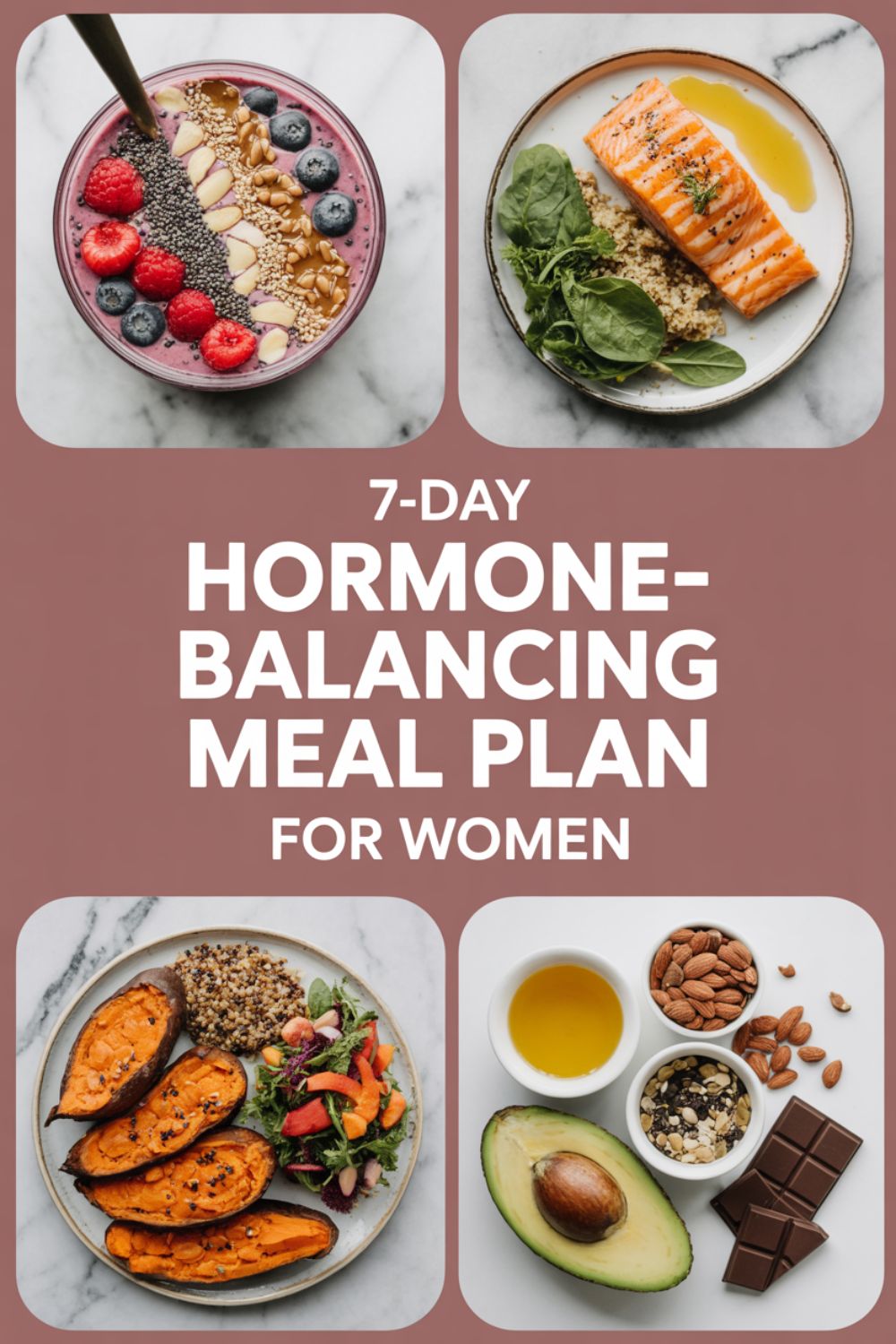
7-Day Hormone-Balancing Meal Plan for Women
Look, I get it. Your hormones feel like they’re hosting a rebellion in your body, and you’re just trying to figure out what to eat without Googling “why am I so tired all the time” at 2 AM. Been there, done that, bought the oversized comfort sweater.
Here’s the thing nobody tells you about hormone balance: it’s not about cutting carbs, chugging green smoothies until you turn into a kale plant, or surviving on celery juice. It’s about actually feeding your body what it needs to produce and regulate those chemical messengers properly. Revolutionary concept, right?
This seven-day meal plan isn’t another restrictive diet that’ll have you hangry by Tuesday. It’s a practical, doable approach based on what actually works—nutrient-dense foods that support your endocrine system without making you feel like you’re eating cardboard. No drama, no deprivation, just real food that happens to make your hormones happy.
Why Your Hormones Are Probably Freaking Out Right Now
Before we jump into meal plans, let’s talk about why half the women I know feel like exhausted, moody versions of themselves. Your hormones—estrogen, progesterone, cortisol, insulin, thyroid hormones—they’re all connected like some elaborate biological Rube Goldberg machine. When one gets out of whack, the whole system starts wobbling.
The research on hormone balance shows that what you eat directly impacts hormone production and regulation. Diets rich in omega-3 fatty acids, whole grains, and plenty of produce provide antioxidants and anti-inflammatory compounds that help reduce cortisol and support overall hormone health.
High-sugar processed foods? They send your insulin on a rollercoaster ride that eventually leads to resistance. Not enough healthy fats? Your body can’t build hormones properly because guess what—hormones literally need fat to exist. Too much caffeine and not enough magnesium? Say hello to cortisol chaos and sleep problems.
The good news? Studies on dietary patterns and hormonal regulation show that switching to a Mediterranean-style eating pattern can significantly improve insulin sensitivity and reduce inflammation within weeks. We’re not talking months of suffering here.
The Foundation: What Actually Goes Into Hormone-Happy Meals
Forget complicated macros and calorie counting for a second. Building hormone-balancing meals is simpler than influencers make it seem. You need three things consistently: quality protein, healthy fats, and fiber-rich carbs. That’s it. That’s the formula.
Protein: The Hormone Building Block
Your body can’t make hormones, enzymes, or neurotransmitters without amino acids from protein. Aim for 20-30 grams per meal. Wild-caught salmon, pasture-raised eggs, grass-fed beef, organic chicken, legumes, Greek yogurt—pick your poison. I rotate through all of them because eating chicken breast seven days a week sounds like a special kind of torture.
Speaking of salmon, I use this silicone baking mat for literally everything short of cereal bowls. Zero sticking, zero scrubbing, and your fish comes out perfect every time without swimming in oil.
Healthy Fats: Hormone Fuel
This is where people get weird and scared because someone in 1992 told them fat makes you fat. The Mediterranean diet’s healthy fats—olive oil, avocados, nuts, seeds, fatty fish—are literally the building blocks of your hormones. Without adequate fat intake, your body can’t produce estrogen, progesterone, or testosterone properly.
Extra virgin olive oil, avocado oil, coconut oil for high-heat cooking, grass-fed butter if you tolerate dairy, nuts and seeds. I drizzle this organic olive oil on everything like it’s going out of style because it actually tastes good and doesn’t leave that weird throat-burning sensation cheap stuff does.
Fiber and Complex Carbs: Blood Sugar Saviors
Fiber does two critical things: it slows down glucose absorption (preventing insulin spikes) and helps eliminate excess estrogen through your gut. Women should get 25-30 grams daily, but most of us barely hit 15.
Sweet potatoes, quinoa, brown rice, oats, all the vegetables, berries, apples with the skin on, legumes. The fiber content in plant-based foods helps bind excess estrogen and supports healthy elimination, which is crucial for hormone balance.
Meal Prep Essentials Used in This Plan
Let me save you some time and frustration here. Having the right tools makes this whole thing exponentially easier. You don’t need a kitchen full of gadgets, but these actually earn their counter space.
Physical Products:
- Glass meal prep containers with compartments – Because plastic leaches hormone-disrupting chemicals and nobody has time for that. These keep everything separate and fresh for days.
- High-speed blender for smoothies – Not negotiable if you’re making morning smoothies. The cheap ones leave chunks that feel like drinking gravel.
- Cast iron skillet – Adds iron to your food naturally (great if you’re anemic like half of us), cooks evenly, and lasts forever. Mine’s older than some of my friendships.
Digital Products & Resources:
- Hormone Balance Meal Planning Template – Spreadsheet with shopping lists, macro breakdowns, and swap options for the whole month.
- 21-Day Hormone Reset Guide – Beyond just meals, this covers sleep hygiene, stress management, and supplement protocols that actually work.
- Recipe Database with 200+ Hormone-Friendly Meals – Searchable by ingredient, prep time, and specific hormone issues (PCOS, thyroid, menopause).
Also, if you’re into community support, we’ve got a WhatsApp group where women share their wins, swap recipes, and generally keep each other accountable without the toxic diet culture BS.
The 7-Day Meal Plan: Your Hormone-Balancing Blueprint
Day 1: Monday (Ease Into It)
Breakfast: Overnight oats with chia seeds, almond butter, berries, and cinnamon. Mix it the night before and grab it in the morning. The chia seeds are packed with omega-3s and fiber—both hormone all-stars.
Lunch: Mediterranean quinoa bowl with grilled chicken, cucumbers, tomatoes, olives, feta, and a lemon-olive oil dressing. Quinoa’s a complete protein, which is rare for grains, and Mediterranean dietary patterns have been shown to reduce cortisol levels and improve insulin sensitivity.
Dinner: Baked salmon with roasted broccoli and sweet potato. Keep it simple—salt, pepper, garlic, done. Get Full Recipe for my foolproof salmon technique that never dries out.
Snack: Apple slices with almond butter, or a handful of walnuts if you’re running out the door.
Day 2: Tuesday (Finding Your Rhythm)
Breakfast: Veggie omelet with spinach, mushrooms, bell peppers, and a side of avocado. Eggs are hormone-building powerhouses with choline, vitamin D, and quality protein. If you’re short on time, this egg cooker makes perfect hard-boiled eggs while you’re getting ready.
Lunch: Lentil soup with carrots, celery, and kale, plus a side of whole-grain bread. Lentils are fiber bombs and have plant compounds that help balance estrogen. Get Full Recipe for the version I batch-cook every other week.
Dinner: Grass-fed beef stir-fry with broccoli, snap peas, and brown rice in coconut aminos. The iron from red meat supports thyroid function, and the cruciferous veggies help metabolize estrogen properly.
Snack: Greek yogurt with flaxseeds and a drizzle of honey. Flaxseeds contain lignans that have estrogen-balancing effects—nature’s little hormone helpers.
Speaking of breakfast ideas, if these scrambled eggs sound good to you, check out high-protein breakfast options or this Mediterranean veggie frittata that you can meal prep for the whole week.
Day 3: Wednesday (Midweek Momentum)
Breakfast: Green smoothie with spinach, banana, protein powder, almond milk, and hemp seeds. Tastes way better than it sounds, I promise. The hemp seeds add omega-3s and complete protein.
Lunch: Turkey and avocado wrap in a whole-grain tortilla with plenty of leafy greens and hummus. Sometimes you just need something you can eat with one hand while answering emails.
Dinner: Herb-roasted chicken thighs with roasted Brussels sprouts and quinoa. Chicken thighs are cheaper and juicier than breasts, and Brussels sprouts are part of that magical cruciferous family. Get Full Recipe for the marinade that makes these actually crispy.
Snack: Celery sticks with almond butter and raisins (ants on a log, but make it hormone-friendly). Or just a handful of mixed nuts if you’re not feeling nostalgic.
Day 4: Thursday (Keep Going)
Breakfast: Chia pudding made with coconut milk, topped with berries and sliced almonds. Make it the night before. Chia seeds expand in liquid and become this weird but delicious pudding texture that keeps you full for hours.
Lunch: Chickpea salad with cherry tomatoes, cucumbers, red onion, parsley, and lemon-tahini dressing. Chickpeas are high in fiber and resistant starch, which supports healthy gut bacteria that influence hormone secretion.
Dinner: Baked cod with sautéed kale and mashed cauliflower. Cod’s mild, affordable, and loaded with selenium—crucial for thyroid health. I use this garlic press because mincing garlic by hand is unnecessarily tedious.
Snack: Dark chocolate (70% or higher) with a handful of almonds. Yes, chocolate’s on the menu. The magnesium helps with stress and PMS symptoms.
Day 5: Friday (Almost There)
Breakfast: Scrambled eggs with sautéed spinach and whole-grain toast with avocado. Classic combo that never gets old because it works.
Lunch: Tuna salad over mixed greens with cherry tomatoes, cucumber, and olive oil dressing. Use wild-caught tuna to avoid mercury issues. I mix mine with avocado instead of mayo for extra healthy fats.
Dinner: Slow-cooker chicken curry with chickpeas, spinach, and cauliflower rice. Turmeric in curry is anti-inflammatory gold. Get Full Recipe for the version you dump in your slow cooker in the morning and forget about.
Snack: Sliced pear with a handful of walnuts. Pears have tons of fiber, walnuts have omega-3s—your gut and brain both win.
For more ways to use that slow cooker, these one-pot hormone-friendly dinners and this anti-inflammatory slow cooker guide have been game-changers on busy weekdays.
Day 6: Saturday (Weekend Cooking)
Breakfast: Sweet potato hash with onions, bell peppers, and fried eggs on top. Weekend mornings deserve actual cooking time. The complex carbs from sweet potatoes support serotonin production—your happy hormone.
Lunch: Greek salad with grilled shrimp, feta, olives, cucumbers, tomatoes, and red onion. Shrimp cooks in like three minutes and has selenium and zinc—both thyroid and reproductive health superstars.
Dinner: Grass-fed burger (no bun, or lettuce wrap) with sweet potato fries and a side salad. Sometimes you just want a burger, and that’s fine. Use this baking sheet for the sweet potato fries—they get perfectly crispy without deep frying.
Snack: Homemade trail mix with raw almonds, pumpkin seeds, and unsweetened coconut flakes. Way cheaper than buying pre-made mixes, and you control what goes in.
Day 7: Sunday (Prep Day)
Breakfast: Protein pancakes made with banana, eggs, and protein powder, topped with berries and a tiny bit of maple syrup. Get Full Recipe for these because they’re legitimately good, not “good for healthy pancakes.”
Lunch: Leftover slow-cooker curry from Friday, or a big veggie frittata if you’re meal-prepping for Monday.
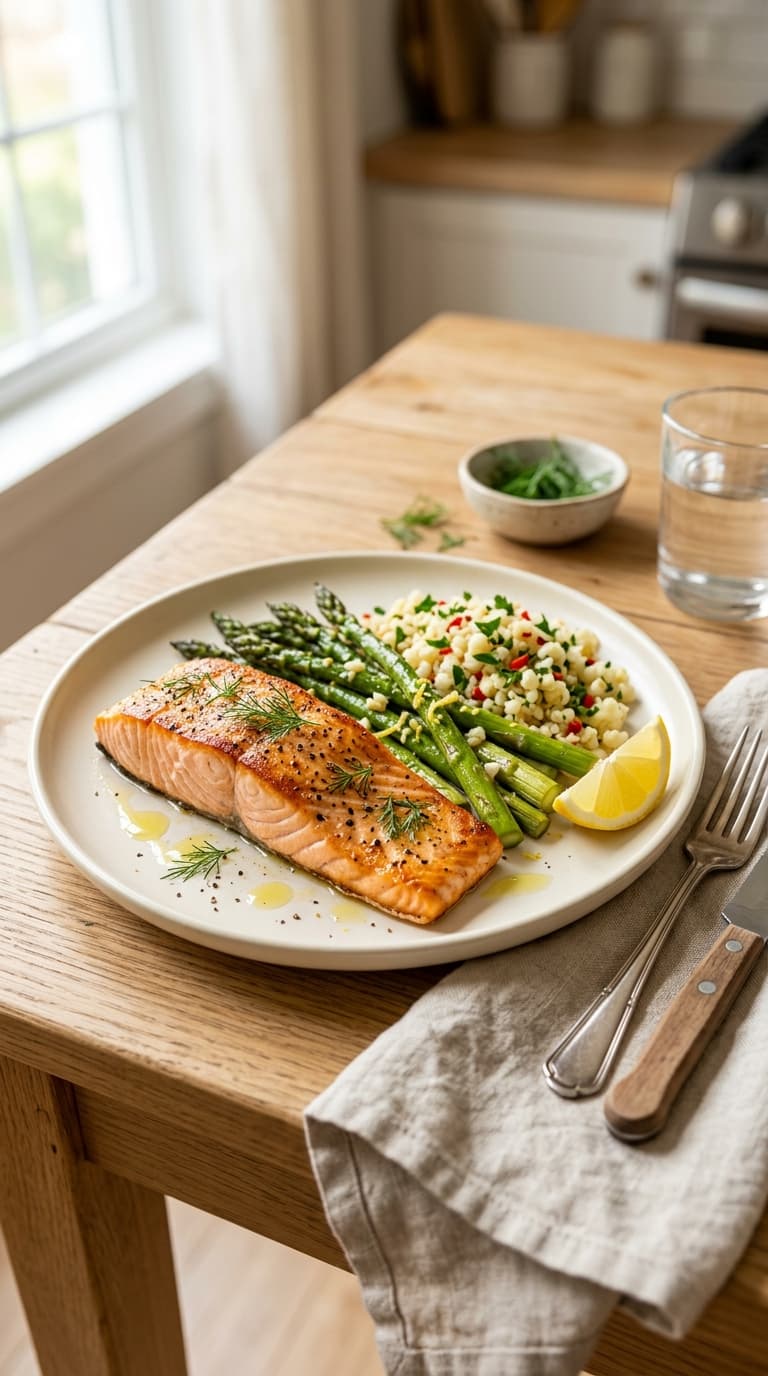
Dinner: Sheet pan salmon with asparagus and baby potatoes. Everything cooks together, minimal cleanup, maximum nutrition. I swear by parchment paper sheets for this—nothing sticks, and you just toss the paper when you’re done.
Snack: Cottage cheese with cucumber slices and everything bagel seasoning. Sounds weird, tastes amazing, packed with protein.
Tools & Resources That Make Cooking Easier
Beyond the basics, these are the things that turned me from someone who burned toast into someone who actually enjoys cooking. Well, enjoys is strong. Tolerates efficiently?
Physical Kitchen Helpers:
- Instant-read meat thermometer – Stop guessing if your chicken is done and eliminating both food poisoning and dry, overcooked protein.
- Spiralizer for veggie noodles – Zucchini noodles, sweet potato noodles, all the noodles. Adds variety without the blood sugar spike of regular pasta.
- Quality chef’s knife – A good knife makes chopping vegetables so much faster and actually kind of therapeutic instead of rage-inducing.
Digital Resources:
- Macro tracking app specifically for hormone health – Tracks not just calories but micronutrients critical for hormone production (zinc, selenium, B vitamins, etc.).
- Online course: Eating for Your Cycle – Teaches you how to adjust your meals based on where you are in your menstrual cycle for optimal hormone support.
- Printable grocery lists organized by hormone issue – PCOS, thyroid, perimenopause, adrenal fatigue—each has slightly different nutritional needs.
The Science Behind Why This Actually Works
I’m not a doctor, but I read research papers for fun (yes, I’m that person), so let me break down why this meal plan isn’t just throwing spaghetti at the wall.
Blood Sugar Stability: Every meal here combines protein, fat, and fiber to slow glucose absorption. Research shows that diet composition directly impacts insulin sensitivity and pancreatic beta cell responsiveness. When your blood sugar isn’t spiking and crashing, your insulin stays stable, which prevents the cascade of hormonal chaos that follows insulin resistance.
Anti-Inflammatory Focus: Chronic inflammation messes with hormone signaling. The omega-3s from fatty fish, the antioxidants from colorful vegetables, the anti-inflammatory compounds in herbs and spices—they all work together to calm systemic inflammation. Studies on dietary patterns show that anti-inflammatory diets significantly improve hormone regulation and metabolic health.
Fiber for Estrogen Metabolism: Your liver processes used estrogen, and your gut eliminates it. Without enough fiber, that estrogen gets reabsorbed instead of leaving your body, leading to estrogen dominance. The 25-30 grams of fiber daily in this plan ensures proper elimination. Think of fiber as your hormone trash removal service.
Healthy Fats for Hormone Production: Cholesterol from healthy fats is literally the precursor to sex hormones. Without adequate fat intake, your body can’t make enough estrogen, progesterone, or testosterone. The Mediterranean-style fats in this plan provide exactly what your endocrine system needs.
When discussing hormone production and metabolic health, it helps to understand the difference between omega-3 vs omega-6 fats and how fermented foods support gut health, which directly impacts hormone regulation.
What to Expect Week by Week
Week 1: You might feel a bit off as your body adjusts. If you’re coming from a diet heavy in sugar and processed foods, you might get headaches or feel tired. That’s withdrawal, not the plan being wrong. Drink water, get sleep, push through.
Week 2-3: Energy starts stabilizing. You’ll notice you’re not crashing mid-afternoon anymore. Sleep might improve. Some women report clearer skin. Your cravings for junk food start decreasing because your body’s actually getting nutrients instead of empty calories.
Week 4+: This is where the magic happens. Mood swings level out. PMS symptoms often decrease. If you have irregular cycles, they might start regulating. Energy stays more consistent throughout the day. You stop needing that 3 PM coffee just to function.
IMO, the first two weeks are the hardest, not because the food is difficult but because you’re breaking old habits and your body’s recalibrating. Stick with it.
Common Swaps and Substitutions
Not everyone eats the same stuff, and that’s fine. Here are swaps that maintain the hormone-balancing benefits:
- Don’t eat fish? Swap for chicken, turkey, or if you’re plant-based, tempeh and hemp seeds for omega-3s. You’ll need an algae-based omega-3 supplement though.
- Dairy issues? Use coconut yogurt, cashew cheese, or just skip the dairy entirely. Most of this plan works without it anyway.
- Hate quinoa? (Valid, it can be bland.) Use brown rice, farro, or even regular rice if that’s what you’ll actually eat. Some carbs beat no carbs.
- Vegetarian or vegan? Replace animal proteins with legumes, tofu, tempeh, seitan. Add nutritional yeast for B vitamins. Consider a B12 supplement because it’s tough to get enough from plants alone.
- Nut allergies? Use sunflower seed butter, tahini, or pumpkin seeds. They have similar healthy fats and protein.
The principle matters more than the specific food. Quality protein + healthy fat + fiber = hormone-happy meal. Mix and match within those parameters based on what you actually like eating.
Beyond Food: The Other Pieces of the Puzzle
Real talk: you can eat perfectly and still have hormone issues if you’re sleeping four hours a night and mainlining stress. Food is crucial, but it’s not the only factor.
Sleep: Aim for 7-9 hours. Your body does most of its hormone production and regulation while you sleep. Skimp on sleep, and even perfect nutrition can’t fix the fallout. I use blackout curtains and keep my room ice-cold because apparently that helps with deep sleep cycles.
Stress Management: Chronic stress keeps cortisol elevated, which eventually dysregulates everything else. Find something that works for you—yoga, meditation, walks, therapy, punching bags, whatever. Just do it consistently.
Movement: Not crazy intense workouts that spike cortisol further. Moderate exercise—strength training 2-3 times a week, walking daily, maybe some yoga. Consistency beats intensity for hormone health.
Hydration: Half your body weight in ounces of water daily, minimum. Dehydration impacts literally every bodily function, hormones included.
Troubleshooting: When Things Don’t Go as Planned
“I’m following this perfectly but still feel terrible.” Get your hormones actually tested. Food helps, but if you have diagnosed PCOS, hypothyroidism, or adrenal fatigue, you might need medical intervention alongside dietary changes. Nutrition isn’t magic—it’s one tool.
“I keep falling off on weekends.” Stop trying to be perfect. The 80/20 rule exists for a reason. If you’re eating well 80% of the time, the occasional pizza night isn’t going to derail everything. Restriction breeds bingeing. Balance is the whole point.
“This is too much cooking.” Start smaller. Pick three dinners and eat leftovers for lunch. Use pre-cut vegetables if chopping is your barrier. Rotisserie chicken is your friend. Done is better than perfect.
“I’m gaining weight.” Hormone balance doesn’t always mean weight loss initially. Your body might be healing, retaining water as inflammation decreases, or adding muscle. Give it 6-8 weeks before panicking. If you’re genuinely overeating, adjust portions, but don’t slash calories—that tanks hormones too.
If you’re looking for more specific approaches, check out these PCOS-friendly meal plans or this thyroid-supporting recipe collection for targeted support.
Shopping Smart: Your Hormone-Balancing Grocery List
Print this out or screenshot it. This is your baseline shopping list for the week, adjusted for two people. Scale up or down as needed.
Proteins:
- Wild-caught salmon (2-3 fillets)
- Organic chicken (1-2 lbs, mix of breasts and thighs)
- Grass-fed beef (1 lb for stir-fry or burgers)
- Pasture-raised eggs (1 dozen)
- Wild-caught tuna or cod (for variety)
- Shrimp (optional, for Greek salad day)
Vegetables (buy what’s in season for best price and nutrition):
- Leafy greens (spinach, kale, mixed salad greens)
- Broccoli and Brussels sprouts
- Bell peppers (multiple colors)
- Cucumbers, tomatoes, cherry tomatoes
- Sweet potatoes (3-4 medium)
- Asparagus or green beans
- Cauliflower (for ricing or mashing)
- Onions and garlic (always)
Healthy Fats & Dairy:
- Avocados (3-4)
- Extra virgin olive oil (get the good stuff, this brand is my go-to)
- Coconut oil or avocado oil for cooking
- Raw almonds, walnuts, mixed nuts
- Almond butter or other nut butter
- Greek yogurt (full-fat, plain)
- Feta cheese (if dairy-tolerant)
Complex Carbs & Grains:
- Quinoa (1 package)
- Brown rice or wild rice
- Rolled oats (for overnight oats)
- Sweet potatoes (already listed but worth repeating)
- Whole-grain bread (check ingredients—should be minimal)
- Chickpeas and lentils (canned is fine, rinse well)
Pantry Staples:
- Chia seeds and flaxseeds (ground)
- Hemp seeds
- Coconut aminos or tamari
- Apple cider vinegar
- Herbs and spices (turmeric, cinnamon, garlic powder, Italian seasoning)
- Almond milk or coconut milk (unsweetened)
- Protein powder (optional but helpful)
Buying organic matters most for the “Dirty Dozen” produce—strawberries, spinach, apples, etc. For everything else, conventional is fine if budget’s tight. Grass-fed meat and wild-caught fish are worth the premium when you can swing it because the fatty acid profile is significantly better for hormone health.
Meal Prep Strategy That Won’t Make You Hate Life
Sunday meal prep sounds great in theory and then you’re three hours deep, your kitchen looks like a war zone, and you’re questioning all your life choices. Here’s a smarter approach:
Sunday (1-2 hours max):
- Cook 2-3 proteins (batch of chicken, salmon portions, hard-boiled eggs)
- Chop all vegetables for the week—store in glass containers with paper towels to absorb moisture
- Cook one big batch of grains (quinoa or brown rice)
- Make overnight oats for Monday-Wednesday mornings
Wednesday Evening (30 minutes):
- Refresh what’s running low
- Prep Thursday-Friday proteins
- Make more overnight oats or chia pudding
This split approach prevents food from getting gross by Friday and keeps you from burning out on a single massive prep session. Plus you’re actually eating fresh food, not sad five-day-old chicken.
I use this label maker to date everything because future-you will have zero memory of when you cooked that chicken. Trust me on this one.
For even more meal prep inspiration, these batch cooking strategies and freezer-friendly hormone meals will save you hours every month.
Budget-Friendly Tips Because Organic Everything Isn’t Realistic
Let’s be honest—eating well costs more than ramen and frozen pizza. But it doesn’t have to drain your bank account if you’re strategic.
- Buy frozen vegetables and berries: Frozen produce is picked at peak ripeness and flash-frozen. Often more nutrients than “fresh” produce that’s been sitting for a week. Way cheaper too.
- Choose cheaper proteins: Chicken thighs over breasts, canned wild salmon over fresh, whole chicken you roast yourself. Eggs are stupid cheap for the nutrition you get.
- Skip organic for thick-skinned produce: Avocados, bananas, oranges—the peel protects them from pesticides. Save your organic dollars for leafy greens and berries.
- Buy in bulk: Nuts, seeds, grains, dried beans—all cheaper in bulk. These glass jars keep everything fresh and you look organized AF.
- Grow herbs: Cilantro, parsley, basil cost $3 for a tiny plastic container that dies in three days. A $4 basil plant gives you fresh herbs for months. Even a sunny windowsill works.
- Shop sales and freeze: When wild salmon goes on sale, buy extra and freeze it. When organic chicken drops in price, stock up. Vacuum sealer = game changer for this.
FYI, eating this way is still cheaper than the doctor visits, medications, and lost work days from feeling like garbage all the time. Perspective matters.
Frequently Asked Questions
Can I drink coffee on this meal plan?
Yes, but be strategic about it. One cup in the morning is fine for most people. If you have adrenal issues or anxiety, switch to green tea or matcha—you get caffeine without the cortisol spike. Skip the sugar and use full-fat coconut milk or a tiny bit of honey if needed. That afternoon second or third cup is usually just covering up a blood sugar crash from a crappy lunch.
How long before I see results?
Energy and mood changes can happen within 7-10 days. Cycle regulation takes longer—expect 2-3 months to see significant changes. Weight changes vary wildly person to person and honestly aren’t the best marker of hormone health anyway. Track how you feel, your sleep quality, and your energy levels instead of just the scale.
Do I need to take supplements too?
Ideally, get tested first so you’re not just throwing money at random vitamins. That said, most women benefit from vitamin D, omega-3s (if not eating enough fish), and magnesium. B-complex vitamins help with stress and energy. A good probiotic supports gut health, which impacts hormone metabolism. Talk to a functional medicine doctor or nutritionist for personalized advice.
What if I have PCOS or thyroid issues?
This plan is a solid foundation for both, but you might need specific modifications. PCOS often responds well to lower-carb approaches—adjust by reducing grains slightly and increasing protein and fat. Hypothyroidism needs adequate iodine and selenium, so keep the fish and Brazil nuts. Either way, work with a healthcare provider who understands nutrition’s role in these conditions.
Can I eat out and still maintain hormone balance?
Absolutely. Choose restaurants with whole-food options—Mediterranean, Japanese, Mexican (skip the giant tortillas and cheese mountains). Order protein with vegetables, ask for olive oil instead of mystery sauces, and don’t stress about one meal. It’s your overall pattern that matters, not perfection at every meal. Social connection and enjoying food are also important for stress management, which affects hormones too.
Your Hormone-Balancing Journey Starts With One Meal
Here’s what nobody tells you about fixing hormone imbalances: it’s not dramatic. You don’t wake up one day magically cured. It’s gradual—you slowly realize you haven’t had that 3 PM energy crash in two weeks. You notice your PMS symptoms were milder this month. You sleep through the night without waking up in a panic. You stop crying at commercials for no apparent reason.
This seven-day meal plan isn’t a quick fix or a magic bullet. It’s a sustainable framework for feeding your body what it actually needs to function properly. Will it solve everything? No. Should you also work on sleep, stress, and maybe see a doctor if things are really off? Yes. But food is foundational, and this is a damn good place to start.
You don’t have to be perfect. You don’t have to follow every meal exactly. You don’t have to give up everything you enjoy forever. You just have to be consistent enough that your body gets more nutrient-dense, hormone-supporting food than it gets processed garbage. That’s it. That’s the whole game.
Start with one day. Then one week. See how you feel. Adjust what doesn’t work. Keep what does. Your hormones have been out of whack for months or years—they’re not going to fix themselves in a week, but they will start healing if you give them the right tools. And food is the most powerful tool you’ve got.
Now go make some overnight oats and stop overthinking it. Your future self—the one sleeping better, feeling more stable, and actually having energy—will thank you for starting today.