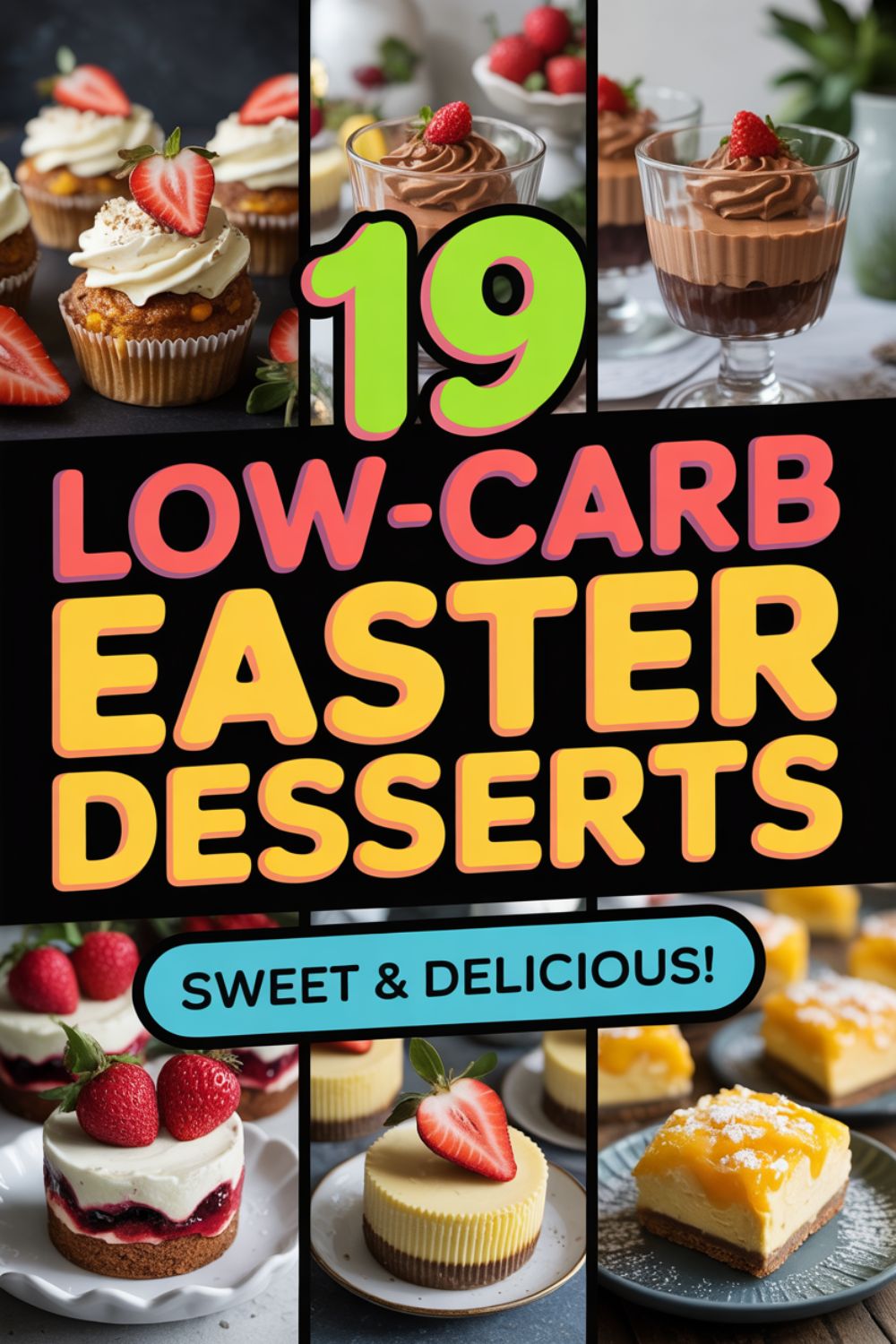
19 Low-Carb Easter Desserts That Won’t Derail Your Goals
Easter’s around the corner, and you know what that means—family gatherings, egg hunts, and enough sugar to send your blood glucose into orbit. But here’s the thing: you don’t have to skip dessert just because you’re watching your carbs. I’ve been making low-carb Easter treats for years now, and honestly? Most people can’t tell the difference between my sugar-free creations and the traditional stuff.
Whether you’re strictly keto, casually cutting carbs, or just trying not to feel like garbage after Easter dinner, these 19 desserts have you covered. We’re talking everything from chocolate truffles to lemon bars to those little coconut nests that look ridiculously cute on your holiday table. And the best part? You won’t need a chemistry degree or some obscure ingredient from that one health food store three towns over.
I’m not here to lecture you about nutrition or pretend that dessert is somehow a superfood. These are treats—they’re meant to taste good and make your holiday feel special. They just happen to be low in carbs and won’t leave you in a sugar coma by 3 PM.
Why Low-Carb Desserts Actually Work for Easter
Look, I get it. Easter desserts are supposed to be indulgent. But indulgent doesn’t have to mean loading up on refined sugar and feeling terrible afterward. Low-carb desserts use smart ingredient swaps that keep your blood sugar steady while still delivering that sweet satisfaction you’re after.
The secret? Ingredients like almond flour, erythritol, and stevia that mimic traditional baking without the carb bomb. Almond flour gives you that tender crumb you’d get from white flour but with more protein and healthy fats. Natural sweeteners like stevia and monk fruit deliver sweetness without spiking your blood sugar—something that’s particularly helpful if you’re managing diabetes or just want to avoid that post-dessert crash.
I’ve tested these swaps in everything from cheesecakes to cookies, and honestly, the texture and flavor are spot-on. The only people who notice are the ones you tell. And hey, if you’re worried about that slightly different aftertaste some sweeteners have, just add a bit of vanilla extract or lemon zest. Problem solved.
The Sweet Science: Understanding Sugar Alternatives
Before we get into the recipes, let’s talk sweeteners for a second. Not all sugar substitutes are created equal, and knowing which one to use can make or break your dessert.
Erythritol is my go-to for most baking. It measures cup-for-cup like sugar and doesn’t have that weird cooling effect you get with some sugar alcohols. According to Mayo Clinic research on sugar substitutes, erythritol doesn’t raise blood sugar or insulin levels, making it ideal for people managing their glucose.
Stevia is another solid choice, especially if you’re looking for something completely calorie-free. Just remember it’s way sweeter than sugar—like 200 to 400 times sweeter—so you need way less. I usually use the powdered form because the liquid can make things too wet.
You’ll also see monk fruit sweetener in a lot of recipes. It’s got a clean, sweet taste without any bitterness, and it plays really well with chocolate. Just watch out for brands that mix it with erythritol or other fillers—check the label if you’re trying to avoid those.
What About Almond Flour vs. Coconut Flour?
Quick comparison because people always ask: almond flour is more neutral-tasting and gives you that cake-like texture everyone loves. Coconut flour is super absorbent and has a slight coconut flavor (surprise!), so you need way less of it. I usually stick with almond flour for Easter desserts because it’s more versatile and doesn’t compete with other flavors.
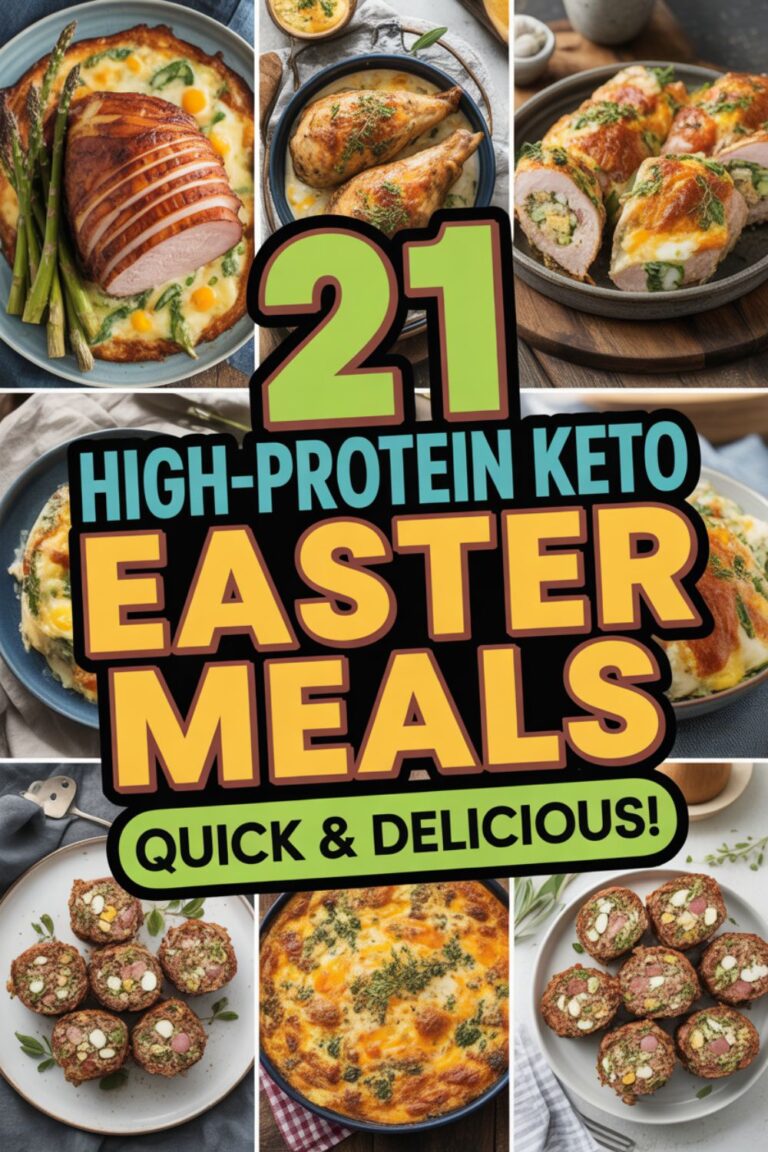
When you’re putting together your Easter spread, you might want to check out these low-carb high-protein meals to balance out all the sweet stuff. Trust me, your body will thank you.
Meal Prep Essentials Used in This Plan
Okay, so you’re ready to make some low-carb Easter magic happen. Here’s the stuff I keep stocked in my kitchen because it makes everything infinitely easier:
Physical Products:
- Premium almond flour (blanched, super-fine) – This makes such a difference in texture. The cheap stuff can be grainy and ruin your desserts.
- Silicone baking mats – I use these for literally everything. No sticking, easy cleanup, and they last forever. Skip the parchment paper struggle.
- Mini cheesecake pan with removable bottoms – Perfect for portion-controlled desserts that look fancy but take minimal effort.
Digital Products & Resources:
- Low-Carb Baking Conversion Guide – Downloadable chart that shows you exactly how to swap ingredients in any recipe
- Easter Dessert Meal Prep Printables – Shopping lists, prep schedules, and recipe cards all in one place
- Macro Calculator for Desserts – Figure out exactly what you’re eating without pulling out a calculator every time
19 Low-Carb Easter Desserts You’ll Actually Make
1. No-Bake Chocolate Coconut Nests
These little nests are ridiculously easy and look adorable on your Easter table. You just melt some sugar-free dark chocolate, mix in unsweetened coconut flakes, form them into nests with a spoon, and fill them with sugar-free jelly beans or those stevia-sweetened chocolate eggs. Kids love them, adults love them, and they take about 15 minutes to make.
The trick is using 85% dark chocolate or higher—it’s naturally lower in sugar and has that rich, intense chocolate flavor that doesn’t need a ton of sweetener. If you want to get fancy, add a drop of peppermint extract or orange zest to the melted chocolate.
2. Lemon Cheesecake Bars
If you’re into tangy desserts, these are non-negotiable. The crust is made with almond flour and butter (classic combo), and the filling is cream cheese, eggs, lemon juice, and your sweetener of choice. Bake them in a 9×13 baking dish, let them chill, and cut them into squares.
I like to top mine with a thin layer of sugar-free lemon curd, but that’s optional if you want to keep things simple. They’re creamy, zesty, and have that perfect balance of sweet and tart that makes you want another piece. Get Full Recipe.
3. Keto Carrot Cake Muffins
Carrot cake is practically mandatory for Easter, right? These muffins give you all that spiced, moist deliciousness without the sugar crash. You’ll use grated carrots (duh), almond flour, eggs, coconut oil, and warm spices like cinnamon and nutmeg. Top them with cream cheese frosting made with powdered erythritol and vanilla.
Real talk: these taste even better the next day when all the flavors have melded together. Make them ahead and thank yourself later.
4. Coconut Macaroons (Naturally Low-Carb)
Coconut macaroons are already pretty low-carb, which makes them perfect for this list. You just need egg whites, unsweetened shredded coconut, vanilla extract, and your sweetener. Whip the egg whites until they’re fluffy, fold in everything else, scoop onto a baking sheet, and bake until they’re golden.
Want to make them extra? Dip the bottoms in melted sugar-free chocolate and let them set. Suddenly you’ve got a dessert that looks like it came from a fancy bakery.
5. Peanut Butter Chocolate Eggs
These taste exactly like those peanut butter cups you’d get at the store, except they’re shaped like eggs and way better for you. Mix natural peanut butter with powdered sweetener, form them into egg shapes, freeze them for a bit, then dip them in melted sugar-free chocolate.
The freezing step is key—it makes them way easier to dip without falling apart. Plus, they’re no-bake, which means less cleanup and more time to actually enjoy Easter.
If you’re looking for more ways to incorporate protein into your diet without all the carbs, these high-protein meal prep recipes are clutch for the week after Easter when you’re trying to get back on track.
6. Strawberry Shortcake Skewers
These are so pretty and so easy. You make mini almond flour biscuits, thread them on skewers with fresh strawberries, and top with whipped cream (the real stuff, not that canned nonsense). They’re portion-controlled, Instagram-worthy, and taste like spring.
Pro tip: brush the biscuits with a tiny bit of melted butter right when they come out of the oven. It gives them that golden, slightly sweet exterior that makes them irresistible.
7. Chocolate Avocado Mousse
Before you make that face—no, you can’t taste the avocado. This mousse is rich, creamy, and completely decadent. You blend ripe avocados with cocoa powder, a splash of vanilla, some sweetener, and a pinch of salt. That’s it. The avocado gives you that silky texture without any cream or eggs.
Chill it for an hour, top it with some sugar-free whipped cream, and watch people try to guess the secret ingredient. They never do.
8. Mini Berry Tarts
If you’ve got a mini tart pan, these are a game-changer. Press almond flour crust into the cups, blind bake them, then fill with a mixture of cream cheese and heavy cream that’s been sweetened and flavored with vanilla. Top with fresh berries right before serving.
The best part? You can make the crusts and filling a day ahead, then just assemble them when you’re ready. It’s one of those desserts that looks way harder than it actually is.
9. Keto Lemon Poppy Seed Cake
This cake is bright, citrusy, and has that perfect crumb that makes you forget you’re eating low-carb. Use almond flour, eggs, lemon zest, lemon juice, poppy seeds, and your sweetener. Bake it in a springform pan and glaze it with a mixture of powdered sweetener and lemon juice.
It’s light enough that you don’t feel weighed down after eating it, but still substantial enough to feel like a real dessert. Plus, the poppy seeds give it that little bit of texture and visual interest.
10. Chocolate Peanut Butter Cups
Basically Reese’s, but better. You’ll need a silicone mold for candy cups, sugar-free chocolate chips, and natural peanut butter mixed with a bit of coconut flour to thicken it up. Layer chocolate, peanut butter, more chocolate. Freeze. Eat. Marvel at how something this simple can taste this good.
You can also use almond butter or sunflower seed butter if peanuts aren’t your thing. The formula works with pretty much any nut or seed butter.
Speaking of keeping your meals balanced, these low-carb breakfasts that keep you full all morning will help you start Easter Sunday strong before all the dessert action begins. Or check out these low-carb comfort foods if you want to keep the whole Easter menu on theme.
11. Sugar-Free Lemon Curd Parfaits
Layer homemade sugar-free lemon curd with Greek yogurt or mascarpone, add some fresh berries, maybe crush up a couple almond flour cookies for texture. Done. These parfaits are elegant, refreshing, and you can make them in individual serving glasses so everyone gets their own.
The lemon curd is stupidly easy—egg yolks, lemon juice, butter, sweetener. Cook it until it thickens, strain it, chill it. It keeps for about a week in the fridge, so you can make it ahead without stress.
12. Almond Joy Fat Bombs
These are for when you want something sweet but also want to feel satiated. Mix coconut oil, almond butter, unsweetened coconut flakes, and sugar-free chocolate chips. Roll them into balls, freeze them, and you’ve got portable little treats that are perfect for satisfying cravings without overdoing it.
They’re called “fat bombs” in keto circles because they’re high in healthy fats, which keeps you full. But don’t let the name scare you—they’re basically just really good no-bake cookie balls.
13. Cream Cheese Danish Bites
You’ll use fathead dough (mozzarella, cream cheese, almond flour, egg) as the base, fill it with sweetened cream cheese, and top with a few fresh berries. Bake until golden and slightly puffed. They’re warm, gooey, and taste exactly like those cheese danishes you’d get at a bakery—just without all the carbs.
FYI, fathead dough is kind of a revelation if you haven’t tried it yet. It’s a versatile dough that works for everything from pizza to pastries.
14. Chocolate Chia Pudding Cups
Mix chia seeds with unsweetened almond milk, cocoa powder, vanilla, and sweetener. Let it sit in the fridge overnight. Top with whipped cream and some sugar-free chocolate shavings before serving.
Chia pudding has that tapioca-like texture that some people love and others find weird. If you’re in the latter camp, blend it smooth before chilling. Problem solved.
15. Pecan Sandies (Keto-Style)
These buttery, crumbly cookies are a classic, and the keto version is just as good. Use almond flour, butter, chopped pecans, vanilla, and your sweetener. Roll the dough into logs, chill, slice, and bake. They’re simple, nutty, and have that melt-in-your-mouth texture that makes them dangerous to have around.
A reader in our community tried these for her Easter dinner last year and said three of her guests asked for the recipe before dessert was even finished. That’s the kind of endorsement I live for.
16. No-Bake Cheesecake Bites
Cream cheese, heavy cream, vanilla, sweetener. Whip it all together, spoon it into mini cupcake liners, top with a berry, freeze until firm. These little bites are creamy, cold, and perfect for portion control when you want just a taste of something sweet.
You can also add different flavors—lemon zest, cocoa powder, almond extract—to make a variety. Set them out on a platter and let people pick their favorite.
17. Coconut Flour Brownies
Coconut flour is tricky to work with, but in brownies, it creates this dense, fudgy texture that’s almost impossible to replicate with other flours. Mix it with eggs, cocoa powder, coconut oil, sweetener, and maybe some sugar-free chocolate chips. Bake in a small 8×8 pan and cut into squares.
These brownies are rich, so a small piece goes a long way. Which is great for keeping portions reasonable without feeling deprived.
18. Raspberry White Chocolate Truffles
Melt sugar-free white chocolate, mix in some freeze-dried raspberries (crushed into powder), add a bit of cream, then chill the mixture until it’s firm enough to roll. Coat them in more raspberry powder or cocoa powder. They’re tart, sweet, and look super fancy even though they take like 20 minutes of active work.
If you can’t find sugar-free white chocolate, you can make your own with cocoa butter, powdered erythritol, and a bit of vanilla. It’s easier than it sounds.
19. Sugar-Free Jello Eggs
Okay, this one’s more fun than fancy, but kids (and adults) love them. You make sugar-free jello, pour it into plastic Easter eggs, and let it set. Crack them open and you’ve got jello eggs. You can even do layers of different colors if you’re feeling ambitious.
It’s a low-effort, high-impact dessert that adds some whimsy to your Easter table. Plus, it’s literally just jello, so the carb count is basically zero.
For even more low-carb inspiration beyond Easter, these low-carb desserts you won’t believe are sugar-free are perfect for any occasion when you need something sweet without the guilt.
Tools & Resources That Make Cooking Easier
Let’s be honest—having the right tools makes everything faster and less frustrating. Here’s what I actually use (not just what looks good in photos):
Kitchen Essentials:
- Digital kitchen scale – Baking is chemistry, and measuring by weight is way more accurate than cups. Get one that switches between grams and ounces.
- Stand mixer or good hand mixer – You can mix by hand if you’re stubborn, but a mixer makes everything easier, especially when you’re whipping egg whites or cream cheese.
- Quality cooling racks – These aren’t just for cookies. Use them when you’re glazing desserts or letting cheesecakes cool evenly.
Digital Resources:
- Comprehensive Low-Carb Easter Planning Guide – Step-by-step timelines, shopping lists, and prep schedules so you’re not scrambling on Easter morning
- Sweetener Conversion Calculator – Stop guessing! This tells you exactly how much stevia equals how much erythritol equals how much sugar.
- Private WhatsApp Community for Low-Carb Bakers – Join a group of people who actually get it. Share wins, troubleshoot fails, swap recipes.
Making It Work: Tips From Someone Who’s Been There
Real talk: your first low-carb Easter dessert might not be perfect. Mine sure wasn’t. I once made almond flour brownies that had the texture of drywall. But you learn, you adjust, and eventually you figure out what works.
Start with recipes that have been tested by actual humans, not just churned out by food bloggers trying to game SEO (ironic, I know). Look for comments or reviews that talk about texture, taste, and whether the recipe actually worked. That’ll save you from wasting ingredients on something that’s destined to fail.
Don’t be afraid to experiment once you’ve got the basics down. If a recipe calls for erythritol but you prefer monk fruit, try it. Worst case, it doesn’t work and you know for next time. Best case, you’ve found your new go-to combination.
Prep ahead whenever possible. Most of these desserts can be made a day or two in advance, which means less stress on Easter and more time to actually enjoy the holiday. Crusts, curds, and no-bake desserts are all great candidates for advance prep.
IMO, the biggest mistake people make with low-carb baking is trying to replicate traditional desserts exactly. You’re using different ingredients—they’re going to taste slightly different. And that’s okay. Embrace the difference instead of fighting it. Once you stop comparing everything to the full-sugar version, you’ll start appreciating these desserts for what they are: delicious, satisfying, and way better for keeping your energy stable.
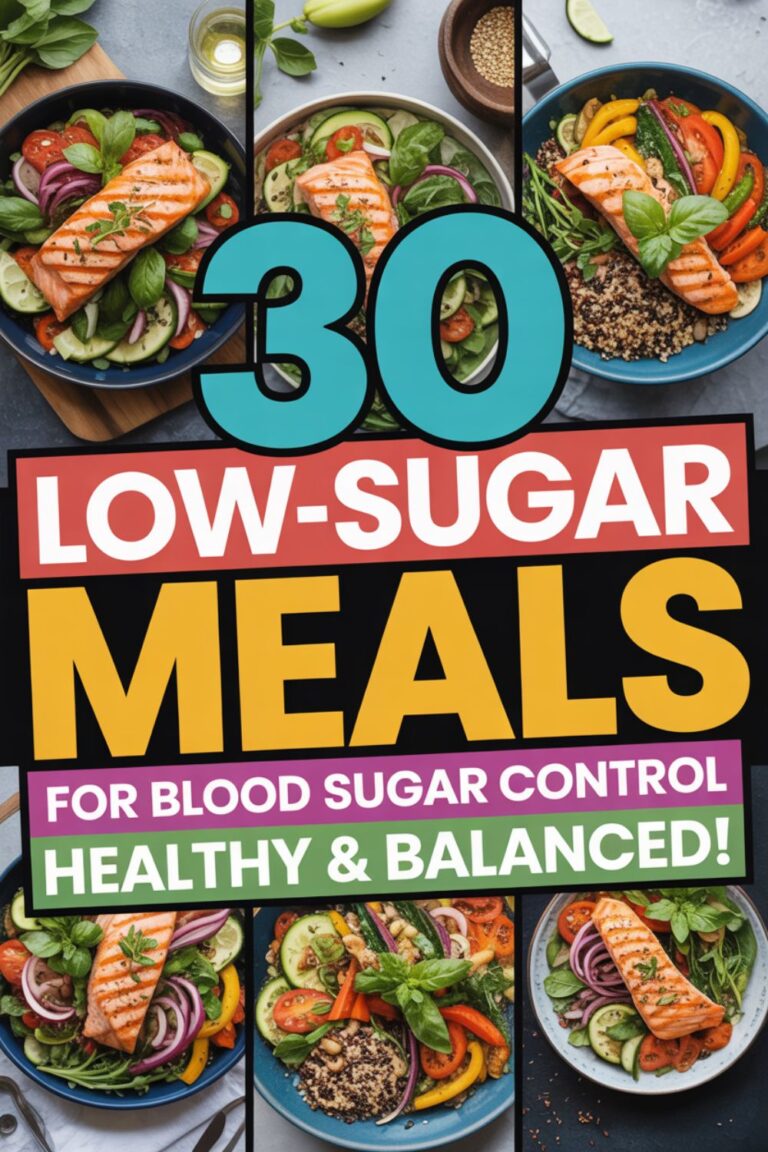
For more healthy meal ideas that complement your low-carb lifestyle, check out these gut-healthy meals for busy weeks or explore this 30-day blood sugar balance plan to keep your health goals on track beyond the holiday.
Common Pitfalls and How to Avoid Them
Let’s talk about what can go wrong, because it absolutely can go wrong. But knowing ahead of time means you can sidestep the disasters.
Mistake #1: Over-baking. Low-carb desserts, especially those made with almond flour, dry out faster than traditional baked goods. Set a timer for five minutes less than the recipe calls for, then check. You can always bake longer, but you can’t un-bake something that’s turned into a hockey puck.
Mistake #2: Skipping the chill time. When a recipe says “refrigerate for at least 2 hours,” it means it. No-bake desserts need time to set properly. If you cut corners, you end up with a gooey mess instead of clean slices.
Mistake #3: Using old baking powder or baking soda. These lose their potency over time, and if they’re expired, your desserts won’t rise properly. Do the quick test: add a pinch to some vinegar or hot water. If it doesn’t bubble immediately, toss it and buy fresh.
Mistake #4: Not reading ingredient labels. Some brands of almond flour or sweetener have additives or fillers that can affect your results. Stick with simple, pure ingredients when you can.
You Might Also Love
If you’re digging the low-carb Easter vibe, here are some other recipes that fit perfectly into your healthier holiday menu:
More Sweet Options:
- Low-carb snacks to beat hunger pangs – Perfect for the afternoon between brunch and dinner
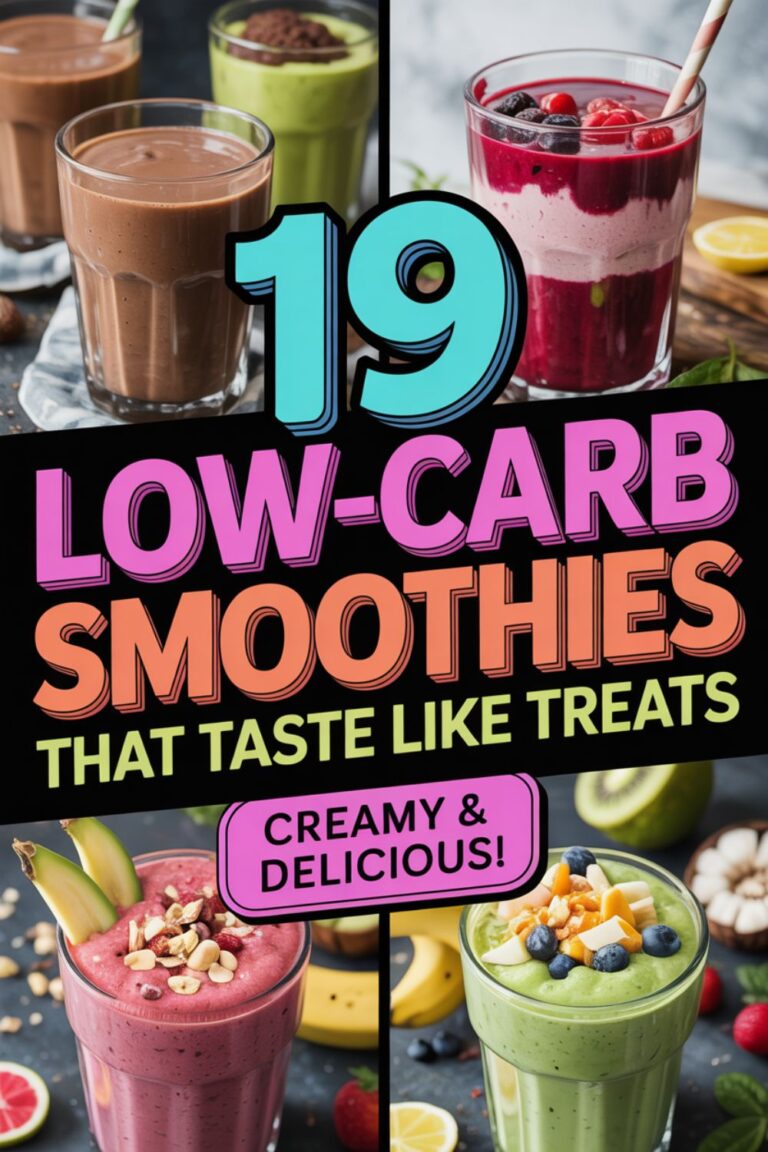
- Low-carb smoothies that taste like treats – Great for Easter morning before the big meal
- Low-carb vegetarian recipes – Because not everyone wants ham for Easter
Complete Meal Plans:
- 21-day anti-inflammatory meal plan for beginners – Get back on track after the holiday
- 14-day low-sugar meal plan for balanced energy – Perfect for post-Easter recovery
- 30-day flat belly meal plan – If Easter makes you feel like you need a reset
Frequently Asked Questions
Can I make these desserts ahead of time?
Absolutely. Most of these desserts actually taste better when made a day ahead because the flavors have time to develop. No-bake desserts, cheesecakes, and anything with a crust benefit from advance preparation. Just store them in airtight containers in the fridge. The only exceptions are desserts with whipped cream toppings—add those fresh right before serving so they don’t deflate or get watery.
What if my family isn’t low-carb? Will they even like these desserts?
Here’s the thing: if you make something that tastes good, people don’t care what diet it fits. I’ve served these desserts to people who eat sugar without a second thought, and they genuinely enjoyed them. The key is not making a big deal about it being “low-carb” or “sugar-free.” Just put out good food and let it speak for itself. Most people won’t even notice the difference unless the texture is way off or there’s a strong artificial sweetener aftertaste—both of which are avoidable with good recipes and quality ingredients.
Are these desserts actually healthy, or just lower in carbs?
Let’s be real: dessert is dessert. These recipes are lower in carbs and sugar, which can help with blood sugar management and reducing overall calorie intake. But they’re still treats that contain fats, calories, and sweeteners. They’re healthier than traditional high-sugar desserts in the sense that they won’t spike your blood glucose and they often include more nutrient-dense ingredients like almond flour (which has protein and healthy fats) instead of refined white flour. But don’t convince yourself that eating half a pan of keto brownies is a health food move. Portion control still matters.
What’s the best sweetener for baking low-carb desserts?
It really depends on what you’re making and your personal preference. Erythritol is probably the most versatile—it measures like sugar and doesn’t have a strong aftertaste. Monk fruit sweetener is clean-tasting and works well in chocolate desserts. Stevia is great if you’re okay with using less of it and measuring carefully since it’s so much sweeter than sugar. Some people mix sweeteners to balance out any aftertaste and get closer to the flavor of real sugar. Start with what’s recommended in the recipe, then adjust based on your own taste.
Can I substitute coconut flour for almond flour in these recipes?
Not without adjusting the rest of the recipe. Coconut flour is way more absorbent than almond flour, so if you just swap them 1:1, you’ll end up with dry, crumbly disasters. As a general rule, you need about ¼ to ⅓ cup of coconut flour for every cup of almond flour, and you’ll also need to add more liquid and eggs to compensate. If you’re new to low-carb baking, stick with the flour the recipe calls for until you’re comfortable enough to experiment.
Wrapping It Up
Easter doesn’t have to be a carb-fest that leaves you feeling sluggish and bloated. These 19 low-carb desserts prove you can have your cake (or cheesecake, or chocolate eggs, or whatever) and eat it too—without derailing your health goals or settling for something that tastes like cardboard.
The secret is using smart ingredient swaps, planning ahead, and not overthinking it. Bake what sounds good, adjust recipes to your taste, and remember that not every dessert needs to be perfect. Sometimes the slightly cracked cheesecake tastes just as good as the Instagram-worthy one.
Try a few of these recipes this Easter. See what works for you, what your family actually eats, and what ends up becoming a new tradition. And if something doesn’t turn out, oh well—there are 18 other desserts on this list to try instead.
Happy Easter, and may your blood sugar stay as stable as your resolve to not eat the entire pan of brownies in one sitting.