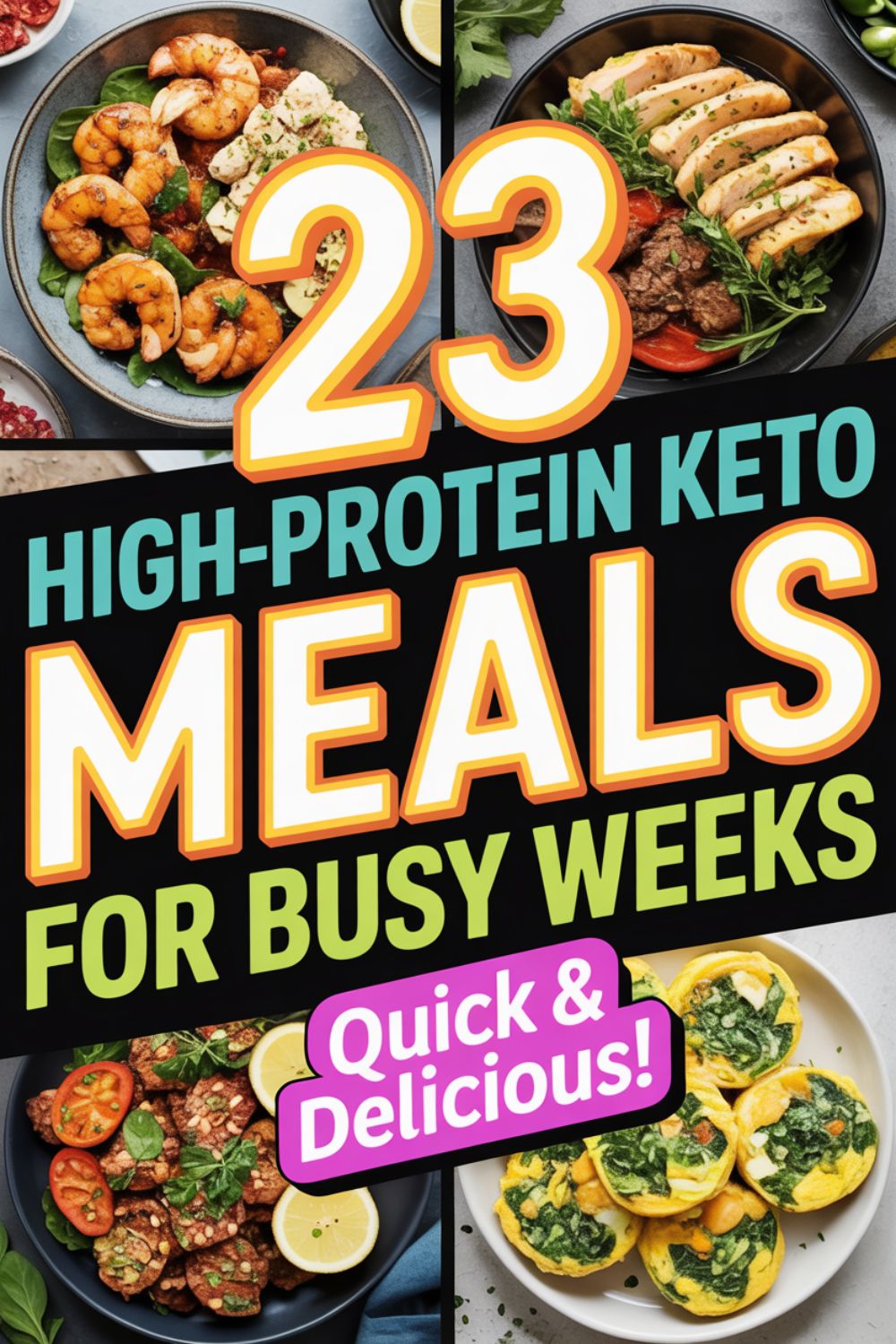
23 High-Protein Keto Meals for Busy Weeks
Look, I get it. You’re trying to stay keto, build some muscle, and somehow not spend your entire Sunday batch-cooking like you’re running a meal prep empire. The struggle is real when you need meals that are high in protein, low in carbs, and don’t require a culinary degree to pull off on a Tuesday night.
Here’s the thing about high-protein keto meals—they’re not just about hitting your macros. They’re about keeping you full, maintaining that hard-earned muscle, and making sure you’re not face-planting into a carb coma by 3 PM. And honestly? Most keto meal plans don’t give protein the spotlight it deserves.
I’ve pulled together 23 meals that actually work for busy weeks. No unicorn ingredients. No recipes that take longer than your commute. Just solid, protein-packed keto meals that’ll keep you satisfied and on track.
Why High-Protein Keto Actually Makes Sense
Let’s clear something up right away—you’ve probably heard that too much protein will kick you out of ketosis. That’s mostly fear-mongering. Research shows that protein intake between 1.2 to 2.0 grams per kilogram of body weight works perfectly fine for most people on keto, and it’s actually essential for maintaining muscle mass while you’re in a caloric deficit.
Your body needs protein for way more than just muscles. We’re talking about hormone production, enzyme creation, healthy skin, hair, and nails. When you combine adequate protein with a ketogenic approach, you’re basically giving your body the best of both worlds—fat-burning mode with muscle preservation.
The sweet spot? Most experts recommend somewhere around 1.5 to 1.75 grams of protein per kilogram of your reference body weight. That’s enough to keep your muscles happy without overdoing it. And before you ask—no, gluconeogenesis (your body converting protein to glucose) isn’t going to sabotage your ketosis unless you’re eating absolutely insane amounts of protein.
The Reality of Meal Prepping on Keto
Can we be honest for a second? Meal prep doesn’t have to mean spending four hours on Sunday cooking everything in sight. That’s burnout waiting to happen. Instead, think about prepping components rather than complete meals.
Cook a big batch of protein—grilled chicken thighs, ground beef, hard-boiled eggs, whatever. Roast some low-carb vegetables. Make a solid fat-based sauce or two. Then you can mix and match throughout the week without eating the exact same thing every day. Way less boring, way more sustainable.
Pro Tip
Cook your proteins on sheet pans at 400°F. Chicken thighs, salmon, and even ground beef formed into mini meatloaves all cook in about 25-30 minutes, and you can do multiple trays at once. Thank me later.
The other hack? Use a programmable Instant Pot for tough cuts of meat. Throw in a chuck roast with some broth and spices before work, come home to shredded beef that’s fall-apart tender. Zero babysitting required.
Breakfast Solutions That Actually Fill You Up
Breakfast on high-protein keto doesn’t mean eating plain eggs every morning until you lose your mind. Although eggs are clutch—each one packs about 6 grams of protein and basically zero carbs. The trick is varying how you cook them.
Try making a big frittata loaded with sausage, cheese, and spinach on Sunday. Cut it into squares, refrigerate, and you’ve got grab-and-go breakfasts all week. Or do a protein-forward chia pudding with some collagen peptides stirred in—adds another 10 grams of protein without changing the taste.
My go-to move? Breakfast bowls. Scrambled eggs, ground breakfast sausage, avocado, and a handful of arugula. Takes 10 minutes, keeps you full until lunch, and you can prep the sausage ahead of time. If you want more morning inspiration, check out these high-protein anti-inflammatory breakfasts that’ll seriously upgrade your morning routine.
23 High-Protein Keto Meals for Your Weekly Rotation
Alright, let’s get into the actual meals. These are organized by protein source to make your shopping easier. Each one is designed to hit at least 30 grams of protein while keeping carbs under 10 grams.
Chicken-Based Meals (Because It’s Reliable)
1. Sheet Pan Lemon Herb Chicken with Roasted Brussels Sprouts
Bone-in chicken thighs, lemon, fresh herbs, and Brussels sprouts all roasted together. The chicken fat renders into the vegetables, making everything taste better. Each serving hits about 35 grams of protein. Get Full Recipe
2. Chicken Thigh Curry with Coconut Cream
Heavy on the spices, rich from the coconut cream, and those dark meat chicken thighs bring serious flavor. About 32 grams of protein per serving and it reheats beautifully. Use a good quality curry paste to save time on prep.
3. Buffalo Chicken Lettuce Wraps
Shredded rotisserie chicken (yes, store-bought counts), buffalo sauce, blue cheese crumbles, and crispy romaine leaves. Quick assembly, high protein, and satisfies any wing cravings without the breading.
4. Chicken Fajita Bowl
Sliced chicken breast, sautéed peppers and onions, cauliflower rice, guacamole, and sour cream. All the fajita flavors without the tortillas. Around 38 grams of protein when you add extra chicken.
5. Greek Chicken with Cucumber Salad
Marinated chicken with oregano, lemon, and garlic, served over a crisp cucumber and tomato salad with feta. Light but filling, about 34 grams of protein per serving.
“I was skeptical about high-protein keto at first, but after following a plan like this for three months, I dropped 18 pounds and actually gained muscle definition. My energy levels are way more stable now.” – Rachel K., community member
Beef-Based Meals (For When You Need Something Hearty)
6. Bunless Bacon Cheeseburger
80/20 ground beef patty, crispy bacon, cheddar cheese, and all the fixings served in a lettuce wrap or over greens. Simple, satisfying, and packs about 40 grams of protein. I cook these on a cast iron griddle that fits over two burners—game changer for batch cooking.
7. Beef and Broccoli Stir-Fry
Flank steak sliced thin, plenty of broccoli, and a sauce made from coconut aminos instead of soy sauce. About 35 grams of protein and it comes together in 15 minutes flat.
8. Slow-Cooked Pot Roast
Chuck roast, low-carb vegetables, beef broth, and time. The ultimate set-it-and-forget-it meal. Shred the meat and you’ll have protein for days. Each serving delivers around 45 grams.
9. Korean Beef Lettuce Wraps
Ground beef with ginger, garlic, and a sugar-free Asian-inspired sauce, wrapped in butter lettuce. Quick, flavorful, and around 32 grams of protein per serving. For more Asian-inspired low-carb ideas, these easy low-carb meals have tons of variety.
10. Salisbury Steak with Mushroom Gravy
Ground beef formed into patties, pan-fried, and smothered in a rich mushroom and onion gravy made with heavy cream. Comfort food that’s completely keto-friendly at about 38 grams of protein.
Fish and Seafood Options (Don’t Sleep on These)
11. Pan-Seared Salmon with Asparagus
Crispy-skinned salmon cooked in butter with roasted asparagus on the side. Each salmon fillet gives you about 40 grams of protein and all those good omega-3s. Season with just salt, pepper, and lemon—don’t overthink it.
12. Cajun Shrimp Bowl
Spice-crusted shrimp over cauliflower rice with bell peppers and andouille sausage. The combo of shrimp and sausage pushes this to about 36 grams of protein. Cooks in under 20 minutes.
13. Tuna Salad Stuffed Avocados
Canned tuna mixed with mayo, mustard, celery, and herbs, served in avocado halves. Quick, no-cook, and surprisingly filling at about 30 grams of protein per serving.
14. Cod with Olive Tapenade
Baked cod topped with a salty olive and caper tapenade, served with roasted zucchini. Light but protein-dense at around 35 grams per fillet. The Mediterranean approach to keto emphasizes fish and healthy fats for good reason.
Quick Win
Buy frozen fish fillets individually wrapped. They thaw in cold water in about 15 minutes, and there’s zero waste. Way more practical than buying fresh fish that goes bad before you use it.
Pork-Based Meals (Underrated but Delicious)
15. Pork Tenderloin with Mustard Cream Sauce
Lean pork tenderloin stays juicy when you don’t overcook it (use a meat thermometer, seriously), and the mustard cream sauce adds richness without carbs. About 40 grams of protein per serving.
16. Italian Sausage with Peppers and Onions
Simple, classic, and the fat from the sausage keeps everything moist. Around 28 grams of protein, but add some mozzarella on top and you’re easily over 35 grams.
17. Crispy Pork Belly Bites
Yes, it’s mostly fat, but there’s still decent protein here. Cube pork belly, roast until crispy, and serve over greens with a tangy vinaigrette. About 25 grams of protein per serving, but the fat keeps you full for hours.
18. Pork Chops with Parmesan Crust
Boneless pork chops coated in parmesan and almond flour, then pan-fried. Crispy outside, juicy inside, around 38 grams of protein. These are solid for meal prep—they reheat better than you’d expect.
Egg-Based Meals (Never Boring, Always Reliable)
19. Spinach and Feta Frittata
Eight eggs, crumbled feta, sautéed spinach, and baked until set. Cut into wedges, and you’ve got breakfasts or lunches for days. About 18 grams of protein per slice—have two slices.
20. Shakshuka (Without the Pita)
Eggs poached in a spiced tomato sauce with peppers. The tomatoes add a few carbs but stay under 10 grams total. Each serving has about 20 grams of protein. Speaking of veggie-packed meals, these gut-healthy meals include some similar one-pan wonders.
21. Egg Roll in a Bowl
Ground pork, coleslaw mix, eggs scrambled in, and Asian seasonings. It tastes exactly like an egg roll without the wrapper. Around 30 grams of protein and ready in 20 minutes. Get Full Recipe
Mixed Protein Meals (When You Want Variety)
22. Cobb Salad with Extra Protein
Grilled chicken, hard-boiled eggs, bacon, avocado, blue cheese, and greens with a high-fat dressing. Layer everything in, and you’re looking at about 45 grams of protein per huge salad.
23. Keto Meatza
A pizza crust made entirely from seasoned ground beef, topped with low-carb marinara, mozzarella, and your choice of toppings. It sounds weird but tastes amazing. About 42 grams of protein per serving. Bake it on a perforated pizza pan so the fat drains and the bottom gets crispy.
Meal Prep Essentials Used in This Plan
Look, I’m not going to tell you that you need a thousand gadgets to make keto work. But there are a few things that genuinely make the process easier. These are the tools and resources I actually use and recommend to people just starting out or trying to stay consistent.
Physical Products That Actually Help:
- Glass Meal Prep Containers (Set of 10) – Microwave-safe, dishwasher-safe, and they don’t hold smells like plastic. Get the ones with dividers if you like keeping foods separate.
- Digital Food Scale – Portion control is huge on keto. You don’t need to weigh everything forever, but it helps you learn what proper serving sizes actually look like.
- Silicone Baking Mats – Nothing sticks to these. Use them for roasting vegetables, baking protein, whatever. They save cleanup time and your pans.
Digital Resources Worth Having:
- 14-Day High-Protein Meal Plan for Fat Loss – If you want a structured plan with macros already calculated, this one’s solid. Check out the full plan here.
- 21-Day High-Protein Meal Plan for Lean Muscle – More focused on building muscle while staying keto. Great if you’re lifting weights regularly. See the complete guide.
- 30-Day High-Protein Meal Plan for Weight Loss – The full month version with shopping lists and everything mapped out. Get started here.
Making It Actually Work in Real Life
Here’s where most people mess up—they treat keto like an all-or-nothing thing. One slice of pizza and suddenly they think they’ve ruined everything. That’s not how bodies work. If you eat 90% keto and high-protein most of the time, your body will stay adapted even if you have an off meal here and there.
The key is having systems that don’t require willpower. Keep easy proteins around—rotisserie chicken, hard-boiled eggs, canned fish, pre-cooked sausages. When you’re hungry and tired, you’ll reach for what’s convenient. Make sure the convenient thing is also the right thing.
Batch-cook proteins on whatever day works for you. It doesn’t have to be Sunday. Some people do Wednesday night because their weekends are busy. Just pick a day, cook a bunch of protein, and you’re set. Vegetables you can prep as needed—they don’t take as long and they stay fresher anyway.
The Protein-Fat-Carb Balance
Standard keto is usually 70-75% fat, 20-25% protein, and 5-10% carbs. High-protein keto tweaks that to more like 60-65% fat, 30-35% protein, and still 5-10% carbs. It’s not a huge shift, but it makes a difference in how full you stay and how well you maintain muscle.
You’ll still be in ketosis because you’re keeping carbs low. The extra protein just gives your body more building blocks without kicking you out of fat-burning mode. Research supports that moderate protein intake of 30-35% works well within a ketogenic framework for most people.
If you’re worried about overdoing protein, track your food for a week. Most people actually under-eat protein, especially women. You’d be surprised how much you can eat and still stay in ketosis. For more balanced meal ideas, check out this 30-day blood sugar balance plan that incorporates similar principles.
Pro Tip
If you’re doing any kind of resistance training, aim for the higher end of the protein range (around 2.0g per kg of body weight). Your muscles need that extra protein to recover and grow, and it won’t interfere with ketosis.
Tools and Resources That Make Cooking Easier
Kitchen Tools Worth the Investment
Some kitchen tools just make life easier. These aren’t fancy or expensive, but they’ll save you time and make meal prep less annoying.
Practical Kitchen Gear:
- Quality Chef’s Knife – A sharp knife makes prep work faster and safer. You don’t need a $300 knife, just something decent that you keep sharp.
- Sheet Pan Set (Half-Size) – Perfect for roasting proteins and vegetables. Get at least two so you can cook different foods simultaneously without flavors mixing.
- Immersion Blender – For making smooth sauces, soups, and dressings right in the pot. Way easier to clean than a regular blender.
Helpful Digital Resources:
- High-Protein Meal Prep Recipes Collection – 30 recipes specifically designed for batch cooking and reheating. Browse the full collection.
- Low-Carb High-Protein Meals Guide – 25 dinners under 10g carbs and over 30g protein each. See all the recipes.
- Anti-Inflammatory Dinner Plan – 14 days of dinners that combine high protein with anti-inflammatory ingredients. Check out the plan.
If you want to connect with others following similar approaches, we’ve got a WhatsApp community where people share their meal prep wins, recipe swaps, and ask questions. It’s free to join and honestly pretty helpful when you need quick answers or motivation.
Common Mistakes to Actually Avoid
Let’s talk about what trips people up, because I see the same mistakes over and over again.
Not Eating Enough Protein
This is the big one. People get so focused on eating fat that they forget about protein. Then they lose muscle, their metabolism slows down, and they plateau. Eat your protein first at every meal, then add fat to taste. Not the other way around.
Forgetting About Electrolytes
Keto flushes out water and electrolytes, especially in the first few weeks. If you’re feeling sluggish, getting headaches, or having muscle cramps, you probably need more sodium, potassium, and magnesium. Salt your food liberally, eat potassium-rich foods like avocado and spinach, and consider a quality electrolyte supplement without added sugars.
Making Everything Complicated
You don’t need to make keto bread, pizza, pancakes, and desserts all the time. Those recipes are fine occasionally, but they take time and often use expensive ingredients. Most of the time, just eat real food—protein, vegetables, healthy fats. It’s simpler, cheaper, and honestly more satisfying.
Looking for straightforward dinner ideas that don’t require a bunch of specialty ingredients? These low-carb dinners are exactly what you need.
Not Planning Ahead at All
You don’t need to meal prep everything, but you do need a general plan. Know what protein you’re eating this week. Have some low-carb vegetables washed and ready. Keep emergency proteins stocked—canned fish, rotisserie chicken, pre-cooked sausages. When you’re starving and unprepared, that’s when you make poor choices.
“The biggest game-changer for me was prepping just my proteins on Sunday. I can throw together any meal in 10 minutes when I’ve got cooked chicken, ground beef, or hard-boiled eggs ready to go. Lost 22 pounds in four months without feeling deprived.” – Marcus T., community member
Adjusting for Your Activity Level
Not everyone needs the same amount of protein. If you’re mostly sedentary, stick toward the lower end—around 1.2 to 1.5 grams per kilogram. If you’re lifting weights three times a week or doing intense exercise regularly, bump it up to 1.8 to 2.0 grams per kilogram.
Your body will tell you if you’re not eating enough protein. Constant hunger, losing strength in the gym, hair thinning, slow recovery from workouts—these are all signs you might need more. Track your intake for a week and see where you actually land. Most people are way lower than they think.
For athletes or very active people, consider timing some of your protein around your workouts. Have a protein-rich meal within a couple hours after training to help with recovery. Nothing fancy required—just hit your numbers. If you’re looking for more performance-focused meal ideas, check out this hormone balancing meal plan that considers both nutrition timing and macro distribution.
Dealing with Social Situations
FYI, eating high-protein keto at restaurants is actually pretty easy. Most places have some kind of meat or fish with vegetables. Just ask them to swap the potato or rice for extra vegetables or a side salad. Hold the bread basket, get a burger without the bun, order wings without breading. It’s not complicated.
At social gatherings, eat beforehand if you’re worried about options. Bring a keto-friendly dish to share—nobody needs to know it’s “diet food.” Things like deviled eggs, meat and cheese platters, or vegetable trays with high-fat dips fit right in.
And here’s an unpopular opinion—you don’t have to explain your diet to anyone. Just eat what works for you and move on. The people who care about your food choices more than you do have their own issues to deal with.
Frequently Asked Questions
Will eating more protein kick me out of ketosis?
Not unless you’re eating extreme amounts. Most people can handle 30-35% of calories from protein and stay in ketosis just fine. The fear around protein kicking you out of ketosis is overblown. Your body converts protein to glucose through gluconeogenesis, but it’s a demand-driven process, not a supply-driven one. Stick to the recommended 1.2-2.0 grams per kilogram of body weight and you’ll be fine.
How do I know if I’m eating enough protein?
Track your food for a few days using an app like Cronometer or MyFitnessPal. Aim for at least 0.8 grams per pound of your goal body weight (or 1.5-2.0 grams per kilogram). If you’re constantly hungry, losing strength in workouts, or noticing hair thinning, you might need more protein. Most people under-eat protein, especially on keto.
Can I do high-protein keto if I’m vegetarian?
It’s definitely harder but possible. Focus on eggs, full-fat dairy, protein powders, tempeh, and limited amounts of lower-carb legumes like edamame. You’ll need to be strategic about combining proteins to get complete amino acid profiles. Consider adding hemp seeds and nutritional yeast for extra protein and nutrients. Check out these high-protein vegetarian dinners for specific meal ideas that work.
What’s the best protein powder for keto?
Look for one with minimal ingredients, no added sugars, and low carbs. Whey protein isolate is solid if you handle dairy well. If not, egg white protein or beef protein isolate work great. Avoid anything with maltodextrin or dextrose as fillers—those add carbs. Plain, unflavored versions are usually your safest bet.
How long does meal-prepped protein stay good?
Cooked chicken, beef, and pork last about 3-4 days in the fridge, maybe 5 if stored properly in airtight containers. Fish is more like 2-3 days max. Hard-boiled eggs keep for a week. If you’re prepping for longer than that, freeze portions and thaw as needed. Label everything with dates so you remember what’s what. When in doubt, smell it—your nose knows.
Making It Stick
Look, high-protein keto isn’t some magic solution. It’s just a solid approach that works if you’re consistent with it. You’ll stay full longer than regular keto because protein is more satiating. You’ll maintain muscle better because you’re giving your body enough building blocks. And you’ll still get all the benefits of ketosis—stable energy, mental clarity, fat loss.
The meals I’ve shared aren’t revolutionary. They’re just practical, protein-forward options that fit into a busy life. Pick five or six that sound good, add them to your rotation, and see how you feel. You don’t need to cook all 23 this week.
Start simple. Cook some protein. Prep some vegetables. Have a plan for the next few days. That’s literally it. Everything else is just details. Stay consistent, track your protein intake for a while until you get a feel for it, and adjust based on how your body responds.
And remember—this is supposed to make your life easier, not harder. If a recipe is too complicated or requires ingredients you’ve never heard of, skip it. Stick with what works, what tastes good, and what you’ll actually cook again. That’s the whole game.