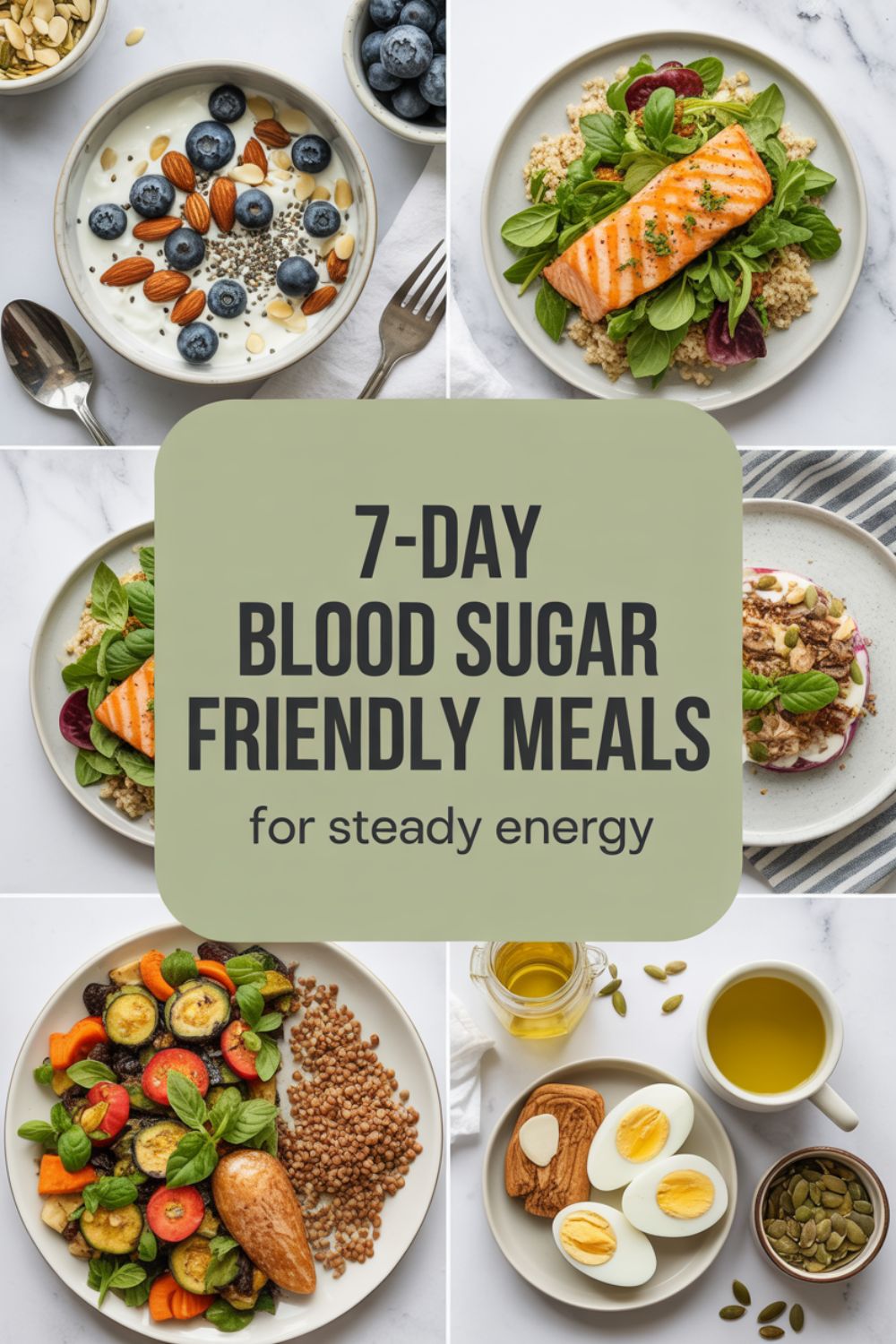
7-Day Blood Sugar Friendly Meals for Energy
You know that 3 p.m. slump when your brain feels like mush and the couch starts looking more appealing than your to-do list? Yeah, that’s probably your blood sugar throwing a tantrum. I used to think energy crashes were just part of being an adult, but turns out, what you eat has everything to do with whether you’re powering through your day or face-planting into your keyboard.
Here’s the thing about blood sugar—it’s not just a concern for people with diabetes. We all ride this glucose rollercoaster every single day, and the loops can be wild. When you eat something sugary or heavily processed, your blood sugar shoots up, you feel amazing for like twenty minutes, and then WHAM—you’re exhausted, cranky, and ransacking the pantry for more food. Sound familiar?
I’m not here to make you give up carbs or survive on celery sticks. This 7-day meal plan is about eating real food that keeps your energy steady without making you feel deprived. We’re talking meals that taste good, keep you full, and don’t require a culinary degree to pull off.
Why Blood Sugar Actually Matters for Your Energy
Let me break this down without getting too science-y. When you eat food, your body converts it into glucose (aka blood sugar), which is basically fuel for your cells. The hormone insulin helps shuttle that glucose from your bloodstream into your cells where it can be used for energy. Pretty straightforward, right?
The problem starts when you eat foods that spike your blood sugar too quickly. Your pancreas freaks out and releases a ton of insulin to deal with the sudden glucose flood. That insulin does its job a little too well, and your blood sugar plummets below where it started. Cue the fatigue, brain fog, and urgent need for more food.
Research from the Centers for Disease Control and Prevention shows that managing blood sugar through balanced meals can help maintain steady energy throughout the day. The key is eating meals that include protein, healthy fats, and fiber alongside your carbohydrates—this slows down digestion and prevents those dramatic spikes and crashes.
The American Diabetes Association recommends using strategies like the Diabetes Plate Method, which isn’t just for diabetics—it’s a simple way for anyone to portion meals for better blood sugar control.
The Building Blocks of Blood Sugar Friendly Meals
Before we jump into the actual meal plan, let’s talk about what makes a meal “blood sugar friendly.” It’s not about restriction or complicated rules—it’s about balance and choosing foods that work with your body instead of against it.
Protein Is Your Best Friend
Protein slows down digestion, which means the carbohydrates in your meal get absorbed more gradually. This prevents blood sugar spikes and keeps you feeling satisfied longer. Aim for about 20-30 grams of protein per meal. Think grilled chicken, fish, eggs, Greek yogurt, tofu, or legumes.
I use this digital food scale to make sure I’m hitting my protein targets without overthinking it. Game changer for meal prep.
Fiber: The Unsung Hero
Dietary fiber, especially the soluble kind, forms a gel-like substance in your digestive tract that slows sugar absorption. Foods high in fiber include vegetables, fruits (with the skin on), whole grains, beans, and lentils. The recommendation is at least 25-30 grams daily, but most people fall way short of that.
Adding fiber isn’t as hard as it sounds. Swap white rice for brown rice or quinoa, choose whole grain bread, toss some chia seeds into your morning smoothie, or bulk up meals with extra vegetables. Speaking of fiber-packed meals, you might want to check out some high-fiber breakfast ideas that’ll keep you full until lunch.
Healthy Fats for Sustained Energy
Don’t fear fat. Healthy fats from sources like avocados, nuts, seeds, olive oil, and fatty fish actually help stabilize blood sugar. They slow gastric emptying (fancy term for how fast food leaves your stomach), which means glucose enters your bloodstream more gradually.
Plus, fats make food taste better and keep you satisfied. I always keep a jar of almond butter in my pantry for quick snacks or to add richness to smoothies and oatmeal.
Smart Carbohydrate Choices
Carbs aren’t the enemy—they’re your body’s preferred energy source. The trick is choosing complex carbohydrates that digest slowly instead of simple sugars that hit your bloodstream like a freight train. Good options include whole grains, starchy vegetables like sweet potatoes, legumes, and fruits paired with protein or fat.
A study published in the journal Nutrients found that meals designed with appropriate macronutrient ratios significantly improved blood glucose management in people with type 2 diabetes. The researchers emphasized balancing carbohydrates with adequate protein and healthy fats.
If you’re looking for more carb-smart meal ideas, these balanced dinner recipes are solid options that won’t leave you feeling sluggish.
Your 7-Day Blood Sugar Friendly Meal Plan
Alright, let’s get into the actual meals. This plan is designed to be flexible—swap ingredients based on what you have or what you like. The important part is maintaining that balance of protein, fiber, healthy fats, and smart carbs.
Day 1: Starting Strong
Breakfast: Veggie-loaded omelet with spinach, tomatoes, and mushrooms, served with a slice of whole grain toast and half an avocado. The eggs provide high-quality protein while the vegetables add fiber and nutrients. Get Full Recipe for this protein-packed breakfast.
Lunch: Mediterranean chickpea salad with cucumber, cherry tomatoes, red onion, feta cheese, and a lemon-olive oil dressing over mixed greens. The chickpeas deliver both protein and fiber, making this surprisingly filling.
Dinner: Baked salmon with roasted Brussels sprouts and quinoa. Salmon’s omega-3 fatty acids have been shown to help regulate blood sugar, and quinoa is a complete protein that also provides complex carbs. I usually cook my salmon in this non-stick baking sheet because cleanup is literally a breeze.
Snack: Apple slices with almond butter. The fiber in the apple plus the healthy fats in the almond butter prevent a sugar spike from the fruit.
Day 2: Keeping the Momentum
Breakfast: Greek yogurt parfait with berries, a sprinkle of granola, and a tablespoon of chia seeds. Greek yogurt has twice the protein of regular yogurt, and the chia seeds add omega-3s and fiber.
Lunch: Turkey and avocado wrap using a whole wheat tortilla, with lettuce, tomato, and mustard. Add a side of carrot sticks with hummus.
Dinner: Stir-fried tofu with broccoli, bell peppers, snap peas, and brown rice in a ginger-garlic sauce. Get Full Recipe for this quick weeknight dinner.
Snack: A small handful of mixed nuts (about 1/4 cup). Nuts are incredibly nutrient-dense and provide lasting energy.
Day 3: Mixing It Up
Breakfast: Overnight oats made with rolled oats, milk (dairy or plant-based), chia seeds, cinnamon, and topped with sliced banana and walnuts. The oats provide slow-releasing energy thanks to their beta-glucan fiber content.
Lunch: Lentil soup with vegetables and a side salad. Lentils are a blood sugar superstar—high in both protein and fiber. Make a big batch at the beginning of the week and you’ve got easy lunches sorted.
Dinner: Grilled chicken breast with roasted sweet potato wedges and steamed green beans. Sweet potatoes have a lower glycemic index than white potatoes and are packed with vitamins.
Snack: Celery sticks with peanut butter or a couple of hard-boiled eggs.
For more protein-rich breakfast options that’ll keep you energized, these high-protein morning meals are worth checking out.
Day 4: Halfway There
Breakfast: Scrambled eggs with smoked salmon, cherry tomatoes, and a side of whole grain toast. This combo hits all the marks—protein, healthy fats, and complex carbs.
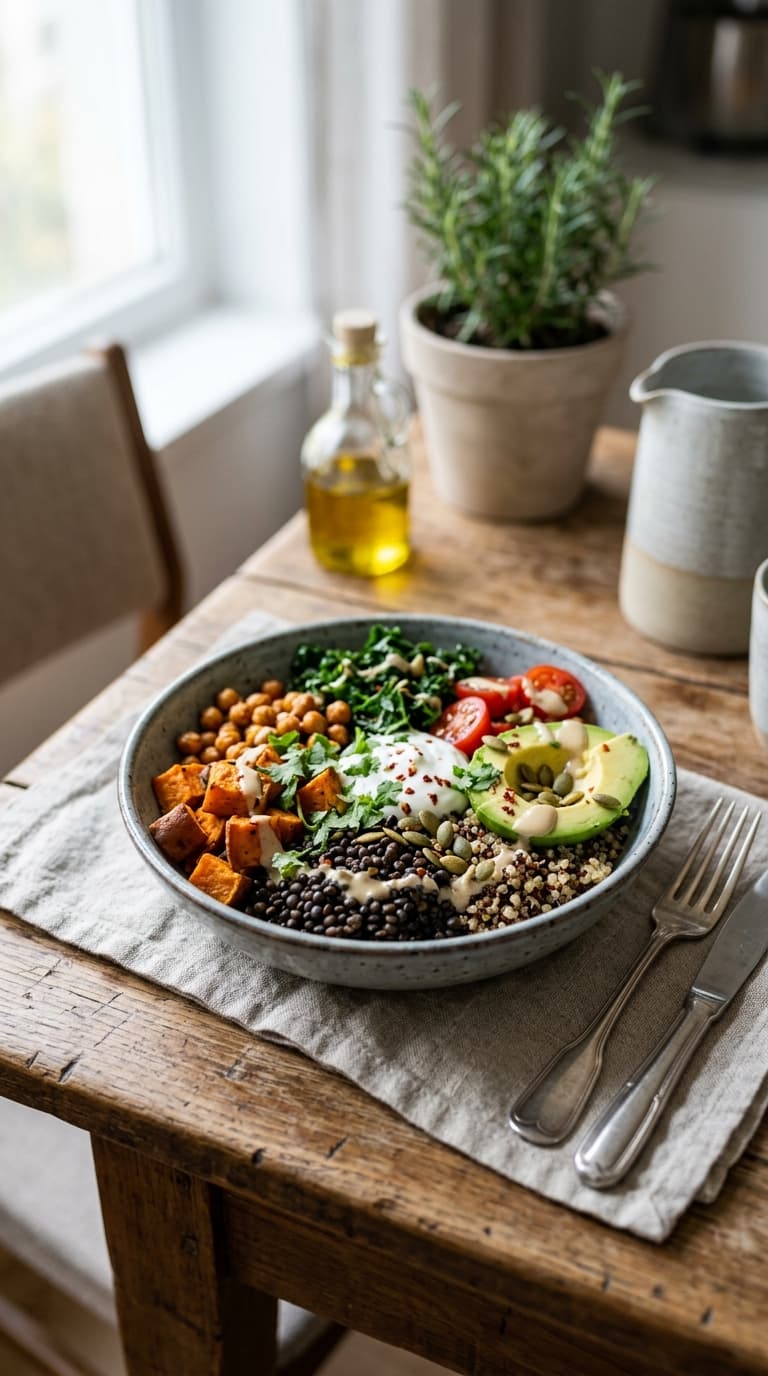
Lunch: Quinoa Buddha bowl with roasted chickpeas, kale, shredded carrots, avocado, and tahini dressing. Buddha bowls are my go-to when I need something that feels indulgent but is actually super nutritious.
Dinner: Turkey meatballs with zucchini noodles and marinara sauce. Using zucchini noodles instead of pasta cuts down on refined carbs while still giving you that comfort food vibe. Get Full Recipe.
Snack: A small container of cottage cheese with cucumber slices and everything bagel seasoning.
Day 5: Staying Consistent
Breakfast: Smoothie made with spinach, frozen berries, protein powder, flax seeds, and unsweetened almond milk. Blend until smooth and enjoy. I use this high-speed blender because it actually crushes ice and frozen fruit without leaving chunks.
Lunch: Tuna salad made with Greek yogurt instead of mayo, served over mixed greens with whole grain crackers. The Greek yogurt adds extra protein while cutting calories.
Dinner: Beef and vegetable stir-fry with cauliflower rice. Using cauliflower rice is an easy way to get more vegetables in while keeping carbs in check.
Snack: Sliced bell peppers with guacamole.
Day 6: Almost Done
Breakfast: Whole grain English muffin with mashed avocado, a poached egg, and everything bagel seasoning. Simple, satisfying, and takes less than 10 minutes.
Lunch: Black bean and vegetable burrito bowl with brown rice, salsa, Greek yogurt (instead of sour cream), lettuce, and cheese. Black beans are another legume that excels at blood sugar management.
Dinner: Baked cod with roasted asparagus and wild rice pilaf. White fish is lean and mild, making it perfect for people who aren’t huge fans of “fishy” fish.
Snack: A pear with a few cubes of sharp cheddar cheese. The sharpness of the cheese means you need less to feel satisfied.
Looking for more balanced bowl ideas? These nutrient-packed grain bowls are meal prep friendly and seriously delicious.
Day 7: Finishing Strong
Breakfast: Veggie frittata muffins (make ahead on Sunday) with a side of fresh fruit. These little egg muffins are clutch for busy mornings—just grab and go.
Lunch: Chicken Caesar salad with whole grain croutons and a lighter Caesar dressing. Use grilled chicken breast and go easy on the dressing to keep it blood sugar friendly.
Dinner: Slow cooker beef and vegetable stew with a small piece of crusty whole grain bread. There’s something incredibly comforting about coming home to a meal that’s already cooked. Get Full Recipe for the slow cooker version.
Snack: Roasted chickpeas seasoned with paprika and garlic powder.
Meal Prep Essentials Used in This Plan
These are the tools and ingredients that’ll make following this meal plan way easier. Think of them as investments in feeling better and having more energy.
Physical Products:
- Glass meal prep containers with locking lids – Microwavable, dishwasher safe, and they don’t stain like plastic. I have like twenty of these and use them constantly.
- Quality chef’s knife – Meal prep is so much faster when your knife actually cuts instead of smooshes vegetables. You don’t need anything fancy, just something sharp.
- Programmable slow cooker – Set it before work, come home to a fully cooked meal. Magic.
Digital Resources:
- 7-Day Grocery List Template – Printable shopping list organized by store section so you’re not wandering around aimlessly.
- Blood Sugar Tracking Journal – PDF download to help you notice patterns between what you eat and how you feel.
- Quick Swap Cheat Sheet – Handy guide for substituting ingredients based on what you have or your dietary preferences.
Want more support and meal ideas? Our WhatsApp community shares recipes, meal prep tips, and cheers each other on. It’s free to join and honestly pretty motivating.
Tips for Making This Plan Work in Real Life
Look, meal plans are great on paper, but life happens. You’re not going to follow this perfectly every single day, and that’s totally fine. The goal isn’t perfection—it’s progress.
Meal Prep Is Your Secret Weapon
I’m not gonna lie, meal prepping takes time upfront. But spending two hours on Sunday chopping vegetables, cooking grains, and grilling proteins means you’ll have components ready to throw together throughout the week. It’s the difference between making good choices and ordering takeout when you’re starving and tired.
Start small if the idea of meal prepping overwhelms you. Just prep your proteins for the week, or chop all your vegetables. Every little bit helps. For complete step-by-step guidance, these meal prep strategies for beginners are super helpful.
Make Strategic Substitutions
Don’t have quinoa? Use brown rice or farro. Not a fan of Brussels sprouts? Swap in broccoli or green beans. The specific foods matter less than the overall balance of macronutrients. As long as you’re including protein, fiber, healthy fats, and smart carbs in each meal, you’re on the right track.
The Mayo Clinic emphasizes that sustainable eating plans allow for flexibility and personal preferences, which actually makes people more likely to stick with them long-term.
Hydration Matters Too
Don’t overlook water. Dehydration can make your blood more concentrated, which means higher blood sugar levels. Plus, sometimes what feels like hunger is actually thirst. Aim for at least eight glasses a day, more if you’re active or it’s hot outside.
I keep a marked water bottle on my desk with time stamps to remind me to actually drink throughout the day. Sounds silly but it works.
Listen to Your Body
Pay attention to how different foods affect your energy. Maybe you do great with oatmeal for breakfast, or maybe it leaves you hungry an hour later. Some people feel amazing eating carbs at dinner, while others sleep better keeping evening meals lighter on carbs. There’s no one-size-fits-all approach.
If you want to get really nerdy about it, consider using a continuous glucose monitor for a couple weeks. They’re not just for diabetics anymore—lots of people use them to understand how their bodies respond to different foods and activities.
Tools & Resources That Make Cooking Easier
Here are some additional items that’ll upgrade your cooking game and make sticking with this meal plan more realistic.
Physical Products:
- Instant-read meat thermometer – No more cutting into chicken to see if it’s done. This thing takes the guesswork out of cooking proteins perfectly every time.
- Vegetable spiralizer – Makes zucchini noodles in like two minutes. Way easier than using a knife.
- Portion control meal prep bowls – These have built-in compartments so you can pack complete meals without everything getting mushy together.
Digital Resources:
- Macro Calculator Spreadsheet – Helps you figure out your ideal protein, fat, and carb targets based on your goals and activity level.
- Batch Cooking Guide – Step-by-step system for cooking multiple meals efficiently without spending your entire Sunday in the kitchen.
- Restaurant Eating Cheat Sheet – Because you’re still gonna eat out sometimes. This guide shows you how to make blood-sugar-friendly choices at popular restaurants.
Join our supportive WhatsApp group where we share wins, troubleshoot challenges, and swap favorite recipes. It’s way easier to stick with healthy habits when you’re not doing it alone.
What to Expect When You Start Eating This Way
Real talk: the first few days might feel weird. If you’re used to eating a lot of processed foods and simple carbs, your body needs time to adjust. You might experience some cravings, especially for sugar. Push through—it typically gets easier after three or four days.
Within a week or two, most people notice more consistent energy throughout the day. That 3 p.m. crash becomes less dramatic or disappears entirely. You might find you’re sleeping better because your blood sugar isn’t spiking and crashing overnight. Some people also notice they’re less irritable (aka “hangry”) between meals.
IMO, the biggest benefit is mental clarity. When your blood sugar is stable, your brain functions better. You can focus, make decisions, and actually get stuff done instead of feeling foggy all afternoon.
According to research published in Endotext, dietary interventions that emphasize balanced macronutrient intake can improve not just blood glucose levels but also overall metabolic health markers like cholesterol and triglycerides.
For more recipe inspiration that follows these principles, check out these energy-boosting meal ideas and these Mediterranean-inspired dishes that naturally support blood sugar balance.
Common Mistakes to Avoid
Even with the best intentions, it’s easy to trip up when you’re trying to eat for better blood sugar control. Here are the pitfalls I see most often.
Skipping Meals
When you skip meals, your blood sugar drops too low, and then when you finally eat, it spikes way higher than it should. This creates exactly the rollercoaster effect we’re trying to avoid. If you’re truly not hungry, at least have a small balanced snack to keep things steady.
Going Too Low on Carbs
Yes, carbs affect blood sugar more than protein or fat. But cutting them out completely usually backfires. You need carbs for energy, and restricting them too much can make you feel deprived, leading to eventual binges. The goal is smart carb choices, not carb elimination.
Not Eating Enough Protein
Protein is crucial for satiety and blood sugar stability. If your meals are mostly carbs and vegetables without adequate protein, you’ll be hungry again way too soon. Aim for at least 20-30 grams per meal—that’s about a palm-sized portion of meat, fish, or tofu, or a cup of Greek yogurt, or 3-4 eggs.
Drinking Your Calories
Fruit juice, soda, sweetened coffee drinks, and even some smoothies can spike blood sugar faster than solid food because there’s no fiber to slow absorption. Stick with water, unsweetened tea, or coffee with minimal added sweetener. If you want a smoothie, make sure it includes protein powder or Greek yogurt, plus healthy fats like nut butter or avocado.
Ignoring Portion Sizes
Even healthy foods can cause blood sugar issues if you eat too much of them. Yes, quinoa is nutritious, but a giant bowl of it is still a lot of carbohydrates. Use measuring cups or a food scale at first until you develop an intuitive sense of appropriate portions.
Beyond Diet: Other Factors That Affect Blood Sugar and Energy
Food is huge, but it’s not the only thing that influences your blood sugar and energy levels. Here are some other factors worth paying attention to.
Sleep Quality
Poor sleep screws with your hunger hormones and makes you crave simple carbs and sugar. One bad night can increase insulin resistance for up to 24 hours. Aim for 7-9 hours of quality sleep consistently. Your blood sugar will thank you.
Stress Management
When you’re stressed, your body releases cortisol, which raises blood sugar. Chronic stress means chronically elevated cortisol, which can lead to insulin resistance over time. Find stress management techniques that actually work for you—exercise, meditation, hobbies, whatever helps you decompress.
Physical Activity
Movement helps your cells use insulin more effectively. You don’t need to become a gym rat, but regular physical activity makes a real difference. Even a 15-minute walk after meals can significantly reduce blood sugar spikes. The American Diabetes Association notes that post-meal activity is particularly effective for blood glucose management.
Timing of Meals
Eating at roughly the same times each day helps regulate your body’s internal clock and can improve blood sugar control. Your body gets used to expecting food at certain times and responds more efficiently.
If you’re interested in the science behind meal timing, these circadian rhythm meal strategies explore how when you eat affects how your body processes food.
Frequently Asked Questions
Can I follow this meal plan if I don’t have blood sugar issues?
Absolutely. These principles benefit everyone, not just people with diabetes or prediabetes. Stable blood sugar means more consistent energy, better mood, improved focus, and easier weight management. Anyone can benefit from eating balanced meals with protein, fiber, healthy fats, and smart carbs.
How strict do I need to be with this plan?
Not very strict at all. Think of this as a template, not a rigid prescription. The main principles—balance protein, fiber, healthy fats, and complex carbs—matter more than specific foods. Swap ingredients based on what you like and what you have available. Life’s too short to eat foods you hate just because they’re “healthy.”
Will this help me lose weight?
It might, but that’s not really the goal here. When you eat for blood sugar stability, you naturally feel fuller and have fewer cravings, which often leads to consuming fewer calories without feeling deprived. Many people do lose weight, but the real win is feeling better and having more energy. Weight loss, if it happens, is more of a side effect than the main objective.
What if I’m vegetarian or vegan?
This plan works fine with plant-based modifications. Swap animal proteins for tofu, tempeh, legumes, or plant-based protein powder. Just pay extra attention to getting enough protein and vitamin B12 if you’re fully vegan. The blood sugar principles remain the same—balanced meals with protein, fiber, and healthy fats.
How long until I notice a difference in my energy?
Most people start feeling more consistent energy within 3-5 days, once their body adjusts to the new eating pattern. Some notice improvements right away, while for others it takes a couple weeks. Give it at least two weeks before deciding if it’s working for you. Keep a simple journal noting your energy levels throughout the day—it’ll help you notice patterns.
Final Thoughts
Here’s what I want you to take away from all this: you don’t have to eat perfectly to feel significantly better. Small, consistent changes in how you balance your meals can make a massive difference in your daily energy and overall how you feel.
Start wherever you are. Maybe that means just adding protein to your breakfast this week. Or prepping vegetables on Sunday so healthy lunches are easier. Or keeping nuts in your desk drawer for afternoon snacks instead of hitting the vending machine. Every positive change counts.
The 7-day meal plan I’ve laid out gives you a solid framework, but please adapt it to fit your life. Cooking should feel manageable, not like a part-time job. The “best” diet is the one you’ll actually stick with, and that means it needs to work within your schedule, budget, and taste preferences.
Pay attention to how you feel. Notice when your energy is good and when it tanks. Start connecting the dots between what you eat and how your body responds. That awareness is honestly more valuable than any specific meal plan.
And remember—slip-ups happen. You’re gonna have days where you eat gas station food or skip meals or stress-eat your way through a bag of chips. That’s fine. One meal or even one day doesn’t undo consistent efforts. Just get back on track with the next meal. No guilt, no drama, just keep going.
Blood sugar management isn’t about perfection. It’s about making choices most of the time that support how you want to feel. And if that means more energy, better focus, stable mood, and feeling genuinely good in your body? That’s absolutely worth the effort of meal planning and making decent food choices.
Now go make yourself something delicious and balanced. Your blood sugar (and your energy levels) will thank you.