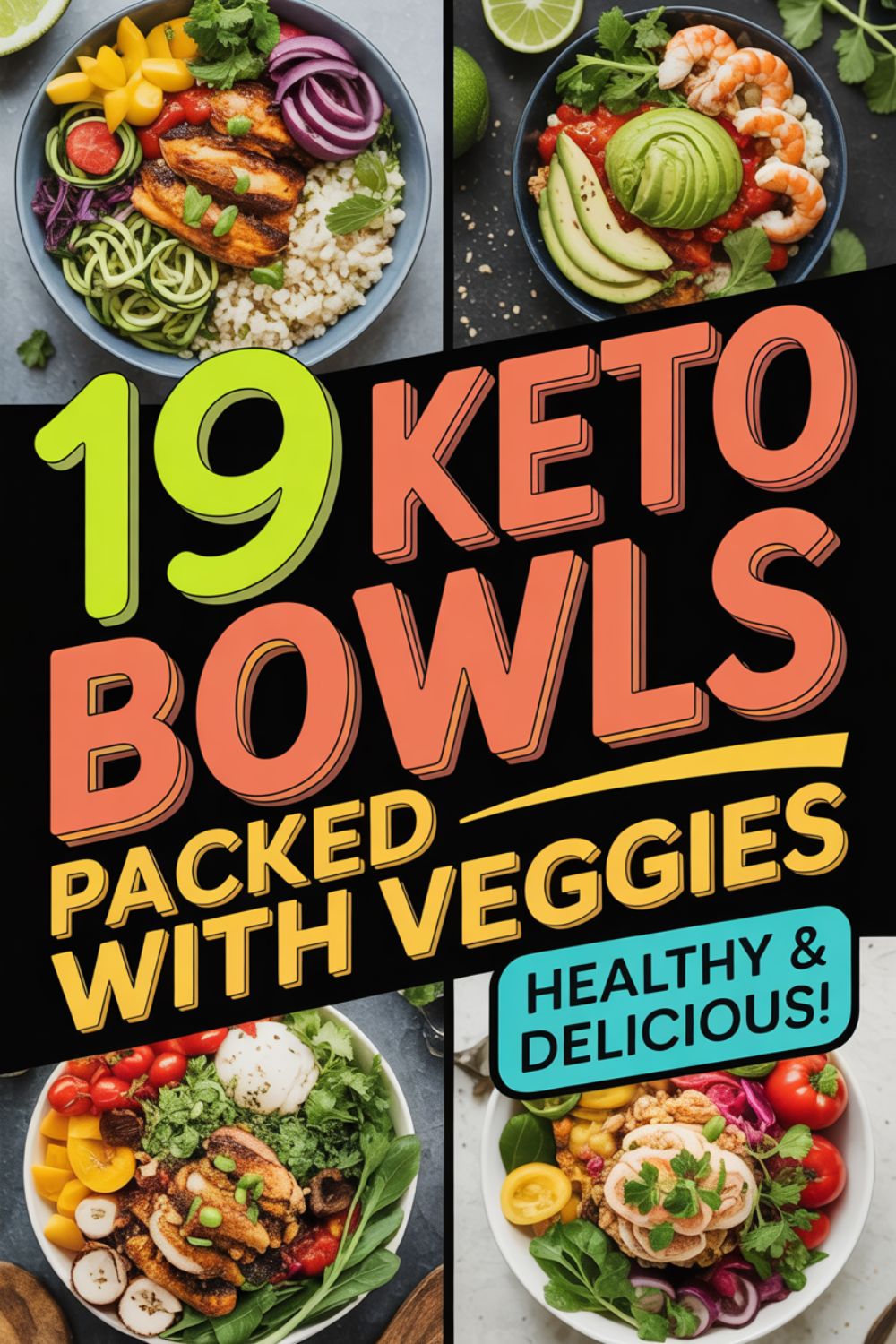
19 Keto Bowls Packed with Veggies
Look, I’m just going to say it—keto bowls saved my weeknight sanity. When you’re juggling work, life, and trying to actually eat something that doesn’t come from a drive-thru window, these veggie-packed bowls are like having a cheat code for staying on track. Plus, they’re actually tasty, which is kind of a big deal when you’re trying to avoid carbs but still want real food.
I know what you’re thinking. “Bowls? Really? That’s just salad with attitude.” But here’s the thing—when you load up on the right veggies, healthy fats, and quality protein, you get something that keeps you full for hours without the post-meal crash. And honestly, after years of trying every keto trick in the book, I’ve learned that choosing the right vegetables makes all the difference between staying in ketosis and accidentally carb-loading.
So yeah, let’s talk about these 19 bowls that actually work. No fluff, no impossible ingredient lists—just real food you can actually make on a Tuesday night.
Why Veggies Actually Matter on Keto
Here’s something nobody tells you when you first start keto: you can’t just eat bacon and cheese all day. I mean, you technically can, but your body will eventually stage a revolt. Vegetables bring fiber, micronutrients, and all those fancy antioxidants that keep your gut happy and your energy stable.
The trick is knowing which veggies won’t boot you out of ketosis. Above-ground vegetables are your best friends here—think leafy greens, cruciferous veggies, and basically anything that doesn’t grow in the dirt. Root vegetables? Those are carb bombs waiting to happen. According to research on keto-friendly vegetables, sticking to non-starchy options helps you maintain ketosis while still getting essential nutrients.
I learned this the hard way after blowing through my carb limit with what I thought was an innocent serving of carrots. Spoiler alert: carrots are sneakier than you think. Now I stick to spinach, kale, broccoli, cauliflower, and zucchini—the MVPs of keto veggies.
The Foundation: Building Your Perfect Keto Bowl
Start with Your Greens
Every good keto bowl needs a solid base, and that’s where your leafy greens come in. I’m talking spinach, arugula, mixed greens, or even massaged kale if you’re feeling fancy. These give you volume without the carbs, plus they’re loaded with vitamins K, A, and C.
The beauty of starting with greens? They’re basically a blank canvas. You can go Mediterranean, Asian-inspired, Mexican-style—whatever you’re craving. I usually grab one of these salad spinners to get my greens properly dried because soggy lettuce is a crime against humanity.
Add Your Cruciferous Crew
Broccoli, cauliflower, Brussels sprouts, and cabbage are the workhorses of keto cooking. They’re low in net carbs, high in fiber, and surprisingly filling. Plus, when you roast them with some olive oil and garlic, they actually taste amazing instead of like sad diet food.
I roast a huge batch of these every week using this rimmed baking sheet. The key is high heat—425°F—and giving them space to breathe. Crowded veggies steam instead of roast, and nobody wants that.
Looking for more ways to incorporate these powerhouse veggies? Check out these gut-healthy meals for busy weeks or explore some anti-inflammatory dinner ideas that make eating well actually doable.
Layer in Your Protein
This is where your bowl goes from “meh” to “actually keeping me full until dinner.” Grilled chicken, salmon, ground beef, tofu, tempeh, hard-boiled eggs—whatever fits your vibe and your macros. The protein keeps you satisfied and helps maintain muscle mass while you’re burning fat for fuel.
IMO, meal-prepped protein is the secret weapon here. I use this instant-read thermometer to make sure I’m not overcooking my chicken into rubber. Game changer.
Bowl Blueprint #1: The Classic Keto Power Bowl
This is my go-to when I’m too tired to think but still want something satisfying. Start with a bed of mixed greens, add roasted broccoli and cauliflower, throw on some grilled chicken thighs (way more flavorful than breasts, fight me), and top with avocado, cherry tomatoes, and a drizzle of olive oil with lemon.
Why it works: You’re getting fiber from the cruciferous veggies, healthy fats from the avocado and olive oil, complete protein from the chicken, and barely any net carbs. Plus, cherry tomatoes add that little pop of sweetness without going overboard on sugar.
For more inspiration, grab the Get Full Recipe for variations on this classic combination.
Bowl Blueprint #2: Asian-Inspired Sesame Bowl
When you’re craving takeout but don’t want to blow your macros, this bowl delivers. Layer baby bok choy (quickly sautéed), shirataki noodles (zero carb miracle), sliced cucumber, edamame, and your choice of protein—I love it with sesame-crusted salmon.
Top it off with sliced green onions, sesame seeds, and a drizzle of this sugar-free teriyaki sauce I swear by. The combination of textures—crunchy cucumbers, tender salmon, chewy noodles—keeps every bite interesting.
Net carbs: Around 8g depending on your portions, most of which come from the edamame. If you need to go lower, skip the edamame and add more bok choy or snap peas.
The Shirataki Noodle Hack
Real talk: shirataki noodles smell weird straight from the package. But rinse them really well, dry-fry them in a pan for a few minutes, and they lose that funky smell completely. They’re a total game-changer for satisfying pasta cravings without the carbs.
If Asian flavors are your thing, you’ll also love these low-sugar meals that keep your energy stable throughout the day.
Meal Prep Essentials Used in These Bowls
Making these bowls work in real life comes down to having the right tools and ingredients on hand. Here’s what I actually use every week:
Physical Products:
- Glass meal prep containers (5-pack) – I’ve tried every container under the sun, and glass is the only thing that doesn’t get weird in the microwave or hold onto smells. These specific ones have dividers that keep your greens from getting soggy.
- Mandoline slicer – Uniformly sliced veggies aren’t just prettier; they cook evenly. This makes zucchini ribbons, cucumber slices, and cabbage shreds happen in seconds instead of the 20 minutes it takes with a knife.
- Kitchen scale – Look, I resisted this for way too long. But when you’re trying to hit macros, eyeballing portions is how you accidentally eat three servings and wonder why the scale isn’t moving.
Digital Resources:
- 7-Day Anti-Inflammatory Meal Plan – If you’re dealing with bloating or just want to feel less puffy, this plan incorporates the same veggie-forward approach with specific anti-inflammatory ingredients.
- 14-Day High-Protein Meal Plan for Fat Loss – Perfect if you want structured guidance on protein portions while keeping carbs low. Takes all the guesswork out.
- 30-Day Gut Reset Meal Plan – Focuses on fiber-rich, gut-friendly veggies that support healthy digestion while staying keto-friendly. Great if you’re transitioning from a standard American diet.
Join our WhatsApp community for daily meal prep tips, recipe swaps, and accountability that actually helps—not the toxic diet culture kind.
Bowl Blueprint #3: Mediterranean Mezze Bowl
This one’s for when you want to feel fancy but don’t want to actually cook fancy. Start with a base of arugula and spinach, add roasted eggplant and zucchini, throw in some cherry tomatoes, cucumbers, and olives, then top with grilled lamb or chicken.
The magic happens with the toppings: crumbled feta cheese, a dollop of full-fat Greek yogurt (check the carbs—some brands sneak in sugar), fresh mint and parsley, and a generous pour of good quality olive oil. Not the cheap stuff—you can taste the difference, and since fat is your primary fuel on keto, it’s worth investing in.
Why I love this bowl: The combination of creamy feta, briny olives, fresh herbs, and charred veggies hits every taste receptor. You’re not going to feel deprived eating this, trust me.
Bowl Blueprint #4: Tex-Mex Fiesta Bowl
Missing your burrito bowl days? This scratches that itch without the tortilla or rice. Build it with chopped romaine, sautéed bell peppers and onions, seasoned ground beef or shredded chicken, and all the good stuff—avocado, sour cream, shredded cheese, jalapeños, and salsa.
I make my own taco seasoning because store-bought versions often have hidden sugars and fillers. It’s literally just cumin, paprika, garlic powder, onion powder, oregano, and cayenne. Mix a batch in one of these small spice jars and you’re set for weeks.
Pro move: crisp up some cheese in a pan to make cheese crisps for that crunchy element you’re missing from tortilla chips. Get Full Recipe for the exact method—it’s stupidly simple but ridiculously good.
For more Mexican-inspired low-carb meals, explore these lazy low-carb dinner ideas that come together in under 30 minutes.
Bowl Blueprint #5: Green Goddess Bowl
This is my “I need all the nutrients” bowl. It’s basically every green vegetable I can find, and it’s weirdly delicious. Spinach base, steamed broccoli, sautéed asparagus, sliced avocado, cucumber ribbons, and edamame, topped with a soft-boiled egg and a generous drizzle of green goddess dressing.
The dressing is key here—it’s made with tahini, fresh herbs (basil, parsley, cilantro), lemon juice, garlic, and olive oil. Blend it all together and it’s creamy, tangy, and makes eating your greens actually enjoyable. I make a big batch in this mini food processor and it keeps in the fridge for almost a week.
The Soft-Boiled Egg Situation
Perfect soft-boiled eggs aren’t hard, but they’re easy to mess up. Here’s the method that never fails: boiling water, gently lower in eggs, six and a half minutes for runny yolks, straight into an ice bath. That’s it. The runny yolk mixes with the dressing and creates this amazing creamy situation that coats all the veggies.
Bowl Blueprint #6: Breakfast Bowl (Because Who Says Bowls Are Just for Lunch?)
Breakfast bowls are underrated. Sautéed spinach and mushrooms, crispy bacon, scrambled or fried eggs, avocado slices, and a sprinkle of everything bagel seasoning. Add some cherry tomatoes if you’re feeling it.
Net carbs: Usually under 5g, depending on how heavy-handed you are with the tomatoes. This keeps you full until lunch without the blood sugar roller coaster you get from oatmeal or cereal.
The everything bagel seasoning is clutch here. I buy this giant container and put it on literally everything. It makes even the most basic vegetables taste like they’re trying harder.
Want more morning options? Check out these high-protein anti-inflammatory breakfasts or these gut-friendly breakfast ideas that’ll change how you think about your first meal.
Bowl Blueprint #7: Pizza Bowl (Yes, Really)
Okay, hear me out. This sounds ridiculous, but it hits the spot when you’re craving pizza but don’t want to deal with making a keto crust. Sautéed zucchini and bell peppers as your base, Italian sausage (cooked and crumbled), pepperoni, mushrooms, black olives, and a generous amount of mozzarella melted on top.
Finish it with fresh basil, a sprinkle of parmesan, and some sugar-free marinara sauce. The key is warming everything together so the cheese gets all melty and stringy. It’s not pizza, but your brain doesn’t really care when you’re getting all those familiar flavors.
Bowl Blueprint #8: Thai-Inspired Coconut Curry Bowl
This is for when you want something warming and a little exotic. The base is zucchini noodles (make them with this spiralizer), topped with a red curry made from coconut milk, curry paste, and loaded with vegetables—bell peppers, snap peas, bok choy, and mushrooms.
Add your protein of choice—I love it with shrimp or chicken thighs—and garnish with Thai basil, cilantro, and lime wedges. The coconut milk makes it creamy and satisfying without any dairy, and the curry paste brings serious flavor without much effort.
Carb watch: Coconut milk is higher in carbs than you’d think, so measure it out. A half cup of full-fat coconut milk has about 3g net carbs, which adds up if you’re not careful.
Speaking of international flavors, you might also enjoy these low-carb comfort foods that prove healthy eating doesn’t have to be boring.
Bowl Blueprint #9: Deconstructed Burger Bowl
Sometimes you just want a burger, but the bun isn’t worth the carbs. Enter the burger bowl. Chopped iceberg or romaine lettuce, seasoned grass-fed beef patty (broken up or left whole), bacon, cheddar cheese, pickles, tomato, onion, and all your favorite burger toppings.
The sauce makes it: mix mayo, sugar-free ketchup, mustard, and dill relish for a special sauce situation. Or just go with straight-up mayo and mustard if you’re keeping it simple. Either way, you get all the burger satisfaction without the bun bloat.
Bowl Blueprint #10: Superfood Detox Bowl
I’m not usually into the word “detox”—your liver does that for free—but this bowl is packed with nutrient-dense veggies that make you feel really good. Kale massaged with lemon and olive oil, roasted Brussels sprouts, raw sauerkraut (for probiotics), beets (watch the portions—they’re higher in carbs), pumpkin seeds, and a lemon-tahini dressing.
Add salmon or tempeh for protein. The combination of bitter greens, crunchy seeds, and tangy sauerkraut is weirdly addictive. Plus, the fermented veggies support gut health, which is huge for overall wellbeing.
Bowl Blueprints #11-19: Quick Hits
Alright, we’ve covered the detailed builds. Here are more combinations to keep your rotation interesting:
11. Greek Salad Bowl
Romaine and cucumber base, cherry tomatoes, red onion, olives, feta, grilled chicken, red wine vinegar and olive oil dressing. Classic and never gets old.
12. Caprese Bowl
Fresh mozzarella, tomatoes (watch portions), basil, arugula, grilled chicken, balsamic reduction (make your own to control sugar), and a drizzle of high-quality balsamic vinegar.
13. Buffalo Chicken Bowl
Shredded buffalo chicken, romaine, celery, carrots (minimal), blue cheese crumbles, ranch dressing. All the wing flavors, none of the breading.
14. Korean BBQ Bowl
Cauliflower rice, bulgogi-style beef, kimchi, cucumber, sautéed spinach, fried egg, sesame seeds. Get Full Recipe for the sugar-free bulgogi marinade.
15. Cajun Shrimp Bowl
Mixed greens, blackened shrimp, bell peppers, celery, okra, cherry tomatoes, avocado, Cajun remoulade sauce. Spicy, satisfying, and takes 15 minutes tops.
16. Cobb Bowl
Romaine, hard-boiled eggs, bacon, chicken, avocado, tomatoes, blue cheese, ranch. The classic done keto-style. For more protein-packed ideas, try these high-protein meal prep recipes.
17. Pesto Chicken Bowl
Zucchini noodles, grilled chicken, homemade pesto (basil, pine nuts, parmesan, garlic, olive oil), cherry tomatoes, mozzarella. Fresh and summery.
18. Tuna Poke Bowl
Cauliflower rice, sushi-grade tuna, cucumber, avocado, edamame, seaweed salad, sesame seeds, coconut aminos. Restaurant-quality at home.
19. Steak and Greens Bowl
Arugula and spinach, sliced steak (I use this cast iron skillet for perfect crust), roasted asparagus, mushrooms, blue cheese crumbles, balsamic reduction. Simple but fancy.
Tools & Resources That Make Keto Bowl Life Easier
After making literally hundreds of these bowls, I’ve figured out what actually helps versus what just takes up drawer space.
Physical Products That Earn Their Keep:
- Vegetable chopper – I resisted this for so long because it seemed gimmicky, but chopping an entire week’s worth of vegetables in 10 minutes instead of 45 is not gimmicky. It’s life-changing.
- Portion control containers – Color-coded by macro (protein, fat, carbs). Sounds elementary, but when you’re meal prepping in a rush, the visual system actually helps you balance bowls properly.
- Herb keeper – Fresh herbs make everything better, but they die in three days in a plastic bag. This thing keeps them alive for two weeks. Worth every penny.
Digital Resources Worth Having:
- 14-Day Flat Belly Meal Prep Plan – Specifically designed around prepping once and eating all week. If you’re new to meal prep, this walks you through it step by step.
- 21-Day Gut Healing Meal Plan – Focuses on vegetables and meals that support digestive health while staying low-carb. Great if keto has been rough on your stomach.
- 30-Day Blood Sugar Balance Plan – Perfect if you’re doing keto primarily for blood sugar management. All recipes designed to keep glucose stable.
Our WhatsApp community shares real-time meal prep wins, ingredient swaps when stores are out of stuff, and honest reviews of products before you waste money on them.
Making Bowls Work in Real Life
The best bowl recipe in the world doesn’t matter if you never actually make it. Here’s how I’ve made this sustainable instead of just another thing I tried for two weeks and abandoned.
The Sunday Prep Session
I’m not going to lie and say I meal prep for hours every Sunday. I don’t. But I do spend about 90 minutes doing the basics: washing and chopping vegetables, cooking a big batch of protein, making one or two dressings, and hard-boiling eggs.
That investment means weeknight dinners take 10 minutes to assemble instead of starting from scratch when I’m already starving and likely to just order takeout. FYI, this is the difference between succeeding and falling off the wagon for me.
The Rotation Strategy
I don’t make 19 different bowls every week. That’s insane. I pick three or four combinations, make those all week, then rotate to different ones the next week. This keeps things interesting without making meal prep feel like a part-time job.
If you want more structured plans that do the rotation thinking for you, check out these 21-day high-protein meal plans or this 30-day anti-inflammatory plan that takes all the decision fatigue out of the equation.
The Emergency Backup
Some weeks life happens and meal prep doesn’t. For those weeks, I keep frozen vegetables, pre-cooked frozen protein, and quality dressings on hand. A “lazy” bowl thrown together from frozen ingredients still beats a sad takeout salad or giving up entirely.
Common Bowl-Building Mistakes (That I Definitely Never Made… Multiple Times)
Skimping on Fat
When you’re coming from a low-fat mindset, it’s really easy to under-do the fats on keto. But fat is your primary fuel source now. If your bowl doesn’t have a good fat source—avocado, olive oil, nuts, cheese, fatty fish—you’re going to be hungry an hour later.
Don’t be scared of the oil. A proper portion (2-3 tablespoons) might look like a lot, but it’s what keeps you satisfied and in ketosis. Embrace it.
Forgetting About Fiber
All protein and fat with no vegetables is a recipe for, um, digestive unhappiness. The fiber from veggies keeps things moving and feeds your gut bacteria. Aim for at least 2-3 cups of vegetables per bowl, and vary the types.
If you’re struggling with this, the 7-day gut healing plan or these high-fiber lunch ideas specifically focus on getting enough fiber while staying low-carb.
Making It Too Complicated
You don’t need 15 ingredients to make a good bowl. Some of my favorites have like five components. Overthinking it is how you end up never making them because it feels like too much work.
The Dressing Dilemma
Store-bought dressings are usually carb traps hiding as innocent condiments. Sugar, high fructose corn syrup, modified food starch—they sneak it all in there. Making your own takes five minutes and tastes better anyway.
Five Dressings That Go With Everything
- Basic Vinaigrette: Three parts olive oil to one part vinegar (any kind), Dijon mustard, garlic, salt, pepper. Shake it in a jar and you’re done.
- Creamy Avocado Lime: Blend avocado, lime juice, cilantro, jalapeño, olive oil, salt. Creamy without dairy.
- Tahini Lemon: Tahini, lemon juice, garlic, water to thin, salt. Nutty and tangy and perfect on basically everything.
- Caesar (Keto Version): Mayo, lemon juice, parmesan, garlic, anchovy paste, black pepper. Skip the croutons, obviously.
- Asian Ginger: Rice vinegar, sesame oil, ginger, garlic, coconut aminos, a tiny bit of erythritol. Sweet and tangy without the sugar.
Make these in batches and store them in these squeeze bottles. They last about a week in the fridge and make assembling bowls way faster.
Frequently Asked Questions
Can I really eat this many vegetables and stay in ketosis?
Absolutely. The vegetables in these bowls are all low-carb, non-starchy options that typically contain 3-7g net carbs per serving. When you’re eating mostly above-ground vegetables and watching portions on higher-carb ones like tomatoes and peppers, you can easily stay under 20-30g net carbs per day while still eating tons of veggies. The fiber actually helps with satiety and digestion without impacting ketosis.
How long do these bowls last in the fridge?
It depends on the components. Most cooked proteins and roasted vegetables last 4-5 days in airtight containers. I keep dressings separate and add them right before eating to prevent soggy greens. Raw vegetables like cucumber and tomatoes start to get sad after day three, so I either add those fresh or prep them mid-week. For best results, assemble bowls fresh daily using pre-prepped ingredients rather than making complete bowls in advance.
What if I don’t like one of the vegetables in a bowl recipe?
Swap it out. The beauty of bowls is that they’re completely flexible. Don’t like Brussels sprouts? Use broccoli. Hate cilantro? Use parsley. The base formula is: leafy greens + cruciferous or low-carb vegetables + protein + healthy fat + flavorful dressing. As long as you stick to that framework and keep an eye on your net carbs, you can customize every bowl to your preferences.
Are these bowls good for weight loss?
They can be, depending on your overall calorie intake and macros. These bowls are designed to be nutrient-dense, high in fiber and protein, and moderate in calories, which supports fat loss for most people. The combination of vegetables and protein helps keep you full longer, reducing the urge to snack or overeat. That said, weight loss still comes down to being in a calorie deficit over time, so portion sizes matter even with healthy food.
Can I meal prep these if I’m cooking for one?
Yes, and it’s actually easier. Most of these recipes scale down perfectly—just roast one chicken breast instead of four, prep half a head of broccoli instead of two. You can also make full batches of components and freeze half for future weeks. Single-person meal prep is all about efficiency: one prep session gives you multiple meals, and you’re not wasting food or eating the same thing for seven days straight because you over-prepped.
Final Thoughts
Look, keto bowls aren’t revolutionary. They’re just a practical way to eat vegetables, protein, and healthy fats in a format that doesn’t feel like punishment. The reason they work for me—and hopefully for you—is that they’re flexible, portable, and actually satisfying.
You don’t need to make all 19 of these. Pick two or three that sound good, make them this week, and see how you feel. If they work for your schedule and your tastebuds, great. If not, adjust them until they do. The best diet is the one you’ll actually stick with, and bowls make sticking with keto way more realistic than trying to cook elaborate recipes every single night.
Start simple, prep what you can when you can, and remember that even a mediocre homemade bowl beats whatever you were going to grab from the drive-thru. You’ve got this.