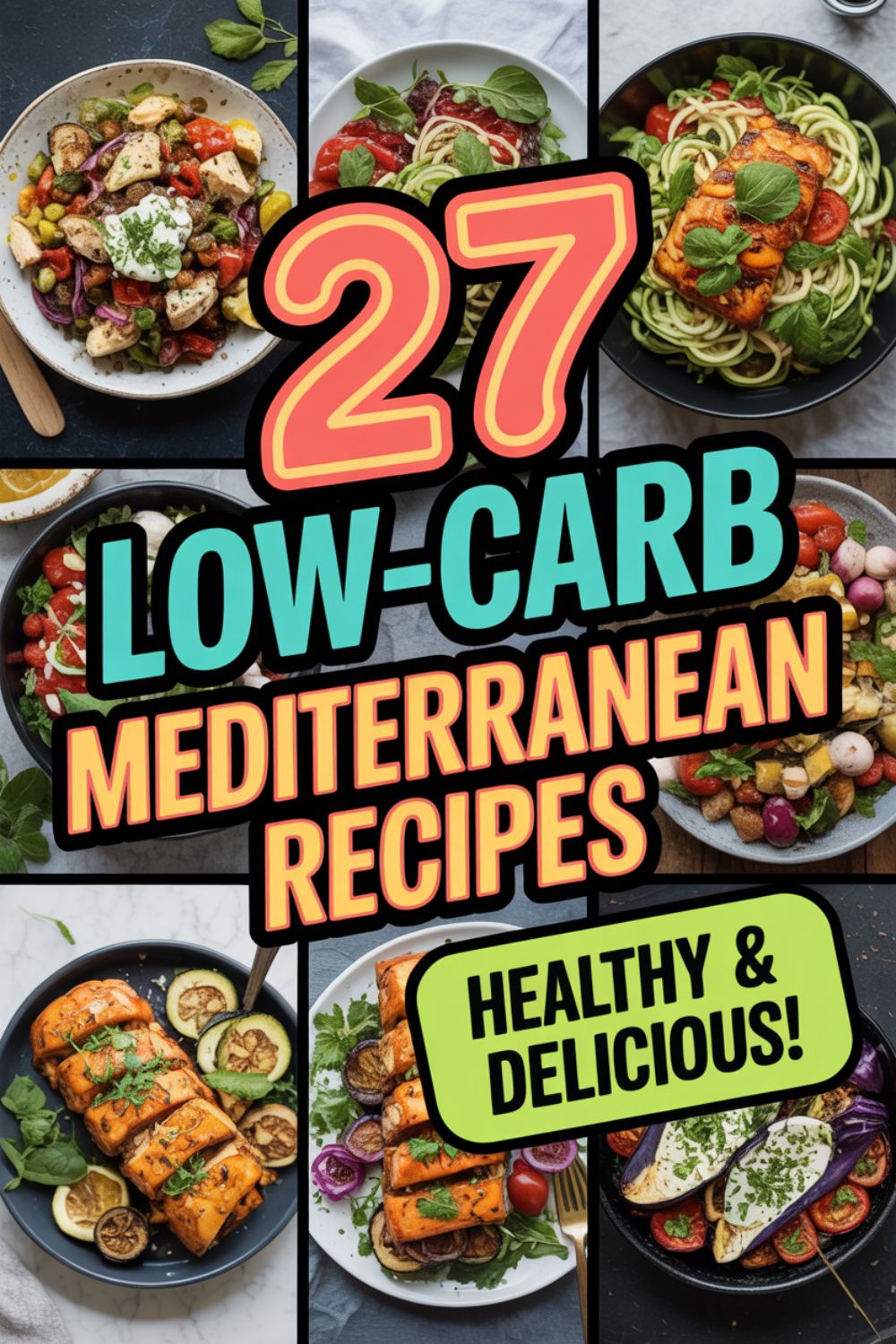
27 Low-Carb Mediterranean Recipes That’ll Make You Forget About Pasta
Look, I get it. You want the health benefits of the Mediterranean diet without feeling like you’re lugging around a breadbasket after every meal. The good news? You absolutely can have both. The Mediterranean approach isn’t just about pasta and crusty bread—it’s about fresh vegetables, quality proteins, healthy fats, and flavors that actually make you excited to cook.
I’ve spent years tweaking Mediterranean classics to work for a lower-carb lifestyle, and honestly? Some of these versions taste better than the originals. We’re talking crispy halloumi, herb-crusted fish, vibrant salads that don’t leave you hungry an hour later, and yes—even a few clever swaps that’ll make you wonder why you ever bothered with regular pasta in the first place.
Whether you’re managing blood sugar, trying to lose a few pounds, or just want to feel less sluggish after lunch, these 27 recipes will show you how to eat Mediterranean-style without the carb crash. Let’s get into it.
Why Low-Carb Mediterranean Actually Makes Sense
Here’s something most people don’t realize: traditional Mediterranean eating wasn’t nearly as carb-heavy as the modern version we see today. Villagers in Greece and southern Italy weren’t eating pasta at every meal—they were eating what grew locally, which meant loads of vegetables, fish when they could get it, olive oil, and moderate amounts of whole grains.
The Mediterranean diet has been extensively studied for its heart-health benefits, and when you strip away the modern additions like white pasta and bread, you’re left with an eating pattern that’s naturally lower in refined carbs and higher in nutrients.
The beauty of going low-carb with Mediterranean food is that you’re not sacrificing flavor or satisfaction. You’re just swapping out the starchy fillers for more of the good stuff—the olive oil, the herbs, the colorful vegetables, the quality proteins. And because Mediterranean cooking is so focused on healthy fats from sources like olive oil, nuts, and fatty fish, you stay full longer without that blood sugar rollercoaster.
The Low-Carb Mediterranean Pantry Essentials
Before we get to the recipes, let’s talk about what you actually need in your kitchen. The Mediterranean pantry is simpler than you think, and once you’ve got these basics, you can throw together most of these dishes without a trip to the store.
Your Non-Negotiables
Extra virgin olive oil is your best friend here. Not the cheap stuff—get a bottle that actually tastes like olives and peppery freshness. I keep this cold-pressed Greek olive oil on my counter at all times. It’s pricier than vegetable oil, sure, but you’re using it for everything from sautéing to salad dressings, and the flavor payoff is huge.
You’ll also want a solid collection of dried herbs and spices: oregano, thyme, rosemary, garlic powder, smoked paprika, and cumin. Fresh herbs are great when you can get them, but dried versions work just fine for most of these recipes. Oh, and invest in a good quality sea salt—it makes a difference.
For your fridge: feta cheese, Greek yogurt (full-fat, none of that watery low-fat nonsense), lemons, fresh garlic, and Kalamata olives. For the freezer: wild-caught fish fillets, shrimp, and maybe some ground lamb if you’re into it.
The Clever Carb Swaps
Now, about those pasta alternatives. I used to be skeptical too, but once you find the right ones, they’re game-changers. Zucchini noodles (zoodles) are the obvious choice, and I make them with this handheld spiralizer that takes up basically no space in my drawer. Five seconds of spiraling, two minutes in a hot pan, done.
Cauliflower rice is another staple, and yes, you can buy it pre-riced to save time—no shame in that. I also keep hearts of palm “pasta” in my pantry for when I want something that actually feels like noodles. It’s weirdly good.
If you’re looking for more creative ways to cut carbs without sacrificing satisfaction, you might want to check out these easy low-carb meals for every craving or explore some low-carb comfort foods that don’t taste like diet food.
Breakfast and Brunch: Start Your Day the Mediterranean Way
Mediterranean breakfasts are underrated. Forget the sugary cereals and toast—we’re talking eggs with fresh tomatoes, Greek yogurt with nuts, shakshuka with extra veggies. These meals keep you full until lunch without the mid-morning energy crash.
Greek-Style Veggie Omelet
This is my go-to when I need something fast but satisfying. Whisk three eggs with a splash of water, pour into a hot pan with olive oil, then add chopped tomatoes, spinach, red onion, and crumbled feta. The key is not overcooking it—you want it slightly creamy in the center. Finish with fresh oregano and a crack of black pepper.
The beauty of this omelet is how adaptable it is. Leftover roasted peppers? Throw them in. Some olives? Sure. A handful of arugula? Why not. It’s basically a vehicle for whatever vegetables you have lying around. Get Full Recipe
Shakshuka with Extra Greens
Traditional shakshuka is already pretty low-carb, but I bulk mine up with extra spinach and kale to make it even more filling. Simmer tomatoes with garlic, cumin, and paprika until thick, stir in your greens, then crack eggs directly into the sauce. Cover and let them poach until the whites are set but the yolks are still runny.
I serve this straight from the pan with a dollop of Greek yogurt on top instead of bread. Trust me, you won’t miss the carbs. If you like high-protein breakfasts that keep you energized, these high-protein anti-inflammatory breakfasts are worth exploring too.
Whipped Feta with Cucumber and Tomatoes
Okay, this is technically more of a snack than breakfast, but I eat it in the morning all the time. Blend feta with Greek yogurt and a drizzle of olive oil until smooth and creamy. Spread it on a plate, top with diced cucumbers, cherry tomatoes, red onion, and fresh dill. Drizzle more olive oil and sprinkle with za’atar if you have it.
I scoop this up with cucumber slices or bell pepper strips. It’s refreshing, protein-packed, and feels way fancier than the effort required. Plus, you can make the whipped feta ahead and keep it in the fridge for up to five days.
Meal Prep Essentials Used in This Plan
Making these recipes consistently is so much easier when you’ve got the right tools and systems in place. Here’s what I actually use:
- Glass meal prep containers (set of 10) – These don’t stain, don’t hold smells, and you can see what’s inside without opening them. Life-changing for weekly prep.
- Quality chef’s knife – You’re chopping a lot of vegetables with Mediterranean cooking. A sharp knife makes it faster and way less annoying.
- Large rimmed baking sheets (set of 2) – For roasting everything from vegetables to fish. Get the heavy-duty ones that won’t warp in the oven.
- 14-Day Flat Belly Meal Prep Plan (Digital Download) – Comes with shopping lists, macro breakdowns, and step-by-step prep guides
- Mediterranean Low-Carb Recipe eBook – 50+ recipes with full nutritional info and substitution guides
- Printable Meal Planning Templates – Weekly planners designed specifically for low-carb Mediterranean eating
Want more support? Join our free WhatsApp community where we share daily meal ideas, answer questions, and swap recipe modifications.
Lunch Staples That Actually Keep You Full
Mediterranean lunches are where this way of eating really shines. We’re talking big, colorful salads loaded with protein, veggie-packed bowls, and simple grilled proteins with roasted vegetables. Nothing sad or depressing here.
Greek Salad (But Make It a Meal)
The classic Greek salad is already low-carb, but to make it actually filling for lunch, I add grilled chicken, shrimp, or canned tuna. Start with chopped romaine, cucumbers, tomatoes, red onion, Kalamata olives, and plenty of feta. Dress it simply with olive oil, red wine vinegar, dried oregano, salt, and pepper.
The secret to a non-boring Greek salad is quality ingredients. Get the good feta—the kind that crumbles and tastes like something, not the pre-crumbled stuff that’s basically salty rubber. Same with the olives. This isn’t the place to cheap out.
I prep the vegetables on Sunday and keep them in separate containers so the salad doesn’t get soggy. Assemble right before eating, and you’ve got a lunch that takes two minutes but feels restaurant-quality. Get Full Recipe
Lemon Herb Chicken with Roasted Vegetables
This is my ultimate meal-prep lunch because it holds up well in the fridge and tastes good cold or reheated. Marinate chicken thighs (yes, thighs—more flavor, more fat, more satisfaction) in lemon juice, olive oil, garlic, oregano, and thyme for at least an hour. Roast at 425°F with bell peppers, zucchini, red onion, and cherry tomatoes.
Everything goes on one pan, which means minimal cleanup. I use parchment paper sheets so nothing sticks and I can basically just toss the paper when I’m done. Lazy? Maybe. Effective? Absolutely.
For more balanced lunch options that won’t leave you starving by 3 PM, these flat belly lunches for busy professionals are clutch.
Spanakopita-Inspired Egg Muffins
Traditional spanakopita is wrapped in phyllo dough, which is delicious but not exactly low-carb. These egg muffins capture all those flavors—spinach, feta, dill, garlic—without any of the pastry. Whisk eggs with sautéed spinach, crumbled feta, diced onion, and fresh dill. Pour into a muffin tin and bake at 350°F for 20 minutes.
Make a batch on Sunday, and you’ve got grab-and-go lunches (or breakfasts) all week. They reheat beautifully in the microwave, or you can eat them cold if you’re in a rush. I usually eat two with a side of cucumber and tomato salad.
Dinner Winners That Feel Like Comfort Food
Dinner is where people usually struggle with low-carb eating. They miss the pasta, the bread, the potatoes. But Mediterranean cooking has so many naturally low-carb dinner options that feel indulgent and satisfying without any of those things.
Garlic Butter Shrimp with Zoodles
This takes maybe 15 minutes start to finish, which makes it perfect for weeknights when you can’t be bothered. Sauté shrimp in butter (yes, butter—it’s allowed in moderation even on Mediterranean diets) with tons of garlic, red pepper flakes, and lemon zest. Toss with spiralized zucchini that you’ve quickly sautéed in olive oil.
The trick with zoodles is not overcooking them. Two minutes max, just until they’re tender but still have some bite. Otherwise, you end up with sad, watery noodles. I drain mine in a colander and press gently with paper towels before adding the shrimp. Get Full Recipe
Top with fresh parsley, more lemon juice, and grated Parmesan if you want. It’s light but filling, and the garlic-butter situation is chef’s kiss.
Baked Cod with Tomatoes and Olives
This is one of those deceptively simple recipes that tastes like you spent way more effort than you actually did. Place cod fillets in a baking dish, surround with halved cherry tomatoes, Kalamata olives, capers, garlic, and fresh thyme. Drizzle generously with olive oil, squeeze over some lemon juice, and bake at 400°F for about 15 minutes.
The fish stays moist, the tomatoes burst and create this amazing sauce, and the olives add that briny punch. I serve this with a simple arugula salad dressed with lemon and olive oil. According to Harvard’s research on Mediterranean diets, eating fish twice a week is linked to better heart health and longevity.
Lamb Kofta with Cucumber Yogurt Sauce
Ground lamb mixed with garlic, cumin, coriander, cinnamon, and fresh mint, formed into little sausage shapes and grilled or pan-fried. The spice blend is what makes these special—that warm, slightly sweet, totally Mediterranean flavor profile.
For the sauce, mix Greek yogurt with grated cucumber (squeeze out the excess water first), minced garlic, lemon juice, and fresh dill. It’s cooling, tangy, and cuts through the richness of the lamb perfectly.
I serve these with a big tomato-cucumber salad and maybe some roasted eggplant if I’m feeling ambitious. The kofta also freeze really well raw, so I often make a double batch and stash half in the freezer for later.
If you’re craving more Mediterranean-inspired dinners that won’t derail your progress, check out these low-carb dinners that actually taste delicious and these anti-inflammatory dinners for busy weeknights.
Vegetables That Don’t Suck
Let’s be real: if your vegetables are boring, you’re not going to stick with this. Mediterranean cooking treats vegetables like the stars they are, not sad side dishes you choke down out of obligation.
Roasted Eggplant with Tahini
Slice eggplant into rounds, brush with olive oil, sprinkle with salt, and roast at 425°F until golden and creamy inside. Drizzle with tahini thinned with lemon juice and water, top with pomegranate seeds (if you can find them), fresh parsley, and toasted pine nuts.
I use this mini food processor to make tahini sauce because whisking it smooth by hand is annoying and I’m lazy. The eggplant gets this almost meaty texture when roasted properly, and the tahini adds richness without being heavy.
Greek-Style Green Beans
Not the sad, overcooked green beans from your childhood. These are braised slowly with tomatoes, onions, garlic, and olive oil until they’re soft, sweet, and almost jammy. The Greeks call this fasolakia, and it’s traditionally served at room temperature, which makes it great for meal prep.
Use fresh green beans if you can get them, trim the ends, and simmer them with canned tomatoes, sliced onion, garlic, and a generous glug of olive oil. Let it bubble away for about 45 minutes. They should be very tender, almost melting. Finish with fresh dill and lemon juice.
Cauliflower “Tabouli”
Traditional tabouli is made with bulgur wheat, but pulsing cauliflower in a food processor until it resembles couscous works shockingly well. Mix the cauliflower “grains” (raw, not cooked) with tons of fresh parsley, fresh mint, diced tomatoes, diced cucumber, lemon juice, and olive oil.
The herbs are the star here—you want way more parsley than you think is reasonable. Like, it should look green, not white with flecks of green. This is refreshing, crunchy, and has that bright, herbaceous flavor that makes Mediterranean food so crave-worthy.
Tools & Resources That Make Cooking Easier
These aren’t gimmicks—they’re things I actually use multiple times a week:
- Instant-read meat thermometer – Stop guessing if your fish or chicken is done. This gives you confidence and prevents overcooking.
- Silicone baking mats (set of 3) – Reusable, non-stick, and you never have to scrub a baking sheet again.
- Microplane zester – For lemon zest, garlic, hard cheese. Makes everything taste better with minimal effort.
- Low-Carb Mediterranean Meal Plans (4-week bundle) – Takes all the guesswork out with daily menus, shopping lists, and prep schedules
- Printable Grocery Shopping Checklists – Organized by store section so you’re not wandering around like a lost tourist
- Recipe Modification Guide – Learn how to make any Mediterranean recipe low-carb with simple swaps
Snacks and Small Plates
Mediterranean cultures are big on small plates and snacking throughout the day. The key is choosing options with protein and healthy fats so you stay satisfied, not stuff that spikes your blood sugar and leaves you hungrier than before.
Marinated Olives and Feta
This is barely a recipe, more of an assembly situation. Combine olives (I use a mix of Kalamata and green), cubed feta, olive oil, lemon zest, red pepper flakes, and fresh thyme. Let it sit for at least an hour so the flavors meld.
I keep a jar of this in my fridge basically at all times. It’s perfect when you need a snack, a quick appetizer for unexpected guests, or something to pick at while cooking dinner. The marinated feta is especially good—it soaks up all that lemony, herby oil.
Crispy Halloumi with Za’atar
Halloumi is a firm cheese that doesn’t melt when you cook it, which makes it perfect for grilling or pan-frying. Slice it thick, pat dry, and cook in a hot pan with a tiny bit of olive oil until golden and crispy on both sides. Sprinkle with za’atar and serve with lemon wedges.
The contrast between the crispy, salty exterior and the warm, squeaky interior is addictive. I eat this with cucumber slices and cherry tomatoes for a snack that feels substantial. If you’re into snacking without derailing your goals, these anti-inflammatory snacks are solid options.
Baba Ganoush
Roast whole eggplants directly over a gas flame (or under the broiler if you don’t have gas) until the skin is charred and the flesh is completely soft. Let them cool, scoop out the insides, and blend with tahini, garlic, lemon juice, cumin, and salt until smooth.
This is smoky, creamy, and way better than store-bought. I eat it with cucumber slices, bell pepper strips, or celery sticks. Sometimes I thin it out with more lemon juice and use it as a salad dressing because why not.
The Flavors That Make It All Work
Mediterranean food isn’t complicated, but it does rely on bold, fresh flavors. When you’re cutting out bread and pasta, those flavors become even more important because they’re doing more of the heavy lifting.
Fresh Herbs Are Non-Negotiable
I know dried herbs are convenient, and I use them plenty. But for finishing dishes, fresh herbs make all the difference. A handful of fresh parsley or dill stirred into a dish right before serving adds brightness and life. Cilantro, mint, basil, oregano—they all have their place.
Keep them fresh longer by storing them like flowers: trim the stems, put them in a glass of water, cover loosely with a plastic bag, and refrigerate. Or just buy one of those herb saver containers and stop feeling guilty about the wilted herb graveyard in your crisper drawer.
Acid Is Your Friend
Lemon juice, red wine vinegar, white wine vinegar—they all brighten flavors and make vegetables taste less boring. When a dish feels like it’s missing something, it’s usually acid. A squeeze of lemon can transform roasted vegetables from “fine I guess” to “actually I want seconds.”
I keep a bowl of lemons on my counter and go through about a dozen a week. Fresh lemon juice is infinitely better than the bottled stuff, which tastes flat and weird. Just get a cheap citrus squeezer and save yourself the hand cramps.
Quality Olive Oil Matters
I mentioned this earlier, but it bears repeating. You don’t need to spend $50 on olive oil, but you should spend more than $6. Look for extra virgin, preferably from a single country (Greece, Italy, Spain), and ideally in a dark bottle or tin to protect it from light.
Use it liberally. Mediterranean cooking isn’t low-fat, and that’s part of why it works. The fat keeps you satisfied and helps you absorb the fat-soluble vitamins in all those vegetables you’re eating. Plus, research shows that extra virgin olive oil’s antioxidants contribute significantly to the Mediterranean diet’s health benefits.
Making It Work Long-Term
Anyone can eat low-carb Mediterranean for a week. The trick is making it sustainable so you’re still doing it three months from now without feeling deprived or bored.
Build a Rotation
I have about ten recipes I make on repeat, and I don’t feel bad about it. You don’t need endless variety—you need meals you like that are easy to execute. Once you find your favorites from this list, put them in rotation and stop overthinking it.
Monday might always be lemon chicken with roasted vegetables. Wednesday might always be shrimp with zoodles. That’s fine. In fact, that’s smart, because you’ll get better at making those dishes, they’ll take less time, and you’ll always have the ingredients on hand.
Prep Strategically, Not Obsessively
Full meal prep—like cooking every single meal for the week on Sunday—works for some people, but it burns me out. Instead, I do partial prep: wash and chop vegetables, cook a big batch of protein, make a jar of dressing, maybe roast some peppers or eggplant.
Then during the week, I’m just assembling rather than cooking from scratch every night. It’s the difference between “I need to make dinner” feeling like a 45-minute project versus a 10-minute project.
Sarah from our community tried this approach and told us she lost 15 pounds in three months without ever feeling like she was dieting. The key, she said, was having components ready to go so healthy eating was always the easiest option, not the most time-consuming one.
Don’t Be Precious About Authenticity
Look, I’m not Greek. I’m not Italian. I’m just someone who loves this way of eating and has adapted it to fit a lower-carb lifestyle. If swapping zucchini noodles for pasta makes you actually stick with it, do that. If using store-bought cauliflower rice saves you time and mental energy, do that too.
The point isn’t to replicate exactly how people eat in Crete. The point is to adopt the principles—lots of vegetables, quality proteins, healthy fats, fresh flavors—in a way that works for your life and your health goals. Anyone who gives you grief about that is probably not someone worth listening to anyway.
For more complete meal plans that take the guesswork out entirely, check out this 30-day high-protein meal plan or this 14-day flat belly meal prep plan.
Frequently Asked Questions
Is a low-carb Mediterranean diet healthy long-term?
Yes, when done right. You’re eating plenty of vegetables, quality proteins, and healthy fats—all things your body needs. The Mediterranean diet consistently ranks as one of the healthiest eating patterns, and reducing refined carbs while keeping the good stuff (olive oil, fish, vegetables, nuts) gives you the best of both worlds. Just make sure you’re not cutting out so many carbs that you eliminate fiber-rich foods like vegetables and legumes.
Will I lose weight eating this way?
Most people do, yes, especially if they’re coming from a diet high in refined carbs and processed foods. The combination of protein, fiber, and healthy fats keeps you full, which naturally leads to eating less without feeling deprived. That said, weight loss still comes down to overall calorie intake versus expenditure, so portion sizes matter. The good news is that this way of eating makes it easier to maintain a calorie deficit without white-knuckling it.
Can I eat low-carb Mediterranean if I’m vegetarian?
Absolutely. Focus on eggs, Greek yogurt, cheese (feta, halloumi), legumes in moderation, nuts, seeds, and tons of vegetables cooked in olive oil. You might need to be more intentional about protein, but it’s totally doable. Just be careful not to fall into the trap of replacing meat with high-carb substitutes like pasta and bread.
How low-carb does it need to be?
There’s no magic number. Some people thrive on 50 grams of carbs per day, others do better with 100-150. Start by cutting out obvious refined carbs (bread, pasta, sugar, processed snacks) and see how you feel. You can always adjust based on your energy levels, hunger, and results. The goal isn’t ketosis necessarily—it’s eating more vegetables and protein, fewer refined carbs.
Do I need to track macros or count calories?
Not necessarily, especially at first. Try just eating whole foods following the Mediterranean principles in a lower-carb format and see what happens. If you’re not seeing results after a few weeks, then tracking might help you identify where you’re overdoing it. But IMO, the beauty of this approach is that the foods are so satiating that portion control happens more naturally.
The Bottom Line
Low-carb Mediterranean eating isn’t about deprivation—it’s about focusing on foods that actually make you feel good, taste amazing, and happen to be better for your health. You’re not giving up flavor or satisfaction by skipping the pasta. You’re just making room for more of the good stuff: the vibrant vegetables, the quality proteins, the olive oil, the fresh herbs.
Start with a few recipes from this list that sound appealing to you. Maybe it’s the garlic butter shrimp, maybe it’s the Greek-style green beans, maybe it’s the whipped feta situation. Cook them a few times until they feel easy and natural. Then add another couple of recipes. Before you know it, you’ll have a solid rotation of meals you actually look forward to eating.
The best diet is the one you can stick with long-term, and this way of eating makes that easier than most because the food is genuinely delicious. No one’s choking down steamed broccoli and plain chicken here. We’re talking bright, bold flavors that make you excited for dinner.
So grab some good olive oil, stock up on lemons and fresh herbs, and give it a shot. Your taste buds and your body will thank you.