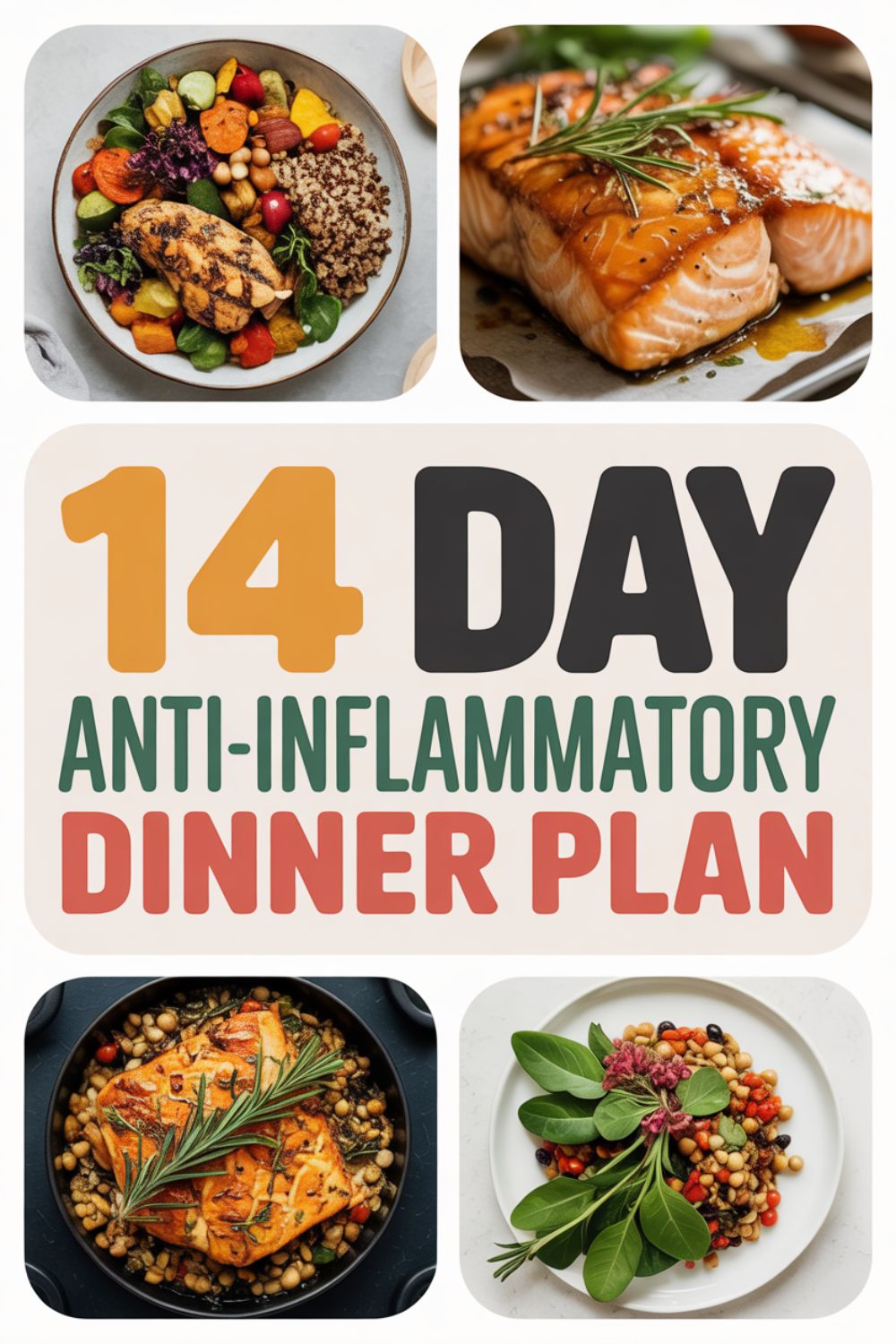
14-Day Anti-Inflammatory Dinner Plan
You know that feeling when your jeans fit a little tighter, your energy tanks by 3 PM, and your joints ache like you’ve been training for a marathon you never signed up for? Yeah, inflammation might be crashing your party. And honestly, the worst part is that it sneaks up on you—one processed dinner at a time, one skipped veggie serving after another, until suddenly you’re dealing with bloating, brain fog, and feeling perpetually blah.
Here’s the thing though: you don’t need some complicated detox or expensive supplement regime to fight back. What if I told you that two weeks of intentional dinners could actually shift how you feel? I’m talking about real food that tastes good, doesn’t require a culinary degree, and happens to be loaded with compounds that tell inflammation to take a hike.
This 14-day plan isn’t about deprivation or eating like a rabbit. It’s about strategic swaps, flavor-packed meals, and giving your body what it actually needs to calm down internally. Ready to feel better without feeling restricted? Let’s do this.
Why Inflammation Is Messing With You (And Why Dinner Matters Most)
Let’s talk about what’s really happening inside your body. Chronic inflammation has been identified as a significant contributor to many diseases, including cardiovascular issues, type 2 diabetes, and even cognitive decline. Think of inflammation like a smoke alarm that won’t shut off—it’s supposed to protect you when there’s actual danger, but when it’s constantly blaring, it causes more problems than it solves.
Your dinner choices matter way more than you think. By the time evening rolls around, you’ve already made food decisions all day. Dinner is your chance to flood your system with anti-inflammatory compounds right before your body does its overnight repair work. Research from Johns Hopkins indicates that Mediterranean-style eating patterns can effectively reduce inflammation markers while supporting overall health.
The cool part? Foods rich in omega-3s, antioxidants, and polyphenols actively counteract the inflammatory processes triggered by stress, poor sleep, and yes—that afternoon candy bar habit. We’re essentially giving your immune system a chill pill, served on a plate.
The Anti-Inflammatory All-Stars You’ll Be Eating
Before we jump into the actual plan, you need to know which foods are doing the heavy lifting here. I’m not talking about boring steamed broccoli and plain chicken breast—these are ingredients that actually taste good and work hard.
Fatty Fish (Your New Best Friend)
Salmon, mackerel, sardines—these guys are loaded with omega-3 fatty acids that literally tell your inflammatory pathways to calm down. The science is solid here, and honestly, a good piece of salmon with some garlic and lemon beats a sad desk lunch any day.
I’m obsessed with this digital meat thermometer for getting fish perfectly cooked every time. No more dry, chalky salmon disasters.
Turmeric (The Golden Weapon)
This bright yellow spice contains curcumin, which has anti-inflammatory effects that researchers actually get excited about. Pair it with black pepper (increases absorption by like 2000%, no joke) and you’ve got a powerhouse combo. I add it to everything from roasted cauliflower to scrambled eggs.
Leafy Greens (Not Just Rabbit Food)
Spinach, kale, arugula, chard—packed with antioxidants and vitamins that fight oxidative stress. The trick is making them taste good. Massaged kale salads, wilted spinach with garlic, or arugula topped with warm roasted vegetables? Now we’re talking.
Berries (Nature’s Candy That Actually Helps)
Blueberries, strawberries, blackberries—all loaded with anthocyanins and other polyphenols. Toss them on salads, blend into smoothies, or just eat them by the handful. They’re doing way more than satisfying your sweet tooth.
Speaking of antioxidant-rich options, if you’re looking for breakfast ideas that complement this dinner plan, you might want to check out some high-protein breakfast recipes that keep inflammation in check all day long.
Real Talk from Sarah: “I followed this plan for two weeks and the puffiness around my eyes literally disappeared. Also, I stopped waking up with that stiff, achy feeling in my lower back. Didn’t expect that.”
Your 14-Day Anti-Inflammatory Dinner Blueprint
Okay, here’s where the rubber meets the road. This plan rotates through different protein sources, keeps vegetables diverse, and incorporates all those anti-inflammatory superstars we just talked about. You’ll notice some meals repeat—that’s intentional. It makes shopping easier and uses up ingredients before they go bad.
Week One: Building the Foundation
Day 1: Turmeric Ginger Salmon with Roasted Brussels Sprouts
Start strong with omega-3-packed salmon rubbed with turmeric and ginger. Roast those Brussels sprouts until they’re crispy on the edges—game changer. Get Full Recipe
Day 2: Mediterranean Chickpea Bowl with Tahini Drizzle
Plant-based protein night. Chickpeas bring fiber and protein, cucumbers and tomatoes add freshness, and tahini provides healthy fats. Simple, satisfying, done in 20 minutes.
Day 3: Baked Chicken Thighs with Roasted Rainbow Vegetables
Dark meat chicken stays juicy and flavorful. Toss bell peppers, zucchini, and red onions with olive oil and herbs. One pan, minimal cleanup. Get Full Recipe
Day 4: Ginger Miso Soup with Tofu and Mushrooms
Lighter dinner night. Miso is fermented (hello, gut health), ginger fights inflammation, and shiitake mushrooms bring that umami depth. Slurp-worthy comfort food.
Day 5: Grilled Mackerel with Kale and White Bean Salad
Mackerel is underrated and cheaper than salmon. Massaged kale (trust me, it makes it tender) with cannellini beans, lemon juice, and olive oil. Chef’s kiss.
Day 6: Turmeric Cauliflower Steaks with Quinoa Pilaf
Who says meatless meals can’t be hearty? Thick cauliflower slices roasted with turmeric and cumin, served over herb-loaded quinoa. Filling without being heavy.
Day 7: Slow-Cooked Grass-Fed Beef with Root Vegetables
Yes, you can eat red meat on an anti-inflammatory plan—just make it quality grass-fed beef and don’t do it every night. Slow cook it with carrots, parsnips, and sweet potato. Pure comfort.
If you’re enjoying these plant-forward meals, you’d probably love these vegan dinner recipes that are equally satisfying and inflammation-fighting.
Meal Prep Essentials Used in This Plan
Look, I’m all for cooking from scratch, but having the right tools makes everything smoother. Here’s what actually gets used in my kitchen for this plan:
- Glass meal prep containers (set of 10) – Seriously, these changed my life. Microwave-safe, dishwasher-safe, and you can actually see what’s inside.
- Quality chef’s knife – Stop fighting with dull knives. A sharp blade makes veggie prep almost enjoyable. Almost.
- Large cast iron skillet – For searing salmon, roasting vegetables, basically everything. Goes from stovetop to oven like a champ.
- 14-Day Anti-Inflammatory Meal Prep Guide (Digital Download) – Complete shopping lists, prep schedules, and portion guides. Takes the guesswork out entirely.
- Anti-Inflammatory Spice Blend Recipe Pack (Digital) – My go-to seasoning combinations that make everything taste restaurant-quality without the inflammatory ingredients.
- Weekly Meal Planning Template (Digital) – Customizable planner that helps you rotate these meals and track how you’re feeling. Patterns emerge fast.
We’ve also got a WhatsApp community where people share their dinner wins, swap recipes, and troubleshoot cooking disasters. It’s free and surprisingly helpful when you need to know if you can substitute parsnips for turnips (yes, you can).
Week Two: Leveling Up
Day 8: Wild-Caught Salmon with Asparagus and Herb Salad
Back to salmon, but this time paired with springy asparagus and a fresh herb situation—think parsley, dill, and chives. Bright, light, delicious. Get Full Recipe
Day 9: Lentil and Vegetable Curry with Cauliflower Rice
Curry spices are anti-inflammatory MVPs. Red lentils cook fast, absorb all that turmeric-ginger-cumin goodness, and cauliflower rice keeps it lower-carb without feeling restrictive.
Day 10: Herb-Crusted Cod with Roasted Beets and Greens
Cod is mild and takes on whatever flavors you throw at it. Roasted beets add earthy sweetness, and mixed greens balance everything out. Simple elegance.
Day 11: Tempeh Stir-Fry with Ginger and Vegetables
Tempeh is fermented soy (gut health bonus) and has way more texture than tofu. Stir-fry it with bok choy, snap peas, and a ginger-garlic sauce. Quick, filling, zero inflammation triggers.
Day 12: Mediterranean Chicken with Olives and Artichokes
Chicken thighs again, but dressed up Mediterranean-style. Kalamata olives, marinated artichokes, cherry tomatoes. Feels fancy, takes 35 minutes.
Day 13: Black Bean and Sweet Potato Tacos
Taco night doesn’t have to be inflammatory. Black beans and roasted sweet potato in grain-free tortillas, topped with avocado and cilantro. Your gut will thank you. Get Full Recipe
Day 14: Grilled Sardines with Tomato-Cucumber Salad
End on a high note. Fresh sardines (or canned if that’s easier) are omega-3 bombs. Pair with a simple salad dressed in olive oil and lemon. Mediterranean vibes all the way.
What You’re Actually Avoiding (And Why It Matters)
Here’s what’s NOT on this plan, and there’s good reason for that. We’re skipping refined sugars, which spike blood glucose and trigger inflammatory responses. We’re avoiding processed vegetable oils high in omega-6 fatty acids—these throw off your omega-3 to omega-6 ratio, which matters more than most people realize.
No heavily processed meats like bacon, deli meats, or sausages loaded with nitrates and preservatives. No fried foods swimming in inflammatory fats. And we’re keeping alcohol minimal to nonexistent during these two weeks. Cleveland Clinic notes that these dietary changes can lead to noticeable improvements in how you feel within just a couple weeks.
The focus here is on whole foods that your great-grandmother would recognize. If it has fifteen ingredients you can’t pronounce, it’s probably not making the cut.
For those mornings when you want something equally clean and inflammation-fighting, these anti-inflammatory breakfast bowls pair perfectly with this dinner plan.
The Prep Strategy That Actually Works
Look, I’ve tried the whole “meal prep everything on Sunday” thing and ended up exhausted and surrounded by seventeen containers I forgot about by Thursday. Here’s what actually works for this plan without destroying your weekend.
Sunday Prep Session (90 minutes max)
- Wash and chop vegetables for Days 1-4. Store in those glass containers with damp paper towels to keep them fresh.
- Cook your grains—quinoa, brown rice, whatever you’re using. They reheat perfectly.
- Make your base sauces—tahini dressing, ginger-miso broth base, herb marinades. These keep all week.
- Marinate proteins for Days 1, 2, and 3. Future you will love current you.
Wednesday Mini-Prep (30 minutes)
- Chop vegetables for Days 5-7
- Check your protein situation and thaw what needs thawing
- Refresh any herbs that are looking sad
That’s it. No marathon cooking sessions, no burnout, no excuses.
Community Feedback from Mike: “I’m a terrible cook but this plan made me look like I know what I’m doing. My wife was shocked. The prep tips are clutch—I actually stuck with it because it wasn’t overwhelming.”
Smart Swaps When Life Happens
Real talk: you’re not going to follow this plan perfectly, and that’s totally fine. Here are some intelligent substitutions that keep you on track without stressing out.
Don’t have salmon? Use arctic char, rainbow trout, or even canned wild-caught salmon. The omega-3s are still there.
Can’t find fresh turmeric? Ground turmeric works great. Use about 1 teaspoon for every inch of fresh root.
Chickpeas sold out? Black beans, white beans, lentils—they’re all anti-inflammatory and protein-packed. Swap freely.
Missing an ingredient? Google “substitute for [ingredient]” or ask in the WhatsApp community. Someone’s already figured it out.
The goal is progress, not perfection. Even getting 80% of these dinners right will make a noticeable difference in how you feel.
Tools & Resources That Make Cooking Easier
Beyond the basics, these are the things that turned me from someone who dreaded cooking into someone who actually enjoys it:
- Immersion blender – For making soups silky-smooth right in the pot. No transfer, no mess, pure efficiency.
- Silicone baking mats – Roasted vegetables slide right off, zero sticking, zero scrubbing. Use them for everything short of cereal bowls.
- Herb scissors – Sounds gimmicky but they’re actually genius. Snip fresh herbs directly over your dish in seconds.
- Anti-Inflammatory Grocery Shopping Guide (Digital) – Brand recommendations, store layouts, what to buy organic vs. conventional. Saves time and money.
- Inflammation Tracker Journal (Digital PDF) – Track symptoms, energy levels, and how different foods make you feel. The patterns are eye-opening.
- Quick Dinner Rescue Recipes (Digital Collection) – For those nights when the plan falls apart. All 15-minute meals using anti-inflammatory staples you should have on hand.
The Science Behind Why This Works
Let’s get nerdy for a second. Harvard’s Nutrition Source explains that anti-inflammatory diets work by providing compounds that interfere with inflammatory pathways at the cellular level.
When you eat foods high in antioxidants and polyphenols—like the ones in this plan—they neutralize free radicals that would otherwise trigger oxidative stress. Less oxidative stress means less chronic inflammation. It’s like cutting off the inflammation supply chain before it can cause problems.
The omega-3 fatty acids from fish actively compete with omega-6 fatty acids for the same enzymes. When omega-3s win, they produce anti-inflammatory compounds instead of pro-inflammatory ones. It’s literally a microscopic battle happening in your cells, and we’re loading the deck in your favor.
Fiber from vegetables, legumes, and whole grains feeds beneficial gut bacteria that produce short-chain fatty acids. These fatty acids have their own anti-inflammatory effects and help maintain the integrity of your gut lining. Healthy gut equals less systemic inflammation. The connections run deep.
If you’re curious about other gut-friendly approaches, these probiotic-rich fermented recipes complement this plan beautifully.
What to Expect Week by Week
Week One: The first few days might feel like any other diet change—maybe you’re craving sugar or missing your usual comfort foods. By Day 4 or 5, most people notice less bloating and better sleep. Your energy might still be adjusting.
Week Two: This is where things get interesting. Joint stiffness often improves noticeably. Brain fog lifts. You’ll probably wake up feeling more rested. Some people see changes in skin clarity—fewer breakouts, less redness. Your taste buds start preferring real food over processed stuff.
By Day 14, you should have a pretty clear picture of how inflammation was affecting you. A lot of people don’t want to stop because they feel too good. IMO, that’s the best outcome possible.
Common Pitfalls and How to Dodge Them
Pitfall #1: Going too extreme too fast. If you’re coming from a diet heavy in processed foods, jumping straight into this might feel shocking. Ease in by replacing one meal at a time if you need to.
Pitfall #2: Not prepping at all. I get it, life is busy. But showing up to Wednesday night with zero ingredients and no plan is a recipe for ordering pizza. Even minimal prep makes a huge difference.
Pitfall #3: Making it boring. Anti-inflammatory doesn’t mean flavorless. Use herbs generously. Try new spices. Don’t be afraid of salt and acid—they make food taste good.
Pitfall #4: Thinking one slip-up ruins everything. Had pizza for dinner? Cool. Get back on track tomorrow. This isn’t all-or-nothing. Consistency matters more than perfection.
Pitfall #5: Not eating enough. These meals should fill you up. If you’re hungry an hour later, you either need bigger portions or more healthy fats. Add avocado, nuts, or extra olive oil.
Beyond the Two Weeks: Making It Stick
So you’ve done the 14 days and you feel amazing. Now what? The goal isn’t to white-knuckle an anti-inflammatory diet forever—it’s to integrate these principles into how you normally eat.
FYI, the 80/20 approach works really well here. If 80% of your meals follow these anti-inflammatory principles, the occasional indulgence isn’t going to derail you. Birthday cake at a party? Enjoy it. Just don’t make it an everyday thing.