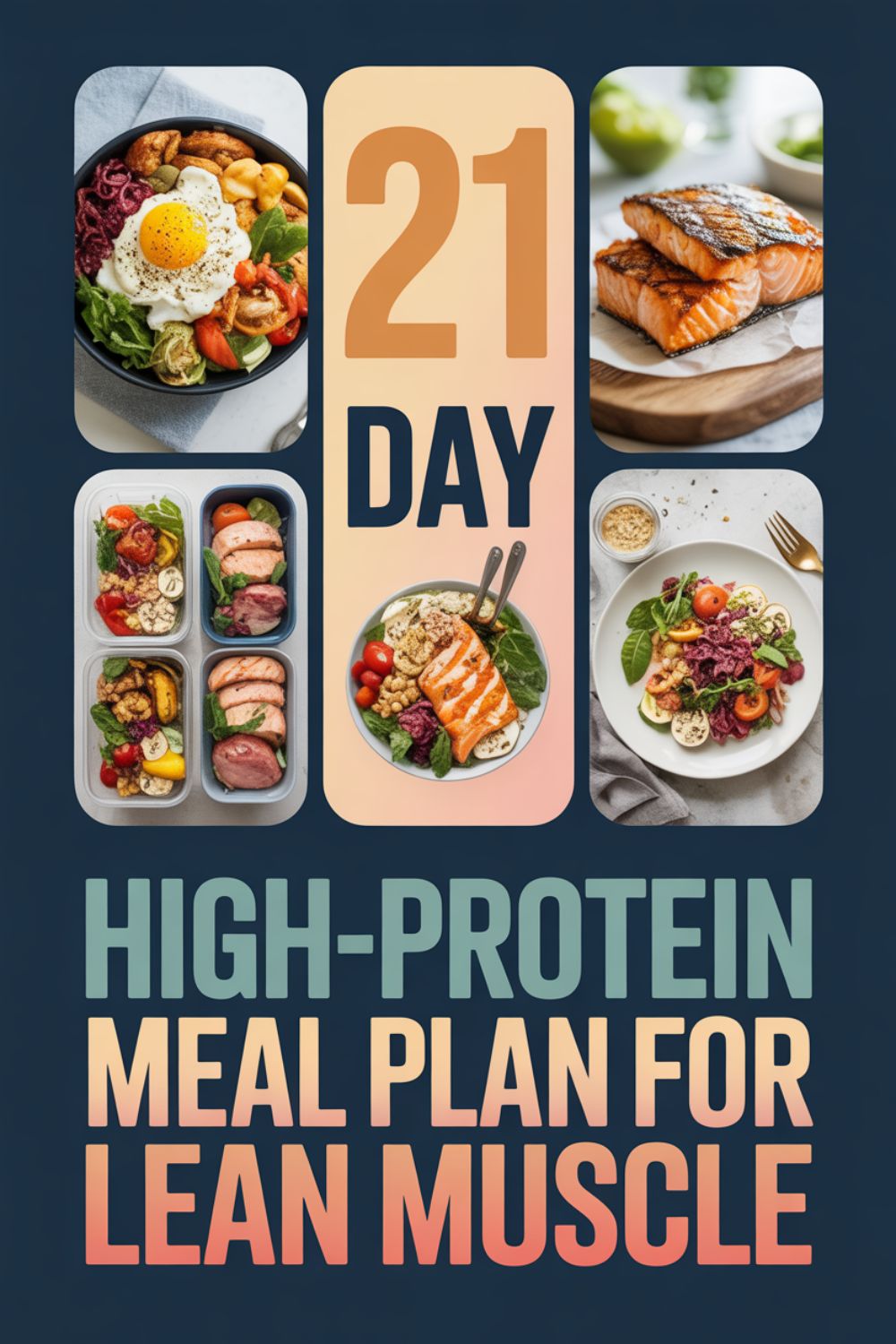
21-Day High-Protein Meal Plan for Lean Muscle
Look, I’m not gonna sugarcoat it. Building lean muscle isn’t some mystical process that requires a PhD in nutrition or a personal chef on speed dial. What it does require is consistency, decent food choices, and enough protein to actually fuel those gains you’re chasing. After years of trial and error—and yeah, a few questionable protein shake experiments—I’ve figured out what actually works.
This 21-day high-protein meal plan isn’t about surviving on boiled chicken and broccoli until you hate your life. It’s about eating real food that tastes good while hitting your protein targets without obsessing over every gram. Whether you’re new to muscle building or you’ve been at it for a while, this plan gives you a solid foundation without making you feel like you’re eating the same boring meals on repeat.
Why Protein Actually Matters for Muscle Growth
Here’s the deal. Your muscles are literally made of protein. When you lift weights or do any resistance training, you’re creating tiny tears in your muscle fibers. Your body then repairs these tears using amino acids from dietary protein, making the muscles bigger and stronger than before. Skip the protein, and you’re basically asking your body to build a house without bricks.
Research shows that consuming adequate protein is critical for maintaining optimal health and muscle function, and higher protein intakes have become increasingly recognized for their muscle-building benefits. But how much do you actually need?
Most studies point to somewhere between 1.6 to 2.2 grams of protein per kilogram of body weight daily for maximizing muscle growth. For a 175-pound person, that’s roughly 127 to 175 grams of protein per day. Sounds like a lot, right? It’s manageable when you spread it across multiple meals—which is exactly what this plan does.
The Foundation: What This 21-Day Plan Looks Like
This isn’t a one-size-fits-all situation. The plan I’m sharing gives you structure while leaving room for your personal preferences. Each day includes roughly 2,200 to 2,500 calories with protein making up about 30-35% of your total intake. The rest comes from quality carbs and healthy fats—because surprise, you need those too.
The meal structure follows a simple pattern: breakfast kicks things off with 30-40g of protein, lunch delivers another solid 40-50g, dinner rounds out with 35-45g, and strategic snacks fill in the gaps. No meal is identical to another, but they all share common protein-rich ingredients that actually taste good.
Week One: Building the Habit
The first week focuses on getting comfortable with higher protein intake without overwhelming your digestive system. We’re starting with familiar foods—eggs, Greek yogurt, chicken breast, lean ground turkey, and fish. These are staples for a reason: they’re packed with protein, relatively affordable, and most people already know how to cook them.
Monday through Wednesday ease you in with straightforward meal combinations. Scrambled eggs with turkey bacon and whole grain toast for breakfast. Grilled chicken salads for lunch. Baked salmon with roasted vegetables for dinner. Nothing fancy, just solid nutrition. Get Full Recipe for my go-to high-protein breakfast scramble that I’ve refined over the past year.
Speaking of breakfast ideas, you might also love these high-protein overnight oats or this protein-packed smoothie bowl that work perfectly as meal prep options.
Week Two: Mixing Things Up
By week two, your body’s adjusted to the higher protein intake, so we can get more creative. This is where I introduce lean beef, pork tenderloin, cottage cheese, and different fish varieties like tuna and cod. The variety keeps things interesting and ensures you’re getting different amino acid profiles.
I’ll be real with you—cottage cheese gets a bad rap, but mix it with some berries and a drizzle of honey, and it’s actually delicious. One cup packs in about 28 grams of protein. Same goes for canned tuna; studies on protein supplementation show that consistent intake throughout the day matters more than fancy exotic sources.
This week also introduces meal prep batching. I’m talking about cooking larger portions that work for multiple meals. That beef stir-fry you make Monday? It’s lunch Tuesday and Thursday too, just paired with different sides. Work smarter, not harder.
Week Three: Finding Your Rhythm
The final week is where everything clicks. You know what you like, you’ve figured out your meal prep routine, and you’re probably noticing some positive changes—maybe better recovery after workouts, more energy throughout the day, or even some visible muscle definition starting to show.
This week introduces more plant-based protein options for balance. Lentils, chickpeas, quinoa, and edamame all make appearances. Before you roll your eyes, hear me out. Plant proteins aren’t meant to replace your meat intake entirely—they complement it while adding fiber and micronutrients that animal proteins lack.
For more plant-based inspiration, check out these high-protein vegetarian meals and this complete vegan protein guide that pairs perfectly with this plan.
Meal Prep Essentials Used in This Plan
After countless meal prep sessions, here’s what actually makes a difference in your kitchen:
- Glass meal prep containers with compartments – I swear by these for keeping meals organized without that weird plastic taste. Game changer for portion control.
- Digital food scale – Yeah, I know, weighing food sounds tedious. But you only need to do it for a week or two to learn what portions actually look like. Worth it.
- Instant-read meat thermometer – Stop guessing if your chicken is done. This tiny tool prevents both undercooked disasters and dry, overcooked hockey pucks.
- 21-Day Meal Prep Blueprint (Digital Guide) – Complete shopping lists, prep schedules, and cooking instructions for every single day.
- High-Protein Recipe Database – Over 150 recipes specifically designed for muscle building with full macros calculated.
- Macro Tracking Template – Simple spreadsheet that takes the headache out of monitoring your daily protein intake.
Want more support? Join our WhatsApp community where we share daily meal ideas, answer nutrition questions, and keep each other accountable.
Sample Day Breakdown: What You’ll Actually Eat
Let me walk you through what a typical day looks like because abstract meal planning doesn’t help anyone. This is Day 8 from the plan—right in the sweet spot where you’re comfortable but still discovering new combinations.
Breakfast: Protein-Loaded Start (7:00 AM)
Three-egg omelet loaded with spinach, mushrooms, and feta cheese. Side of turkey sausage and a slice of whole grain toast with almond butter. Total protein: 42 grams. The combination of eggs and turkey sausage delivers complete protein while the healthy fats from almond butter keep you satisfied until lunch.
I cook these omelets in this non-stick ceramic pan that makes flipping them actually possible without creating scrambled egg disasters. Zero sticking, zero scrubbing later.
Mid-Morning Snack (10:00 AM)
Greek yogurt parfait with mixed berries, a handful of granola, and a tablespoon of chia seeds. Protein: 20 grams. Quick, portable, and honestly tastes more like dessert than a healthy snack. The chia seeds add texture and bonus omega-3s.
Lunch: Substantial Midday Fuel (1:00 PM)
Grilled chicken breast over quinoa and black bean bowl with roasted sweet potatoes, bell peppers, avocado, and cilantro-lime dressing. Protein: 48 grams. This is where research on protein intake and muscle synthesis really supports front-loading your protein earlier in the day.
Get Full Recipe for this exact bowl—it’s become my weekly staple because the flavors are actually interesting and it reheats perfectly for meal prep.
Afternoon Snack (4:00 PM)
Protein shake made with whey isolate, banana, handful of spinach (you won’t taste it, promise), and unsweetened almond milk. Protein: 28 grams. This hits right before my evening workout, giving my muscles readily available amino acids.
I blend these in this personal blender that’s powerful enough to pulverize ice and frozen fruit but small enough to not take up half my counter.
Dinner: Evening Recovery Meal (7:00 PM)
Pan-seared salmon with garlic herb butter, steamed asparagus, and wild rice pilaf. Protein: 40 grams. The omega-3s in salmon support muscle recovery while reducing inflammation—basically the perfect post-workout dinner. Plus, it tastes way better than more chicken.
Total daily protein: 178 grams. Total calories: approximately 2,380. See how it all adds up without feeling like you’re constantly eating?
The Science Behind Timing Your Protein
You’ve probably heard about the mythical “anabolic window”—that supposed 30-minute post-workout period where you must consume protein or lose all your gains. Good news: that’s mostly bro-science. Recent research shows the window is much wider than we thought, potentially lasting up to 24 hours.
What actually matters more is your total daily protein intake and distribution throughout the day. Studies on resistance training and protein suggest spacing your protein across 4-5 meals maximizes muscle protein synthesis better than eating it all in one or two massive servings.
That said, I do recommend having a protein-rich meal within a couple hours after training. Not because your muscles will shrivel up otherwise, but because refueling properly supports recovery and gets you ready for your next workout.
If you’re looking for perfect post-workout meals, try these recovery-focused dinner recipes or these high-protein post-workout smoothies that hit all the right macros.
Tools & Resources That Make Cooking Easier
Here’s the gear that actually simplifies high-protein meal prep:
- Programmable slow cooker – Set it in the morning, come home to perfectly cooked proteins. I use mine for shredded chicken at least twice a week.
- Cast iron grill pan – Those restaurant-style grill marks on your chicken? This pan delivers. Plus it retains heat better than anything else I own.
- Silicone baking mats – I use these on everything short of cereal bowls. Zero sticking, zero scrubbing, and they last forever.
- Weekly Meal Planning Template – Printable planner that maps out your entire week including shopping lists organized by store section.
- Protein Timing Guide – Science-backed recommendations on optimal meal timing for maximum muscle growth.
- Supplement Stacking Protocol – Detailed guide on which supplements actually support muscle building and which ones are marketing hype.
Connect with others following this plan in our WhatsApp community. We share prep photos, recipe modifications, and motivation when you need it.
Common Mistakes I See People Make
After helping dozens of friends start high-protein meal plans, I’ve noticed the same mistakes popping up repeatedly. Let’s address them so you don’t waste time learning the hard way.
Mistake #1: Jumping to 200g Protein Overnight
If you’ve been eating 60-80 grams of protein daily, suddenly quintupling that intake will wreck your digestive system. Gradually increase by 20-30 grams per week until you hit your target. Your gut bacteria need time to adapt—don’t learn this lesson through uncomfortable bloating.
Mistake #2: Eating the Same Five Foods Forever
Yeah, chicken and rice work. But eating them exclusively for months will make you want to throw your meal prep containers out the window. Rotate through different protein sources—beef, pork, fish, eggs, dairy, legumes. Each brings different nutrients and keeps your taste buds from staging a rebellion.
Mistake #3: Ignoring Meal Prep Completely
Look, I get it. Meal prep sounds boring and time-consuming. But trying to cook from scratch three times daily while hitting protein targets is a recipe for failure. Even just prepping proteins and chopping vegetables in advance makes a massive difference. Start small—prep breakfast and lunch, cook dinner fresh. Build from there.
Mistake #4: Forgetting About Hydration
Higher protein intake requires more water. Your kidneys need it to process all that protein properly. I aim for at least a gallon daily, more on training days. Get yourself a large water bottle with time markers—sounds silly, but it actually helps you stay on track.
Adjusting the Plan for Your Specific Goals
This plan works great as written, but your body and goals are unique. Here’s how to tweak things based on where you’re starting from and what you’re trying to achieve.
If You’re Trying to Lose Fat While Building Muscle
This is tough but doable, especially if you’re new to training. Keep protein high—actually bump it up to 2.2-2.4 grams per kilogram. Reduce the carb portions slightly, particularly on rest days. Maybe swap that cup of rice for half a cup, or use smaller sweet potatoes. Keep training hard and be patient. This process takes time.
If You’re a Hard Gainer Trying to Bulk Up
Lucky you, you get to eat more. Increase portion sizes across the board, especially carbs and healthy fats. Add an extra snack or make your shakes more calorie-dense with oats, nut butter, and full-fat dairy. Mass gainer protein powder can help if eating enough solid food becomes overwhelming.
If You’re Plant-Based
Absolutely possible, just requires more strategic planning. Focus on complete protein sources like quinoa, soy products, and hemp seeds. Combine incomplete proteins—rice and beans, hummus and whole grain pita. Consider a quality plant-based protein powder to make hitting your targets easier.
Check out these complete plant-based protein meals and this vegan muscle-building guide for more detailed strategies.
What to Expect During These 21 Days
Real talk about what actually happens when you commit to this plan. Not just the highlight reel stuff, but the entire experience.
Week One Realities
The first few days feel weird. You’re eating more food than you’re used to, and your stomach might protest slightly. Some people feel more energized immediately, others feel sluggish as their body adjusts. Both are normal. You might also notice you’re using the bathroom more frequently—again, totally normal with increased food and protein intake.
Sarah from our community tried this plan and mentioned feeling constantly full during week one. By day five, her appetite adjusted and meals felt more comfortable. She eventually lost 15 pounds over three months while adding visible muscle definition to her arms and shoulders.
Week Two Momentum
This is where things get interesting. Your energy levels stabilize and probably increase. Workouts feel stronger—you might add an extra rep or lift slightly heavier weights. Recovery improves noticeably; that muscle soreness that used to linger for days resolves quicker. Sleep quality often improves too, though some people need to adjust dinner timing if eating too late causes digestive issues.
Week Three Results
By week three, you’ll likely notice physical changes. Maybe your shirts fit tighter around the shoulders and arms (in a good way). Perhaps your pants feel looser around the waist while your quads fill them out more. The scale might not move dramatically—muscle is denser than fat—but photos and measurements tell the real story.
More importantly, the habits feel automatic now. Meal prep doesn’t seem like a chore, just part of your routine. You instinctively scan restaurant menus for protein-rich options. This mental shift matters more than any single meal.
Budget-Friendly Protein Sources
High-protein eating doesn’t require a massive grocery budget. Some of the best sources are surprisingly affordable when you know what to buy.
Eggs remain the cheapest complete protein, usually under three dollars per dozen. That’s roughly 72 grams of protein for three bucks. Hard to beat that value. I buy these organic free-range eggs in bulk from a local farm—slightly more expensive but the taste difference is noticeable.
Canned tuna and salmon work great for quick meals. A can of tuna packs about 25 grams of protein and costs around a dollar. Mix it with Greek yogurt instead of mayo for extra protein. Store it in these airtight containers after opening to keep it fresh.
Greek yogurt goes on sale constantly. Stock up when it does—it keeps for weeks. Plain Greek yogurt gives you the most protein without added sugar. Add your own fruit and honey for flavor control.
Dried lentils and beans are protein powerhouses that cost pennies per serving. A bag of dried lentils costs maybe two dollars and provides protein for numerous meals. Combine them with rice for a complete amino acid profile.
Chicken thighs are cheaper than breasts and honestly taste better due to higher fat content. Just trim excess fat before cooking if you’re watching calories closely. I cook these in this Dutch oven with minimal effort for incredible results.
Frequently Asked Questions
Can I build muscle on a high-protein diet without supplements?
Absolutely. Whole foods should always be your foundation. Supplements like protein powder are convenient and can help you hit your targets more easily, but they’re not mandatory. Focus on getting most of your protein from real food sources—chicken, fish, eggs, dairy, legumes—and use supplements only to fill gaps when needed.
How long before I see actual muscle growth results?
Honestly? It depends on your starting point and consistency. Most people notice strength improvements within 2-3 weeks. Visible muscle changes typically appear around the 4-6 week mark, with more significant development showing up after 8-12 weeks of consistent training and proper nutrition. Take progress photos every two weeks—they reveal changes your mirror might miss.
Is eating this much protein safe for my kidneys?
If you have healthy kidneys, yes. The myth that high protein intake damages healthy kidneys has been thoroughly debunked by research. However, if you have pre-existing kidney disease, you should consult your doctor before significantly increasing protein intake. For healthy individuals, staying well-hydrated helps your body process protein efficiently.
What if I miss a day or eat off-plan occasionally?
Don’t stress about it. One off-plan day won’t destroy your progress. What matters is your overall pattern over weeks and months, not perfection on every single day. Had pizza with friends? Cool, enjoy it, then get back to your plan the next day. Guilt and stress are worse for your results than occasionally eating foods outside your plan.
Should I eat differently on rest days versus training days?
You can, but it’s not mandatory. Some people prefer slightly lower carbs on rest days since they’re not fueling intense workouts. Keep protein consistent regardless—your muscles repair and grow during rest, so they still need those amino acids. Personally, I keep my eating pretty consistent across all days because it’s simpler to maintain.
Final Thoughts: Making This Work Long-Term
Here’s the thing about any meal plan—it only works if you actually follow it. And you only follow it if it fits reasonably into your actual life. This 21-day plan gives you structure and guidelines, but you need to make it yours.
Maybe you hate salmon—swap it for another fish or chicken. Can’t stand eggs? Greek yogurt and cottage cheese offer similar protein with different textures. The specific foods matter less than hitting your daily protein targets and maintaining consistency.
Think of these three weeks as your foundation. You’re building habits, learning what works for your body, and developing the skills to continue beyond day 21. Because that’s when the real journey begins—taking what you’ve learned and applying it for months and years, not just three weeks.
The visible results—the muscle definition, the strength gains, the improved body composition—those are byproducts of showing up consistently with decent nutrition. Focus on the daily actions, and the results take care of themselves.
Now stop reading and start planning your first grocery trip. Your future more-muscular self will thank you.