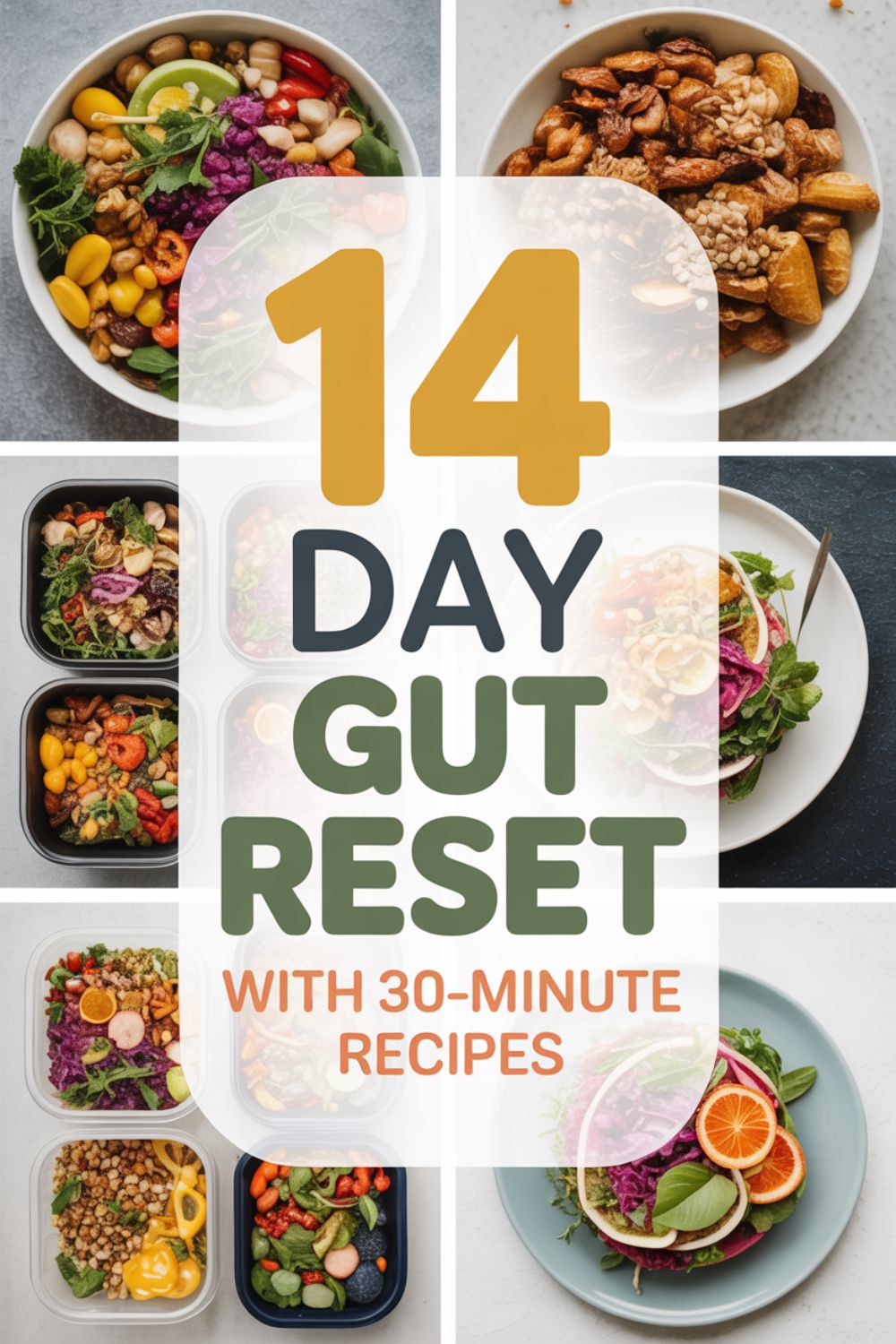
14-Day Gut Reset Plan with 30-Minute Recipes
Your gut’s been through a lot lately, hasn’t it? Maybe you’ve been stress-eating takeout, skipping meals like they’re optional, or just feeling generally off—bloated, sluggish, and wondering when your stomach decided to become your worst enemy. Trust me, you’re not alone, and you definitely don’t need some expensive cleanse or complicated meal prep system to fix it.
I’m going to walk you through a practical 14-day gut reset that actually fits into real life. We’re talking 30-minute recipes max, no weird ingredients you can’t pronounce, and zero juice cleanses that leave you hangry and miserable. Just real food, simple strategies, and a plan that won’t make you want to order pizza by day three.
Why Your Gut Actually Needs This Reset
Let’s get something straight: your gut doesn’t need to be “cleansed” like it’s some dirty windowpane. What it needs is support, diversity, and a break from the processed garbage most of us have been feeding it. Recent research published in Nature shows that gut microbiome diversity can be successfully modified through dietary intervention—and the effects are both predictable and reproducible.
Think of your gut microbiome as a garden. Right now, it might be overrun with weeds (the not-so-friendly bacteria thriving on sugar and processed foods). A gut reset isn’t about scorching the earth and starting from scratch—it’s about pulling the weeds, planting good seeds, and giving everything the right conditions to flourish.
Here’s what actually happens when you reset your gut properly. You’re not starving yourself or following some restrictive nonsense. You’re introducing fiber-rich foods that act as prebiotics, fermented foods packed with probiotics, and anti-inflammatory ingredients that help repair your gut lining. The result? Better digestion, more energy, clearer skin, improved mood, and maybe even some weight loss as a nice bonus.
The Science Behind a 14-Day Timeline
You’re probably wondering why 14 days specifically. Is it some magic number pulled from thin air? Actually, there’s decent science behind it. Research from UCLA Health emphasizes that while genuine gut health improvement is a long-term project, measurable changes in gut microbiota can begin within two weeks of dietary modification.
Two weeks gives your body enough time to start shifting the bacterial balance in your gut. The beneficial bacteria you’re introducing through fermented foods and fiber need time to establish themselves and multiply. Meanwhile, you’re starving out the opportunistic bacteria that thrive on sugar and processed foods. It’s not an instant transformation, but it’s enough time to feel a real difference and build momentum for lasting change.
Plus, let’s be honest—14 days is doable. It’s short enough that you can commit without feeling like you’re signing your life away, but long enough to actually see results and build new habits. By week two, most people report better digestion, more consistent energy, and reduced bloating. Some even notice clearer thinking and better sleep, which makes sense considering around 70% of your immune system lives in your gut.
What You’ll Actually Feel During These Two Weeks
Days 1-3 might be a little rough if you’re coming off a diet heavy in sugar and processed foods. You might feel slightly irritable (withdrawal is real), experience some digestive changes as things adjust, and wonder if this is really worth it. Stick with it. This is your body detoxing from the junk, not the reset failing you.
Days 4-7 are when things start clicking. Your energy stabilizes, cravings diminish, and you’ll probably notice you’re not reaching for snacks every two hours. Your digestion begins to regulate—less bloating, more regular bathroom visits (sorry, but it matters).
Days 8-14 are the sweet spot. You feel lighter without necessarily losing dramatic amounts of weight. Your skin might look clearer. You sleep better. Most importantly, you start craving the foods that make you feel good rather than the ones that don’t. That’s when you know you’re actually resetting your palate and your gut simultaneously.
Setting Up Your Gut-Friendly Kitchen
Before we jump into the meal plan, let’s talk logistics. You don’t need to buy out the health food store or invest in fancy equipment. But there are a few things that’ll make this infinitely easier. I’m a big believer in having glass meal prep containers that don’t leak and don’t retain smells—trust me on the smell thing. Also, a decent high-speed blender will save you so much time on smoothies, soups, and sauces.
Stock your pantry with gut-friendly staples: Get Full Recipe for homemade sauerkraut if you’re feeling ambitious, but store-bought works too (just check for live cultures on the label). Grab some quality kimchi, miso paste, and full-fat Greek yogurt with live cultures. You’ll also want plenty of fiber sources—quinoa, brown rice, oats, lentils, and beans. Don’t skip the prebiotic powerhouses: garlic, onions, leeks, and asparagus.
For quick cooking, I swear by a large cast iron skillet that goes from stovetop to oven. Game changer for one-pan meals. And honestly? A mandoline slicer makes veggie prep so fast you’ll wonder why you ever used a knife. Just watch your fingers—those things are sharp.
Meal Prep Essentials Used in This Plan
These are the tools and products that made my gut reset journey way easier. I’m not saying you need everything, but these are the items I found myself reaching for constantly during my two weeks.
- OXO Good Grips Glass Meal Prep Containers (5-Pack) Perfect for batch cooking and storing your prepped veggies. They’re airtight, microwave-safe, and the glass doesn’t get gross like plastic does. I prep Sunday and Wednesday nights, and these keep everything fresh.
- Vitamix E310 Explorian Blender Look, you don’t need the fanciest model, but a good blender matters. This one pulverizes leafy greens for smoothies and makes the creamiest soups without any chunks. Worth every penny for those morning protein smoothies.
- Lodge Pre-Seasoned Cast Iron Skillet (12-inch) This thing is indestructible and makes everything taste better. I use it for sautéing veggies, making frittatas, roasting chickpeas—basically everything except cereal. Gets better with age too.
- 14-Day Gut Reset Meal Plan PDF (Digital) Complete shopping lists, prep schedules, and recipe cards organized by week. Takes the guesswork out of what to make when.
- Gut Health Recipe eBook Collection (Digital) Over 75 quick recipes specifically designed for gut health, with prep times under 30 minutes. Includes breakfast, lunch, dinner, and snack options.
- Fermentation Made Easy Video Course (Digital) Learn to make your own sauerkraut, kimchi, and kombucha at home. Saves money and ensures you’re getting maximum probiotics from fresh ferments.
Want ongoing support? Join our WhatsApp community for daily recipe ideas, troubleshooting tips, and motivation from others doing the reset.
Your 14-Day Gut Reset Meal Framework
Here’s the truth: I’m not going to give you a rigid meal-by-meal plan that assumes you have the exact same schedule, preferences, and kitchen every single day. That’s not realistic. Instead, I’m giving you a flexible framework with mix-and-match options that all clock in under 30 minutes of active cooking time.
The Daily Structure That Actually Works
Start every day with a probiotic-rich breakfast. This could be overnight oats with kefir, a smoothie bowl with yogurt, or scrambled eggs with sauerkraut (don’t knock it till you try it). The morning sets the tone for your gut bacteria all day. If you need inspiration, Get Full Recipe for my go-to gut-healing overnight oats that literally take 2 minutes to throw together the night before.
Mid-morning, if you need something, keep it simple: a handful of nuts, some veggie sticks with hummus, or a small piece of fruit. The goal isn’t to suppress hunger but to avoid the blood sugar spikes that mess with your gut bacteria balance. Speaking of easy snacks, these simple probiotic-rich snack ideas have saved me countless times when cravings hit.
Lunch should be fiber-forward and satisfying. Think big salads with protein, grain bowls loaded with vegetables, or hearty soups packed with legumes. This is where you get creative with leftovers from dinner. I usually make a double batch at dinner and repurpose half for lunch the next day. Saves time and reduces the mental load of meal planning.
For more meal prep strategies that actually work for busy schedules, check out these time-saving batch cooking techniques that keep your gut reset on track even during hectic weeks. I also love referencing this collection of 15-minute lunch bowls when I need variety without the hassle.
Dinner: Where the Magic Happens
Dinner is your opportunity to really nourish your gut with variety. Aim for at least three different colored vegetables on your plate—each color represents different phytonutrients and different fuel for different gut bacteria. Add a palm-sized portion of protein (fish, poultry, legumes, tofu—whatever works for you), and include a fermented element. This could be a dollop of kimchi, some pickled vegetables, or a miso-based sauce.
Some of my favorite 30-minute gut-friendly dinners: sheet pan salmon with roasted cruciferous vegetables, stir-fried tempeh with loads of garlic and ginger, or a simple lentil curry with spinach. Nothing fancy, nothing complicated. Just real food cooked simply. Get Full Recipe for that tempeh stir-fry—it’s become my weekly staple.
The Non-Negotiable Gut Reset Rules
Okay, calling them “rules” sounds harsh, but these are the principles that make or break your reset. First up: hydration matters more than you think. Your gut bacteria need water to thrive, and your digestive system needs it to keep things moving smoothly. Aim for at least 8 glasses daily, more if you’re exercising or it’s hot out.
Second: eat slowly and chew thoroughly. I know, your mom’s been telling you this forever, but she was right. Digestion starts in your mouth. When you scarf down food without chewing properly, you’re making your gut work way harder than necessary. Plus, eating slowly helps you actually taste your food and recognize when you’re satisfied.
Third: manage your stress. The gut-brain connection is real and powerful. When you’re stressed, your digestive system basically hits pause. This is why you might get an upset stomach before a big presentation or lose your appetite during stressful periods. Build in some daily stress management—whether that’s meditation, walking, journaling, or just turning off your phone for 20 minutes.
Fourth: prioritize sleep. Poor sleep disrupts your gut bacteria balance. Aim for 7-9 hours nightly. Your gut does a lot of its repair work while you sleep, so skimping on rest undermines everything else you’re doing right.
Finally: move your body daily. You don’t need to become a gym rat, but movement helps food move through your digestive system and supports healthy gut bacteria. Even a 20-minute walk after dinner makes a difference. FYI, I do most of my walking while listening to podcasts, so it feels less like exercise and more like me time.
What to Actually Eat: The Gut-Friendly Foods List
Let’s break down the categories of foods you’ll be focusing on. Probiotic-rich fermented foods are your gut’s best friends: yogurt, kefir, kimchi, sauerkraut, tempeh, miso, and kombucha. These deliver beneficial bacteria directly to your gut. Just make sure you’re buying varieties with live cultures—check the label.
Prebiotic fibers are what feed those good bacteria. Load up on garlic, onions, leeks, asparagus, bananas (slightly green ones are higher in resistant starch), oats, apples, and flaxseeds. These foods might cause some gas initially as your gut bacteria get to work—that’s normal and usually subsides after a few days.
Colorful vegetables and fruits provide polyphenols and antioxidants that reduce inflammation and support gut health. Think berries, leafy greens, beets, carrots, bell peppers, and cruciferous vegetables like broccoli and cauliflower. Variety is key here—don’t eat the same five vegetables all week.
Healthy fats support your gut lining and help absorb fat-soluble vitamins. Include avocados, olive oil, nuts, seeds, and fatty fish like salmon or sardines. I usually drizzle some high-quality extra virgin olive oil on basically everything. It’s one of those small upgrades that makes a big difference in taste and nutrition.
Quality proteins provide the amino acids needed for gut repair. This includes wild-caught fish, pasture-raised poultry, eggs, legumes, and organic tofu or tempeh if you’re plant-based. The key word here is “quality”—your gut doesn’t need factory-farmed meat pumped full of antibiotics.
Tools & Resources That Make Cooking Easier
Look, nobody has time to spend hours in the kitchen every day. These tools and resources cut your active cooking time in half while making the food taste better. Consider them investments in not ordering takeout.
- Instant Pot Duo 7-in-1 Electric Pressure Cooker This thing cooks beans from dry in 30 minutes, makes perfect hard-boiled eggs, and does hands-off soups and stews. If you’re intimidated by cooking, this is your new best friend.
- Microplane Premium Classic Zester Sounds fancy, but it’s just a really good grater for ginger, garlic, and citrus zest. Adds so much flavor to simple dishes with minimal effort. Mine lives in my utensil crock.
- OXO Good Grips Salad Spinner Washing and drying greens properly makes them last way longer and taste better. This one is sturdy, doesn’t leak all over your counter, and actually dries the lettuce properly.
- Quick Fermentation Starter Kit PDF (Digital) Step-by-step guide to making your own fermented vegetables at home. Includes troubleshooting tips and flavor variations. Way cheaper than buying from stores long-term.
- Gut Reset Grocery List Generator (Digital) Interactive tool that creates custom shopping lists based on your dietary preferences and restrictions. Saves so much time and reduces food waste.
- 30-Minute Meal Prep Masterclass (Digital) Video series showing exactly how to prep ingredients efficiently. No fluff, just practical demonstrations of cutting techniques and storage methods that actually work.
Need recipe substitutions for allergies or preferences? Our WhatsApp community members share alternatives daily—someone always has a solution you haven’t thought of.
Foods to Minimize (Not Eliminate Forever)
Notice I said “minimize,” not “ban for life.” This isn’t about perfectionism or restriction—it’s about strategic choices during your reset. Highly processed foods are the main culprits disrupting gut health. This includes things like refined sugars, artificial sweeteners, processed meats, and foods with ingredient lists you can’t pronounce.
Refined grains like white bread, white rice, and regular pasta don’t provide much for your gut bacteria to work with. During these 14 days, stick with whole grains. After your reset, you can reintroduce them in moderation if you want, but you’ll probably find you don’t crave them as much anyway.
Excessive alcohol irritates your gut lining and disrupts the bacterial balance. I’m not saying you can never have a drink again, but during these two weeks, try to minimize or eliminate it. Your gut (and your sleep quality) will thank you.
Some people also benefit from temporarily reducing dairy and gluten. This isn’t because they’re inherently evil—they’re not—but many people have mild sensitivities they don’t realize. If you notice significant improvements during your reset, you might want to reintroduce these foods one at a time afterward to see how your body actually responds.
Week One: Getting Your Gut on Board
The first week is about establishing your baseline and introducing gut-friendly foods gradually. Don’t go from eating fast food daily to a 100% whole foods diet overnight—that’s a recipe for failure and digestive discomfort. Ease in by replacing one meal at a time with a gut-friendly option.
Start your mornings with something simple but powerful. My favorite is a Get Full Recipe for turmeric golden milk overnight oats—you literally just mix everything in a jar the night before, and breakfast is ready when you wake up. The turmeric provides anti-inflammatory benefits, the oats feed your good gut bacteria, and the addition of kefir or yogurt delivers probiotics.
For lunch and dinner this week, focus on building balanced plates. Half your plate should be vegetables (the more colorful, the better), a quarter should be quality protein, and a quarter should be a whole grain or starchy vegetable. Add a fermented element to at least one meal daily. This might be a side of kimchi, a spoonful of sauerkraut, or a miso-based dressing.
Between meals, focus on staying hydrated. I keep a large insulated water bottle on my desk and make it a game to finish it twice during the workday. Boring? Maybe. Effective? Absolutely. You’ll notice your digestion improves significantly just from proper hydration alone.
Looking for more variety in your first week? These beginner-friendly gut reset recipes are designed specifically for people new to this style of eating. They’re familiar enough that you won’t feel like you’re eating “weird health food” but clean enough to start shifting your gut bacteria. For quick lunch solutions, I constantly reference these mason jar salad recipes—they stay fresh for days and make work lunches actually enjoyable.
Managing the Initial Adjustment
Your body might rebel a bit during the first few days. If you’ve been eating a lot of processed foods and sugar, you might experience headaches, irritability, or fatigue as your blood sugar stabilizes and your body adjusts. This is temporary—usually 2-3 days max. Stay hydrated, get enough sleep, and don’t push yourself to be superhuman during this transition.
You might also notice changes in your bathroom habits. Increasing fiber significantly can cause some initial bloating or gas. This is your gut bacteria getting to work on all that good fiber. It typically improves after a few days as your system adjusts. If it’s really uncomfortable, slow down your fiber increase slightly and build up more gradually.
Week Two: Deepening the Reset
By week two, you should be feeling noticeably different. Your energy is more stable, cravings are diminishing, and your digestive system is finding its rhythm. This week is about deepening those changes and expanding your recipe repertoire so you don’t get bored.
Introduce more variety in your fermented foods. If you’ve been sticking with yogurt, try kefir this week. Add kimchi to your grain bowls. Experiment with miso in soups and dressings. Each different fermented food brings different strains of beneficial bacteria to your gut. Diversity is the goal here.
This is also a great week to meal prep more strategically. Batch cook some basics: a big pot of quinoa, roasted vegetables, a simple protein like baked chicken thighs or marinated tofu. Store everything separately in those glass containers I mentioned, and you can mix and match throughout the week for different flavor combinations.
For breakfast inspiration that doesn’t get boring, check out these protein-packed smoothie bowls and savory breakfast options that break the sweet-breakfast mold. IMO, savory breakfasts keep you fuller longer and prevent the mid-morning energy crash.
Focus on experimenting with gut-healing ingredients you might not use regularly. Add ginger to your smoothies or stir-fries—it’s anti-inflammatory and aids digestion. Use plenty of garlic and onions (cooked or raw, depending on your tolerance). Include bone broth if you eat meat—it’s incredibly healing for the gut lining. Plant-based? Collagen peptides are also available in marine and bovine versions and mix easily into smoothies or coffee.
Fine-Tuning Based on Your Results
By day 10 or 11, you should have a good sense of which foods make you feel amazing and which ones still cause issues. Maybe you’ve noticed that beans cause more bloating than lentils for you, or that raw vegetables sit better than cooked ones (or vice versa). This information is gold—it’s your body telling you what it specifically needs.
Use this week to double down on what works for you personally. There’s no one-size-fits-all gut reset because everyone’s microbiome is unique. The framework is the same, but the specific foods and ratios will vary person to person. Pay attention and trust your body’s feedback.
If you’re still experiencing significant digestive discomfort at this point, it might be worth considering a more formal elimination diet under the guidance of a healthcare provider. Some people have underlying food sensitivities or conditions like SIBO that need more targeted approaches. This general reset is fantastic for most people, but it’s not a substitute for medical advice if something seems genuinely wrong.
Beyond Day 14: Making It Stick
Congrats—you made it through two weeks! But here’s the thing: the benefits of better gut health compound over time. Two weeks is just the beginning. The goal now is to maintain these habits without feeling like you’re on a perpetual diet.
Adopt the 80/20 rule: eat gut-friendly foods 80% of the time, and don’t stress about the other 20%. Life happens. Birthdays exist. Sometimes you really want pizza. That’s fine—the occasional indulgence won’t undo all your progress as long as your baseline habits remain solid.
Keep those fermented foods in your regular rotation. Try to include at least one probiotic-rich food daily. Continue prioritizing fiber and variety in your vegetable intake. Stay hydrated. Manage your stress. These aren’t temporary reset tactics—they’re foundational health practices that support your gut (and entire body) long-term.
Meal prep will likely remain your best friend. Even just prepping vegetables and cooking some grains on Sunday makes weeknight cooking so much easier that you’re far less likely to default to takeout. I still do my Sunday afternoon prep session every single week because the time investment pays off tenfold during busy weekdays.
For ongoing recipe inspiration and continued gut health support, these seasonal meal plans rotate ingredients based on what’s fresh and affordable. Also worth checking out: gut-friendly dessert recipes for when you want something sweet without derailing your progress.
Frequently Asked Questions
Can I do this gut reset if I have IBS or other digestive conditions?
Generally, yes, but with some modifications. If you have IBS, you might need to be more careful with high-FODMAP foods like garlic, onions, and certain legumes. The principles of adding fermented foods, managing stress, and eating whole foods still apply, but you might need to adjust which specific foods you emphasize. Always consult with your healthcare provider before making major dietary changes, especially if you have a diagnosed condition.
What if I can’t tolerate fermented foods or they make me feel worse?
Some people, especially those with SIBO or histamine intolerance, don’t tolerate fermented foods well initially. If this is you, focus on the prebiotic fibers, anti-inflammatory foods, and stress management aspects of the reset. You can get probiotics from supplements instead (look for multi-strain varieties with at least 10 billion CFUs). As your gut heals, you may find you can gradually introduce small amounts of fermented foods later.
Will I lose weight on this gut reset?
Many people do lose some weight during the 14 days, typically 3-7 pounds, but that’s not the primary goal. The weight loss is usually a combination of reduced bloating, balanced blood sugar, and naturally eating fewer calories when you eliminate processed foods. More importantly, you’ll likely feel better, have more energy, and establish habits that support long-term health. Think of any weight loss as a nice side effect rather than the main objective.
Can I exercise during the gut reset?
Absolutely, and you should. Regular movement supports gut health by promoting healthy motility and reducing stress. Just don’t start a brand new intense exercise program at the same time you’re changing your diet—that’s too much change at once. Stick with your current activity level or add gentle movement like walking, yoga, or swimming. Save the marathon training for after your reset is complete.
Do I need to buy expensive supplements or probiotics?
Not necessarily. Food-based probiotics from fermented foods are often more effective than supplements because they come with the whole food matrix of nutrients. That said, a quality probiotic supplement can be helpful if you don’t like fermented foods or have specific conditions. If you do choose to supplement, look for products with multiple strains, at least 10 billion CFUs, and proper storage (many need refrigeration). But honestly, save your money and just eat more sauerkraut.
Final Thoughts: Your Gut, Your Rules
Look, I’m not going to pretend that two weeks will solve every digestive issue you’ve ever had or that you’ll never crave junk food again. What this reset does is give you a solid foundation and show you—through actual lived experience—how much better you can feel when you support your gut properly.
The 30-minute time limit on recipes isn’t arbitrary. It’s realistic. You have a life, responsibilities, and other things competing for your time. Making gut health accessible and sustainable means it can’t require hours in the kitchen every day. These recipes prove you can eat well without it consuming your entire existence.
Your gut health affects everything—your energy, mood, skin, immune function, even how well you sleep. Taking two weeks to reset and prioritize it isn’t indulgent or excessive. It’s one of the smartest investments you can make in your overall wellbeing. Plus, the food is actually delicious once you get past the idea that “healthy” means “tasteless.”
Start with the framework I’ve laid out here, but don’t be afraid to adjust based on what works for your body, schedule, and preferences. The best gut reset plan is the one you’ll actually stick with. If that means substituting ingredients, tweaking meal times, or focusing more on certain foods than others, that’s completely fine. You’re not trying to win any perfectionism awards here—you’re just trying to feel better.
And hey, if you fall off the wagon at some point (we all do), you can always hop back on. Your gut bacteria are surprisingly resilient and forgiving. One less-than-optimal meal doesn’t undo weeks of progress. It’s the overall pattern that matters, not individual meals.
Ready to get started? Pick one recipe to try this week. Just one. Don’t overhaul your entire life tomorrow. Small, consistent changes compound over time into massive results. Your gut will thank you, and your future self will wonder why you didn’t start sooner.