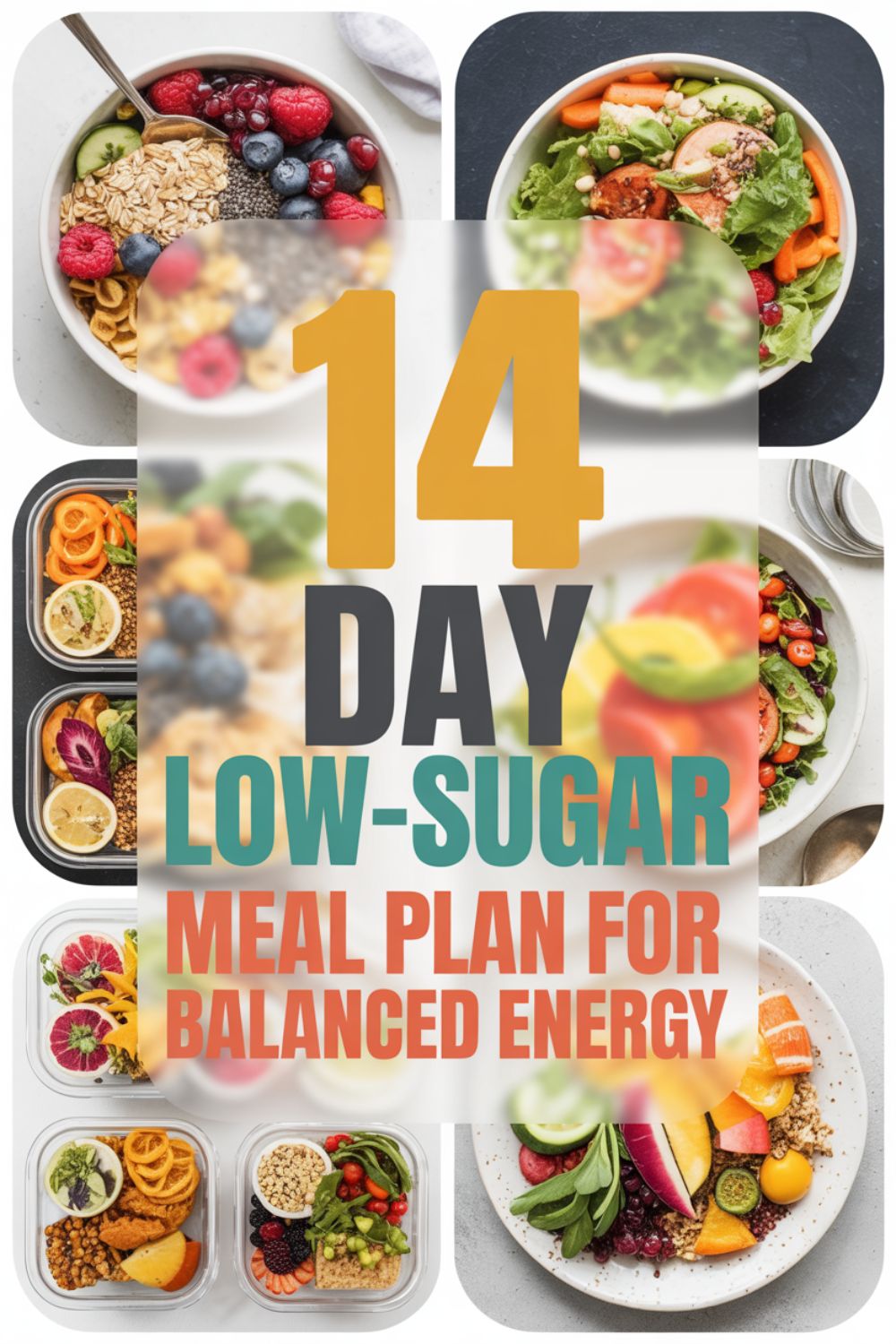
14-Day Low-Sugar Meal Plan for Balanced Energy
Let’s be honest—sugar crashes are the absolute worst. One minute you’re crushing it at work, and the next you’re face-down in a bag of chips wondering where your life went wrong. I’ve been there more times than I’d like to admit, and that’s exactly why I finally decided to get serious about cutting back on the sweet stuff.
So here’s the thing about low-sugar eating: it’s not about becoming some joyless person who judges everyone else’s dessert choices. It’s about finding that sweet spot (pun intended) where your energy stays steady, your mood doesn’t swing like a pendulum, and you actually feel like a functional human being throughout the day.
This 14-day plan isn’t going to ask you to give up flavor or spend your entire Sunday meal-prepping like it’s a part-time job. What it will do is show you how to build meals that keep your blood sugar balanced without making you feel like you’re on some restrictive diet from the 1980s.
Why Your Body Will Thank You for This
Before we jump into the actual plan, let’s talk about why this matters. When you eat a bunch of sugar, your blood glucose shoots up faster than your neighbor’s eyebrows when you tell them you’re trying to quit coffee. Then comes the crash, and suddenly you’re googling “how much caffeine is too much” while contemplating a third espresso.
Research shows that keeping your blood sugar levels stable throughout the day helps maintain consistent energy, improves mood regulation, and reduces those annoying mid-afternoon cravings that have you raiding the office snack drawer. It’s not magic—it’s just your body functioning the way it’s supposed to when you’re not throwing it curveballs every few hours.
The cool thing is that your body actually becomes better at this over time. As you reduce added sugars and focus on whole foods with fiber and protein, your insulin sensitivity improves, which basically means your body gets more efficient at managing the glucose in your bloodstream. Less drama, more stability.
Pro Tip: Start your mornings with protein and healthy fats before touching any carbs. It sets the tone for steadier blood sugar all day long.
The Foundation: What Makes This Plan Work
This isn’t about counting every gram of naturally occurring sugar in an apple or freaking out over a splash of milk in your coffee. The real culprit we’re targeting here is added sugar—the stuff manufacturers sneak into everything from pasta sauce to “healthy” granola bars.
The plan focuses on three key principles: pairing carbs with protein and fat, loading up on fiber-rich vegetables, and timing your meals to prevent that blood sugar rollercoaster. Think of it like building a house—you need a solid foundation, and that foundation is balanced macronutrients at every meal.
Protein: Your Blood Sugar’s Best Friend
Protein slows down how quickly glucose enters your bloodstream. That’s why a handful of raw almonds keeps you fuller longer than a granola bar with the same calories. IMO, this is the single most important thing to understand about managing energy levels.
Good protein sources include eggs, Greek yogurt, chicken, fish, tofu, and legumes. If you’re vegetarian or vegan, don’t stress—there are plenty of plant-based options that work just as well. Get Full Recipe for my favorite high-protein breakfast that takes literally five minutes.
Fiber: The Unsung Hero
Fiber is like a bodyguard for your blood sugar. It literally slows down the absorption of glucose, which means no spikes, no crashes, just smooth sailing. Vegetables, especially non-starchy ones like broccoli, spinach, and bell peppers, are fiber powerhouses that also happen to be incredibly versatile.
I throw frozen cauliflower rice into everything these days. It’s honestly become my kitchen MVP because it bulks up meals without adding a ton of carbs, and it soaks up whatever flavors you’re working with.
“I started adding more fiber to my meals and the difference was immediate. No more 3 PM energy crashes or desperate snack attacks. Lost 12 pounds in the first month without even really trying.” — Rachel from our community
Week One: Getting Your Bearings
The first week is all about adjustment. Your taste buds might protest a bit because they’re used to that sugar hit, but trust me, they’ll adapt faster than you think. By day four or five, foods you used to find bland will suddenly taste like they have actual flavor.
Days 1-3: Breakfast Ideas
Start with something simple: two scrambled eggs with a massive pile of sautéed spinach and mushrooms. Add half an avocado on the side. This combo gives you protein, healthy fats, and fiber all in one shot. Season it well—garlic powder, black pepper, a pinch of red pepper flakes if you’re feeling adventurous.
If you’re more of a grab-and-go person, overnight oats work great. Mix rolled oats with unsweetened almond milk, chia seeds, and a handful of berries. The chia seeds add extra fiber and omega-3s, plus they make the texture kind of pudding-like. Let it sit in the fridge overnight using one of those glass meal prep containers—makes morning infinitely easier.
Speaking of breakfast ideas, you might also love these protein-packed breakfast bowls or this savory breakfast hash that keeps you full until lunch without any mid-morning crashes.
Days 1-3: Lunch and Dinner
For lunch, build a massive salad. I’m talking so big it barely fits in your bowl. Start with mixed greens, add grilled chicken or chickpeas, throw in some cucumber, cherry tomatoes, shredded carrots, and top it with olive oil and lemon juice. Keep it simple.
Dinner could be baked salmon with roasted vegetables. Season the salmon with just salt, pepper, and a squeeze of lemon. Roast whatever vegetables you have—Brussels sprouts, broccoli, cauliflower—tossed in olive oil. Get Full Recipe for the exact timing and temperatures that make the veggies crispy instead of soggy.
Quick Win: Prep your vegetables on Sunday night. Wash, chop, and store them in containers. Thank yourself all week when dinner takes 15 minutes instead of 45.
Days 4-7: Mixing Things Up
By now you’ve probably noticed your energy feels more consistent. Lean into that. For breakfast, try a veggie-loaded omelet—bell peppers, onions, tomatoes, whatever you’ve got. Cook it in a good non-stick pan so cleanup is painless.
Lunch could be a lettuce wrap situation using large romaine or butter lettuce leaves instead of tortillas. Fill them with turkey, hummus, shredded carrots, and cucumber. It’s weirdly satisfying and you won’t feel that heavy, sluggish feeling you get from bread.
For dinner, make a stir-fry with tons of vegetables and your protein of choice. Use coconut aminos instead of regular soy sauce—it has less sodium and no added sugar. Serve it over cauliflower rice instead of regular rice. The texture difference takes some getting used to, but once you nail the seasoning, it’s actually really good.
Looking for more variety? Check out these easy stir-fry combinations and this complete Asian-inspired meal plan that keeps things interesting without the added sugars found in most takeout.
Week Two: Building Momentum
Welcome to week two, where things start feeling less like a diet and more like just how you eat now. Your cravings should be way down, and you might even notice you’re sleeping better. That’s because stable blood sugar during the day means stable blood sugar at night.
Days 8-10: Breakfast Options
Switch it up with a smoothie bowl. Blend unsweetened almond milk, frozen berries, a scoop of protein powder, and some spinach (you won’t taste it, I promise). Pour it into a bowl and top with unsweetened coconut flakes, a tablespoon of almond butter, and some hemp seeds. Eat it with a spoon like a normal person, not through a straw.
Another option: full-fat Greek yogurt (the full-fat version actually keeps you fuller longer) with a handful of walnuts and fresh blueberries. The healthy fats in nuts help slow down sugar absorption from the berries.
Days 8-10: Main Meals
Lunch: Make a big batch of vegetable soup. I’m talking loaded with zucchini, celery, carrots, cabbage, tomatoes, and white beans. Season it well with herbs and spices. Use a large Dutch oven so you can make enough for several meals. FYI, soup freezes beautifully, so you’re basically creating future-you insurance against takeout.
Dinner: Bake some chicken thighs (more flavorful than breasts and harder to dry out) with a side of roasted sweet potato and green beans. Drizzle everything with olive oil before roasting. Sweet potatoes have natural sweetness but also fiber, so they don’t spike your blood sugar like regular potatoes might.
Meal Prep Essentials Used in This Plan
Here are some things that genuinely make this whole process easier:
- Glass meal prep containers with compartments – Game changer for storing pre-chopped vegetables and assembled meals. No weird plastic taste, and you can see what’s inside without opening everything.
- High-speed blender – Essential for smoothies and can also handle soups. Get one that’s at least 1000 watts if you want it to actually pulverize frozen ingredients.
- Quality chef’s knife – Vegetable prep goes about three times faster with a sharp knife. Worth the investment.
- 14-Day Low-Sugar Meal Plan Digital Guide – Complete shopping lists, meal timing strategies, and troubleshooting tips for when cravings hit.
- Blood Sugar Balancing Recipe Collection – Over 100 recipes specifically designed to keep your energy stable throughout the day.
- Macro Tracking Made Simple eBook – Learn how to balance your meals without obsessing over every gram.
Want more support? Join our WhatsApp community where people share their favorite meal ideas, answer questions, and keep each other motivated.
Days 11-14: The Home Stretch
You’re almost there. By this point, your body has adapted pretty well. You might notice you’re not thinking about food constantly, which is honestly one of the best side effects of stable blood sugar.
Breakfast: Try cottage cheese with sliced cucumber, cherry tomatoes, and everything bagel seasoning. Sounds weird, tastes amazing. The cottage cheese provides protein and the vegetables add crunch and freshness. Get Full Recipe for variations on this surprisingly addictive combo.
For lunch, make a Buddha bowl with quinoa (rinse it well to avoid bitterness), roasted chickpeas, loads of vegetables, and a tahini dressing. The combination of complex carbs from quinoa and protein from chickpeas keeps everything balanced.
Dinner: Pan-seared white fish with asparagus and a side salad. Season the fish simply—lemon, garlic, salt, pepper. The asparagus can be roasted or grilled. If you have a cast iron skillet, use it for the fish. It distributes heat evenly and gives you that nice crispy exterior.
“Two weeks in and I feel like a completely different person. My afternoon slump is gone, I’m sleeping through the night, and I’ve actually started waking up before my alarm. Wild.” — Mike from our community
Snacks That Won’t Sabotage Your Progress
Let’s talk snacks because this is where people usually fall apart. The key is having something ready so you’re not desperately grabbing whatever’s convenient when hunger hits.
Keep it simple: apple slices with almond butter, vegetables with hummus, a handful of nuts, hard-boiled eggs, or some cheese with cucumber slices. These combinations give you protein and fat along with any carbs, which prevents that blood sugar spike.
I keep pre-portioned nut packs in my bag at all times. They’re weirdly expensive compared to buying in bulk, but the convenience factor makes them worth it for me. Otherwise, I’d end up at a vending machine making questionable choices.
For more snack inspiration, check out these grab-and-go options and this complete guide to blood-sugar-friendly snacking.
What About Eating Out?
Restaurant meals can be tricky because sugar hides in the weirdest places—salad dressings, marinades, sauces. Your best bet is to stick with grilled proteins and steamed or roasted vegetables. Ask for sauces on the side so you control how much goes on your food.
Mexican restaurants are surprisingly good options. Get fajitas without the tortillas, load up on the vegetables and protein, and add guacamole. Skip the rice and beans (or just have a small amount) and definitely skip the margaritas, which are basically sugar bombs in disguise.
Asian restaurants can work if you’re strategic. Order steamed vegetables with a protein and ask for the sauce on the side. Most brown sauces in Chinese restaurants are loaded with sugar. Even “healthier” options like teriyaki sauce can have a surprising amount.
Missing your favorite takeout flavors? Try these homemade versions that give you all the taste without the hidden sugars. And this restaurant survival guide has saved me countless times when eating out is unavoidable.
Handling the Inevitable Cravings
Even with stable blood sugar, cravings happen. Sometimes you just want something sweet, and that’s normal. The difference is that now you have options that won’t send you spiraling.
Dark chocolate (70% cacao or higher) is your friend. A couple of squares satisfy the chocolate craving without the sugar overload. Or try frozen berries—seriously, frozen blueberries eaten straight from the freezer are like little flavor bombs.
Another trick: herbal tea. I know it sounds like something your aunt would suggest, but some herbal teas (particularly ones with cinnamon or vanilla) hit that sweet spot without any actual sugar. Brew it strong and it almost feels indulgent.
Pro Tip: When a craving hits, drink a big glass of water and wait 10 minutes. Half the time you’re actually just thirsty or bored, not actually hungry.
The Science Behind Meal Timing
Turns out when you eat matters almost as much as what you eat. Your body’s insulin sensitivity actually decreases as the day goes on, which means that identical meal at breakfast versus dinner will affect your blood sugar differently.
This is why eating your biggest meal earlier in the day and keeping dinner lighter can help maintain better blood sugar balance. I’m not saying you need to eat dinner at 5 PM like a retiree in Florida, but maybe don’t wait until 9 PM to have a massive pasta meal.
Also, try to stop eating at least two to three hours before bed. Your body processes food differently when you’re winding down for sleep, and eating late can interfere with both your blood sugar and sleep quality.
Tools & Resources That Make Cooking Easier
These aren’t necessary, but they definitely make life simpler:
- Digital food scale – If you’re curious about portion sizes while you’re learning, this helps. Once you get the hang of it, you probably won’t need it.
- Instant-read thermometer – No more cutting into chicken to check if it’s done. Game changer for protein cooking.
- Vegetable spiralizer – Makes zucchini noodles, which are great for when you want pasta vibes without the blood sugar spike.
- Weekly Meal Planning Template – A simple spreadsheet that takes the guesswork out of grocery shopping and prevents those “what’s for dinner” panic moments.
- Sugar Swap Guide – Shows you exactly what to use instead of sugar in cooking and baking. Spoiler: it’s not just artificial sweeteners.
- Kitchen Confidence Video Series – Basic cooking techniques that make everything easier, from knife skills to perfectly roasted vegetables.
Join our community for more tool recommendations and to see what’s working for other people in real time.
Comparing Low-Sugar to Other Approaches
You’ve probably heard about keto, paleo, Whole30, and about seventeen other eating approaches. So what makes this different? The low-sugar approach is less restrictive and more focused on sustainability.
Unlike keto, you’re not eliminating entire food groups or tracking macros obsessively. Unlike Whole30, you’re not doing a temporary reset. This is about finding a way of eating that you can maintain long-term without feeling deprived or weird at social events.
The principles work whether you’re vegan, vegetarian, paleo, or just a regular person who likes food. It’s flexible, which is exactly why it tends to work better than more rigid approaches.
What Happens After Two Weeks?
Two weeks is just the beginning. By this point, you’ve probably noticed some changes—more energy, better sleep, fewer cravings, maybe even some weight loss if that was a goal. The question is, what now?
Keep going. This isn’t a diet with an end date. It’s just learning to eat in a way that makes you feel better. You’ll have days where you eat birthday cake or have pizza with friends, and that’s fine. The goal isn’t perfection; it’s building habits that support your energy and health most of the time.
If you want to continue exploring these principles, this complete 30-day meal plan builds on what you’ve learned here with even more variety and advanced techniques.
Frequently Asked Questions
Will I lose weight on this plan?
Maybe, but that’s not really the point. When you reduce added sugars and focus on whole foods, many people naturally consume fewer calories and lose some weight as a side effect. But the main goal here is stable energy and better overall health. If weight loss happens, cool. If not, you’re still getting all the other benefits.
What about fruit? Isn’t it high in sugar?
Fruit contains natural sugars, but it also has fiber, vitamins, minerals, and antioxidants. The fiber slows down sugar absorption, which means eating an apple affects your blood sugar completely differently than drinking apple juice. Stick to whole fruits and pair them with protein or fat (like apple with almond butter) and you’re fine.
Can I drink coffee?
Absolutely. Black coffee is fine, and even coffee with a splash of unsweetened almond milk or cream works. What you want to avoid is sugary lattes, flavored syrups, and those coffee drinks that are basically milkshakes in disguise. If you need sweetness, try a tiny bit of stevia or monk fruit sweetener.
What if I mess up and eat something sugary?
Then you ate something sugary. It’s not a moral failing. Just move on and get back to your regular eating patterns at the next meal. One cookie or one slice of cake isn’t going to undo all your progress. The goal is consistency over time, not perfection every single day.
How long until I stop craving sugar?
For most people, intense cravings start to fade within the first week. By two weeks, they’re usually much more manageable. By a month, most people report that they genuinely don’t crave sweets the way they used to. Your taste buds actually adapt and recalibrate, so foods that didn’t taste sweet before (like berries or sweet potatoes) suddenly taste really satisfying.
Final Thoughts
Here’s the truth: this two-week plan isn’t magic. It’s just food—real, actual food—arranged in a way that supports stable blood sugar instead of fighting against it. You’re not eliminating entire food groups or counting calories obsessively or buying expensive supplements that promise miracles.
What you are doing is giving your body what it actually needs to function well. Consistent energy throughout the day. Better sleep at night. Fewer cravings that derail your best intentions. That’s it. That’s the whole deal.
The hardest part is usually just getting started. Once you make it through the first few days and your body adjusts, it gets significantly easier. Your taste buds change, your cravings diminish, and what felt like effort at first starts feeling normal.
Will every meal be Instagram-worthy? Probably not. Will you sometimes just scramble some eggs and call it dinner? Definitely. And that’s fine. The goal isn’t culinary perfection; it’s building a sustainable way of eating that makes you feel good without requiring a degree in nutrition or a trust fund to afford specialty ingredients.
So give it a shot. Two weeks. See how you feel. Pay attention to your energy levels, your sleep quality, your mood. Notice what changes. And then decide if it’s worth continuing. My guess is you’ll find that stable blood sugar is kind of addictive—in the best possible way.