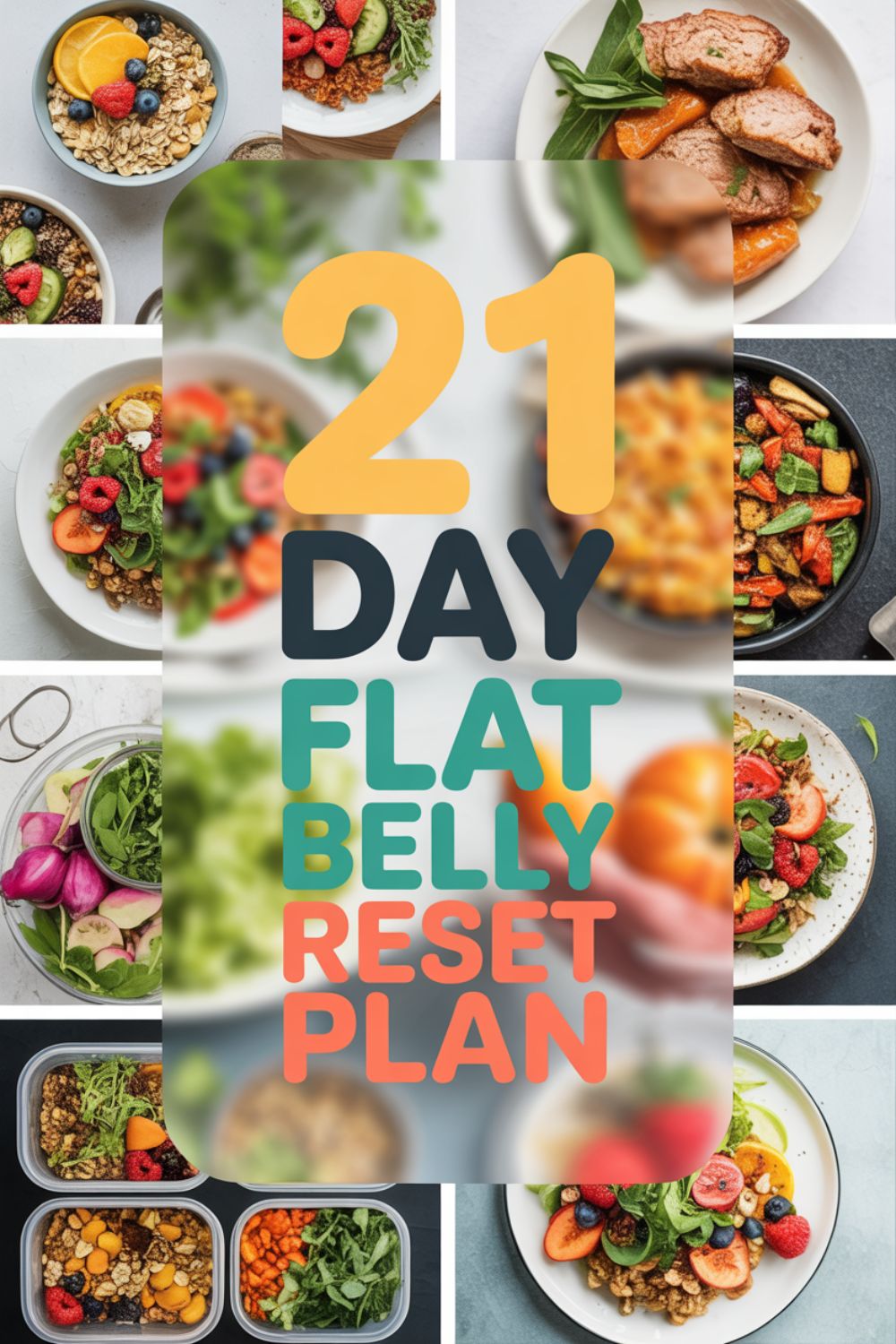
21-Day Flat Belly Reset Plan
Look, I’m not going to sugarcoat this—belly fat is stubborn, annoying, and honestly? It doesn’t care about your New Year’s resolutions. But here’s the thing: you don’t need some crazy diet that makes you eat nothing but kale smoothies and sadness. You just need a solid plan that actually works with your life, not against it.
This 21-day reset isn’t about deprivation or spending three hours meal-prepping on Sundays (though if that’s your thing, cool). It’s about making smart swaps, timing your meals right, and giving your body what it actually needs to let go of that stubborn belly fat. Ready? Let’s get into it.
Why 21 Days Actually Makes Sense
Everyone throws around different numbers—30 days, 60 days, 90 days. But 21 days? That’s the sweet spot. It’s long enough to see real changes but short enough that you won’t lose your mind halfway through. Think of it as a sprint, not a marathon.
The science backs this up too. Research shows that visceral fat responds pretty quickly to dietary changes, especially when you combine them with consistent habits. Your body starts adapting within the first week, and by week three, you’re already establishing patterns that stick.
Plus, let’s be honest—anyone can commit to three weeks. It’s not asking you to overhaul your entire life forever. It’s asking you to be intentional for 21 days. After that? You’ll probably want to keep going because you’ll actually feel the difference.
The Foundation: What You’re Actually Doing
This isn’t rocket science, but it does require you to show up. The plan focuses on three main pillars: eating at the right times, choosing foods that fight inflammation, and staying consistent enough that your body actually trusts you’re serious this time.
Pillar One: Meal Timing Matters More Than You Think
Ever notice how some people swear by intermittent fasting while others say breakfast is essential? Here’s the truth—both can work, but for belly fat specifically, front-loading your calories makes a huge difference. Studies from Mayo Clinic found that people who ate breakfast regularly had significantly less belly fat compared to those who skipped it.
Your biggest meal should be breakfast or lunch. Dinner? Keep it lighter. I know, I know—dinner is when everyone wants to eat a feast. But your metabolism is slower in the evening, and eating big meals late means your body stores more of that energy as fat, especially around your midsection.
For breakfast inspiration that won’t leave you hungry by 10 AM, Get Full Recipe for high-protein options that keep you satisfied. Speaking of morning meals, you might also love these overnight oat variations or this quick smoothie bowl that takes literally five minutes to throw together.
Pillar Two: Anti-Inflammatory Everything
Inflammation is basically your body throwing a tantrum, and guess where it loves to store that drama? Yep, your belly. So we’re going heavy on foods that calm things down: leafy greens, fatty fish, berries, nuts, and olive oil. We’re cutting way back on refined carbs, sugar, and processed foods that make inflammation worse.
Now, I’m not saying you can never have pizza again. But for these 21 days, we’re giving your body a break from the stuff that’s been working against you. Think of it as hitting the reset button. When comparing protein sources, Harvard’s Healthy Eating Plate recommends prioritizing fish, poultry, beans, and nuts over red meat for better overall health outcomes.
Pillar Three: Consistency Over Perfection
You’re going to have days where you slip up. Maybe you’ll have an extra glass of wine at dinner or grab fast food because life happened. That’s fine. One meal doesn’t ruin anything. What ruins progress is using that one meal as an excuse to throw in the towel for the rest of the week.
The goal isn’t perfection—it’s consistency. Nail it 80% of the time, and you’ll see results. Get too rigid, and you’ll burn out before Day 10. IMO, sustainable beats perfect every single time.
“I tried this reset after struggling with belly bloat for months. By Day 12, I could see a visible difference in my midsection, and by Day 21, I’d lost 3 inches from my waist. What shocked me most? I wasn’t even hungry all the time like with other diets.” — Sarah M., from our community
Your Week-by-Week Breakdown
Week One: Getting Your Bearings
The first week is all about adjustment. Your body might be confused because suddenly you’re eating breakfast like an adult and not demolishing a pint of ice cream at 10 PM. You might feel a little off. Some people get headaches as their body adjusts to less sugar. It passes.
Focus on hitting these basics: breakfast within an hour of waking up, lunch by 1 PM, dinner by 7 PM. Snacks if you need them, but make them count—think Greek yogurt, nuts, or veggies with hummus. Nothing from a vending machine.
Hydration matters too. Half your body weight in ounces of water daily. Yeah, you’ll pee a lot at first. Your body adapts. Also, if you’re used to drinking your calories—soda, juice, fancy coffee drinks—now’s the time to cut that out. Liquid calories don’t register the same way solid food does, so you drink 400 calories and your body’s like “cool, now when’s lunch?”
For meal prep ideas that make Week One easier, check out this complete meal prep guide or these make-ahead breakfast options that you can grab and go.
Week Two: Finding Your Rhythm
By week two, you should be hitting your stride. The initial shock to your system is over, and you’re starting to notice things. Maybe your pants feel a little looser. Maybe you’re not hitting that 3 PM energy crash as hard. Maybe you’re sleeping better because you’re not going to bed on a full stomach.
This is when people usually want to see the scale move dramatically, and if it hasn’t, they panic. Don’t. Remember what I said about measurements and photos? Check those instead. Belly fat often shifts before the scale does because you’re simultaneously building muscle if you’re moving your body at all.
Keep doing what you’re doing. Stick to your meal times. Load up on vegetables—seriously, you should be eating them at every meal. They’re high volume, low calorie, and full of fiber that keeps you full and your digestive system happy.
Meal Prep Essentials Used in This Plan
Look, meal prep doesn’t have to be complicated, but having the right tools makes everything easier. Here’s what I actually use and recommend:
- Glass meal prep containers with compartments – I swear by these for keeping everything organized without weird plastic taste
- Digital food scale – Not for obsessing over every gram, but for understanding actual portion sizes (spoiler: we all underestimate)
- Quality chef’s knife – A sharp knife makes veggie prep 10x faster and way less frustrating
- 21-Day Meal Plan PDF – Complete shopping lists, recipes, and daily meal schedules already mapped out
- Belly Fat Reset Recipe eBook – 50+ anti-inflammatory recipes specifically designed for this plan
- Macro Tracking Spreadsheet – If you want to get detailed with your nutrition tracking without paying for an app
- Join our WhatsApp Community – Daily motivation, recipe swaps, and real-time support from others doing the plan
Week Three: The Home Stretch
Week three is where magic happens. Your body has fully adapted to this new normal. You’re not fighting cravings as much. The meal timing feels natural. You’ve probably noticed you have more energy, your skin looks better, and yeah—your stomach is definitely flatter.
This is also when you start thinking about what comes after Day 21. The beautiful thing about this plan is that it’s designed to transition into a sustainable lifestyle. You’re not eating weird shakes or cutting out entire food groups. You’re just eating real food at smart times and avoiding the stuff that makes your body hold onto belly fat.
Some people choose to extend it another 21 days. Others take a more relaxed approach but keep the core principles—big breakfast, lighter dinner, mostly whole foods. There’s no wrong answer as long as you don’t immediately go back to your old habits and wonder why the results disappeared.
Looking for ways to keep the momentum going? Try these easy weeknight dinners or this flexible meal framework that you can customize based on what you have in your fridge.
What You’re Actually Eating
Let’s get specific because “eat healthy” is about as useful as “just be yourself.” Here’s what your plate should look like most days.
Breakfast: Your New Best Friend
Aim for 400-500 calories with a solid protein base. Think eggs with veggies and whole grain toast, Greek yogurt with berries and nuts, or a protein smoothie that’s actually filling (not just fruit and ice that leaves you hungry in an hour).
I use this mini blender for single-serve smoothies because I’m not washing a giant blender every morning. Life’s too short. The key is getting at least 20-25 grams of protein at breakfast. It sets the tone for your blood sugar all day and keeps you from face-planting into the office snack drawer by 11 AM.
Get Full Recipe for the perfect protein-packed breakfast that takes less than 10 minutes to make.
Lunch: The Main Event
This is your biggest meal. 500-600 calories, lots of vegetables, lean protein, healthy fats, and complex carbs. A big salad with grilled chicken, quinoa, avocado, and olive oil dressing hits all those marks. Or a veggie-loaded stir fry with brown rice and shrimp. Or a turkey and veggie wrap with sweet potato on the side.
The point is volume. You should feel satisfied after lunch, not like you just had a snack. If you’re hungry an hour later, you didn’t eat enough. Meal planning experts suggest building your lunch around vegetables and protein, with grains as the supporting actor, not the star.
Dinner: Keeping It Light
Around 300-400 calories max. This is where most people mess up because dinner is traditionally The Big Meal. But eating light at night is crucial for belly fat loss. Your body doesn’t need a ton of fuel right before you go horizontal for eight hours.
Good dinner options: baked fish with roasted vegetables, a big soup with beans and greens, or a smaller portion of whatever your family is having (just skip the seconds and the bread basket). The goal is to go to bed not-hungry but not stuffed either.
I keep these portion control plates around because visual cues help when you’re not sure what “lighter dinner” actually means in practice.
Snacks: When You Need Them
One to two snacks per day, 100-200 calories each. Options: apple with almond butter, handful of nuts, carrots and guacamole, hard-boiled eggs, or a small protein shake. The key word is small. Snacks are meant to bridge the gap between meals, not be meals themselves.
Also, make sure you’re actually hungry and not just bored, thirsty, or procrastinating. I’m not saying don’t snack, but check in with yourself first. Sometimes what feels like hunger is actually “I don’t want to do this work task so I’m going to eat something instead.”
The Foods That Actually Flatten Your Belly
Some foods actively help reduce belly fat and inflammation. Load up on these:
- Leafy greens – Spinach, kale, arugula, Swiss chard. Eat them by the bucketful.
- Berries – Blueberries, strawberries, raspberries. High in antioxidants, low in sugar compared to other fruits.
- Fatty fish – Salmon, sardines, mackerel. The omega-3s are anti-inflammatory gold.
- Nuts and seeds – Almonds, walnuts, chia seeds, flax seeds. Healthy fats that actually help you burn fat.
- Olive oil – The real stuff, not the fake vegetable oil masquerading as olive oil.
- Greek yogurt – High protein, probiotic-rich, keeps your gut happy.
- Eggs – Cheap, versatile, protein-packed. The whole egg, not just whites.
- Quinoa and brown rice – Complex carbs that don’t spike your blood sugar like white rice or pasta.
- Beans and lentils – Fiber and protein combo that keeps you full forever.
- Green tea – Not magic, but the antioxidants and slight metabolism boost don’t hurt.
When choosing between similar ingredients, consider that almond butter typically has more fiber and vitamin E than peanut butter, while both offer healthy fats and protein. Similarly, Greek yogurt provides twice the protein of regular yogurt with half the sugar—making it the better choice for blood sugar stability.
Tools & Resources That Make Cooking Easier
You don’t need a kitchen full of gadgets, but these make sticking to the plan way less painful:
- Instant pot or slow cooker – Set it, forget it, come home to dinner already done
- Vegetable spiralizer – Makes zucchini noodles and adds variety without carb-loading
- Air fryer – Crispy food without deep frying, enough said
- Flat Belly Shopping List Template – Never wonder what to buy at the grocery store again
- Quick Reference Guide – One-page cheat sheet of what to eat, when to eat, portion sizes
- Progress Tracker – Digital tracker for measurements, weight, photos, and how you feel each day
- Recipe Substitution Guide – Dairy-free, gluten-free, vegan swaps for every recipe in the plan
The Foods That Work Against You
For these 21 days, minimize or eliminate:
- Refined carbs – White bread, white pasta, pastries, most cereals
- Added sugars – Candy, cookies, sweetened drinks, most packaged snacks
- Alcohol – Sorry, but it’s inflammatory and adds empty calories. Plus it tanks your willpower.
- Processed meats – Deli meat, hot dogs, bacon. They’re convenient but not doing you favors.
- Fried foods – Obviously
- Artificial sweeteners – They mess with your gut bacteria and hunger signals
- Most dairy – Greek yogurt is fine, but milk, cheese, and ice cream can be inflammatory for many people
Notice I said minimize, not eliminate forever. This isn’t about never having these things again. It’s about taking a break for three weeks to give your body a chance to reset. After 21 days, you can slowly reintroduce things and see how your body responds.
Movement: Yeah, You Have to Move
I wish I could tell you that diet alone will flatten your belly, but that’s only half the equation. The good news? You don’t need to live at the gym. You need to move consistently, preferably most days, for at least 30 minutes.
Walking counts. Swimming counts. Cycling, dancing, yoga, lifting weights—it all counts. The best exercise is the one you’ll actually do. That said, combining cardio with strength training gives you the best results. Cardio burns calories in the moment, strength training builds muscle that burns calories all day long, even when you’re sitting on the couch.
Aim for at least 150 minutes of moderate activity per week. That’s five 30-minute sessions. Not asking for marathon training here, just consistent movement that gets your heart rate up and makes you feel alive.
“I was skeptical about the exercise component because I hate gyms, but I started walking 45 minutes every morning before work. Combined with the meal plan, I lost 12 pounds and 4 inches off my waist in 21 days. I actually kept walking afterward because I missed it when I skipped a day.” — Mike T., community member
Dealing with Real Life
Social Events and Restaurants
You’re going to have social situations during these 21 days. Birthdays, work lunches, date nights. You have options. You can be the person who brings their own food (dedication level: expert), you can make smart menu choices (ask for grilled instead of fried, dressing on the side, swap fries for veggies), or you can just own that this particular meal is off-plan and get right back on track with your next meal.
What you don’t do is use one restaurant meal as an excuse to derail your entire week. It’s one meal. Get over it and move on.
When You’re Traveling
Travel makes everything harder. You’re in different time zones, eating at weird times, limited to whatever food is available. Do your best. Pack protein bars and nuts. Choose the healthiest options available. Don’t stress if things aren’t perfect. Just don’t let travel be a free-for-all where you eat everything in sight because “vacation calories don’t count.” They do, and your waistline knows it.
The Emotional Side
Food is emotional. If you’re someone who eats when stressed, bored, sad, or happy, this plan will challenge you. You’ll have to sit with uncomfortable feelings instead of numbing them with food. This is actually good—it’s called growth—but it won’t feel good in the moment.
Find other coping mechanisms. Call a friend. Go for a walk. Journal. Take a bath. Do literally anything that isn’t eating when you’re not actually hungry. Learning to distinguish between physical hunger and emotional hunger is one of the most valuable things you’ll get from these 21 days.
Troubleshooting Common Issues
I’m Always Hungry
You’re probably not eating enough protein or fiber. Also, check your water intake. Thirst often masquerades as hunger. If you’re genuinely hungry all the time, add more vegetables to every meal. They’re high volume and will fill you up without adding significant calories.
The Scale Isn’t Moving
Stop weighing yourself daily. Weight fluctuates based on water retention, hormones, sodium intake, and about fifty other factors. Weigh yourself once a week, same day, same time, same conditions. Or better yet, focus on measurements and how your clothes fit. Those are better indicators than the scale anyway.
I’m So Tired
First week fatigue is normal as your body adjusts to less sugar and processed food. If you’re still dragging by week two, you might not be eating enough. This isn’t a starvation diet. Women should aim for at least 1,400-1,600 calories daily, men 1,800-2,000. Less than that and your metabolism slows down to conserve energy.
I’m Not Seeing Results
Be honest with yourself. Are you really following the plan or are you mostly following it with “just a few exceptions”? Those exceptions add up fast. Track everything you eat for three days—and I mean everything, including tastes while cooking and that handful of M&Ms at work. You might be eating more than you think.
After the 21 Days
So what happens on Day 22? You’ve got options. Some people do another 21 days to keep the momentum going. Others transition to a more flexible approach where they follow the principles 80% of the time and allow more freedom on weekends or special occasions.
The key is not going back to your exact old habits. If you do, you’ll end up exactly where you started, wondering why nothing sticks. Take what worked from these 21 days and build from there. Maybe you keep the meal timing structure but add back some foods you missed. Maybe you maintain stricter eating during the week and relax on weekends.
There’s no single right answer, but there is a wrong one: treating this like a temporary diet that you suffer through and then immediately abandon. Real change comes from finding a sustainable version of healthy eating that you can maintain long-term.
For post-reset meal ideas and sustainable eating strategies, explore this flexible meal planning guide or these balanced dinner recipes that won’t feel like you’re on a diet.
Frequently Asked Questions
Can I drink coffee during the 21 days?
Yes, but keep it simple. Black coffee is fine, or add a small amount of unsweetened almond milk. Skip the sugar, flavored syrups, and whipped cream. If you need sweetness, try a tiny bit of cinnamon or vanilla extract. Those fancy coffee drinks with 400 calories? Save them for after the reset.
What if I’m vegetarian or vegan?
This plan totally works for plant-based eaters. Swap the fish and chicken for beans, lentils, tofu, tempeh, or other plant proteins. Just make sure you’re getting enough protein overall—aim for the same targets. Add nutritional yeast for B vitamins and consider a B12 supplement if you’re fully vegan.
How much weight should I expect to lose?
Honestly? It varies wildly based on your starting weight, how much you have to lose, and how strictly you follow the plan. Some people lose 5-8 pounds, others lose 10-15. But remember, the goal isn’t just weight loss—it’s specifically reducing belly fat and inflammation. You might lose inches even if the scale doesn’t move as much as you expect.
Can I do this if I have dietary restrictions or food allergies?
Absolutely. The core principles—meal timing, anti-inflammatory foods, consistent eating—work regardless of specific food choices. Swap out anything you’re allergic to for alternatives that fit your needs. Allergic to nuts? Use seeds instead. Can’t eat gluten? There are plenty of gluten-free whole grains. Can’t have fish? Get your omega-3s from flax and chia seeds.
Will the results last after the 21 days end?
That depends entirely on what you do after Day 21. If you go back to eating processed food, skipping breakfast, and having huge dinners at 9 PM, you’ll lose the progress. But if you maintain the core habits—even in a more flexible way—the results stick. Think of this as learning a new way of eating that you then adapt to your real life, not a temporary fix.
The Bottom Line
Look, belly fat is annoying and stubborn, but it’s not unbeatable. This 21-day reset gives your body exactly what it needs to let go of that extra weight around your midsection: consistent meal timing, anti-inflammatory foods, and a break from the processed stuff that’s been sabotaging you.
Is it easy? Not always. Some days you’ll want to quit. Some days you’ll be tired of meal prep and wish you could just order takeout. But three weeks is nothing in the grand scheme of your life, and the payoff—a flatter stomach, more energy, better sleep, and proof that you can stick to something—is completely worth it.
You’ve got this. Start on a Monday (or whatever day makes sense for you), commit to the full 21 days, and be honest about whether you’re actually following the plan or just going through the motions. Show up for yourself. Your future self, looking down at a flatter belly and feeling more confident in your clothes, will thank you for starting today.
Now stop reading and go plan your first week. Day 1 isn’t going to meal prep itself.