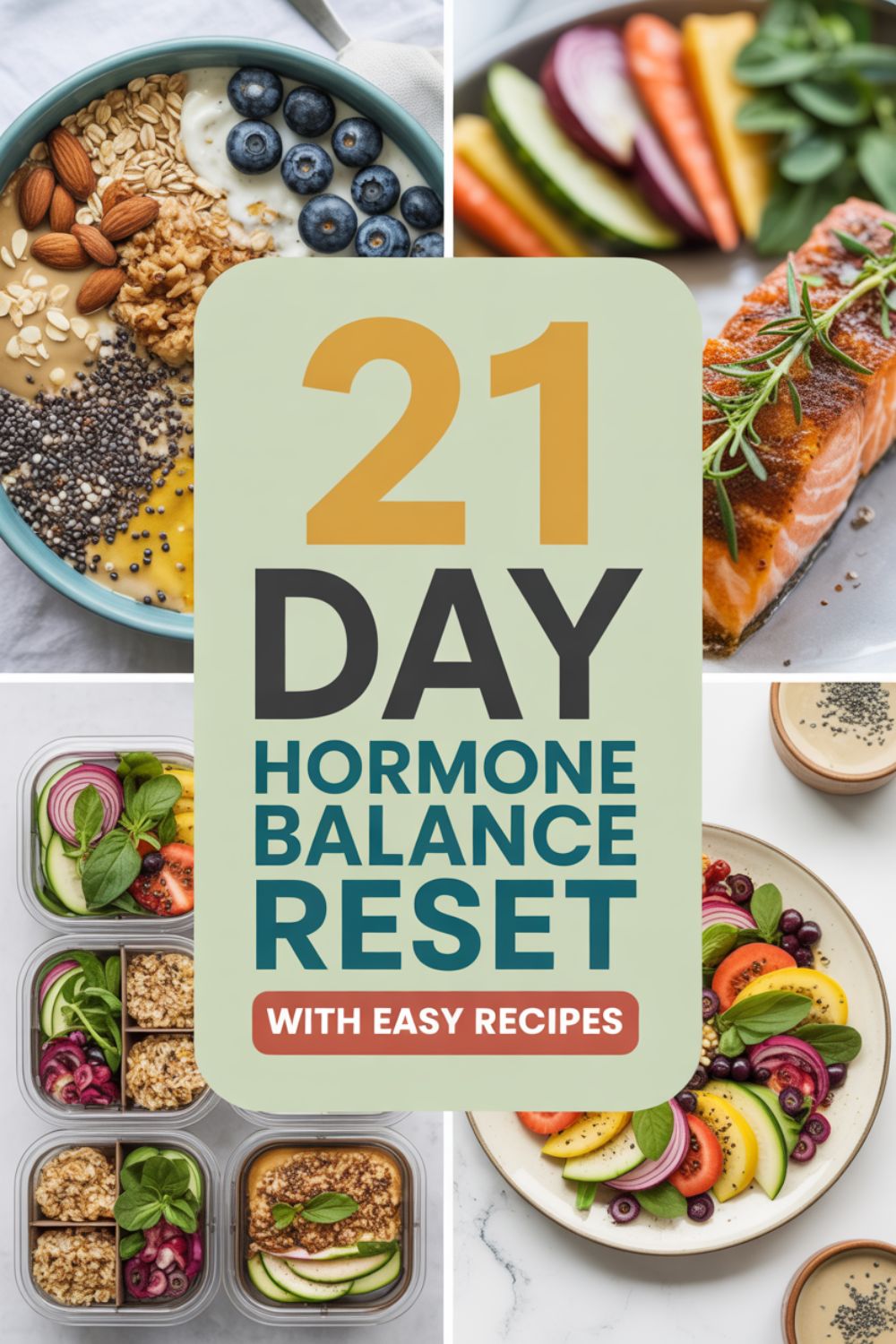
21-Day Hormone Balance Reset with Easy Recipes
Look, I’m not going to sugarcoat this—hormone imbalances can make you feel like you’re losing your mind. One minute you’re crying over a dog food commercial, the next you’re rage-eating chips at 2 AM while Googling “why do I hate everyone today?” If you’re nodding along, welcome to the club. The good news? You can actually do something about it, and it doesn’t involve mysterious supplements that cost more than your car payment.
I’ve spent the last few years experimenting with hormone-balancing foods, and honestly, the difference is night and day. We’re talking better sleep, fewer mood swings, clearer skin, and that elusive thing called “sustained energy” that doesn’t come from your fourth cup of coffee. This 21-day reset isn’t about deprivation or eating like a rabbit—it’s about giving your body what it actually needs to function properly.
The whole hormone thing is surprisingly connected to what you’re putting on your plate. Research shows that dietary patterns significantly impact hormonal regulation, affecting everything from insulin sensitivity to reproductive hormones. Your body isn’t broken—it’s just been running on the wrong fuel.
Why Your Hormones Are Probably Out of Whack
Let’s talk about what’s actually happening in your body. Hormones are basically chemical messengers that tell your organs what to do. When they’re balanced, everything hums along nicely. When they’re not? It’s like having a group text where everyone’s talking over each other and nobody knows what’s going on.
The usual suspects for hormone chaos include chronic stress (hello, modern life), too much sugar and processed food, not enough sleep, and nutrient deficiencies. Your body needs specific building blocks to make hormones, and if you’re not eating them, well, good luck with that.
Here’s what most people don’t realize: your gut health directly impacts your hormones. The gut microbiome plays a crucial role in metabolizing hormones like estrogen, and when your gut bacteria are out of balance, your hormones follow suit. This is why the reset focuses heavily on gut-friendly foods like fermented vegetables and probiotic-rich options.
Start tracking your symptoms before you begin the reset. Energy levels, mood, sleep quality, cravings—write it all down. You’ll be amazed at the patterns you notice, and it makes the improvements way more obvious.
The 21-Day Game Plan
This isn’t some complicated protocol that requires a PhD in biochemistry. It’s straightforward: eat whole foods that support hormone production, ditch the stuff that disrupts it, and give your body three weeks to recalibrate.
Week 1: The Foundation
The first week is all about clearing out the garbage and establishing new habits. You’re cutting out refined sugars, processed foods, and excessive caffeine. I know, I know—but trust me on this. That afternoon coffee that you think is keeping you alive? It’s actually messing with your cortisol rhythm.
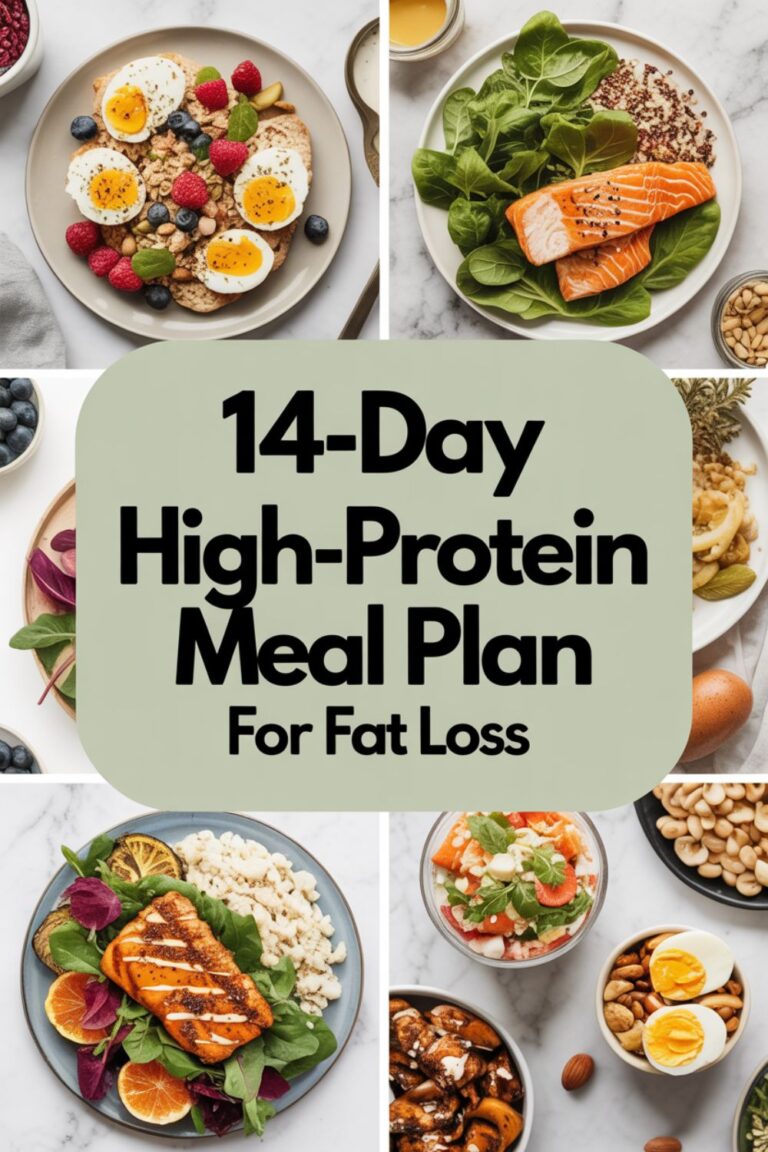
Focus on protein at every meal. Studies indicate that adequate protein intake influences the release of hormones that control appetite and food intake. We’re talking eggs for breakfast, chicken or fish for lunch, and whatever protein source you prefer for dinner.
Start your mornings with something that balances blood sugar. Those overnight oats everyone’s obsessed with? They’re actually perfect for this. Get Full Recipe for hormone-balancing overnight oats that keep you satisfied until lunch.
I prep mine in these glass meal prep containers every Sunday night. Makes the whole week infinitely easier, and they stack beautifully in the fridge without taking up your entire shelf.
Week 2: Building Momentum
By week two, your body’s starting to adjust. You might notice your energy is more stable, or that you’re not face-planting into your keyboard at 3 PM anymore. This is when you double down on nutrient-dense foods.
Add more cruciferous vegetables—broccoli, cauliflower, Brussels sprouts, kale. These contain compounds that help your liver metabolize excess estrogen. Roast them with olive oil and sea salt, and they’re actually delicious. I use this cast iron skillet for everything; the even heat distribution means no sad, soggy vegetables.
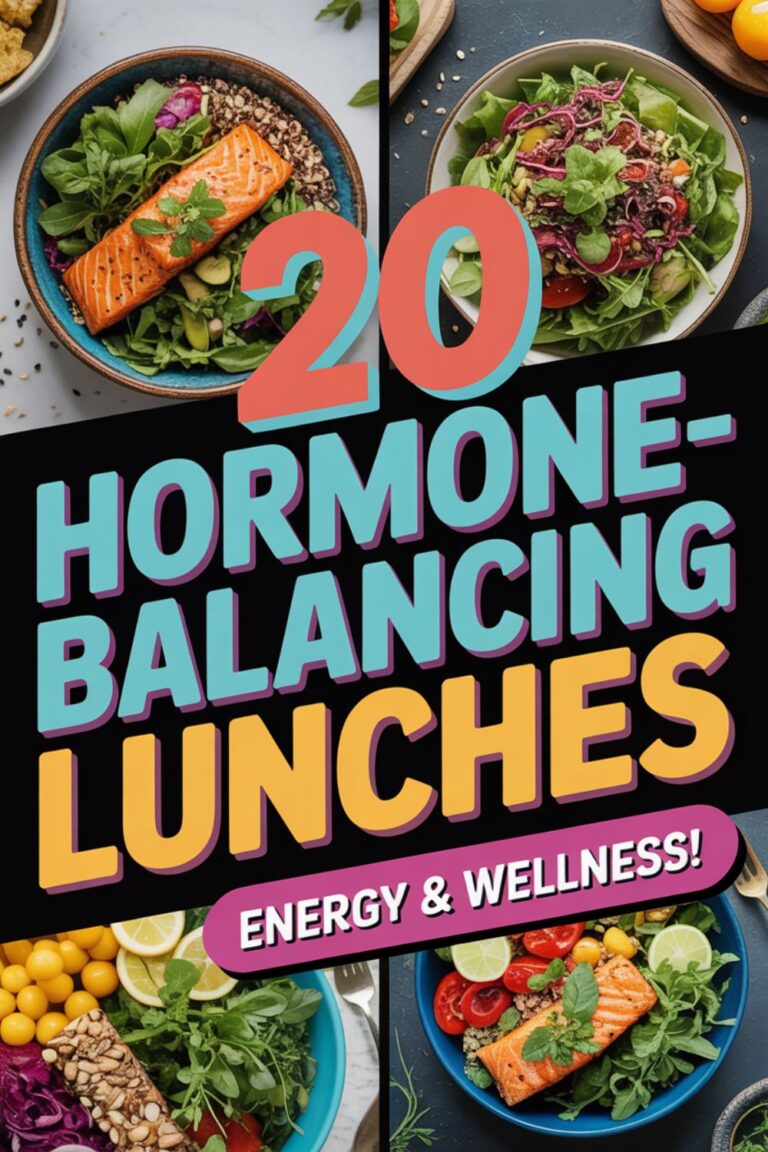
Healthy fats become your best friend here. Avocados, nuts, seeds, olive oil, and fatty fish like salmon are non-negotiable. Your hormones are literally made from cholesterol, so eating enough fat isn’t just okay—it’s essential. For dinner inspiration, try recipes like herb-crusted salmon with roasted vegetables or Mediterranean quinoa bowls.
“I was skeptical about the whole hormone balance thing, but after 21 days I actually had energy in the afternoon without needing coffee. My skin cleared up too, which was a bonus I wasn’t expecting. Sarah from our community tried this and lost 15 pounds in 3 months without feeling deprived once.”
— Jessica M., 34Week 3: The Home Stretch
Week three is where the magic really happens. Your insulin sensitivity is improving, cortisol levels are stabilizing, and your body’s figured out this new normal. This is when you start experimenting with recipes that’ll become staples even after the reset ends.
Incorporate more fermented foods if you haven’t already—sauerkraut, kimchi, kefir, yogurt. Your gut bacteria will thank you, and remember, happy gut equals happy hormones. IMO, homemade fermented vegetables taste way better than store-bought, plus you control the salt content.
Don’t forget about adaptogens. Adding things like ashwagandha or maca powder to your morning smoothie can help modulate stress hormones. I blend mine with frozen berries and spinach using this high-speed blender—it’s powerful enough to pulverize everything into silk.
Meal Prep Essentials Used in This Plan
These are the things that genuinely make hormone-balancing meal prep manageable instead of overwhelming:
- Glass meal prep containers (set of 10) – Microwave and dishwasher safe, keeps food fresh for days
- Stainless steel lunch box with compartments – Perfect for taking balanced meals anywhere
- Spiralizer for vegetable noodles – Makes veggie-heavy meals way more fun
- 21-Day Hormone Reset Meal Plan PDF – Complete shopping lists and daily recipes (digital download)
- Printable Food & Symptom Tracker – Track your progress and see patterns emerge (digital download)
- Hormone-Balancing Smoothie Recipe Book – 50+ recipes specifically designed for hormonal health (digital download)
Want more support? Join our WhatsApp community where hundreds of people are doing this reset together. We share recipes, troubleshoot challenges, and celebrate wins—big and small.
The Foods That Actually Make a Difference
Not all “healthy” foods are created equal when it comes to hormones. Some are absolute MVPs, while others are just… fine. Let’s talk about the heavy hitters.
Protein Powerhouses
Wild-caught fish tops the list. Salmon, sardines, and mackerel are loaded with omega-3 fatty acids that reduce inflammation and support hormone production. If you’re not a fish person, organic eggs work too—the whole egg, not just the whites. The yolk is where all the good stuff lives.
Grass-fed beef and pasture-raised chicken provide the amino acids your body needs to build hormones. Yes, they’re more expensive, but you’re eating less processed junk, so it balances out. Plus, the nutrient density is incomparable.
Looking for plant-based protein? Lentils, chickpeas, and hemp seeds are solid choices. The fiber content also helps with blood sugar regulation, which directly impacts insulin and cortisol. Try these Mediterranean chickpea bowls for a satisfying lunch that won’t spike your blood sugar.
Fats That Fuel Hormones
Extra virgin olive oil should basically be its own food group during this reset. Drizzle it on everything. The polyphenols support cardiovascular health and hormone synthesis. I keep this premium olive oil dispenser on my counter because I use it so much.
Avocados are another non-negotiable. They’re packed with monounsaturated fats and fiber that keep blood sugar stable. Smash them on sourdough (the fermented kind is better for your gut), add them to smoothies, or just eat them with a spoon while standing over the sink—no judgment here.
Nuts and seeds deserve their own moment. Walnuts, almonds, pumpkin seeds, and flaxseeds all provide different benefits. Flax seeds, specifically, contain lignans that help balance estrogen. I grind them fresh in this little coffee grinder that I now exclusively use for seeds because once you grind flax in something, that’s its identity forever.
Prep your vegetables on Sunday evening. Chop everything, store it in containers, and you’ll thank yourself all week. Game changer for sticking to the plan when you’re exhausted on Wednesday night.
Carbs That Won’t Sabotage You
Carbs aren’t the enemy, but the type matters. Sweet potatoes, quinoa, and wild rice provide sustained energy without the blood sugar rollercoaster. They’re also loaded with B vitamins that support adrenal function and stress response.
Berries are your go-to fruit. Blueberries, raspberries, and strawberries have a lower glycemic impact compared to tropical fruits, plus they’re packed with antioxidants. Frozen works just as well as fresh—sometimes better, since they’re frozen at peak ripeness.
If you’re looking for something sweet without derailing everything, try these almond flour muffins sweetened with dates. They satisfy the craving without spiking insulin, and you can make a batch to have on hand when the afternoon slump hits.
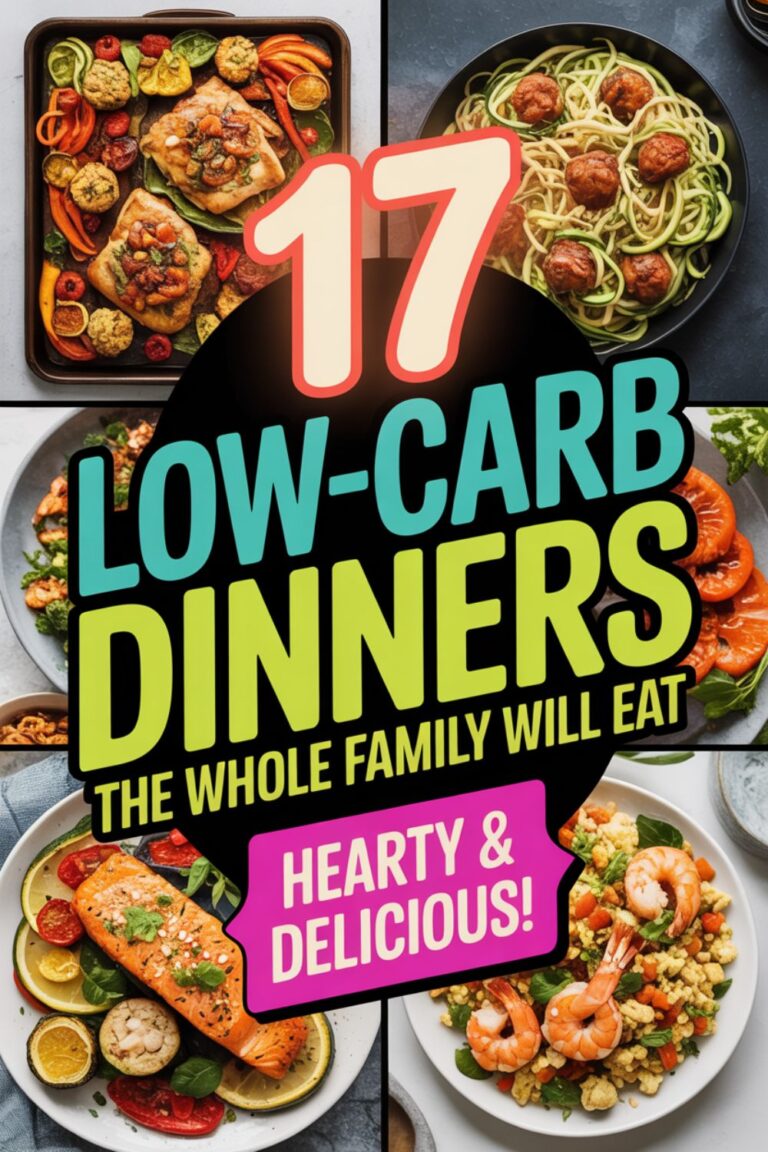
Speaking of sweet alternatives, for more morning inspiration that keeps blood sugar stable, check out these high-protein breakfast ideas or this Mediterranean smoothie bowl that tastes like dessert but fuels your hormones properly.
What to Actually Avoid
I’m not going to tell you to never eat sugar again or demonize entire food groups. But for these 21 days, certain things need to go.
The Obvious Offenders
Refined sugar and artificial sweeteners are out. They mess with insulin, trigger inflammation, and create energy crashes that spike cortisol. This includes the “healthy” sweeteners like agave nectar—it’s still concentrated fructose.
Processed vegetable oils (canola, soybean, corn oil) are inflammatory and interfere with hormone signaling. Stick with olive oil, coconut oil, or avocado oil. Yes, even for cooking. This avocado oil spray is perfect for high-heat cooking without the chemical residue.
Alcohol is a tough one, but it significantly impacts liver function, and your liver is crucial for hormone metabolism. If you must have something, stick to one glass of organic red wine max, and not every day. According to functional medicine research, the liver’s role in hormonal balance cannot be overstated.
The Sneaky Saboteurs
Dairy is controversial, but many people find their hormones balance better without it. Conventional dairy can contain hormones and antibiotics that mess with your endocrine system. If you’re not ready to go full dairy-free, at least switch to organic, grass-fed options.
Conventional coffee is problematic not because of the caffeine itself, but because of how we consume it. Drinking it on an empty stomach spikes cortisol. Having it with food and limiting intake to before noon helps minimize hormone disruption. I switched to this organic Swiss water decaf for my afternoon cup, and honestly, it’s just as satisfying.
Soy is another gray area. Fermented soy (tempeh, miso) is generally fine, but processed soy products can interfere with thyroid function in some people. If you’re using soy products, make sure they’re organic and preferably fermented.
Tools & Resources That Make Cooking Easier
The right tools turn cooking from a chore into something you might actually enjoy:
- Instant Pot or pressure cooker – Cooks beans and grains in a fraction of the time
- Quality chef’s knife – Makes vegetable prep so much faster (and safer)
- Salad spinner – Because nobody likes soggy greens
- Hormone-Friendly Recipe Collection (150+ recipes) – Breakfast, lunch, dinner, and snacks all mapped out (digital cookbook)
- Essential Kitchen Substitutions Guide – Swap inflammatory ingredients for hormone-friendly alternatives (printable PDF)
- Video Meal Prep Masterclass – Watch me prep an entire week in 2 hours (online course)
FYI, our community members save an average of 5 hours per week once they get these systems in place. Small investment, huge time return.
Sample Meal Ideas That Don’t Suck
Theory is great, but let’s talk about what you’re actually eating. Here are some meal ideas that have kept me sane and satisfied.
Breakfast Options
Veggie-packed egg scramble with spinach, mushrooms, and avocado. Cook in coconut oil, season with turmeric and black pepper for extra anti-inflammatory benefits. Takes 10 minutes, keeps you full for hours.
Chia seed pudding made the night before with coconut milk, topped with berries and hemp seeds. The omega-3s from chia seeds support hormone production, and the fiber keeps blood sugar stable. Get Full Recipe for the perfect overnight chia pudding.
Green smoothie with spinach, frozen berries, avocado, collagen protein, and flax seeds. Blend it in this powerful blender that actually pulverizes everything instead of leaving chunks. Add a handful of ice to make it extra thick and smoothie-bowl-like.
Lunch That Travels Well
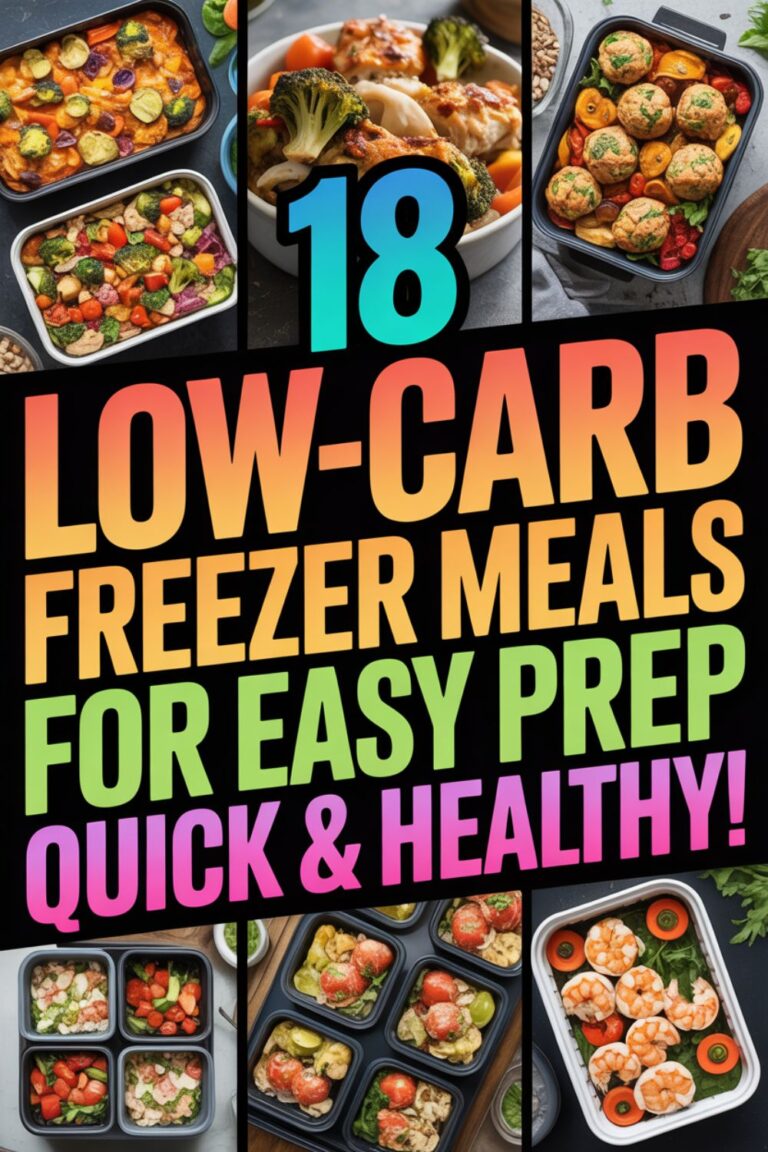
Mason jar salads are clutch. Layer dressing at the bottom, then hearty vegetables, proteins, and greens on top. When you’re ready to eat, dump it into a bowl and mix. It stays fresh for days, and you can prep five at once.
Lentil and vegetable soup is another make-ahead winner. Get Full Recipe for this warming soup that’s loaded with fiber and plant-based protein. It reheats perfectly and actually tastes better the next day.
Leftover dinner protein over mixed greens with olive oil, lemon, and pumpkin seeds. Simple, fast, and hits all the hormone-balance checkboxes. I use these sectioned containers to keep the dressing separate until I’m ready to eat.
Dinner Without Drama
Sheet pan meals are your friend. Toss vegetables with olive oil and seasonings, add your protein of choice, roast everything at 400°F for 25-30 minutes. The cleanup is minimal, and you can vary the vegetables based on what’s in season.
Cauliflower rice stir-fry with whatever protein you have and tons of vegetables. Use coconut aminos instead of soy sauce—lower sodium, no gluten, and it doesn’t spike blood sugar. Top with these organic sesame seeds for extra texture and healthy fats.
Grass-fed beef or turkey chili loaded with beans and vegetables. Make a huge batch on Sunday, portion it out, and you’ve got dinner (or lunch) sorted for half the week. Pair it with a simple side salad, and you’re done.
For more complete meal ideas, you might love these one-pot Mediterranean meals or high-protein slow cooker recipes that practically cook themselves.
“The meal prep approach was a game-changer. I used to think eating healthy meant spending hours in the kitchen every night, but once I got the containers and a system, it’s actually way less work than my old routine. Lost the afternoon slump and my hormonal acne finally cleared up.”
— Rachel K., 29Double every recipe you make. Seriously. Having leftovers eliminates the decision fatigue and keeps you from ordering takeout when you’re exhausted.
The Lifestyle Factors Nobody Talks About
Food is probably 70% of the equation, but the other 30% matters too. You can eat perfectly and still struggle with hormone balance if these factors are off.
Sleep Is Non-Negotiable
Your body produces and regulates most hormones while you sleep. Skimp on sleep, and everything else falls apart. Aim for 7-9 hours, in a dark room, without screens for at least an hour before bed.
Melatonin production starts when it gets dark, but if you’re staring at bright screens, your body gets confused. I use these blue light blocking glasses after sunset, and the difference in my sleep quality is noticeable. Also, a blackout sleep mask helps if you can’t make your room completely dark.
Stress Management Isn’t Optional
Chronic stress keeps cortisol elevated, which throws all your other hormones out of whack. You don’t need to become a meditation guru, but find something that actually helps you decompress. Walking, yoga, journaling, sitting in silence for 10 minutes—whatever works for you.
Adaptogens can help here too. Ashwagandha has solid research backing its ability to lower cortisol. I add a scoop of this organic ashwagandha powder to my afternoon tea, and it takes the edge off without making me drowsy.
Movement Matters (But Don’t Overdo It)
Exercise is great for hormone balance, but too much high-intensity training can actually increase cortisol and disrupt hormones further. During the reset, stick with moderate activities—walking, yoga, light strength training, swimming.
If you’re used to crushing HIIT workouts every day, this might feel weird at first. But your body needs a break to recalibrate. You can always ramp back up after the 21 days.
Troubleshooting Common Issues
Let’s be real—this reset isn’t going to be all rainbows and perfect hormone harmony from day one. Here’s what you might encounter and how to handle it.
The First Week Feels Terrible
If you’re coming from a diet high in sugar and processed foods, you might feel worse before you feel better. Headaches, fatigue, irritability—all normal. Your body is adjusting and detoxing from the garbage. Stay hydrated, get extra sleep, and push through. It typically clears up by day 4 or 5.
You’re Hungry All the Time
This usually means you’re not eating enough protein or fat. Both keep you satiated way longer than carbs alone. Add an extra egg at breakfast, throw some nuts into your afternoon snack, or increase your protein portions at meals.
Your Energy Crashes in the Afternoon
Check your lunch. If it’s too carb-heavy without enough protein and fat, you’ll get a blood sugar spike followed by a crash. Balance is key. Also, make sure you’re drinking enough water—dehydration masquerades as fatigue all the time.
You Miss Your Old Foods
Of course you do. It’s only 21 days. You can have your favorite treats after the reset, but notice how you feel when you reintroduce them. Often, things you thought you loved don’t sit well anymore once your body recalibrates.
Frequently Asked Questions
Can I do this reset if I’m already on hormone medications?
Absolutely, but check with your doctor first. This reset complements medical treatment rather than replacing it. Most healthcare providers are supportive of dietary approaches to hormone balance, but they need to know what you’re doing so they can adjust medications if needed.
Will I lose weight on this reset?
Maybe, maybe not—and that’s not really the point. Some people lose weight because they’re eating less inflammatory foods and their hormones stabilize. Others maintain their current weight but notice better body composition. Focus on how you feel rather than the number on the scale.
What if I mess up and eat something not on the plan?
You’re human, not a robot. If you eat off-plan, just get back on track with your next meal. Don’t spiral or decide the whole thing is ruined. One meal won’t derail 21 days of progress.
How quickly will I see results?
Most people notice improved energy and better sleep within the first week. Skin improvements and mood stabilization typically show up in week two. Menstrual cycle changes (if applicable) might take longer since you need to complete a full cycle to see the effects.
Can men do this reset too?
Yes! Men deal with hormone imbalances too—low testosterone, elevated estrogen, cortisol issues. The principles are the same: reduce inflammation, stabilize blood sugar, support liver function, and provide the nutrients needed for hormone production. The recipes work for everyone.
Final Thoughts
Here’s the thing about hormone balance: it’s not a quick fix, but it’s also not as complicated as wellness influencers make it seem. You don’t need 47 supplements or a PhD in nutrition. You need real food, consistency, and a little patience.
These 21 days are about resetting your baseline and proving to yourself that you can feel significantly better with some straightforward changes. After the reset, you’ll have a much clearer picture of what works for your body and what doesn’t.
Some people continue with the plan indefinitely because they feel so much better. Others use it as a jumping-off point and reintroduce foods one at a time to see what their body actually tolerates. There’s no wrong way to do this—it’s your body, your hormones, your call.
The recipes and strategies in this reset are based on both scientific research and real-world experience. Your hormones didn’t get out of balance overnight, and they won’t fix themselves overnight either. But three weeks is enough time to see real, tangible improvements that make the effort worthwhile.
Start with one meal, one day at a time. Prep what you can, give yourself grace when things don’t go perfectly, and pay attention to how your body responds. You might be surprised at how much better you can feel when you give your hormones what they’ve been asking for all along.