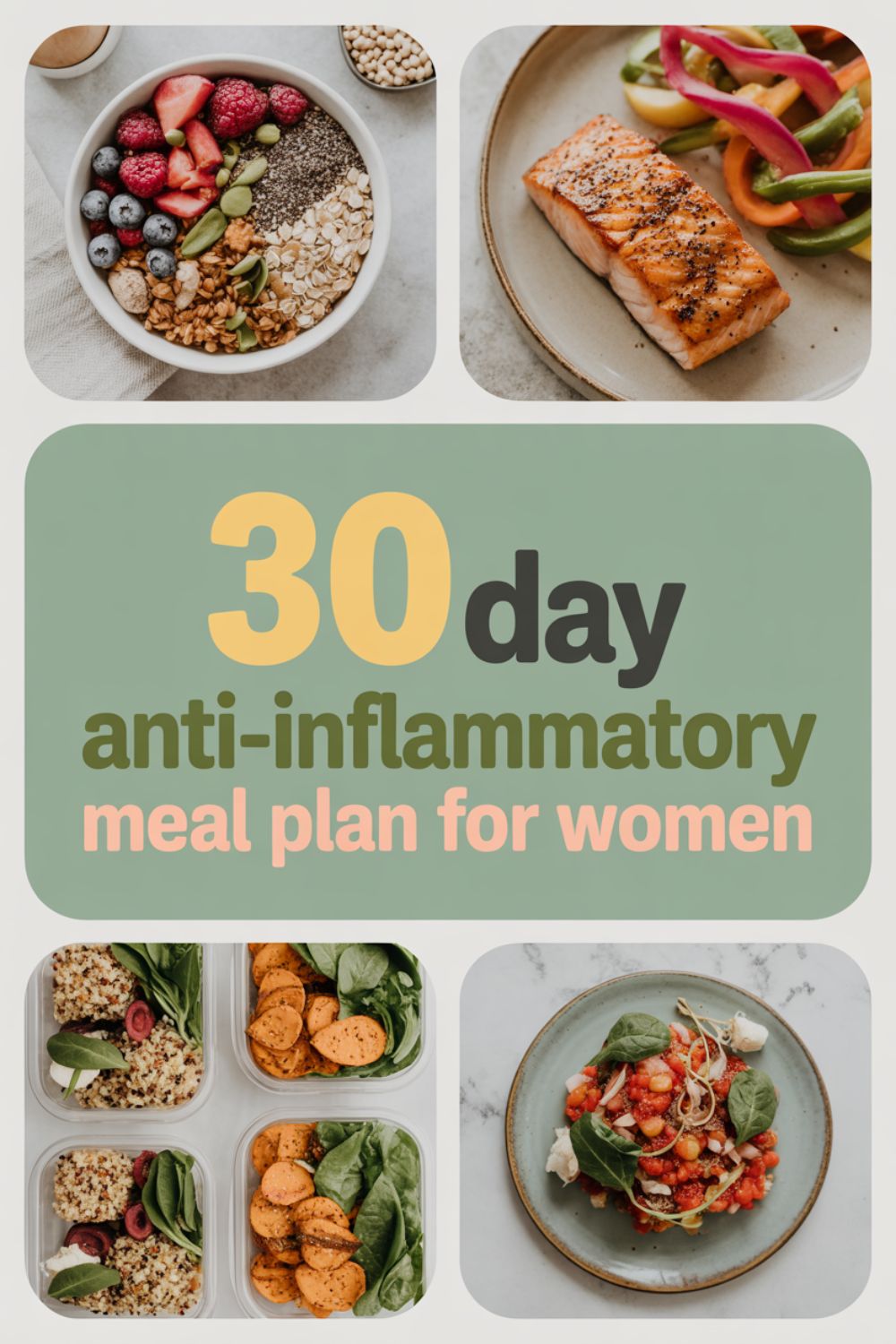
30-Day Anti-Inflammatory Meal Plan for Women
Your joints ache, your energy’s tanking by 3 PM, and you’re starting to wonder if feeling this puffy and blah is just your new normal. Spoiler alert: it’s not. Chronic inflammation might be the uninvited guest crashing your body’s party, and the good news is that you can actually show it the door—one delicious meal at a time.
Look, I’m not about to sell you some miracle cleanse or tell you to eat nothing but celery juice for a month. This 30-day anti-inflammatory meal plan is built around actual food that tastes good and keeps you full. Think vibrant salads that don’t make you sad, hearty soups that feel like a hug, and snacks that won’t have you raiding the pantry an hour later.
Here’s the deal: inflammation isn’t always the enemy. When you cut your finger or catch a cold, that’s your immune system doing its job. But when inflammation sticks around long-term—what doctors call chronic inflammation—it starts messing with everything from your waistline to your mood. Research from Harvard Medical School shows that the foods we eat can either fan those inflammatory flames or help put them out.
Why Women Need This Plan (Like, Actually Need It)
Women deal with inflammation differently than men, and it’s not just in our heads. Hormonal fluctuations throughout the month, during pregnancy, and especially during perimenopause and menopause can trigger inflammatory responses in the body. Studies on postmenopausal women have shown that those following anti-inflammatory diets have significantly lower cognitive impairment risks compared to women eating pro-inflammatory foods.
Add in the fact that women are more prone to autoimmune conditions—we’re talking about things like rheumatoid arthritis, lupus, and thyroid issues—and you’ve got a pretty solid case for paying attention to what’s on your plate. I’m not saying this meal plan is a magic bullet, but it’s one of those things where the science actually backs up what your gut (pun intended) has been telling you all along.
Pro Tip: Start your morning with warm lemon water and a pinch of turmeric. Your digestive system will thank you, and you’re already winning before breakfast.
The beauty of an anti-inflammatory diet isn’t about restriction—it’s about addition. You’re crowding out the processed junk by loading up on foods that actually nourish your cells. According to Johns Hopkins Medicine, focusing on colorful plant-based foods, omega-3-rich fish, and healthy fats like olive oil can dramatically reduce inflammatory markers in your blood.
The Science-Backed Foods That Fight Inflammation
Let’s talk about the real MVPs of anti-inflammatory eating. These aren’t exotic superfoods you need to order from some sketchy website—most of them are probably already in your grocery store, just hanging out in the produce section waiting for you to notice them.
Fatty Fish: Your New Best Friend
Salmon, sardines, mackerel—these oily fish are loaded with omega-3 fatty acids that work like tiny firefighters in your body, dousing inflammatory flames. The Brigham and Women’s Hospital nutrition team recommends at least two servings per week, but honestly, if you can swing three or four, you’re golden.
I get it—not everyone grew up eating fish. If you’re in the “fish is weird” camp, start with salmon. It’s mild, versatile, and pairs well with basically everything. Toss it in a sheet pan dinner with roasted vegetables, flake it over a salad, or keep it stupid simple with lemon and herbs. Get Full Recipe.
If fish isn’t your thing at all (or you’re vegetarian), don’t panic. Ground flaxseeds, chia seeds, and walnuts also pack omega-3s, just in plant form. They won’t give you quite the same punch as fish, but they’re still pulling their weight on Team Anti-Inflammatory.
Berries and Dark Leafy Greens
Blueberries, strawberries, raspberries—these little guys are antioxidant powerhouses. They contain compounds called anthocyanins that have been shown to reduce inflammation and protect against cellular damage. Plus, they’re sweet enough to feel like a treat without the sugar crash.
Dark leafy greens like kale, spinach, and Swiss chard are loaded with vitamins K, C, and E, all of which help combat oxidative stress. I know kale gets a bad rap (and yeah, it can be bitter if you don’t prep it right), but massage it with a bit of olive oil and lemon juice, and it transforms into something you’ll actually want to eat. Try adding it to a hearty white bean soup or blending it into smoothies where you won’t even taste it.
“I started adding spinach to my morning eggs and blueberries to my yogurt—nothing crazy. After two weeks, my joint pain was noticeably better. I’m not saying it’s a miracle, but I’m also not complaining.” — Rachel, 42, from our community
Nuts, Seeds, and the Glory of Healthy Fats
Almonds, walnuts, pumpkin seeds—these crunchy little snacks are more than just something to mindlessly munch on. They’re packed with healthy fats, fiber, and minerals that help keep inflammation in check. According to research from the Arthritis Foundation, people who consumed the most nuts had a 51% lower risk of dying from inflammatory diseases over a 15-year period. Yeah, you read that right.
Keep a small jar of mixed nuts on your desk or in your bag for when hunger hits. Just watch your portions—they’re calorie-dense, and it’s easy to accidentally eat half a pound while binge-watching your favorite show. A small handful (about a quarter cup) is plenty.
Speaking of eating inspiration, you might also love trying these energy-boosting trail mix recipes or this almond butter power smoothie for busy mornings.
Turmeric and Ginger: The Spice Rack Heroes
Turmeric contains curcumin, a compound that’s been studied extensively for its anti-inflammatory properties. It’s basically nature’s ibuprofen, minus the stomach upset. The catch? Your body doesn’t absorb it super well on its own. Pair it with black pepper (which contains piperine), and absorption shoots up by 2,000%. No joke.
Ginger is another spice superstar. It’s been used in traditional medicine for centuries, and modern science is finally catching up. Fresh ginger tea, grated into stir-fries, or blended into smoothies—however you can get it in, do it.
Quick Win: Add a small grater to your kitchen arsenal specifically for fresh ginger and turmeric root. Game changer for lazy weeknight cooking.
Your 30-Day Game Plan (No Perfection Required)
Alright, let’s get practical. This isn’t one of those plans where you need to follow every meal to the letter or you’ll spontaneously combust. Life happens. You’ll have days where you grab takeout or eat cereal for dinner, and that’s fine. The goal is progress, not perfection.
Week 1: The Foundation Phase
Focus: Crowding out processed foods and getting comfortable with whole ingredients.
This week is all about building the habit without overwhelming yourself. Start your mornings with something anti-inflammatory—maybe overnight oats topped with berries and walnuts or a veggie-packed omelet with spinach and tomatoes. Get Full Recipe for the overnight oats that literally require zero morning effort.
For lunch, think big salads with protein. Not sad desk salads—I’m talking about the kind loaded with chickpeas, roasted sweet potatoes, avocado, and a tahini dressing that makes you wonder why you ever ate sad iceberg lettuce. Dinners can be simple: baked salmon with roasted vegetables, or a quick stir-fry with lots of colorful veggies and brown rice.
Snack on fresh fruit, raw veggies with hummus, or a small handful of almonds. If you’re someone who needs your snacks portioned out or you’ll eat the entire bag (no judgment, we’ve all been there), invest in a set of small glass containers for meal prep. Makes grabbing healthy options so much easier.
Week 2: Expanding Your Repertoire
Focus: Adding variety and getting creative with anti-inflammatory ingredients.
By week two, you’re probably getting the hang of things. This is when you start playing around with new recipes and flavor combinations. Try a turmeric-ginger chicken soup that’s basically a hug in a bowl, or experiment with quinoa bowls topped with roasted chickpeas and tahini sauce.
This is also a good time to batch-cook some staples. Make a big pot of lentil soup, roast a bunch of vegetables, or prep some grilled chicken breast that you can use throughout the week. Having these building blocks ready to go makes throwing together meals infinitely easier.
If you’re looking for more meal prep inspiration, check out these healthy grain bowl combinations or this Mediterranean-style meal prep guide that walks you through prepping five dinners in under an hour.
Pro Tip: Prep your veggies on Sunday night and store them in airtight containers. Future you will be eternally grateful when it’s 7 PM on a Wednesday and dinner basically assembles itself.
Week 3: Fine-Tuning and Experimenting
Focus: Listening to your body and adjusting based on how you feel.
By week three, you should start noticing some changes—maybe less bloating, better energy, fewer afternoon slumps. This is the week to pay attention to what’s working and what’s not. If dairy makes you feel puffy, try swapping it for alternatives. If beans give you digestive issues, ease up on the quantity or make sure you’re cooking them properly.
Experiment with different anti-inflammatory spices and herbs. Make a moroccan-spiced chickpea stew or try your hand at Thai-inspired curry with coconut milk. Both are loaded with anti-inflammatory ingredients and taste way better than anything you’d get from a sad meal delivery service.
“Week three was when I realized I hadn’t needed my usual afternoon coffee. I just… had energy? Wild concept.” — Amanda, 38
Week 4: Making It Stick
Focus: Creating a sustainable routine that doesn’t feel like a diet.
The final week is about cementing these habits so they become second nature. You’re not “on a diet”—this is just how you eat now. Keep meals interesting by trying one new recipe each week, and don’t be afraid to revisit your favorites. If that sheet pan salmon hits the spot every single time, make it your Thursday night tradition.
This is also a good time to treat yourself to some quality kitchen tools that make anti-inflammatory cooking easier. A good quality chef’s knife will make prep work less of a chore, and a high-speed blender opens up a world of smoothie and soup possibilities. You don’t need fancy equipment, but having the right tools helps.
Meal Prep Essentials Used in This Plan
After following this plan myself (and tweaking it about seventeen times), here are the things that actually made a difference:
- Glass meal prep containers with divided compartments – Keeps everything fresh and portion-controlled without weird plastic chemicals leaching into your food
- Stainless steel baking sheets with silicone mats – For all those roasted veggie dinners. Nothing sticks, cleanup is a breeze
- Quality spice grinder or mortar and pestle – Freshly ground spices have way more anti-inflammatory compounds than the pre-ground stuff that’s been sitting in your cabinet since 2019
Digital Resources:
- 30-Day Anti-Inflammatory Meal Plan PDF – Complete shopping lists and meal schedules for all four weeks
- Anti-Inflammatory Recipe Collection eBook – 75+ recipes organized by meal type with nutritional info
- Inflammation Tracker Printable – Log how you feel, what you ate, and spot patterns in your energy and symptoms
Join our WhatsApp community for daily meal prep tips, recipe swaps, and support from women following this same journey.
What to Actually Eat (And What to Skip)
Let’s get specific because “eat anti-inflammatory foods” is about as helpful as “just be healthy.” Here’s the breakdown of what deserves space on your plate and what you can live without.
The Yes List (Load Up on These)
- Fatty fish – Salmon, mackerel, sardines, herring at least twice a week
- Colorful vegetables – The more variety, the better. Think rainbow
- Leafy greens – Spinach, kale, arugula, Swiss chard
- Berries – Blueberries, strawberries, raspberries, blackberries
- Nuts and seeds – Almonds, walnuts, chia, flax, pumpkin seeds
- Whole grains – Quinoa, brown rice, oats, farro
- Legumes – Lentils, chickpeas, black beans
- Olive oil – The real deal, extra virgin, used generously
- Herbs and spices – Turmeric, ginger, garlic, cinnamon
- Green tea – Loaded with polyphenols that fight inflammation
When building your meals, try to hit at least three categories from this list. A quinoa bowl with roasted chickpeas, spinach, and tahini dressing? That’s hitting four. You’re basically an anti-inflammatory overachiever.
The No Thanks List (Minimize These)
- Refined carbs – White bread, pastries, anything made with white flour
- Sugary drinks – Soda, sweetened coffee drinks, fruit juice (even the “healthy” ones)
- Processed meats – Deli meats, hot dogs, bacon (I know, I know)
- Trans fats – Anything with “partially hydrogenated” oils
- Excess alcohol – An occasional glass of red wine is fine, but daily drinking promotes inflammation
- Fried foods – French fries, fried chicken, anything swimming in cheap vegetable oil
Notice I said “minimize,” not “never eat again.” This isn’t about being perfect. If you want a croissant on Sunday morning, have the damn croissant. Just don’t make it your daily breakfast.
For more inspiration on what to cook with these ingredients, explore these whole grain breakfast ideas or try this anti-inflammatory smoothie bowl that tastes like dessert but is packed with berries and omega-3s.
Meal Prep Tips That Don’t Require Your Entire Sunday
The biggest barrier to eating well isn’t usually knowledge—it’s time. Or more accurately, it’s the feeling of not having time. Here’s how to make this plan work even when your schedule is chaotic.
The 10-Minute Morning Strategy
Mornings are rough. I get it. The key is having options that require minimal brain function. Overnight oats are your friend here—literally just dump ingredients in a jar the night before, and breakfast is waiting for you. Same goes for chia seed pudding. Get Full Recipe for both and alternate them throughout the week.
If you prefer hot breakfast, batch-make some breakfast burritos and freeze them. Two minutes in the microwave, and you’ve got a warm, satisfying meal with all the anti-inflammatory goods.
The Dump-and-Go Dinner Hack
Sheet pan dinners are criminally underrated. Toss protein and vegetables on a rimmed baking sheet, drizzle with olive oil, season generously, and roast at 425°F for 20-30 minutes. Done. The silicone baking mat I mentioned earlier makes cleanup so easy you might actually look forward to cooking.
Slow cookers and instant pots are also clutch. Throw everything in before work, and come home to a house that smells amazing and dinner that’s already done. Try a slow cooker lentil soup or instant pot chicken curry.
Pro Tip: Keep a running grocery list on your phone using a meal planning app. When you run out of something, add it immediately instead of trying to remember everything at the store like some kind of memory wizard.
The Assembly-Line Lunch Method
Instead of making five different lunches, make components you can mix and match. Roast a big batch of vegetables, cook a pot of quinoa, prep some protein, and chop up raw veggies. Store everything separately in the fridge, then assemble different combinations throughout the week. Monday’s lunch might be a grain bowl, Tuesday’s a wrap, Wednesday’s a salad. Same ingredients, different vibes.
Tools & Resources That Make Cooking Easier
These aren’t must-haves, but they definitely smooth out the whole process:
- Vegetable spiralizer – Makes zucchini noodles and sweet potato ribbons. Way more fun than it has any right to be
- Immersion blender – Blend soups right in the pot without the sketchy transfer-hot-liquid-to-blender dance
- Salad spinner – Sounds ridiculous, tastes better. Wet lettuce is sad lettuce
Digital Resources That Actually Help:
- Weekly Grocery List Template – Organized by store section so you’re not zigzagging like a maniac
- Batch Cooking Guide – Step-by-step instructions for prepping an entire week in under 2 hours
- Anti-Inflammatory Pantry Staples Checklist – Never wonder what to keep on hand again
Got questions mid-week? Our WhatsApp community has recipe troubleshooting, ingredient substitutions, and a surprisingly active crew who geek out about cooking methods.
Dealing with Cravings and Social Situations
Let’s be real: you’re going to crave pizza. You’re going to get invited to happy hour. Your coworker will bring donuts. Life happens, and this plan needs to fit into your actual life, not some Instagram fantasy version.
When the Cravings Hit
First, make sure you’re eating enough. A lot of cravings come from being genuinely hungry or not getting enough of a certain macronutrient. If you’re constantly craving sweets, you might need more healthy fats or complex carbs to keep your blood sugar stable.
That said, sometimes you just want chips. Or chocolate. Or both at the same time. When that happens, have a small portion of what you’re craving instead of trying to white-knuckle your way through with carrot sticks. Satisfaction matters. A few squares of dark chocolate (70% cacao or higher) actually has anti-inflammatory properties, so there’s your justification right there.
For savory cravings, try spiced roasted chickpeas or kale chips. They hit that crunchy, salty spot without the inflammatory vegetable oils that coat most packaged snacks.
Navigating Restaurants and Social Events
You don’t need to bring your own food to every gathering like some kind of diet martyr. Most restaurants have options that align with anti-inflammatory eating—you just might need to make a few modifications. Ask for dressings on the side, swap fries for a side salad or roasted vegetables, and opt for grilled or baked proteins over fried.
At social events, hit the veggie tray first (but skip the ranch dip), grab some nuts or olives if they’re available, and don’t stress too much about having a small portion of something off-plan. One meal isn’t going to undo weeks of good eating.
“I was worried this plan would make me ‘that person’ at restaurants, but it’s actually been fine. I just ask for grilled salmon instead of fried and load up on vegetables. Nobody cares, and I don’t feel like I’m missing out.” — Jessica, 35
Tracking Progress Beyond the Scale
Here’s a wild concept: weight loss might happen on this plan, but that’s not the point. The real markers of success are how you feel, and those changes can be subtle if you’re not paying attention.
Signs Your Body Is Healing
Keep tabs on these non-scale victories:
- Energy levels – Do you hit that 3 PM slump as hard? Can you make it through the afternoon without mainlining coffee?
- Joint pain – Less creaky knees going up stairs? Fewer achy wrists?
- Digestive issues – Less bloating, more regular bathroom habits (I know, TMI, but it matters)
- Skin clarity – Inflammation shows up on your skin. Clearer complexion is a good sign
- Sleep quality – Falling asleep easier, waking up less groggy
- Mood stability – Fewer dramatic energy and emotional swings
Keep a simple journal or use a notes app to track these things. Week one you might not notice much, but by week three or four, you’ll probably see patterns emerging.
The Role of Exercise and Stress Management
Food is huge, but it’s not the only piece of the anti-inflammatory puzzle. According to Cleveland Clinic, regular movement helps lower inflammatory markers in the blood. You don’t need to become a gym rat—even walking 30 minutes most days makes a difference.
Stress is also a massive inflammation trigger. When you’re chronically stressed, your body pumps out cortisol, which ramps up inflammation. Find what works for you—meditation, yoga, reading, whatever helps you decompress. I’m not going to tell you to “just relax,” because that’s useless advice, but finding even 10 minutes a day to do something calming helps more than you’d think.
Common Mistakes to Avoid
Look, everyone screws up when trying something new. Here are the pitfalls I see most often so you can hopefully sidestep them.
Going Too Hard Too Fast
Don’t throw out your entire pantry and commit to cooking elaborate meals three times a day starting tomorrow. That’s a recipe (pun intended) for burnout. Start with one meal—maybe breakfast—and nail that down before moving on. Small changes compound into big results.
Forgetting to Actually Eat Enough
Anti-inflammatory eating isn’t about restriction. If you’re constantly hungry, you’re not doing it right. Load up on fiber-rich vegetables, add healthy fats, include adequate protein. This isn’t a 1,200-calorie-diet situation. Fuel your body properly.
Getting Obsessive About Perfection
There’s no food police coming to arrest you for eating birthday cake. Aim for consistency, not perfection. If 80% of your meals are anti-inflammatory, you’re doing great. That other 20% keeps you sane and lets you enjoy life.
Ignoring Your Body’s Signals
Just because a food is “healthy” doesn’t mean it works for your body. If raw kale makes you bloated or nightshades seem to trigger joint pain, listen to that. This plan is a template—customize it based on what you discover about your own system.
Frequently Asked Questions
Can I follow this plan if I’m vegetarian or vegan?
Absolutely. The core principles of anti-inflammatory eating—colorful vegetables, whole grains, legumes, nuts, seeds, and healthy fats—are already plant-based. Just focus on plant sources of omega-3s like flaxseeds, chia seeds, and walnuts, and make sure you’re getting enough protein from beans, lentils, tofu, and tempeh. The meal structure stays the same; you’re just swapping out animal proteins for plant-based alternatives.
How quickly will I notice results?
It varies by person, but most women notice improved energy and less bloating within the first week. Joint pain and skin improvements typically take two to three weeks to become noticeable. Remember, you’re addressing chronic inflammation, which didn’t develop overnight, so give your body time to heal. Consistency matters more than speed.
Is this plan safe during pregnancy or while breastfeeding?
The foods in this plan are nutrient-dense and generally healthy, but pregnancy and breastfeeding have specific nutritional needs. Talk to your healthcare provider before starting any new eating plan. They might want you to adjust certain things like fish consumption (due to mercury concerns) or add specific supplements. Don’t make major dietary changes without medical guidance during this time.
Can I drink coffee on this plan?
Yes, coffee is fine in moderation. In fact, coffee contains polyphenols that can have anti-inflammatory effects. The key is what you put in it—skip the flavored syrups and excess sugar. A splash of unsweetened almond milk or a bit of cinnamon are better options. Just don’t rely on caffeine to mask poor sleep or stress, since those are inflammation triggers themselves.
What if I can’t afford organic produce or wild-caught fish?
Don’t let perfect be the enemy of good. Regular produce is still loaded with anti-inflammatory compounds—just wash it well. For fish, canned salmon and sardines are affordable and just as nutritious as fresh. Frozen vegetables and berries are often cheaper than fresh and have the same nutritional value. The most important thing is eating more whole foods, regardless of whether they’re organic or conventional.
Making This Stick Beyond 30 Days
Here’s the truth: thirty days is just the beginning. The real magic happens when this stops feeling like a “plan” and starts feeling like just how you eat. You’re not on a diet with an end date—you’re building habits that support your long-term health.
After the first month, take stock of what worked and what didn’t. Maybe you discovered that meal prepping on Sundays is your secret weapon, or that batch-cooking soups saves your sanity on busy weeks. Maybe you realized that having pre-cut vegetables from the grocery store is worth the extra cost because you actually eat them.
Keep the meals you loved in rotation and ditch the ones that felt like a chore. Food should nourish you, yes, but it should also bring you joy. If you hate quinoa, don’t eat quinoa. Brown rice, farro, and buckwheat are also great whole grains. Find your favorites and build from there.
The goal isn’t to eat perfectly forever—it’s to make anti-inflammatory eating your baseline. Most of your meals hit the mark, you feel good in your body, and when life throws you a curveball (or a pizza party), you handle it without guilt and get right back on track.
Your body is resilient and capable of healing when you give it the right fuel. This 30-day plan is your roadmap, but you’re the one in the driver’s seat. Start where you are, use what you have, do what you can. Small consistent actions compound into major changes over time.
Now go stock your fridge with some colorful vegetables and show inflammation who’s boss.