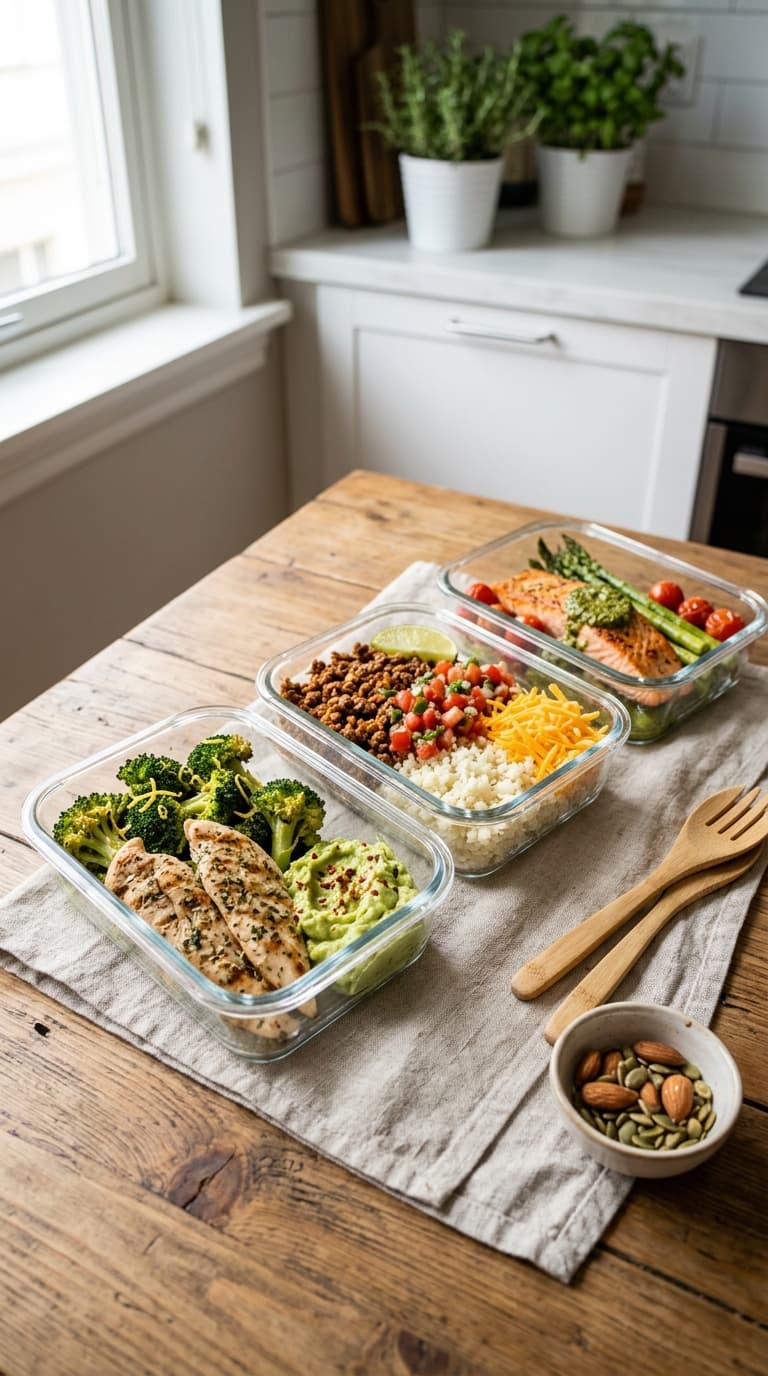
Keto For Weight Loss — Complete Beginner Guide (Free Printable)
Keto For Weight Loss — Complete Beginner Guide (Free Printable)
So you’ve heard about keto roughly 47 times in the last month and you’re finally thinking, “okay, what even IS this thing?” Same. I remember sitting there scrolling through before-and-after photos thinking it looked too good to be true — but also kind of wanting to try it anyway. Spoiler: it’s not magic, but it’s also not as complicated as people make it sound.
This guide breaks down everything you need to know about keto for weight loss — what to eat, what to avoid, how to get started, and yes, there’s a free printable at the end. Let’s get into it.
What Is the Ketogenic Diet, Anyway?
Keto is a high-fat, moderate-protein, very low-carb way of eating. The whole goal is to push your body into a metabolic state called ketosis, where instead of burning glucose (from carbs) for fuel, it starts burning fat. Your own stored fat. Pretty wild concept, right?
To get there, you typically need to keep your daily carb intake under 20–50 grams of net carbs. That’s not much. One banana is already pushing 25 grams. Yep — fruit is a tricky one on keto (more on that later).
The diet was originally developed to help treat epilepsy, but researchers and everyday people quickly noticed something else: it works seriously well for fat loss.
How Does Keto Actually Help With Weight Loss?
This is the question everyone really wants answered. Here’s the honest breakdown:
- Your body burns fat for fuel instead of carbs once you’re in ketosis
- Appetite drops significantly — fat and protein are incredibly satiating
- Insulin levels fall, which helps your body access stored fat more easily
- Water weight drops fast in the first week (don’t get too excited — it’s mostly water)
- You naturally eat fewer calories without obsessively counting every bite
That last point is honestly what keeps people on keto long-term. When you’re not riding blood sugar spikes and crashes all day, you stop thinking about food every 90 minutes. It’s kind of a relief, honestly.
If you’re someone who’s tried eating in a calorie deficit but keeps failing because hunger wins, keto might genuinely be a game changer for you.
What Can You Eat on Keto?
Let’s keep this practical. Here’s what fills your plate on a keto diet:
Proteins
- Chicken, beef, pork, lamb, turkey
- Eggs (your new best friend — seriously, eggs are everything on keto)
- Fatty fish like salmon, sardines, and mackerel
- Bacon and sausage (yes, really — just watch for added sugars)
Fats
- Avocados and avocado oil
- Olive oil, coconut oil, butter, ghee
- Heavy cream and full-fat cheese
- Nuts like macadamias, pecans, and walnuts
Vegetables (Low-Carb Ones)
- Leafy greens — spinach, kale, arugula
- Zucchini, cauliflower, broccoli, Brussels sprouts
- Bell peppers, cucumbers, celery
- Mushrooms and asparagus
Dairy
- Full-fat cheese (cheddar, mozzarella, cream cheese)
- Greek yogurt in small amounts
- Sour cream and heavy whipping cream
FYI — full-fat is your friend on keto. This is probably the one diet where buying the full-fat version is not just allowed but encouraged. Take a moment to appreciate that.
What You Need to AVOID on Keto
This is where people trip up. The list might sting a little.
- All grains — bread, pasta, rice, oats, cornmeal
- Sugar — obvious stuff like candy and soda, but also honey, maple syrup, agave
- Most fruit — bananas, apples, grapes, mangoes are carb bombs
- Starchy vegetables — potatoes, sweet potatoes, corn, peas
- Beans and legumes — sorry, lentils and chickpeas are out
- Most packaged/processed snacks — even “healthy” ones are often loaded with hidden carbs
- Low-fat or diet products — these usually replace fat with sugar :/
- Alcohol (mostly) — beer is terrible on keto; dry wine and spirits are occasionally okay
Yeah, it’s a real adjustment. But honestly? After a couple of weeks, most people stop missing the old stuff as much as they expected to.
The Keto Macros You Need to Know
Macros (macronutrients) are everything on keto. Here’s the standard breakdown most people follow:
- Fat: 70–75% of daily calories
- Protein: 20–25% of daily calories
- Carbs: 5–10% of daily calories (that’s the 20–50g net carbs limit)
Net carbs = total carbs minus fiber. So a cup of broccoli might have 6g carbs but 2g fiber, making it 4g net carbs. Fiber doesn’t spike blood sugar, so it gets a pass. Good to know.
Apps like Cronometer or Carb Manager make tracking these numbers super easy when you’re starting out. IMO, tracking for the first two to four weeks is really helpful just so you understand portion sizes and hidden carbs.
What Is Keto Flu (And How to Survive It)
Okay, real talk — the first week of keto can feel rough. This is what people call keto flu, and it happens because your body is literally switching fuel systems. Symptoms can include:
- Headache and brain fog
- Fatigue and low energy
- Irritability (ask anyone who lives with a person in their first week of keto :))
- Muscle cramps and dizziness
- Nausea
The main reason this happens is electrolyte loss. When carbs drop, your kidneys flush out sodium and water, and magnesium and potassium go with them.
How to Fight Keto Flu
- Salt your food more — seriously, add more salt
- Drink plenty of water — at least 2–3 liters a day
- Take magnesium and potassium supplements or eat magnesium-rich foods like spinach and pumpkin seeds
- Drink bone broth — it’s warm, salty, comforting, and packed with electrolytes
- Don’t push hard workouts in week one — give your body time to adapt
Most people feel dramatically better by day 7–10. Push through this phase and you’ll hit that sweet spot where your energy stabilizes and you stop feeling like a walking zombie.
A Simple 7-Day Keto Meal Plan for Beginners
You don’t need anything fancy here. This is real food you can actually cook.
Sample Day of Eating on Keto
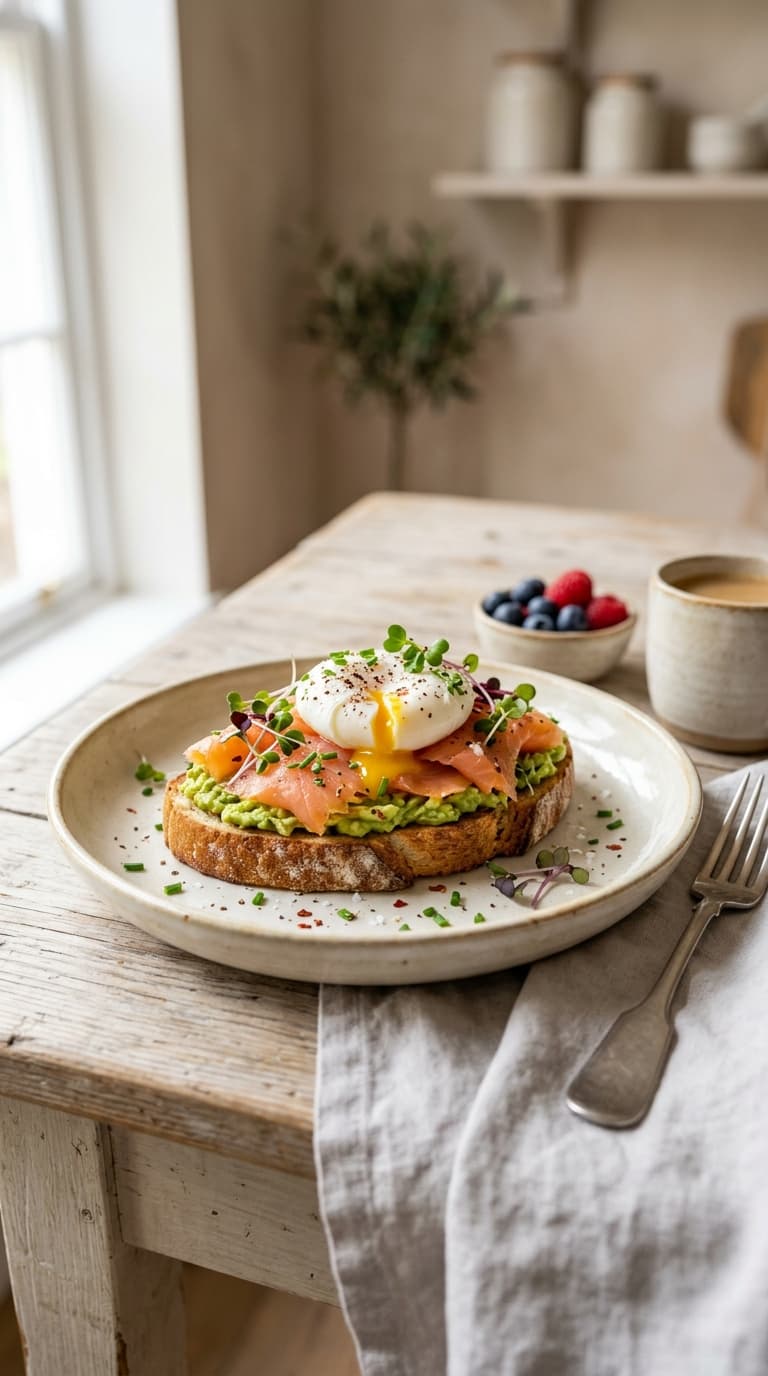
Breakfast: Scrambled eggs with butter, bacon, and a handful of spinach
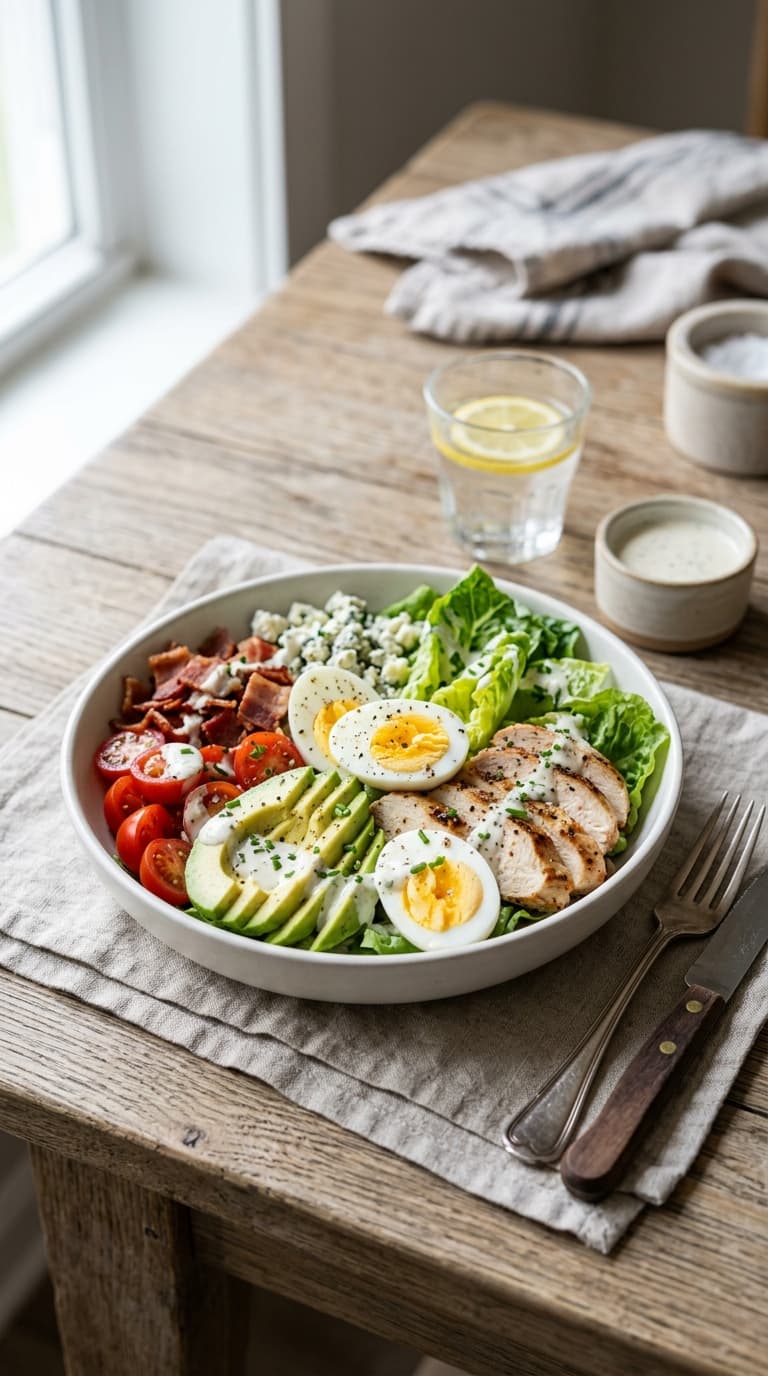
Lunch: Grilled chicken over mixed greens with olive oil, avocado, and feta
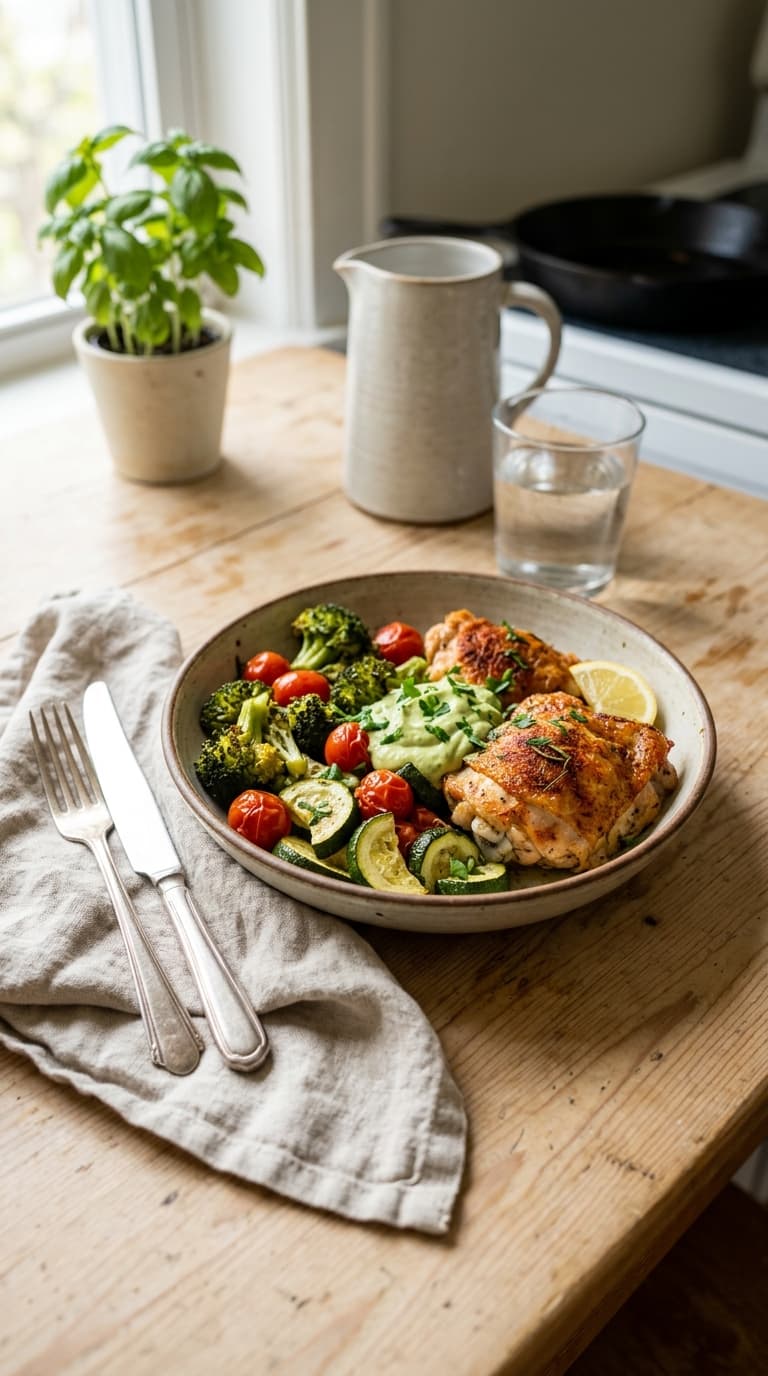
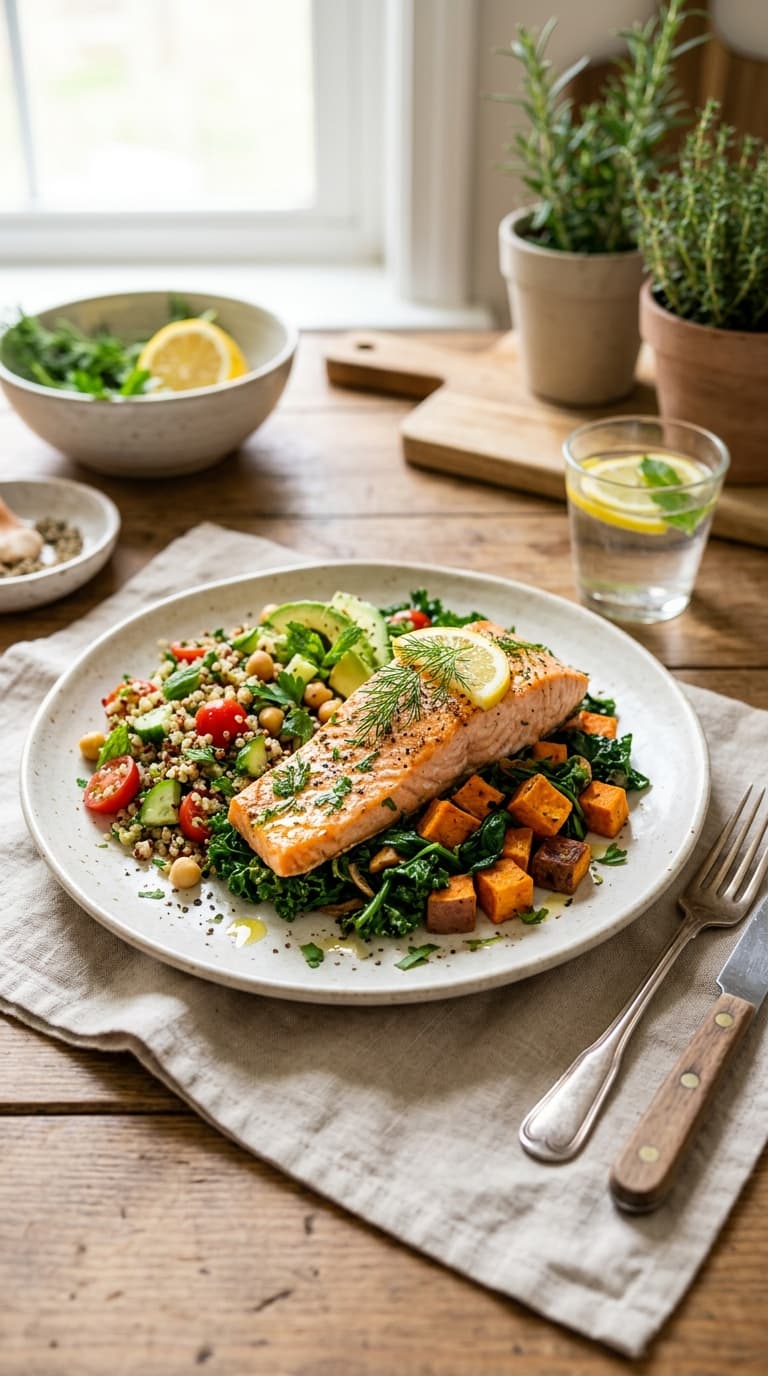
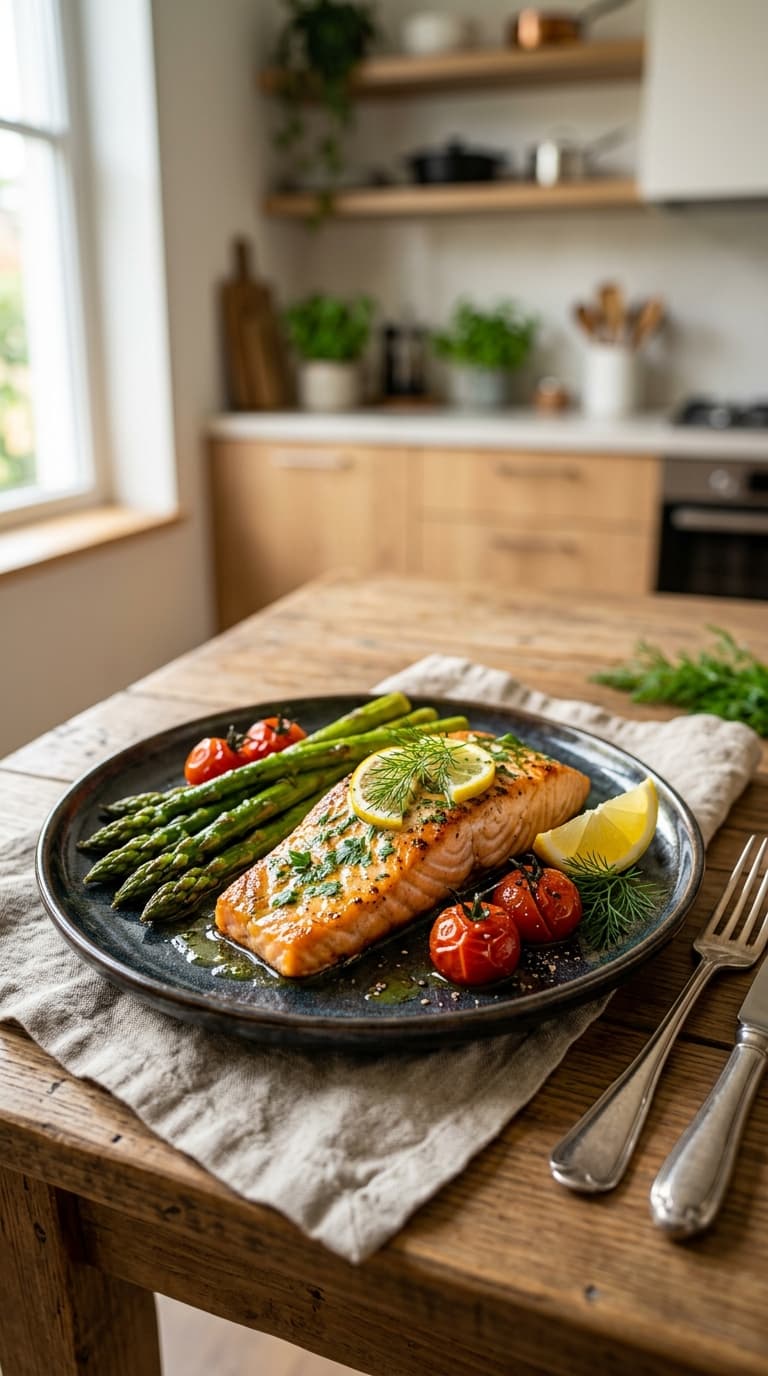
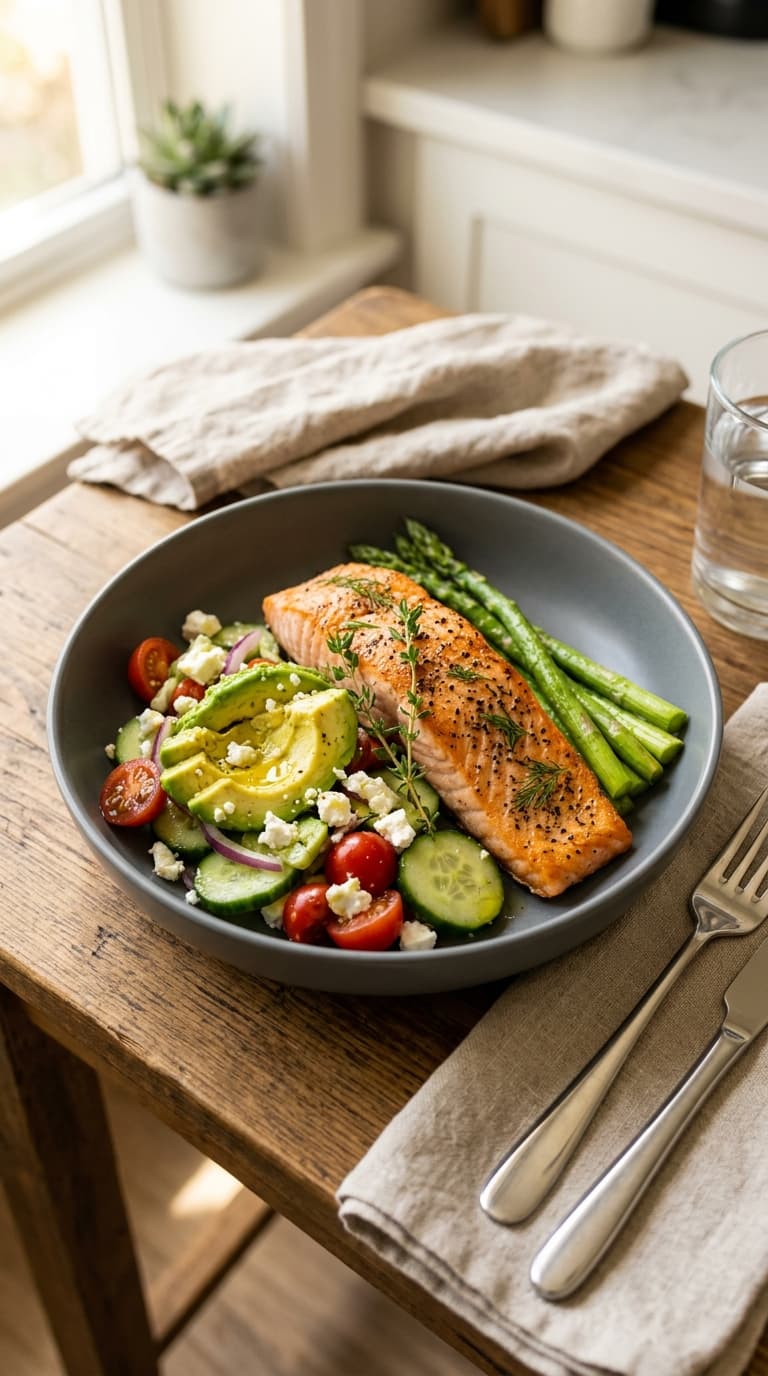
Dinner: Pan-seared salmon with roasted broccoli and a side of cauliflower mash
Snacks: A small handful of macadamia nuts, celery with cream cheese, or a boiled egg
See how satisfying that looks? You’re not eating tiny salads and crying about it. That’s the beauty of keto — the food is genuinely filling, and the fat keeps you full for hours.
If you’re into planning ahead, pairing your keto meals with some solid low-calorie high-protein meal ideas can also give you solid crossover inspiration, especially during the transition period when you’re still figuring out your style.
Keto Snacks That Actually Work
Snacking on keto is easy once you know what works. Keep these on hand:
- Hard-boiled eggs — the OG keto snack
- Cheese cubes or string cheese
- Olives — underrated, delicious, zero-carb
- Pork rinds — sounds weird, tastes great
- Almond butter on celery sticks
- Pepperoni slices with cream cheese
- Avocado with salt and lime juice
Craving something sweet? Dark chocolate (85%+ cacao) has surprisingly low net carbs and hits that sweet spot without derailing you. You can also find tons of low-calorie sweet snacks under 120 calories that work well alongside a keto approach.
Common Keto Mistakes Beginners Make
Let’s save you some headaches. These are the most frequent slip-ups:
1. Not eating enough fat
This is the big one. People go low-carb but don’t replace those calories with fat, and then wonder why they’re starving. Eat the fat. That’s literally the whole point.
2. Eating too much protein
Excess protein can convert to glucose through a process called gluconeogenesis and knock you out of ketosis. Keep protein moderate, not excessive.
3. Ignoring hidden carbs
Sauces, dressings, condiments, deli meats — they sneak in carbs constantly. Read labels obsessively in the beginning.
4. Not drinking enough water
Dehydration makes keto flu so much worse. Water is non-negotiable.
5. Giving up after keto flu
Week one is the hardest. Most people who quit, quit too early. Your body needs time to adapt. Once it does, things click.
6. Eating “keto-friendly” packaged foods too early
Keto cookies and bars are fine occasionally, but leaning on them in week one slows your fat adaptation. Start with whole, real food.
How Long Does It Take to See Results on Keto?
Week one: You’ll likely drop 2–5 pounds, but it’s mostly water weight. Don’t pop the champagne yet.
Weeks two to four: Real fat loss starts happening. Energy improves. Cravings drop. Brain fog lifts. This is the phase most people describe as “finally feeling like themselves.”
Month two and beyond: Steady, consistent fat loss. Most people lose 1–2 pounds of actual fat per week once they’re fully keto-adapted and eating appropriate calories.
The results vary based on how much weight you have to lose, your activity level, stress, sleep, and hormones. But if you stay consistent, keto works. Full stop.
Pairing keto with smart, filling low-calorie meals for weight loss on the days you’re in more of a flex eating mode can also help keep things on track without overthinking it.
Free Printable Keto Beginner Cheat Sheet
Here’s your printable reference to keep on the fridge or save to your phone:
✅ EAT FREELY
- Meat, poultry, seafood
- Eggs
- Full-fat dairy
- Low-carb vegetables
- Healthy fats and oils
- Nuts and seeds (in moderation)
❌ AVOID COMPLETELY
- Grains and bread
- Sugar in all forms
- Most fruit
- Starchy vegetables
- Beans and legumes
- Processed “diet” foods
⚡ DAILY TARGETS
- Carbs: Under 20–50g net carbs
- Protein: 0.6–1g per pound of body weight
- Fat: Fill the rest of your calories
- Water: 2–3+ liters
- Electrolytes: Salt, magnesium, potassium daily
🛒 BEGINNER KETO GROCERY LIST
- Eggs, bacon, ground beef, chicken thighs
- Salmon, canned tuna
- Butter, olive oil, coconut oil
- Cheddar cheese, cream cheese, heavy cream
- Spinach, zucchini, broccoli, cauliflower
- Avocados
- Macadamia nuts, walnuts
- Bone broth
Screenshot this, print it, tattoo it on your arm — whatever works for you.
Is Keto Right for You?
Keto isn’t for everyone, and that’s perfectly fine. It works incredibly well for people who:
- Struggle with constant hunger on traditional diets
- Have insulin resistance or type 2 diabetes (consult your doctor)
- Prefer eating fat and protein over carbs naturally
- Want faster initial weight loss results
It might not be the best fit if you’re a high-performance athlete who depends on glycogen, if you have certain kidney conditions, or if the thought of giving up fruit and pasta genuinely makes you miserable. Sustainable is always better than perfect.
If you’re exploring different approaches to eating and weight loss, it’s also worth checking out how low-carb recipes for weight loss compare — some people find a moderate low-carb approach works better for their lifestyle without going full keto.
Final Thoughts
Keto for weight loss isn’t a trend — it’s a metabolic approach backed by real science and genuinely transformative for a lot of people. The first week is rough. The learning curve is real. But once your body adapts and you find your groove, it becomes one of the more effortless ways to manage your weight and energy long-term.
Start simple. Eat real food. Track your carbs. Drink your water. Survive the keto flu. And then enjoy actually feeling good in your body.
You’ve got the cheat sheet. You’ve got the meal ideas. Now the only thing left to do is start. What’s stopping you?