21-Day Gut Reset Plan — Complete Meal Guide That Actually Work
21-Day Gut Reset Plan — Complete Meal Guide That Actually Works
Your gut has been putting up with a lot. Stress, processed snacks, late-night questionable decisions — yeah, your digestive system deserves a proper apology. And a 21-day gut reset plan might just be the olive branch it needs.
I’ll be honest — I was skeptical when I first heard about gut reset programs. Sounded like another wellness trend wrapped in a pretty Instagram filter. But after struggling with bloating, sluggish digestion, and that constant “blah” feeling, I figured — what’s the worst that could happen? Spoiler: it actually worked. And now I want to walk you through exactly how to do it right, meal by meal.
Why Your Gut Needs a Reset in the First Place
Think of your gut microbiome like a garden. When you feed it junk, weeds take over. When you feed it the right stuff, it thrives. The gut microbiome contains trillions of bacteria that influence everything from your mood to your immune system — and most of us are accidentally starving the good guys.
Signs your gut is screaming for help:
- Bloating after almost every meal
- Constant fatigue even after sleeping well
- Skin breakouts that won’t quit
- Brain fog that makes you feel like you’re thinking through mud
- Irregular digestion (you know what I mean)
If you nodded at two or more of those, keep reading. This plan is built for you.
How the 21-Day Structure Works
The 21-day timeline isn’t random — it’s rooted in how long your gut lining takes to begin healing and how long it takes to shift your microbial balance. Three weeks gives your body enough time to see real, measurable changes without requiring you to overhaul your entire life overnight.
Here’s the general breakdown:
- Week 1 (Days 1–7): Eliminate gut irritants, reduce inflammation
- Week 2 (Days 8–14): Rebuild with prebiotics and probiotics
- Week 3 (Days 15–21): Reinforce and maintain the new gut environment
Simple in theory, right? Let’s get into the actual food side of things — because that’s where most people get lost.
Week 1 Meal Guide — Clear Out the Clutter
What to Remove
Before you add anything good, you’ve got to stop adding the bad. Week 1 is about elimination — and yes, that’s as uncomfortable as it sounds. But it’s necessary.
Foods to avoid during Week 1:
- Refined sugar and artificial sweeteners
- Alcohol (yes, all of it — sorry :/)
- Processed foods with more than five ingredients you can’t pronounce
- Gluten-heavy bread, pasta, and pastries
- Dairy (especially the full-fat, heavy stuff)
What to Eat
Now here’s where it gets good. You’re not starving — you’re just eating smarter. Focus on whole, anti-inflammatory foods that your gut can actually process without throwing a fit.
Week 1 gut-friendly staples:
- Steamed or roasted vegetables (zucchini, carrots, beets, sweet potato)
- Bone broth — genuinely one of the best things for gut lining repair
- Brown rice and quinoa for easy-to-digest complex carbs
- Boiled or baked lean proteins like chicken, turkey, and eggs
- Lots of water, herbal teas (ginger and peppermint especially)
For meal prep inspo that keeps things easy and budget-friendly, these cheap low-calorie meal prep ideas are genuinely worth bookmarking before you start Week 1.
Sample Day — Week 1
- Breakfast: Warm oatmeal with banana, chia seeds, and a drizzle of raw honey
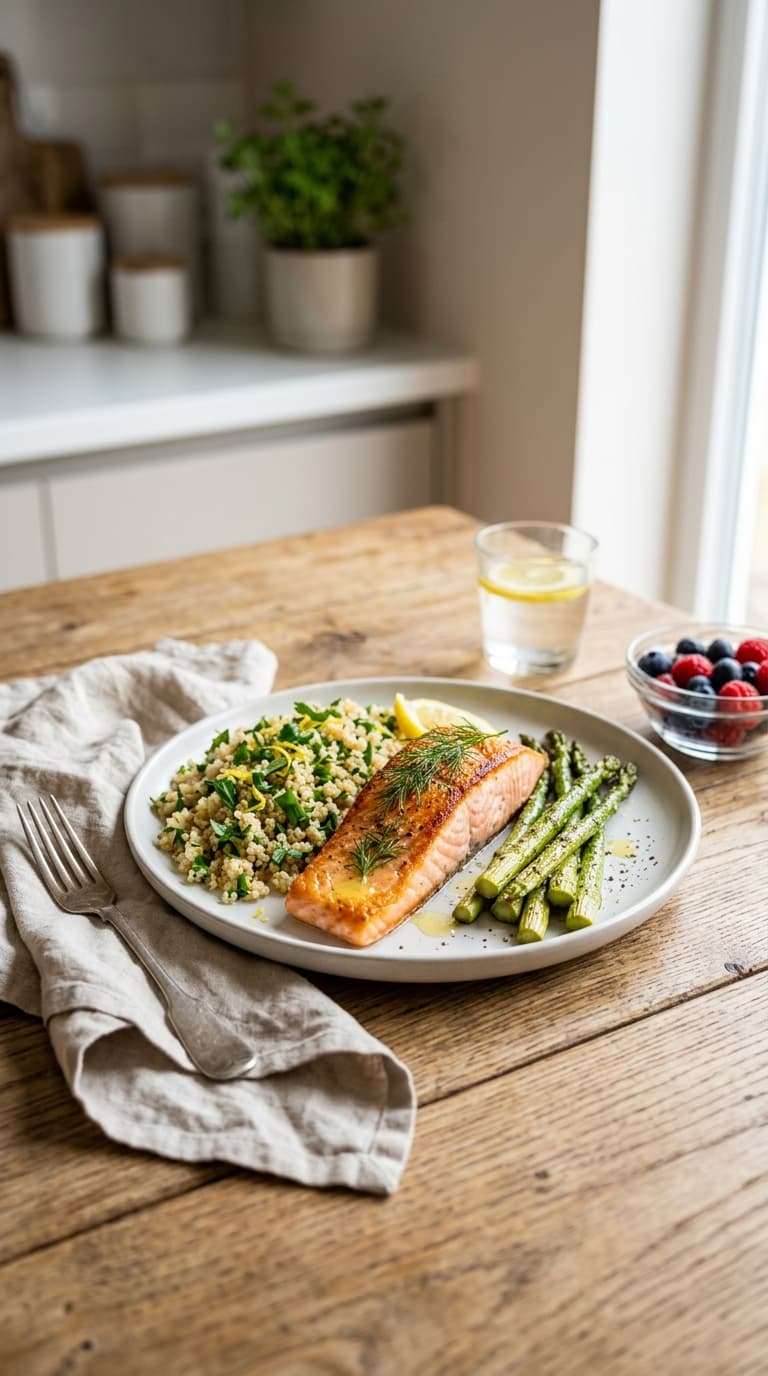
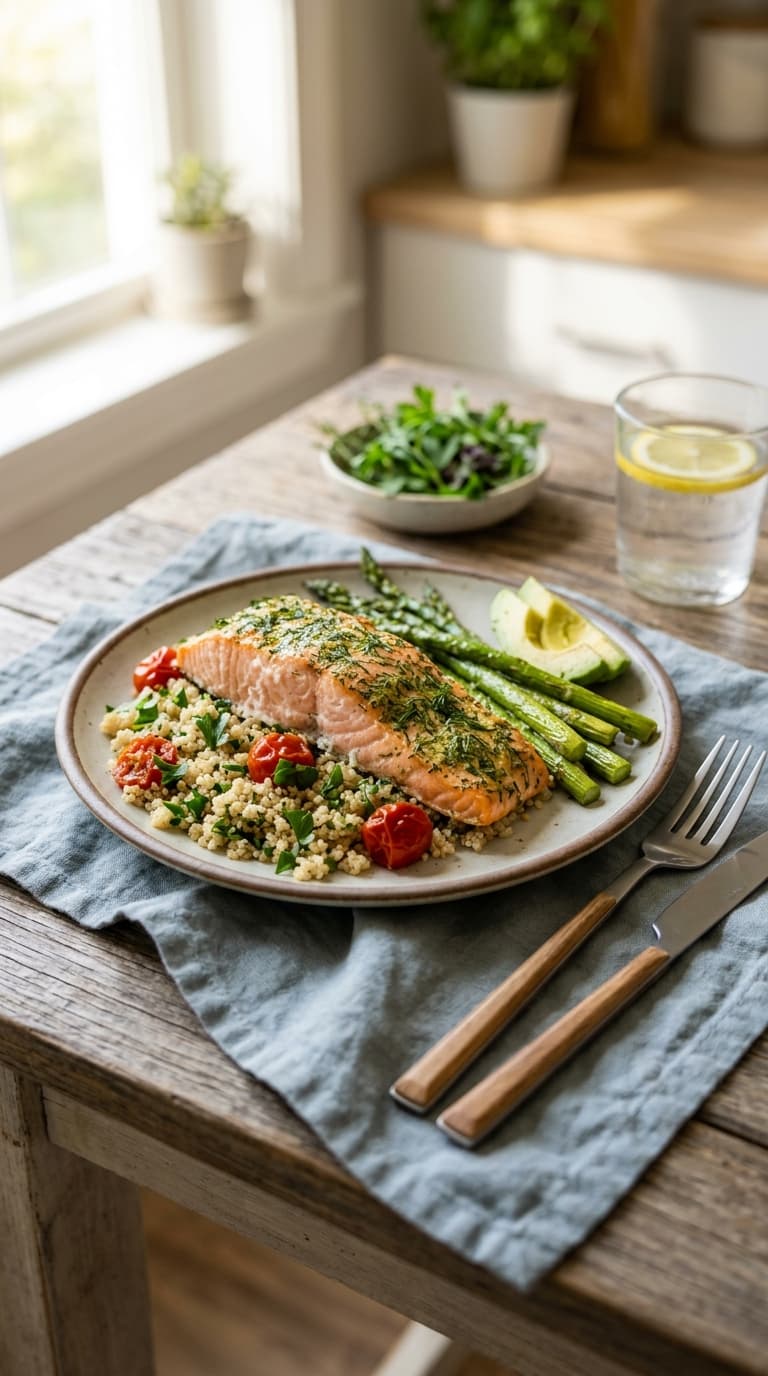
- Lunch: Steamed salmon with roasted sweet potato and wilted spinach
- Dinner: Bone broth-based vegetable soup with brown rice
- Snack: Cucumber slices with a tablespoon of almond butter
Week 2 Meal Guide — Rebuild the Good Stuff
Introducing Probiotics and Prebiotics
By Week 2, you’ve cleared some space. Now it’s time to plant seeds — literally, in a microbiome sense. Probiotics introduce beneficial bacteria; prebiotics feed them. You need both, and the magic happens when they work together.
Best probiotic-rich foods to add:
- Plain, unsweetened kefir or Greek yogurt
- Sauerkraut (the raw, refrigerated kind — not the canned stuff)
- Kimchi — spicy, funky, and absolutely fantastic for your gut
- Miso soup — easy to make, deeply nourishing
- Kombucha — FYI, start with a small amount if you’re new to it
Best prebiotic foods to pair them with:
- Garlic and onions (yes, even raw — get some mints)
- Jerusalem artichokes — underrated gut hero
- Bananas, especially slightly green ones
- Asparagus, leeks, and chicory root
Gut-Healing Meal Ideas for Week 2
The key in Week 2 is variety — rotating different fermented and fiber-rich foods keeps your microbiome diverse. And diversity is literally the goal here.
For filling, protein-forward meals that won’t wreck your progress, check out these high-protein low-calorie meals that actually keep you full — a lot of them fit perfectly into Week 2.
Sample Day — Week 2:
- Breakfast: Greek yogurt bowl with blueberries, flaxseed, and a handful of granola
- Lunch: Miso soup with tofu, wakame, and a side of kimchi
- Dinner: Garlic-roasted chicken thighs with asparagus and quinoa
- Snack: A small kombucha + a green banana
Week 3 Meal Guide — Lock It In
Reinforce What’s Working
By Week 3, you should start feeling a noticeable difference. Less bloating. More energy. Skin possibly doing better things. Week 3 is about consistency and finding your personal gut rhythm — figuring out which foods make you feel amazing and which ones you can quietly reintroduce without drama.
This week, you can slowly start testing some of the foods you eliminated. Add one back every two days and pay attention. Your gut will literally tell you if something doesn’t belong.
Expanding Your Meal Variety
Now that your gut is in a better place, you can get a little more creative with meals without derailing everything. Think light, colorful, and diverse.
Some ideas to work with in Week 3:
- Smoothie bowls loaded with gut-friendly fruits, seeds, and kefir — these low-calorie yogurt bowls for weight loss are a great inspiration
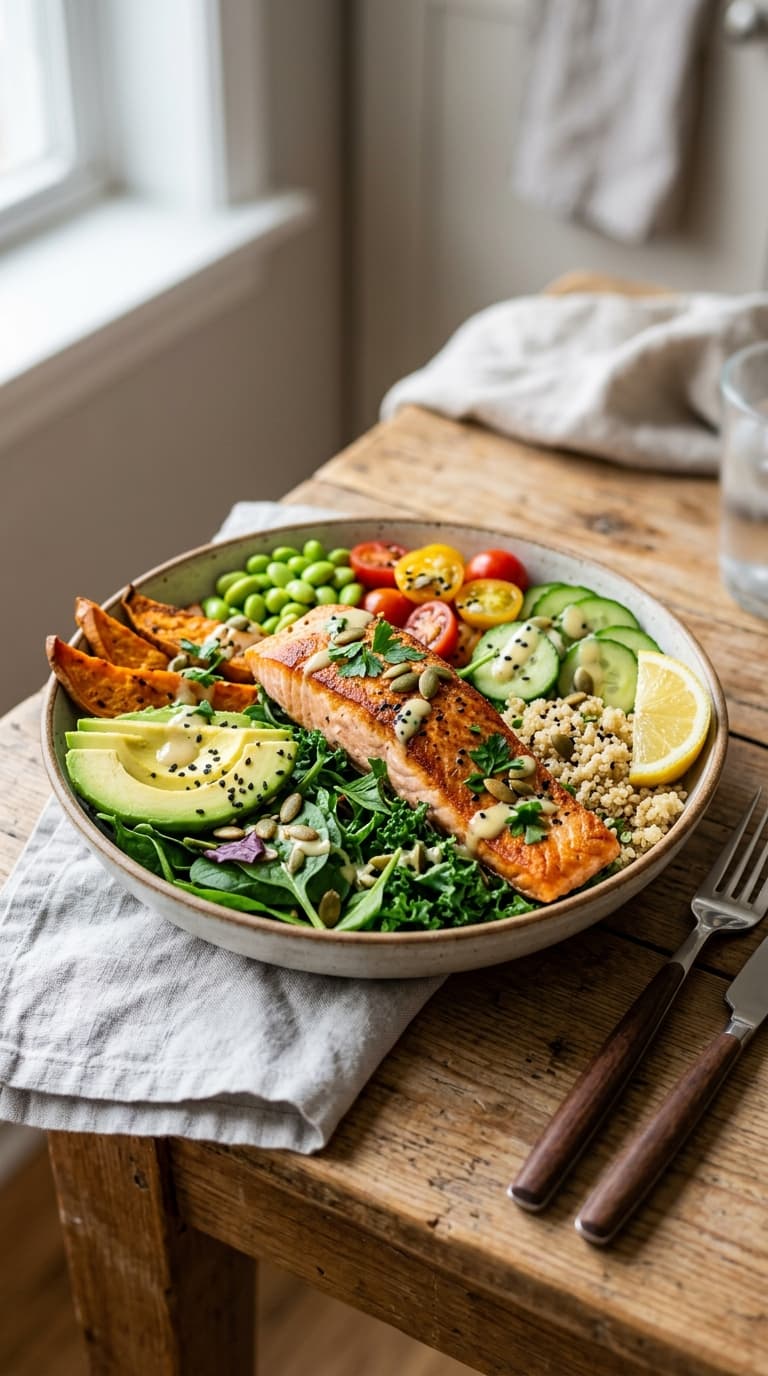
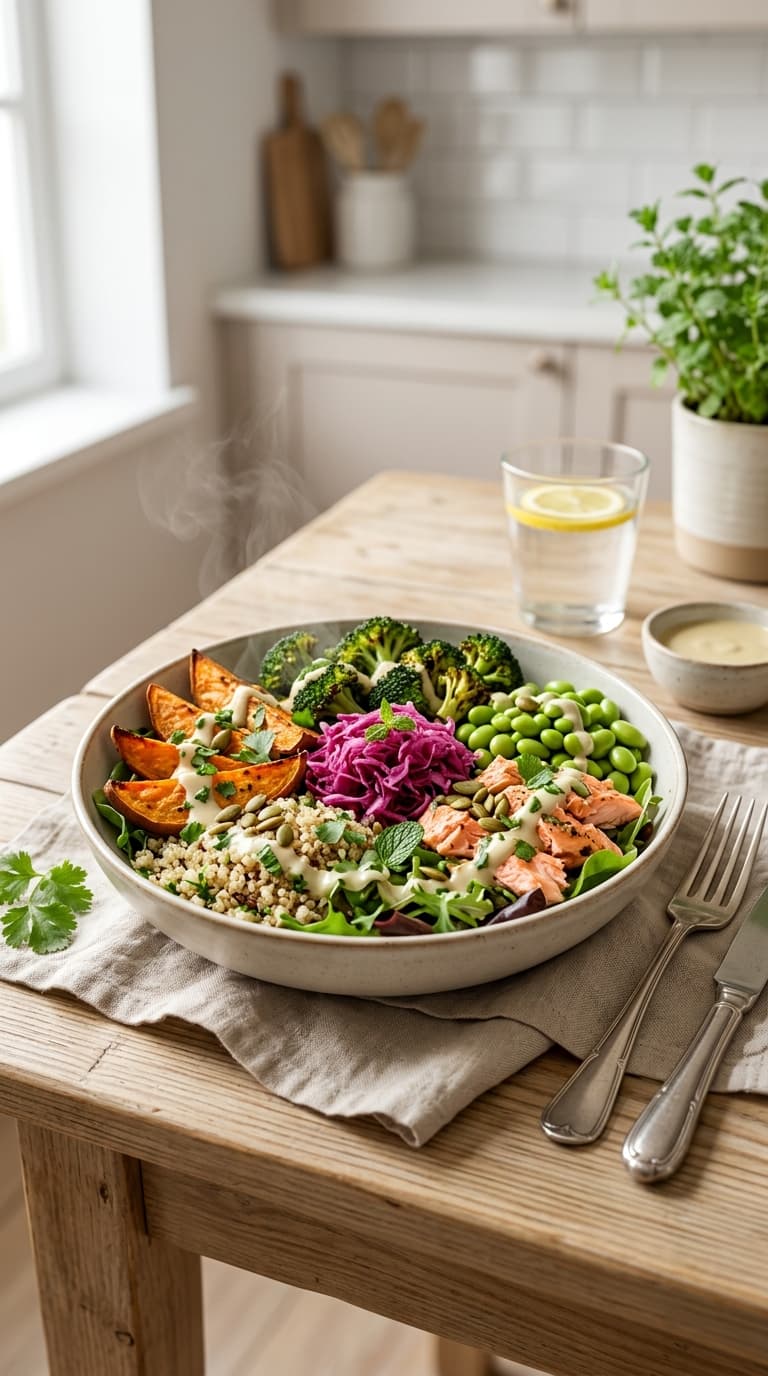
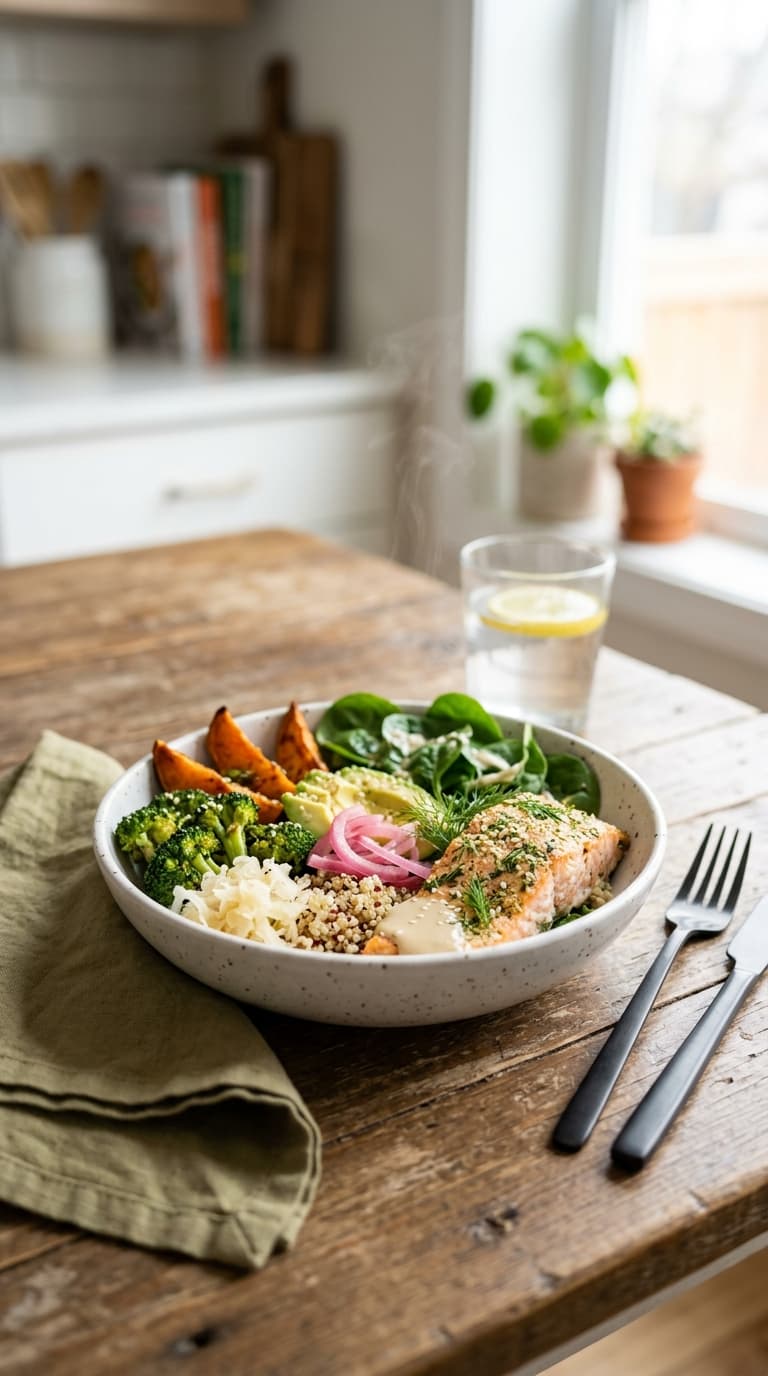
- Grain bowls with fermented toppings like pickled vegetables or a dollop of yogurt-based dressing
- Lentil soups — lentils are prebiotic powerhouses and insanely filling
- Roasted veggie sheet pan dinners with tahini or miso dressing
For effortless dinner planning, these low-calorie sheet pan meals basically make Week 3 feel like a breeze.
Sample Day — Week 3:
- Breakfast: Smoothie with kefir, spinach, frozen mango, flaxseed, and ginger
- Lunch: Lentil soup with turmeric, cumin, and a squeeze of lemon
- Dinner: Sheet pan salmon with roasted asparagus, beets, and miso glaze
- Snack: Handful of walnuts + a few dark chocolate squares (80%+ cacao, gut-approved IMO)
Gut Reset Drinks — Don’t Sleep on This
What you drink matters just as much as what you eat. Most people focus entirely on food and then chug diet soda all day — which, honestly, undoes a lot of the work.
Best drinks for your gut reset:
- Warm lemon water first thing in the morning (cliché but real)
- Ginger tea — anti-inflammatory and aids digestion beautifully
- Bone broth — sip it like a warm hug for your gut lining
- Kombucha — keep it to one small bottle per day
- Plain water — at least 2–2.5 liters daily, no negotiation
And if you’re looking for more drink options that don’t just taste like suffering, these low-calorie drinks that support weight loss have some seriously good ideas.
Gut-Friendly Snacking That Won’t Set You Back
Snacking during a gut reset isn’t forbidden — you just need to snack smart. The wrong snack can spike blood sugar and feed the bad bacteria you just spent two weeks evicting.
Gut-approved snack ideas:
- Apple slices with almond butter
- Carrot sticks with hummus
- A small bowl of mixed berries
- Plain kefir with a drizzle of honey
- Roasted pumpkin seeds
Craving something savory? These low-calorie salty snacks that keep you full have some solid options that won’t have your gut staging a protest.
Breakfast Is Not Optional During a Gut Reset
Skipping breakfast during a gut reset is like trying to water a plant without, well, water. Your gut microbiome is most active and receptive in the morning — this is your golden window to feed it something genuinely useful.
The best gut-healing breakfasts combine fiber, protein, and a source of probiotics or prebiotics. Think oatmeal with berries and flaxseed, Greek yogurt parfaits, or veggie-loaded egg scrambles with fermented salsa on top.
If you need more breakfast ideas without the guesswork, these low-calorie breakfasts for a calorie deficit without feeling hungry are worth a look — plenty of them work perfectly within this reset.
Common Gut Reset Mistakes (And How to Avoid Them)
Ever wonder why some people do a gut reset and feel amazing, while others feel worse by Day 5 and give up? Usually it comes down to a few predictable mistakes.
Mistake #1 — Going too extreme too fast. Cutting everything at once and going full elimination-diet mode can actually stress your gut more. Ease in, especially Week 1.
Mistake #2 — Not eating enough fiber. Fiber feeds your gut bacteria. Without it, even the probiotic supplements you’re taking won’t do much. Eat the vegetables. All of them.
Mistake #3 — Forgetting about stress. Your gut and brain share a direct connection — it’s called the gut-brain axis, and it’s very real. High stress = gut chaos. Even a 10-minute walk or five minutes of deep breathing helps.
Mistake #4 — Relying on supplements instead of food. Probiotic supplements are useful, but they’re not a substitute for real fermented foods. Think of them as backup — not the main event.
Meal Prep Tips to Make This Actually Sustainable
Let’s be real — a gut reset sounds lovely until Wednesday rolls around and you’re tired and tempted by that leftover pizza. Meal prep is the single best thing you can do to stay on track.
Quick practical tips:
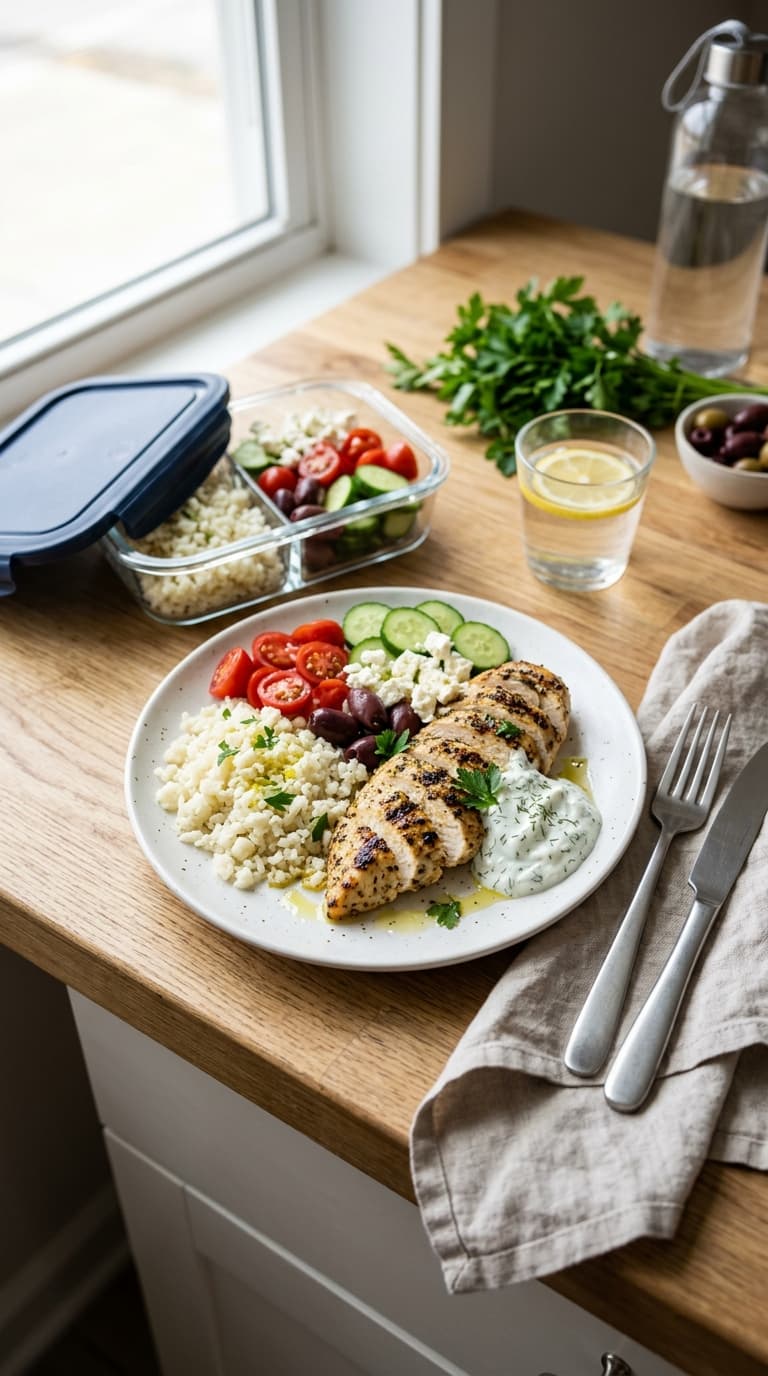
- Batch cook grains (quinoa, brown rice) at the start of each week
- Make a big pot of soup or bone broth on Sundays
- Pre-chop vegetables so they’re grab-and-go ready
- Store fermented foods in easy-reach spots in your fridge — out of sight really does mean out of mind
- Prep snack bags so you’re not rummaging through cabinets at 10 PM
For the full meal prep strategy, these low-calorie meal prep ideas for busy weekdays will save you more than once during this reset.
What Happens After 21 Days?
Here’s the honest truth — 21 days isn’t a finish line. It’s a foundation. The whole point of this reset is to shift your baseline — to get your gut to a place where good habits feel natural and easy rather than like a constant uphill battle.
After Day 21, you don’t have to stay in strict elimination mode. Most people find they naturally want less sugar and processed food because their gut — and their cravings — have genuinely changed. That’s not magic; that’s just biology doing its thing when you finally give it a chance.
Keep the fermented foods in your rotation. Keep the fiber high. Keep the water flowing. And if you fall off for a few days, don’t catastrophize — just get back to it. Your microbiome is more resilient than you think.
Final Thoughts — Your Gut Will Thank You
Twenty-one days feels long at the start and shockingly short by the end. By Week 3, most people report better digestion, clearer skin, more stable energy, and — here’s the wild one — a noticeably better mood. Turns out when your gut is happy, everything else sort of follows. Who knew? 🙂
The gut reset meal guide above gives you a real, practical, food-first approach that doesn’t require you to buy expensive supplements or survive on sad salads. Just real food, eaten with intention, over three focused weeks.
You’ve got this. And honestly, your gut’s been waiting for you to try.