14-Day Gut Healing Meal Plan For Beginners That Are Easy
14-Day Gut Healing Meal Plan For Beginners That Are Easy
Your gut has been sending you signals for a while now — the bloating after meals, the sluggish mornings, the random discomfort that makes you wonder if you accidentally ate a brick. Sound familiar? Yeah, I’ve been there too. And honestly, fixing your gut health doesn’t have to mean surviving on celery juice and sad salads for two weeks.
This 14-day gut healing meal plan is built for real people who want real results without losing their minds in the kitchen. We’re talking simple, beginner-friendly meals that actually taste good and give your digestive system the reset it’s been begging for. Let’s get into it.
Why Your Gut Health Actually Matters
Your gut does a lot more than just digest food. Your gut microbiome — the trillions of bacteria living in your digestive tract — influences your mood, immune system, energy levels, and even your weight. When your gut is out of balance, everything feels off. You might notice:
- Constant bloating or gas
- Irregular digestion (too fast, too slow, you know the deal)
- Brain fog that hits right after eating
- Low energy despite sleeping enough
- Skin issues that won’t quit
The good news? You can shift your gut health dramatically in just 14 days by eating the right foods consistently. No fancy supplements required — just smart, intentional eating.
What to Eat (and What to Skip) During Your Gut Reset
Before we map out the full plan, let’s talk about the basics. Your gut healing journey lives or dies by what you put on your plate.
Foods That Heal Your Gut
These are your best friends for the next two weeks:
- Fermented foods — yogurt, kefir, kimchi, sauerkraut, miso. These feed the good bacteria in your gut.
- High-fiber vegetables — broccoli, spinach, zucchini, carrots, and leafy greens. Fiber is basically gut bacteria fuel.
- Prebiotic foods — garlic, onions, leeks, bananas, and asparagus. Think of these as the fertilizer for your gut garden.
- Bone broth — rich in collagen and gelatin, it helps repair the gut lining.
- Healthy fats — avocado, olive oil, and fatty fish like salmon reduce gut inflammation.
- Ginger and turmeric — natural anti-inflammatories that calm an irritated digestive tract.
Foods to Avoid for 14 Days
IMO, this is where most people struggle — but it’s only 14 days, not forever 🙂
- Processed and packaged snacks
- Refined sugar and artificial sweeteners
- Alcohol
- Gluten (for sensitive guts, this makes a big difference)
- Fried and heavily spiced foods
- Dairy (except fermented options like yogurt and kefir)
Week 1: The Gentle Reset (Days 1–7)
The first week is all about removing irritants and flooding your system with gut-supportive foods. You’re not going extreme — you’re going smart.
Day 1 — Starting Simple
Breakfast: Plain Greek yogurt with sliced banana and a drizzle of raw honey. Bananas are a great source of prebiotic fiber that your gut bacteria love.
Lunch: Big spinach salad with grilled chicken, cucumber, cherry tomatoes, and olive oil dressing.
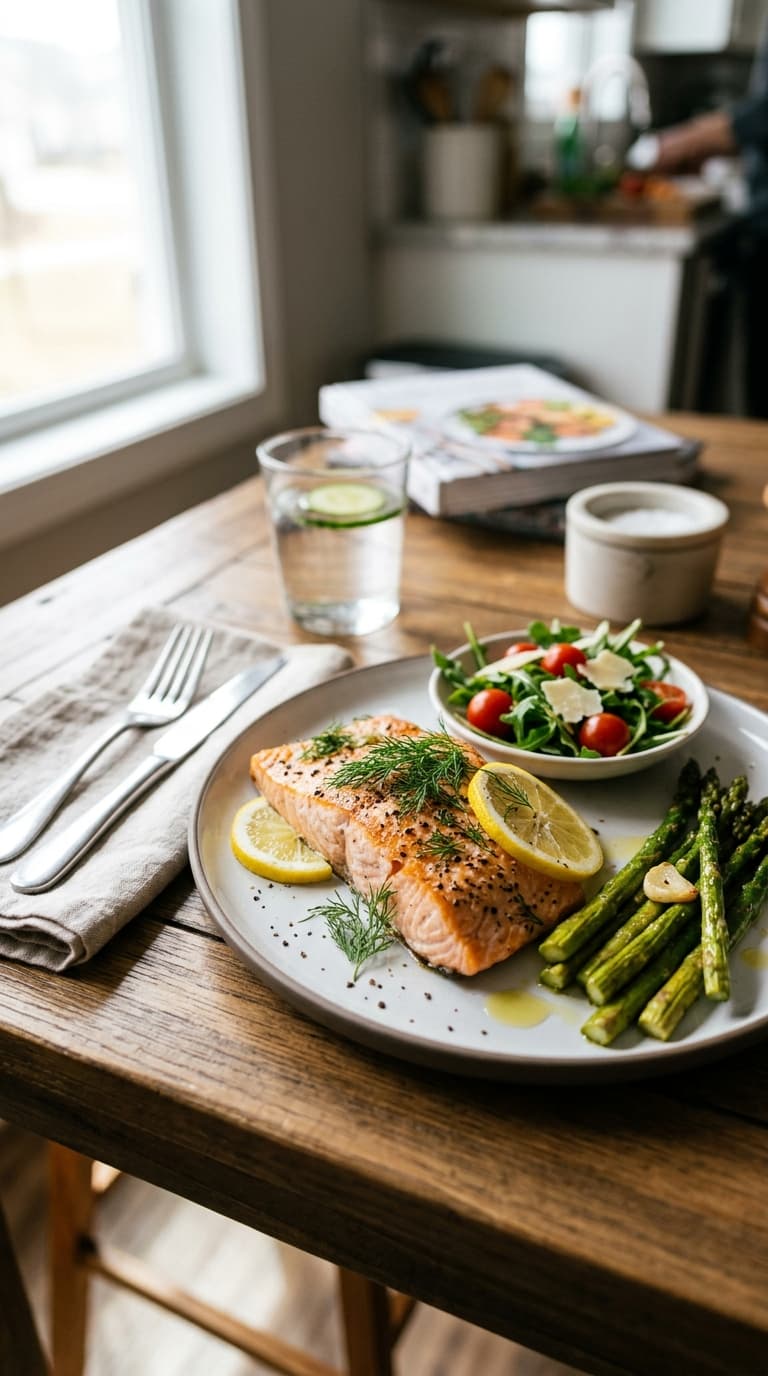
Dinner: Baked salmon with steamed broccoli and a side of brown rice.
Snack: A small handful of raw almonds.
Day 2 — Bring in the Fermented Foods
Breakfast: Overnight oats with kefir instead of milk, topped with mixed berries.
Lunch: Lentil soup with garlic, carrots, and fresh herbs. If you love a cozy bowl, check out these low-calorie soups under 200 calories for more ideas.
Dinner: Stir-fried zucchini noodles with miso-glazed tofu and sesame seeds.
Snack: Sliced apple with almond butter.
Day 3 — Gut-Loving Bowls
Breakfast: Smoothie made with spinach, frozen mango, ginger, kefir, and a squeeze of lemon.
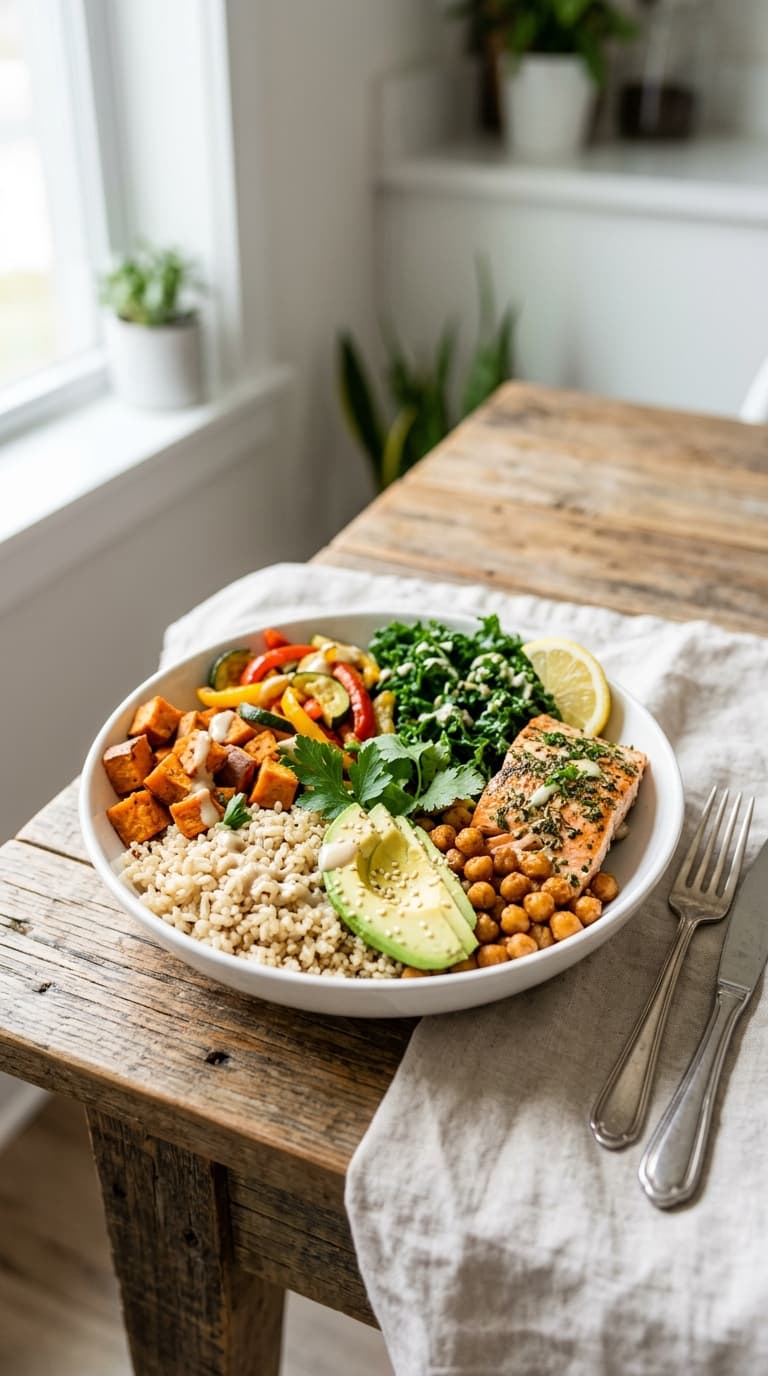
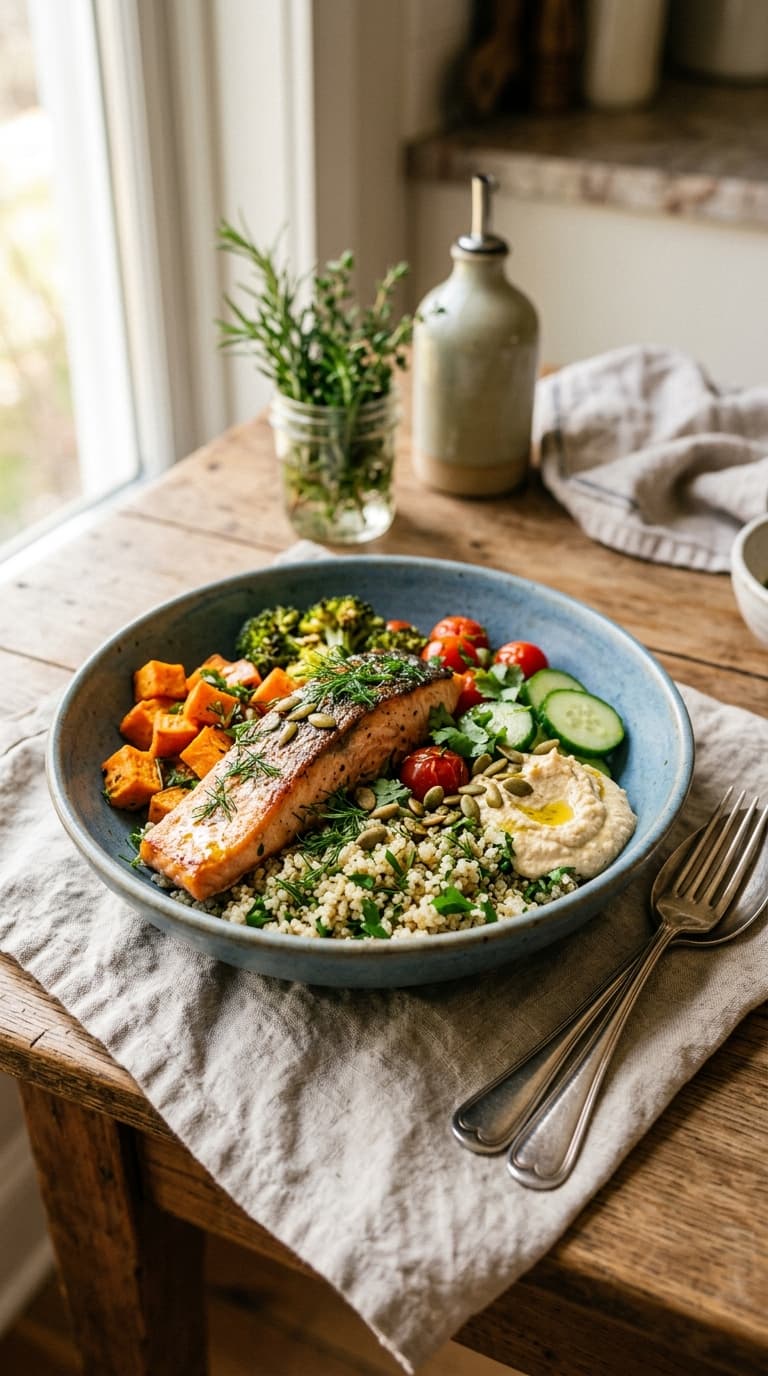
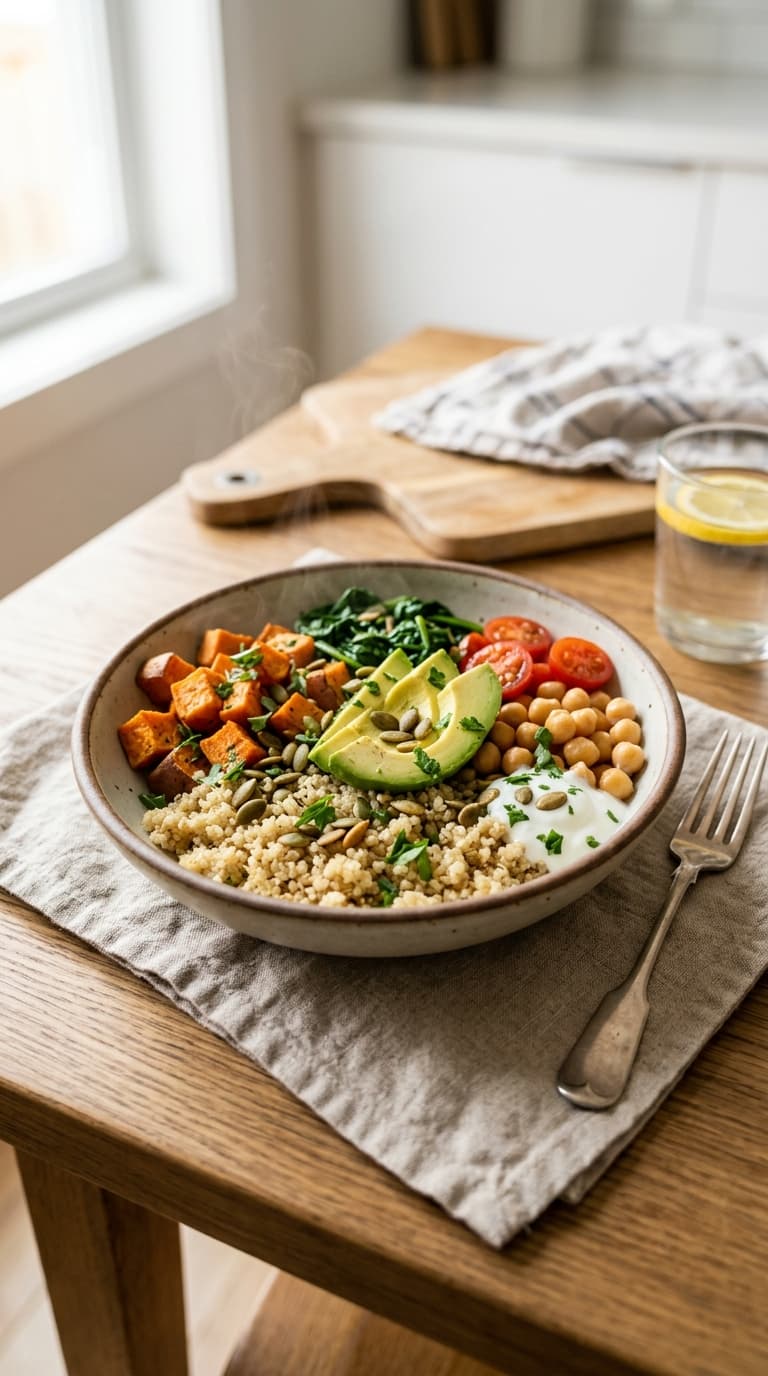
Lunch: Grain bowl with quinoa, roasted sweet potato, chickpeas, and tahini drizzle.
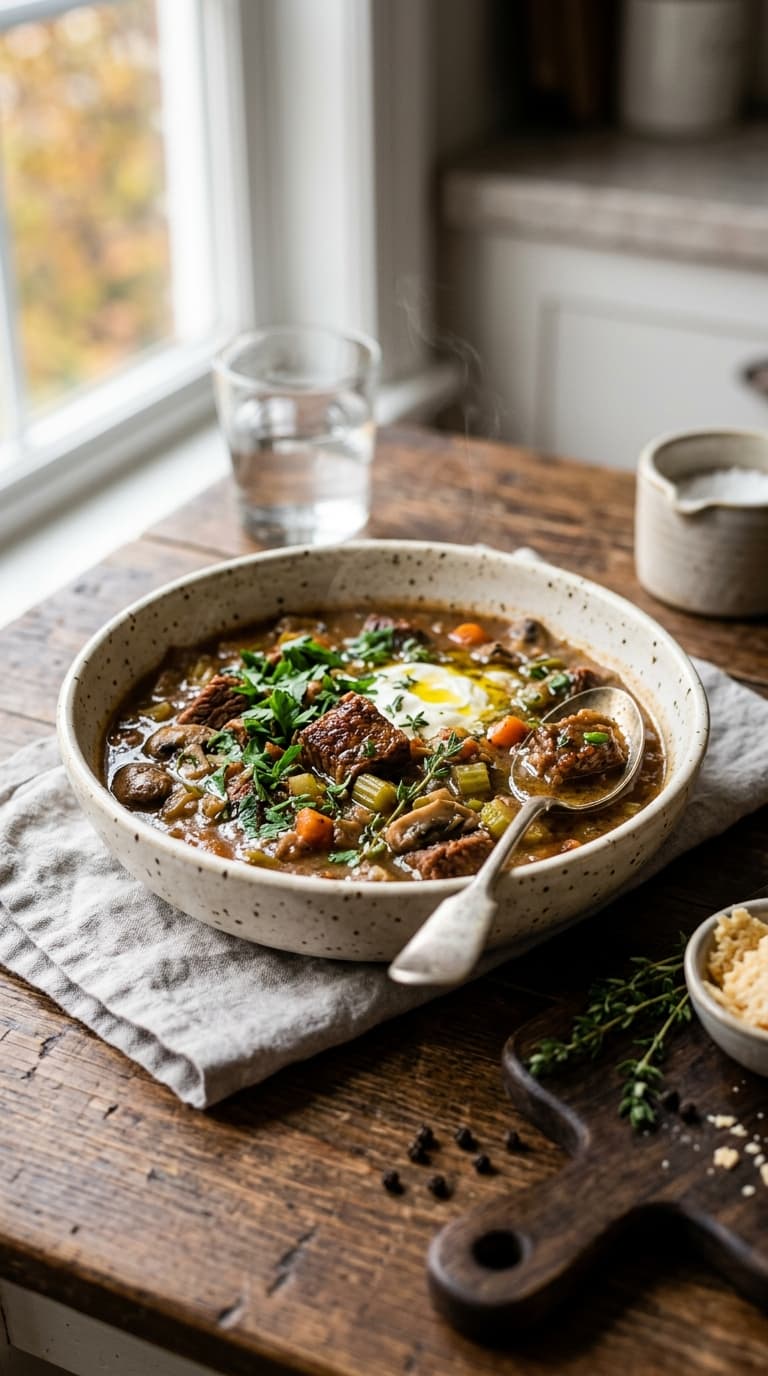
Dinner: Chicken and vegetable bone broth soup — make a big pot because you’ll want leftovers.
Snack: A small cup of plain kefir.
Day 4 — Keeping It Light
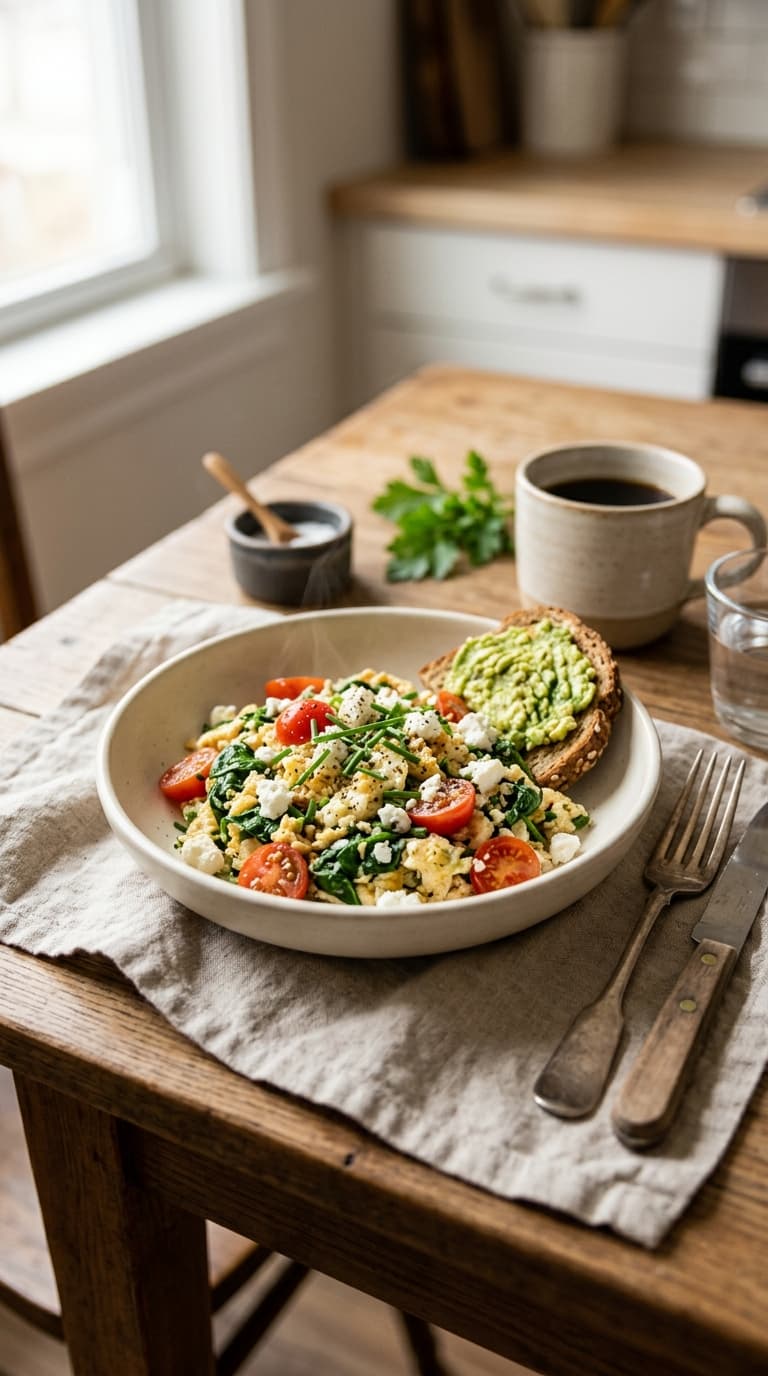
Breakfast: Scrambled eggs with sautéed spinach and a side of kimchi.
Lunch: Avocado and cucumber wrap in a lettuce leaf with a squeeze of lime.
Dinner: Baked cod with asparagus and a side of mashed sweet potato.
Snack: Carrot sticks with hummus.
Day 5 — Midweek Power-Up
Breakfast: Greek yogurt parfait with granola (no added sugar), blueberries, and chia seeds.
Lunch: Big leafy green salad with hard-boiled eggs, roasted beets, walnuts, and apple cider vinegar dressing.
Dinner: Turkey meatballs in a simple tomato herb sauce over zucchini noodles.
Snack: A banana or small handful of pumpkin seeds.
Day 6 — Weekend Slowdown
Breakfast: Veggie omelette with mushrooms, bell peppers, and a dollop of sauerkraut on the side.
Lunch: Warm lentil and roasted vegetable bowl with lemon-tahini dressing.
Dinner: Slow-cooked chicken with garlic, turmeric, and bone broth — your gut will thank you for this one.
Snack: A few rice cakes with avocado.
Day 7 — Rest and Reflect
Breakfast: Chia pudding made with coconut milk, topped with kiwi slices and hemp seeds.
Lunch: Simple miso soup with tofu, seaweed, and green onions.
Dinner: Grilled salmon with roasted garlic broccoli and a side of fermented sauerkraut.
Snack: Plain Greek yogurt with a sprinkle of cinnamon.
By Day 7, you should already notice some positive shifts — less bloating, better digestion, maybe even better sleep. Your gut responds fast when you treat it right.
Week 2: Building and Strengthening (Days 8–14)
You’ve cleared the junk out. Now Week 2 is about building a stronger gut microbiome and locking in habits you’ll actually keep. The meals get a little more varied and satisfying here.
Day 8 — Getting Creative
Breakfast: Smoothie bowl topped with sliced strawberries, flaxseeds, and a spoonful of almond butter. For more ideas like this, these low-calorie yogurt bowls for weight loss are worth bookmarking.
Lunch: Nourish bowl with brown rice, edamame, shredded purple cabbage, cucumber, and ginger dressing.
Dinner: Baked chicken thighs with roasted carrots, garlic, and fresh thyme.
Snack: A small bowl of mixed berries.
Day 9 — Plant-Forward Power
Breakfast: Oatmeal cooked in bone broth (yes, really — it sounds weird but works), topped with a soft-boiled egg and sliced avocado.
Lunch: Roasted vegetable and chickpea salad with lemon-herb dressing.
Dinner: Low-calorie high-protein meal of grilled turkey patties with steamed green beans and a side of kimchi.
Snack: Rice cakes with mashed avocado and a pinch of sea salt.
Day 10 — Anti-Inflammatory Focus
Breakfast: Golden milk chia pudding — coconut milk, turmeric, cinnamon, ginger, and maple syrup. Let it sit overnight.
Lunch: Warm quinoa salad with roasted beets, arugula, walnuts, and goat cheese (small amount).
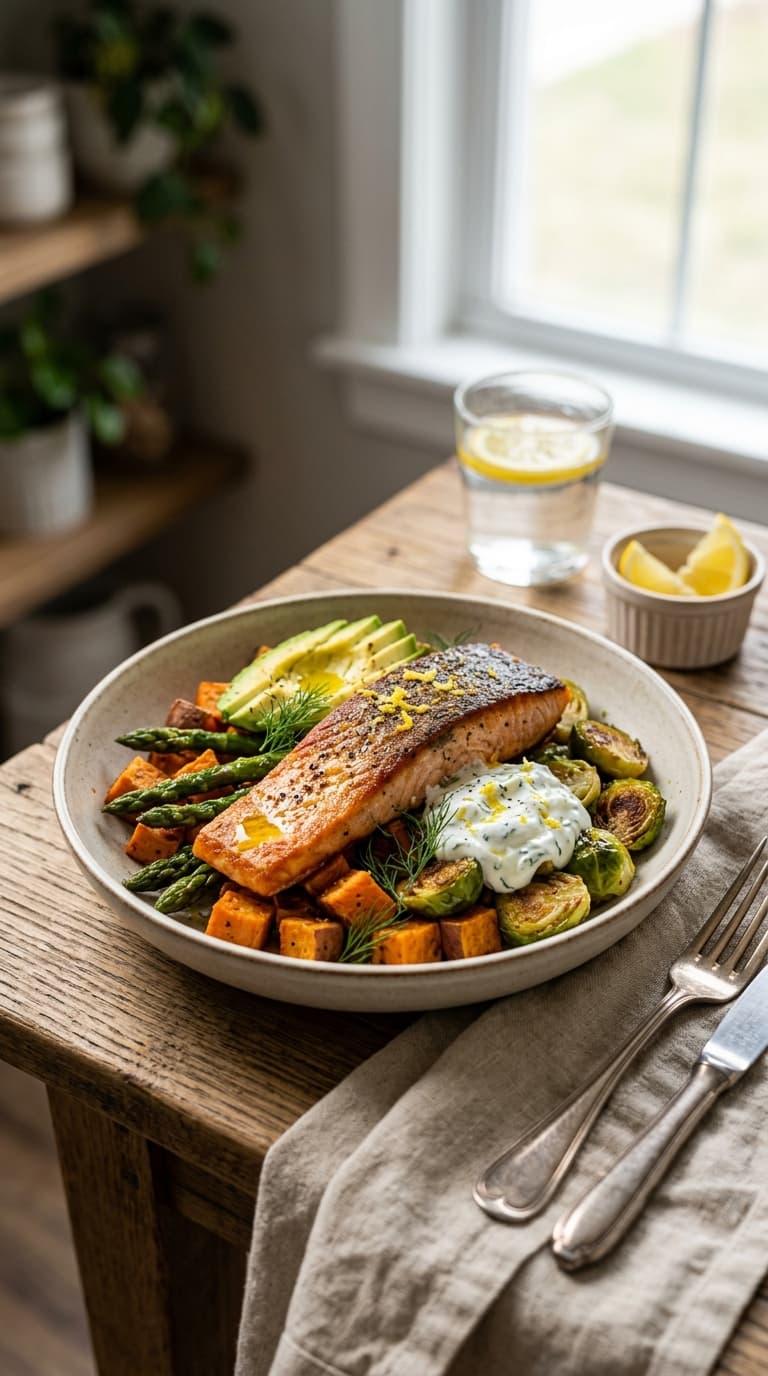
Dinner: Salmon and asparagus baked in parchment with lemon, garlic, and dill.
Snack: A handful of walnuts and a few dark chocolate squares (70% cacao or higher — dark chocolate supports gut diversity).
Day 11 — Comfort Food, Gut Style
Ever think you’d call bone broth soup “comfort food”? After two weeks of this, you absolutely will.
Breakfast: Savory oat bowl with a poached egg, sautéed kale, and a drizzle of olive oil.
Lunch: Homemade chicken soup with lots of vegetables — pull a batch from the freezer if you prepped ahead.
Dinner: Zucchini and turkey bolognese with plenty of garlic and herbs.
Snack: Sliced pear with a tablespoon of almond butter.
Day 12 — Full-Flavor Friday
Breakfast: Smoothie with frozen mango, pineapple, ginger, spinach, and coconut water. If you want more smoothie inspiration without blowing your calorie goals, these low-calorie smoothies under 250 calories have you covered.
Lunch: Mediterranean-style bowl with grilled chicken, cucumber, olives, hummus, and roasted red peppers.
Dinner: Baked cod tacos in lettuce wraps with cabbage slaw and avocado.
Snack: A small cup of kefir with a few berries stirred in.
Day 13 — Prep and Plan
Breakfast: Greek yogurt bowl with sliced kiwi, chia seeds, and a drizzle of raw honey.
Lunch: Big roasted vegetable and lentil soup — make extra and store it for tomorrow.
Dinner: Sheet pan chicken and vegetables — easy, hands-off, and gut-friendly. These low-calorie sheet pan meals are perfect when you want dinner done with minimal effort.
Snack: Celery sticks with almond butter.
Day 14 — The Grand Finale
Breakfast: Full gut-healing spread — chia pudding, a soft-boiled egg, half an avocado, and a small side of kimchi. Sounds like a lot, but it takes five minutes to put together.
Lunch: Nourishing salmon salad with mixed greens, cucumber, capers, and lemon-olive oil dressing.
Dinner: Celebrate with something delicious — miso-glazed salmon with roasted asparagus and a side of fermented vegetables. FYI, you earned this one.
Snack: A small piece of dark chocolate and herbal tea.
Tips to Make This Plan Actually Work
Look, having a plan on paper is one thing. Sticking to it when you’re tired on a Wednesday night is another. Here are a few things that genuinely helped me stay consistent:
- Meal prep on Sundays. Batch-cook grains, roast a tray of vegetables, and make a big pot of soup. Half your week is sorted. These cheap low-calorie meal prep ideas make it even easier on your wallet.
- Keep fermented foods visible in your fridge. Out of sight really does mean out of mind.
- Drink bone broth like it’s your job. Sip a cup in the morning or between meals — your gut lining will thank you.
- Don’t skip the prebiotic foods. Garlic and onions feel basic, but they’re doing serious heavy lifting for your microbiome.
- Hydrate consistently. Water keeps everything moving through your digestive system properly. Plain water, herbal teas, and low-calorie drinks that support weight loss all count.
What to Expect Day by Day
Here’s a rough timeline of what your body might experience:
- Days 1–3: Some bloating or changes in digestion as your gut adjusts. This is normal — don’t panic.
- Days 4–7: Bloating starts to ease. Energy levels begin to improve. Sleep might get better too.
- Days 8–10: Digestion feels noticeably smoother. Brain fog starts lifting.
- Days 11–14: You feel lighter, more energetic, and your gut is running like a well-oiled machine. Gut microbiome changes can begin showing measurable shifts within this window.
Everyone’s timeline is different, so don’t stress if you’re a day or two behind this schedule. Progress is progress.
After the 14 Days — What Now?
You’ve done the hard work. Now what? The goal isn’t to live on bone broth and kimchi forever (though honestly, kimchi is great :/). The goal is to carry these habits forward in a sustainable way.
Keep fermented foods as a regular part of your diet. Keep processed sugar minimal. Keep eating fiber-rich vegetables and prebiotic foods. And if you want to keep your meals interesting and budget-friendly, these filling low-calorie meals for weight loss are a great starting point for building a long-term routine you’ll actually enjoy.
Final Thoughts
Your gut health is one of the most powerful levers you can pull for your overall wellbeing — and this 14-day plan proves that healing doesn’t have to be complicated or miserable. Simple foods, consistent habits, and a little patience go a long way.
Start with Day 1. Don’t overthink it. Your gut has been working hard for you — it’s time to return the favor. And hey, by Day 14, you might just become one of those people who actually craves a bowl of miso soup. Stranger things have happened.