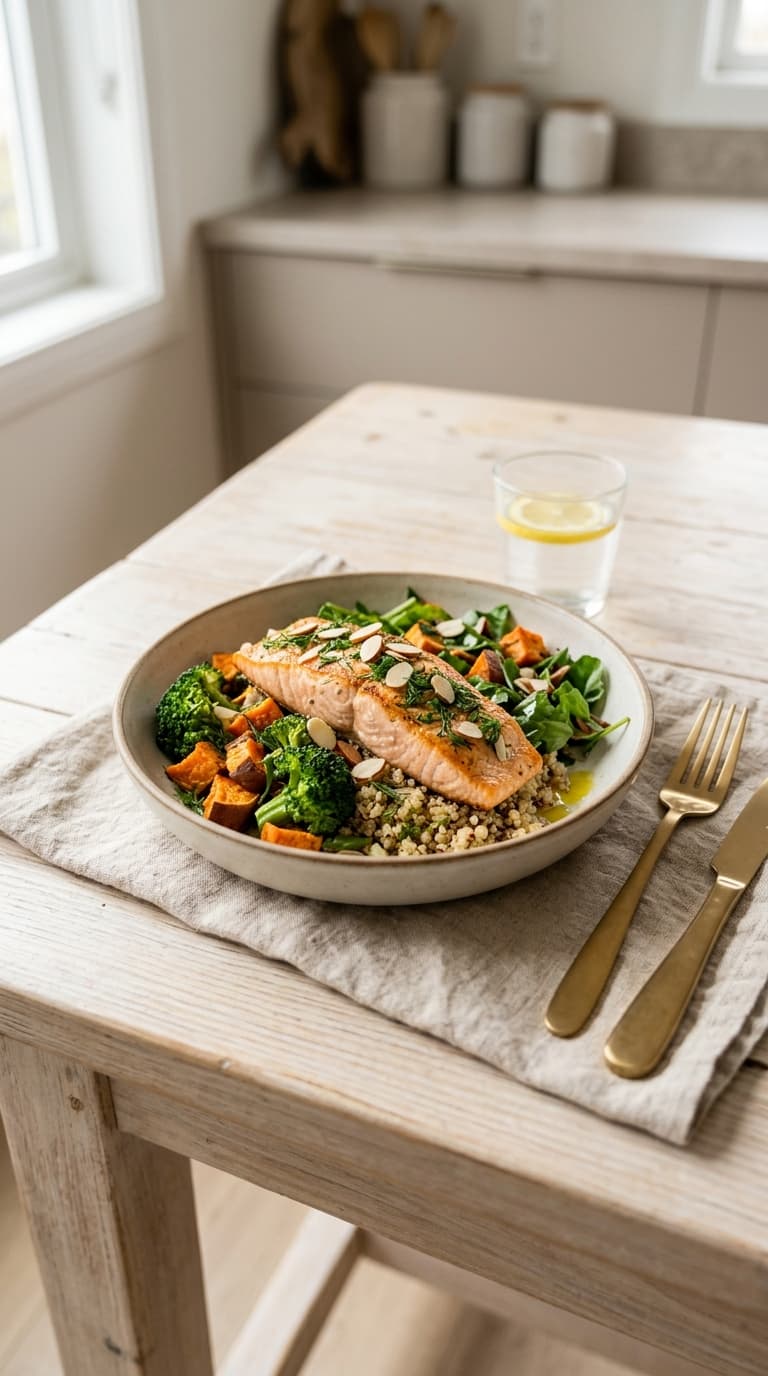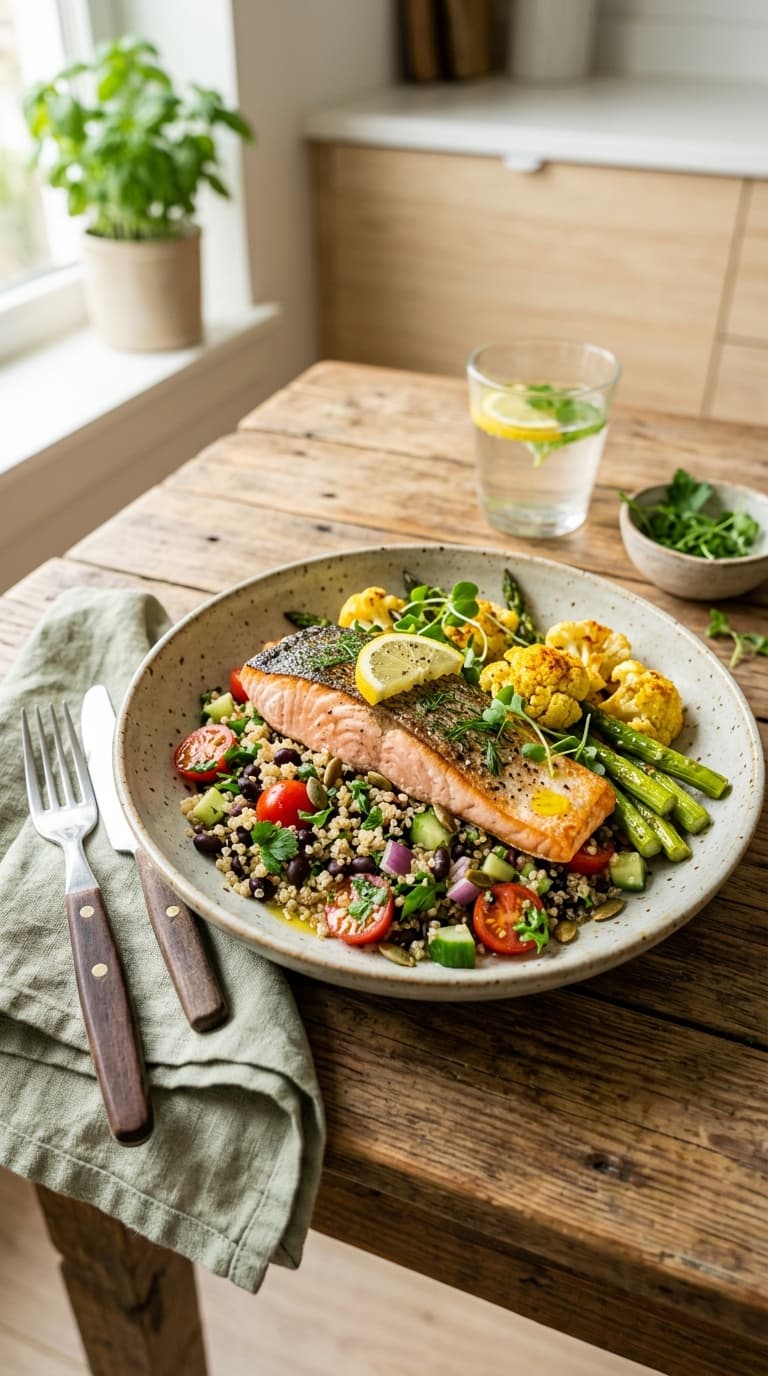
4-Week Anti-Inflammatory Weight Loss Plan For Women
4-Week Anti-Inflammatory Weight Loss Plan For Women
Let’s be real — you’ve probably tried at least one diet that left you exhausted, bloated, and wondering why you were eating plain chicken and sadness for two weeks straight. Sound familiar? This plan is nothing like that. The 4-week anti-inflammatory weight loss plan works with your body, not against it. It tackles the root cause of stubborn weight gain — chronic inflammation — while keeping your meals satisfying, your energy steady, and your sanity fully intact.
I stumbled onto anti-inflammatory eating after dealing with constant bloating and fatigue that no amount of salads seemed to fix. Spoiler: it wasn’t the calories that were the problem. It was the inflammation quietly wreaking havoc on my hormones, digestion, and metabolism. Once I cleaned that up? Everything shifted.
What Is Inflammation and Why Does It Matter for Weight Loss?
Before we get into the plan, let’s talk about what’s actually going on inside your body. Inflammation is your immune system’s natural response to threats — totally normal and helpful in small doses. The problem starts when it becomes chronic, meaning it’s running in the background 24/7 like an app you forgot to close.
Chronic inflammation messes with your insulin sensitivity, spikes cortisol, and makes your body hold onto fat — especially around the belly. It also tanks your energy and makes cravings feel completely out of control. So no, you’re not “just bad at dieting.” Your body has been fighting an internal fire this whole time.
The good news? Food is your most powerful tool to cool that fire down. And that’s exactly what this 4-week plan focuses on.
The Core Principles of Anti-Inflammatory Eating
You don’t need a nutrition degree to eat this way. A few simple shifts make a massive difference.
Foods to embrace:
- Leafy greens (spinach, kale, arugula)
- Fatty fish (salmon, sardines, mackerel)
- Berries (blueberries, strawberries, raspberries)
- Healthy fats (avocado, olive oil, nuts, seeds)
- Whole grains (quinoa, oats, brown rice)
- Turmeric, ginger, and garlic
- Legumes (chickpeas, lentils, black beans)
Foods to limit or cut:
- Refined sugar and white flour products
- Processed vegetable oils (canola, soybean)
- Ultra-processed snacks and fast food
- Alcohol (at least for these 4 weeks — I know, I know :/)
- Artificial sweeteners and additives
IMO, the transition feels hard for about 3–5 days, and then your taste buds reset and you genuinely stop craving the junk. It sounds impossible but it’s 100% true.
Week 1 — Reset and Remove
Think of Week 1 as your body’s detox week. Not a juice-fast, starve-yourself detox. Just a clean reset where you clear out the most inflammatory foods and start building new habits.
What to Focus On
Start every morning with warm lemon water. This simple habit wakes up your digestive system and helps reduce morning bloat before you even eat breakfast. Pair it with an anti-inflammatory breakfast under 300 calories — think oats with berries and chia seeds, or eggs with sautéed spinach and avocado.
For lunch and dinner, build your meals around the “half-plate rule”: fill half your plate with non-starchy vegetables, a quarter with lean protein, and a quarter with complex carbs or healthy fats.
Sample Day — Week 1
- Breakfast: Overnight oats with blueberries, flaxseed, and a drizzle of honey
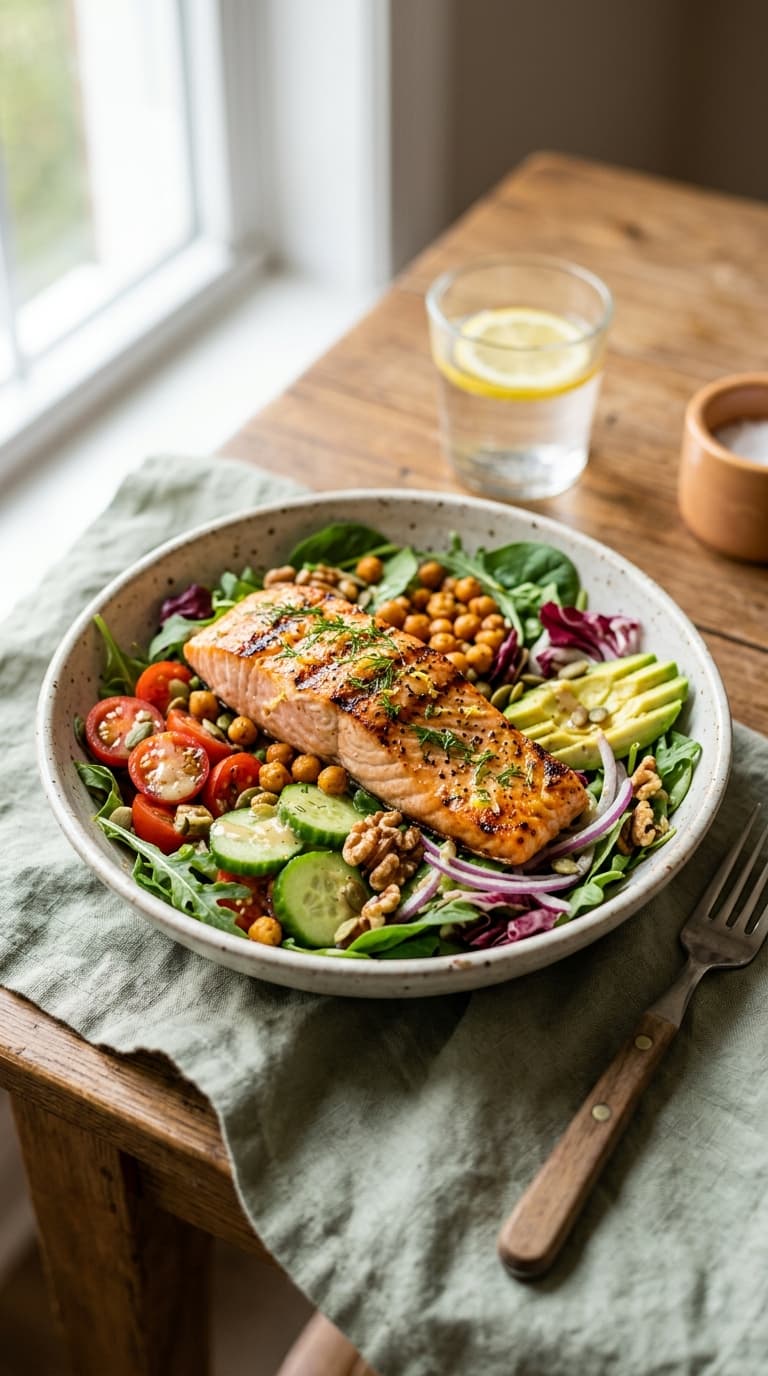
- Lunch: Big spinach salad with grilled salmon, cucumber, olive oil, and lemon dressing
- Dinner: Lentil and vegetable soup with a side of crusty whole-grain bread
- Snack: A handful of walnuts and a few slices of apple
You’ll likely feel a little “off” in the first few days as your body adjusts. Headaches, some fatigue — totally normal. Push through. By day 5 or 6, most women report a noticeable reduction in bloating and a steadier energy level throughout the day.
Week 2 — Build and Fuel
Week 2 is where things start to click. Your cravings calm down, your digestion improves, and you start feeling lighter — even before the scale shows it. This week, we add more structure and bump up the protein to keep you full and support your metabolism.
Why Protein Matters Here
Protein reduces inflammation by supporting muscle repair and keeping blood sugar stable. It also keeps you full for longer, which means fewer 3pm snack emergencies. Aim for 25–30 grams of protein per meal — this doesn’t have to mean eating a chicken breast the size of your face. Think Greek yogurt, eggs, legumes, tofu, and fish.
Check out these high-protein, low-calorie meals that actually keep you full for practical ideas that work perfectly in this phase.
Adding Movement
If you haven’t been exercising regularly, Week 2 is a gentle time to start. Anti-inflammatory movement means low-stress activities: walking, yoga, swimming, or light strength training. Intense, high-cortisol workouts can actually increase inflammation if your body isn’t ready. So don’t kill yourself in the gym trying to speed things up — that’s not how this works.
Aim for 30 minutes of movement 4–5 days a week this week. Walking after meals is particularly effective for managing blood sugar spikes.
Week 3 — Momentum and Meal Prep
By Week 3, you should feel noticeably different. Energy is up, bloating is down, and you’re starting to see real results. This is also where a lot of people get complacent — don’t let that be you!
Meal Prep Is Your Best Friend
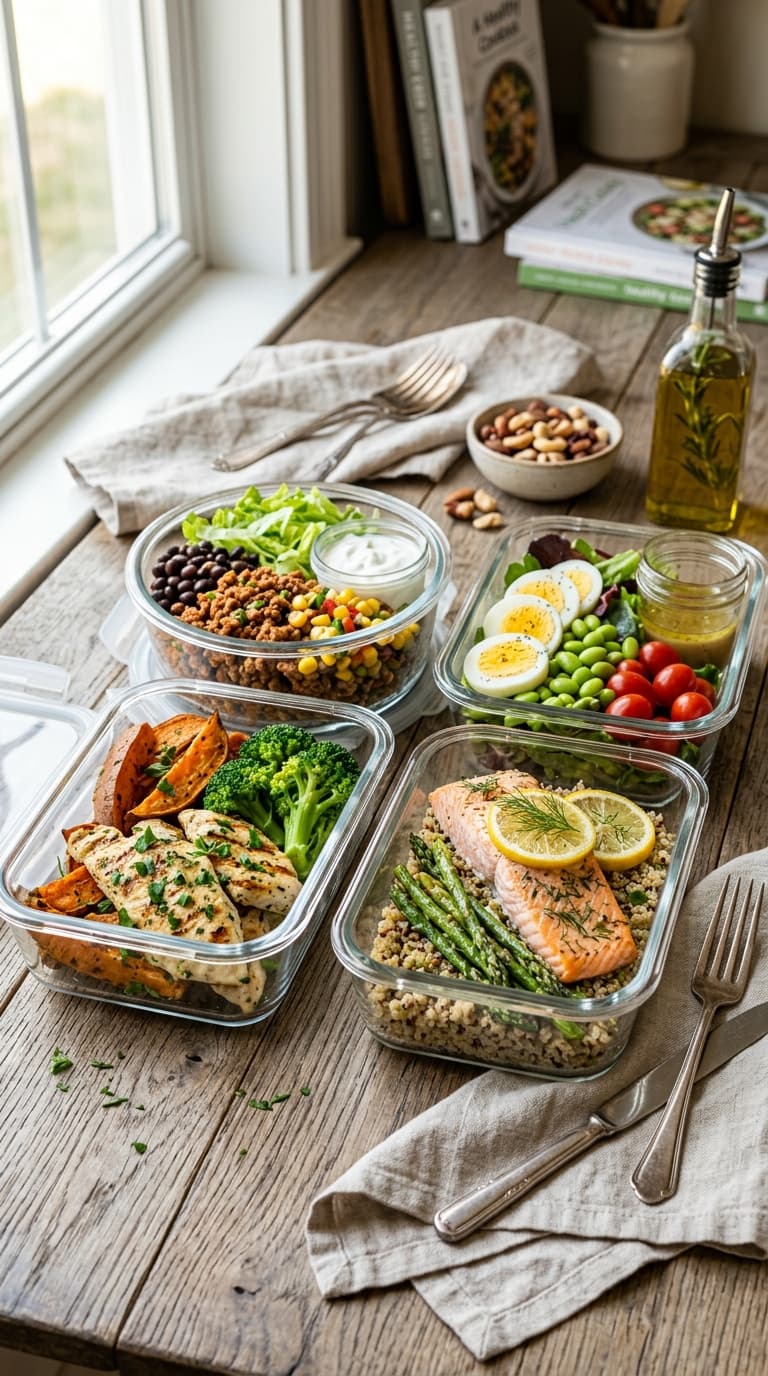
Here’s the truth: anti-inflammatory eating falls apart when you’re hungry and there’s nothing prepped. That’s how you end up grabbing something processed out of convenience. Spend 2 hours on Sunday prepping your staples for the week.
A solid prep session looks like:
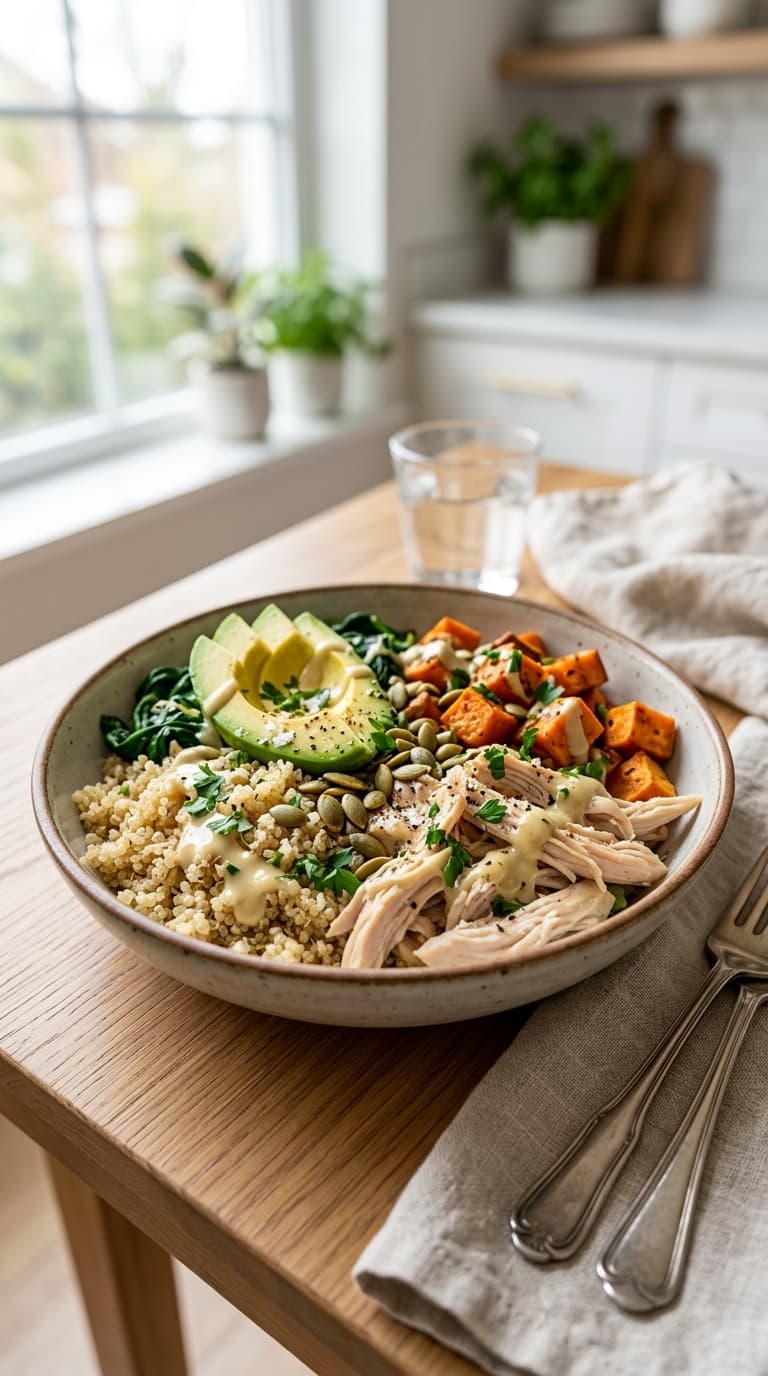
- Cook a big batch of quinoa or brown rice
- Roast a sheet pan of vegetables (broccoli, sweet potato, zucchini)
- Prep proteins — baked salmon, hard-boiled eggs, or a batch of spiced lentils
- Wash and chop salad greens so they’re ready to grab
These easy low-calorie meal prep ideas for busy weekdays will save you on the days when motivation is low and hunger is very, very real.
Snacking Smart
Snacks on this plan should be intentional, not mindless. The best anti-inflammatory snacks combine healthy fat + fiber or protein to stabilize your blood sugar between meals.
Great options include:
- Hummus with cucumber and carrot sticks
- A small handful of mixed nuts and dark chocolate chips
- Greek yogurt with a teaspoon of turmeric and honey
- Celery with almond butter
For more ideas, this list of low-calorie snacks that satisfy cravings fast is genuinely one I go back to regularly.
Week 4 — Optimize and Sustain
You’ve made it to the final week — and honestly, FYI, most women say this is the week they truly feel like themselves again. Skin is clearer, sleep is better, digestion is smoother, and yes — the weight loss is visible and real.
Fine-Tuning Your Approach
Week 4 is about optimization, not restriction. Look back at what worked best for your body over the past three weeks. Which meals left you feeling the most energized? Which days were the hardest and why?
This self-awareness is what turns a 4-week plan into a lifelong approach. You’re not counting down days to go back to your old habits — you’re building a new normal.
What to Add In Week 4
This week, experiment with some powerful anti-inflammatory additions:
- Turmeric golden milk as an evening drink (anti-inflammatory, calming, and genuinely delicious)
- Fermented foods like kefir, kimchi, or sauerkraut to boost gut health
- Omega-3 supplements if you’re not eating fatty fish regularly
- Magnesium-rich foods like dark leafy greens, pumpkin seeds, and dark chocolate to support sleep and reduce stress hormones
Sleep, by the way, is a huge piece of this puzzle. Poor sleep is one of the top drivers of inflammation and weight gain in women. Aim for 7–9 hours consistently — and yes, that means putting the phone down. No screen is worth the cortisol spike.
Anti-Inflammatory Foods That Support Weight Loss Specifically
Let’s nerd out for a second on the foods that do double duty — fighting inflammation and supporting fat loss at the same time.
Blueberries — Packed with antioxidants that reduce oxidative stress and support a healthy metabolism. Throw them into smoothies, oatmeal, or just eat them by the handful.
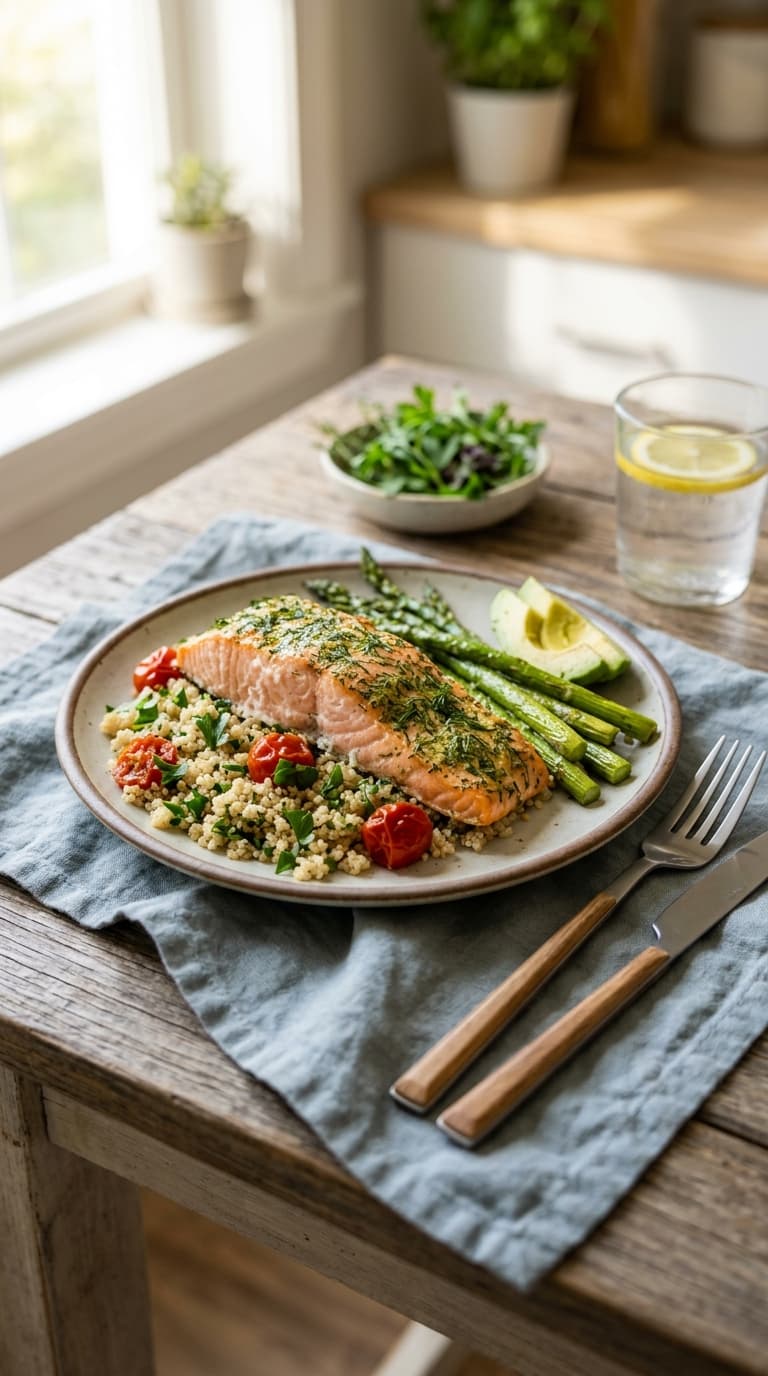
Salmon — Rich in omega-3 fatty acids that directly lower inflammatory markers. Two to three servings a week is ideal.
Avocado — Healthy monounsaturated fats that support hormone balance. Also incredibly filling, which helps with calorie control naturally.
Green tea — Contains EGCG, a powerful compound that reduces inflammation and has been shown to support fat burning. Swap your afternoon coffee for green tea and notice the difference.
Turmeric — The superstar of anti-inflammatory eating. Curcumin (its active compound) is one of the most studied natural anti-inflammatories on the planet. Pair it with black pepper to massively boost absorption.
Dark leafy greens — Kale, spinach, and Swiss chard are loaded with vitamins K, C, and magnesium. These directly combat inflammatory pathways and support thyroid function, which is critical for women’s metabolism.
These foods are the backbone of foods that help reduce belly fat — and they work best when you eat them consistently, not just occasionally.
What to Drink on an Anti-Inflammatory Plan
Hydration matters way more than most people realize on this plan. What you drink can either fuel inflammation or fight it.
The best choices:
- Water (aim for at least 8 glasses a day, more if you’re active)
- Green tea and herbal teas (ginger, chamomile, peppermint)
- Golden milk (turmeric latte with coconut milk)
- Fresh vegetable juices (low-sugar, greens-based)
These low-calorie drinks that support weight loss are worth bookmarking for when you want variety without sabotaging your progress.
Alcohol, sadly, is one of the most inflammatory things you can regularly consume. Even one or two glasses of wine a week can disrupt gut bacteria and spike inflammatory markers. If complete elimination sounds brutal, at least cut it to one occasion per week during these 4 weeks.
Common Mistakes to Avoid
Even with the best intentions, a few common pitfalls trip people up on anti-inflammatory eating.
Eating “healthy” processed foods — Gluten-free cookies and protein bars with a long ingredient list are still inflammatory. Real food, whole food, always wins.
Skipping meals — This spikes cortisol (your stress hormone), which increases inflammation. Eat regularly. Three balanced meals plus a snack is the sweet spot for most women.
Not eating enough fat — Fat phobia is so 2005. Healthy fats are essential for hormone production and actually help your body absorb fat-soluble anti-inflammatory nutrients like vitamins A, D, E, and K.
Overdoing it on “superfoods” and ignoring the basics — A sprinkle of goji berries on top of a diet full of refined sugar won’t save you. Consistency with the basics matters infinitely more than adding trendy extras.
Your Simple 4-Week Action Plan at a Glance
- Week 1: Remove the biggest inflammatory triggers. Reset digestion. Build the habit of cooking at home.
- Week 2: Add protein intentionally. Begin light, consistent movement. Focus on stable blood sugar.
- Week 3: Implement meal prep. Add fermented foods. Stay consistent — this is where results compound.
- Week 4: Optimize what’s working. Add anti-inflammatory extras. Prioritize sleep and stress management.
If you want to complement this with a solid calorie structure, learning how to lose weight on 1,200–1,500 calories without starving gives you a realistic framework that pairs perfectly with this approach.
Final Thoughts
Here’s the thing — this plan isn’t about being perfect. It’s about giving your body the consistent, nourishing support it needs to stop fighting itself. When inflammation drops, weight loss stops feeling like a battle and starts feeling like a natural byproduct of simply feeling good.
You don’t need to overhaul your entire life overnight. Start with one week. Make the swaps. Notice how you feel. I’d bet real money that by the end of Week 2, you won’t want to go back to the way things were.
Your body is genuinely capable of incredible things when you stop feeding it inflammation and start feeding it real, healing food. So — are you ready to give it four weeks and see what happens? 🙂 I think you’ll be surprised.